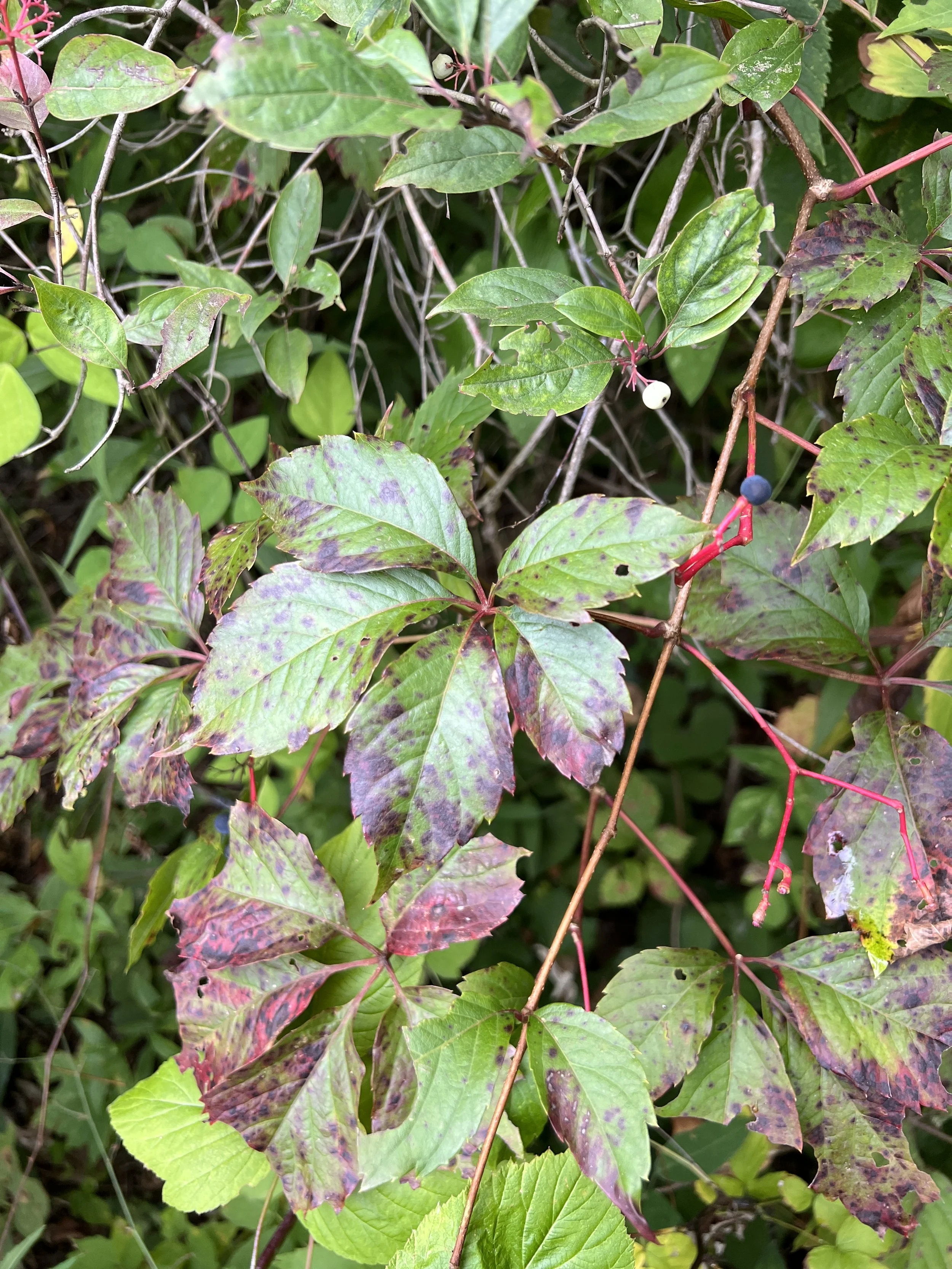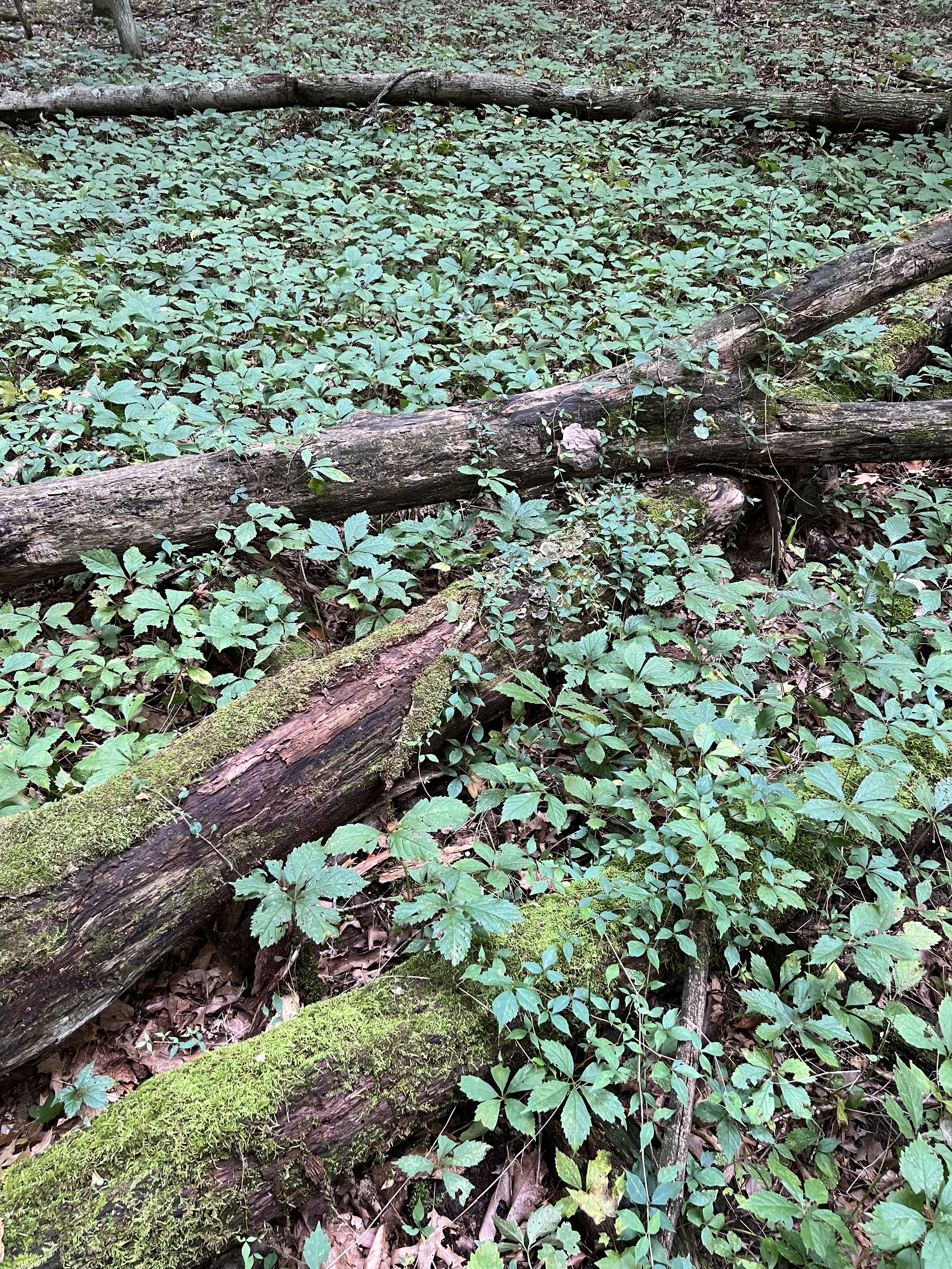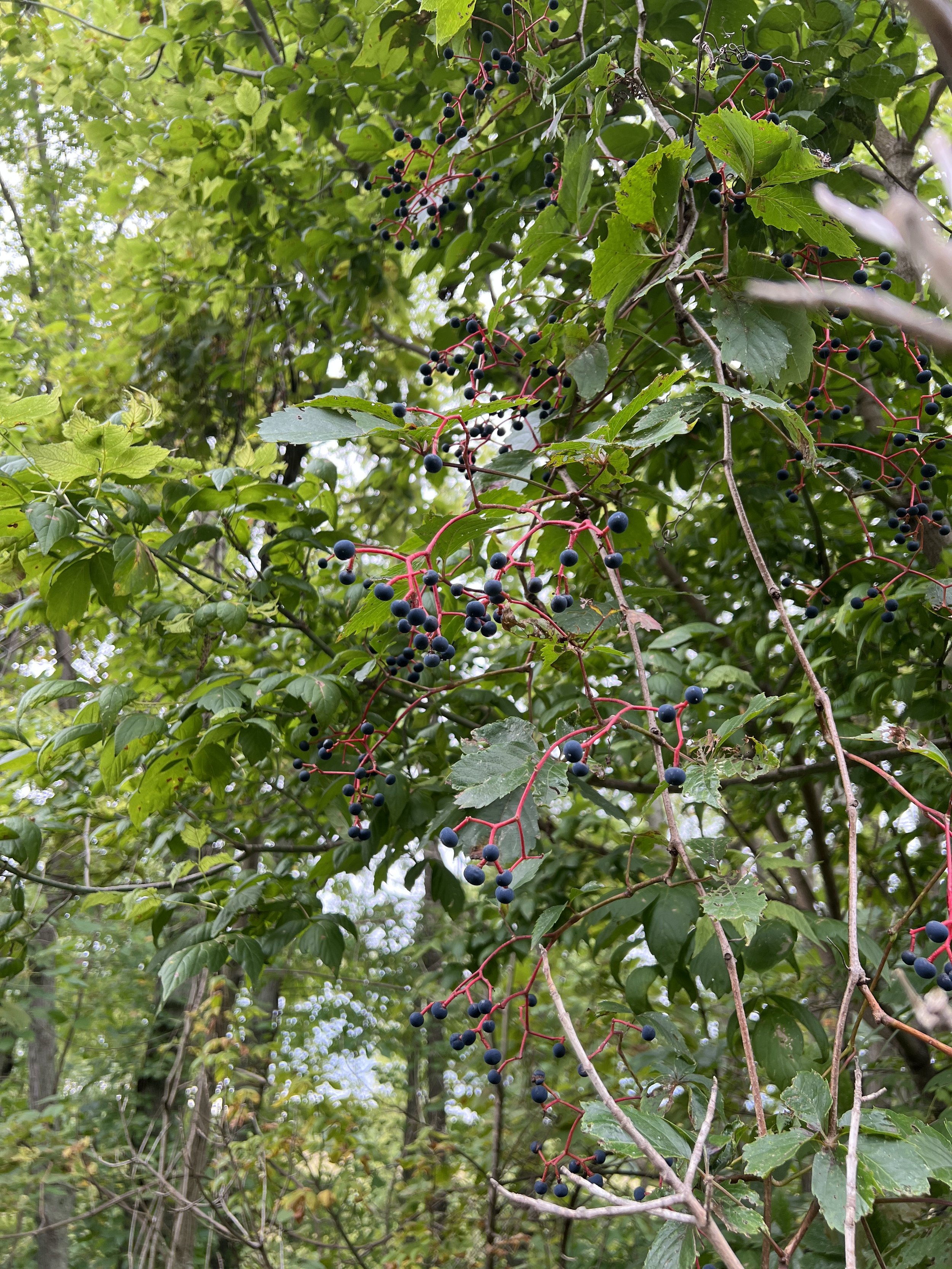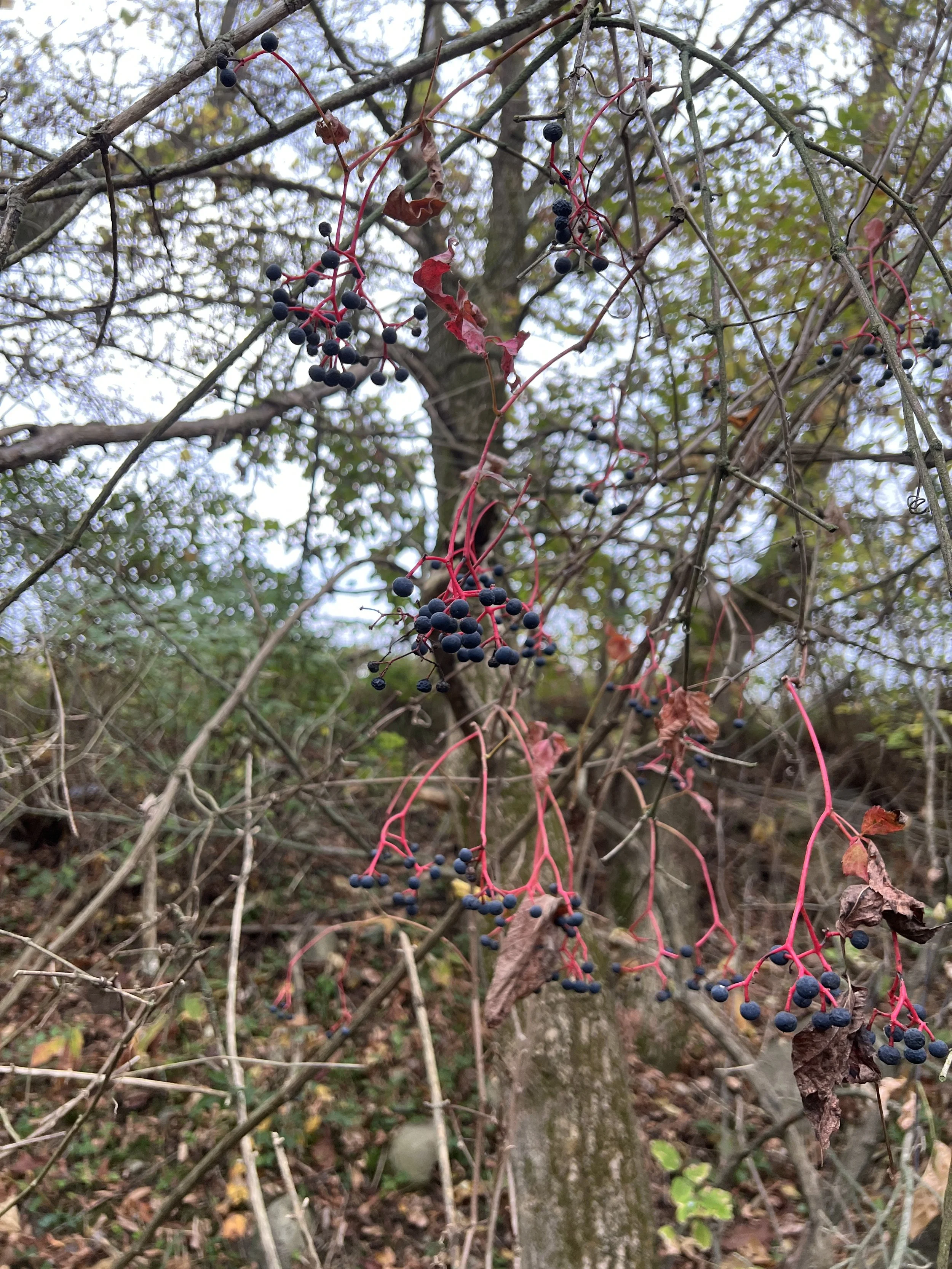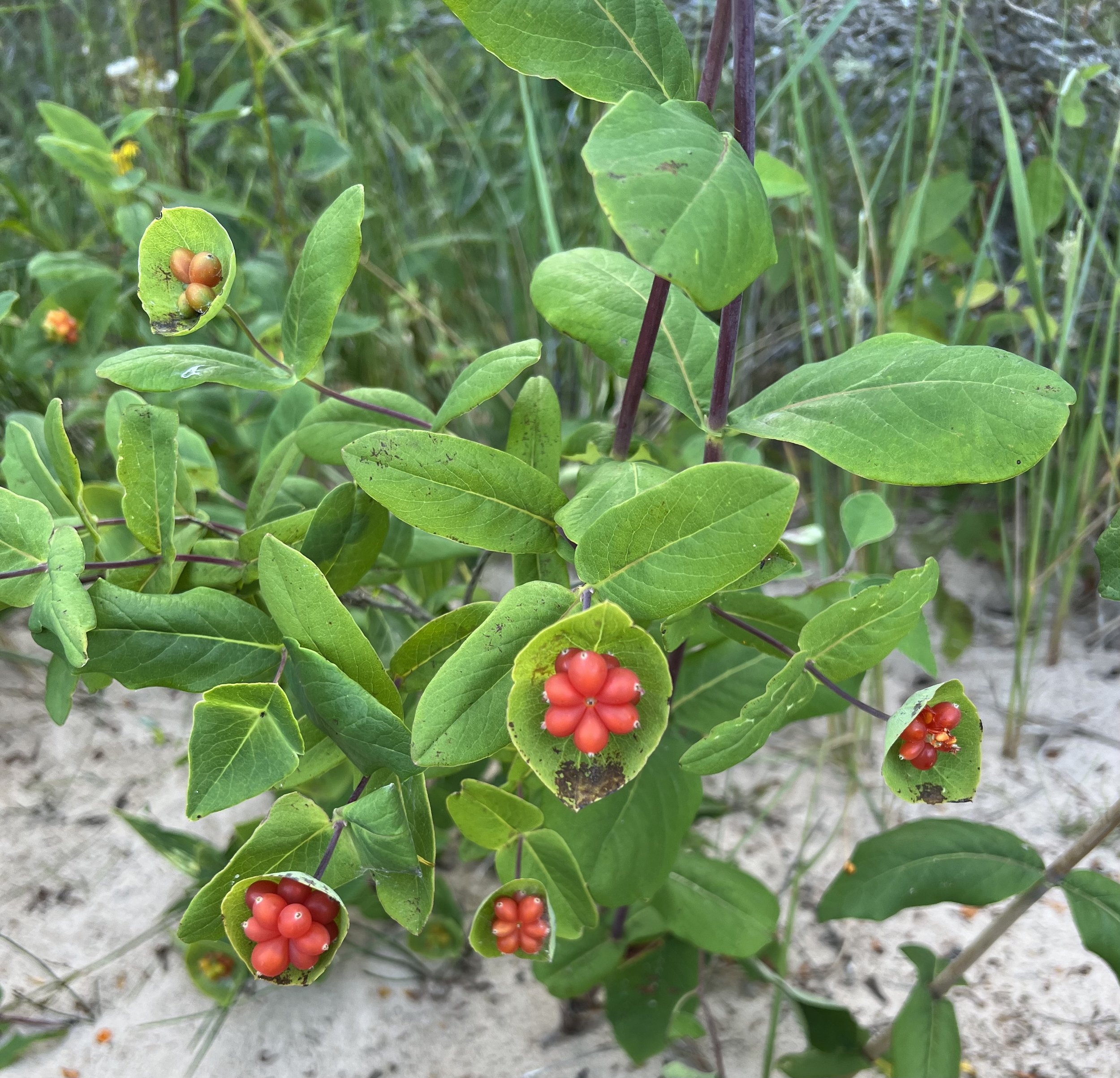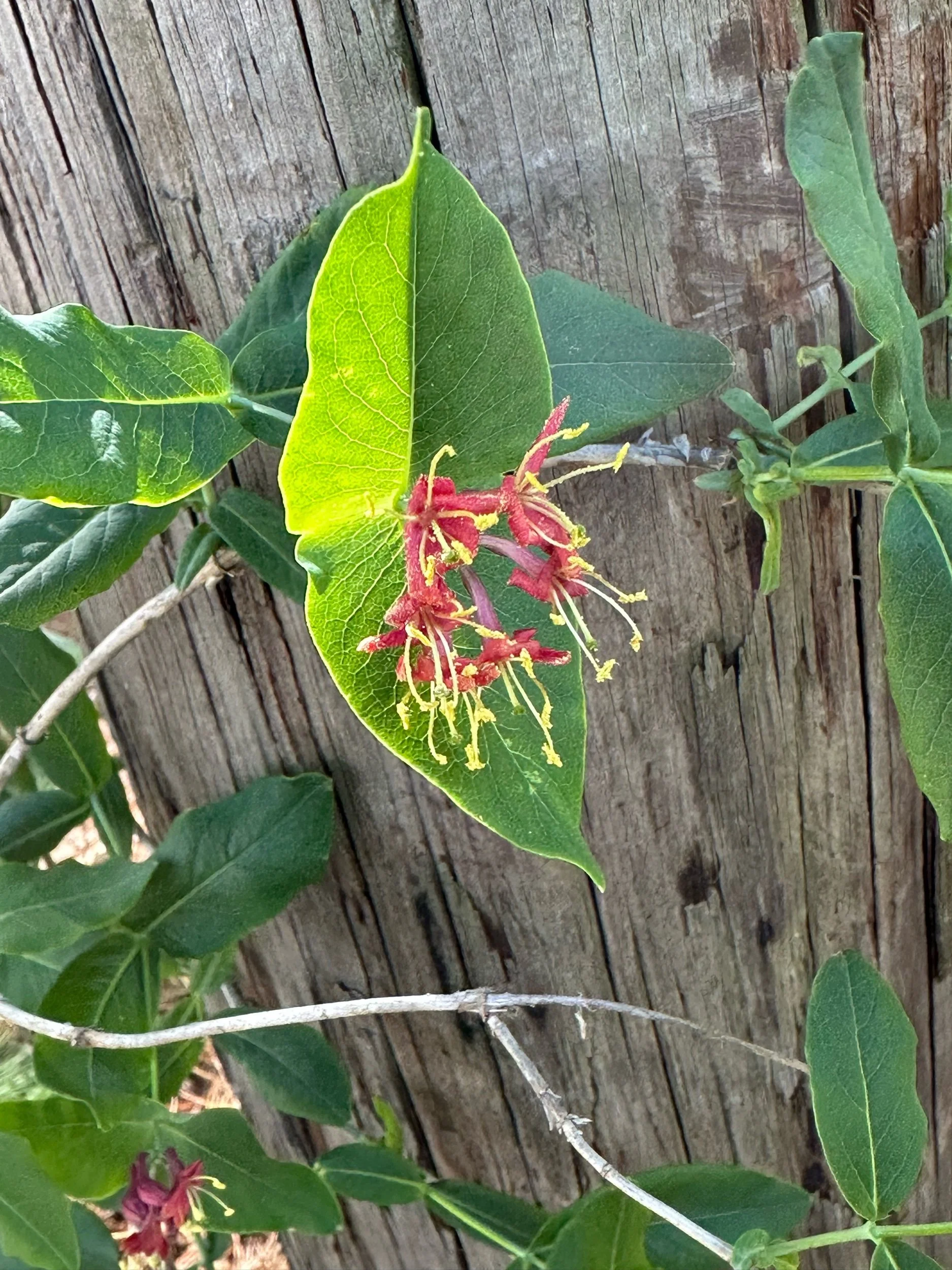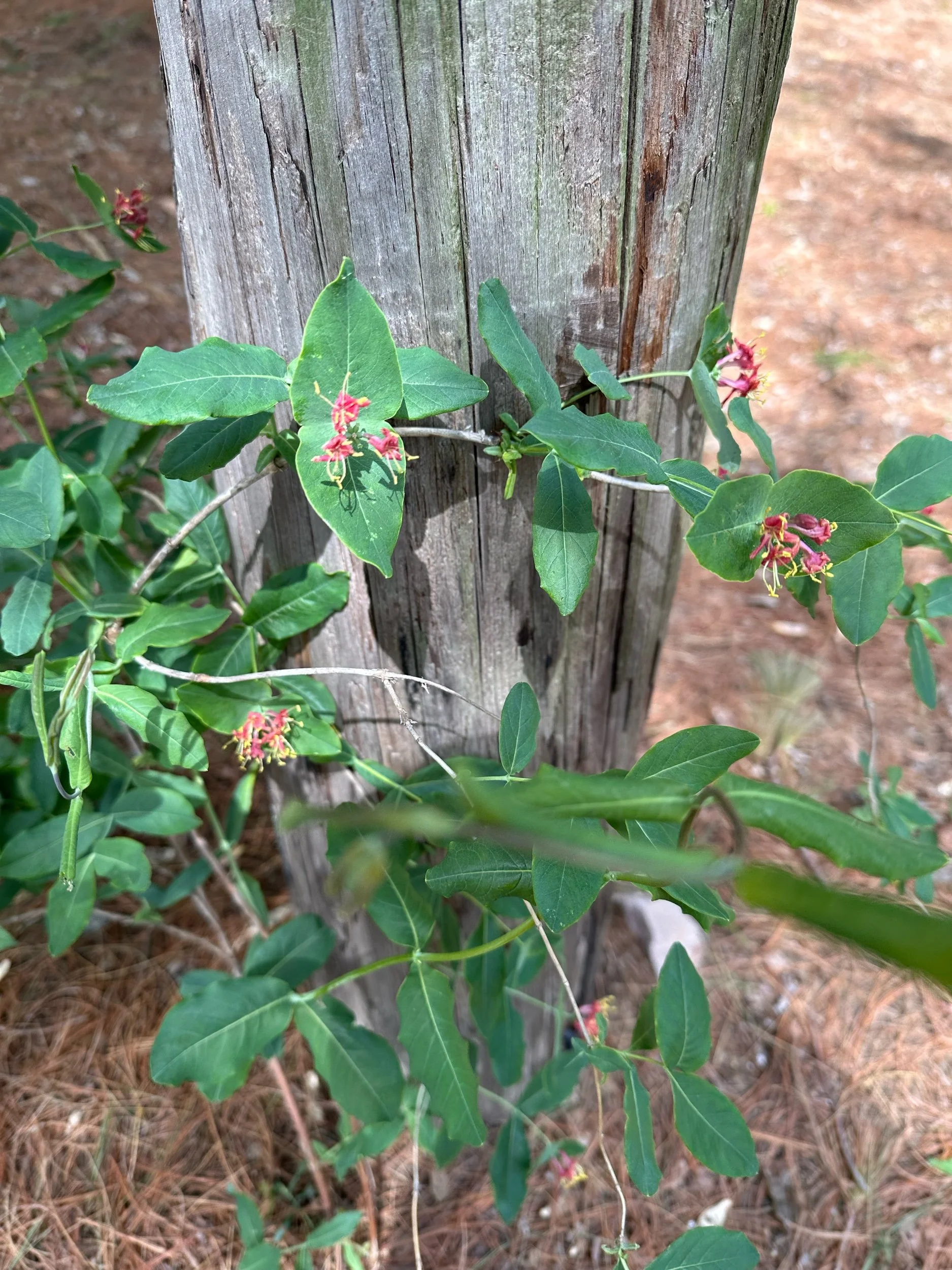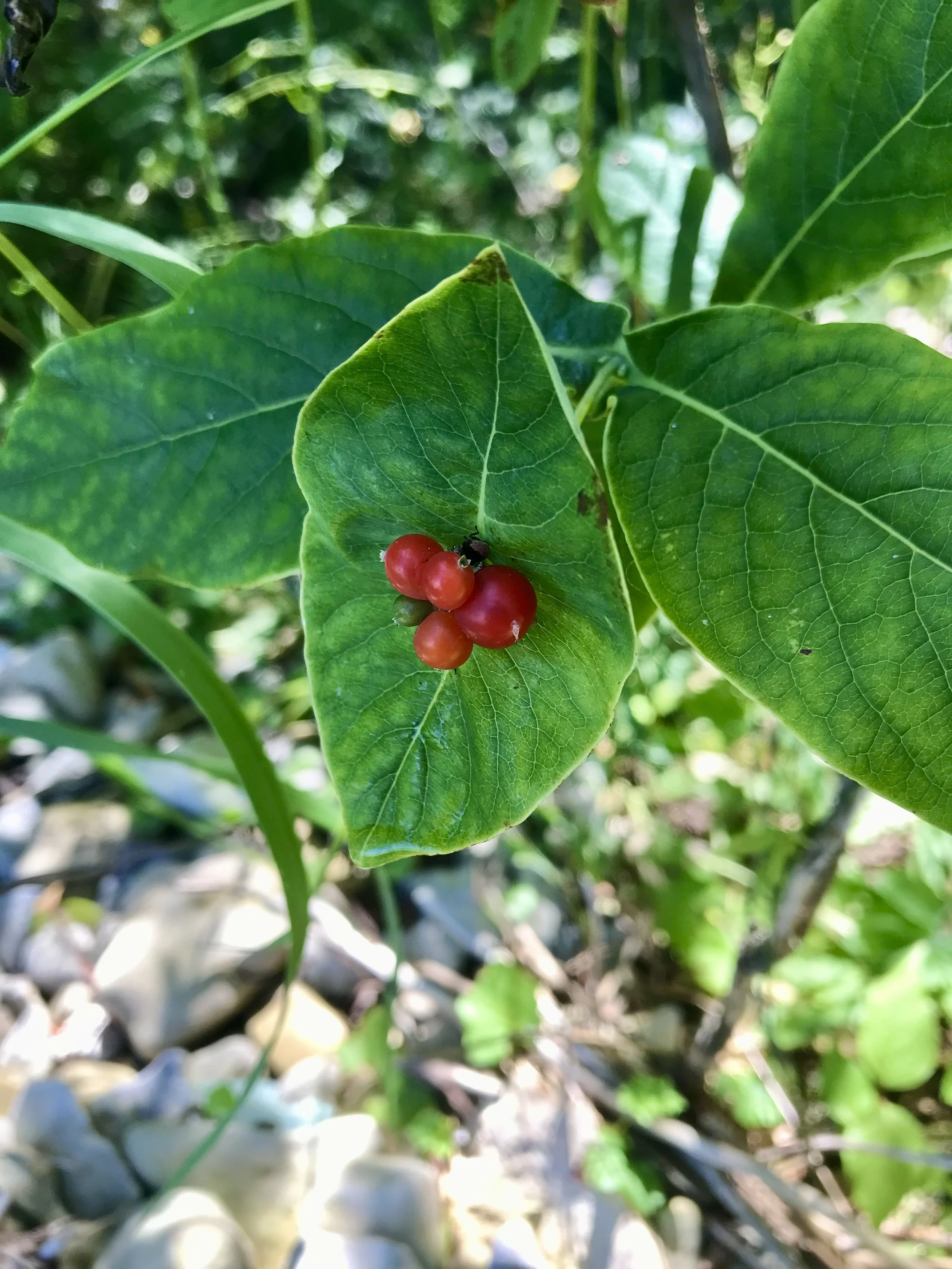
Groundnut (Apios americana)

from $5.50

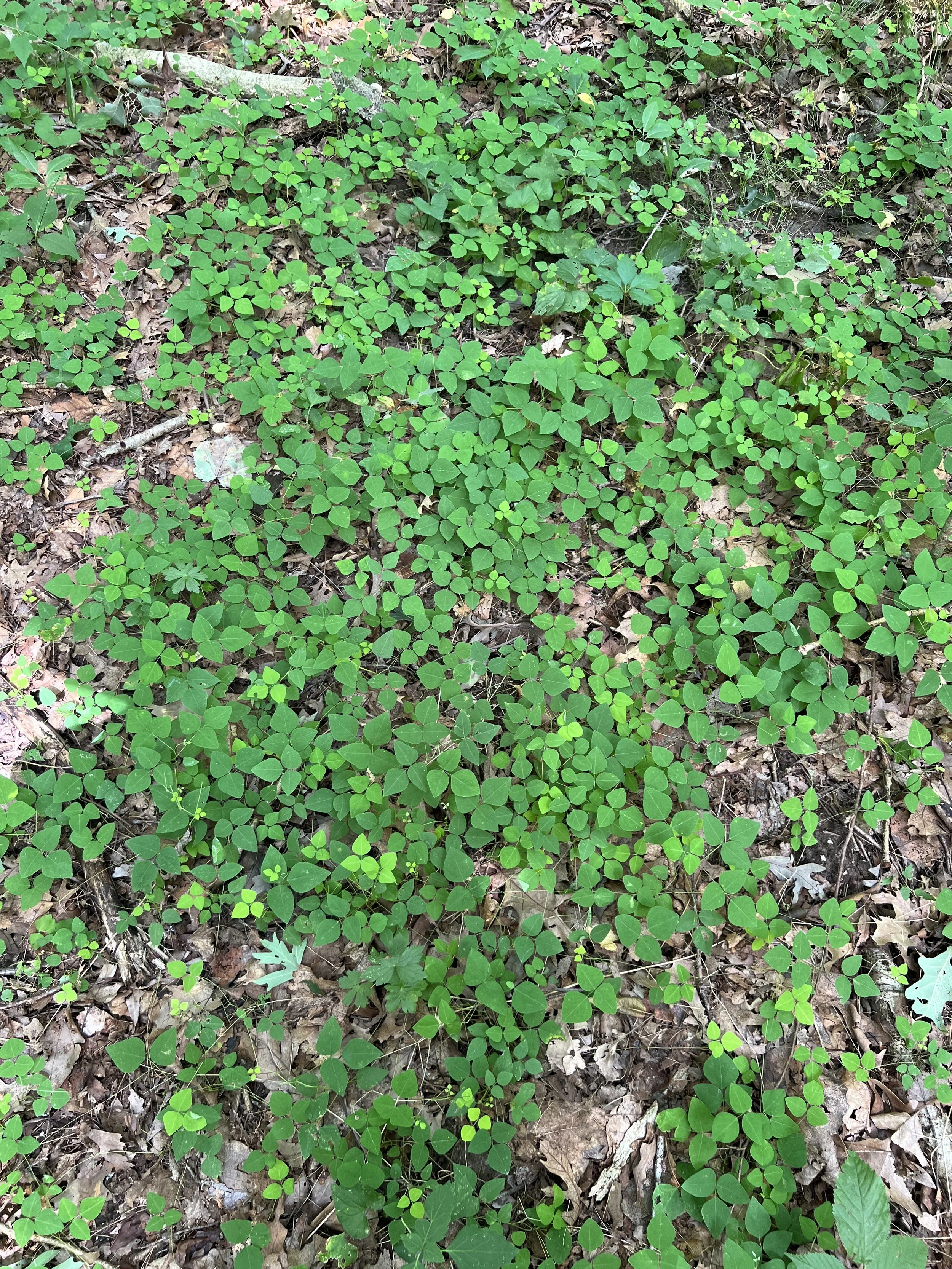
Groundnut (Apios americana) is a vine that is native to Michigan, usually found on the edges of forests and wetlands.

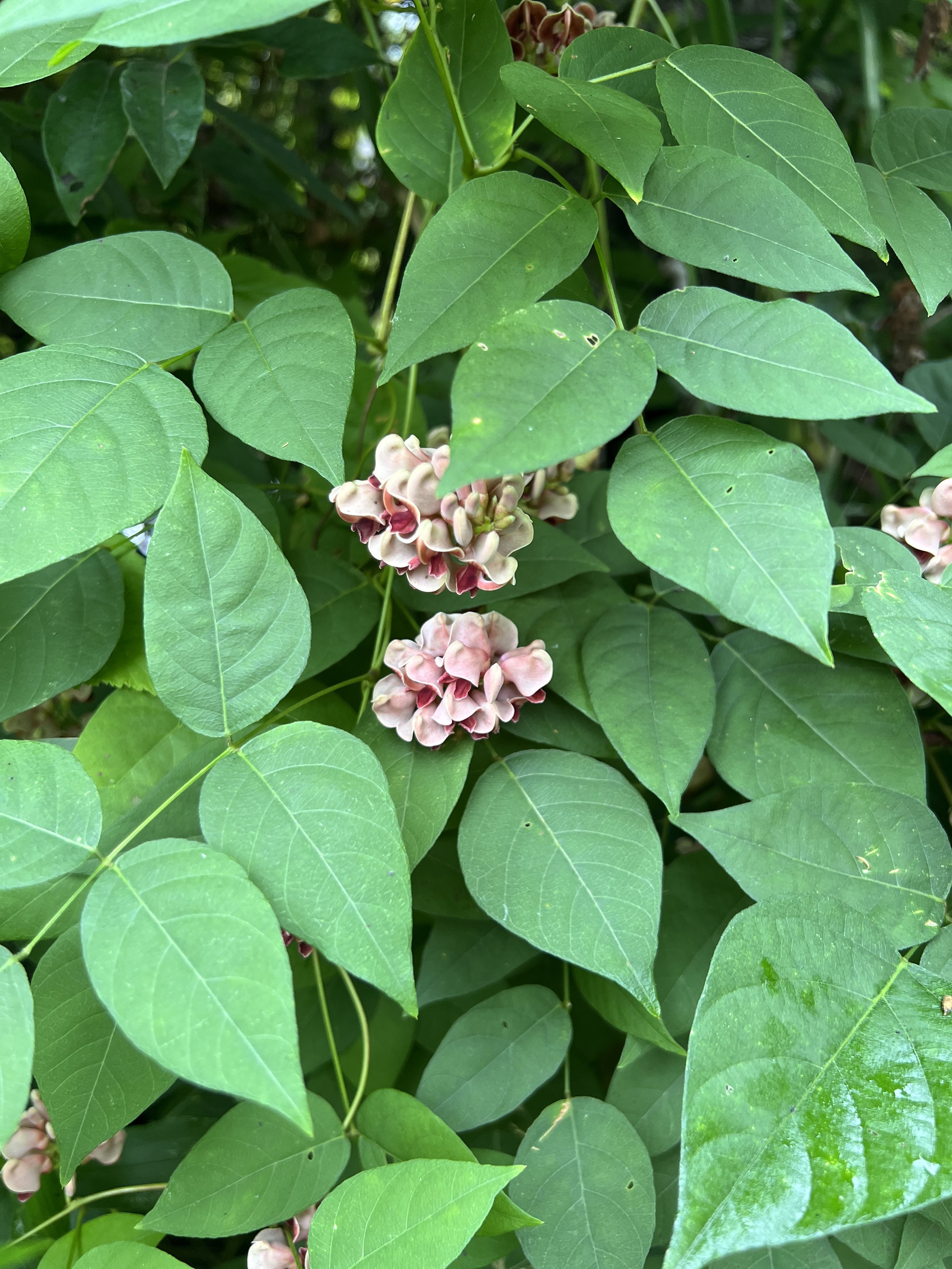
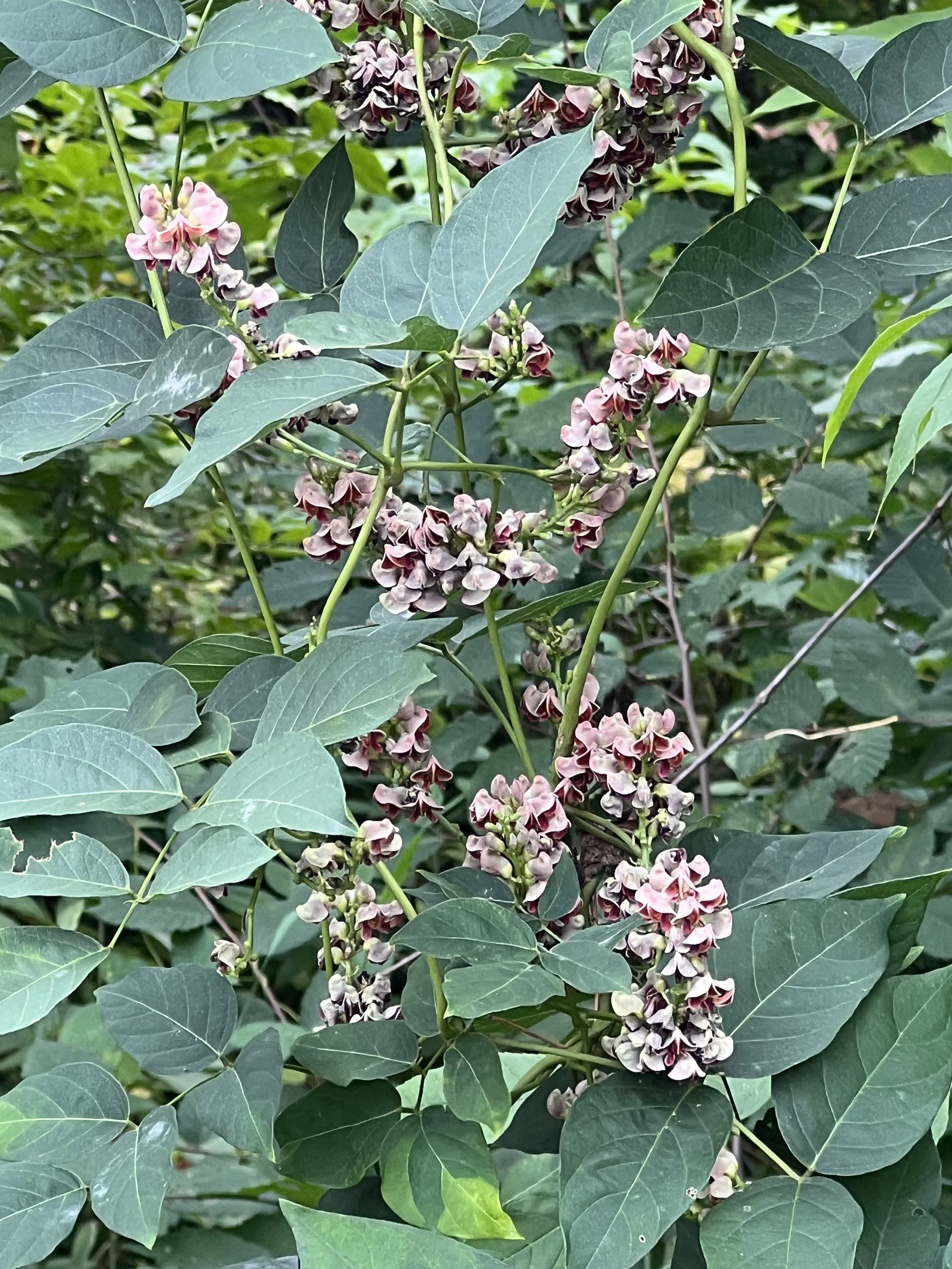
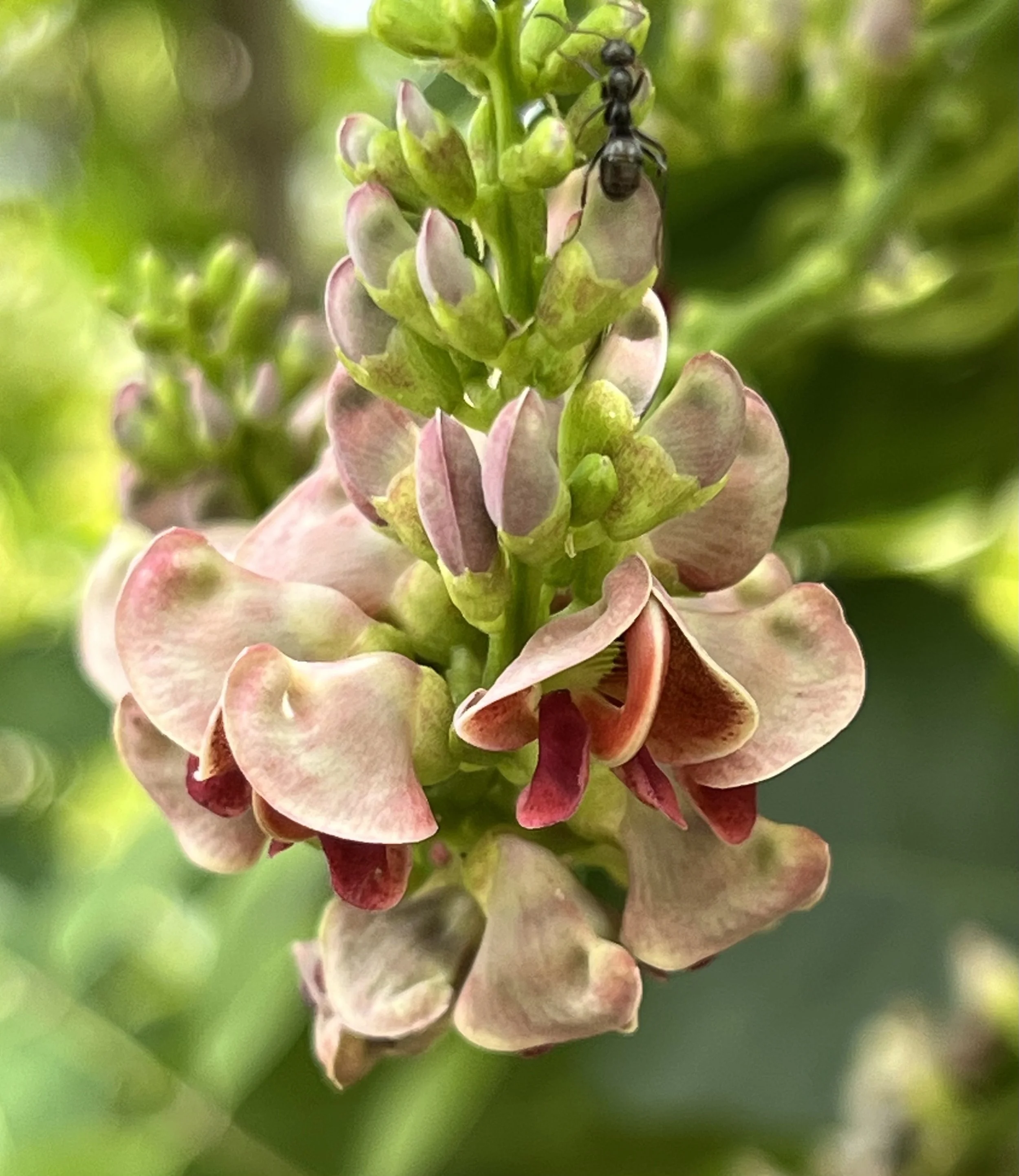
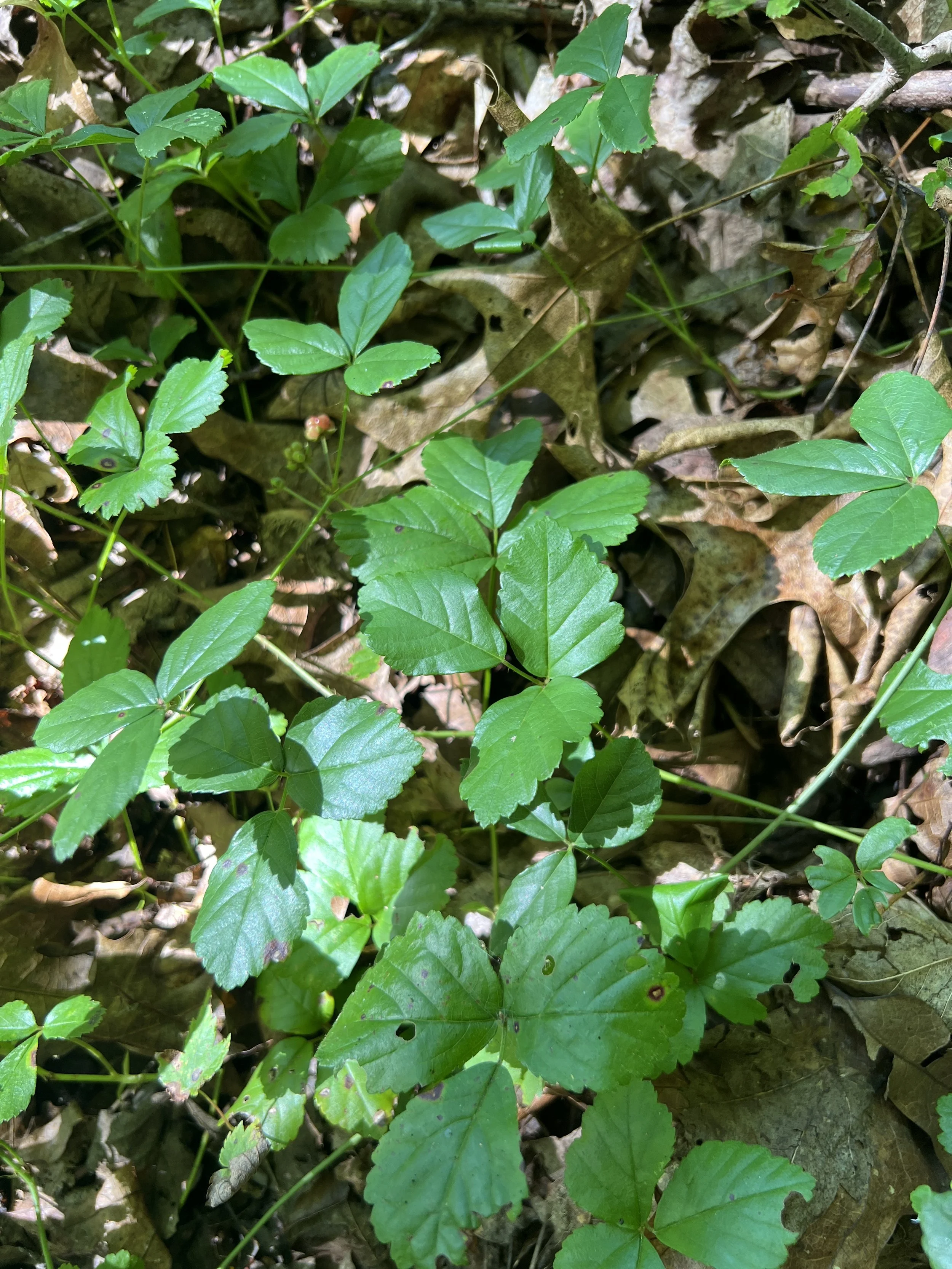
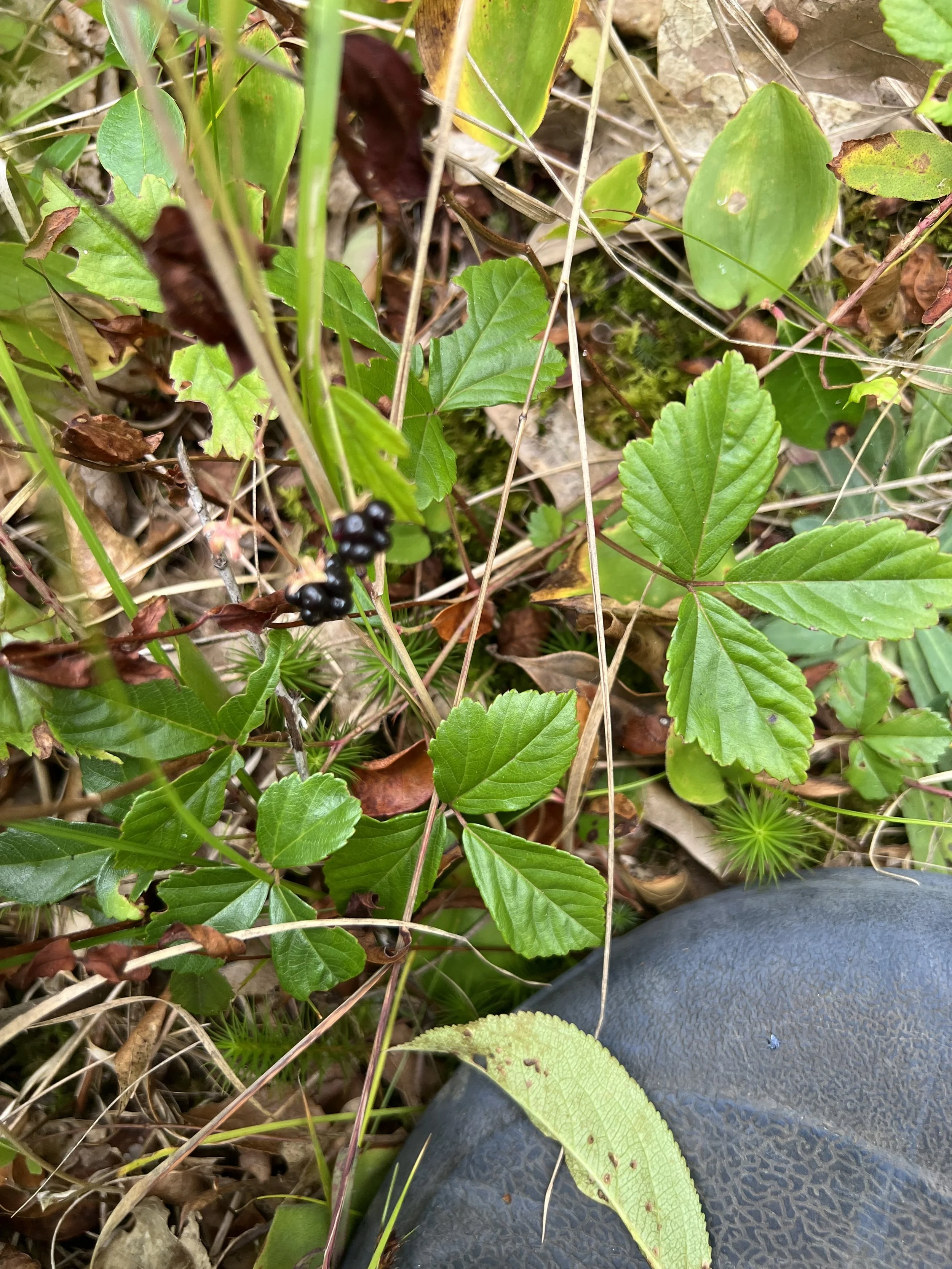
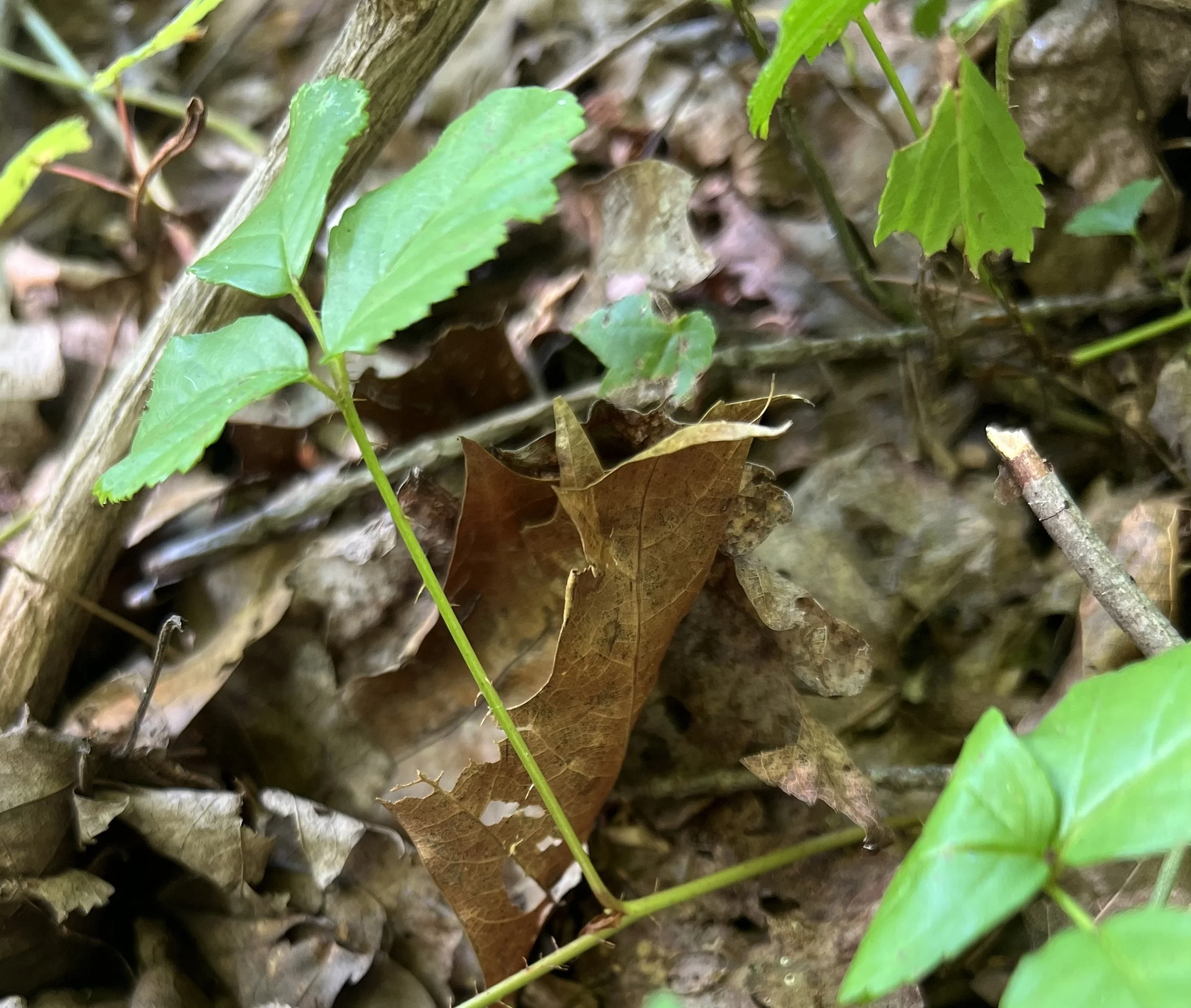
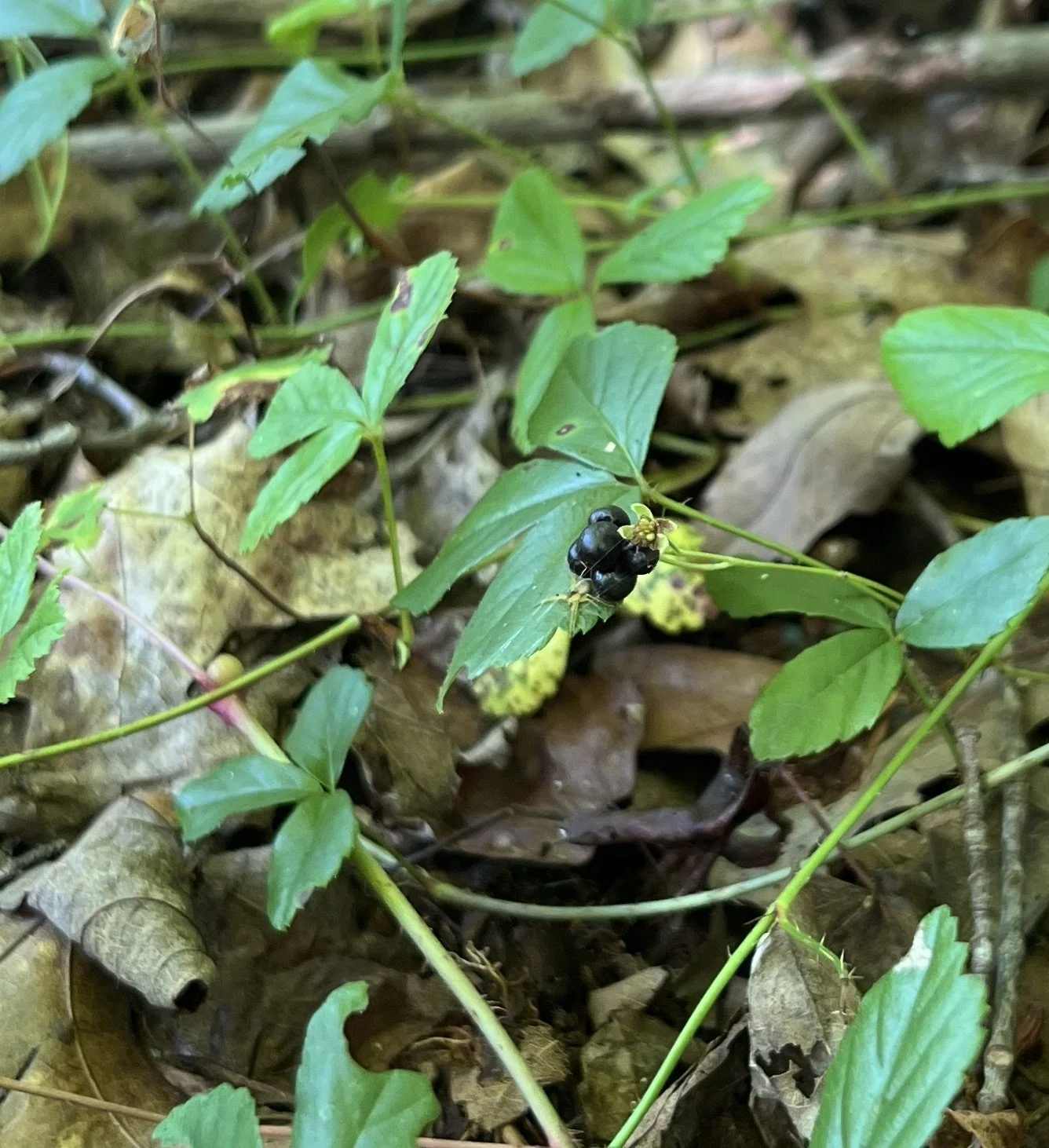
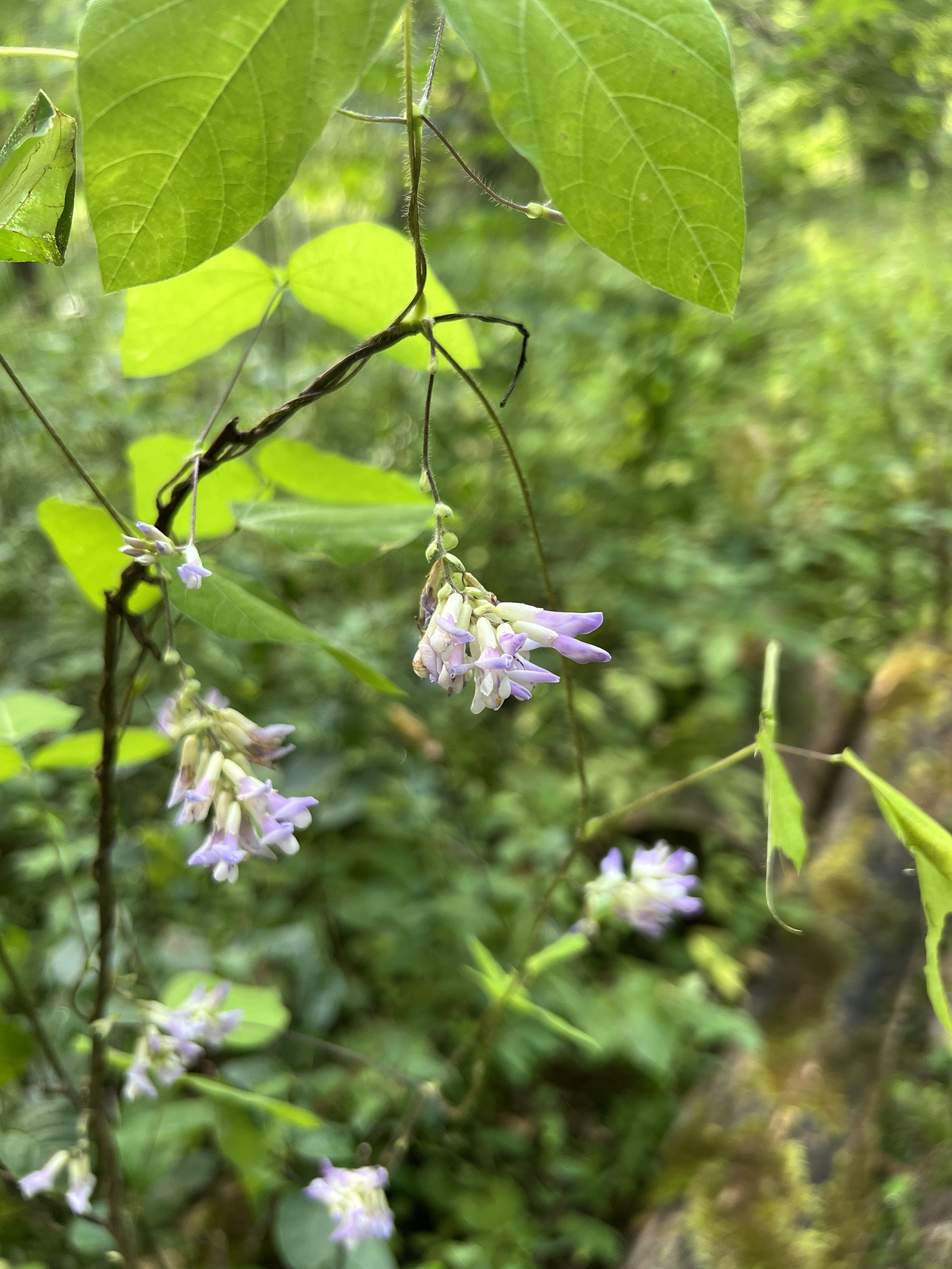
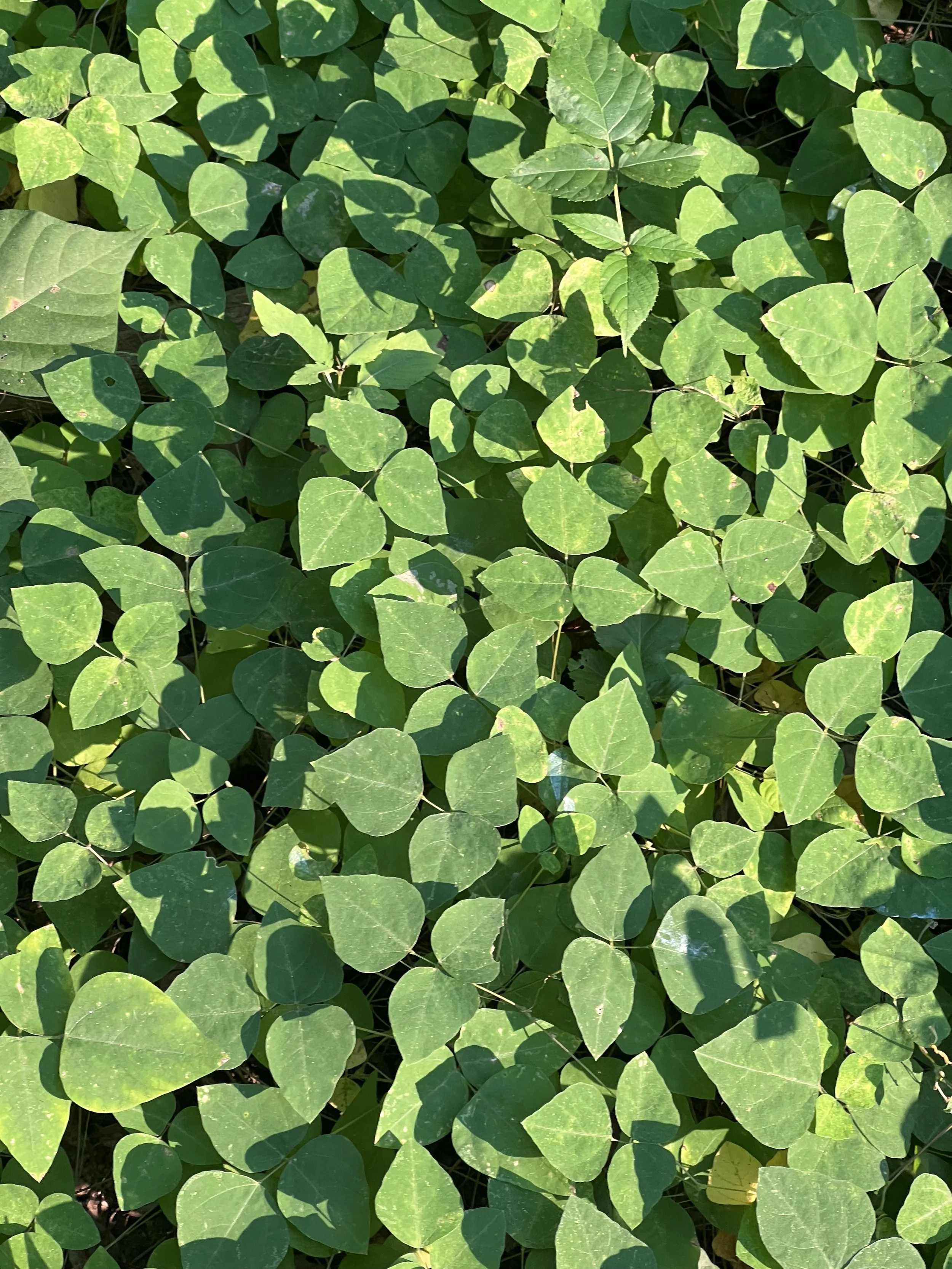
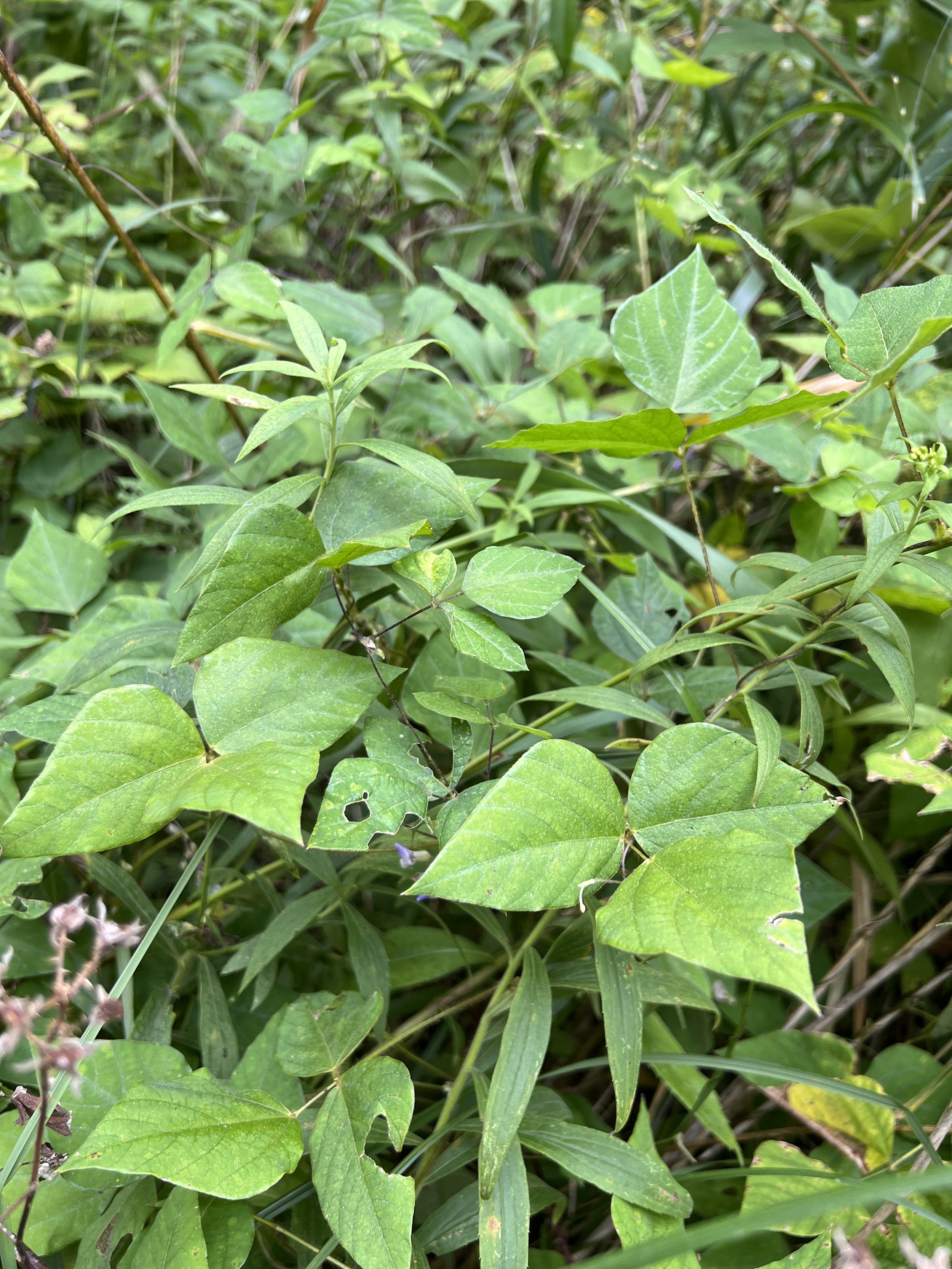
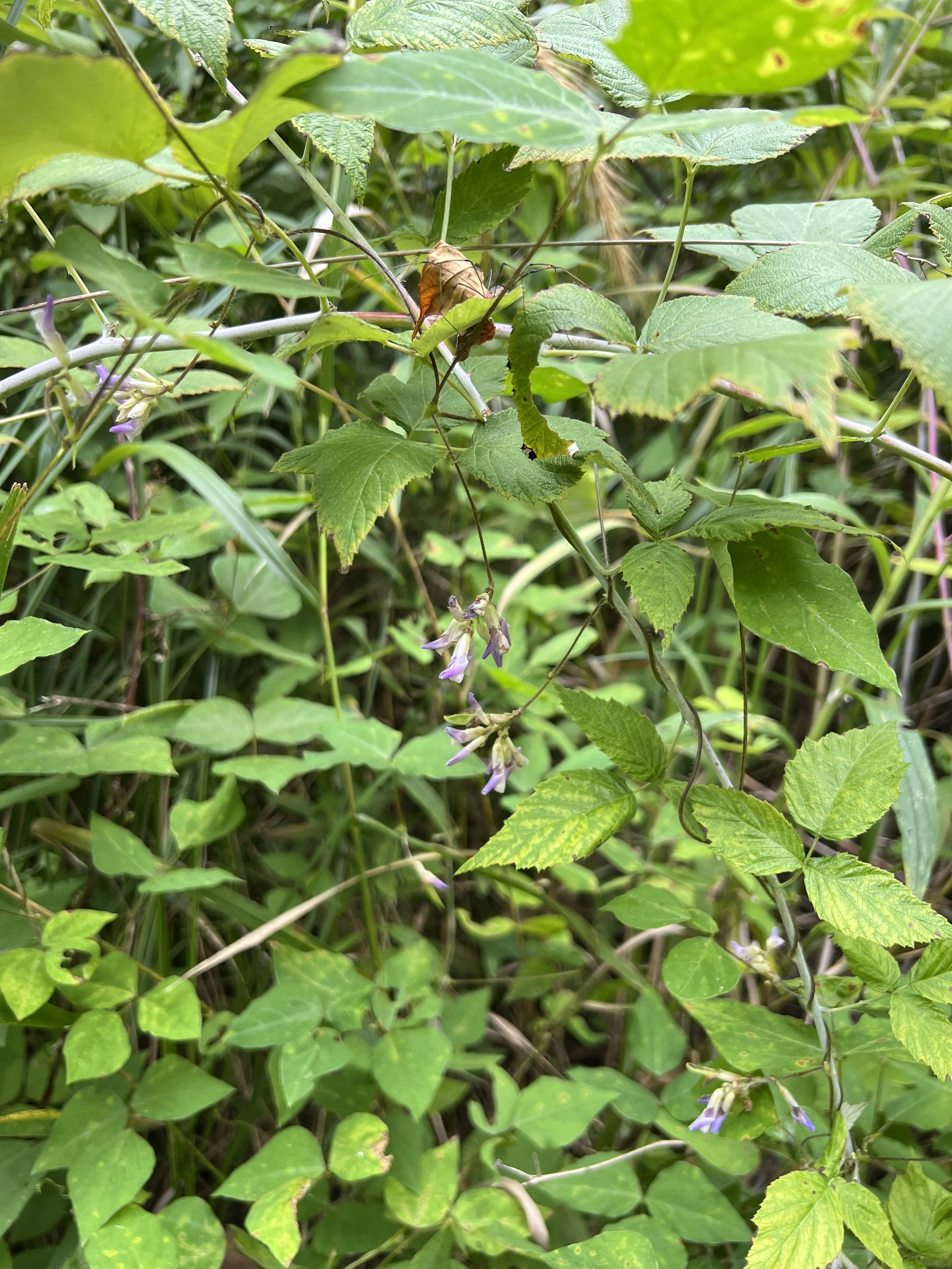
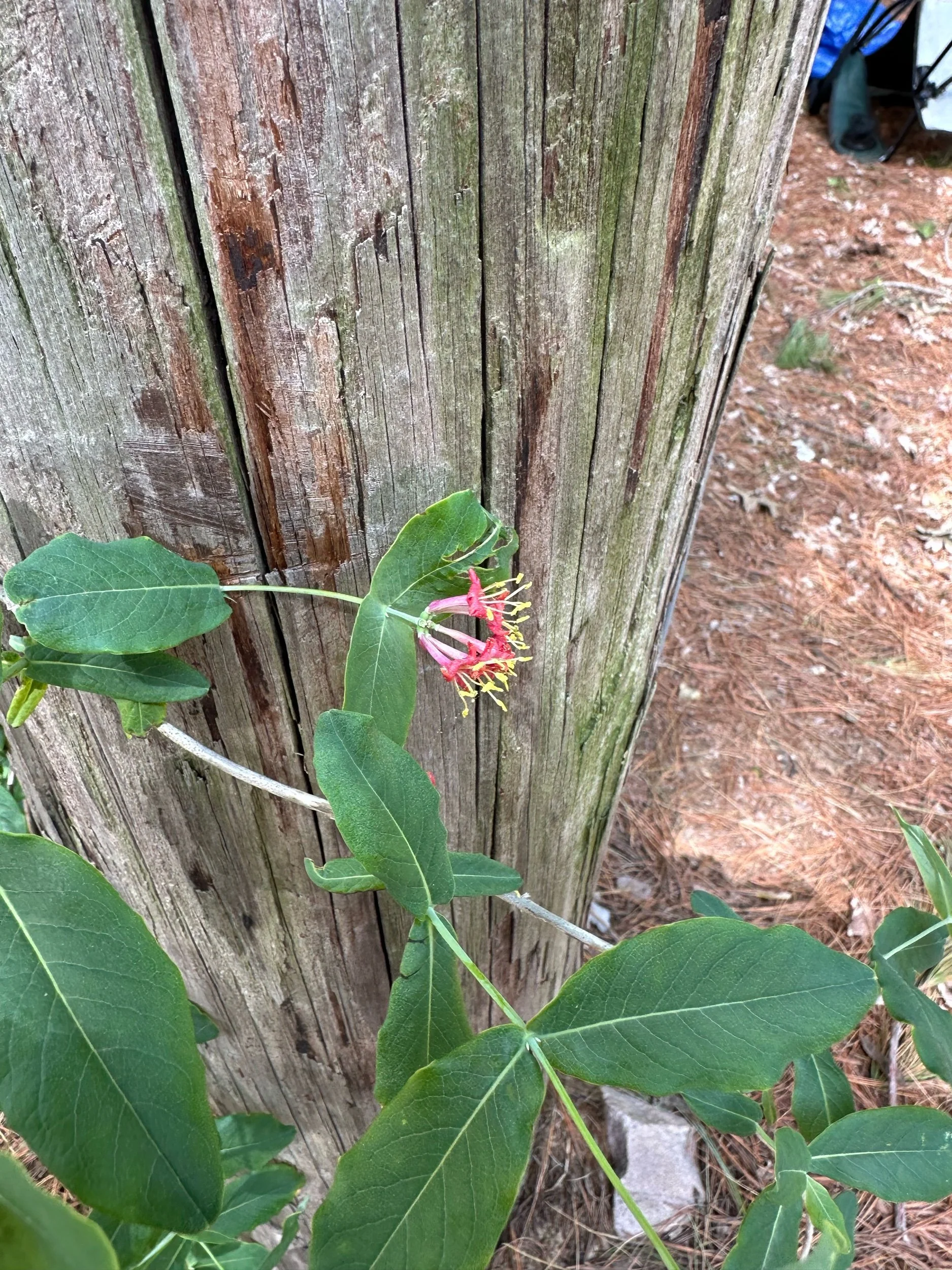
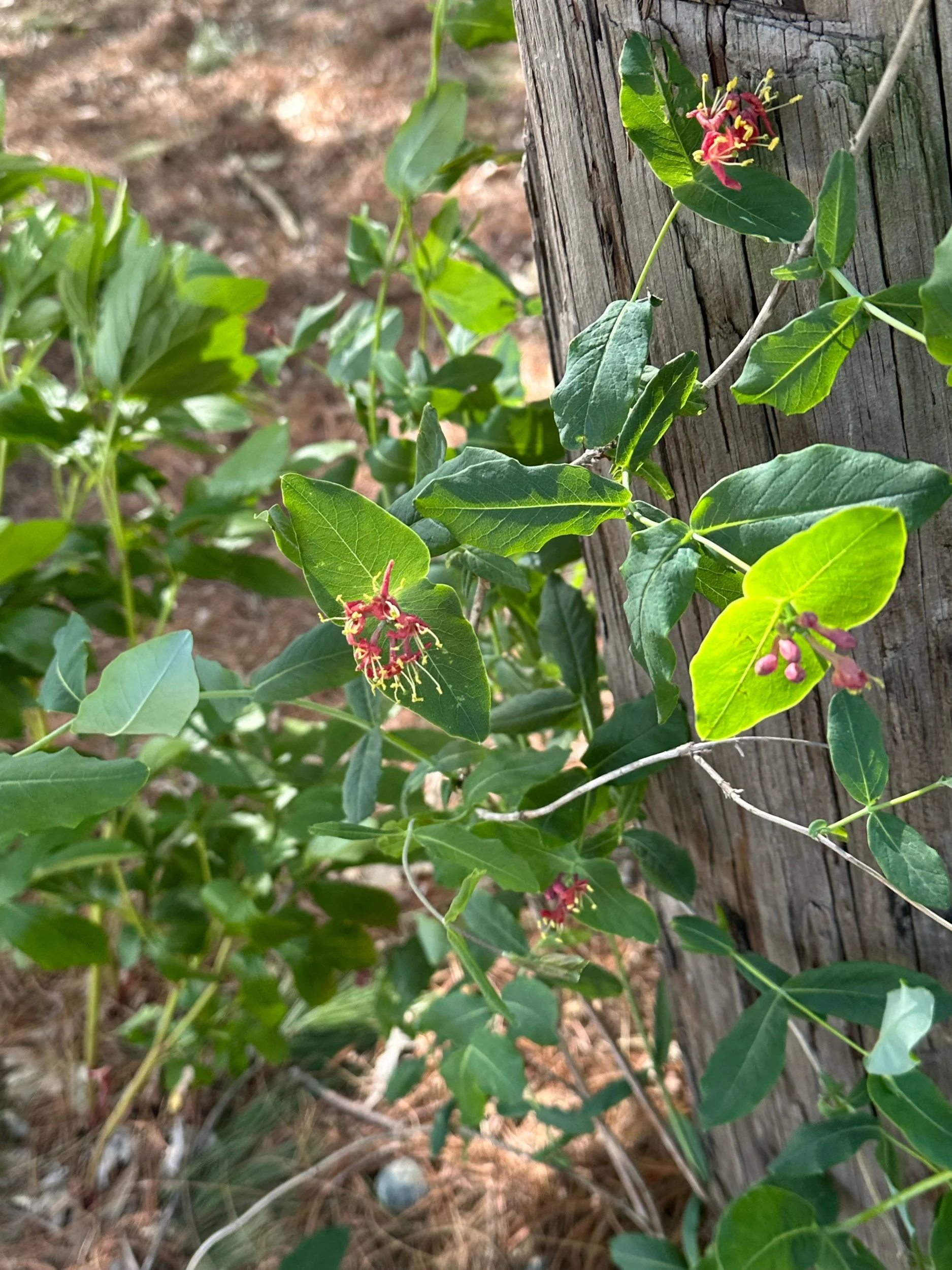
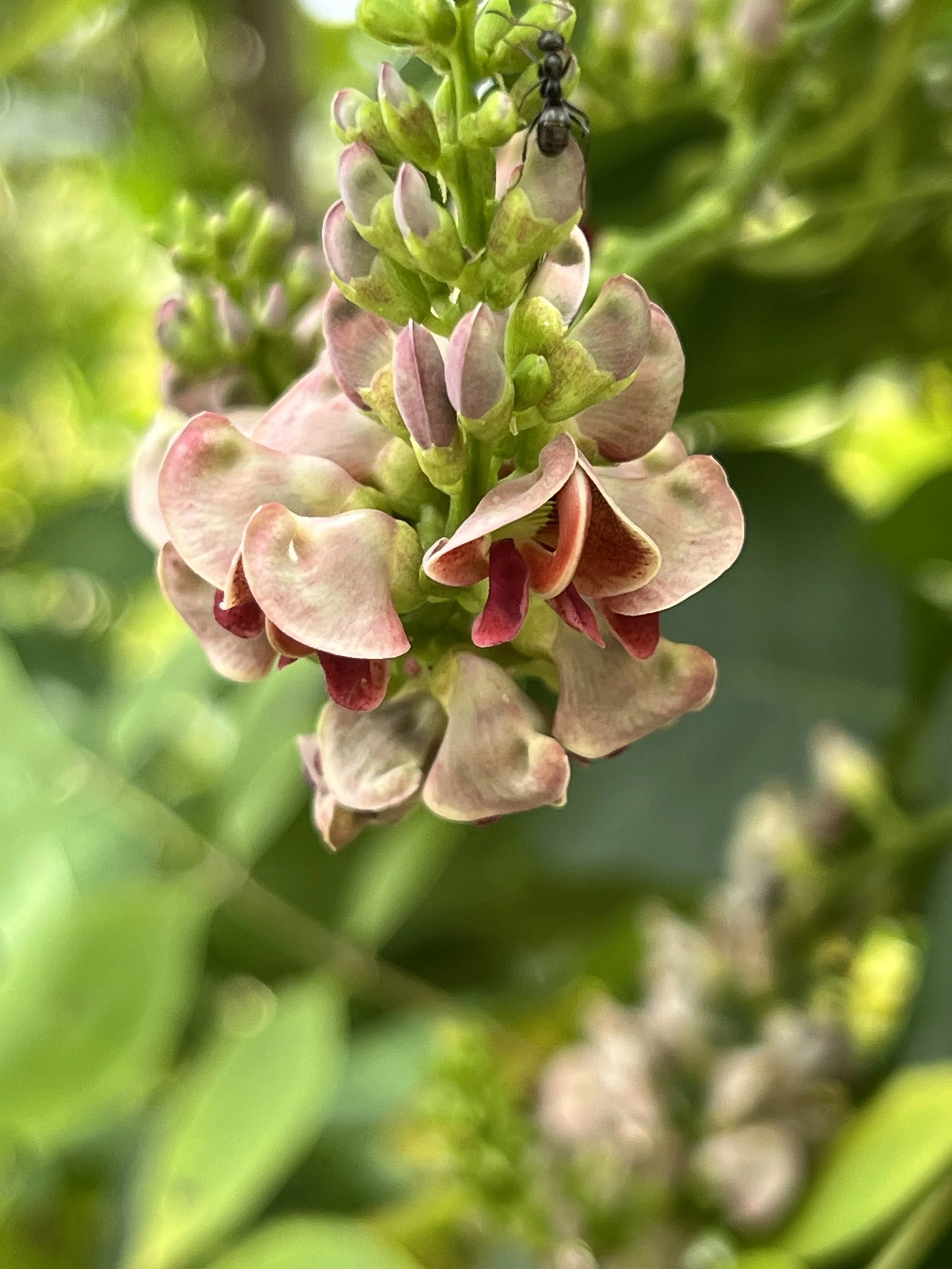
This vine can grow up to 10’ long, usually climbing shrubs or trees growing along the edge of the forest. The leaves are dark green and compound. They usually have 5 leaflets, but can have 3-7. Racemes of flowers grow out of some of the axils of the leaves. Flowers are pea-like, as they are in the Apiaceae family. The outside of the flower is pink and the inside is maroon or mauve. The flowers are a treat to see. The flowers also make the plants more visible. This plant also has extrafloral nectaries for insect visitors. If you look at the fourth photo, you can just see an ant on the raceme of flowers.

In the northern states, most groundnut plants are sterile due to being triploid (according to Michigan Flora—three sets of chromosomes). Michigan Flora queries as to how these plants are so widespread without seeds being formed.

Further south, pollinated flowers produce pods with a line of large seeds in them. I have not smelled the flowers, but apparently they have a strange scent (In Defense of Plants). With that and their reddish color, some think that flies may be the pollinators, but others have witnessed only bees visiting.

Underground, there are tubers with roots connection them, somewhat like a spaced out string of beads. They are dark brown on the outside and pale inside. These tubers are edible for humans and other mammals, who will sometimes dig them up to eat them.

Companion Plants: cardinal flower, fringed loosestrife, wood reedgrass

Groundnut (Apios americana)

Michigan Flora reference page for state distribution: Groundnut

Height: 3-10 feet, vine

Bloomtime: July-Sept

Soil: moist to wet loam, loamy sand, muck

Sun: part to full sun

Plant Spacing: 2 feet

Flower: maroon/burgundy/pink

Family: Apiaceae

Tuber source: Eastern US
Sizes:

Groundnut (Apios americana) is a vine that is native to Michigan, usually found on the edges of forests and wetlands.

This vine can grow up to 10’ long, usually climbing shrubs or trees growing along the edge of the forest. The leaves are dark green and compound. They usually have 5 leaflets, but can have 3-7. Racemes of flowers grow out of some of the axils of the leaves. Flowers are pea-like, as they are in the Apiaceae family. The outside of the flower is pink and the inside is maroon or mauve. The flowers are a treat to see. The flowers also make the plants more visible. This plant also has extrafloral nectaries for insect visitors. If you look at the fourth photo, you can just see an ant on the raceme of flowers.

In the northern states, most groundnut plants are sterile due to being triploid (according to Michigan Flora—three sets of chromosomes). Michigan Flora queries as to how these plants are so widespread without seeds being formed.

Further south, pollinated flowers produce pods with a line of large seeds in them. I have not smelled the flowers, but apparently they have a strange scent (In Defense of Plants). With that and their reddish color, some think that flies may be the pollinators, but others have witnessed only bees visiting.

Underground, there are tubers with roots connection them, somewhat like a spaced out string of beads. They are dark brown on the outside and pale inside. These tubers are edible for humans and other mammals, who will sometimes dig them up to eat them.

Companion Plants: cardinal flower, fringed loosestrife, wood reedgrass

Groundnut (Apios americana)

Michigan Flora reference page for state distribution: Groundnut

Height: 3-10 feet, vine

Bloomtime: July-Sept

Soil: moist to wet loam, loamy sand, muck

Sun: part to full sun

Plant Spacing: 2 feet

Flower: maroon/burgundy/pink

Family: Apiaceae

Tuber source: Eastern US