Image 1 of 2
Image 2 of 2
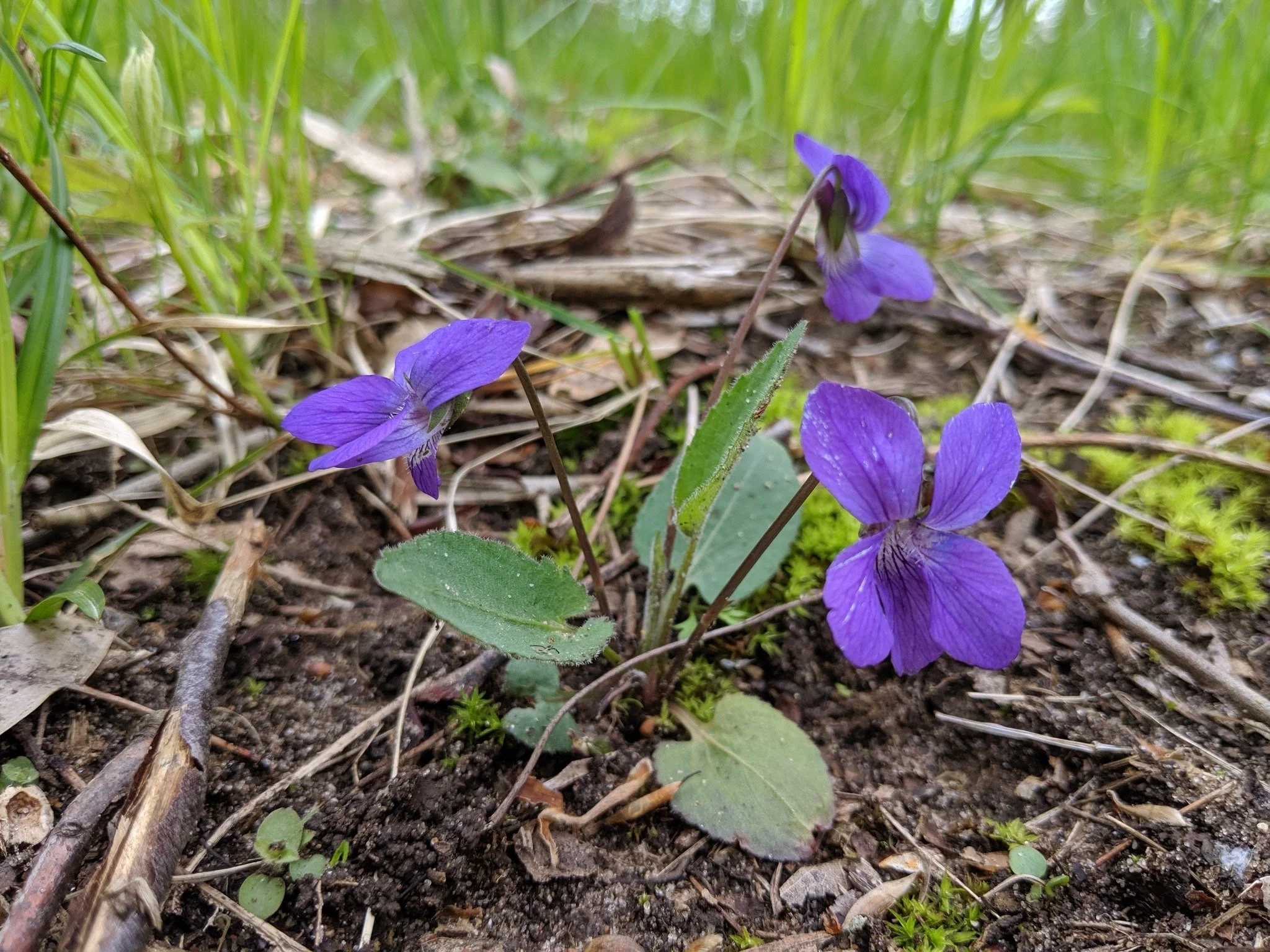
Sand Violet (Viola fimbriatula)
from $3.50
Sold Out
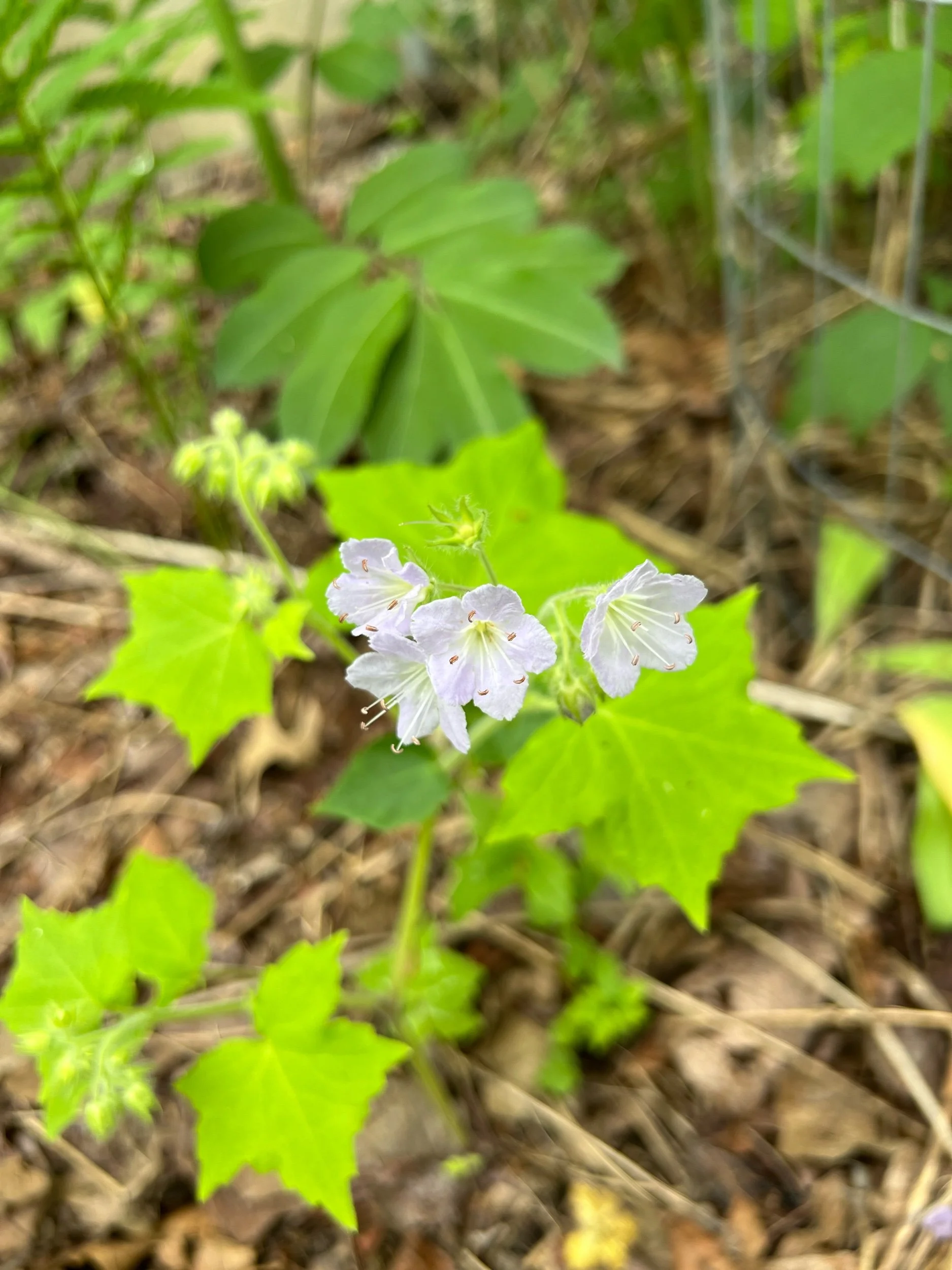
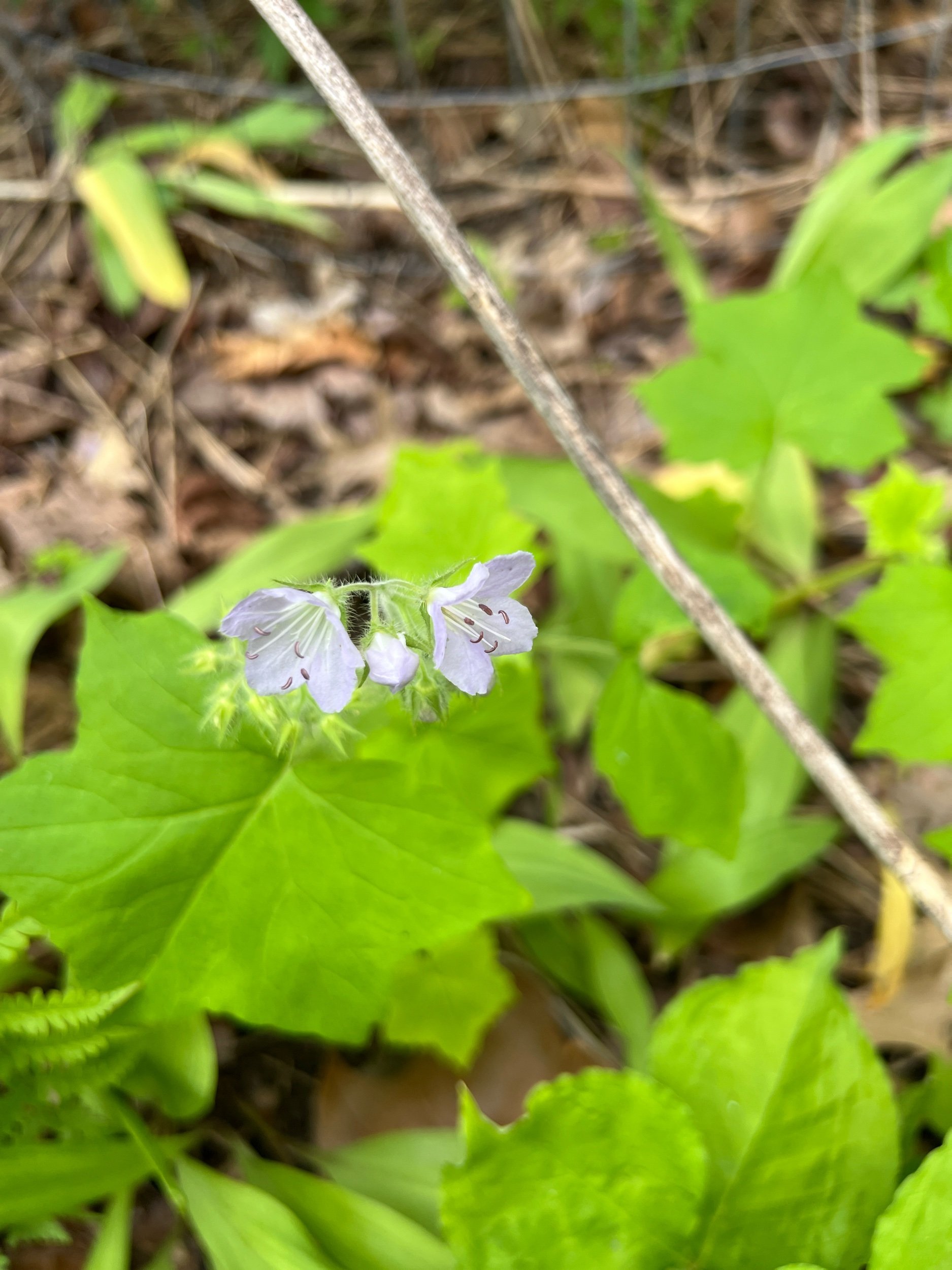
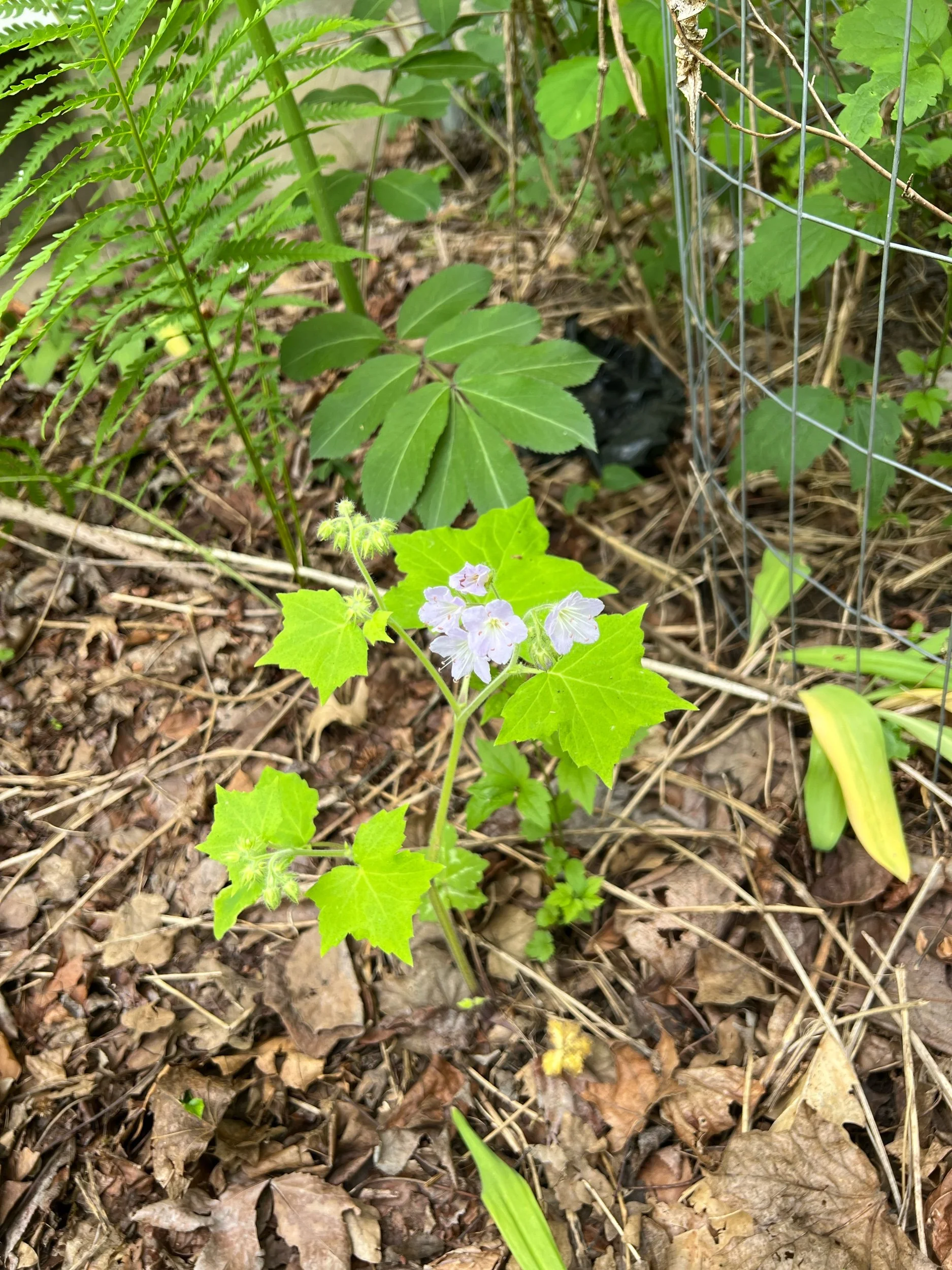
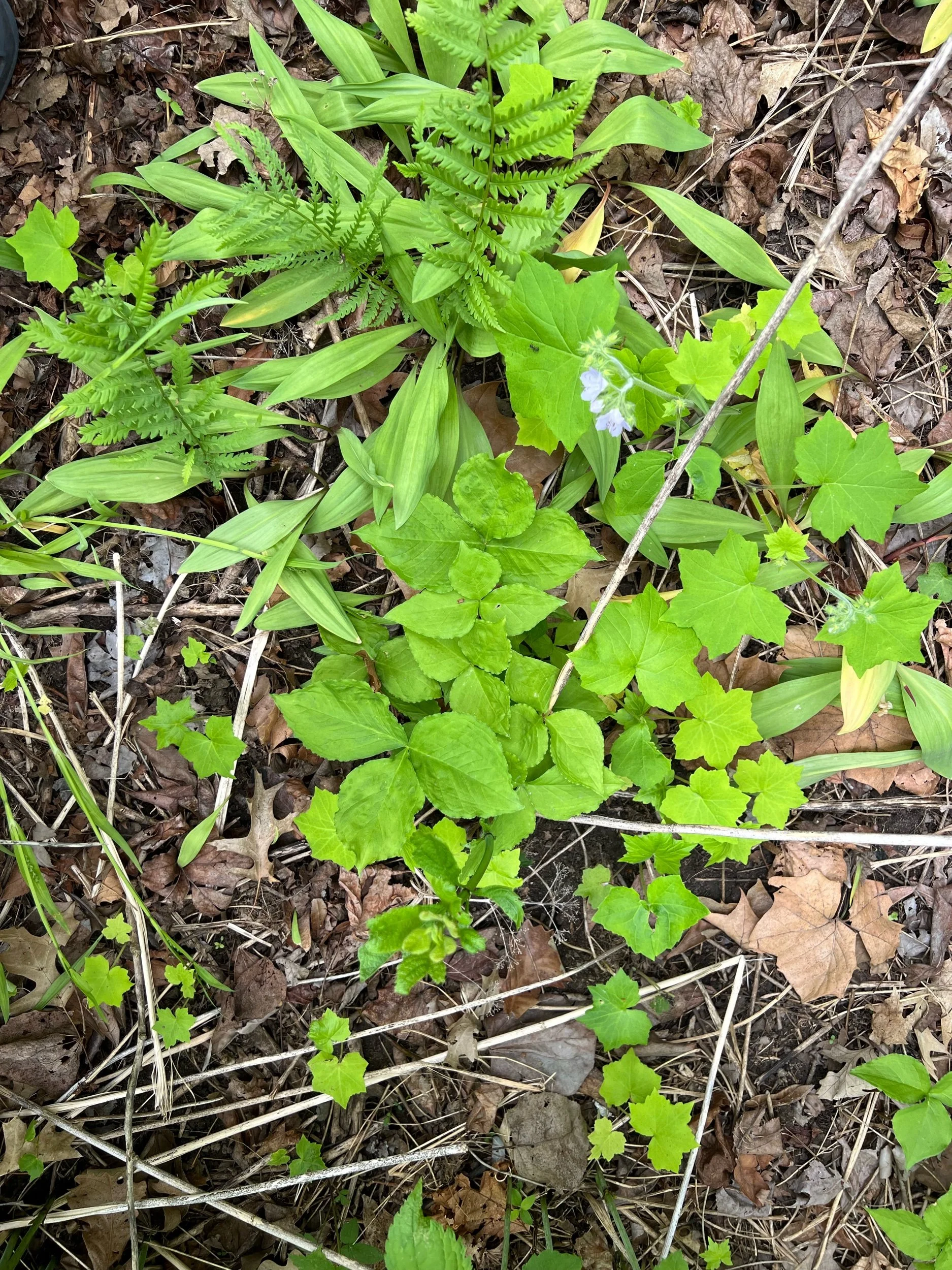
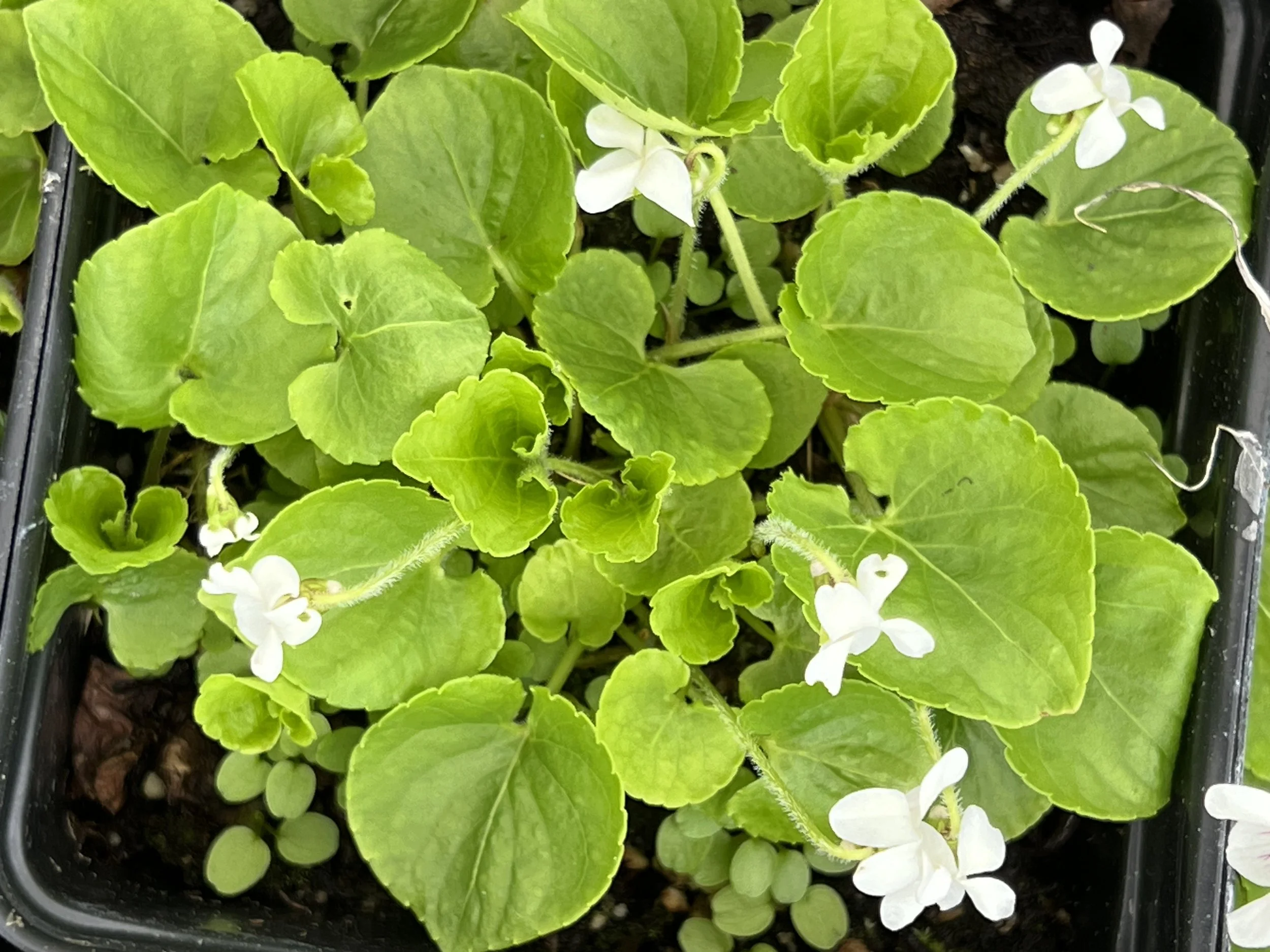
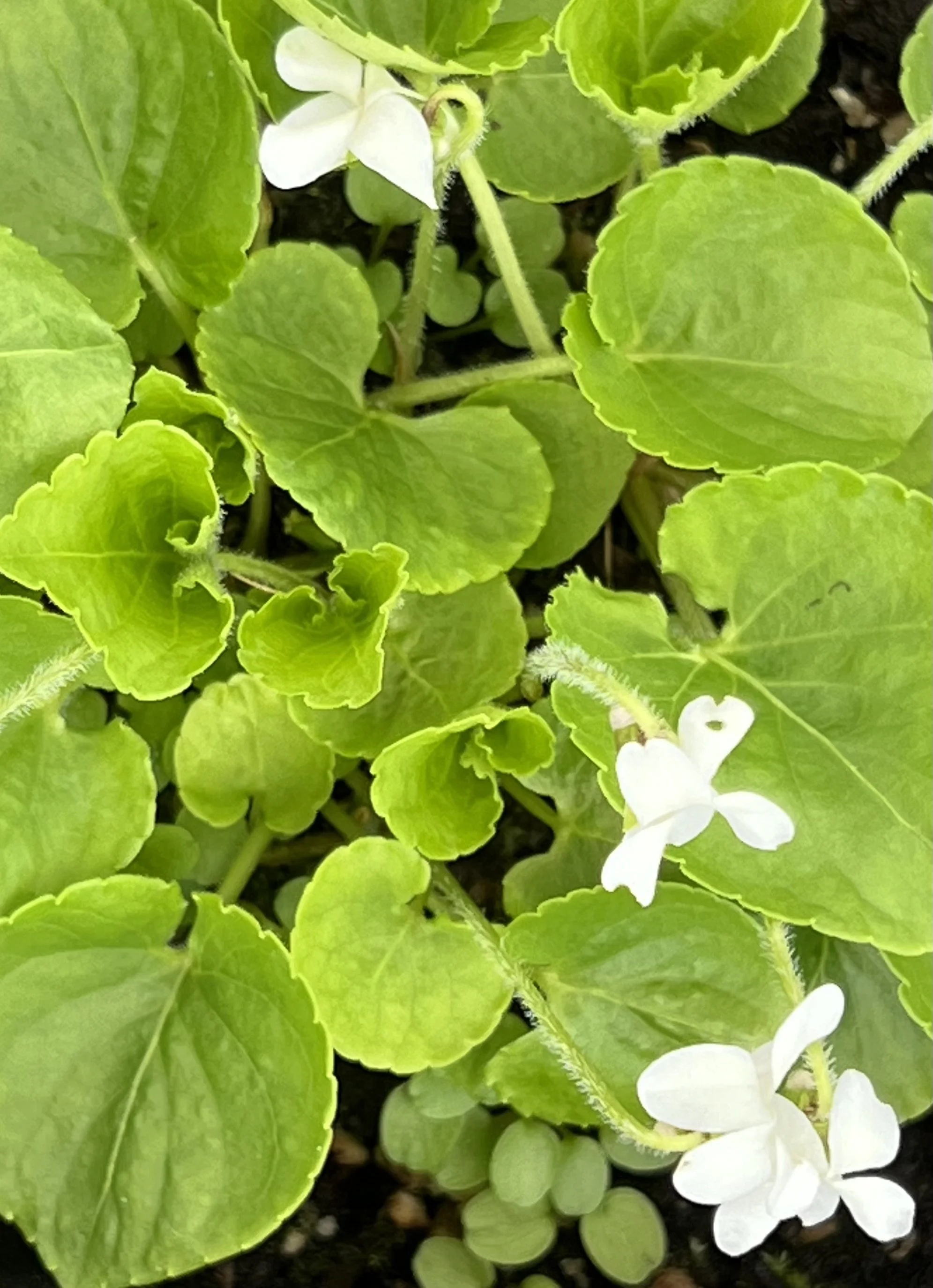
Sand Violet is closely related to Arrow-leaved Violet. Michigan Flora treats Sand Violet as a subspecies of Arrow-leaved Violet (Viola sagittata var. ovata), while others consider them to be two separate species.
Sand Violet usually has hairs all over it with leaves that are wider. Arrow-leaved Violet is usually smooth with narrower leaves that have some teeth at the base. I have seen them growing in the same location. We’re listing them separately because we do have the two distinct violets.
They grow in full sun to part-sun/dappled light in sandy soil. The flowers are purple with white centers. Once they are pollinated, they form a three parted capsule that develop with many seeds. Once they are ripe, the capsule explodes sending the seeds flying. Later in the season, like most violets, they create cleistogamous flowers that are self fertile.
Companion Plants: wild lupine, goat’s rue, woodland sunflower, two-flowered Cynthia
Photo credit: Nate Martineau
Sand Violet (Viola fimbriatula)
Michigan Flora reference page for state distribution: Sand Violet
Height: 6 inches
Bloom time: May-June
Soil: moist to somewhat dry sand, sandy loam
Sun: part sun to full sun
Plant spacing: 6-12 inches
Flower: purple
Life cycle: perennial
Family: Violaceae
Seed source: Michigan
Get notified by email when this product is in stock.
Sand Violet is closely related to Arrow-leaved Violet. Michigan Flora treats Sand Violet as a subspecies of Arrow-leaved Violet (Viola sagittata var. ovata), while others consider them to be two separate species.
Sand Violet usually has hairs all over it with leaves that are wider. Arrow-leaved Violet is usually smooth with narrower leaves that have some teeth at the base. I have seen them growing in the same location. We’re listing them separately because we do have the two distinct violets.
They grow in full sun to part-sun/dappled light in sandy soil. The flowers are purple with white centers. Once they are pollinated, they form a three parted capsule that develop with many seeds. Once they are ripe, the capsule explodes sending the seeds flying. Later in the season, like most violets, they create cleistogamous flowers that are self fertile.
Companion Plants: wild lupine, goat’s rue, woodland sunflower, two-flowered Cynthia
Photo credit: Nate Martineau
Sand Violet (Viola fimbriatula)
Michigan Flora reference page for state distribution: Sand Violet
Height: 6 inches
Bloom time: May-June
Soil: moist to somewhat dry sand, sandy loam
Sun: part sun to full sun
Plant spacing: 6-12 inches
Flower: purple
Life cycle: perennial
Family: Violaceae
Seed source: Michigan