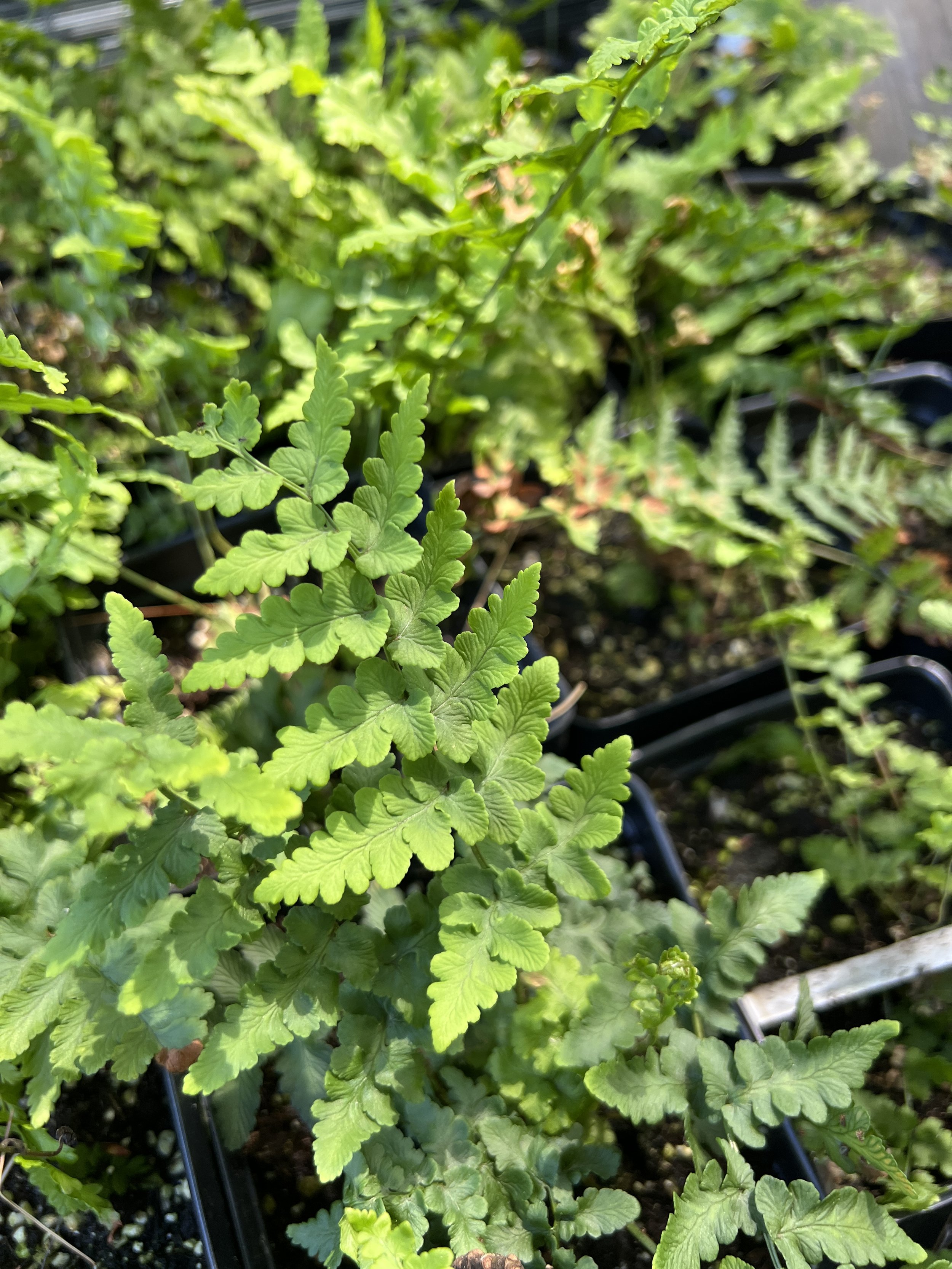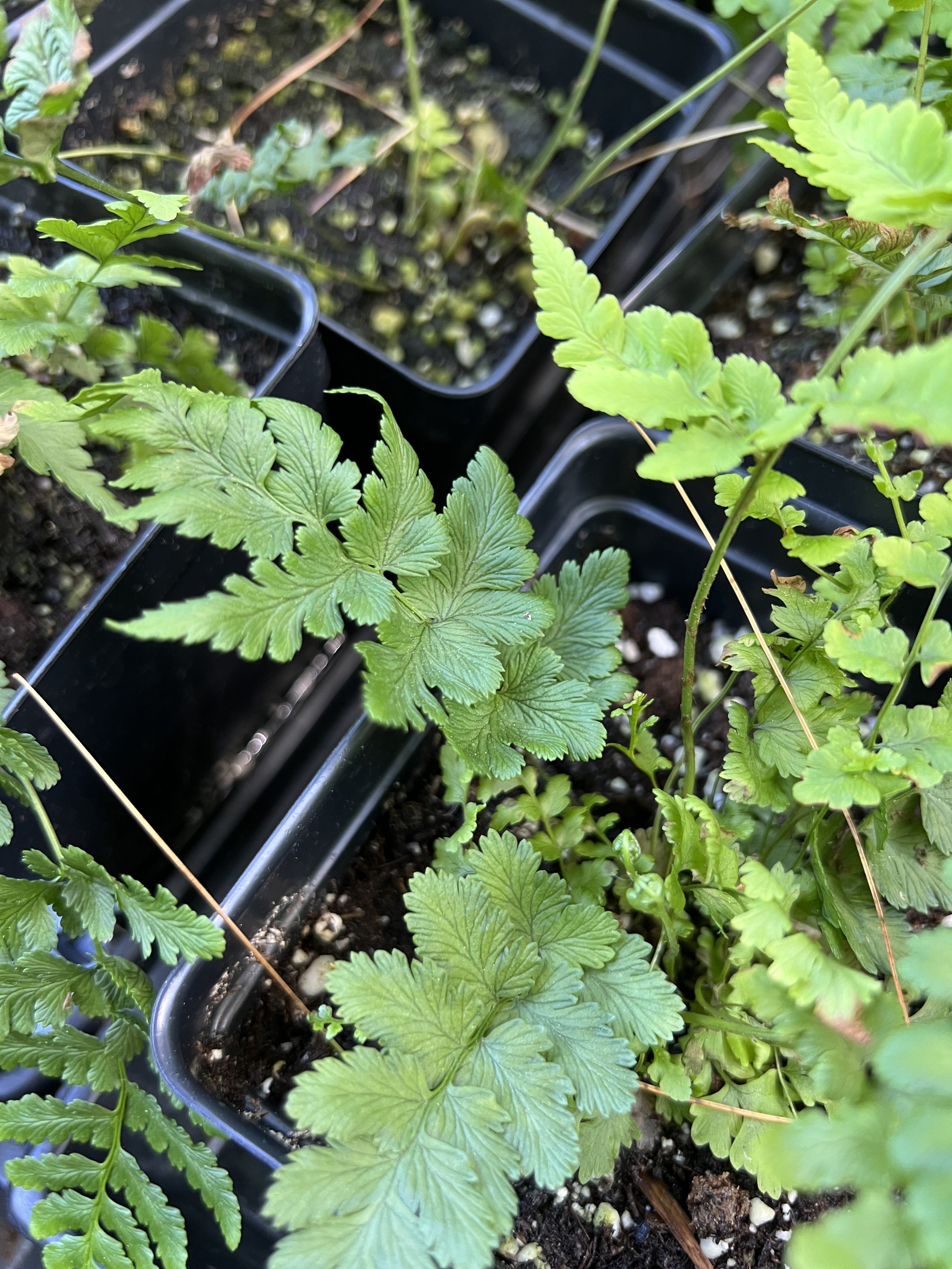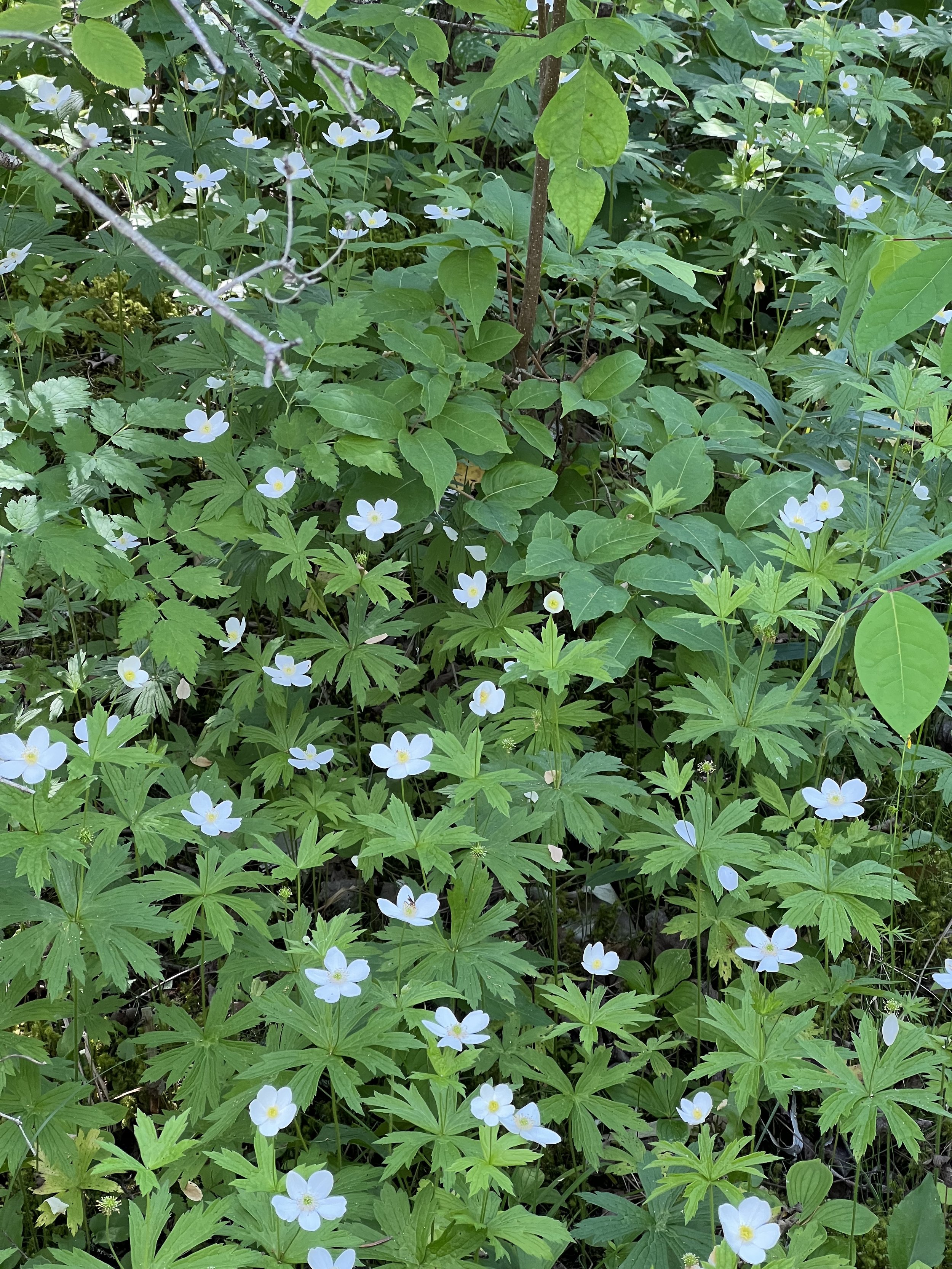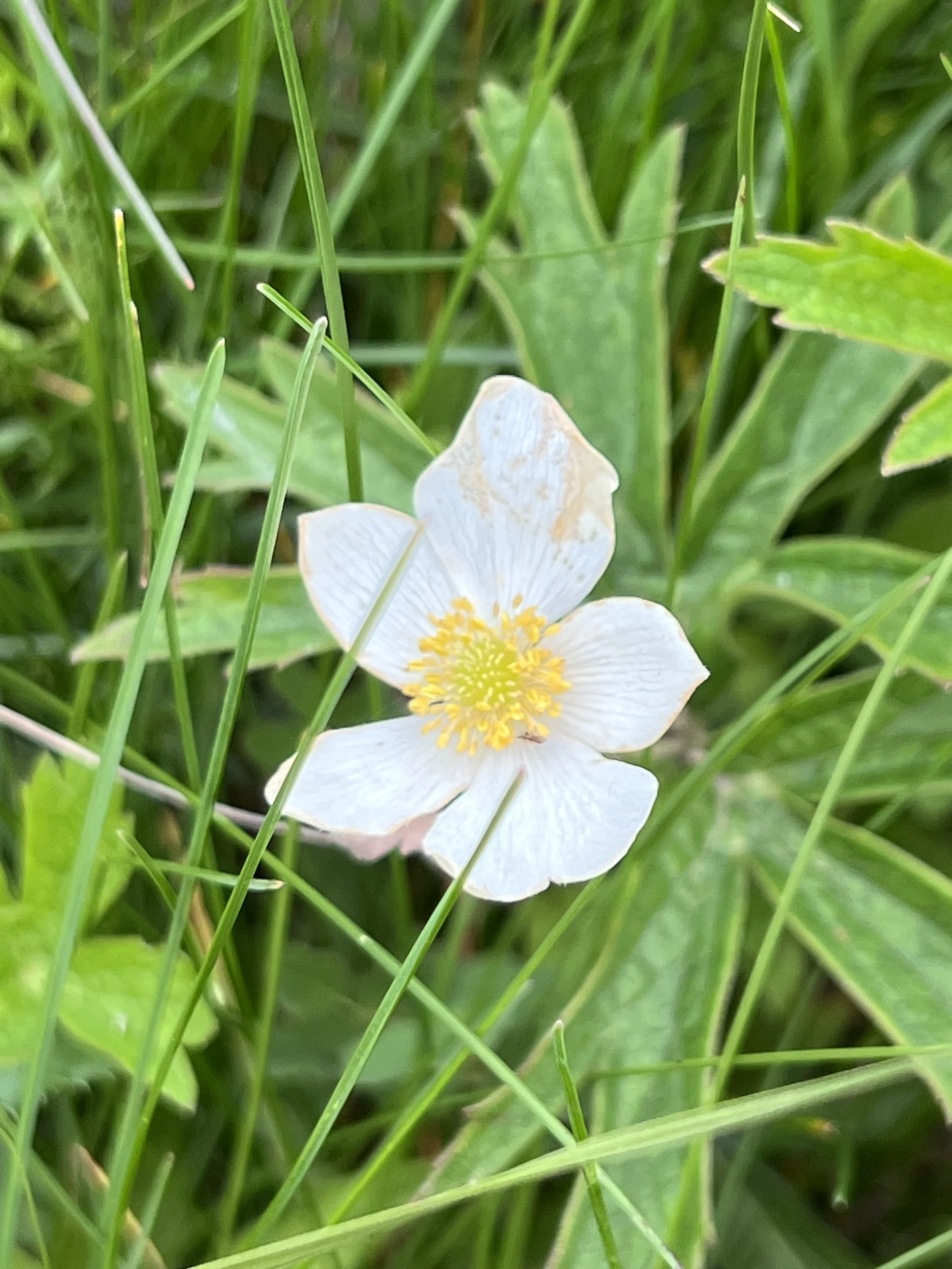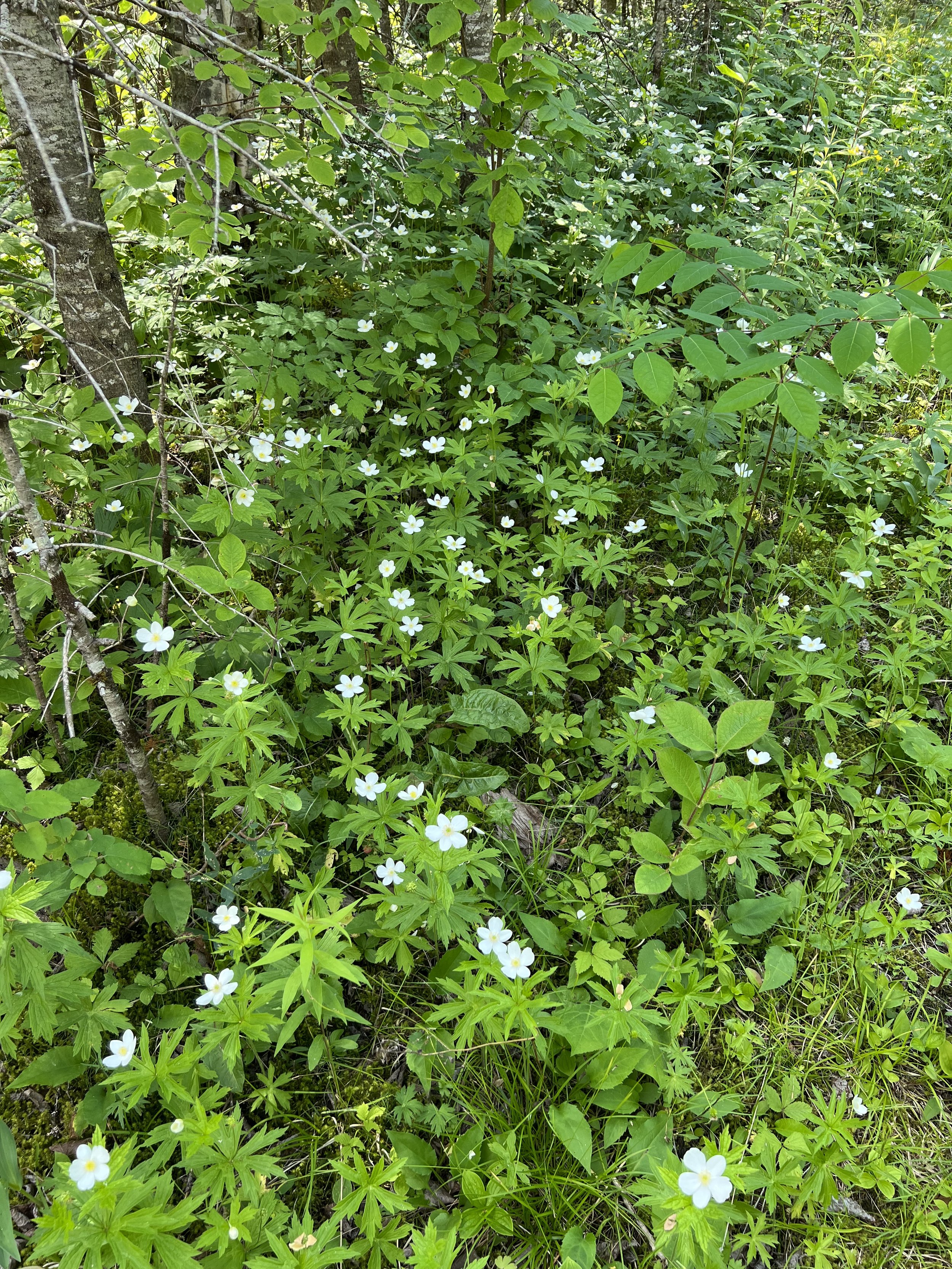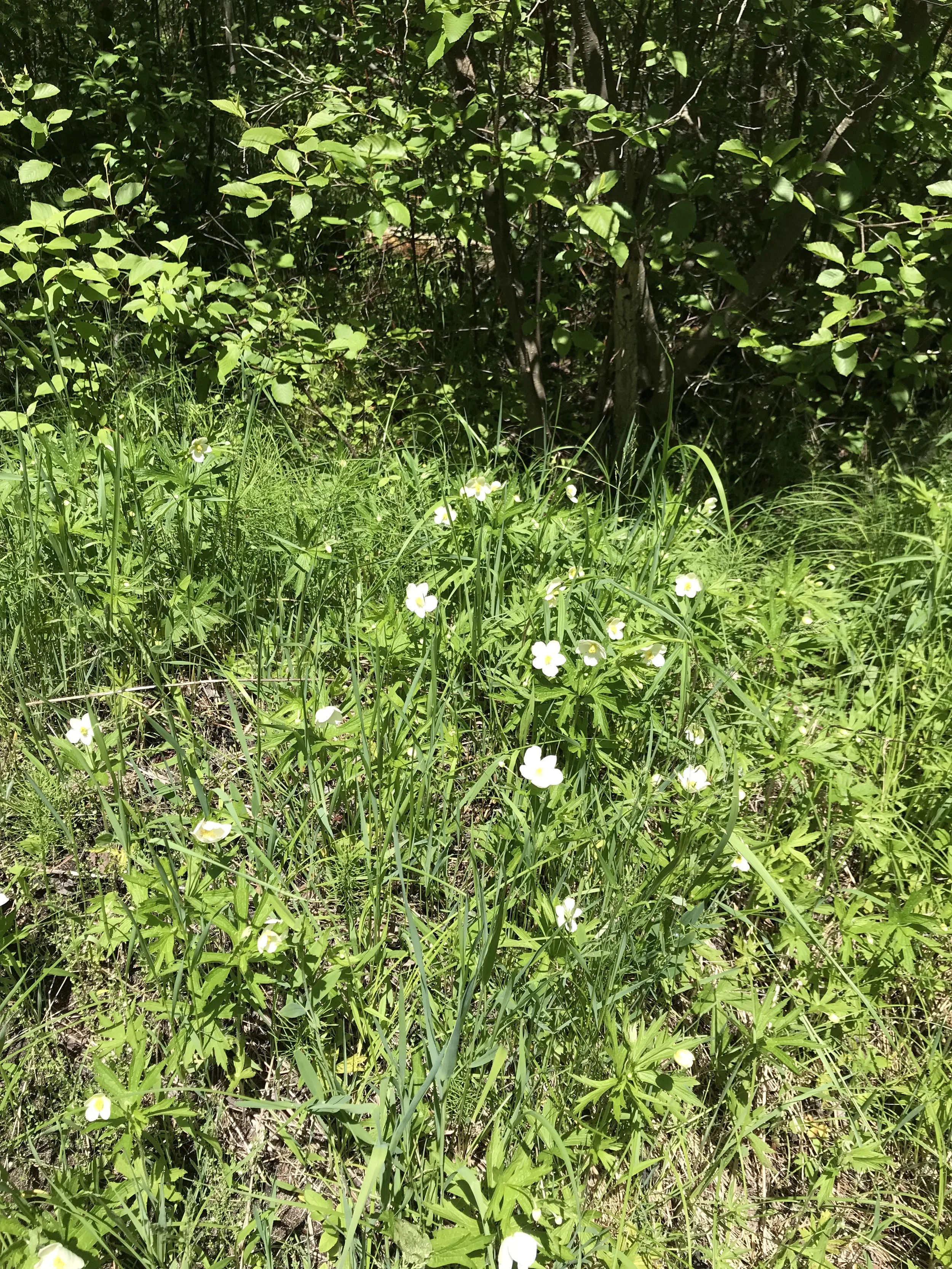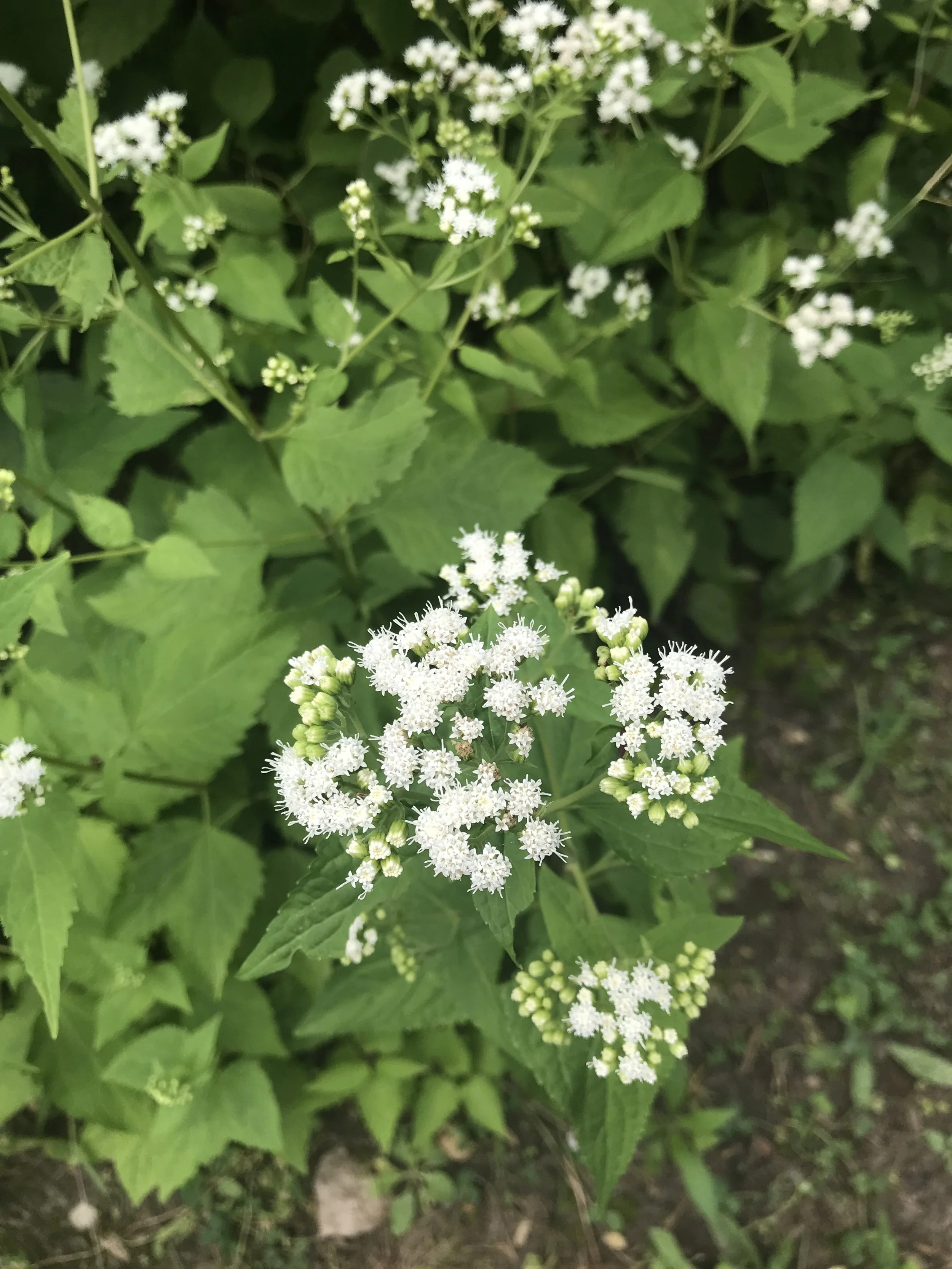
White Snakeroot (Ageratina altissima)

from $3.50
Sold Out

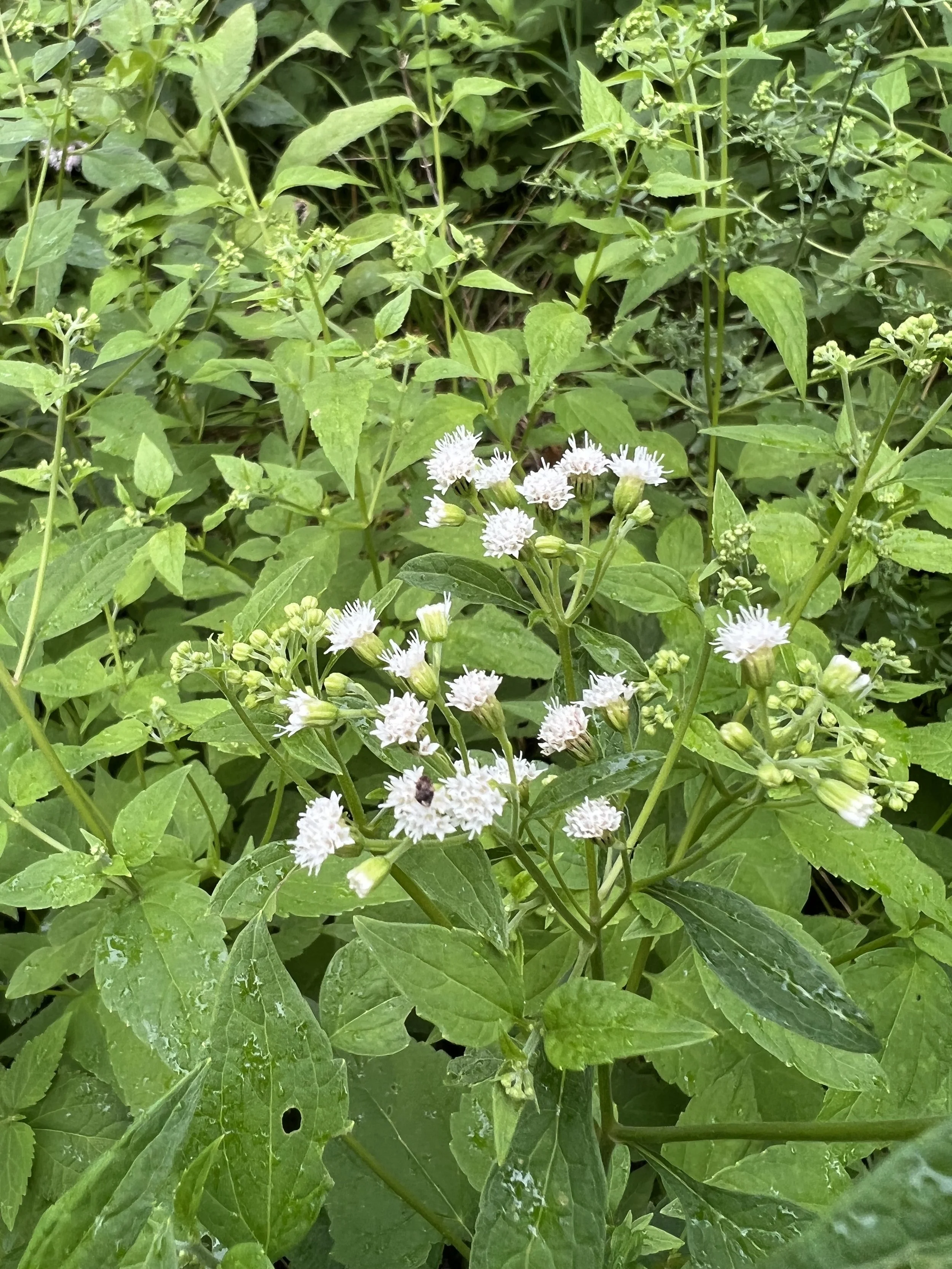
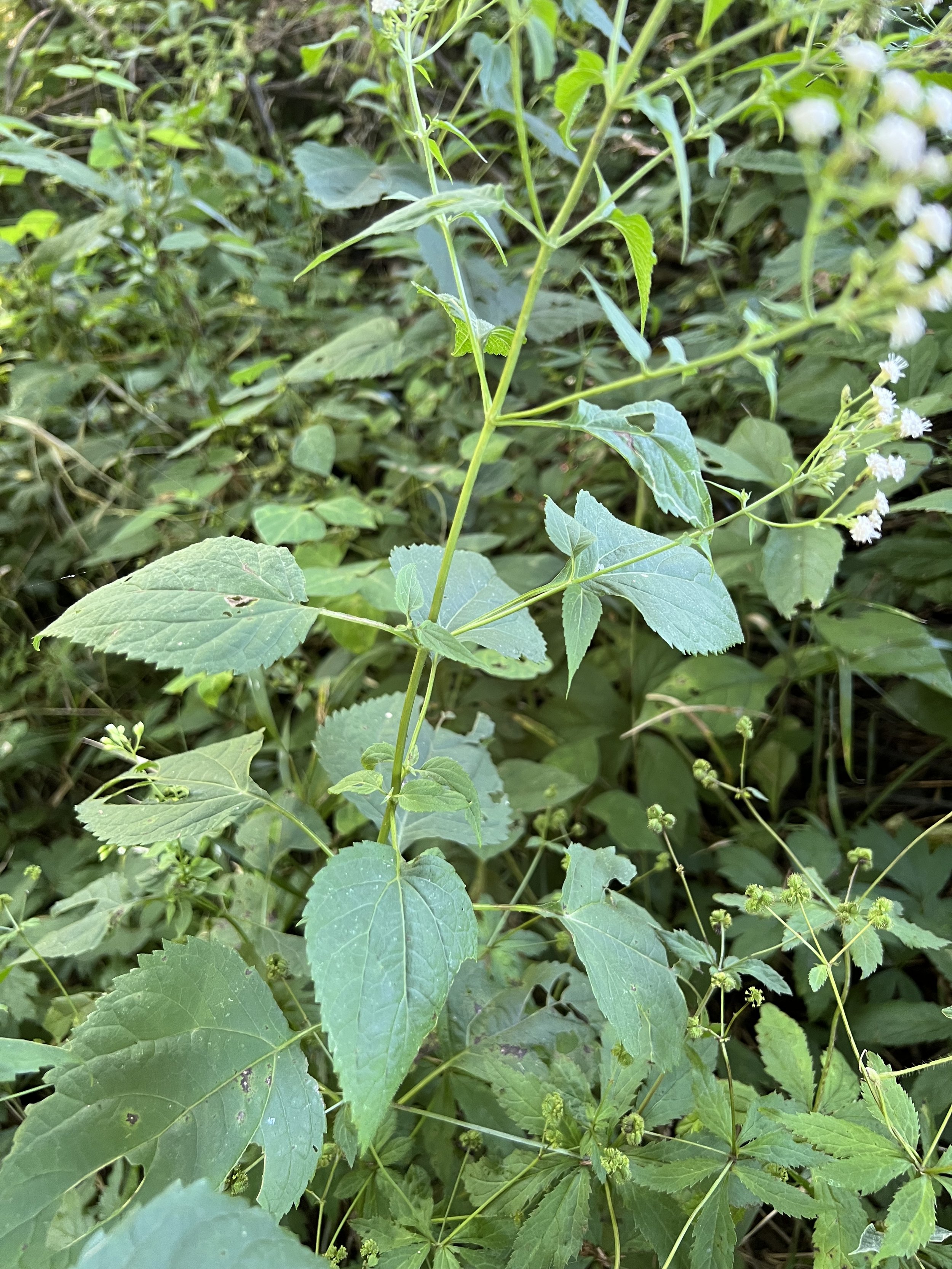
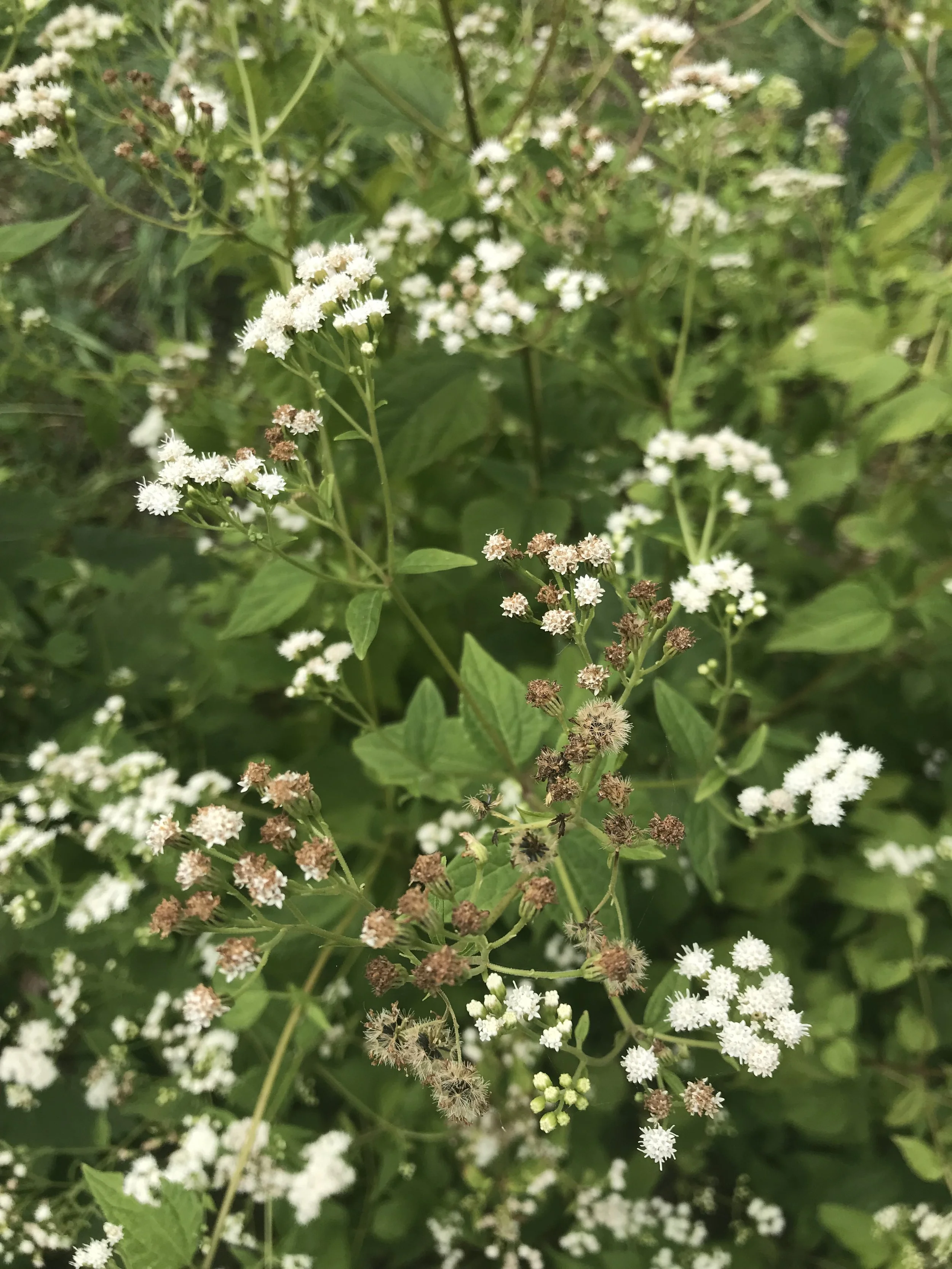
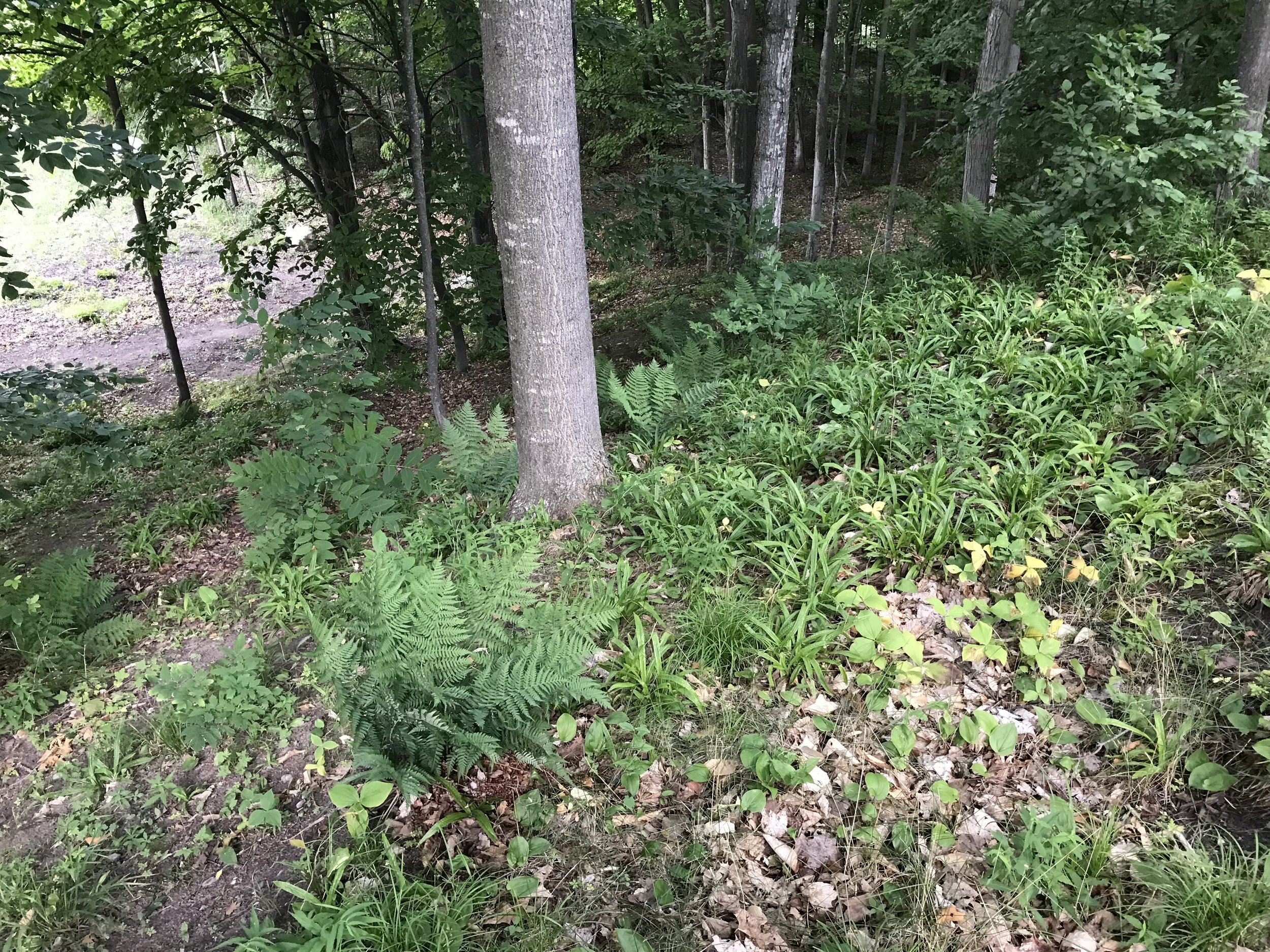
White Snakeroot is at home in rich deciduous forests in the southern part of the lower peninsula in Michigan and the western UP. The white flowers are reminiscent of boneset flowers and it used to be in the same genus but was reassigned to Ageratina.

This plant can tend to show up in disturbed forests, but also grows in more intact ecosystems. I used to volunteer at a nature center where there was a tremendous amount of garlic mustard and dame’s rocket. One year after intensive pulling of these invasive plants, hundreds, or even thousands of white snakeroot plants grew and flowered. This was a welcome sight.

Since that time, I have planted this in my yard and in the forest behind my fence that had been full of invasive honeysuckle. It fills in a lot of areas that have been disturbed and I think of it as a place holder until at replace it with other plants. Some will remain, but it won’t be as dominant as it has been the last few years.

This plant offers nectar to bees, butterflies and moths. And it is the host plant for several moths including the Ruby Tiger Moth.

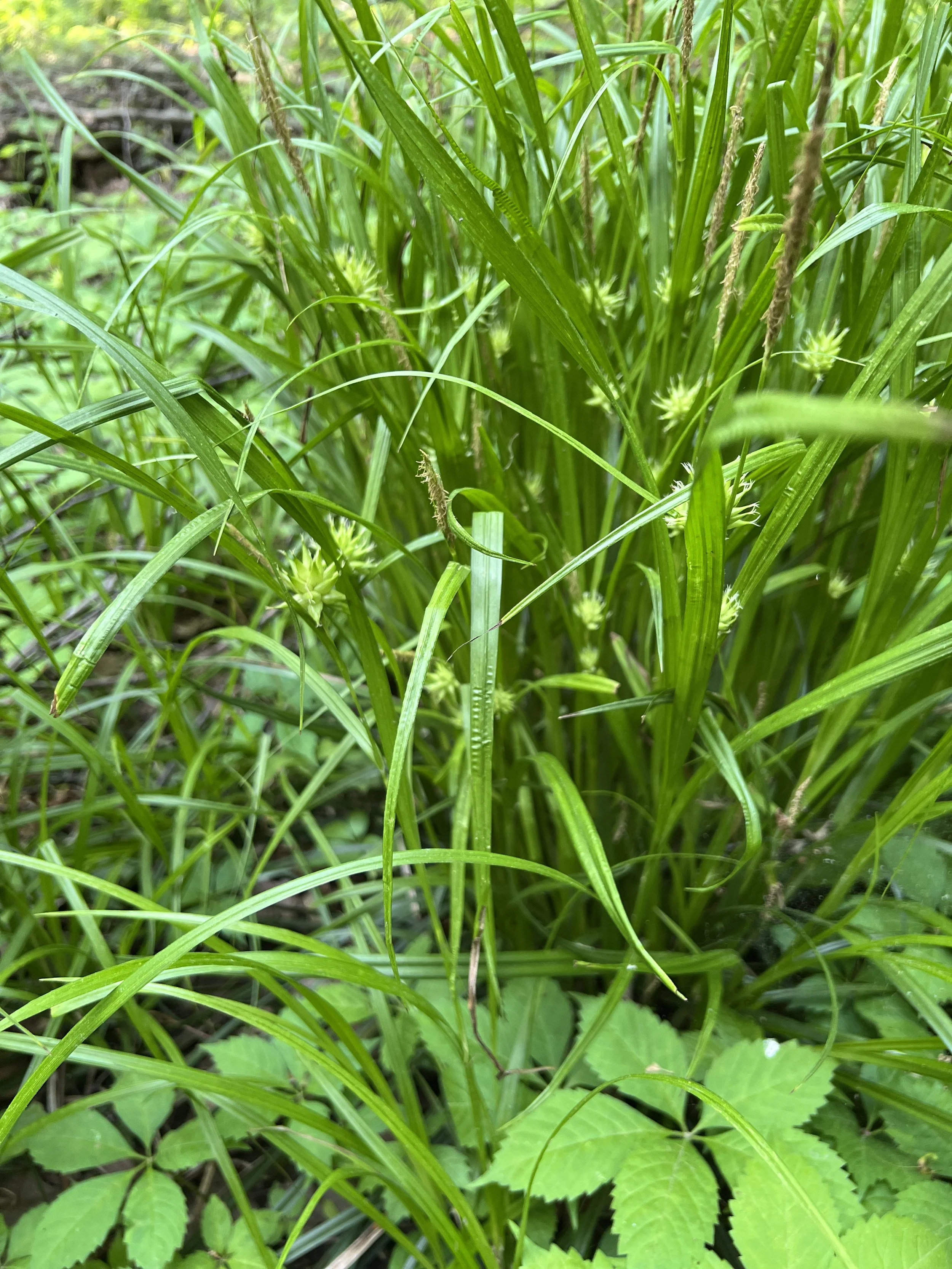
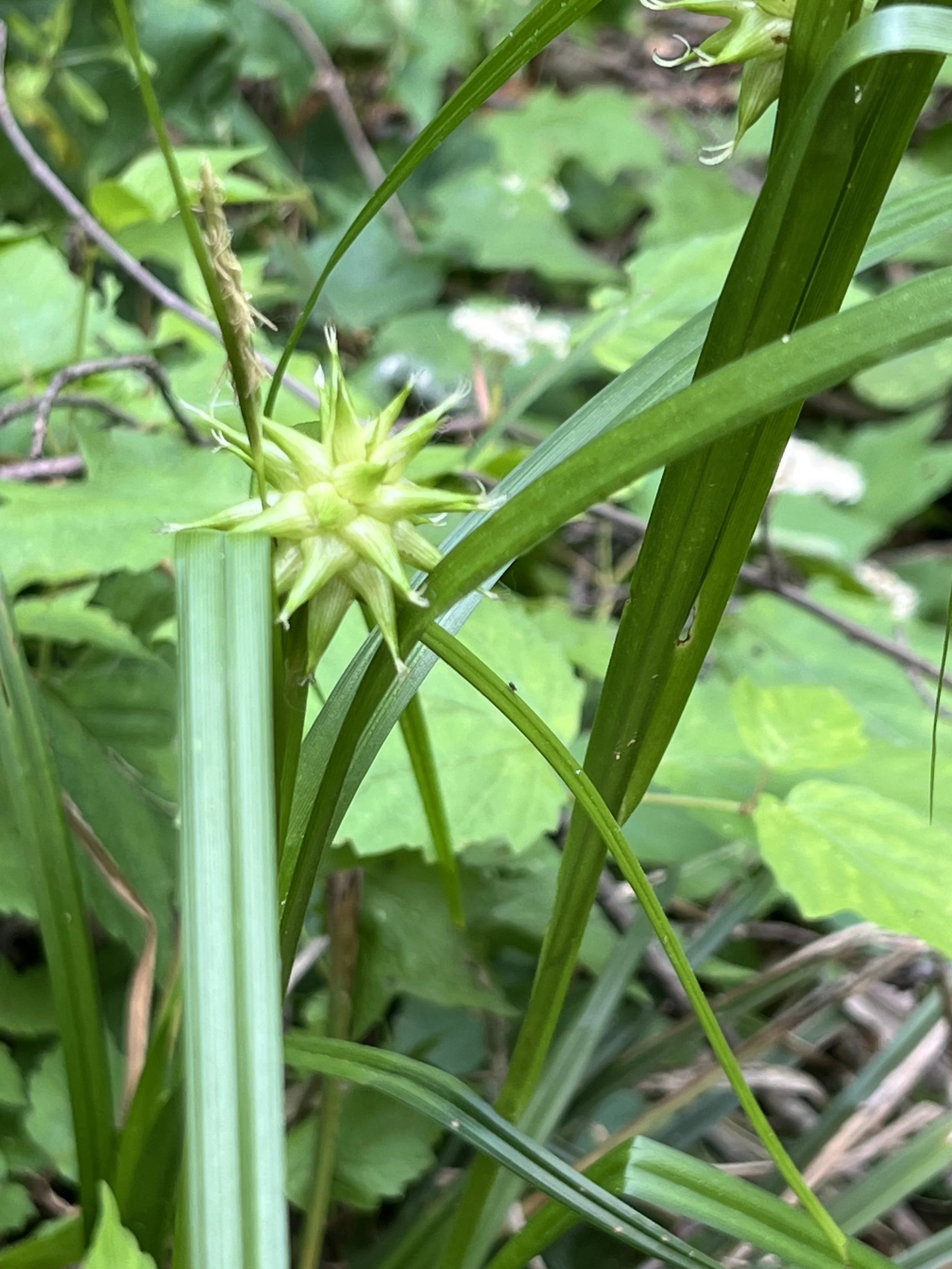
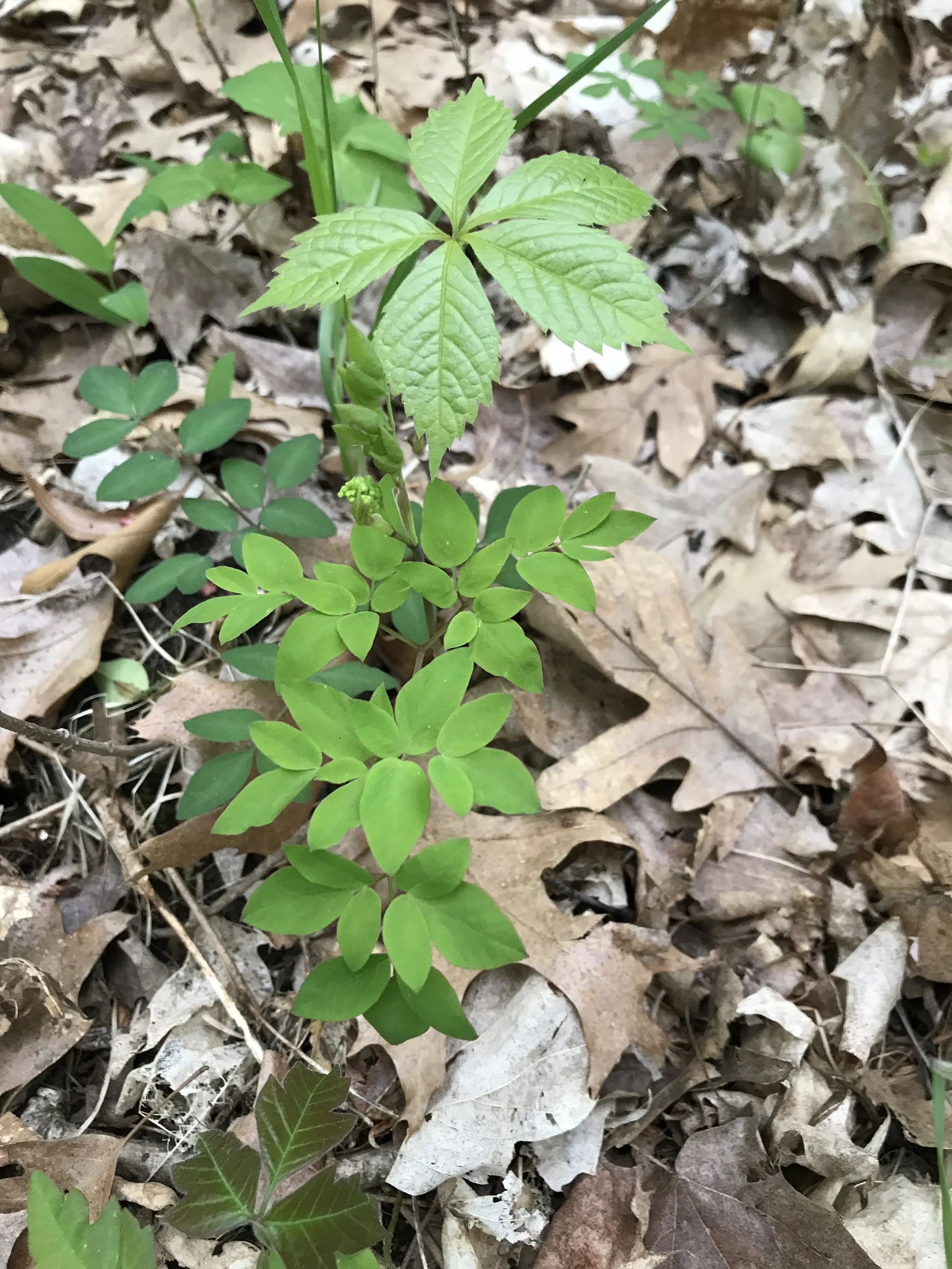
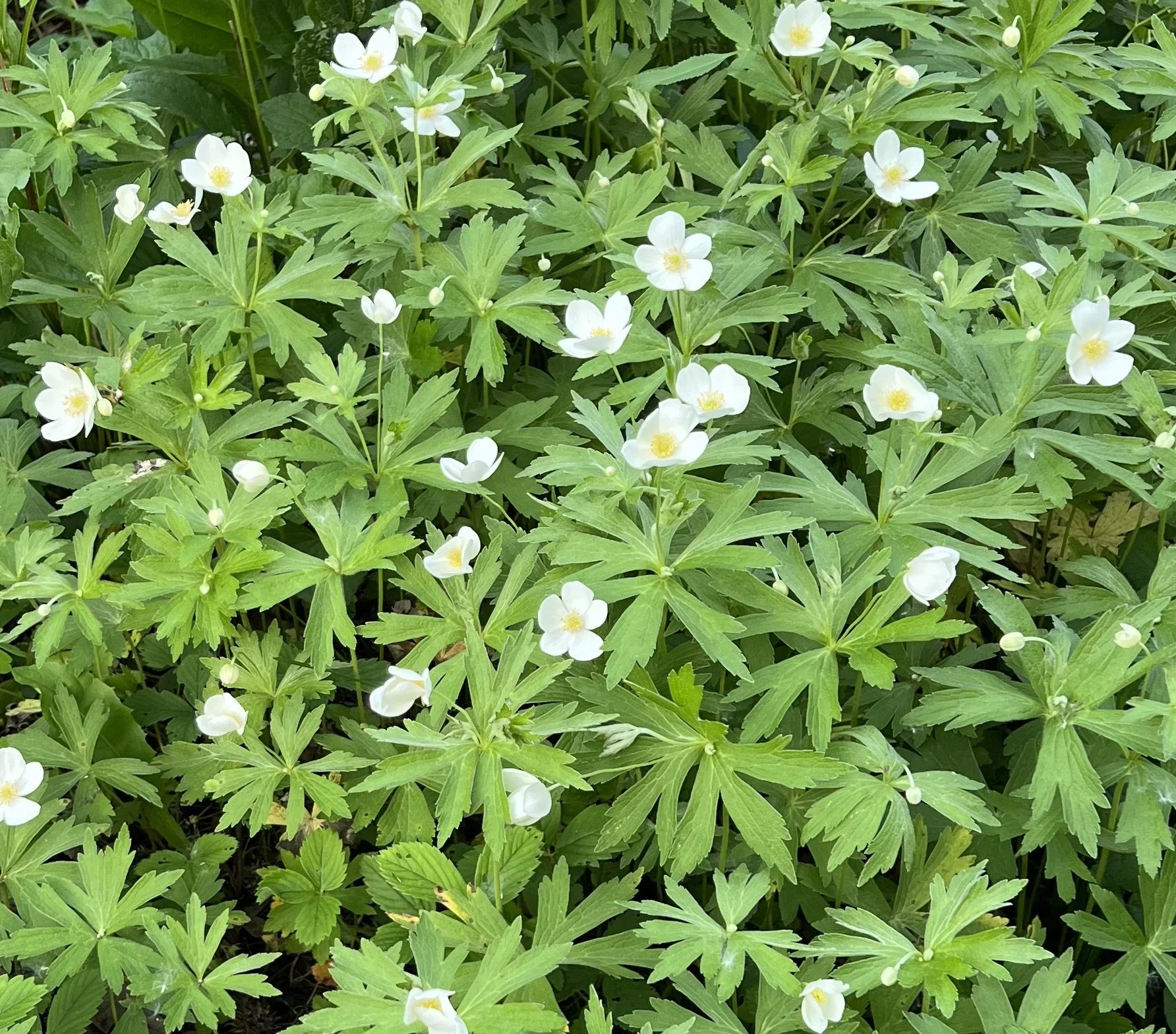
Companion Plants: False Solomon’s Seal, Wild Ginger, Spring Beauty, White Bear Sedge, Virginia Waterleaf

NOTE: This plant is toxic to people and mammals, which means that deer do not eat it but take care if you have young children.

White Snakeroot (Ageratina altissima)

Michigan Flora reference page for state distribution: White Snakeroot

Height: 1-4 feet

Bloom time: July-Oct

Soil: medium to somewhat dry loam, loamy clay

Sun: part sun to shade

Plant spacing: 1-2 feet

Flower: white

Family: Asteraceae

Seed source: Michigan
Sizes:

White Snakeroot is at home in rich deciduous forests in the southern part of the lower peninsula in Michigan and the western UP. The white flowers are reminiscent of boneset flowers and it used to be in the same genus but was reassigned to Ageratina.

This plant can tend to show up in disturbed forests, but also grows in more intact ecosystems. I used to volunteer at a nature center where there was a tremendous amount of garlic mustard and dame’s rocket. One year after intensive pulling of these invasive plants, hundreds, or even thousands of white snakeroot plants grew and flowered. This was a welcome sight.

Since that time, I have planted this in my yard and in the forest behind my fence that had been full of invasive honeysuckle. It fills in a lot of areas that have been disturbed and I think of it as a place holder until at replace it with other plants. Some will remain, but it won’t be as dominant as it has been the last few years.

This plant offers nectar to bees, butterflies and moths. And it is the host plant for several moths including the Ruby Tiger Moth.

Companion Plants: False Solomon’s Seal, Wild Ginger, Spring Beauty, White Bear Sedge, Virginia Waterleaf

NOTE: This plant is toxic to people and mammals, which means that deer do not eat it but take care if you have young children.

White Snakeroot (Ageratina altissima)

Michigan Flora reference page for state distribution: White Snakeroot

Height: 1-4 feet

Bloom time: July-Oct

Soil: medium to somewhat dry loam, loamy clay

Sun: part sun to shade

Plant spacing: 1-2 feet

Flower: white

Family: Asteraceae

Seed source: Michigan