“Our Favorite Things”

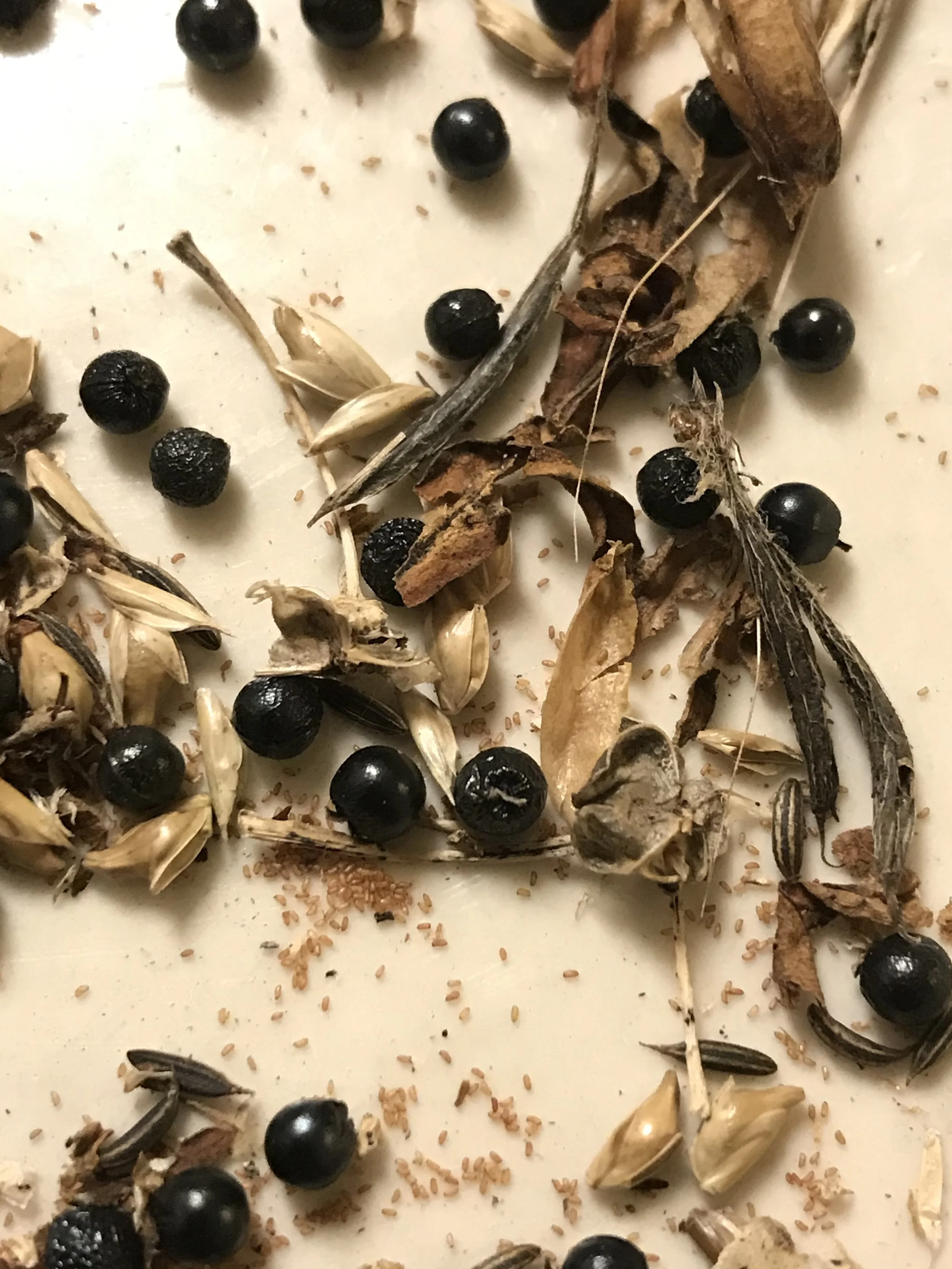
I know that I sometimes gardened with my mom. I remember learning about the seeds of marigolds, long and thin, stuffed into a little cup-like container. My favorites were the poppies. Peel off a portion of the seed capsule and they are like salt and pepper shakers. Perhaps it was these encounters with seeds that leave me ever-fascinated with them. 

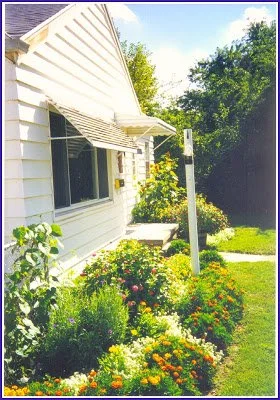
When we bought our house in 1999, I set to planting annuals by seed; a gift for my new baby due near the end of summer. I planted marigolds, alyssum, zinnias (my grandma’s favorite flower and a butterfly magnet), sweet williams, morning glories and others I can’t remember now. 

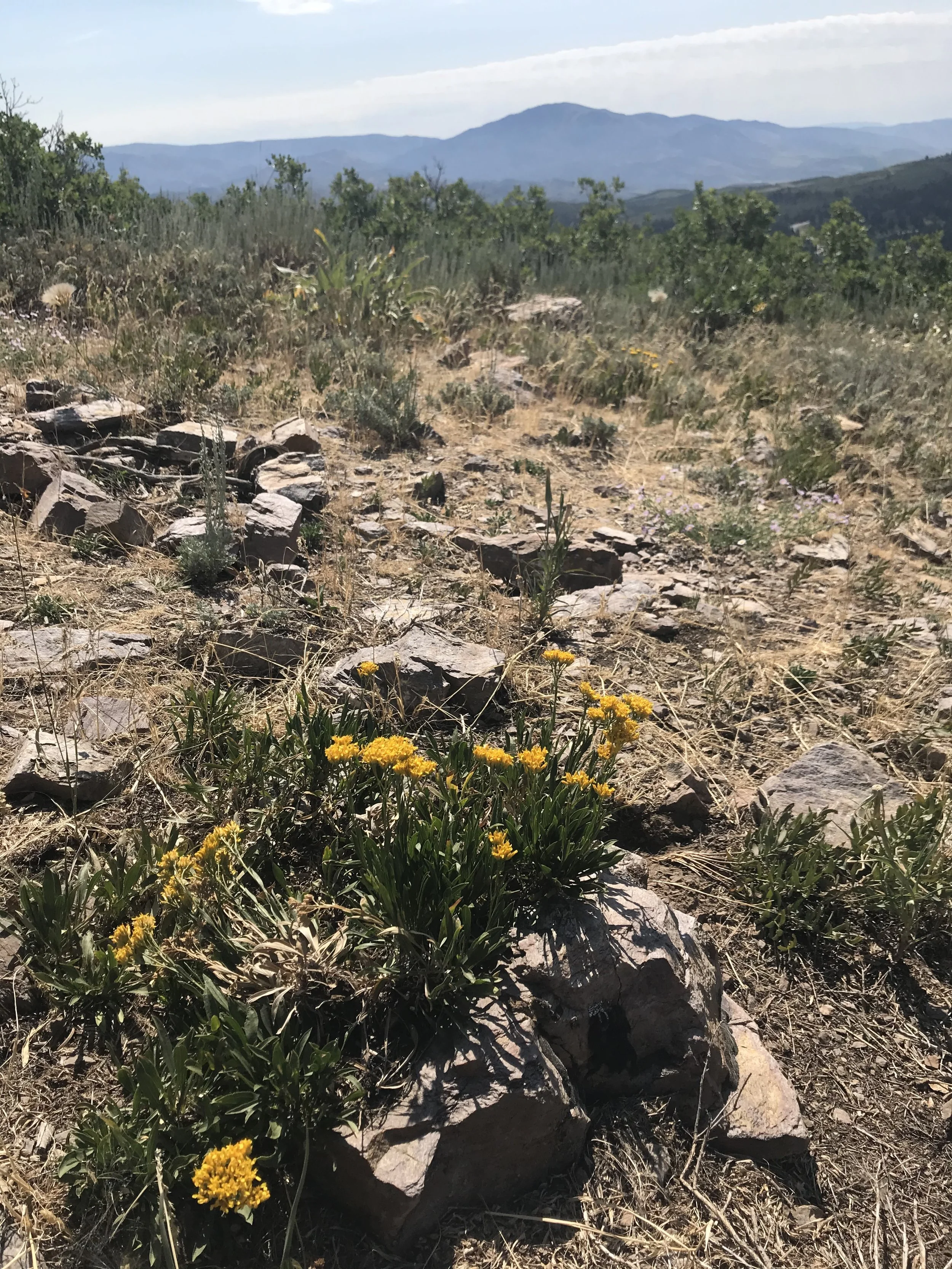
At that time, I don’t think I had ever heard the words “native plants” together. Deep down I must have had an inkling. I grew up for part of my life in Utah, and we would pile in the back of my dad’s truck (eek!) and take drives into the mountains. I remember my mom being enamored by some blue flowers, perhaps a small penstemon species or western bluebell.  She dug out a little clump (please don’t do this!) and tried to keep it alive in our yard in the foothills. It did not survive. 

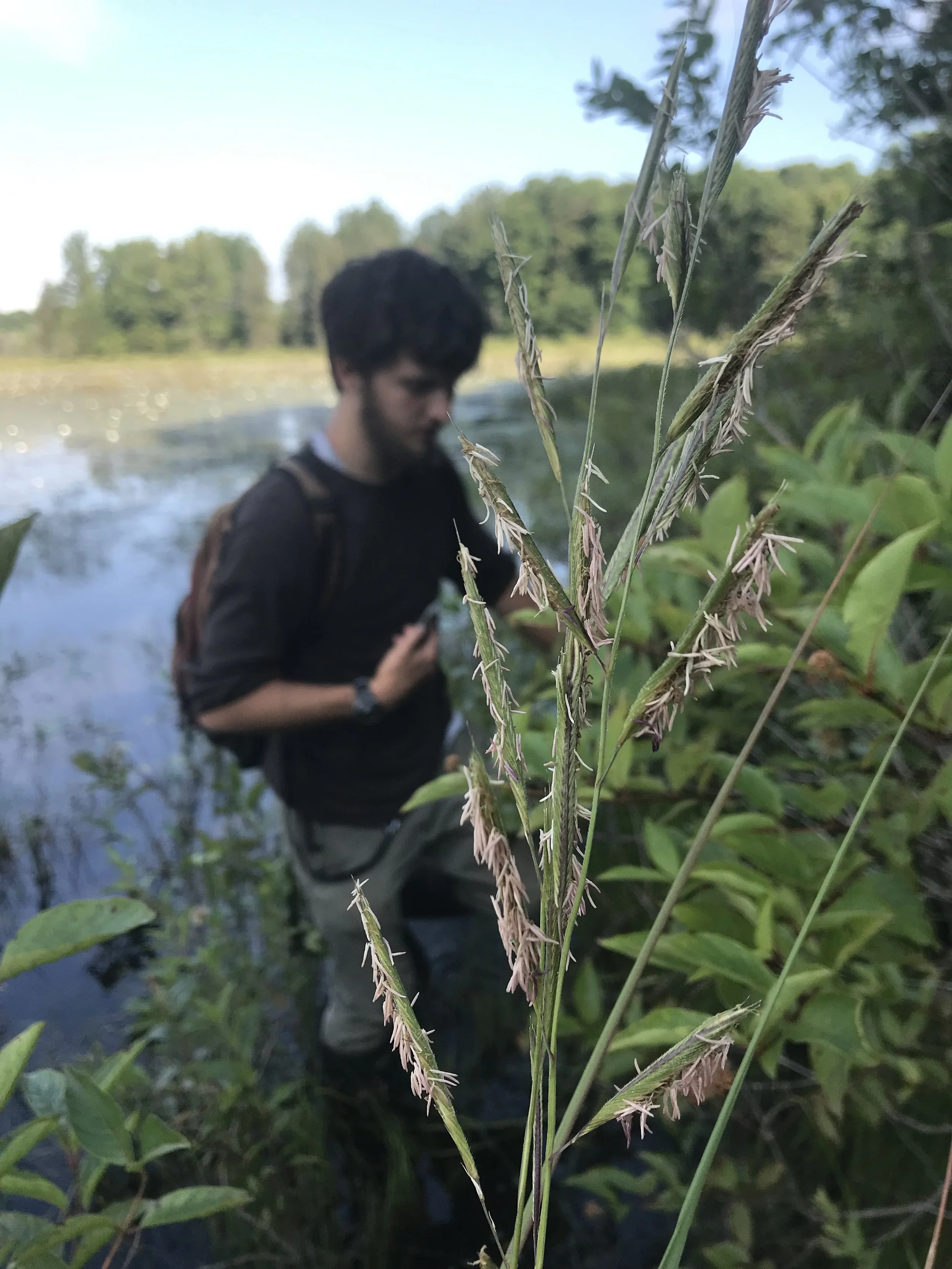
What really got me going with native plants was my child. My oldest, Nate, whose photos are on a few of our listings, became interested in birds in his early teenage years. Most bird watchers eventually become curious about the shrubs and plants that feed the birds. And so we started educating ourselves about native plants. 

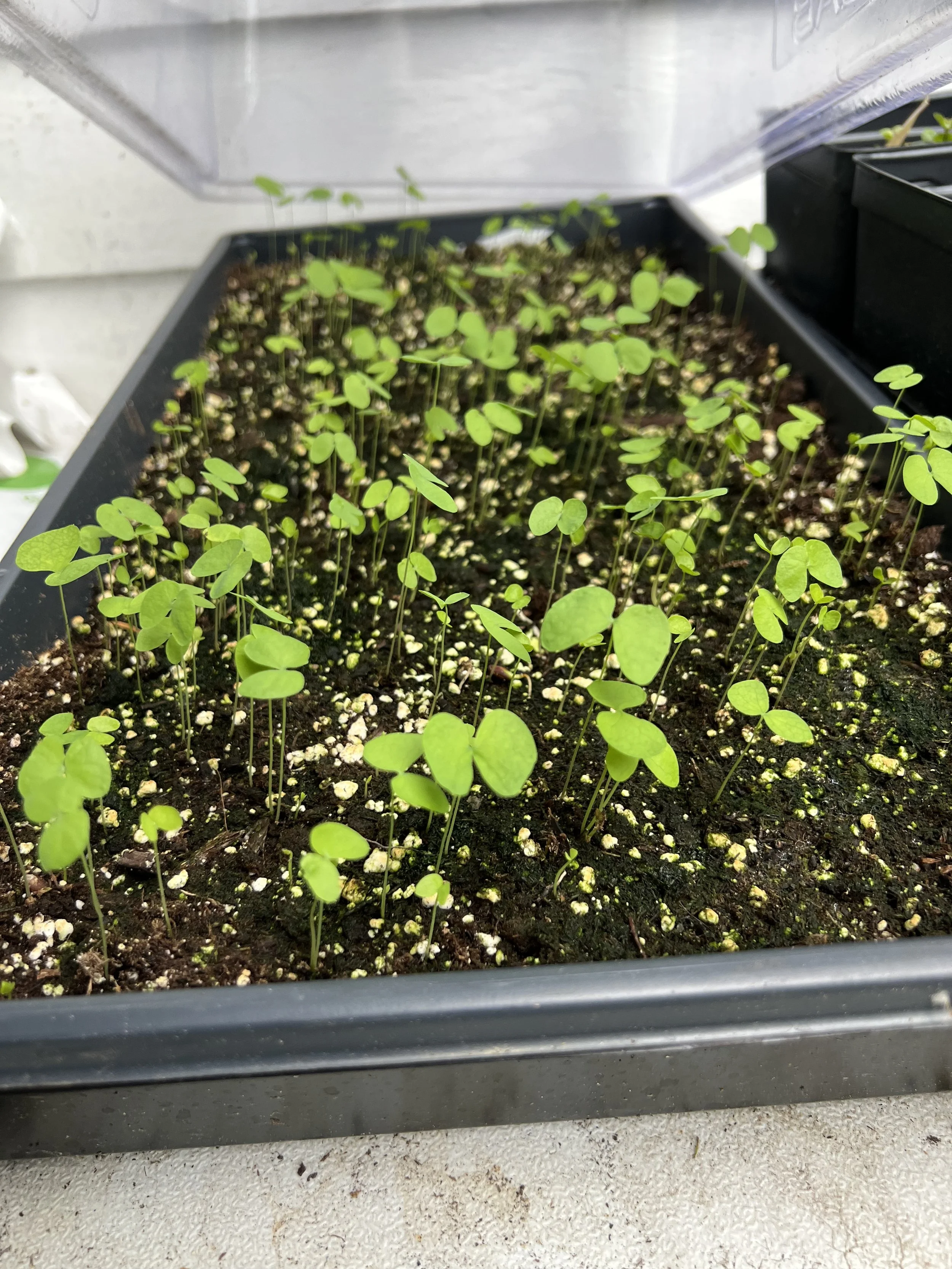
I was always going to be someone that got seeds and grew plants for myself! I made a lot of mistakes along the way, so it follows that I have learned a lot, and over time, grown a lot of different plants. When the option to sell them came around, I finally had something I could do with my “too many plants for the space I have”.

A focus on woodland plants is a rewarding occupation! Some of these plants provide an extra growing challenge, as compared to prairie plants, for example. Others are slow growing and require a lot of patience. To have the plants to recreate a moist or dry woodland in the home garden is one goal of Wild Ginger Woodlands. Another big goal of WGW is to educate people on the importance and ecological function of native plants, especially woodlands.
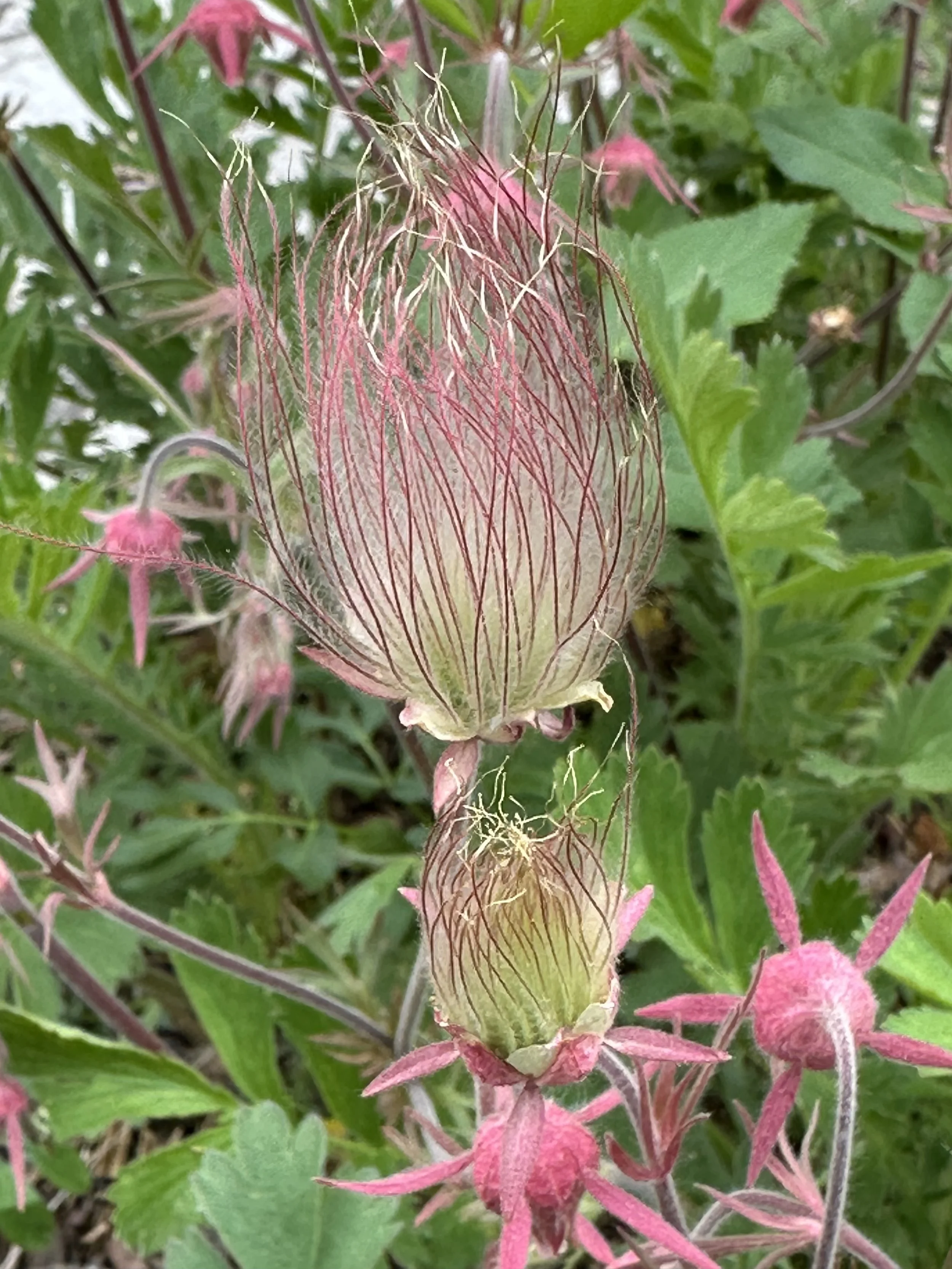
But, we also enjoy plants that don’t grow in woodlands and love to grow them.  Can you ever have too much prairie smoke? So, we decided to include them in our offerings as “Our Favorite Things”. This is one of the categories in the shop. Check it out. 

By the way, hello, I’m Cindi! I grow some plants for Sally, run the social media & website, and answer some emails. 

Next
Next

Matrix Planting for the Woodland Garden