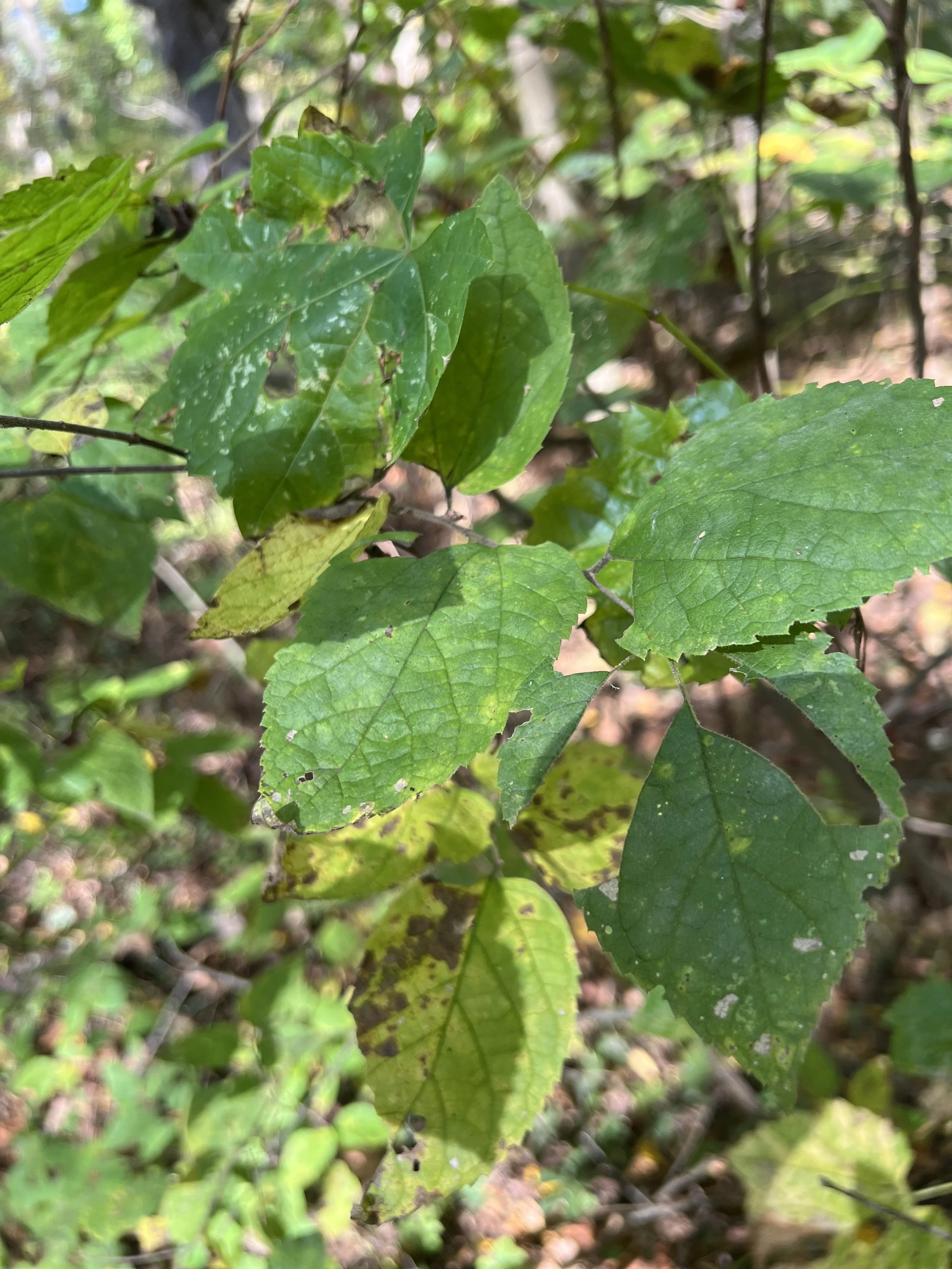
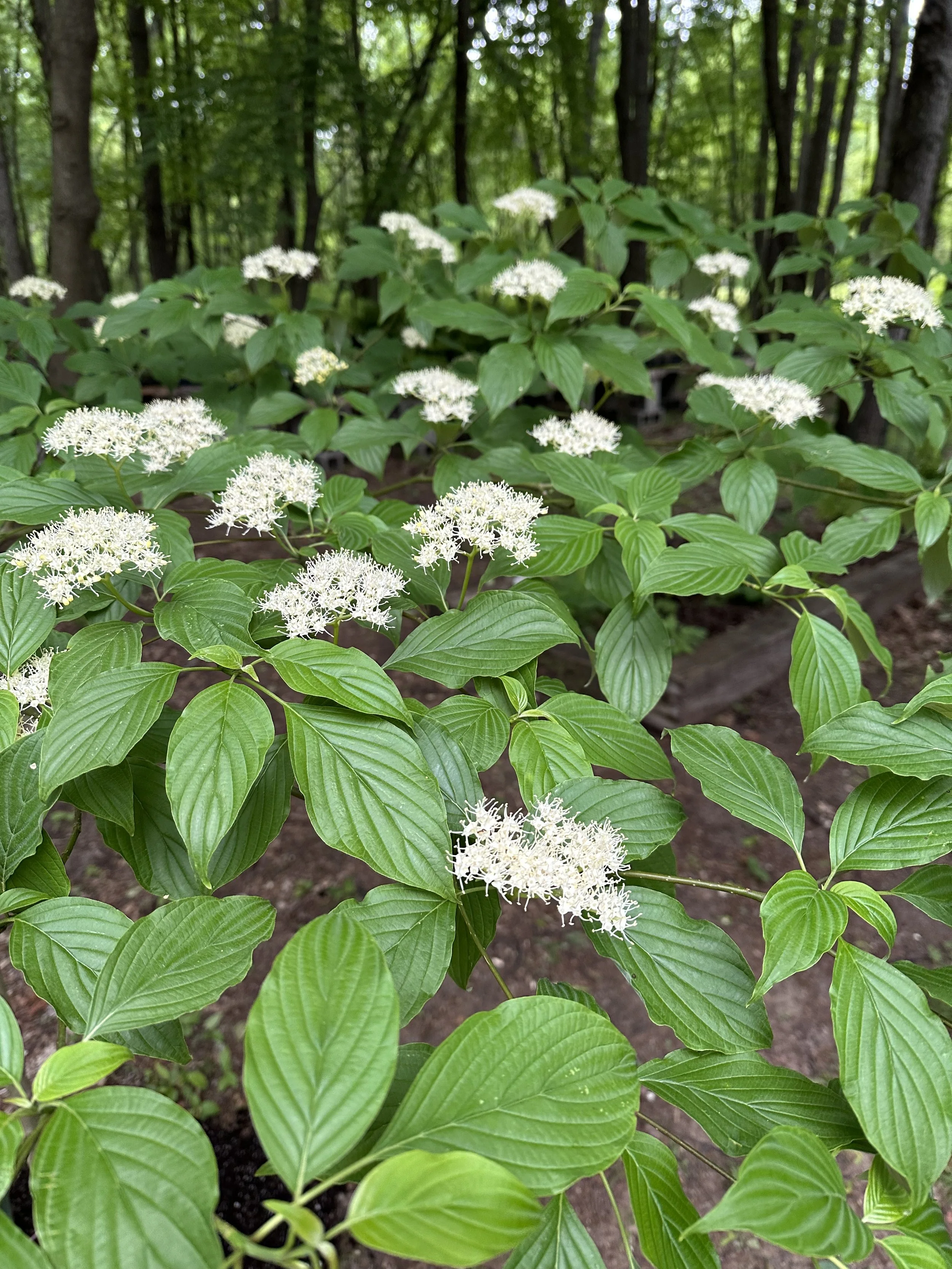
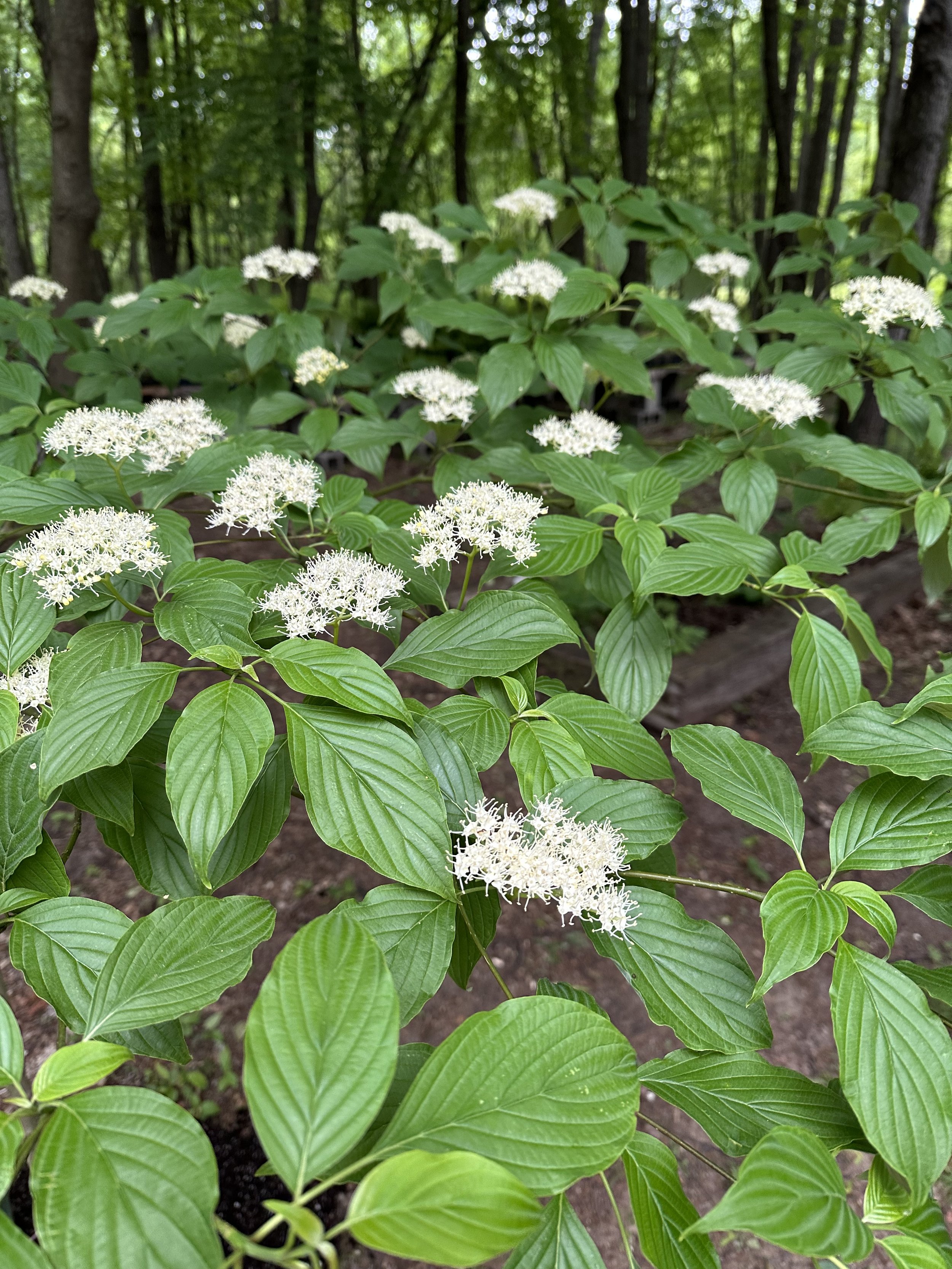
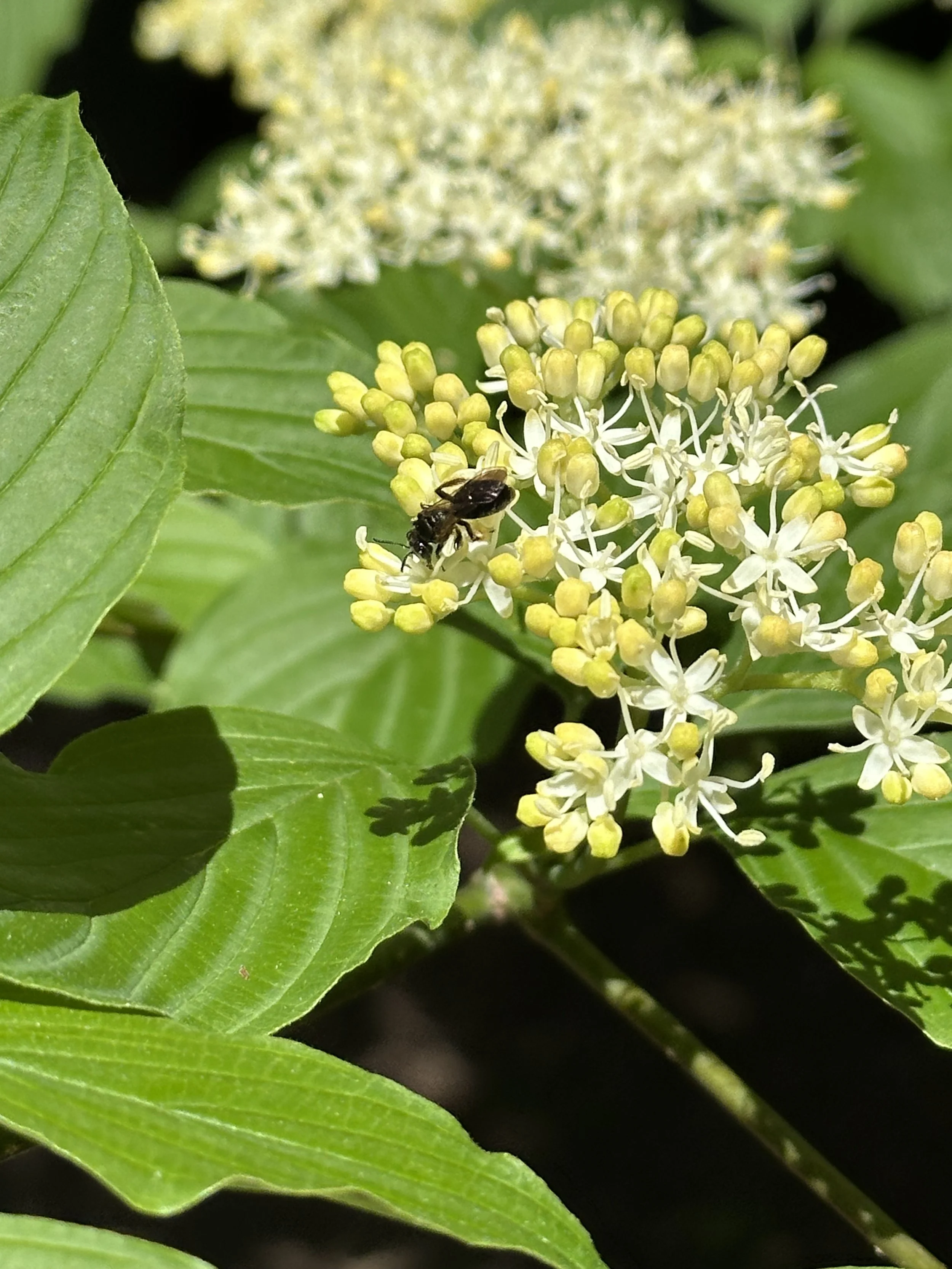
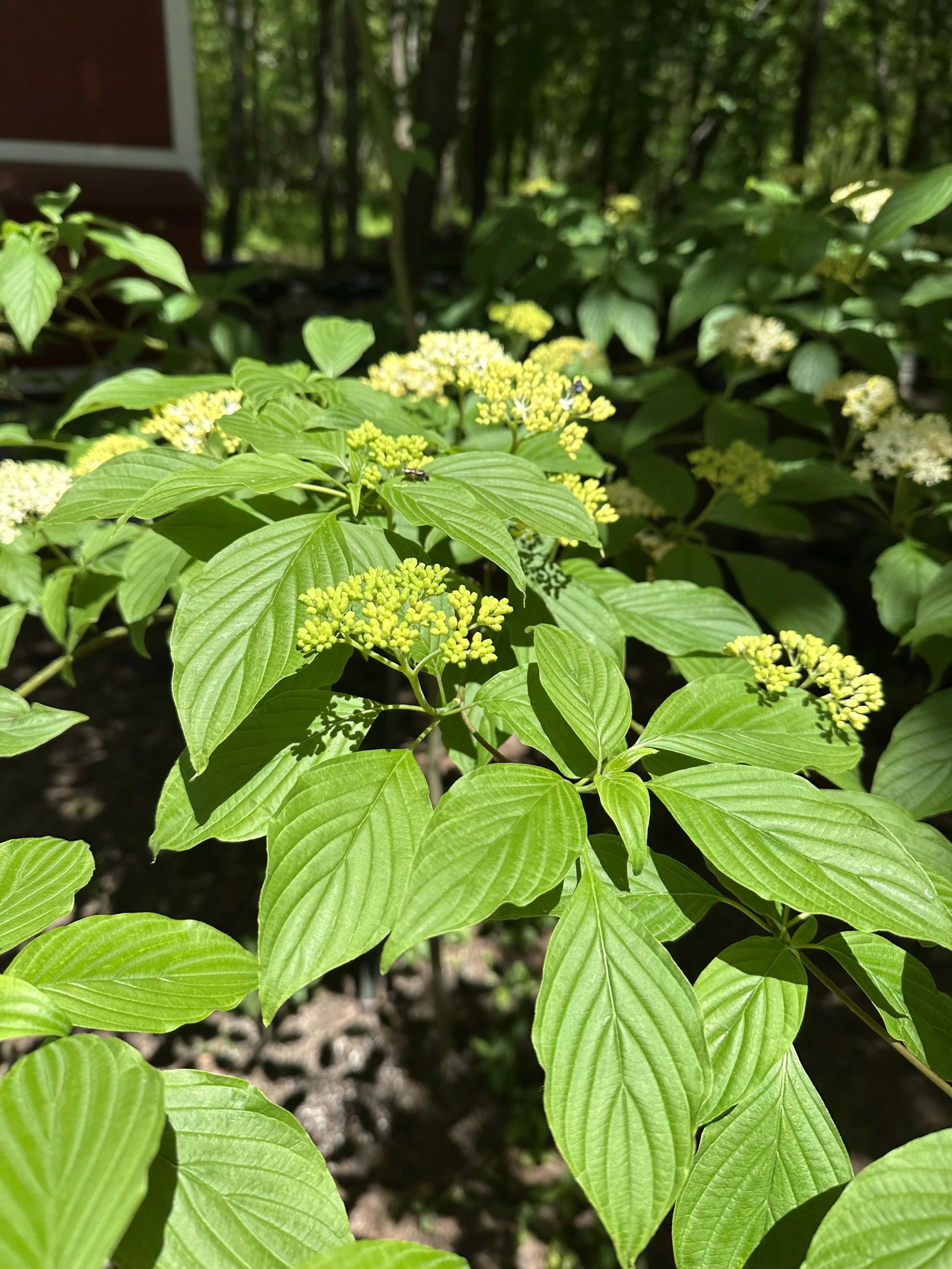
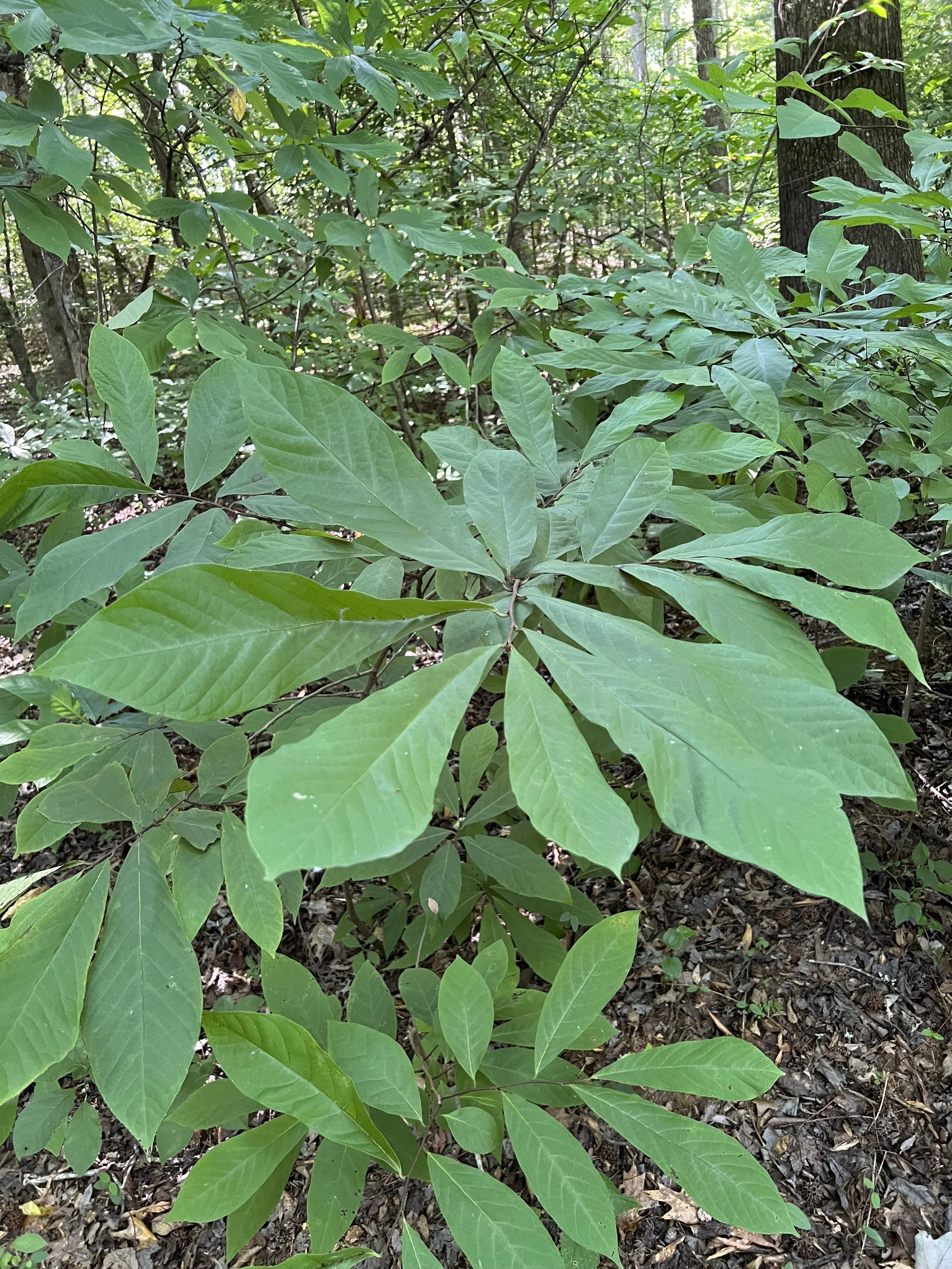
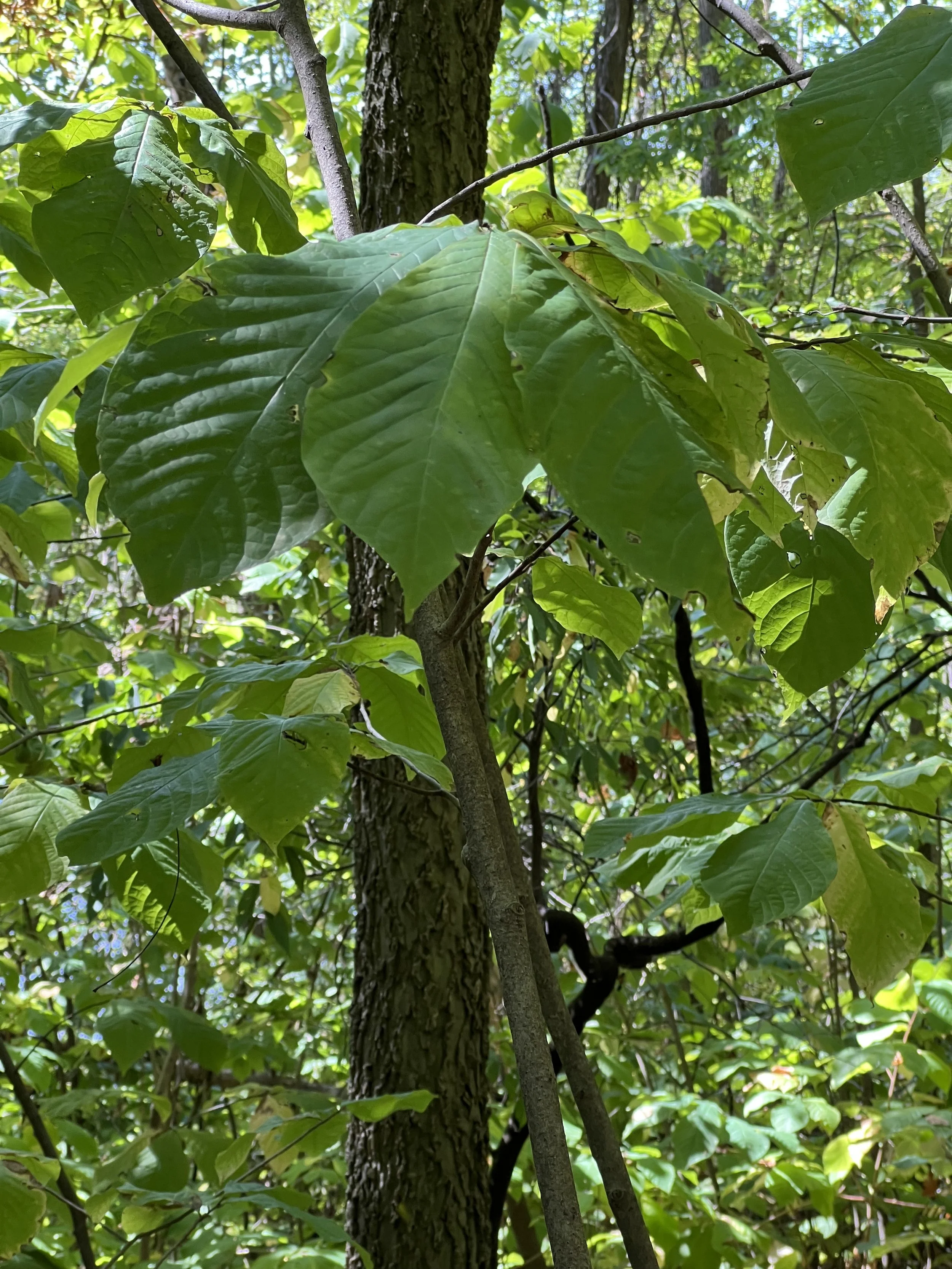
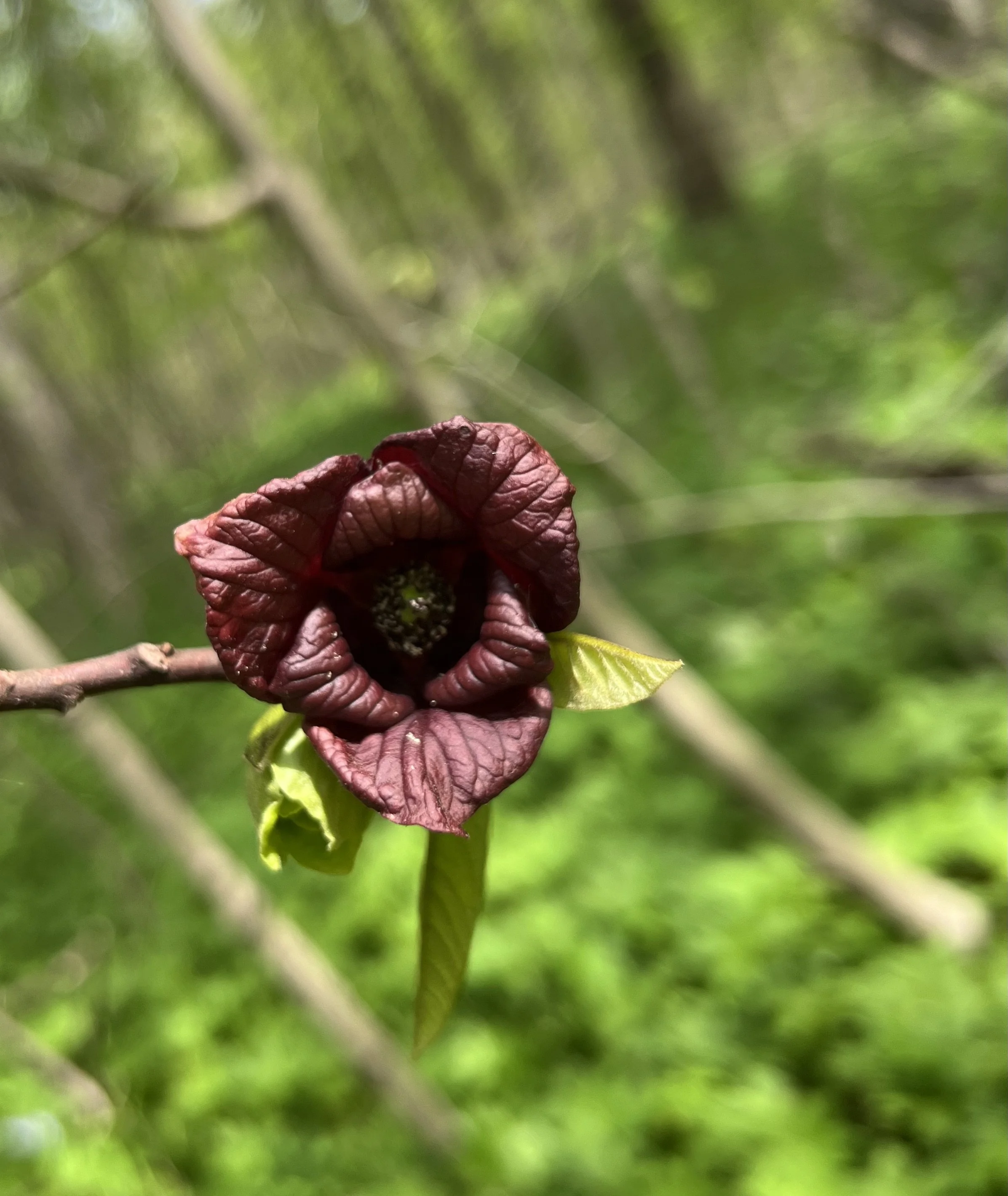
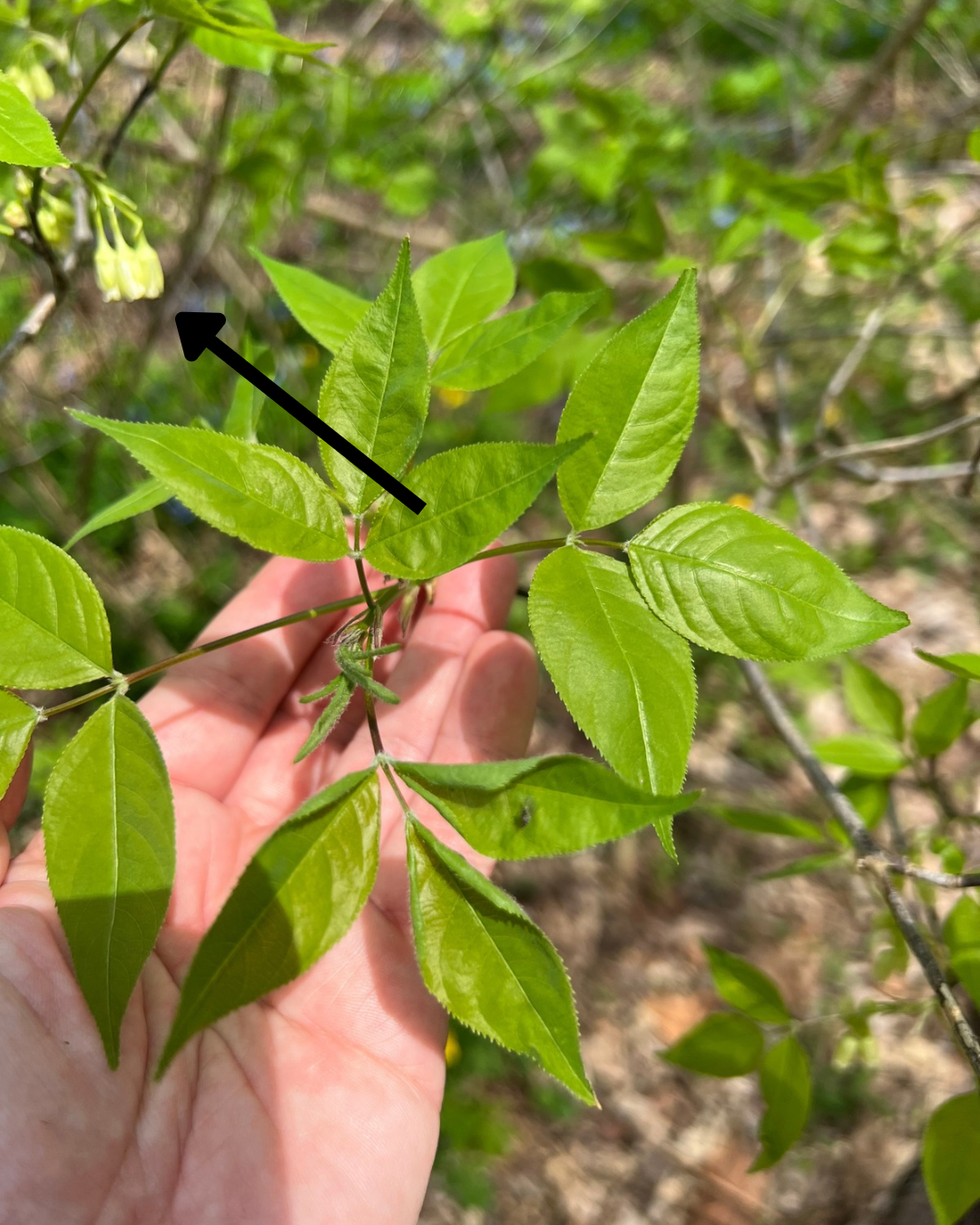
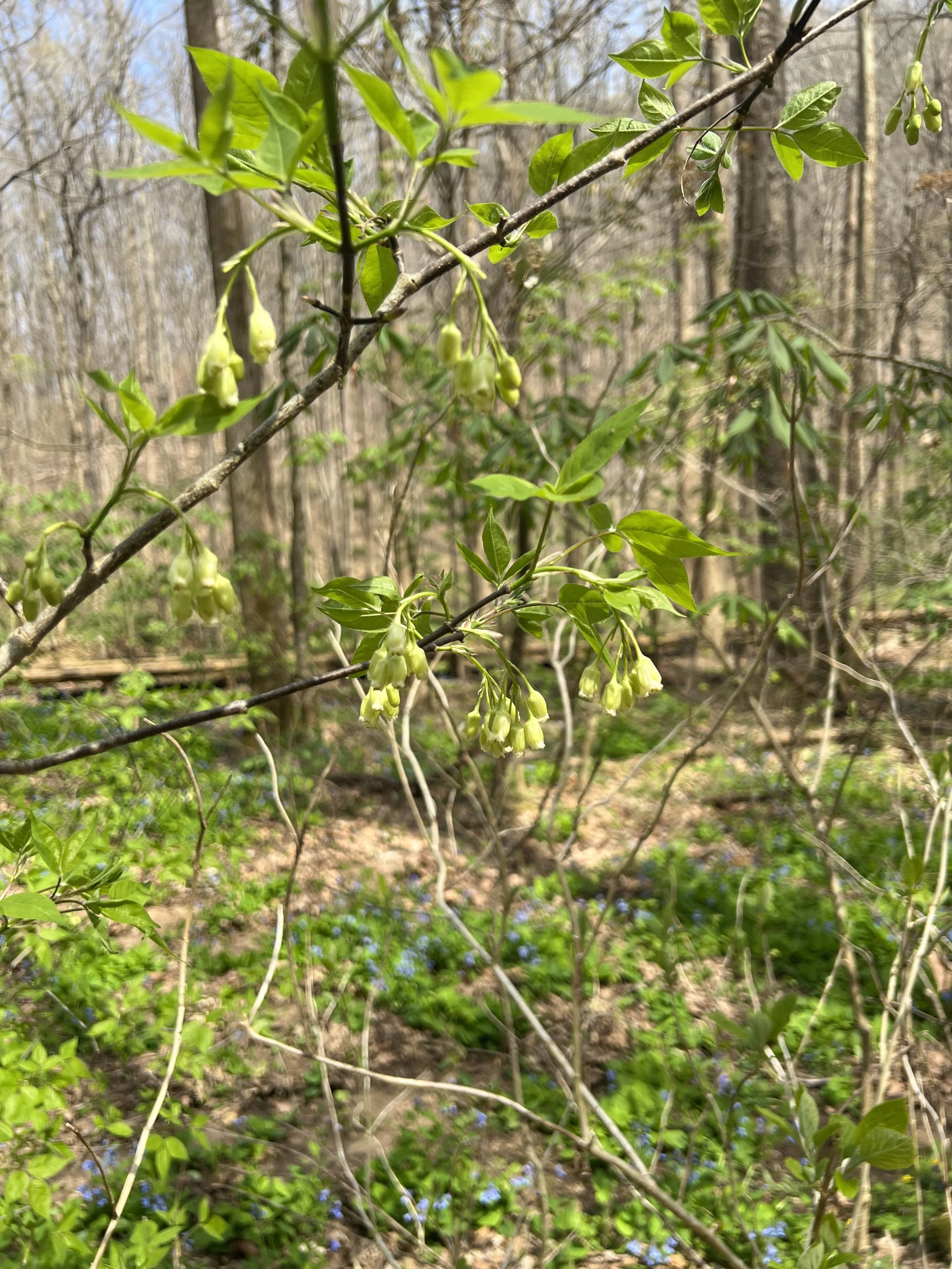
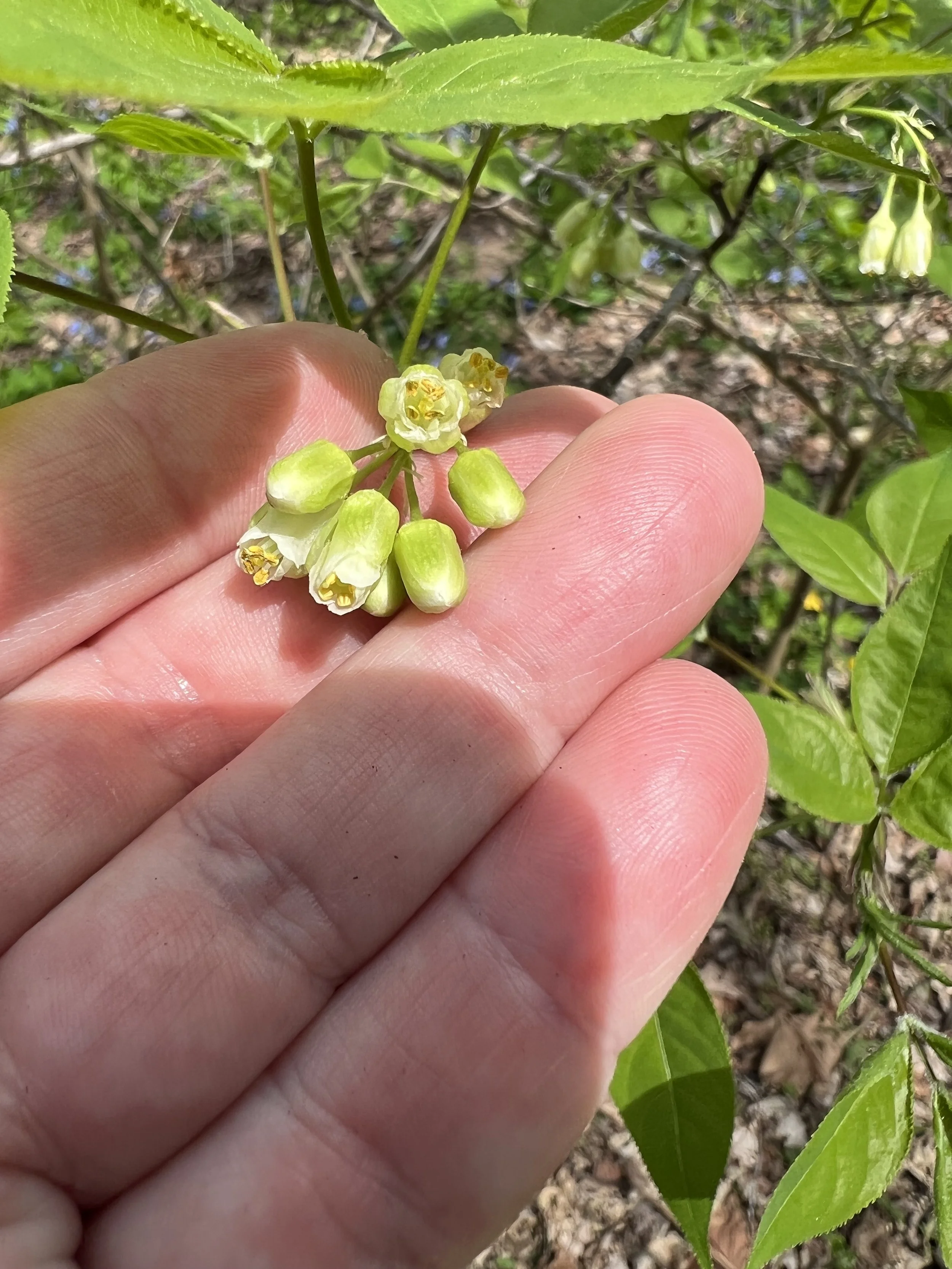
Witch hazel is a small tree or shrub that grows in the understory of both rich deciduous forests and drier forests including savannahs. it is quite unique in that it flowers around the same time that leaves are dropping off and even later when snow is already on the ground. The flowers are unusual also. They have four petals that are linear in shape. Where this shrub gets more sunlight, more flowers bloom.
This shrub is found in most of the lower peninsula and the western part of the upper peninsula.
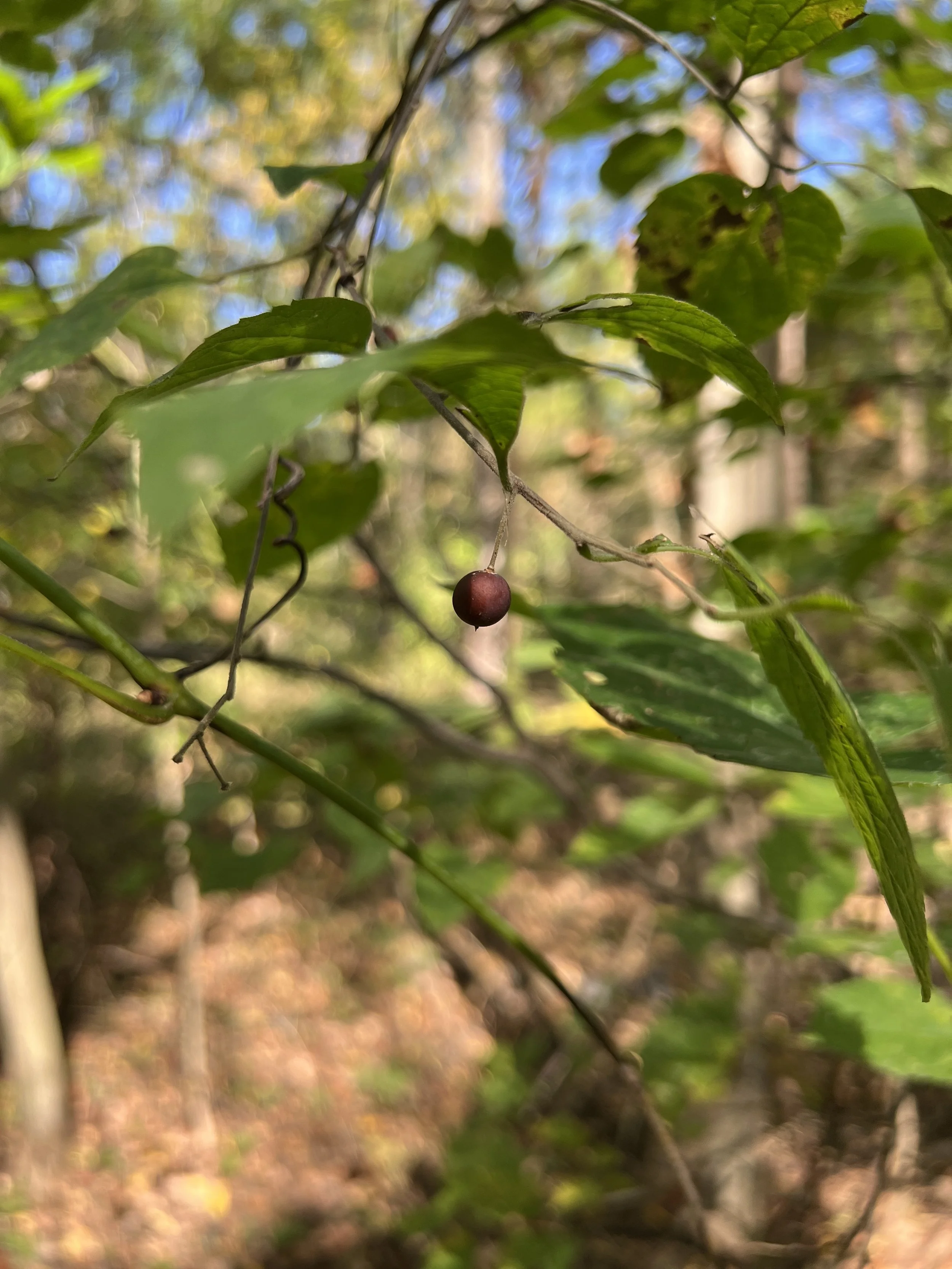
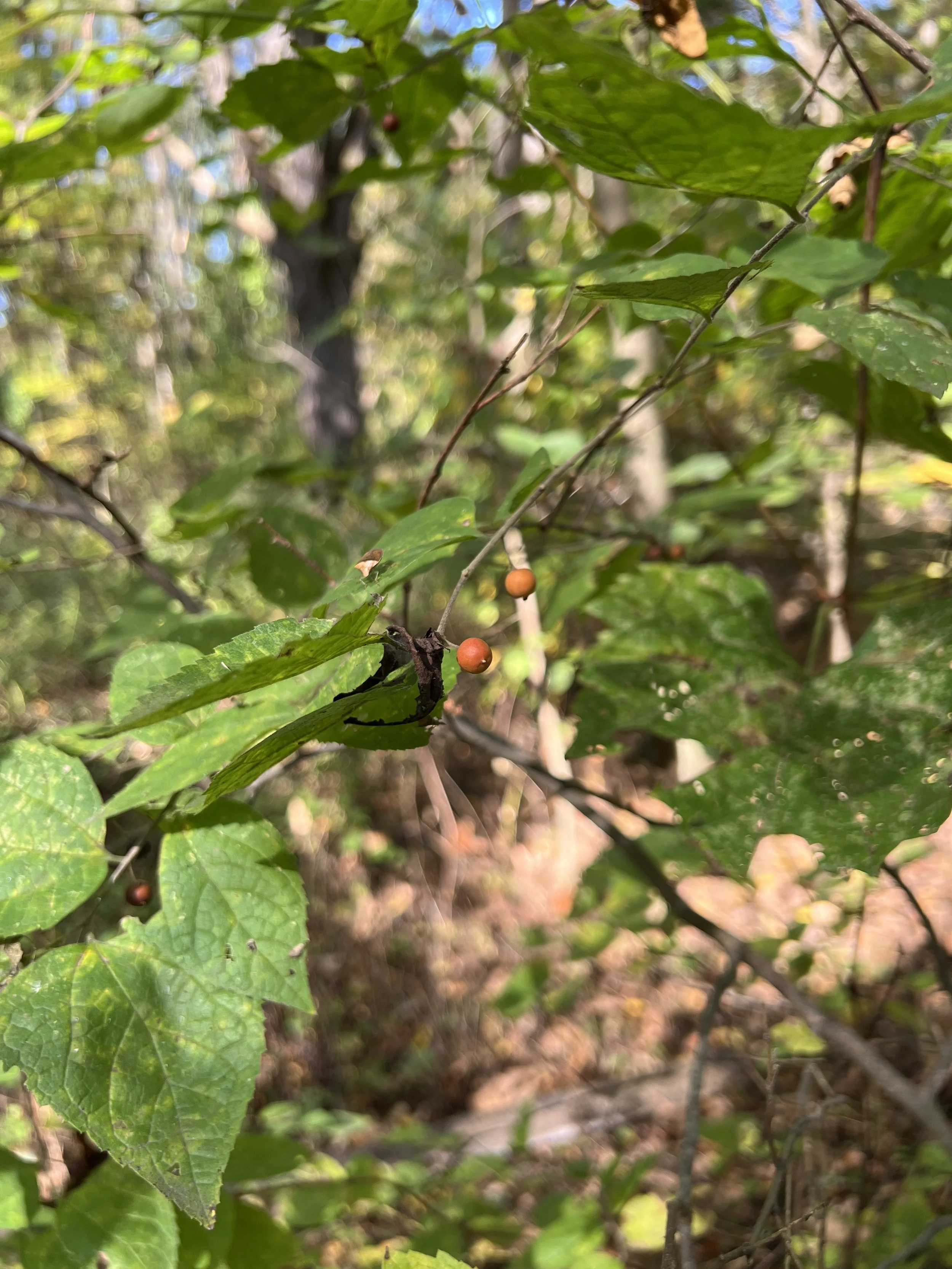
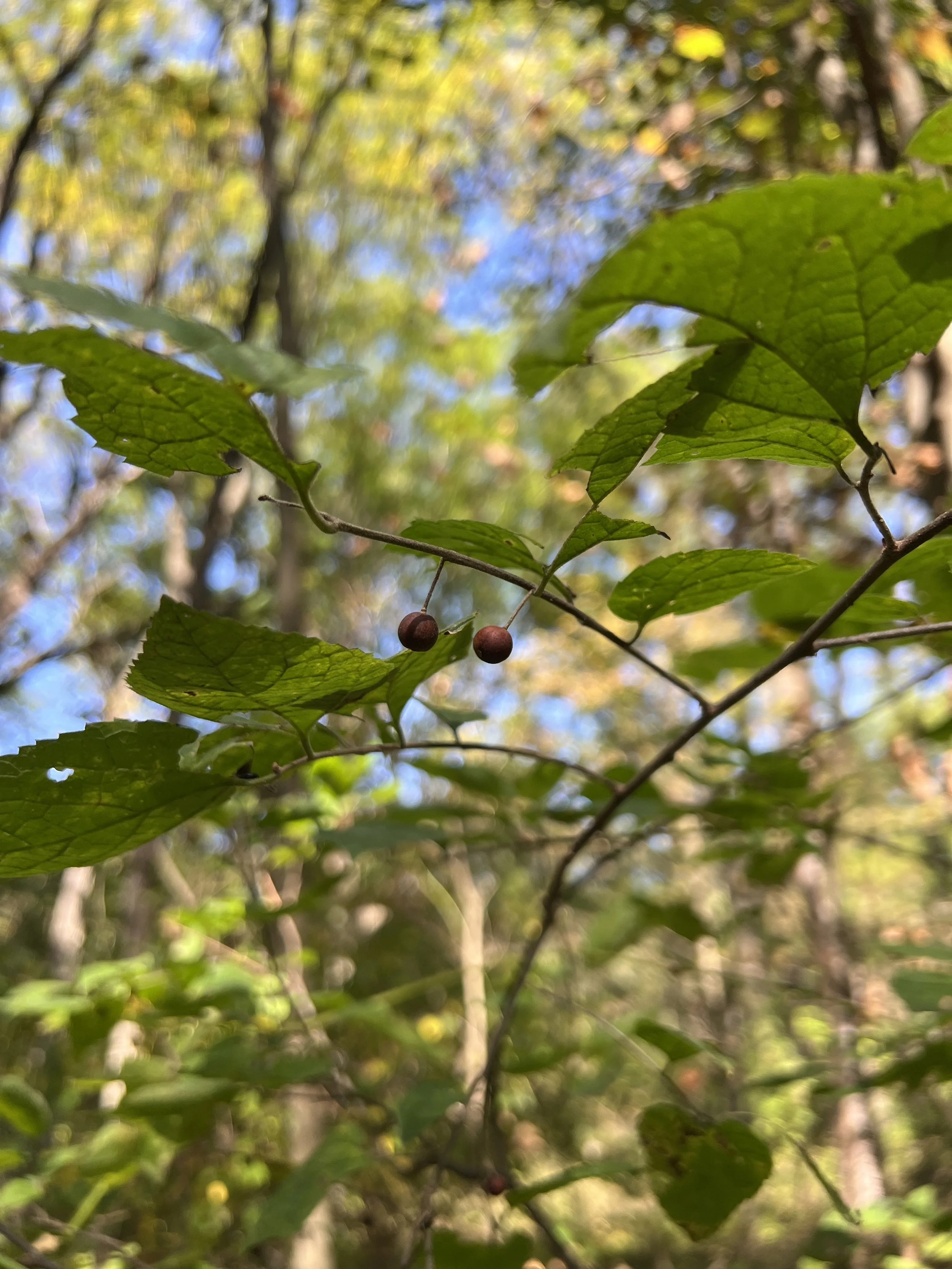
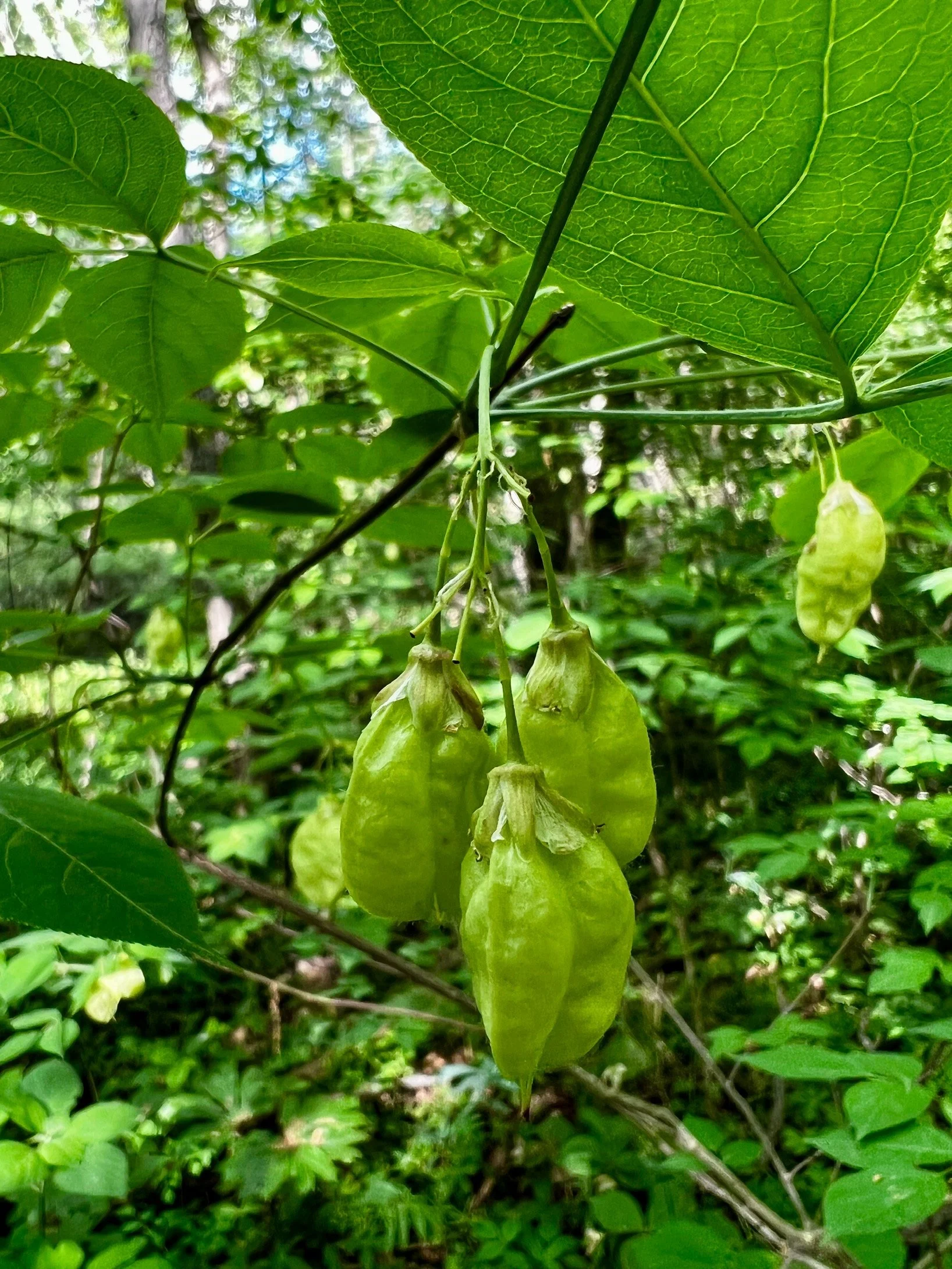
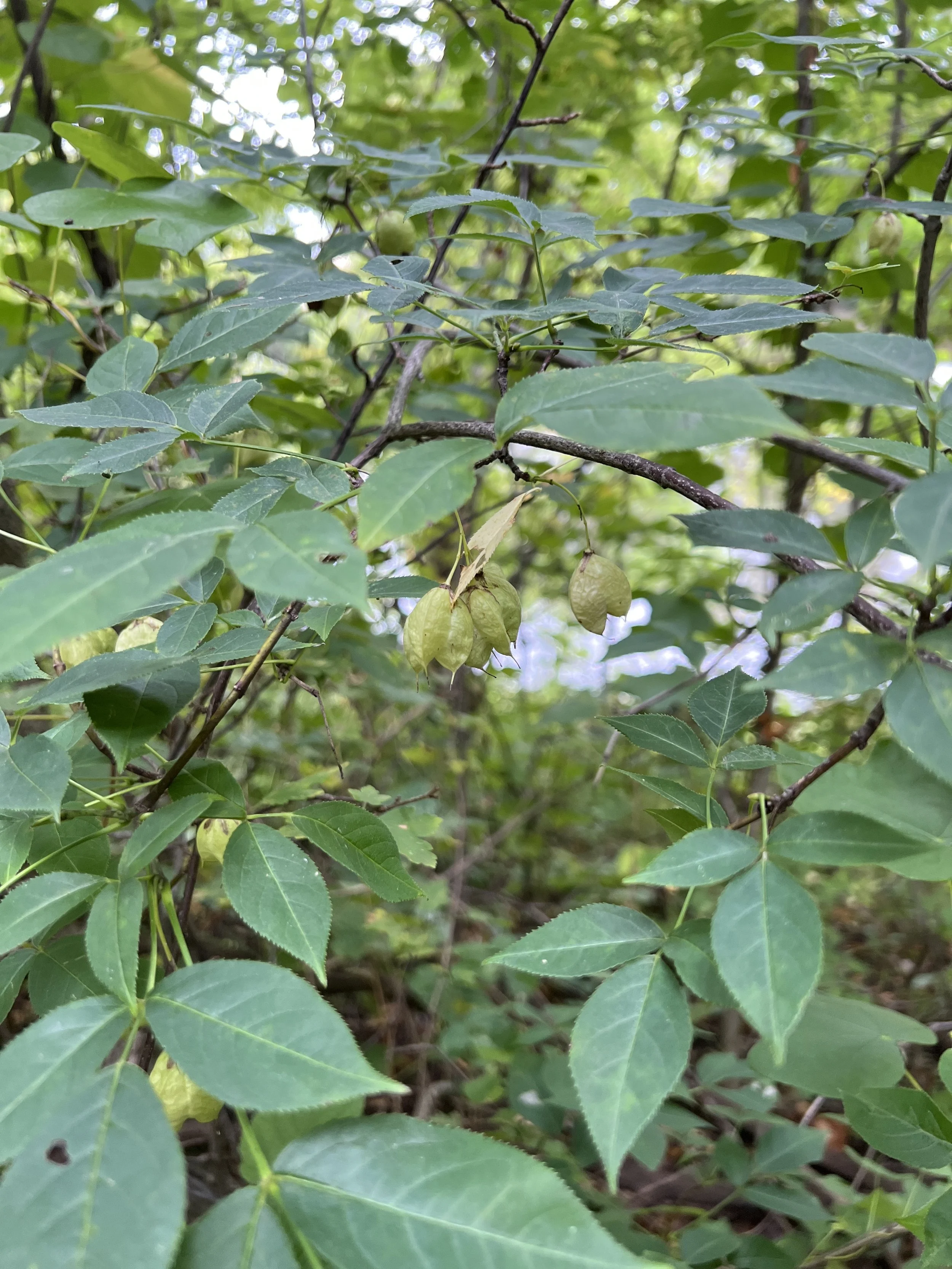
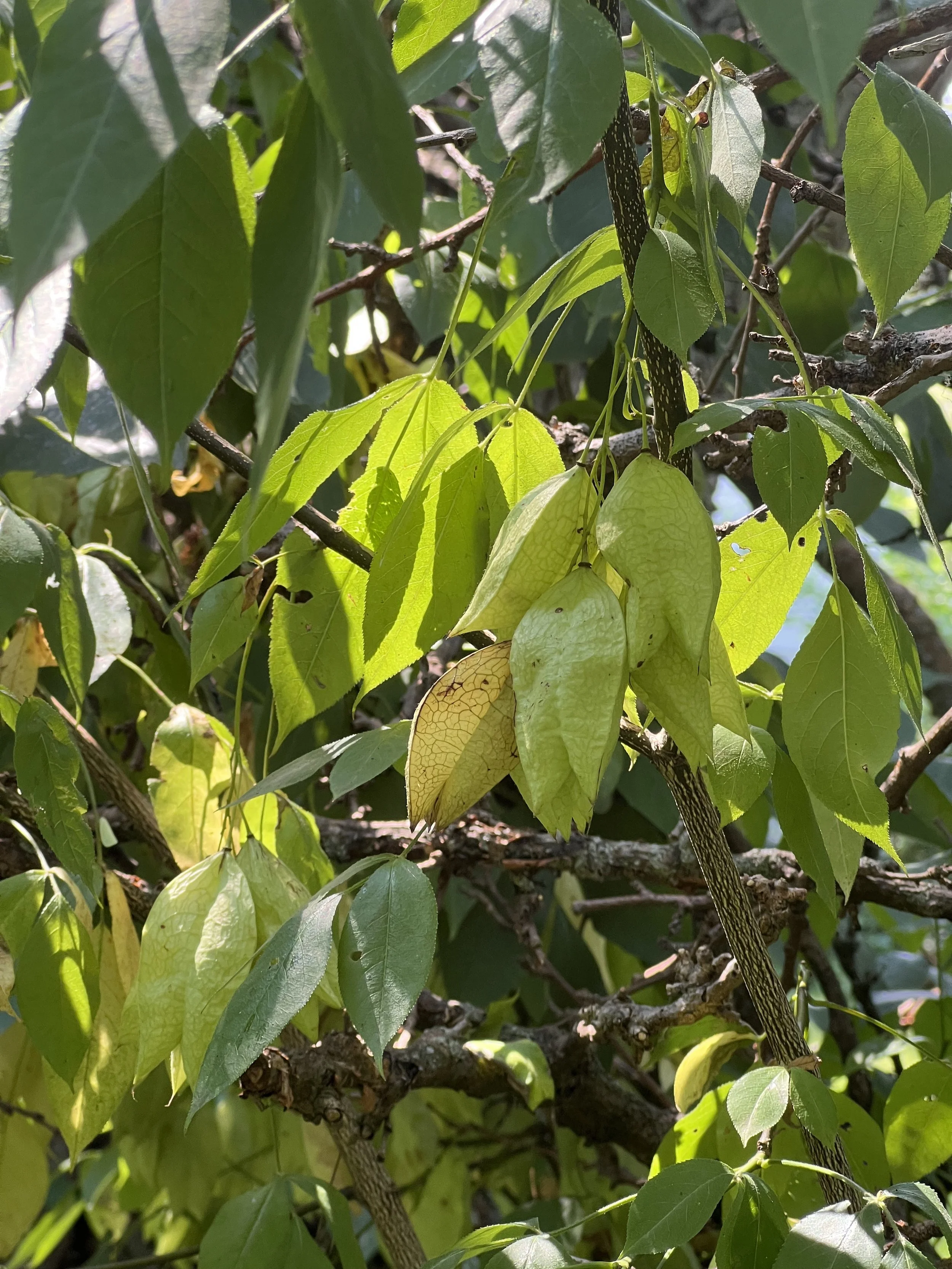
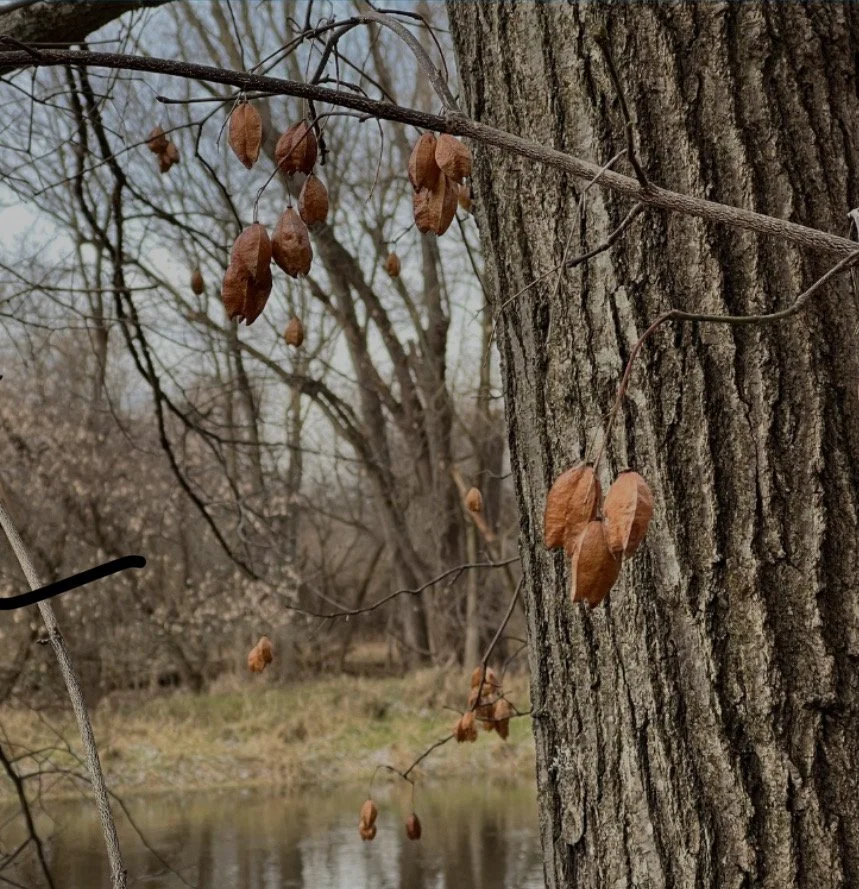
I had been under the impression that the flowers were mostly pollinated by moths, but Illinois Wildflowers, which I use to find soil preferences and insect associations mentions many flies and wasps that pollinate and no moths. There are moth caterpillars whose host plant is witch hazel including the Witch Hazel Dagger Moth. Once pollinated, seeds form, but take almost a year to ripen. There are usually 2-4 seeds in a brown pod (see photos). They are shiny and black.
If you’ve got space for a shrub, this is a nice one to have so that your enjoyment of blooms can extend further into the year!
Witch Hazel (Hamamelis virginiana)
Michigan Flora reference page for state distribution: Witch Hazel
Height: up to 20’
Bloom time: October-December
Soil: moist rich, but also drier including sandy
Sun: light shade to part sun
Plant spacing: 6-10’
Flower: yellow
Family: Hamamelidaceae
Seed source: Michigan
Witch hazel is a small tree or shrub that grows in the understory of both rich deciduous forests and drier forests including savannahs. it is quite unique in that it flowers around the same time that leaves are dropping off and even later when snow is already on the ground. The flowers are unusual also. They have four petals that are linear in shape. Where this shrub gets more sunlight, more flowers bloom.
This shrub is found in most of the lower peninsula and the western part of the upper peninsula.
I had been under the impression that the flowers were mostly pollinated by moths, but Illinois Wildflowers, which I use to find soil preferences and insect associations mentions many flies and wasps that pollinate and no moths. There are moth caterpillars whose host plant is witch hazel including the Witch Hazel Dagger Moth. Once pollinated, seeds form, but take almost a year to ripen. There are usually 2-4 seeds in a brown pod (see photos). They are shiny and black.
If you’ve got space for a shrub, this is a nice one to have so that your enjoyment of blooms can extend further into the year!
Witch Hazel (Hamamelis virginiana)
Michigan Flora reference page for state distribution: Witch Hazel
Height: up to 20’
Bloom time: October-December
Soil: moist rich, but also drier including sandy
Sun: light shade to part sun
Plant spacing: 6-10’
Flower: yellow
Family: Hamamelidaceae
Seed source: Michigan
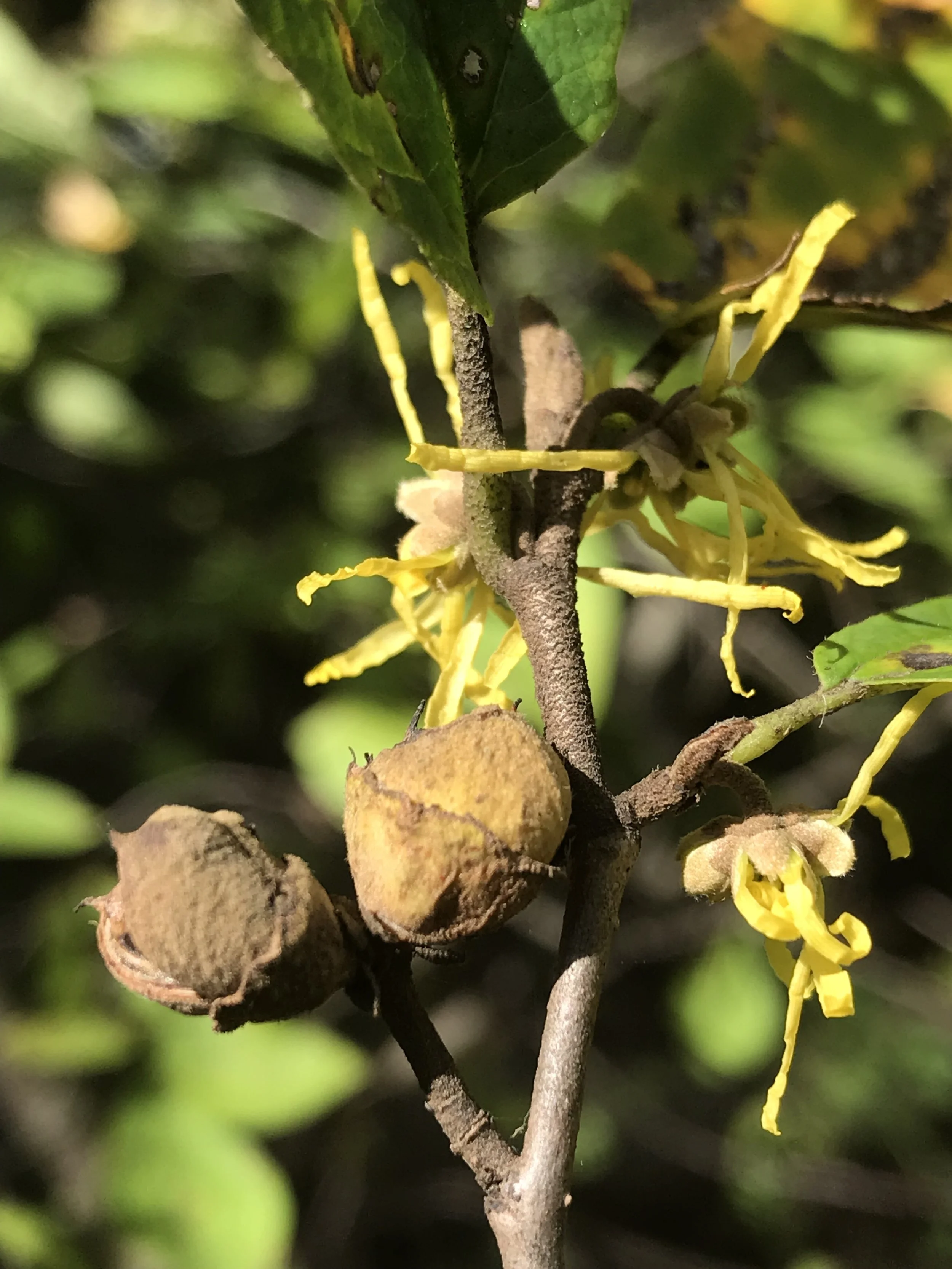 Image 1 of 6
 Image 2 of 6
 Image 3 of 6
 Image 4 of 6
 Image 5 of 6
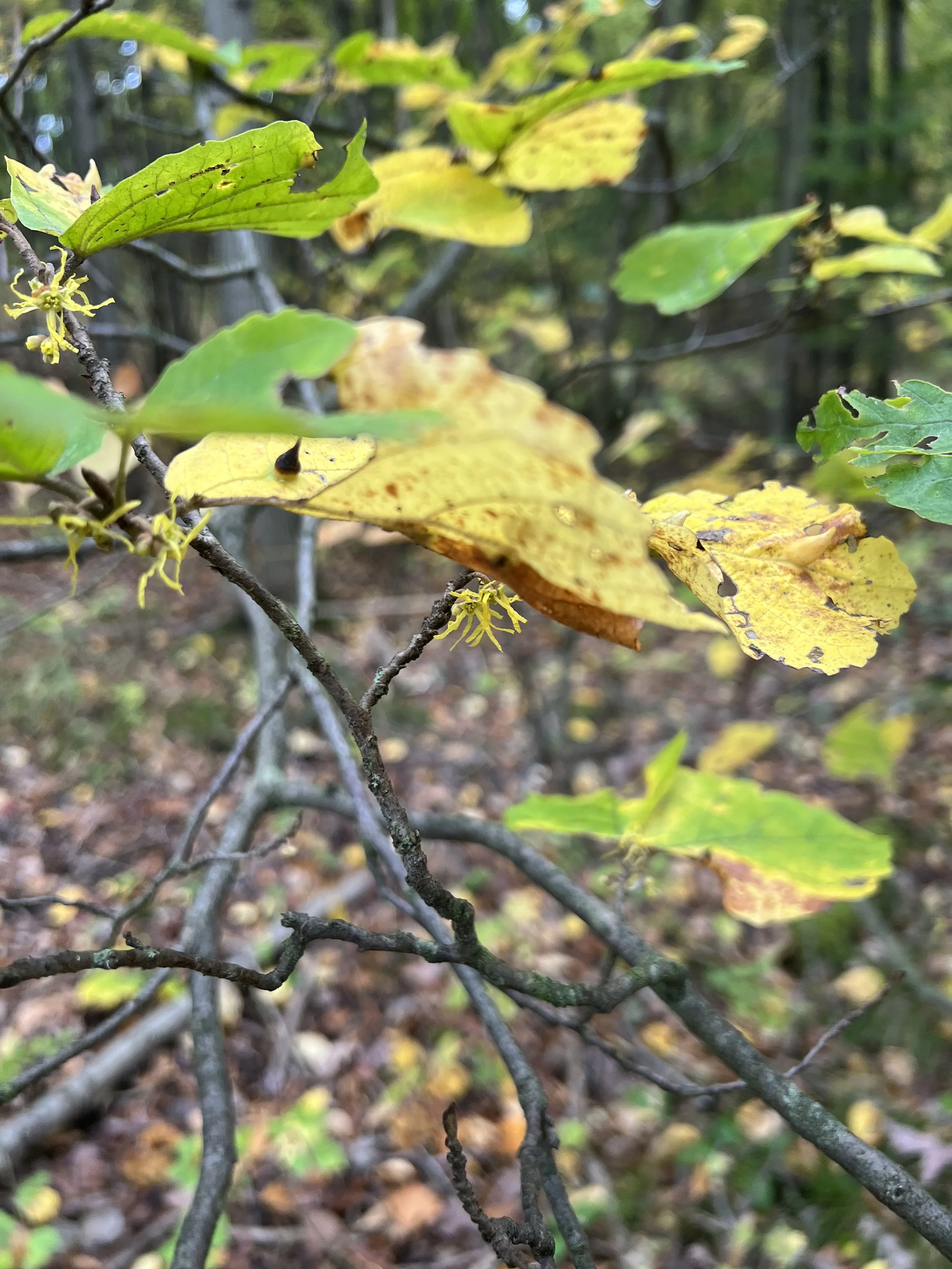 Image 6 of 6