Image 1 of 5
Image 2 of 5
Image 3 of 5
Image 4 of 5
Image 5 of 5
American Bellfower (Campanulastrum americana)
from $3.50
Sold Out
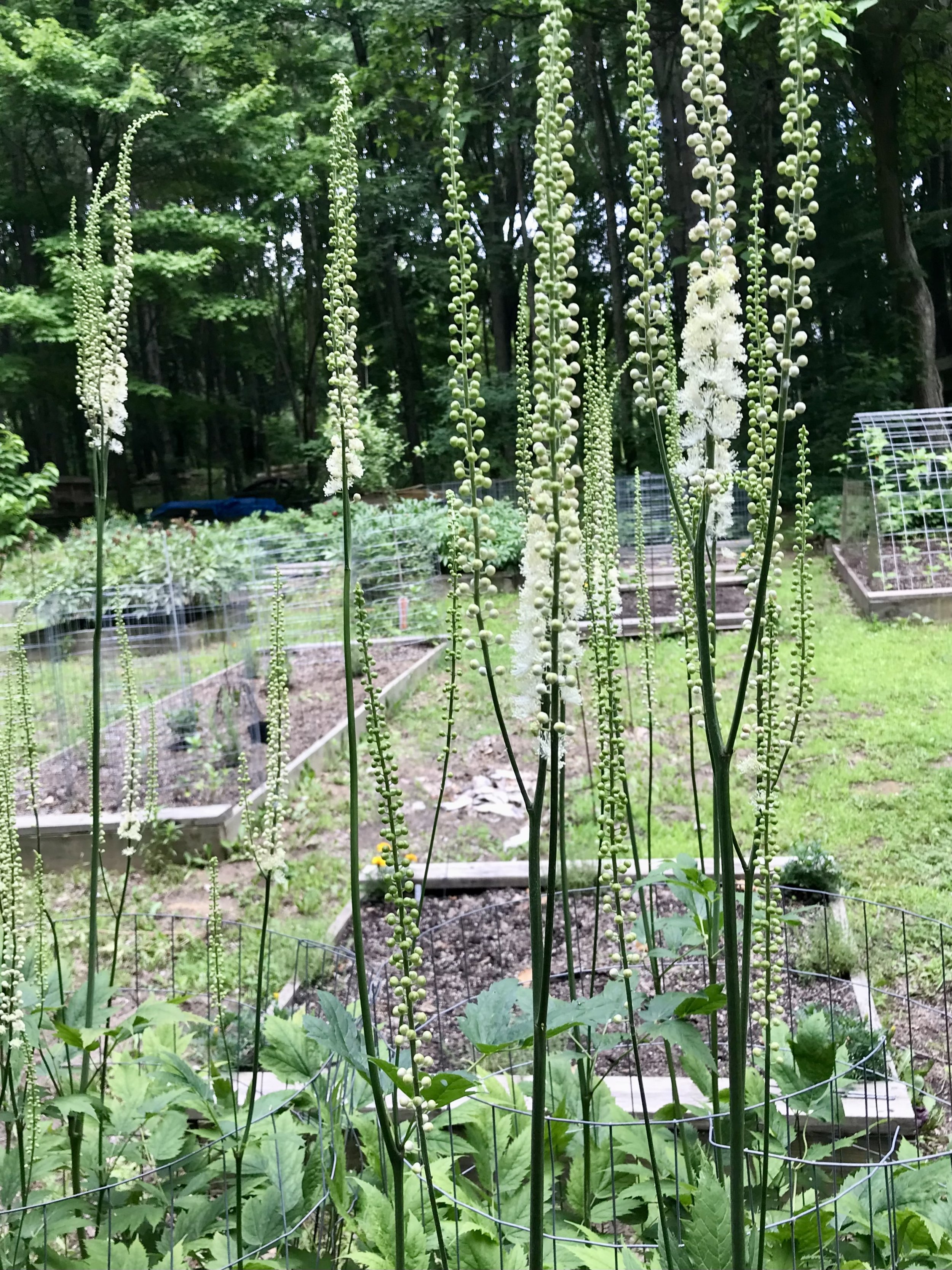
American Bellfower is also known as Tall Bellflower. It grows from 1-5 feet tall in light shade to part sun. It prefers moist, rich soil, but can tolerate some dry. It seems to do well where there is some disturbance, probably because in order to reproduce, it depends on seeds.
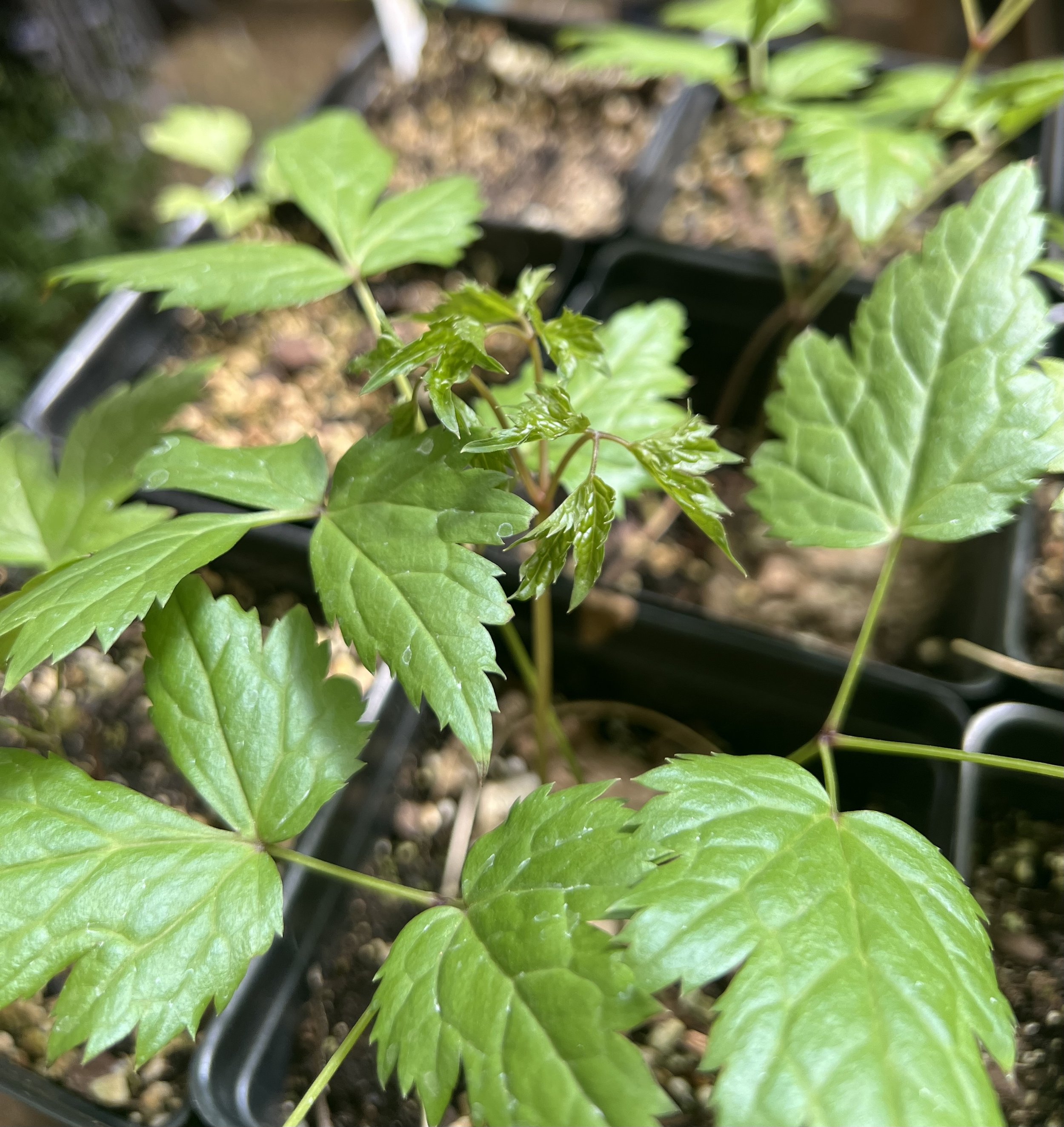
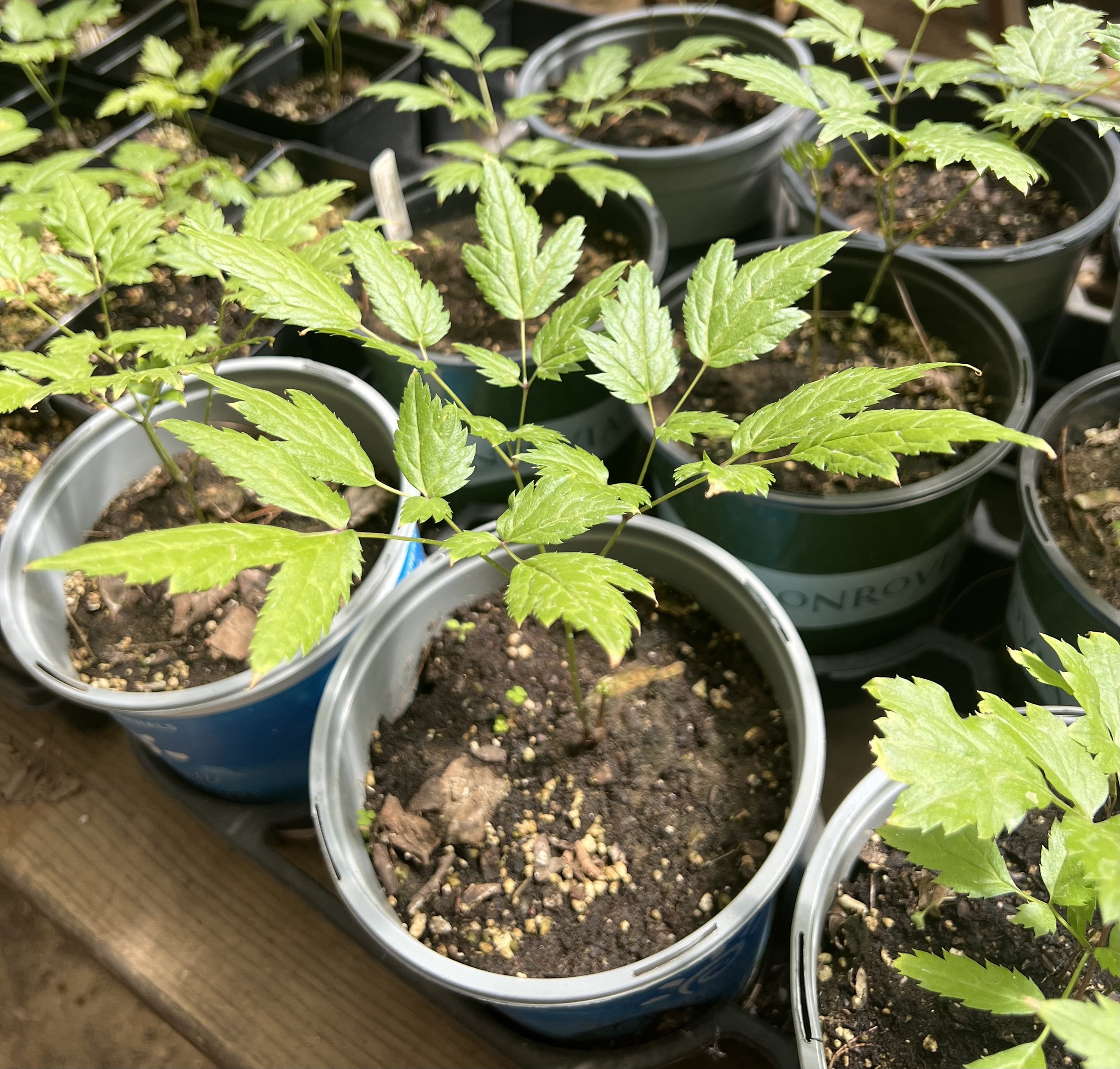
This plant is a biennial, so typically, it is a low growing collection of basal leaves and the second year it shoots upward. The basal leaves almost look like a violet and have tricked me a couple of times! It is usually unbranched but can have some branches out to each side of the plant. Flowers grow in upper leaf axils and at the top of the plant. The leaves and stem have hairs on them.
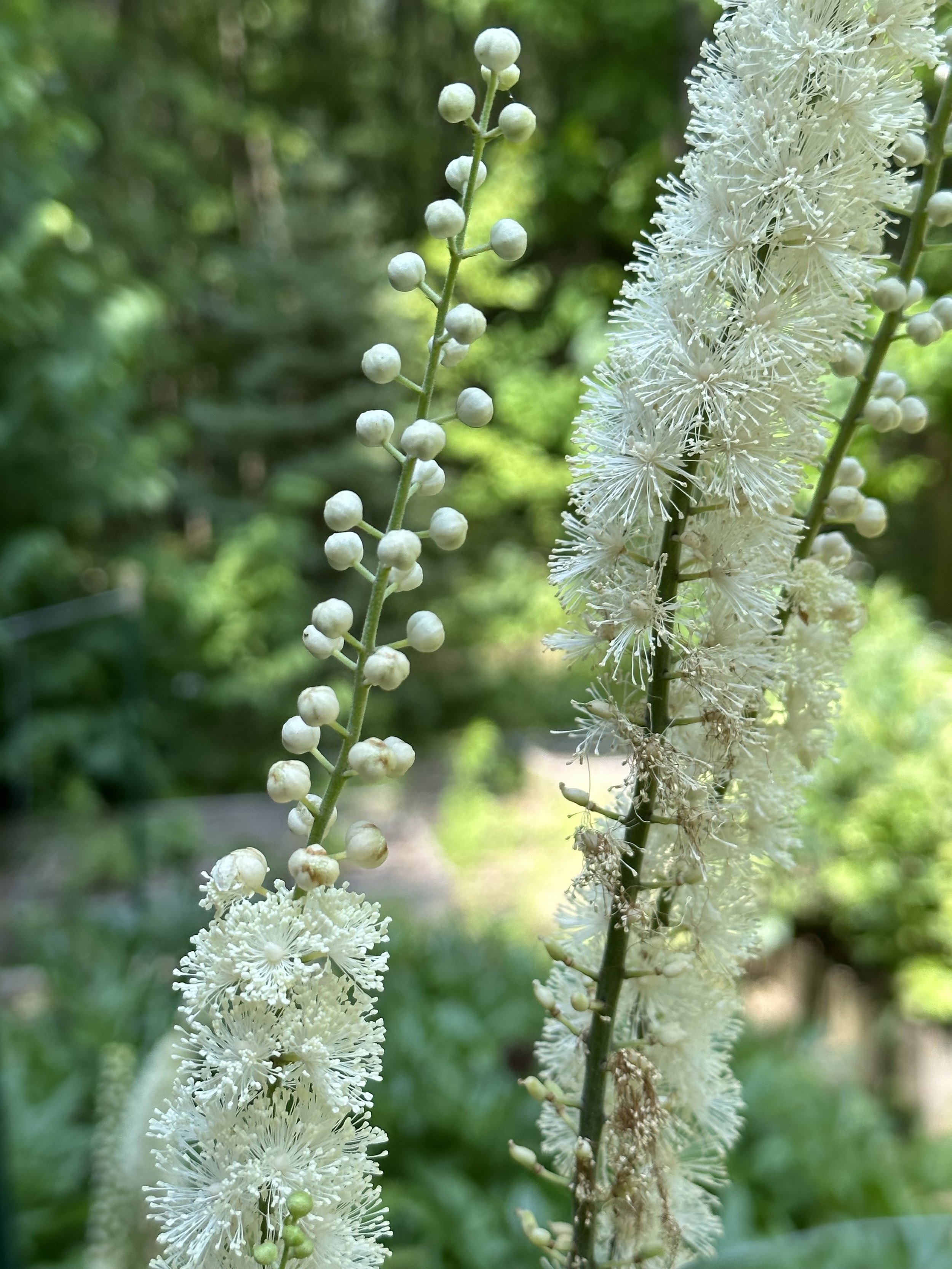
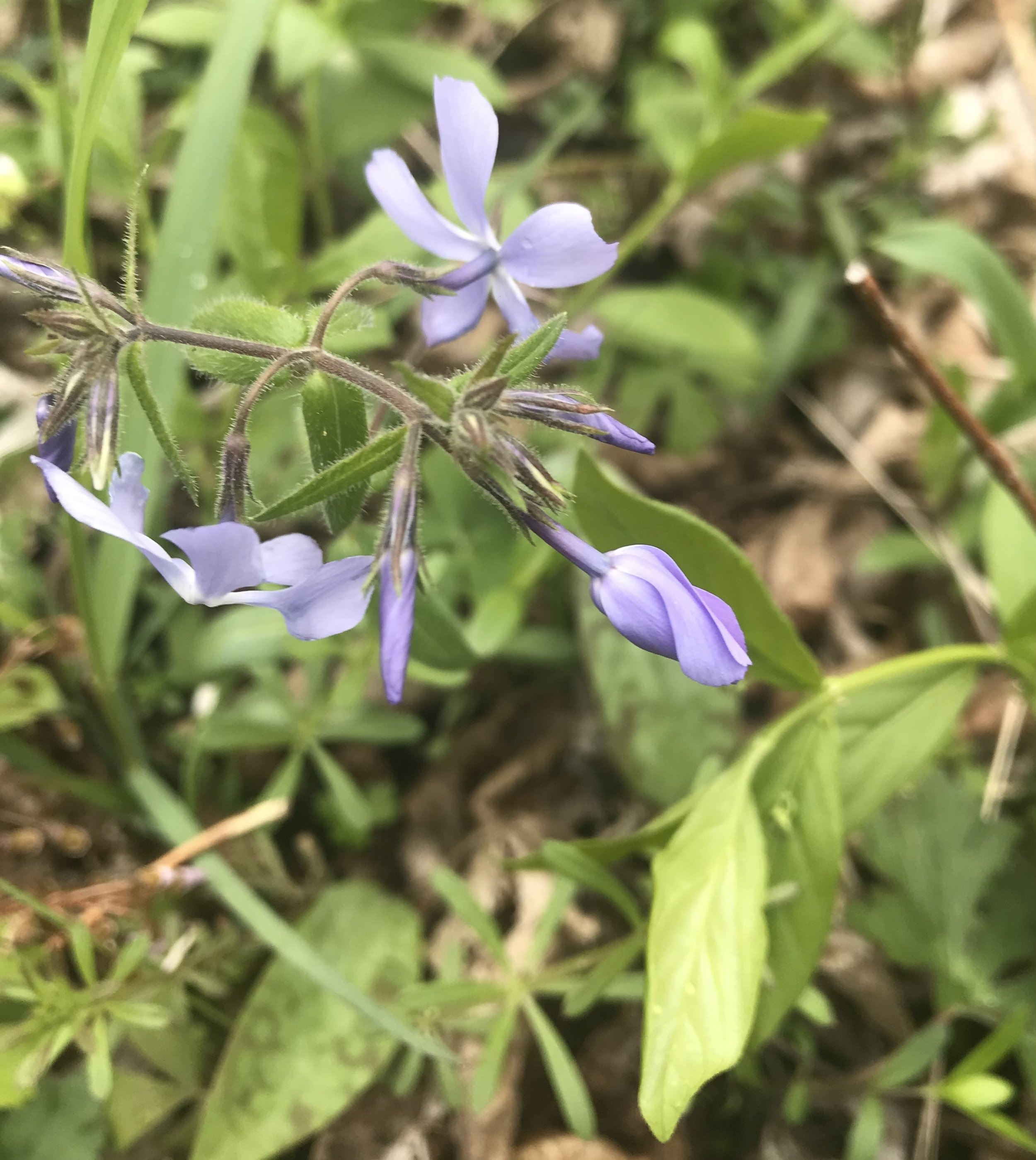
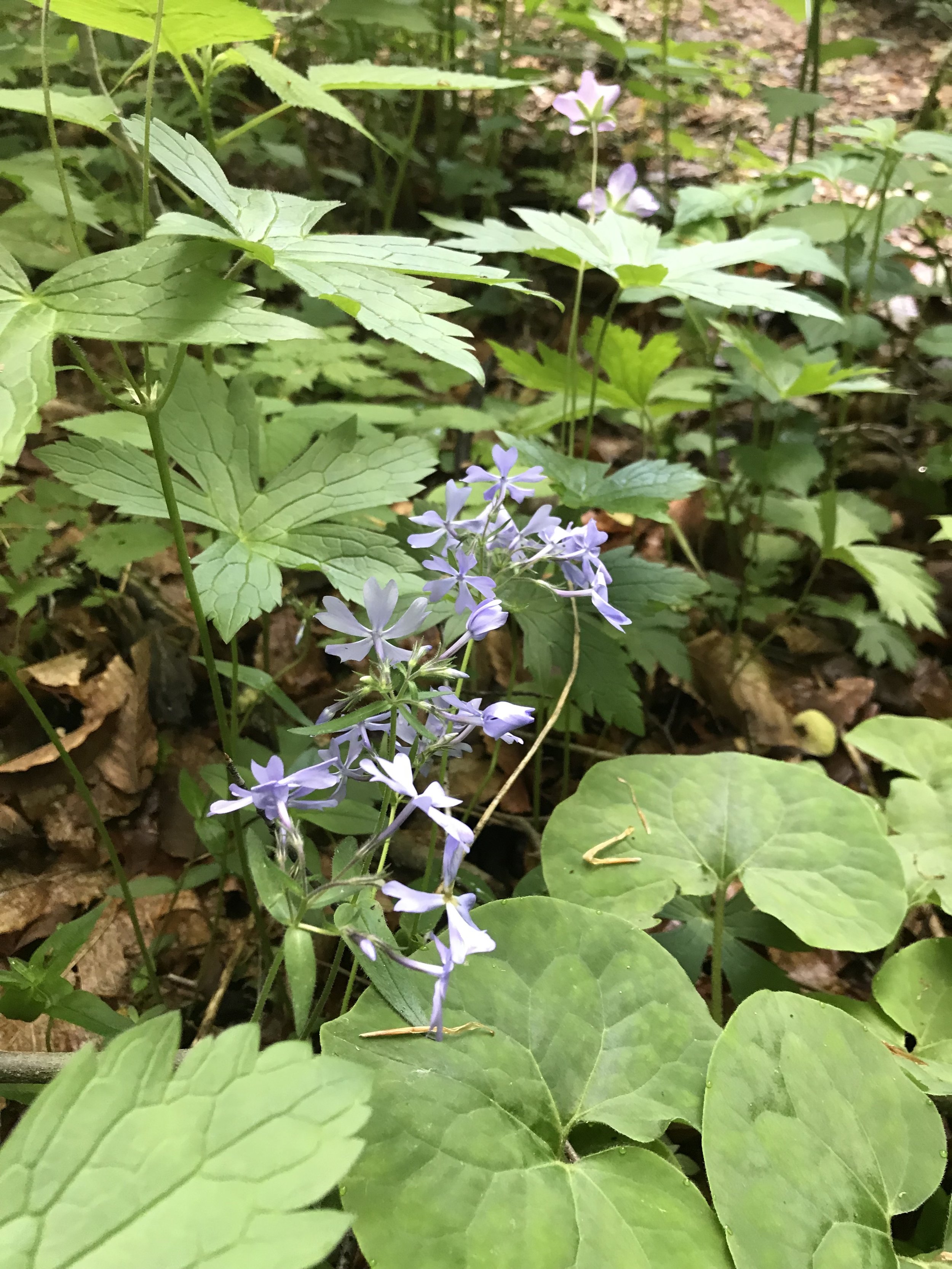
The flowers are light to darker blue with five petals and a long style (plant part that attaches the ovary to the stigma). The stigma (plant part that accepts the pollen grains to fertilize the ovaries) is split into three branches. The five stamens with white anthers emerge just a bit later than the style which helps keep the plant from self pollinating. See photos to look for these plant parts.
Mammals do eat this plant! I have been disapppointed some years when I observed large basal rosettes and then went back to check the flowers and found they had all been chomped down.
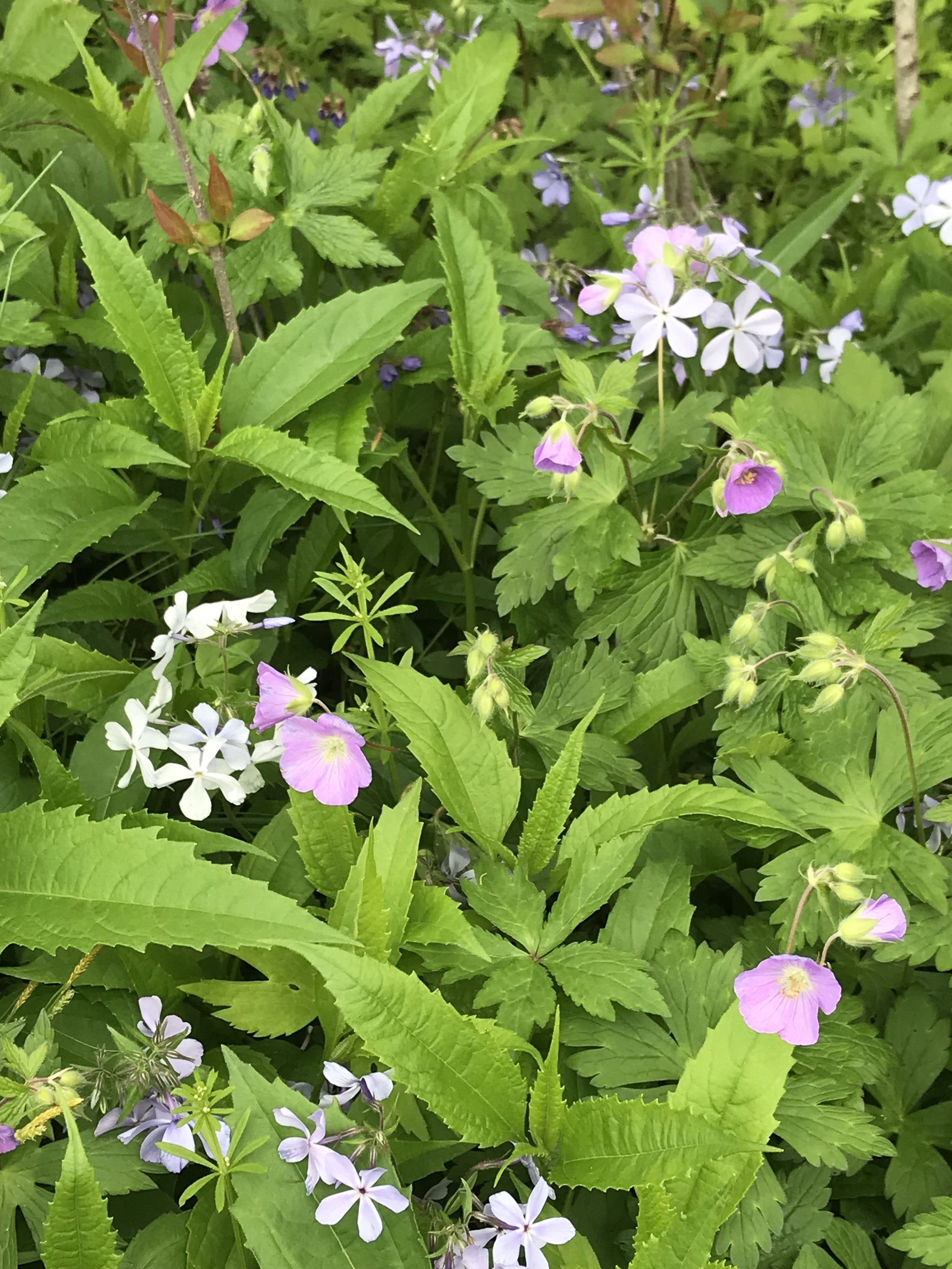
Companion Plants: Bellwort, short’s aster, wild ginger, silky wild rye
American Bellflower (Campanulastrum americanum)
Michigan Flora reference page for state distribution: American Bellflower
Height: 1-5 feet
Soil: loam, clay-loam, medium moisture
Sun: partial sun to shade
Plant spacing: 2 feet
Flower: light to dark blue
Life cycle: biennial
Family: Campanulaceae
Seed source: Michigan
Sizes:
Get notified by email when this product is in stock.
American Bellfower is also known as Tall Bellflower. It grows from 1-5 feet tall in light shade to part sun. It prefers moist, rich soil, but can tolerate some dry. It seems to do well where there is some disturbance, probably because in order to reproduce, it depends on seeds.
This plant is a biennial, so typically, it is a low growing collection of basal leaves and the second year it shoots upward. The basal leaves almost look like a violet and have tricked me a couple of times! It is usually unbranched but can have some branches out to each side of the plant. Flowers grow in upper leaf axils and at the top of the plant. The leaves and stem have hairs on them.
The flowers are light to darker blue with five petals and a long style (plant part that attaches the ovary to the stigma). The stigma (plant part that accepts the pollen grains to fertilize the ovaries) is split into three branches. The five stamens with white anthers emerge just a bit later than the style which helps keep the plant from self pollinating. See photos to look for these plant parts.
Mammals do eat this plant! I have been disapppointed some years when I observed large basal rosettes and then went back to check the flowers and found they had all been chomped down.
Companion Plants: Bellwort, short’s aster, wild ginger, silky wild rye
American Bellflower (Campanulastrum americanum)
Michigan Flora reference page for state distribution: American Bellflower
Height: 1-5 feet
Soil: loam, clay-loam, medium moisture
Sun: partial sun to shade
Plant spacing: 2 feet
Flower: light to dark blue
Life cycle: biennial
Family: Campanulaceae
Seed source: Michigan