Image 1 of 4
Image 2 of 4
Image 3 of 4
Image 4 of 4
American Bittersweet (Celastrus scandens)
from $3.50
Sold Out
When you hear the word bittersweet, it’s possible that what comes to mind is Round-leaf Bittersweet—formerly called Oriental Bittersweet—Celastrus orbiculatus. This is an aggressive, non-native vine that quickly grows up trees and becomes so heavy that trees break and even die from the vine.
American Bittersweet is our native bittersweet vine, which is less common that it used to be probably due to the branches being used in floral decorations. Now, some people have shifted to using the Round-leaf Bittersweet in decorations which should be discouraged since this is a way the seeds could be spread.
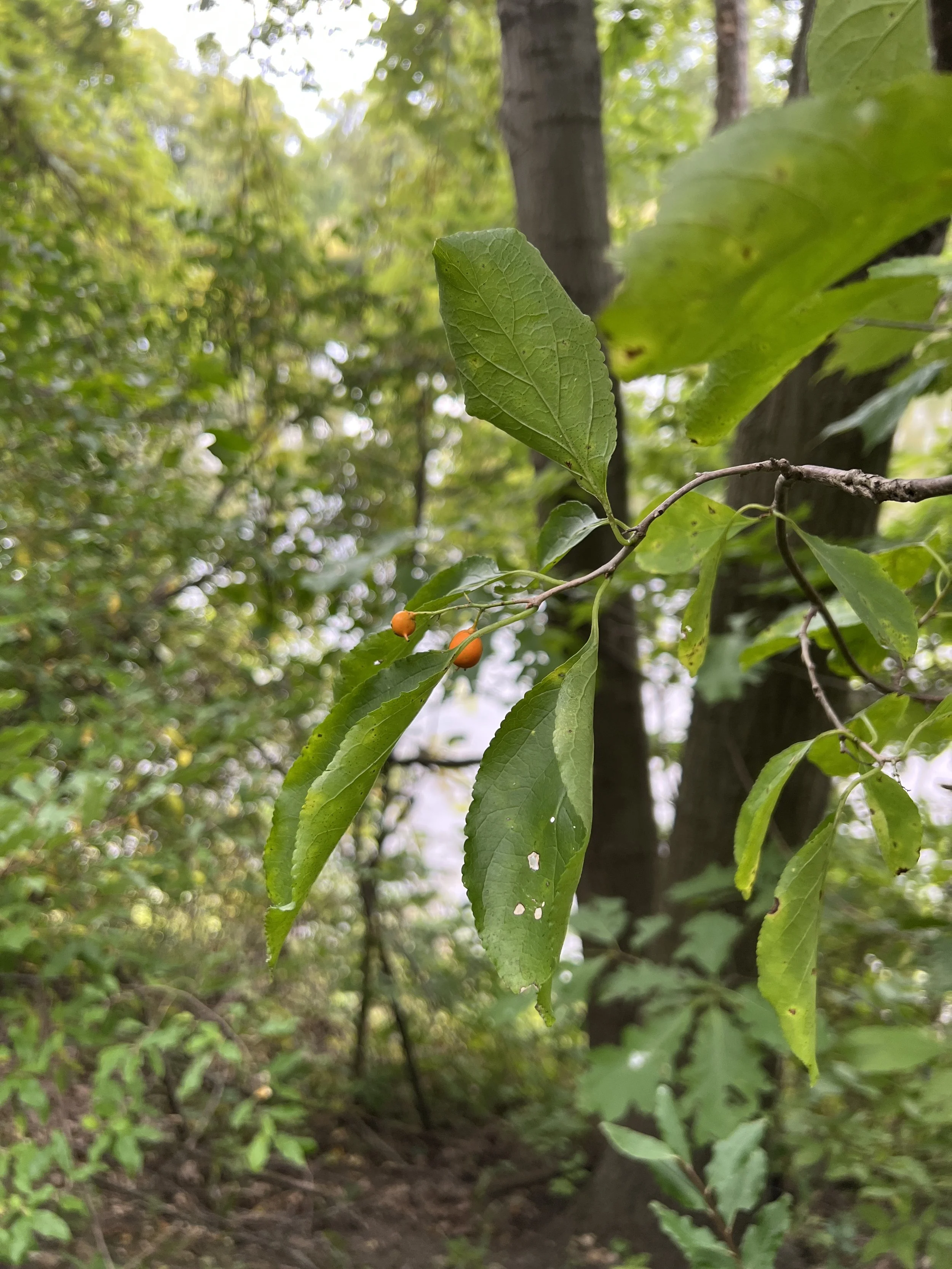
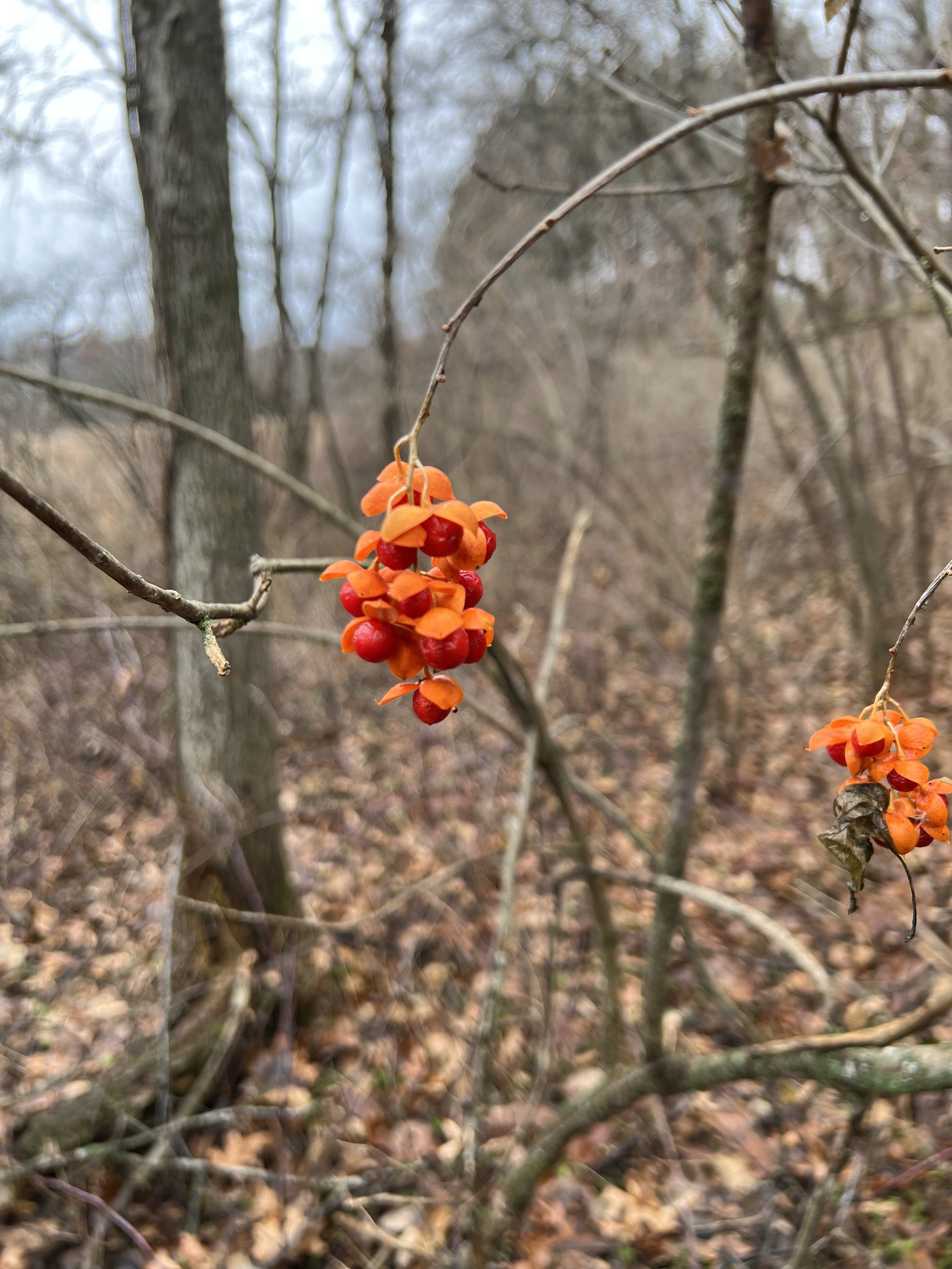
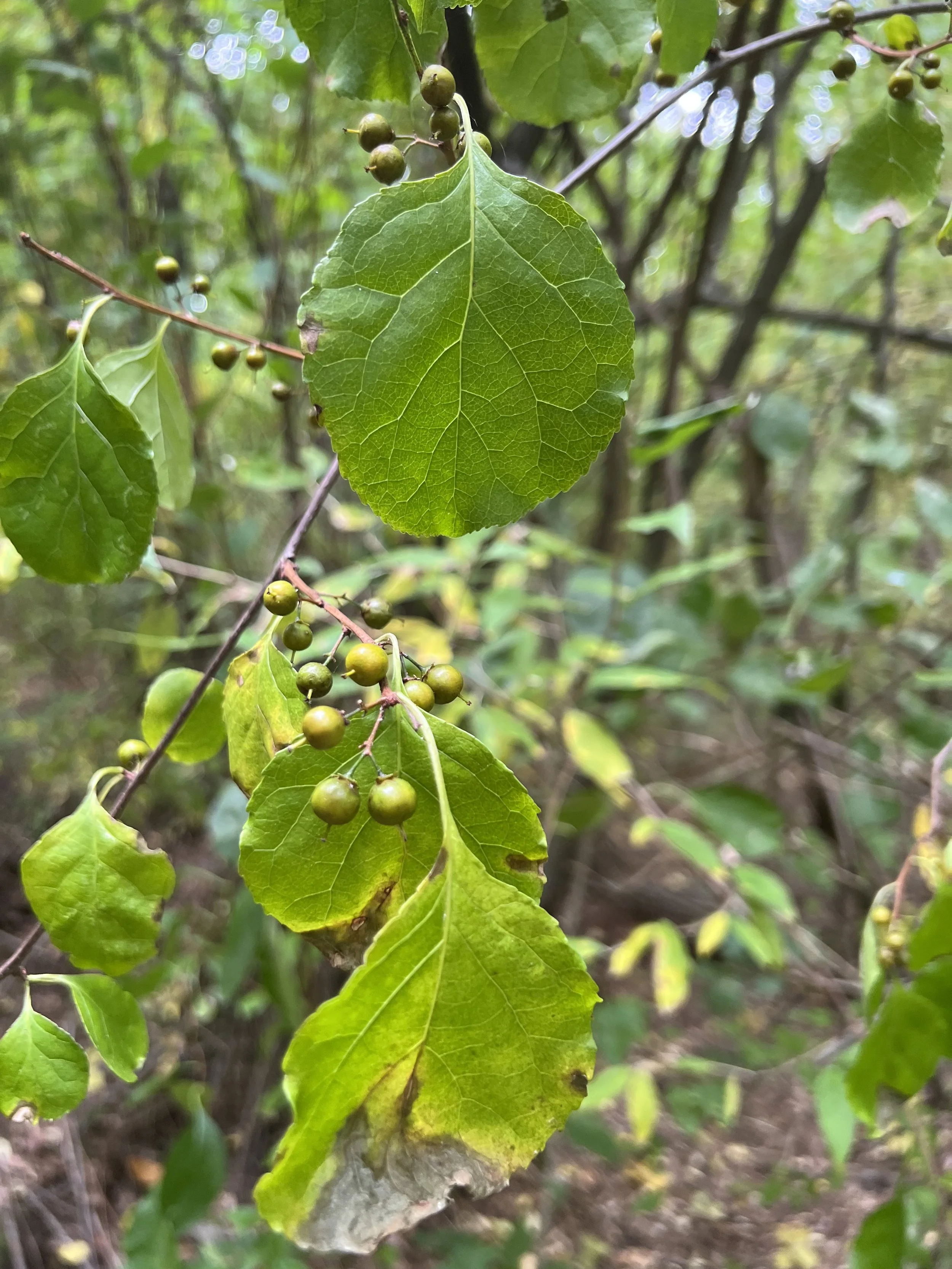
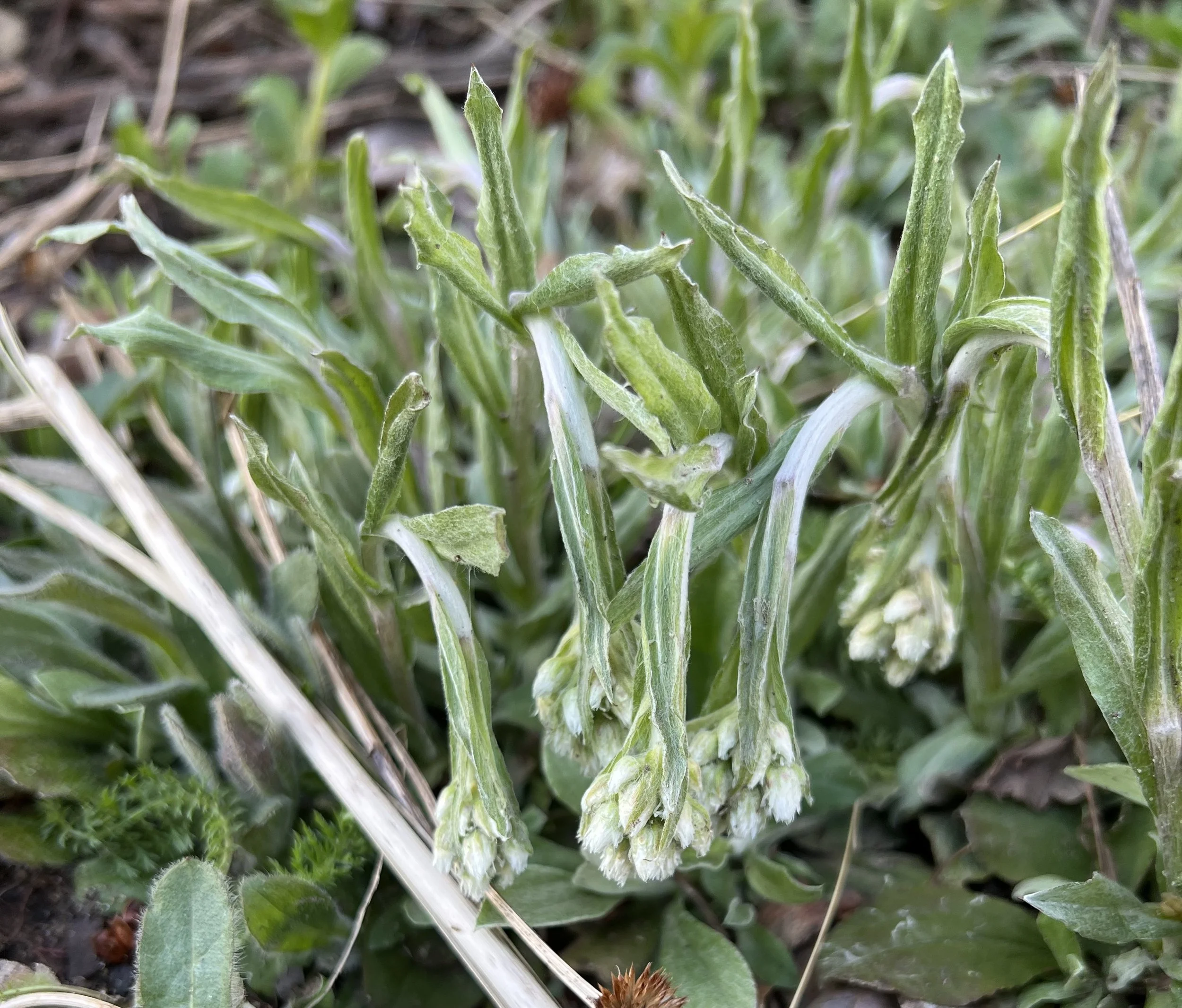
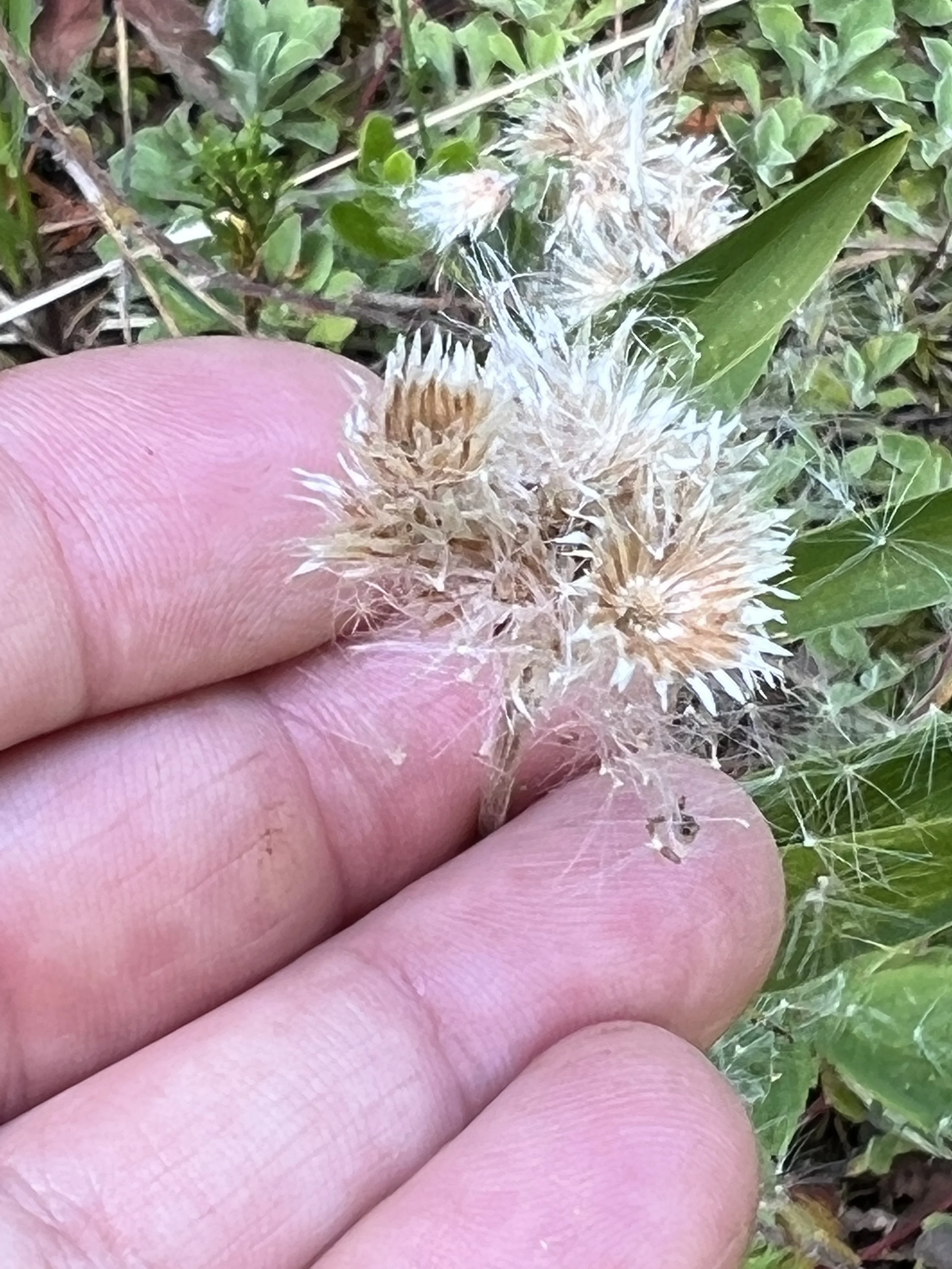
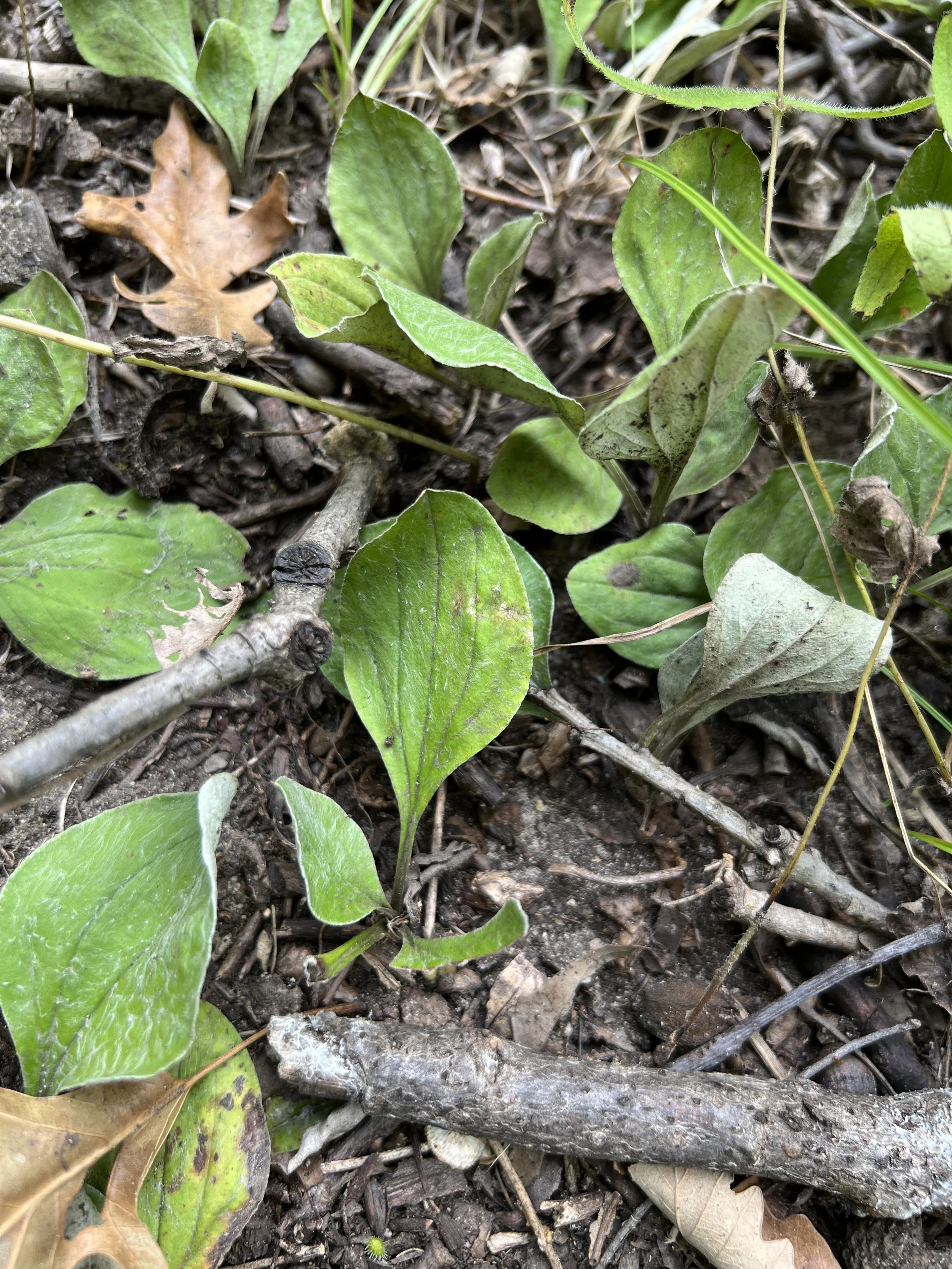
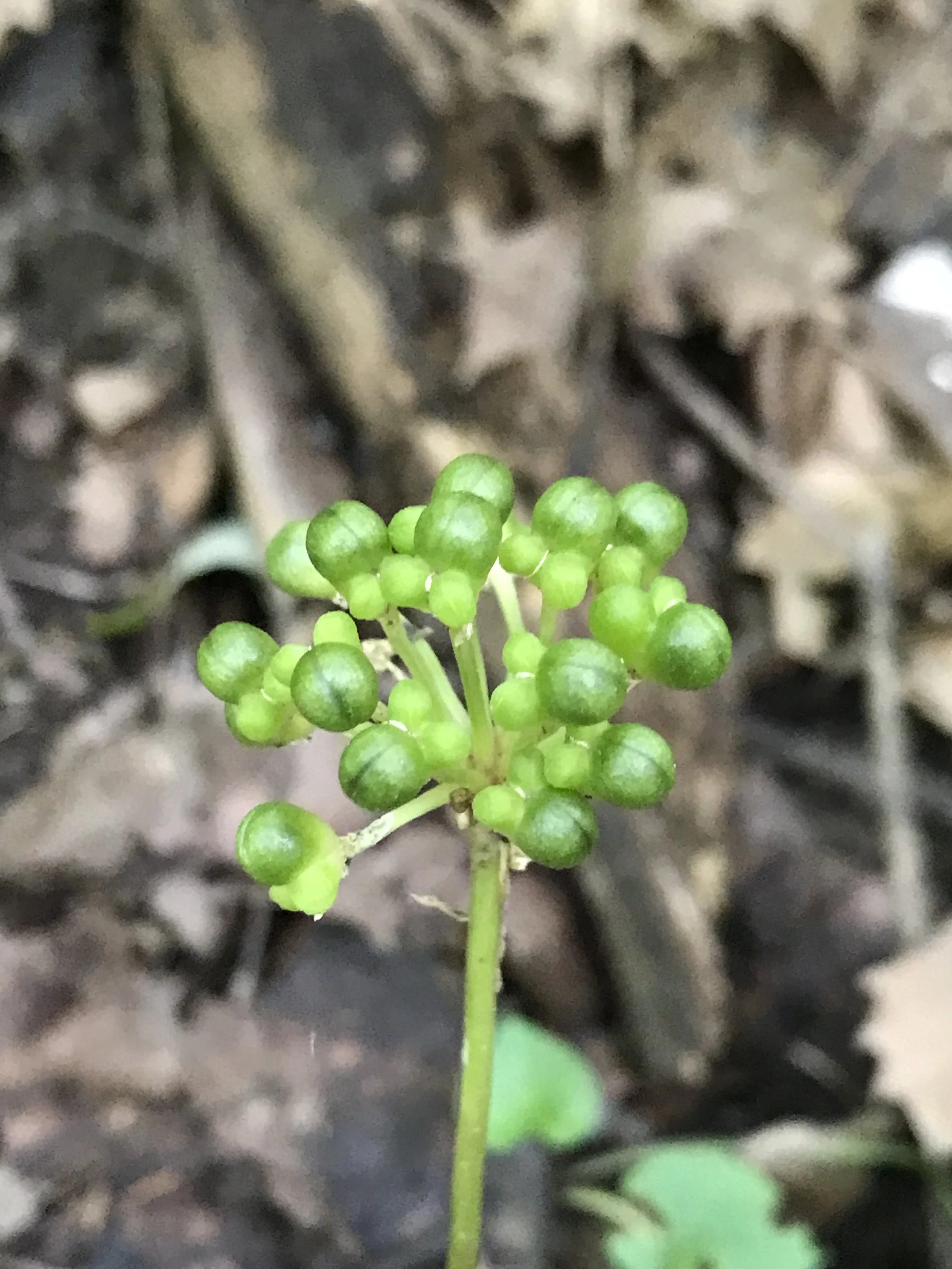
The difference in the two vines include wider, circular leaves and flowers/berries in the axils of the leaves in round-leaved bittersweet. American bittersweet has ovate leaves and larger, darker berries found at the ends of the vines. These two vines can cross pollinate which is not great for the native species.
Birds and squirrels will eat the berries, several moths use this plant as a host plant, and there are other insects that feed on the leaves as well.
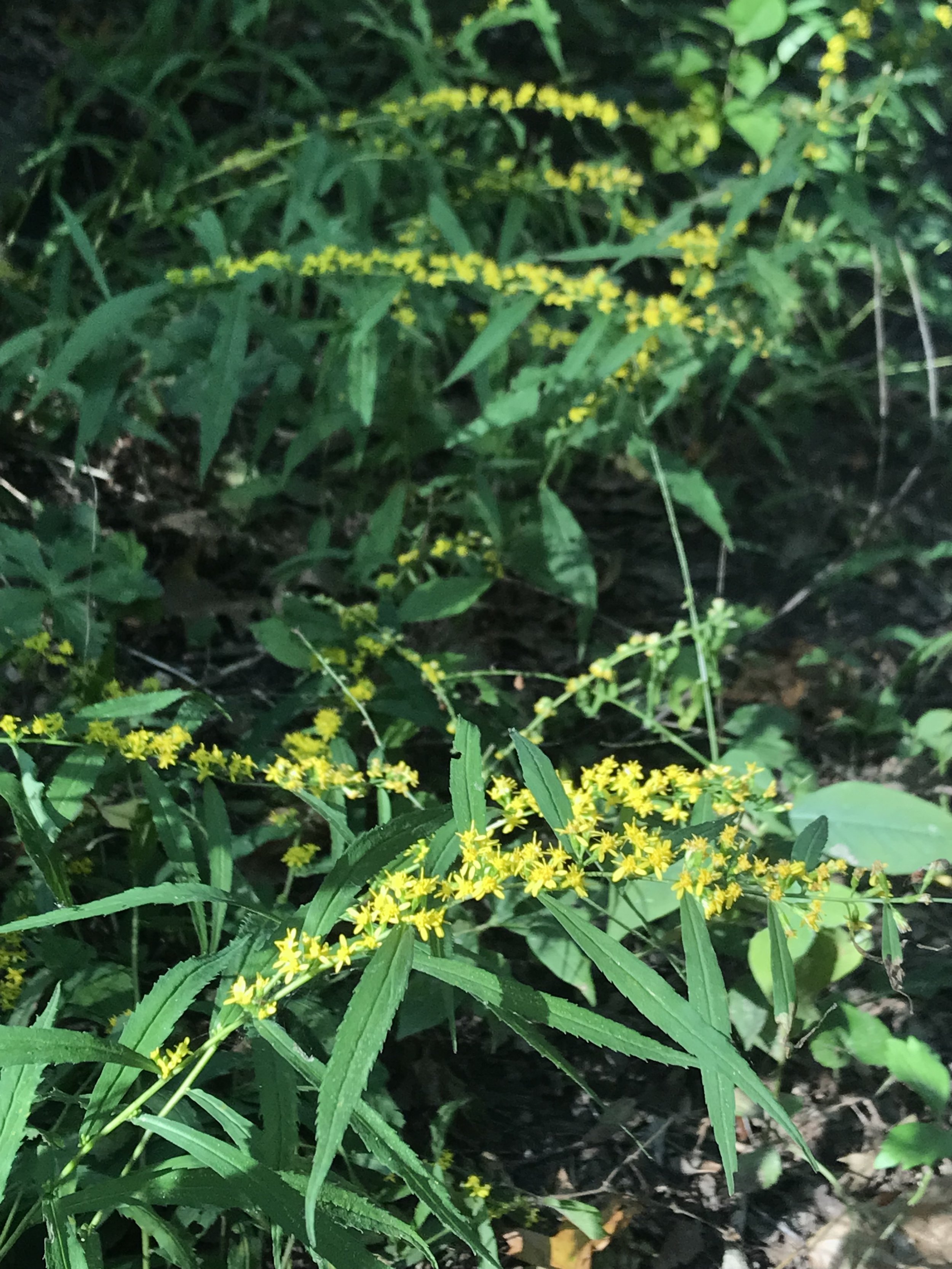
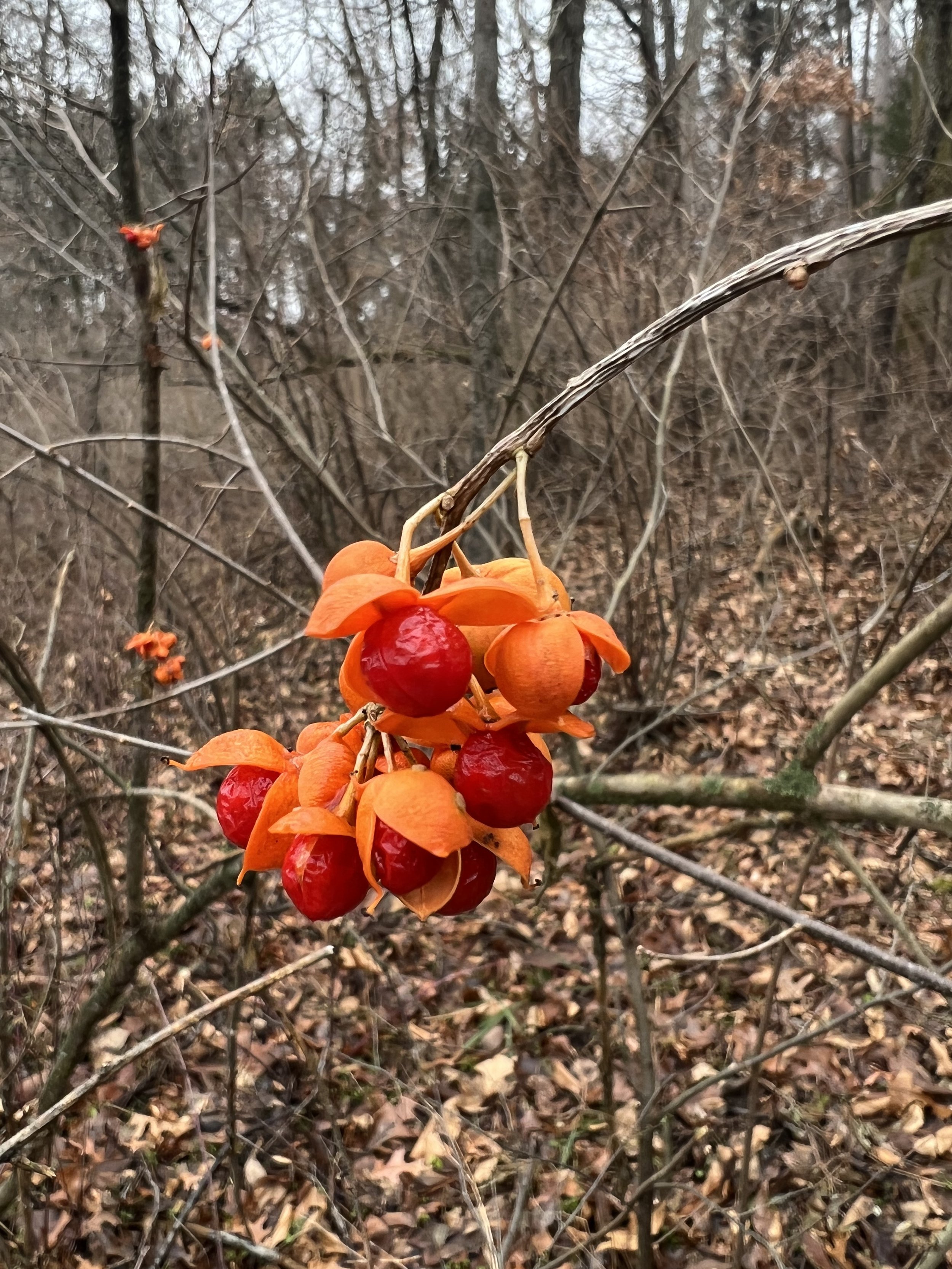
The fourth photo is of round-leaf bittersweet. Note the different leaf shape and where the fruits are on the stem in the axils of the leaves.
American Bittersweet (Celastrus scandens)
Michigan Flora reference page for statewide distribution: American Bittersweet
Bloom Time: May-June
Height: up to 30’
Soil: loamy, rocky, sandy
Sun: full-sun to part-shade
Flower: white/green
Life cycle: perennial
Family: Celastraceae
Seed Source: Michigan
Sizes:
Get notified by email when this product is in stock.
When you hear the word bittersweet, it’s possible that what comes to mind is Round-leaf Bittersweet—formerly called Oriental Bittersweet—Celastrus orbiculatus. This is an aggressive, non-native vine that quickly grows up trees and becomes so heavy that trees break and even die from the vine.
American Bittersweet is our native bittersweet vine, which is less common that it used to be probably due to the branches being used in floral decorations. Now, some people have shifted to using the Round-leaf Bittersweet in decorations which should be discouraged since this is a way the seeds could be spread.
The difference in the two vines include wider, circular leaves and flowers/berries in the axils of the leaves in round-leaved bittersweet. American bittersweet has ovate leaves and larger, darker berries found at the ends of the vines. These two vines can cross pollinate which is not great for the native species.
Birds and squirrels will eat the berries, several moths use this plant as a host plant, and there are other insects that feed on the leaves as well.
The fourth photo is of round-leaf bittersweet. Note the different leaf shape and where the fruits are on the stem in the axils of the leaves.
American Bittersweet (Celastrus scandens)
Michigan Flora reference page for statewide distribution: American Bittersweet
Bloom Time: May-June
Height: up to 30’
Soil: loamy, rocky, sandy
Sun: full-sun to part-shade
Flower: white/green
Life cycle: perennial
Family: Celastraceae
Seed Source: Michigan