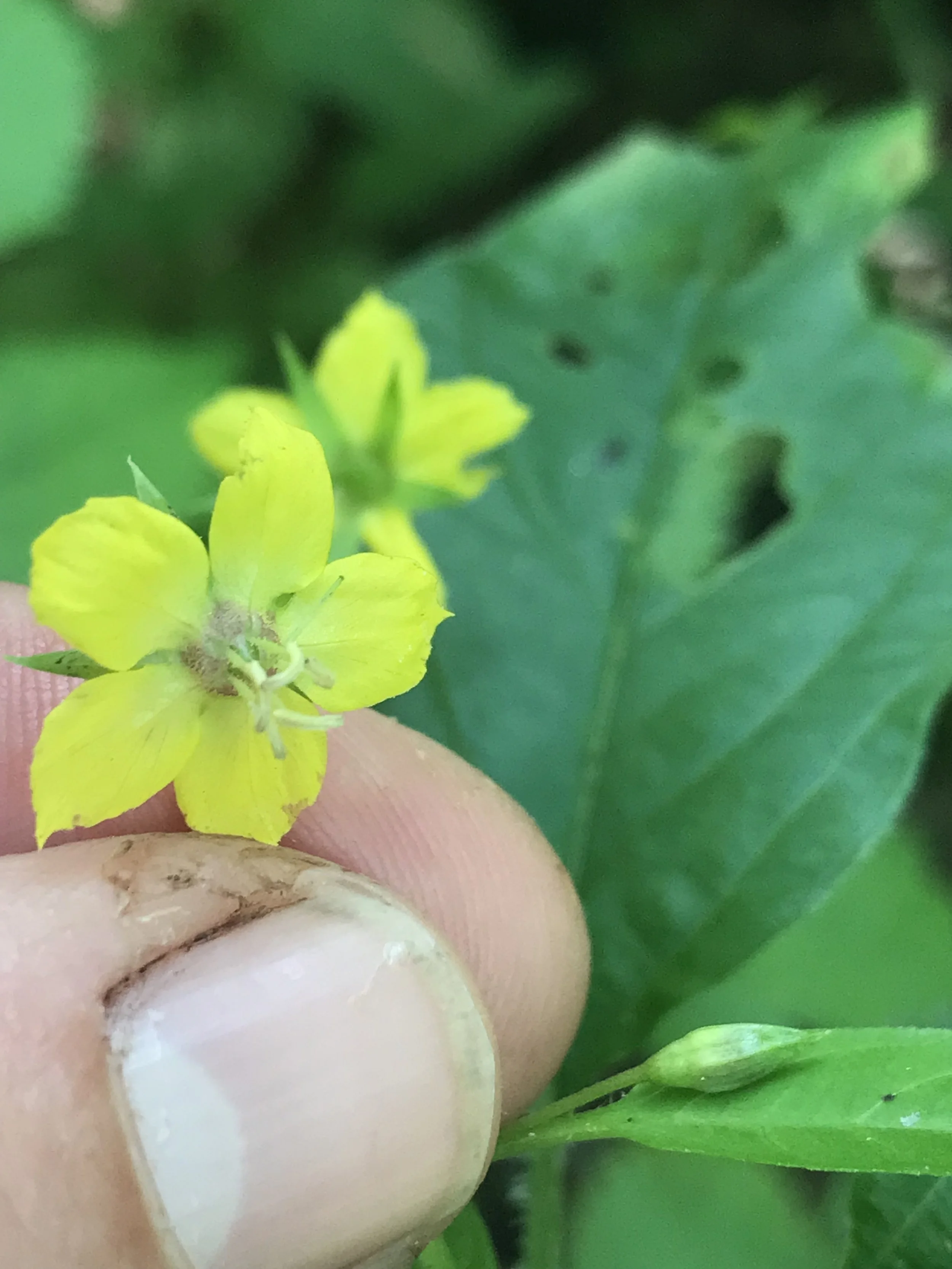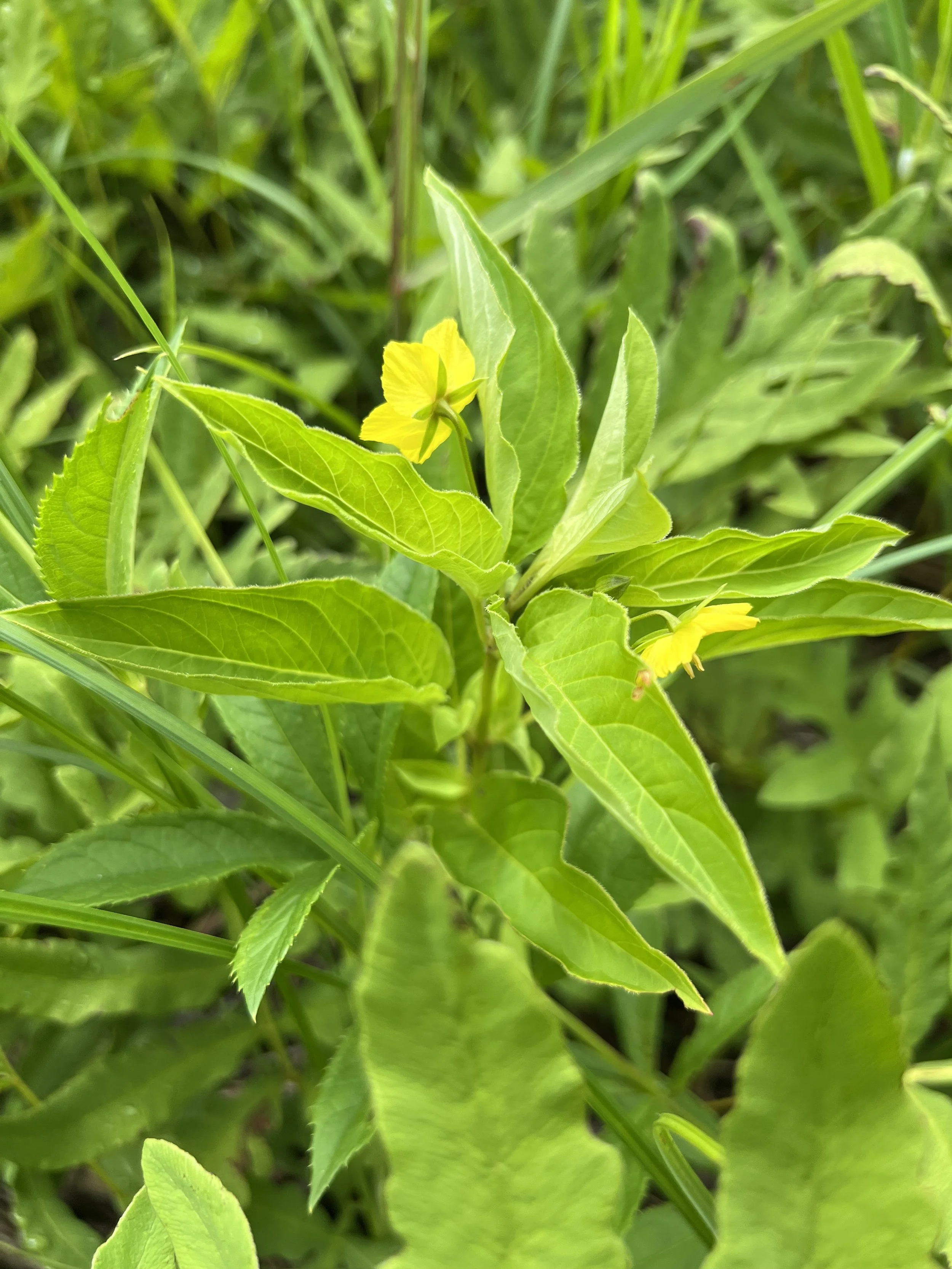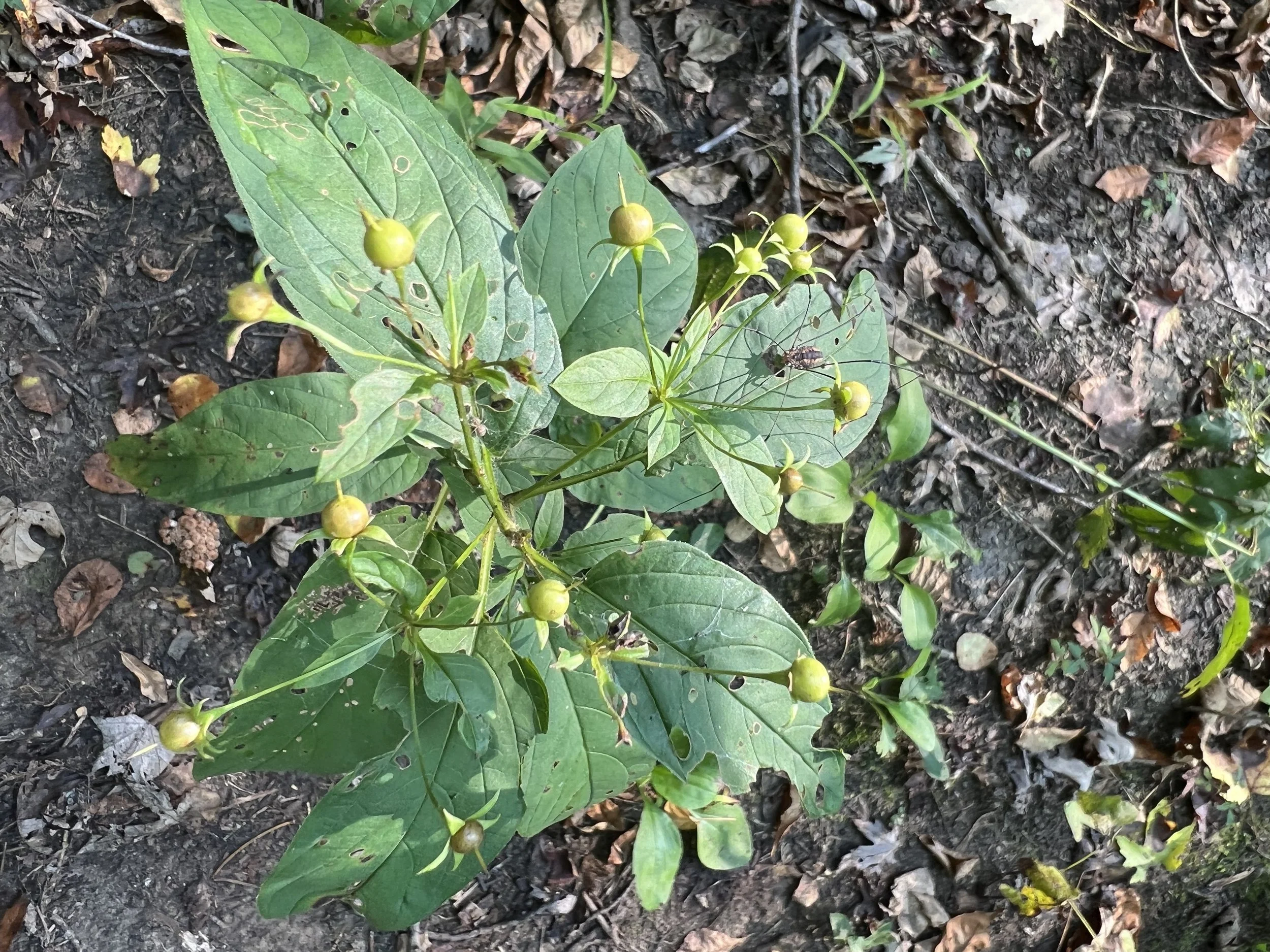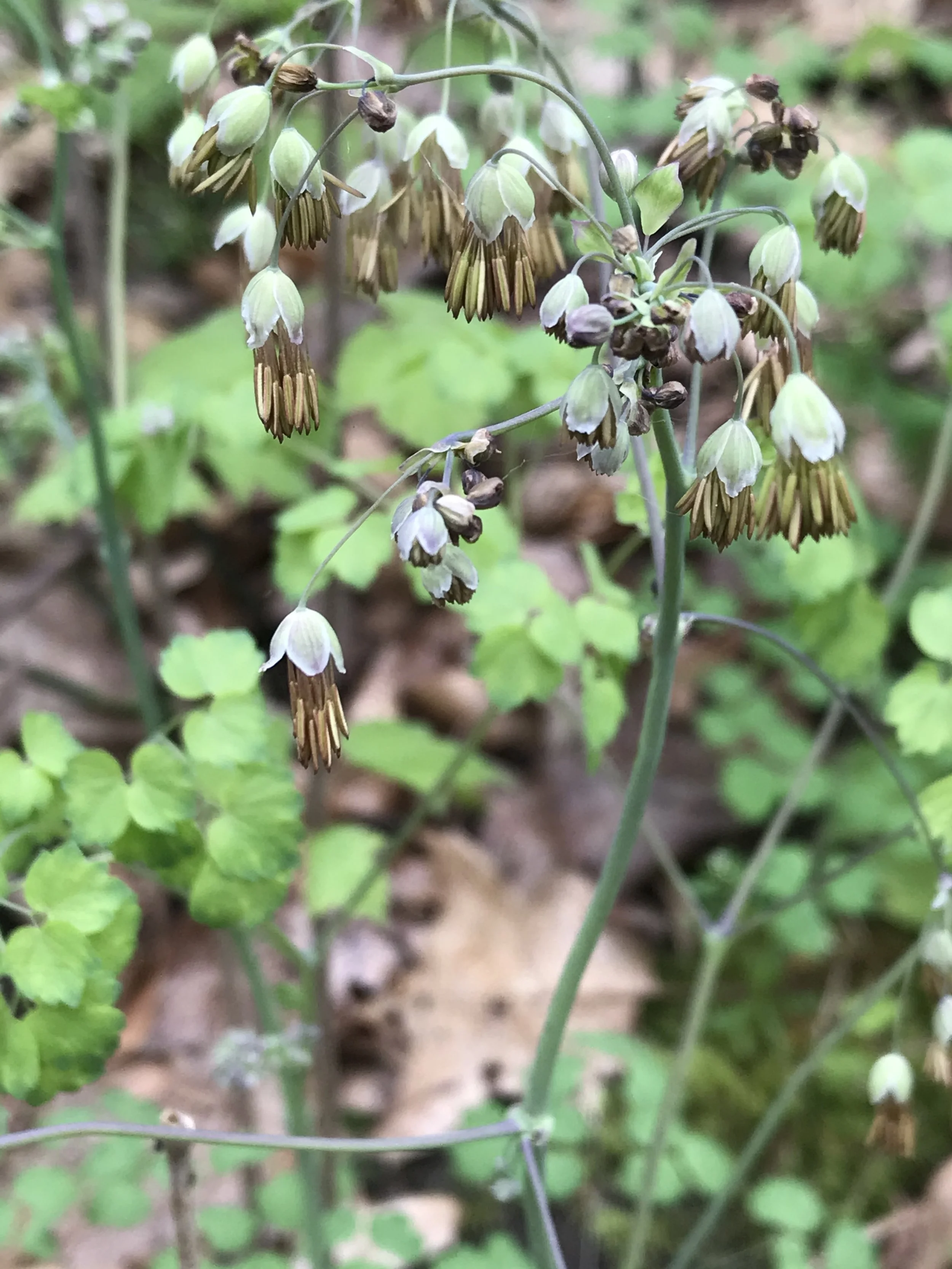
Aniseroot (Osmorhiza longistylis)

from $3.50

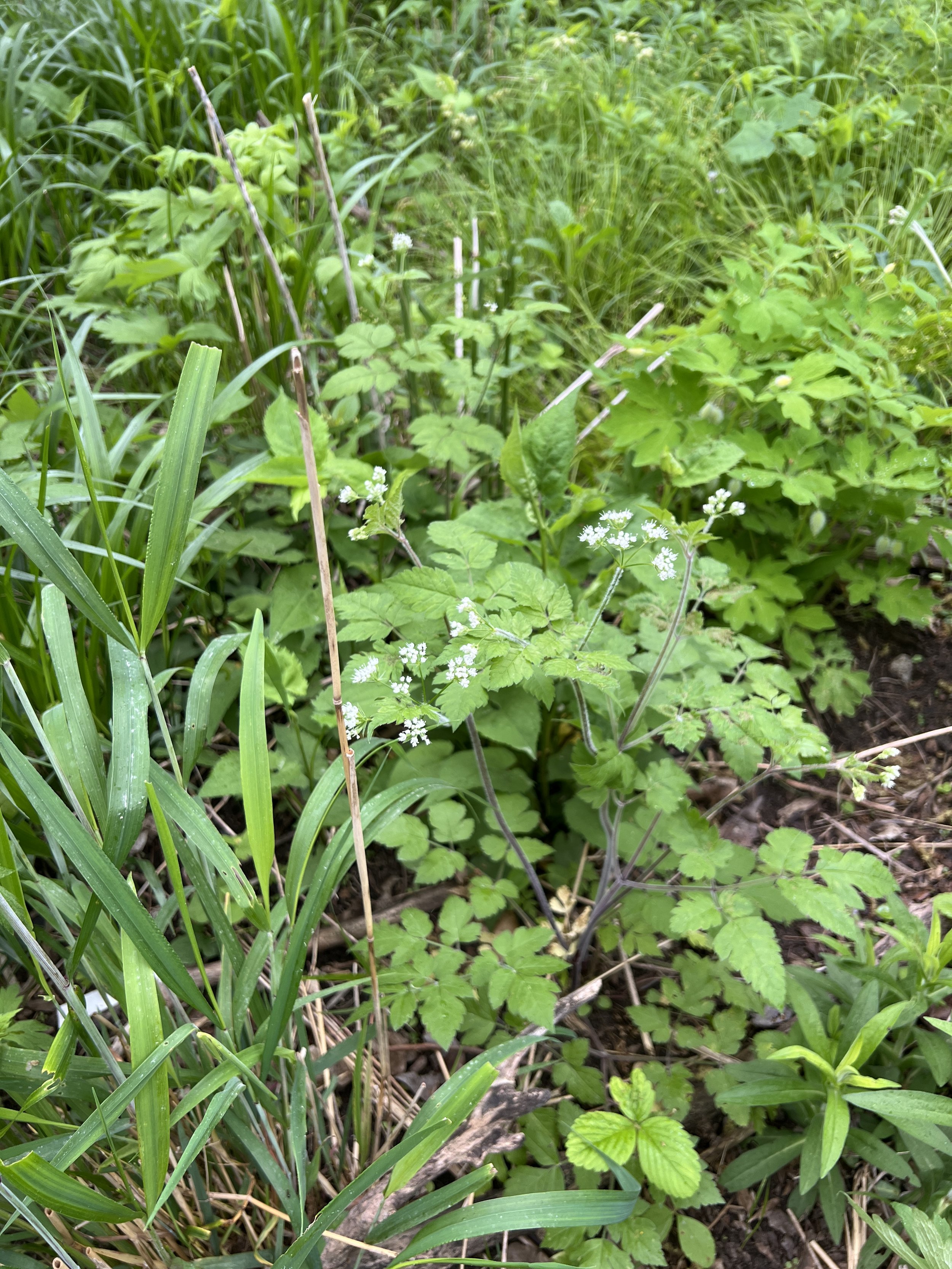
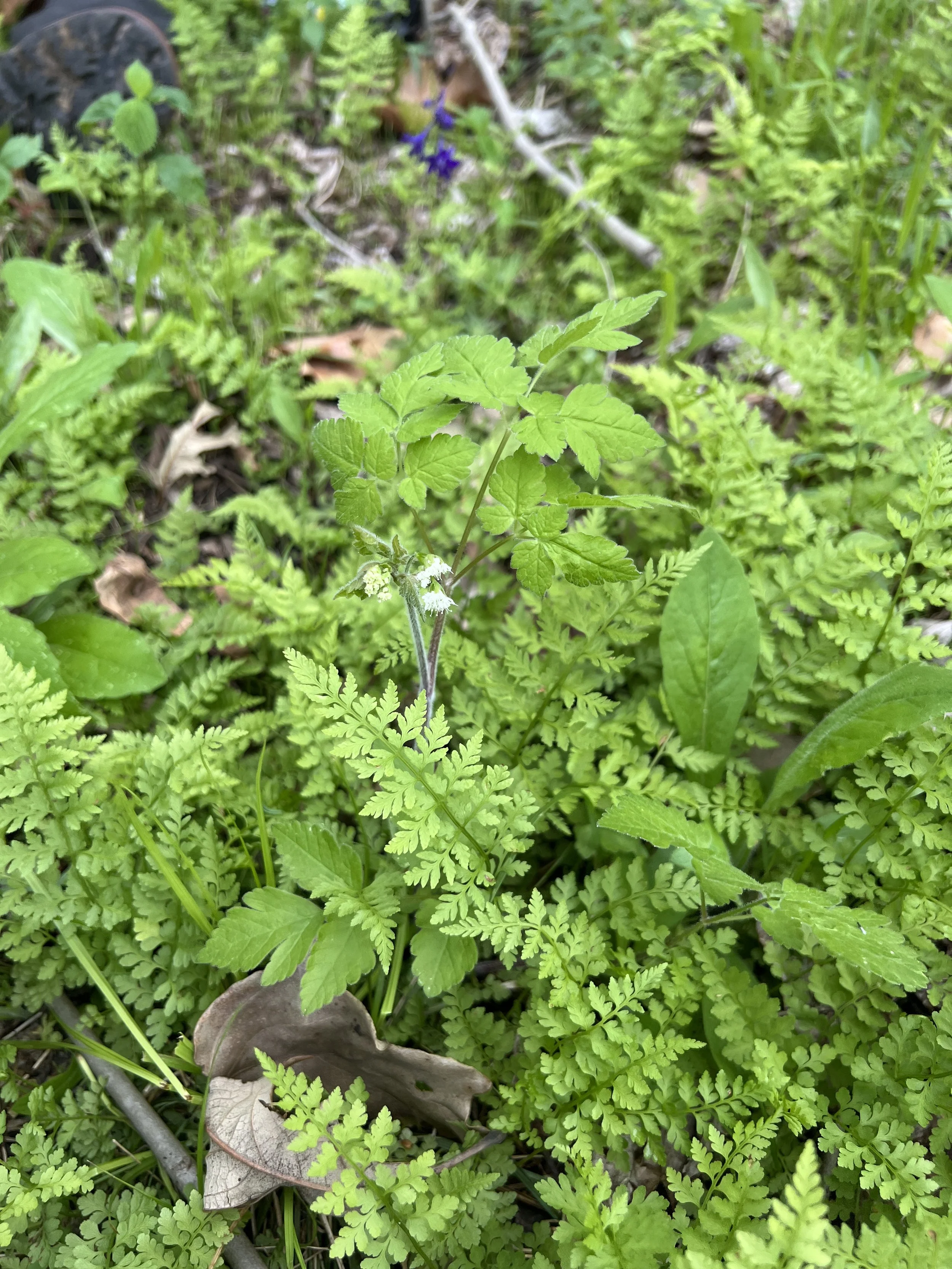
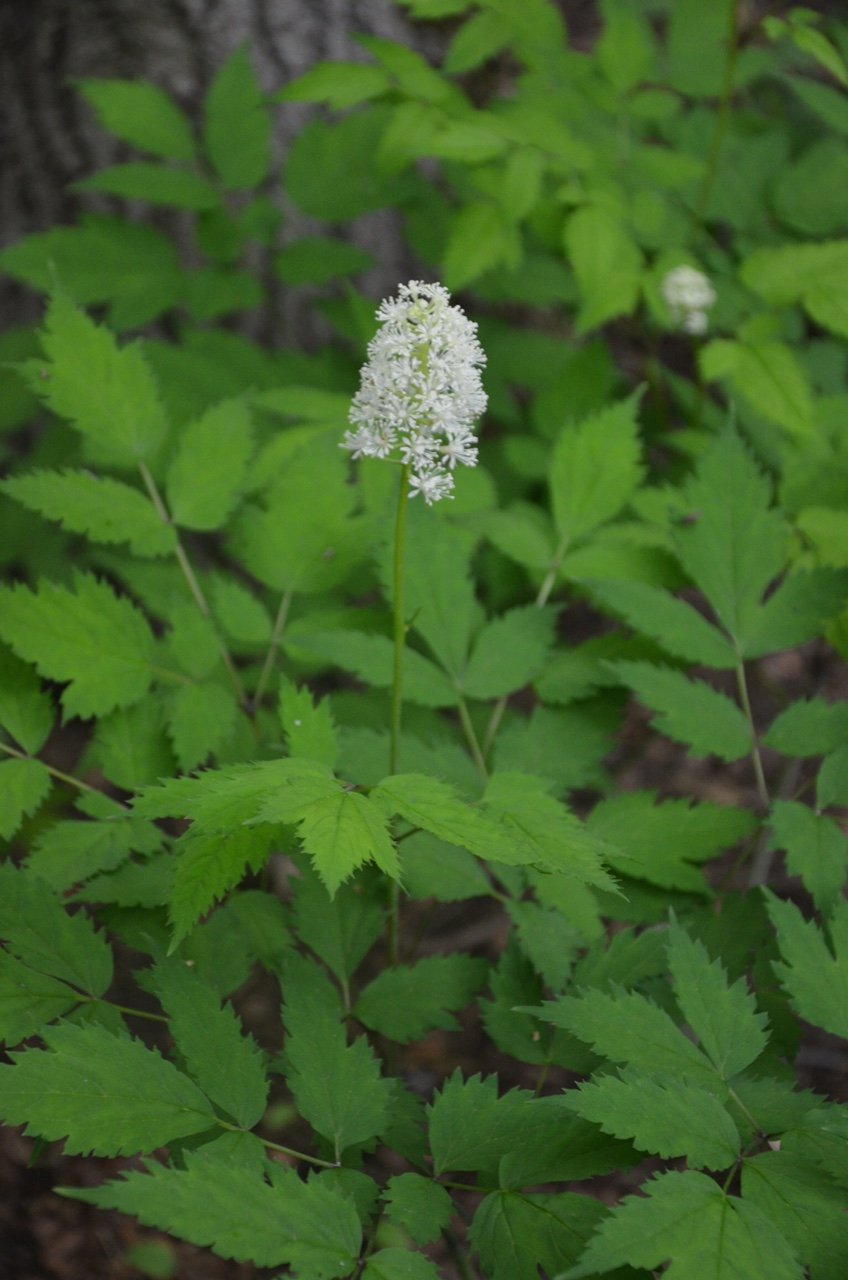
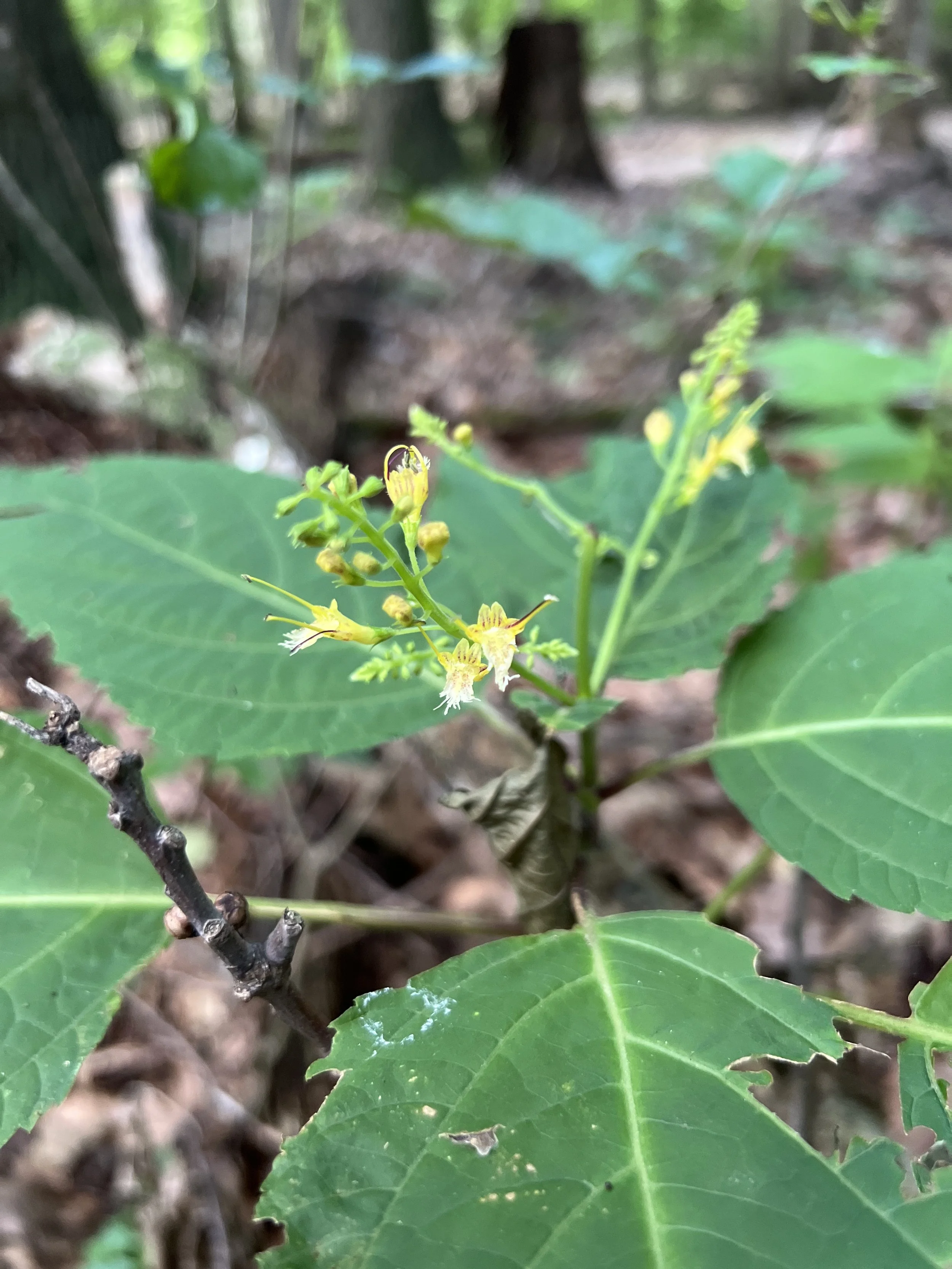
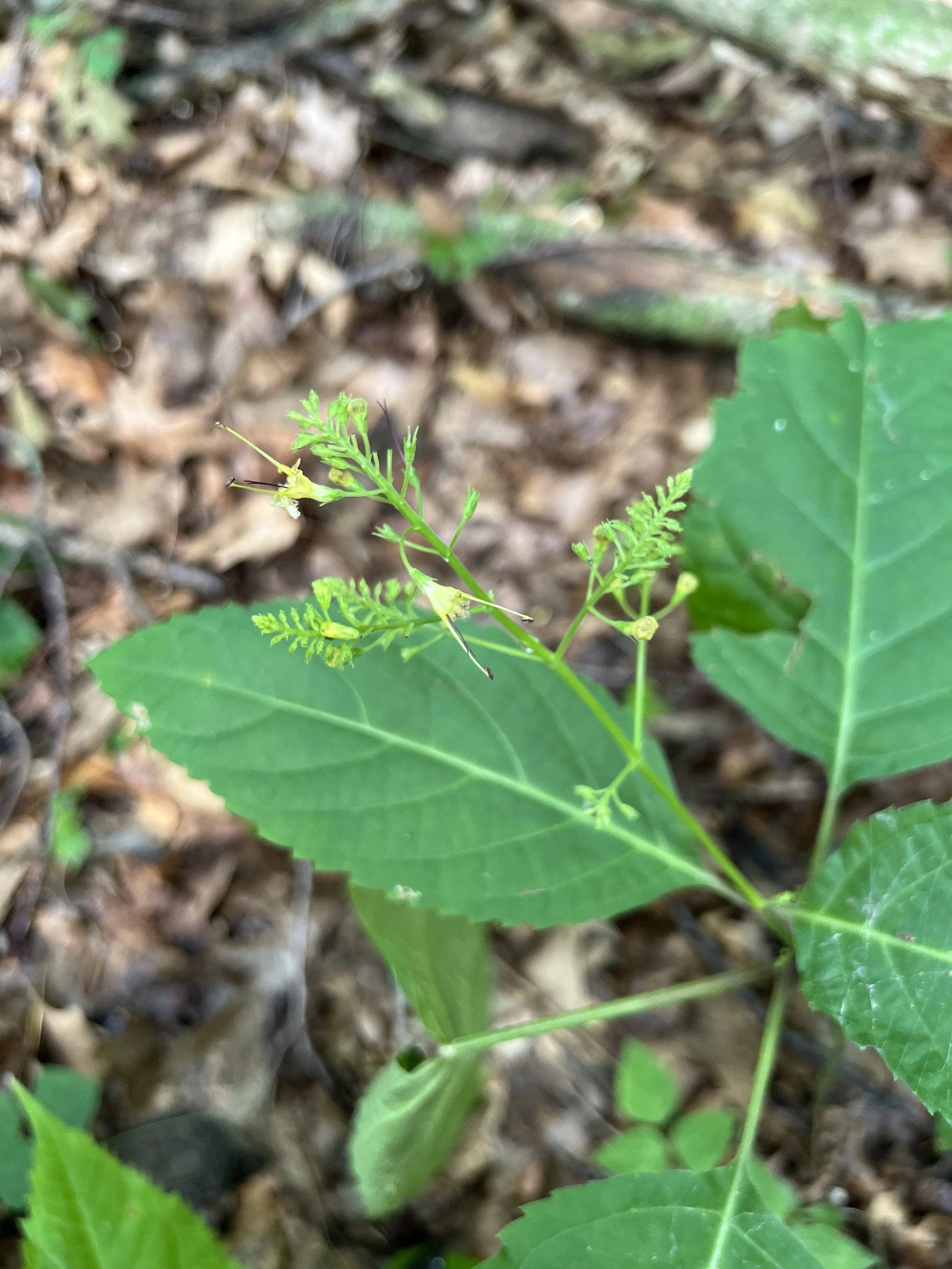
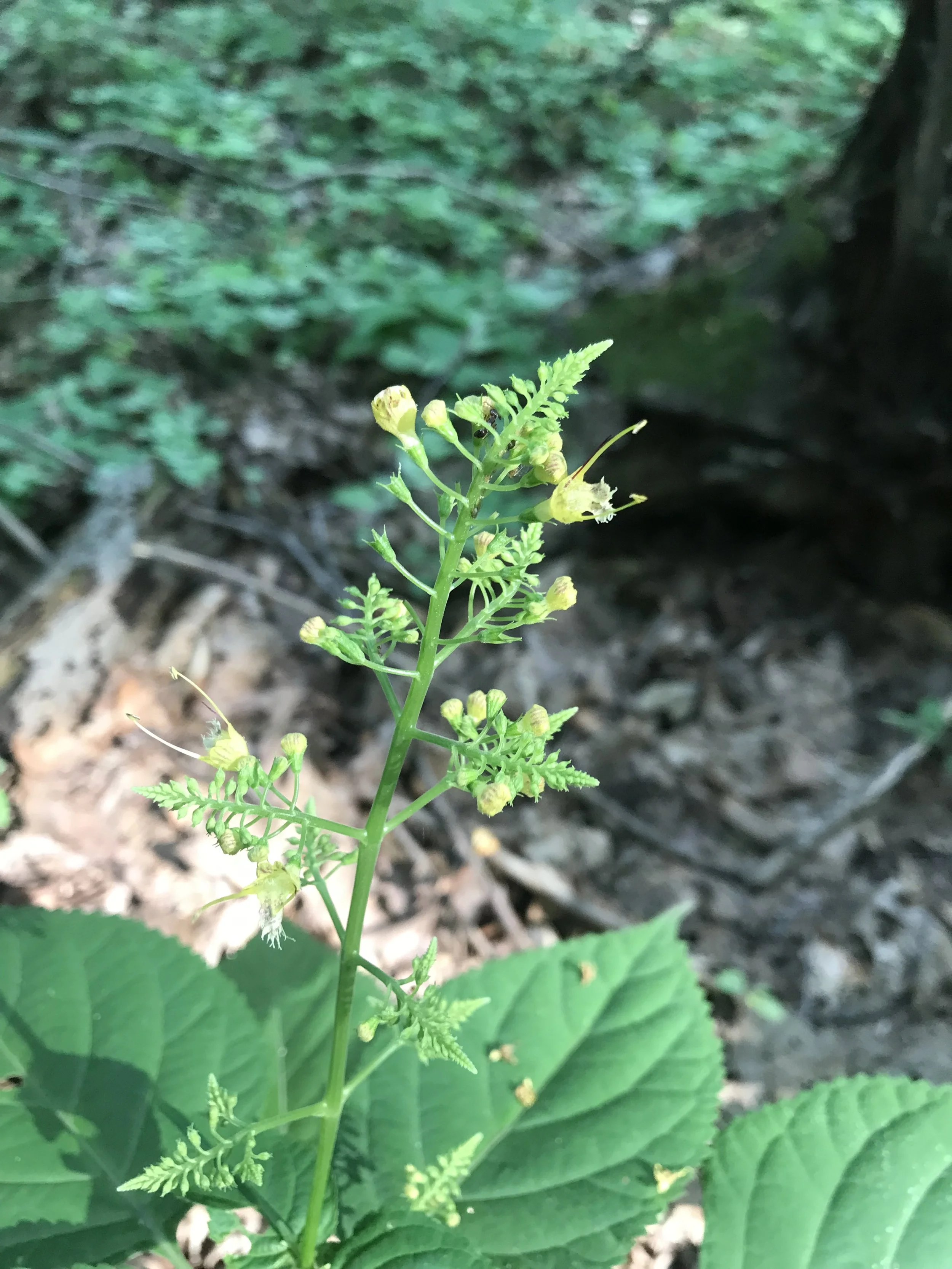
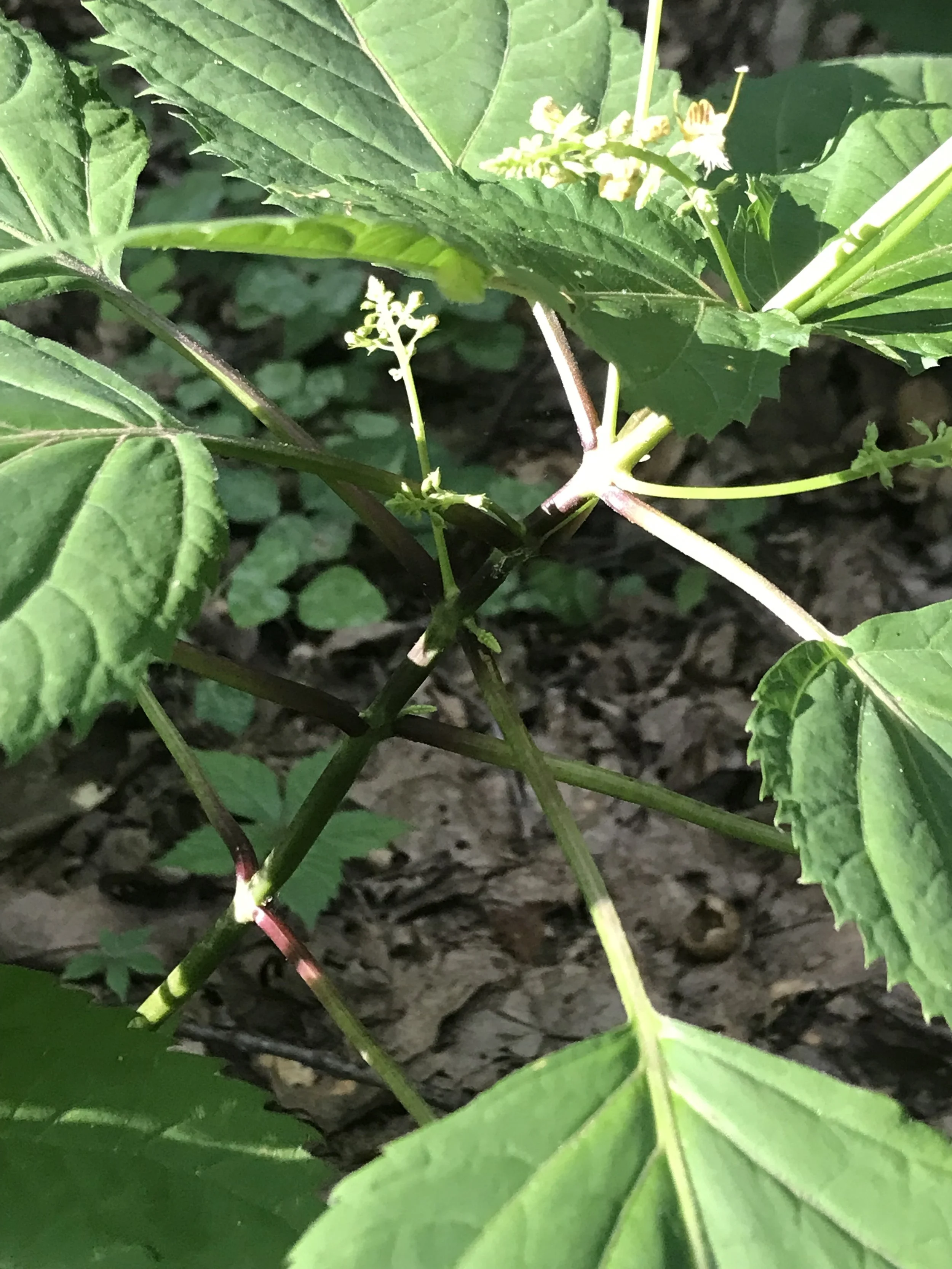
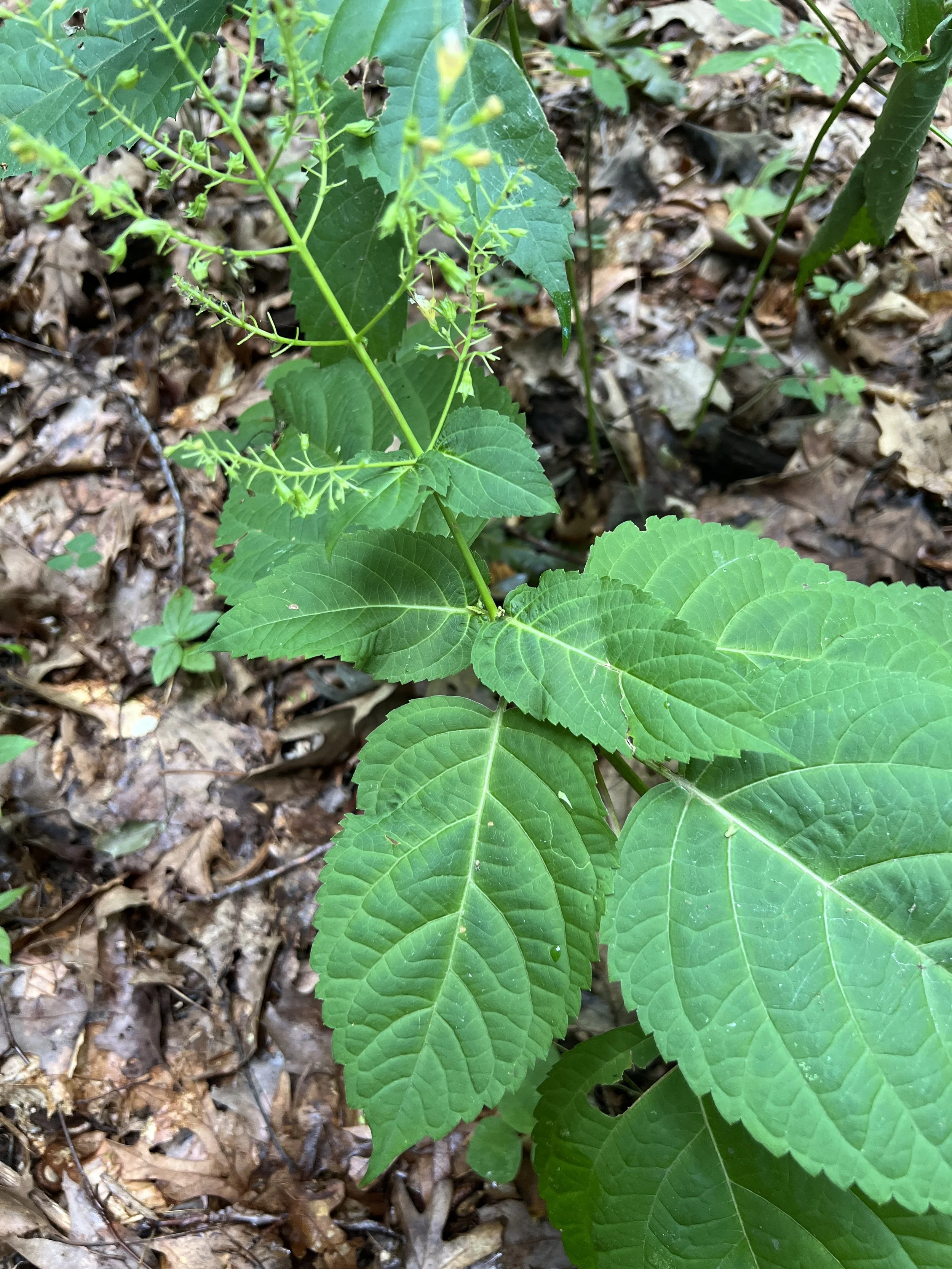
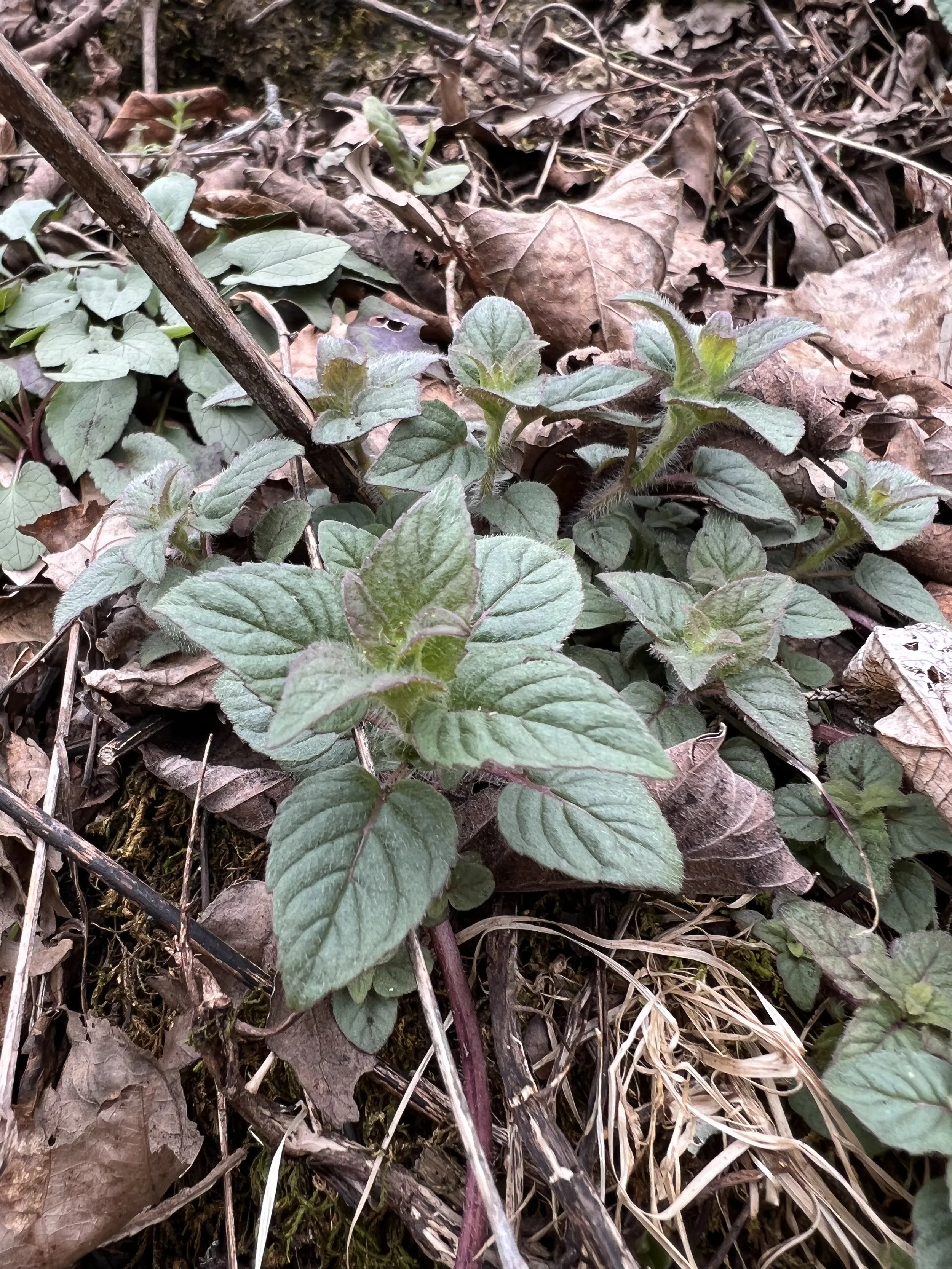
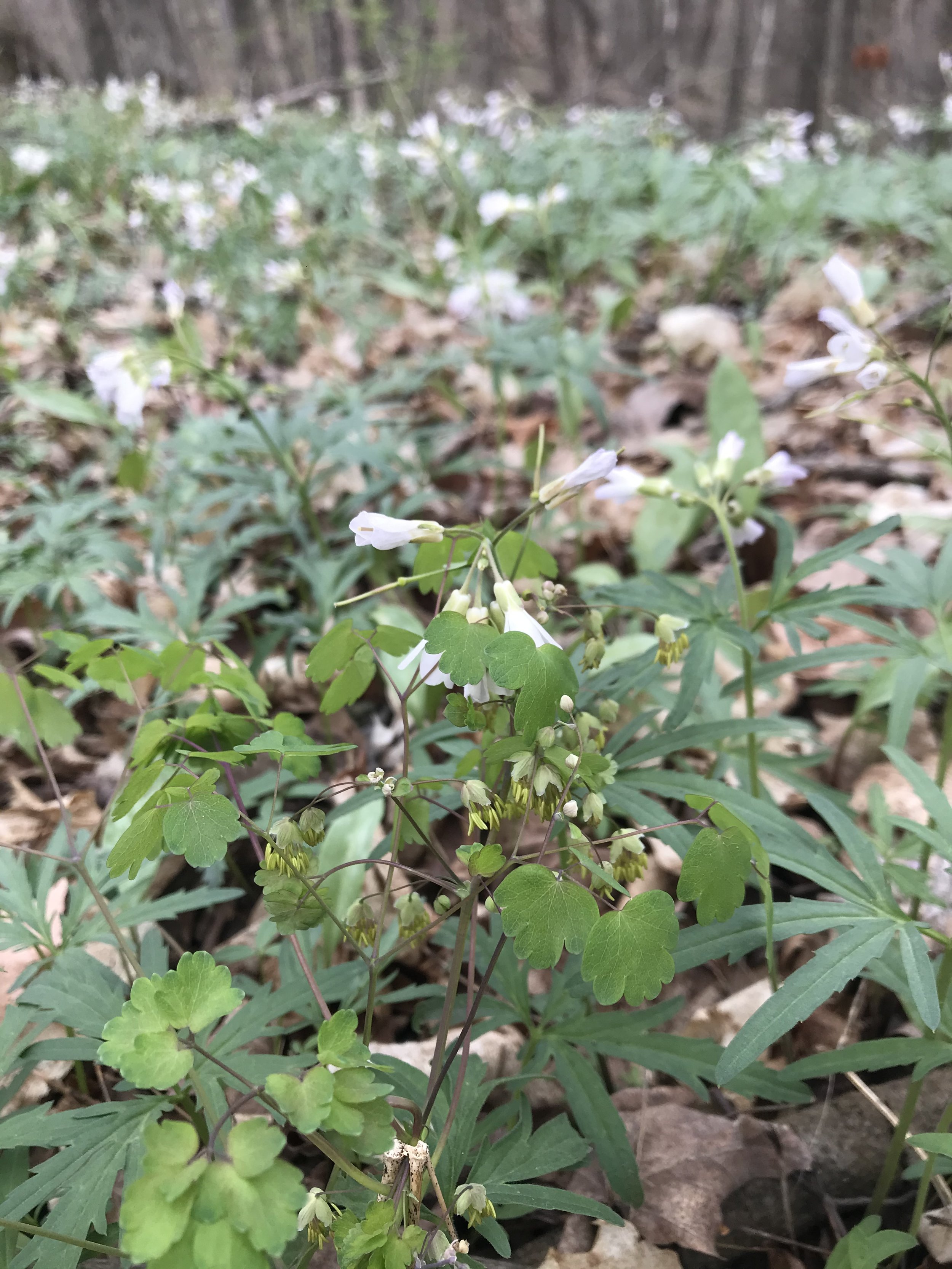
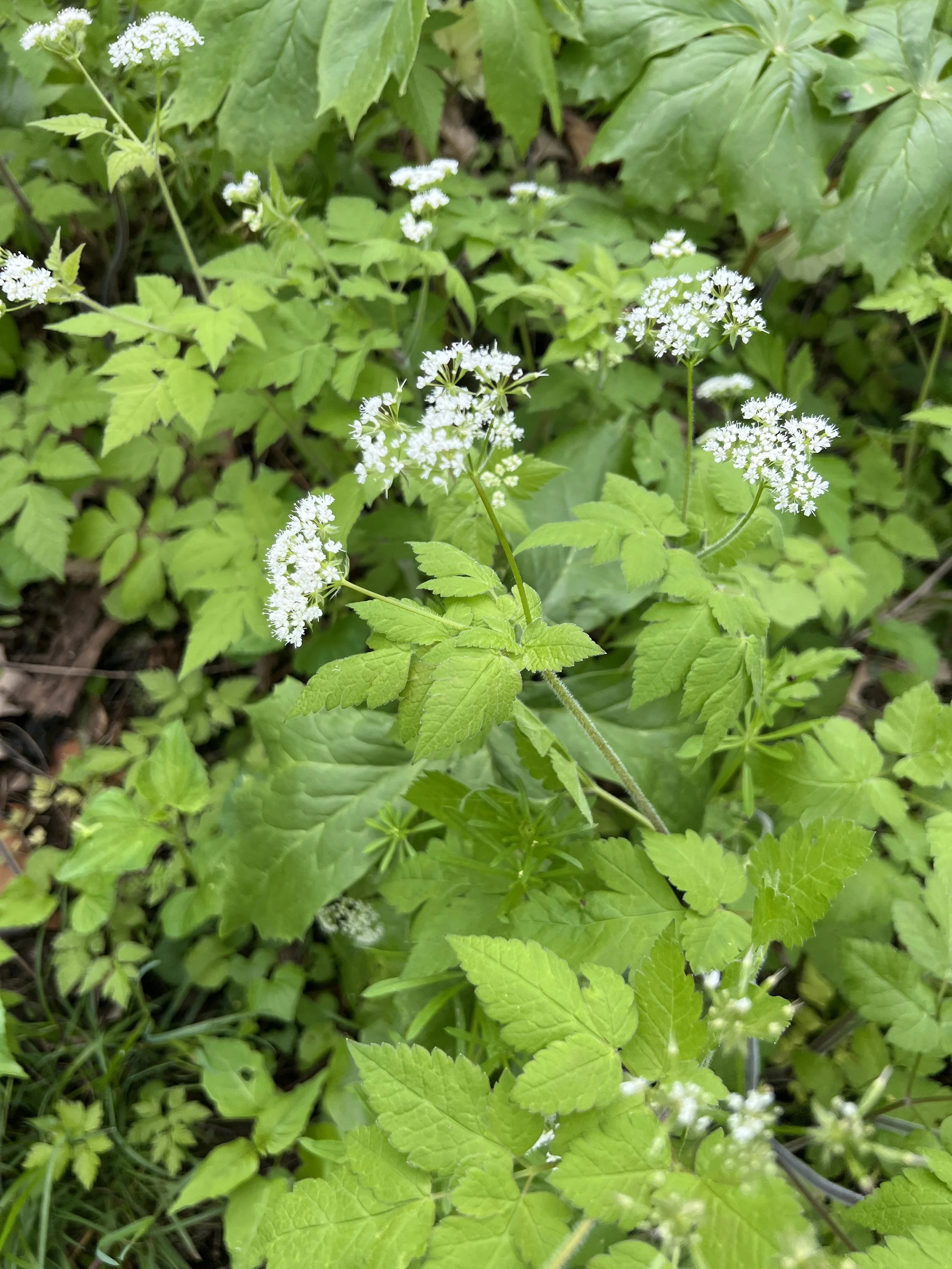
Aniseroot is also known as Smooth Sweet Cicely. However, there is also hairy variety (short hairs). The name Aniseroot refers to the licorice smell when the leaves, but especially the roots are bruised.

Aniseroot is less common than Sweet Cicely (Osmorhiza claytonii), also known as Hairy Sweet Cicely (long, spreading hairs). These two plants can be found together in medium wet, rich forests. If you go to the northern lower peninsula or to the UP, there is ANOTHER species, Osmorhiza berteroi, and all three species can be found growing together!

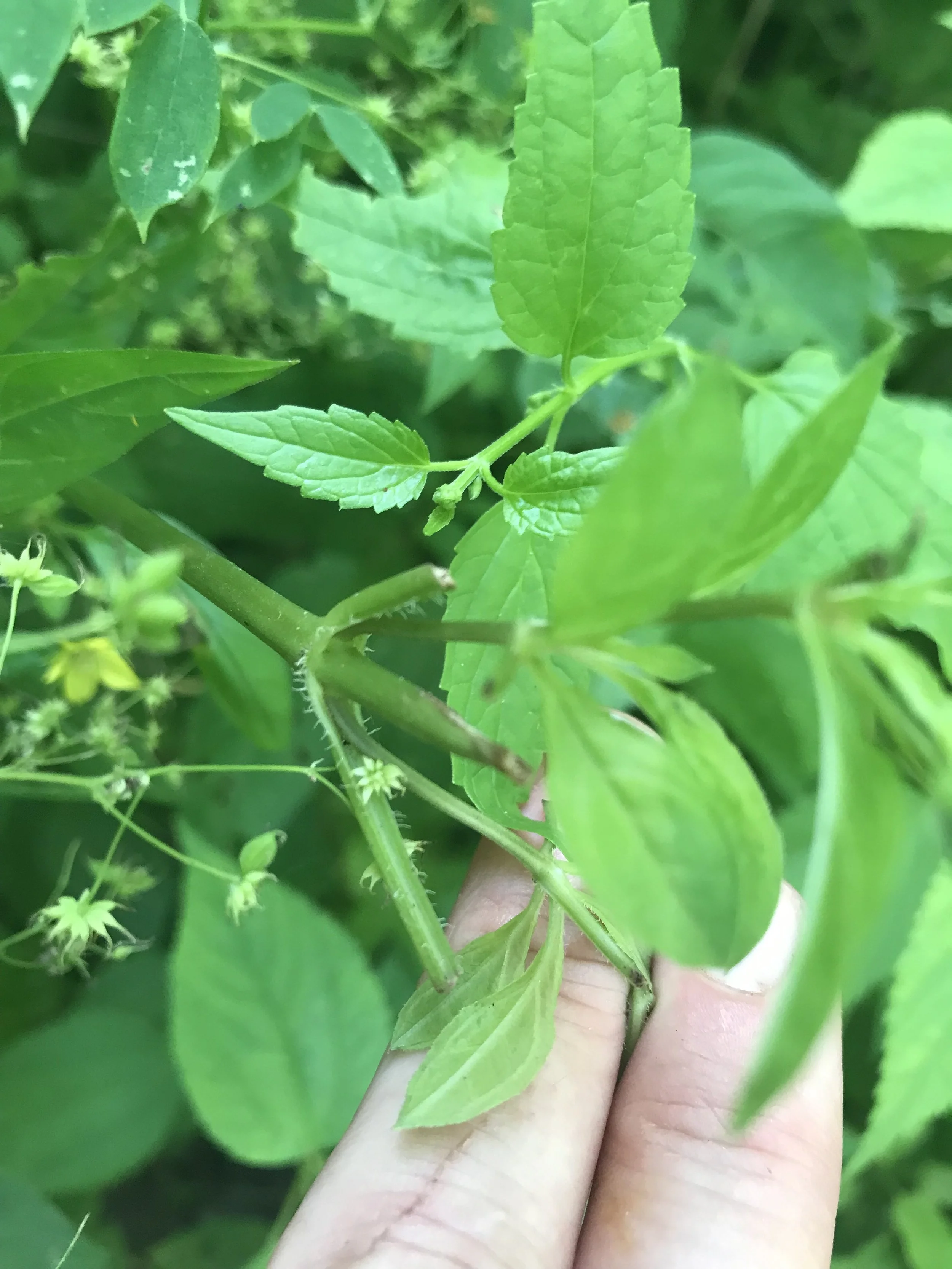
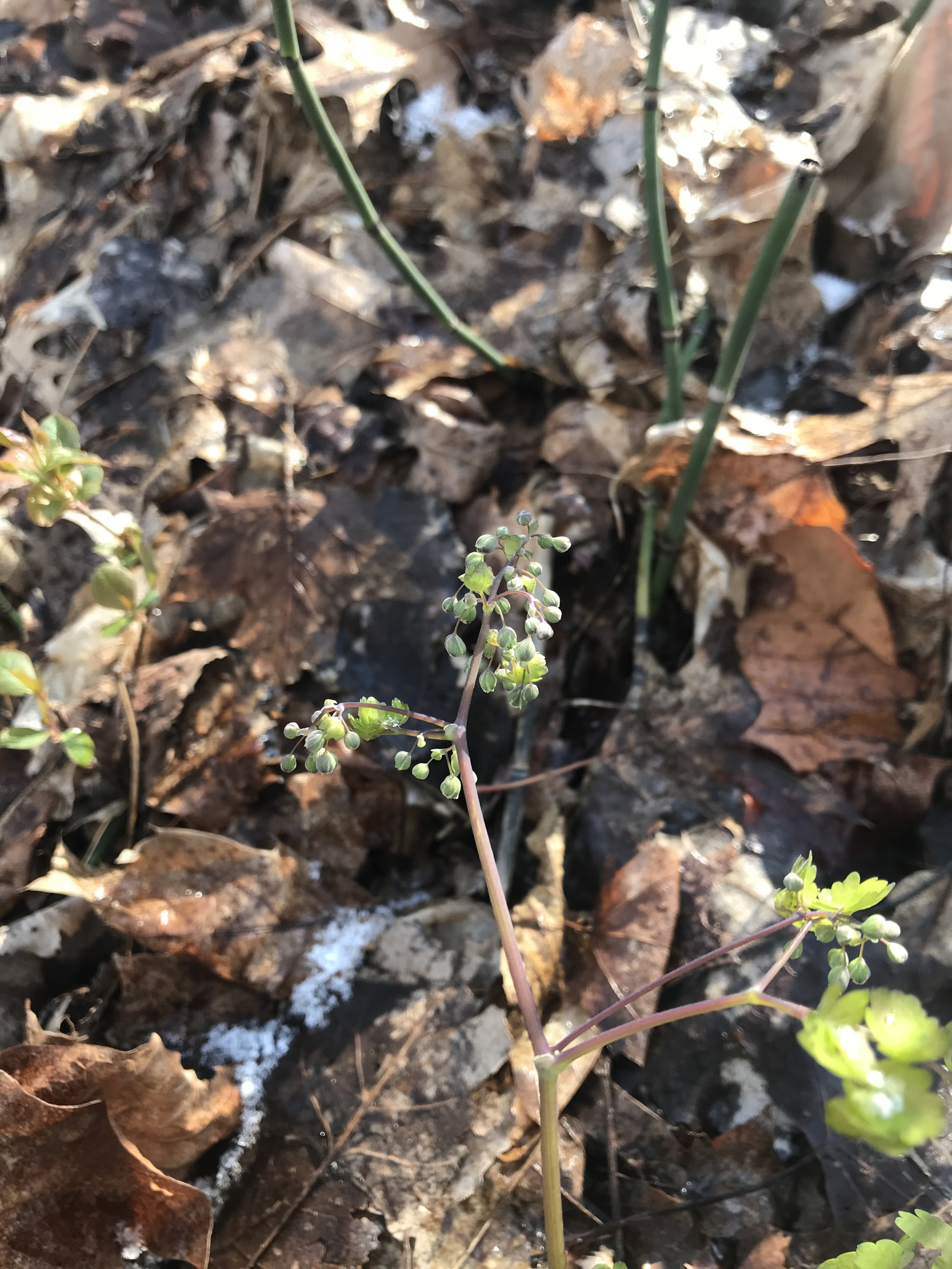
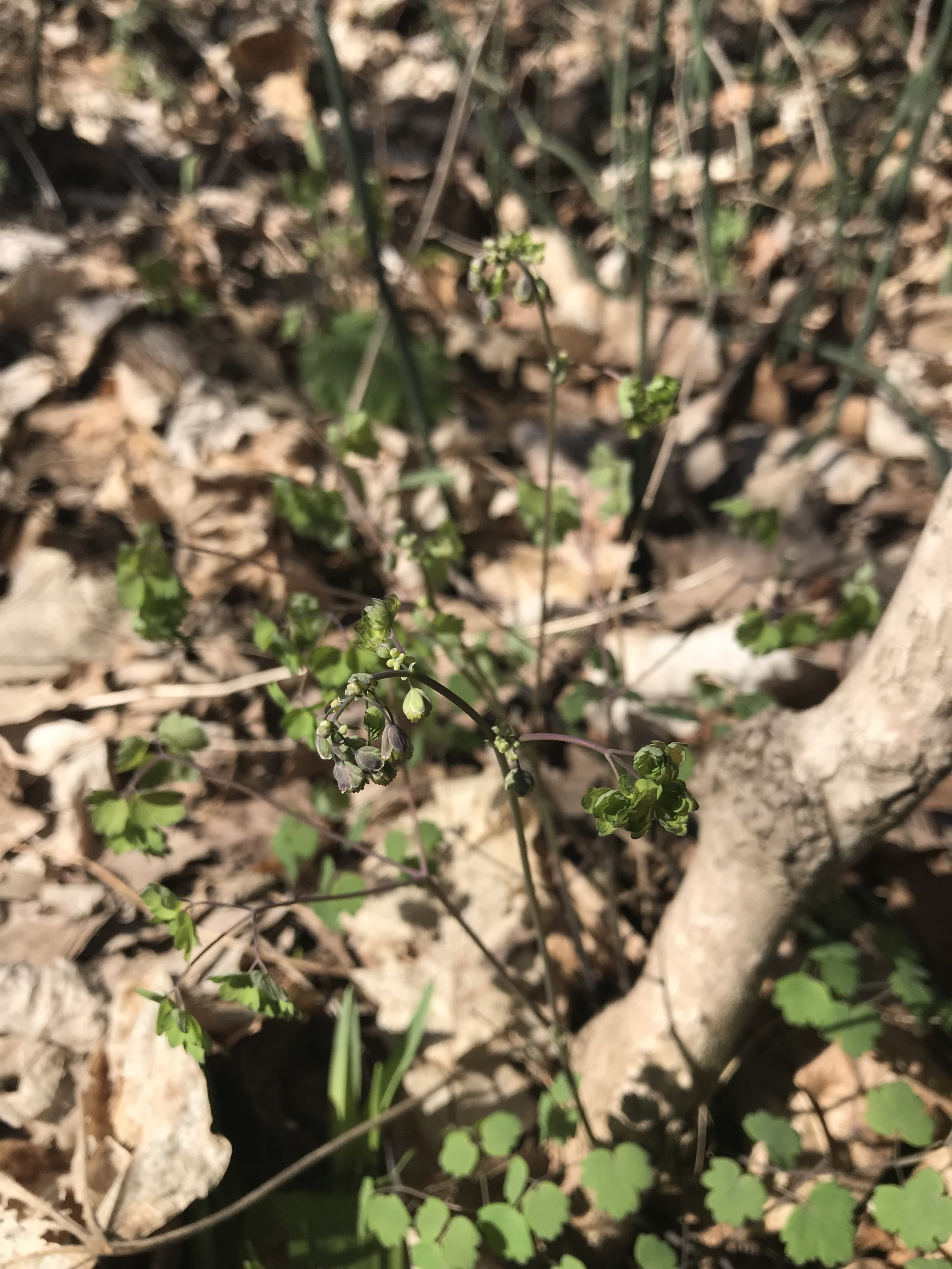
Aniseroot is in the Carrot Family, so it is a host plant for the Black Swallowtail butterflieas. Carrot family plants have umbels of flowers (flowers on equal length stems in such a way that they are flat-topped. The whole group of flowers in a flat-top is called an umbel. Smaller groups of flat-topped flowers within the umbel are called umbellets. In both Aniseroot and Sweet Cicely (Osmorhiza claytonii) there are leaf-like bracts at the bases of these umbellets

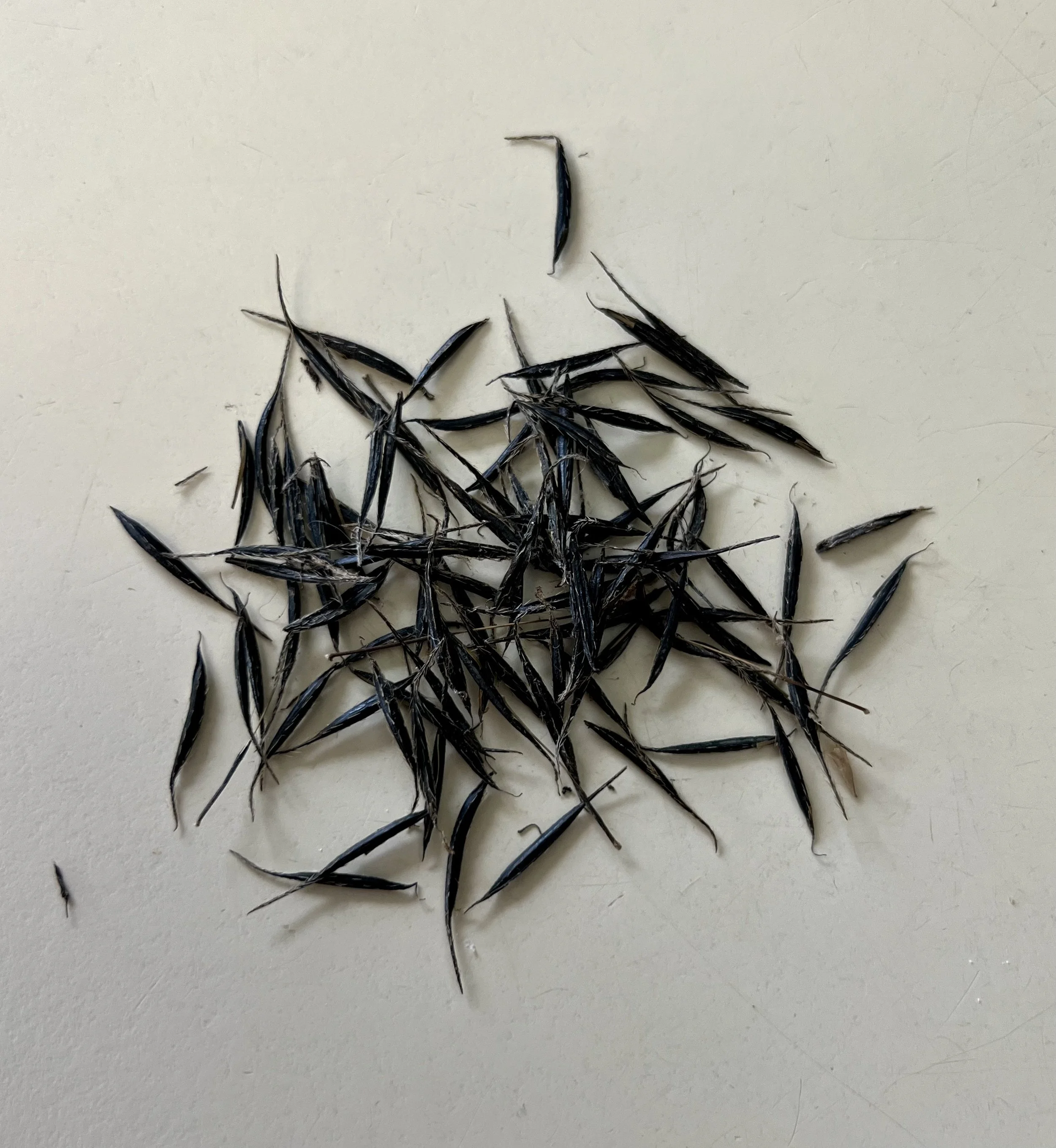
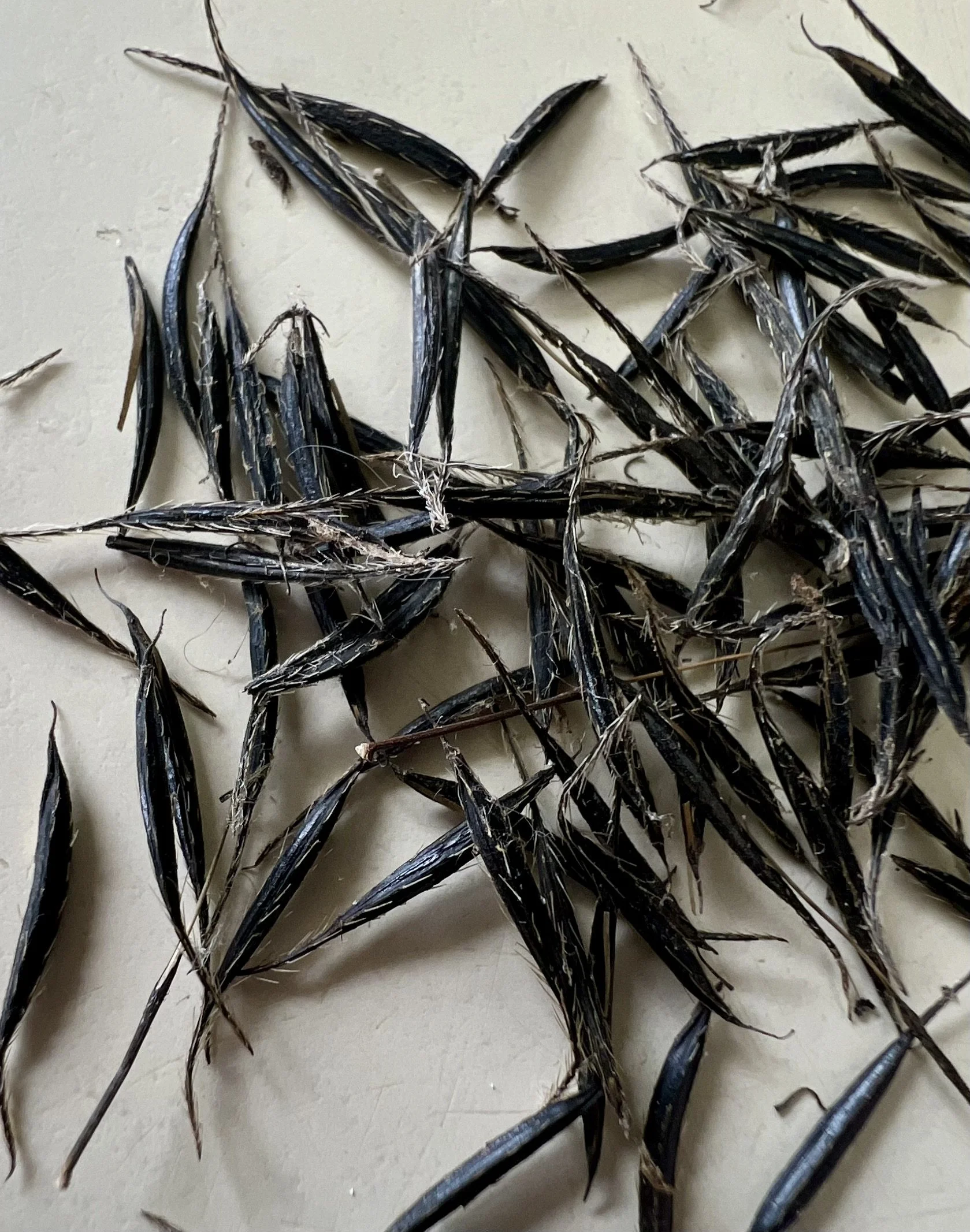
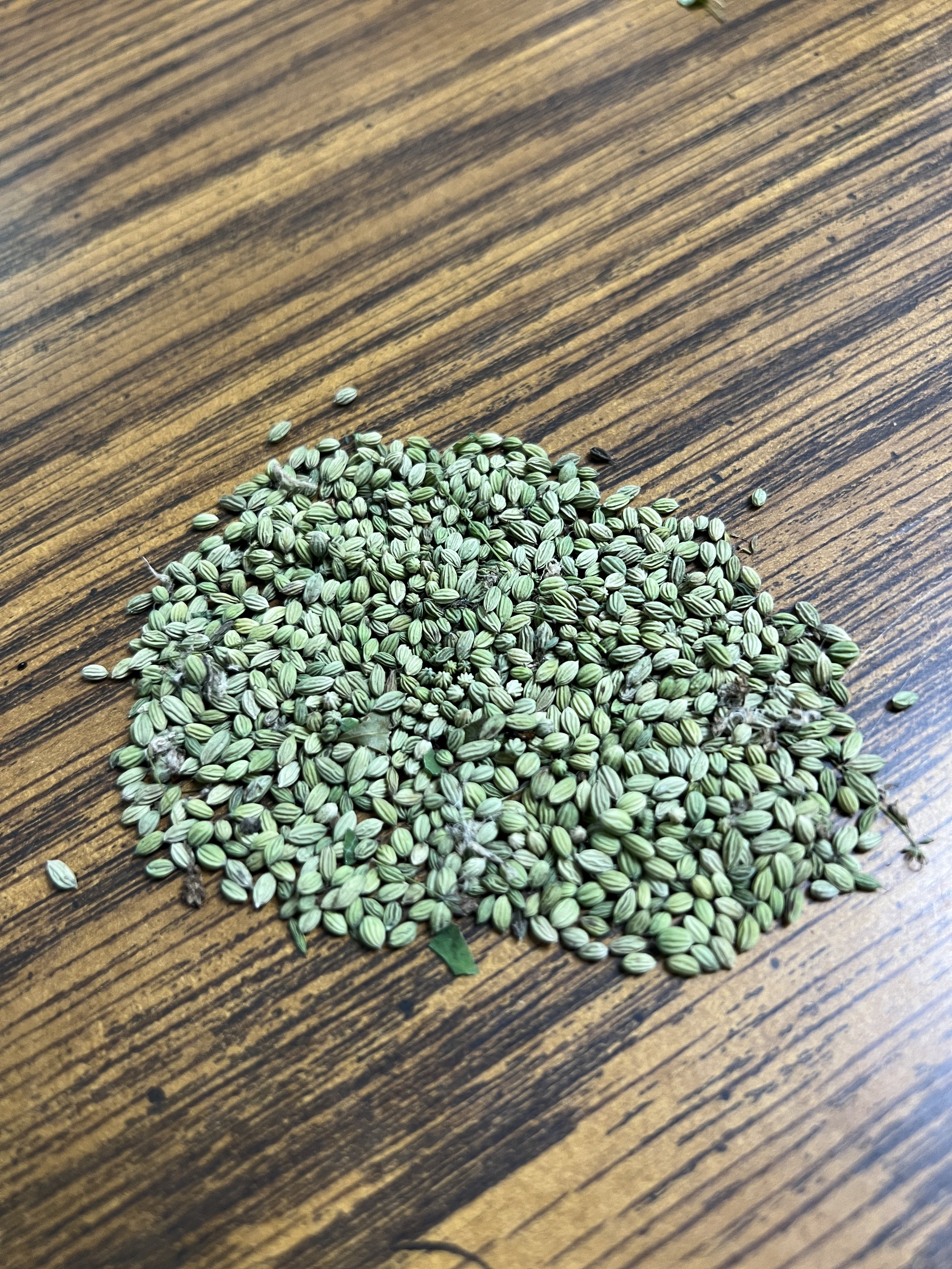
Another identifier for Aniseroot is that the stamens are longer than the flower petals. If you zoom in on the flowers, you should be able to see those stamens hanging out past the flower petals. Seeds are black and about an inch long with ends that stick into animal hair or human clothes.

Companion Plants: honewort, sweet joe pyeweed, beak grass, baneberries, wild ginger

Aniseroot (Osmorhiza longistylis)

Michigan Flora reference page for state distribution: Aniseroot

Height: 1.5-2.5 feet

Bloom: May-June

Soil: fertile loam

Sun: dappled light to shade

Plant spacing: 2 feet

Flower: white

Life cycle: perennial

Family: Apiaceae

Seed source: Michigan

Sizes:

Aniseroot is also known as Smooth Sweet Cicely. However, there is also hairy variety (short hairs). The name Aniseroot refers to the licorice smell when the leaves, but especially the roots are bruised.

Aniseroot is less common than Sweet Cicely (Osmorhiza claytonii), also known as Hairy Sweet Cicely (long, spreading hairs). These two plants can be found together in medium wet, rich forests. If you go to the northern lower peninsula or to the UP, there is ANOTHER species, Osmorhiza berteroi, and all three species can be found growing together!

Aniseroot is in the Carrot Family, so it is a host plant for the Black Swallowtail butterflieas. Carrot family plants have umbels of flowers (flowers on equal length stems in such a way that they are flat-topped. The whole group of flowers in a flat-top is called an umbel. Smaller groups of flat-topped flowers within the umbel are called umbellets. In both Aniseroot and Sweet Cicely (Osmorhiza claytonii) there are leaf-like bracts at the bases of these umbellets

Another identifier for Aniseroot is that the stamens are longer than the flower petals. If you zoom in on the flowers, you should be able to see those stamens hanging out past the flower petals. Seeds are black and about an inch long with ends that stick into animal hair or human clothes.

Companion Plants: honewort, sweet joe pyeweed, beak grass, baneberries, wild ginger

Aniseroot (Osmorhiza longistylis)

Michigan Flora reference page for state distribution: Aniseroot

Height: 1.5-2.5 feet

Bloom: May-June

Soil: fertile loam

Sun: dappled light to shade

Plant spacing: 2 feet

Flower: white

Life cycle: perennial

Family: Apiaceae

Seed source: Michigan