Image 1 of 7
Image 2 of 7
Image 3 of 7
Image 4 of 7
Image 5 of 7
Image 6 of 7
Image 7 of 7
Canada Violet (Viola canadensis)
from $5.50
Sold Out
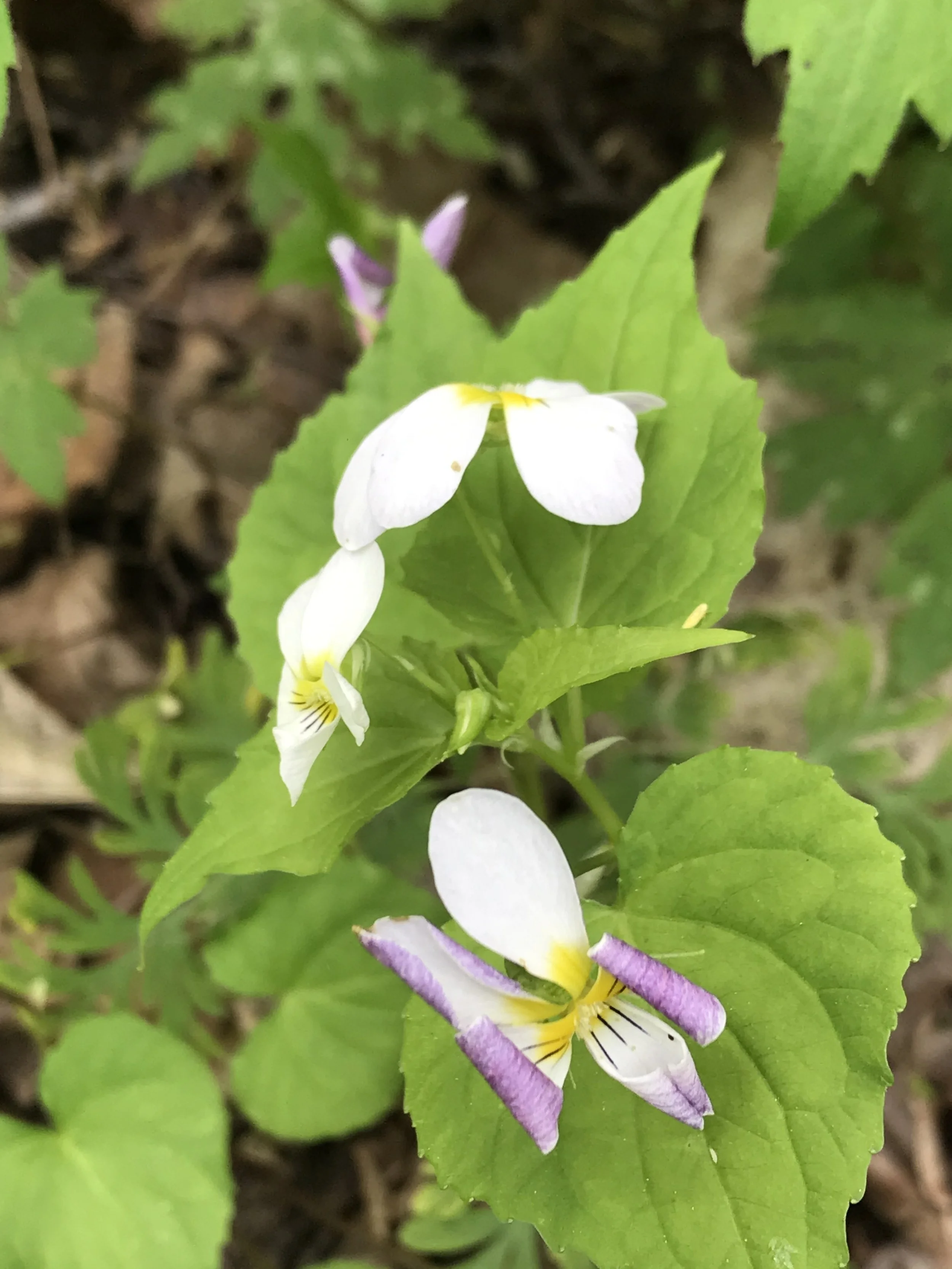
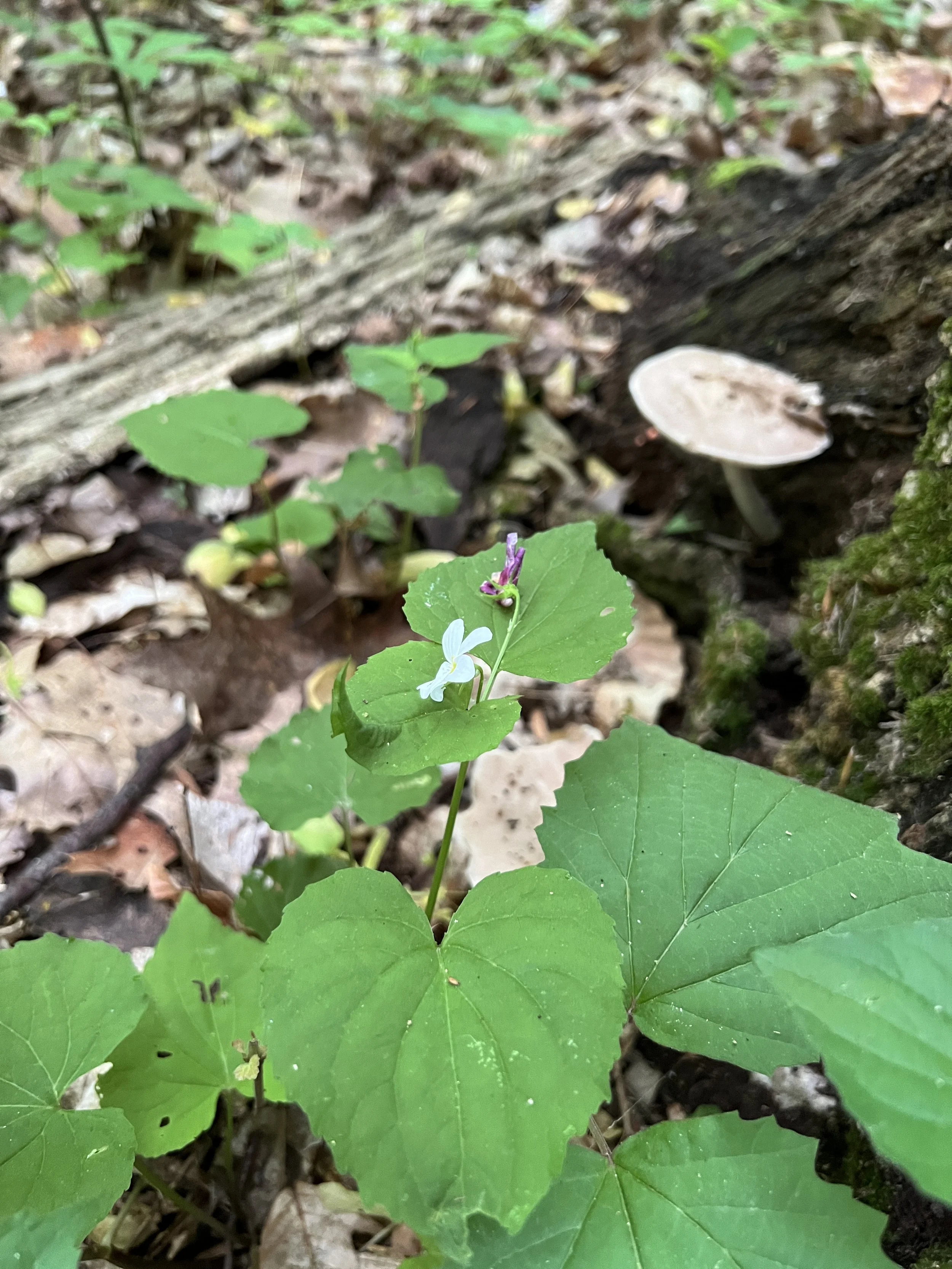
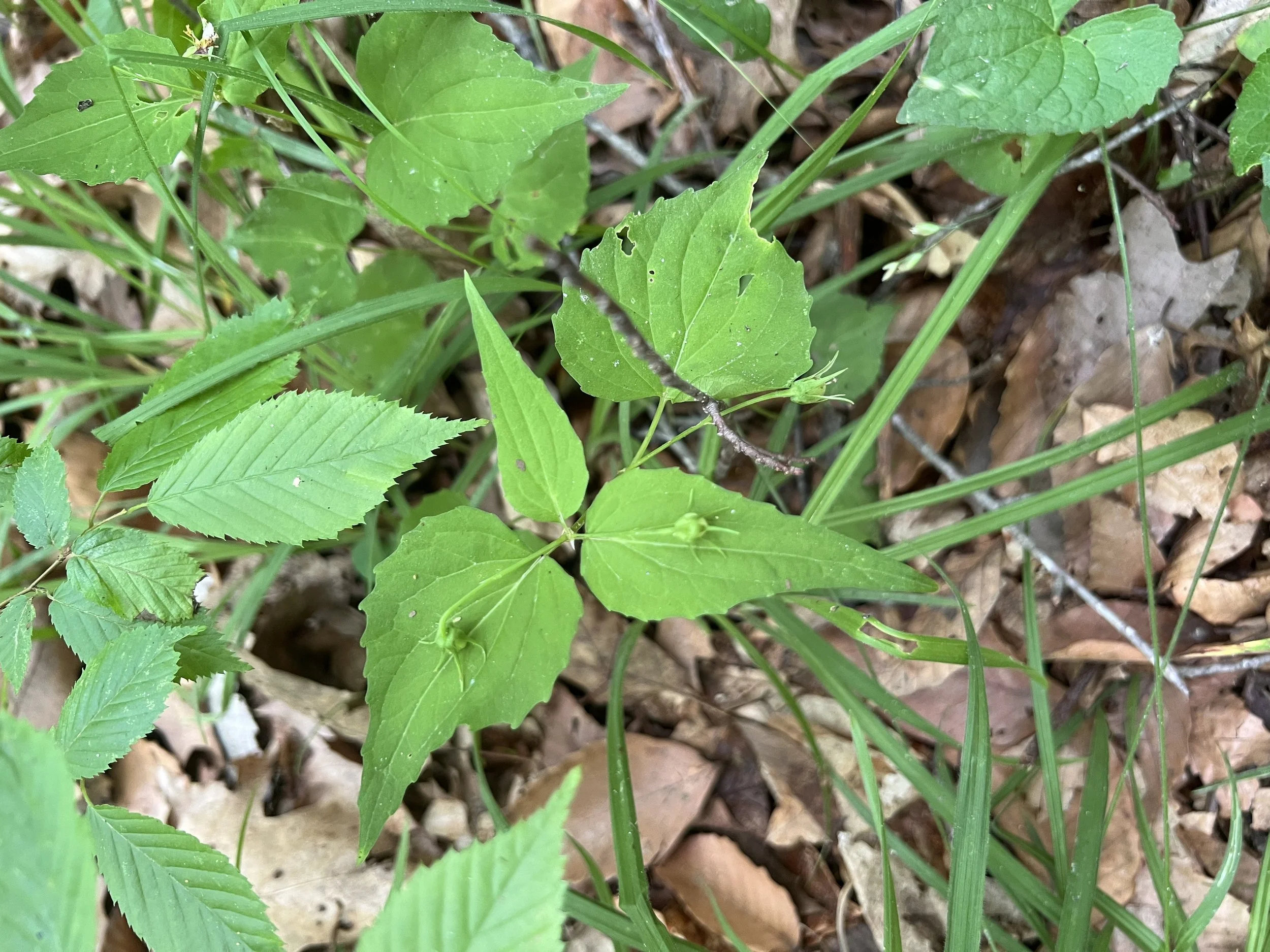
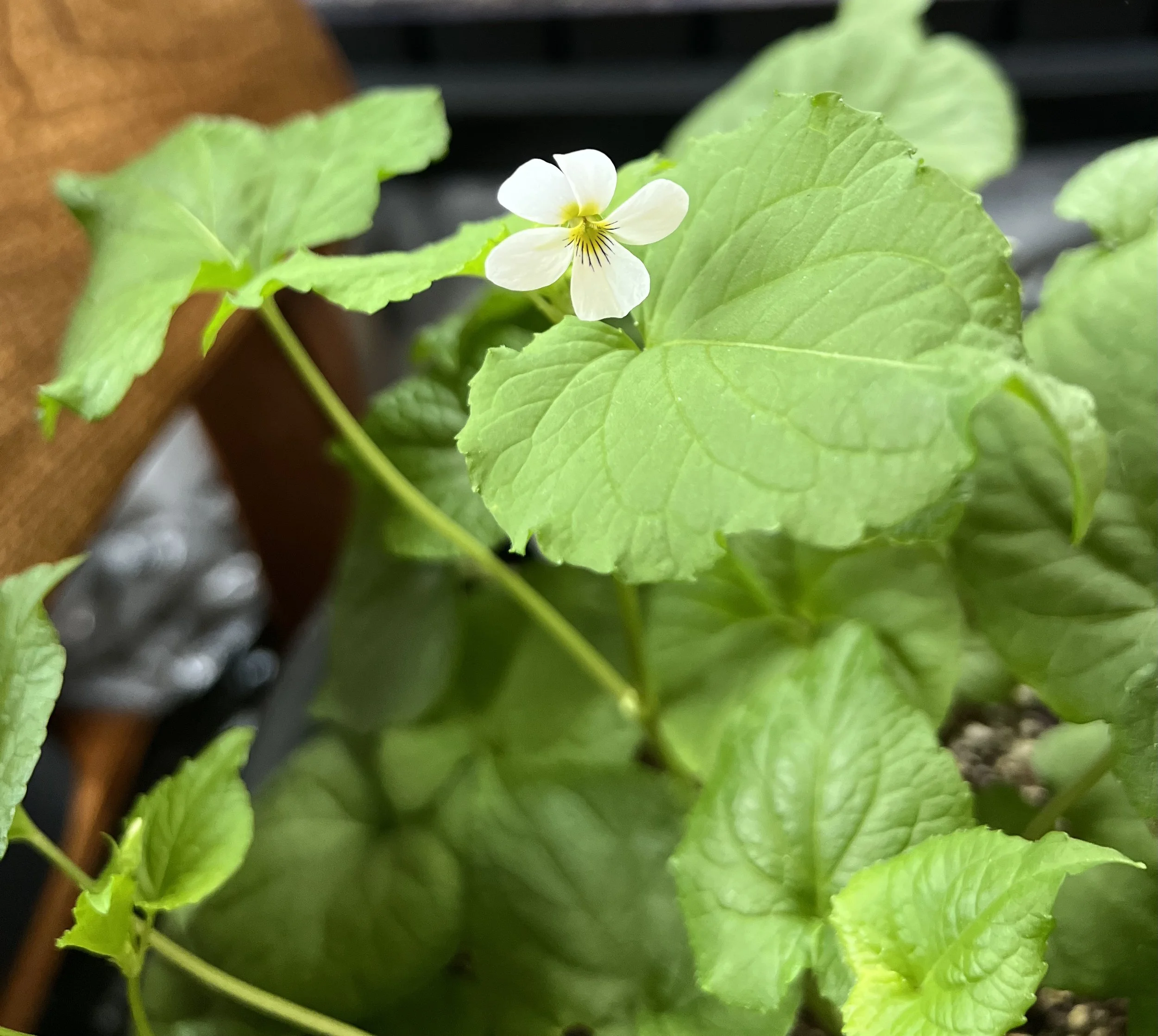
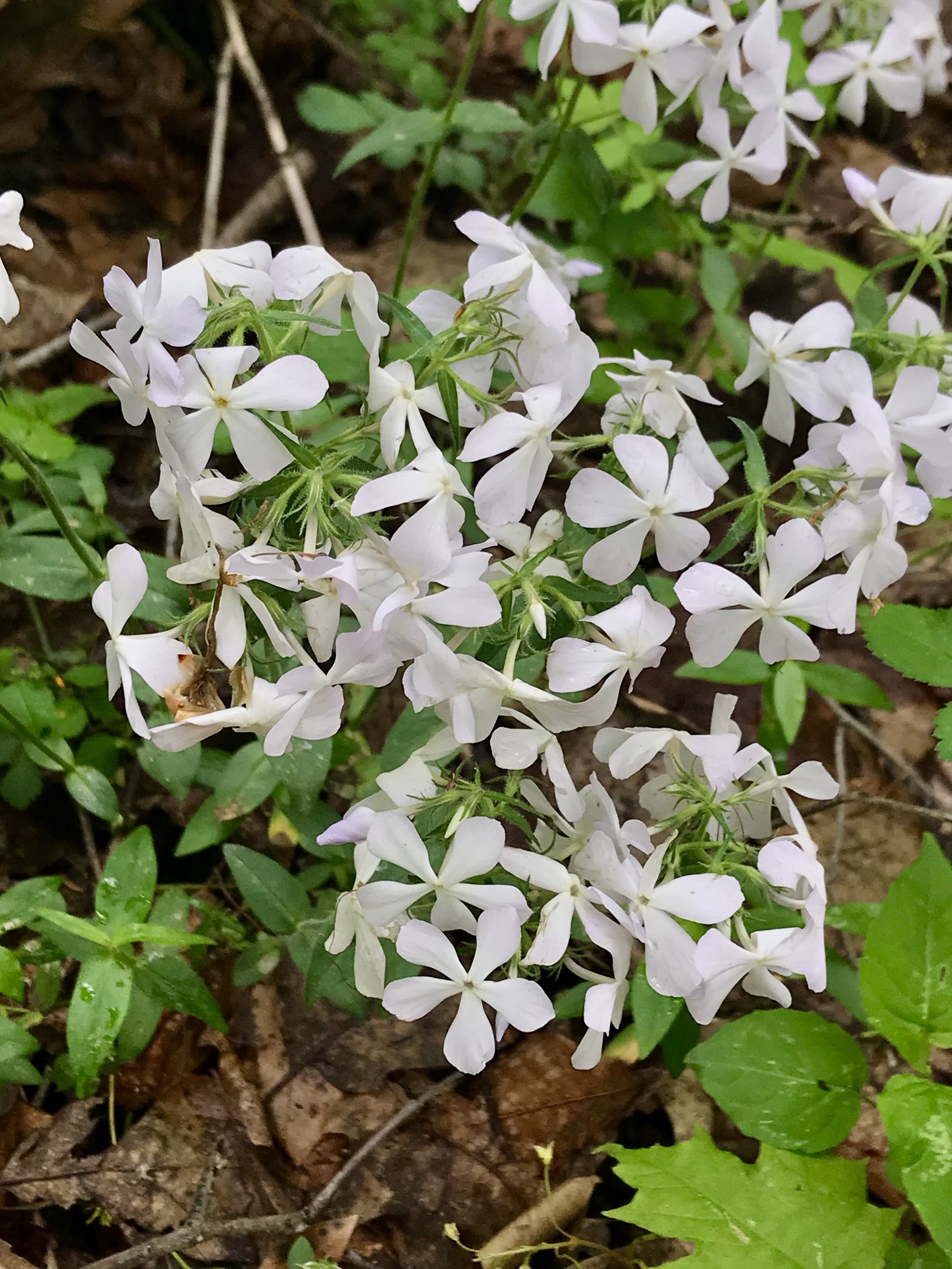
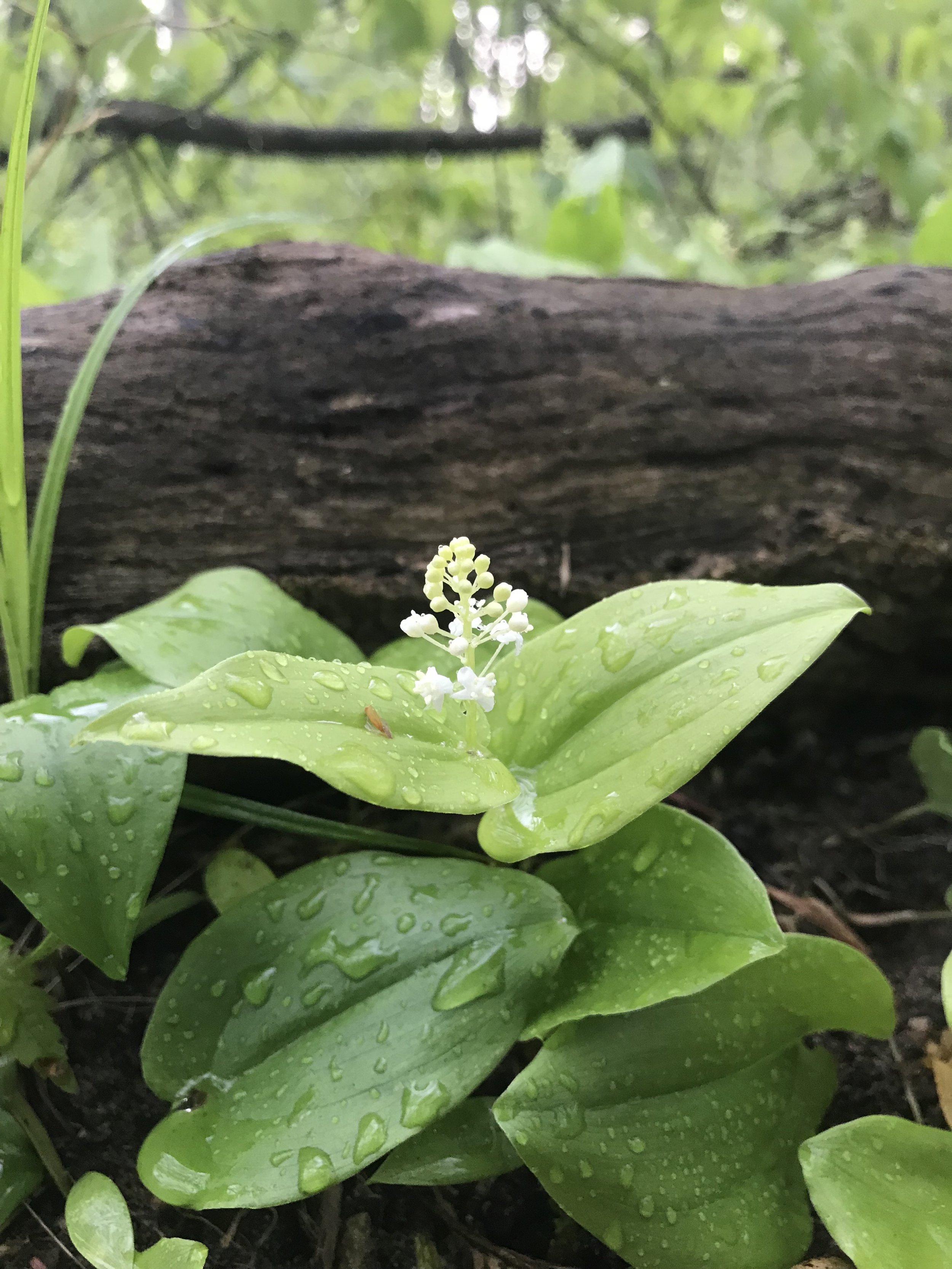
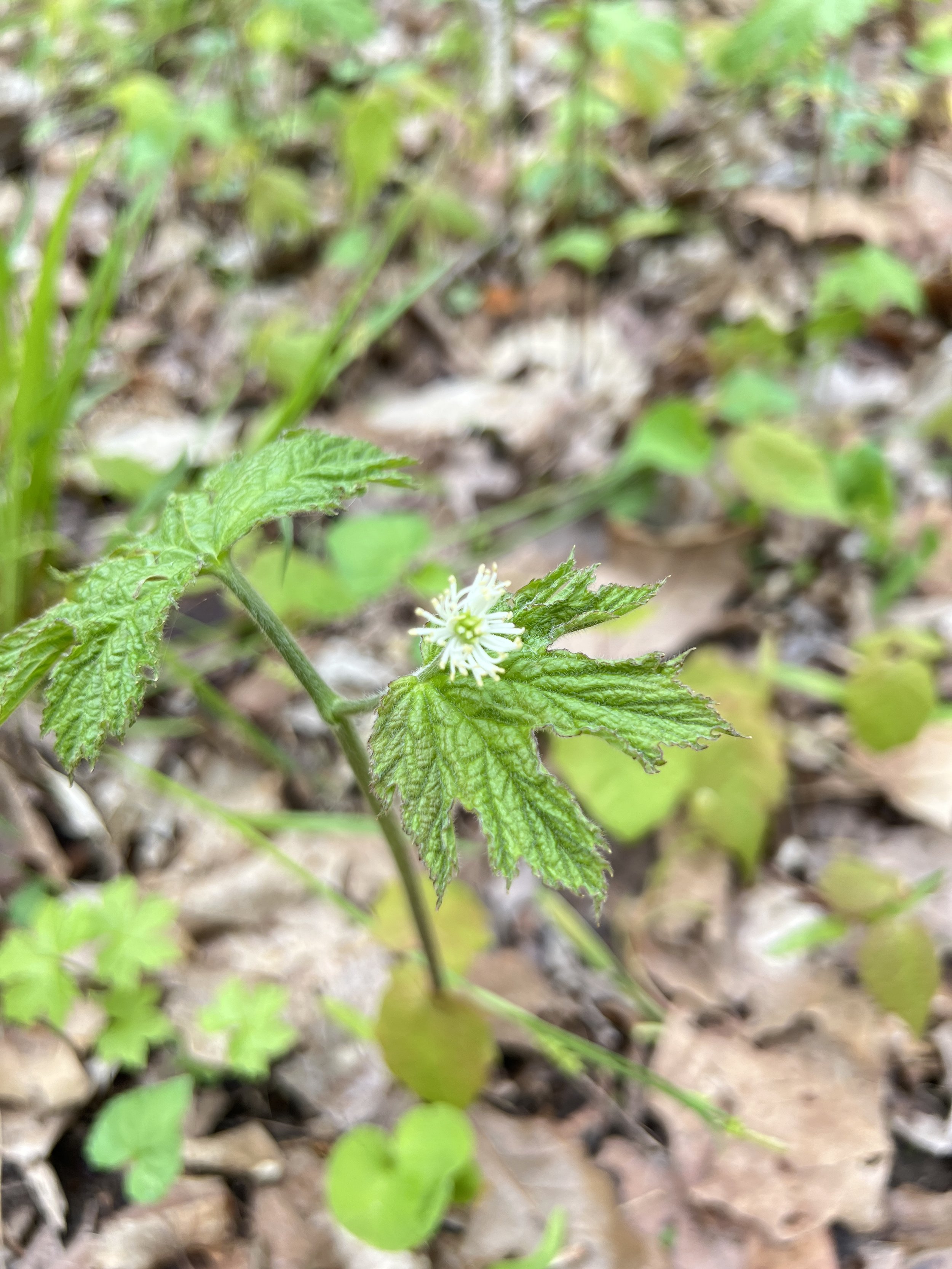
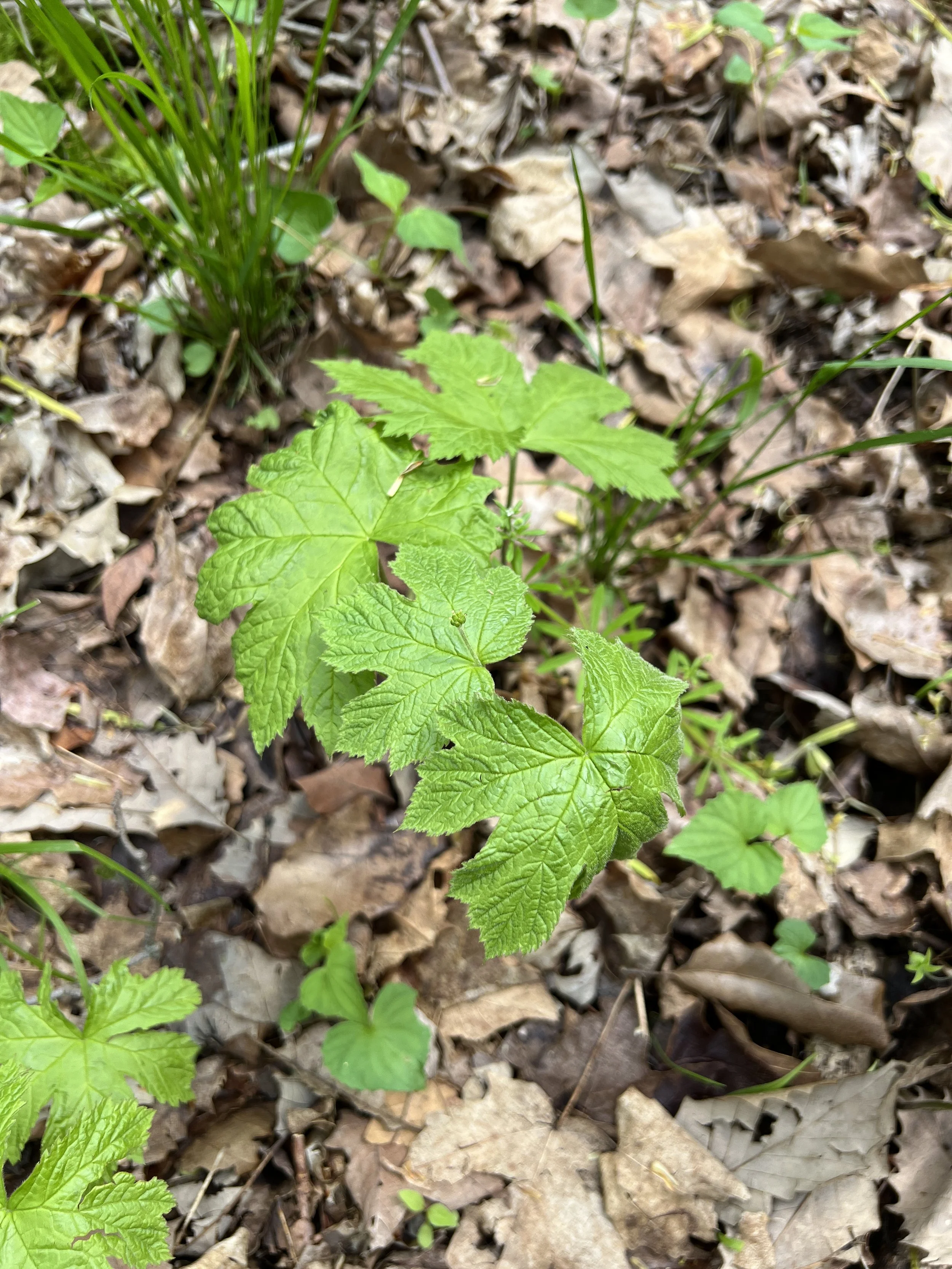
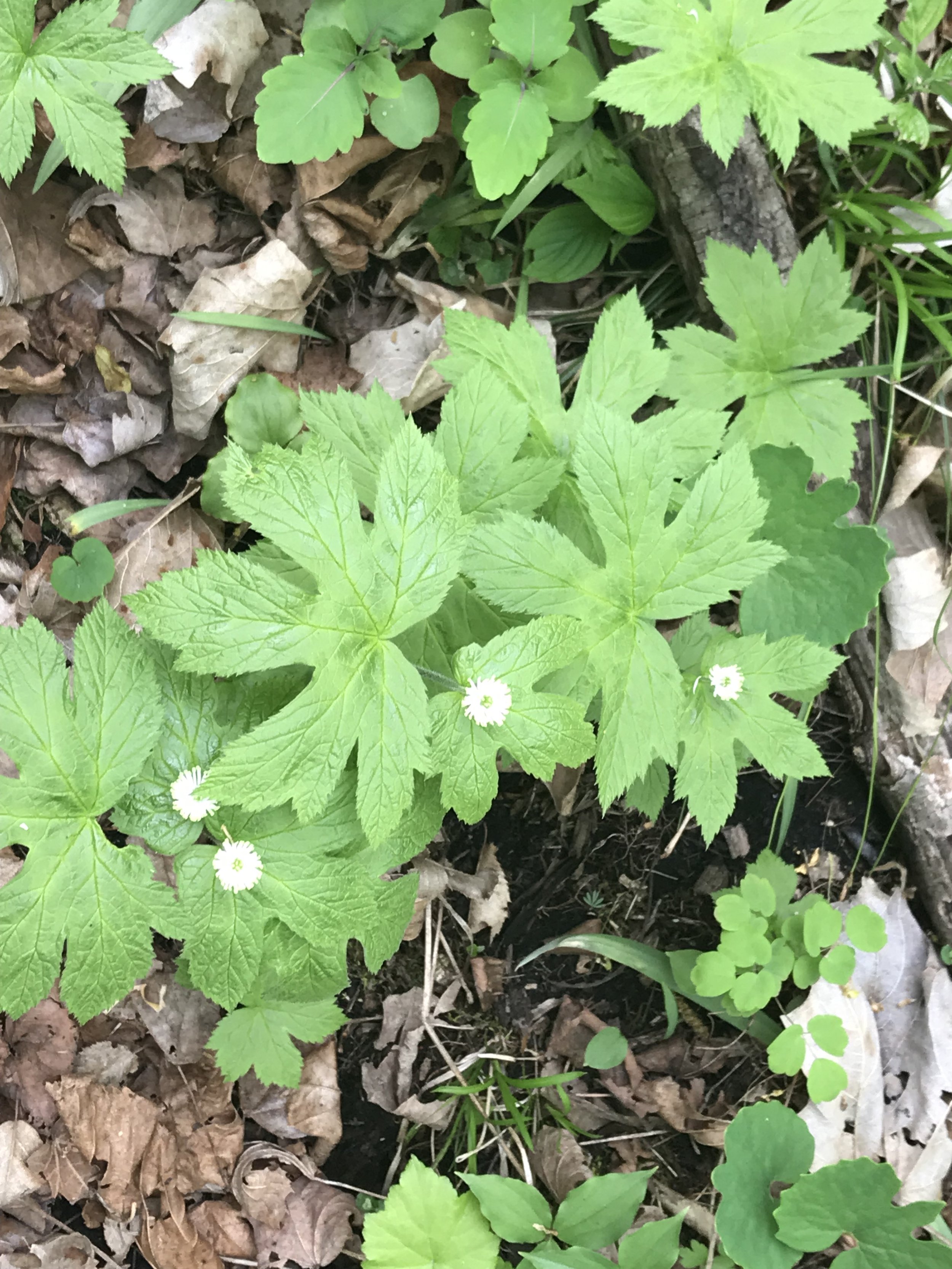
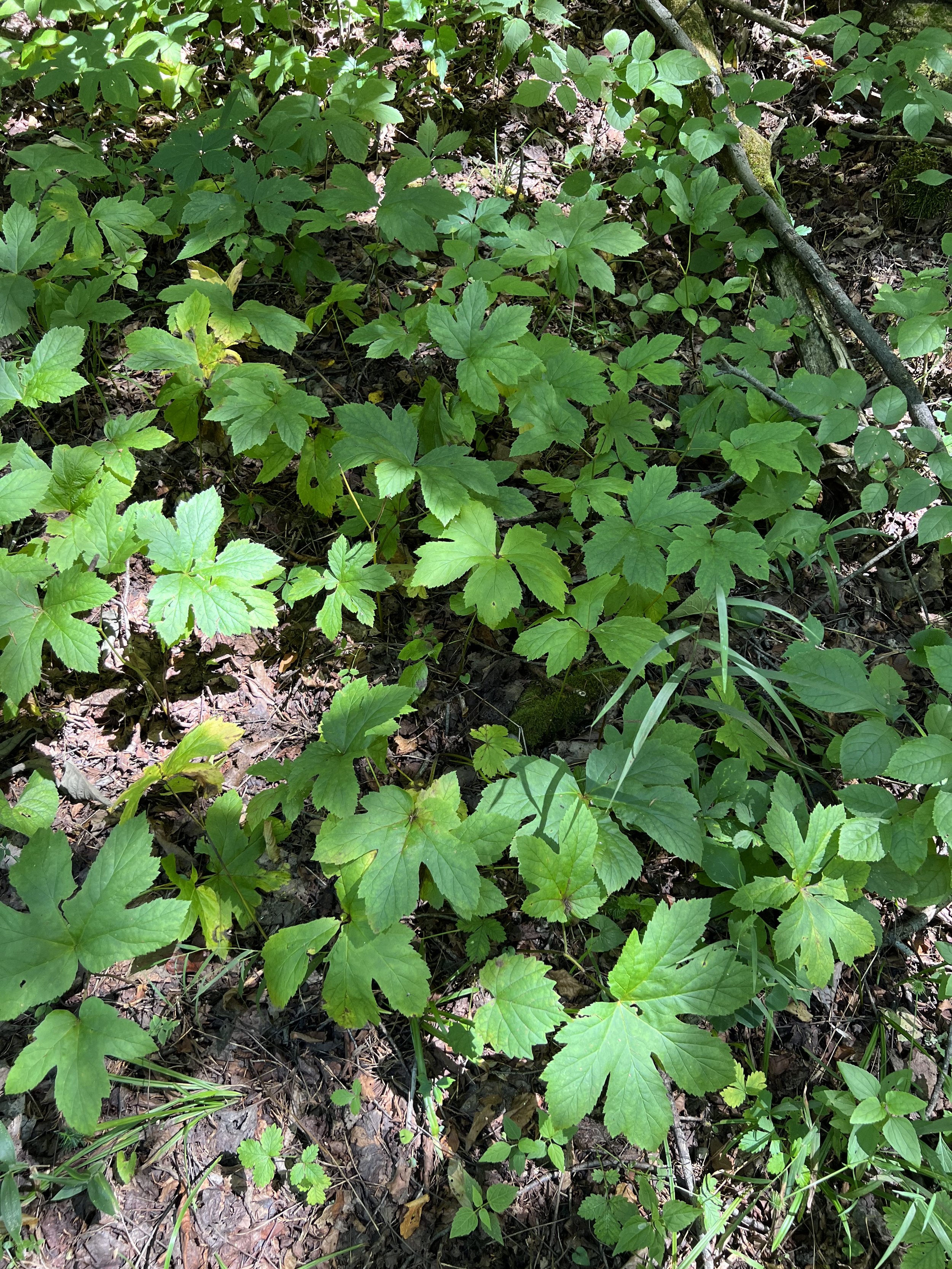
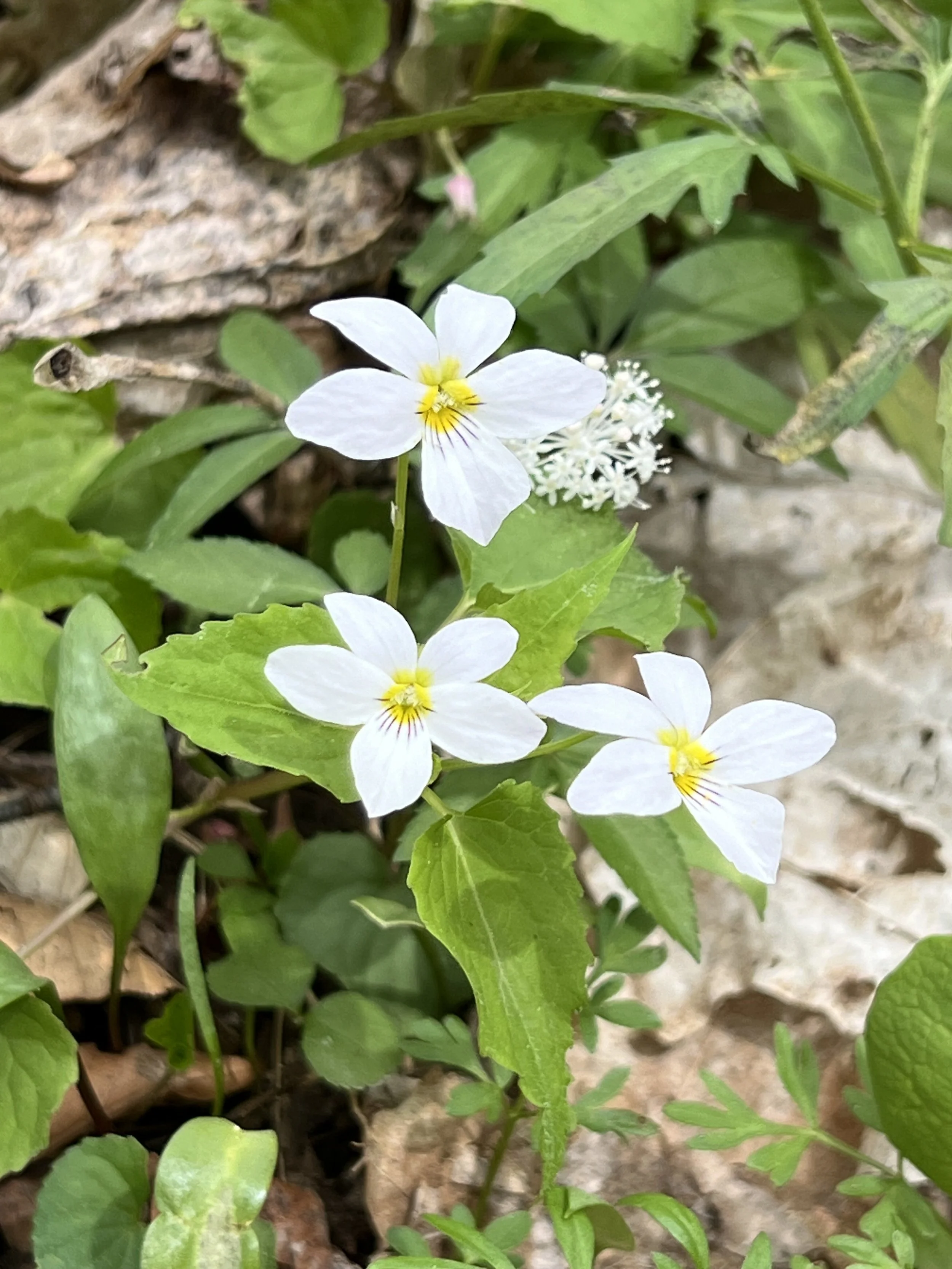
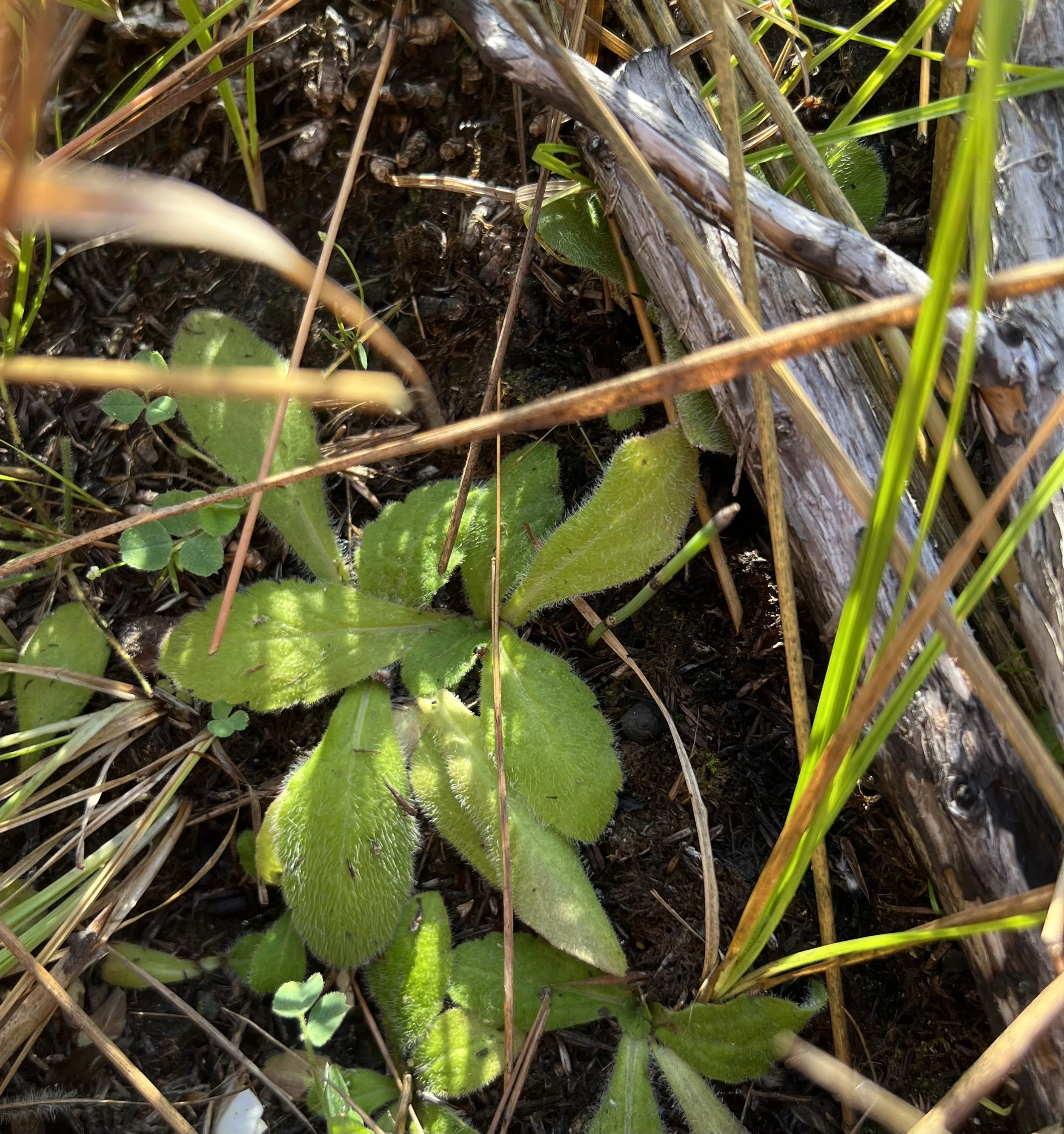
Canada violet has a white flower, much like cream violet with the purple stripes that guide pollinators into the flower, but the backside of the top petals is lavender in color (see photos) and the center of the flower is yellow. Another way to differentiate these violets is by leaf size. Cream violet has rather small leaves while Canada violet has larger leaves.
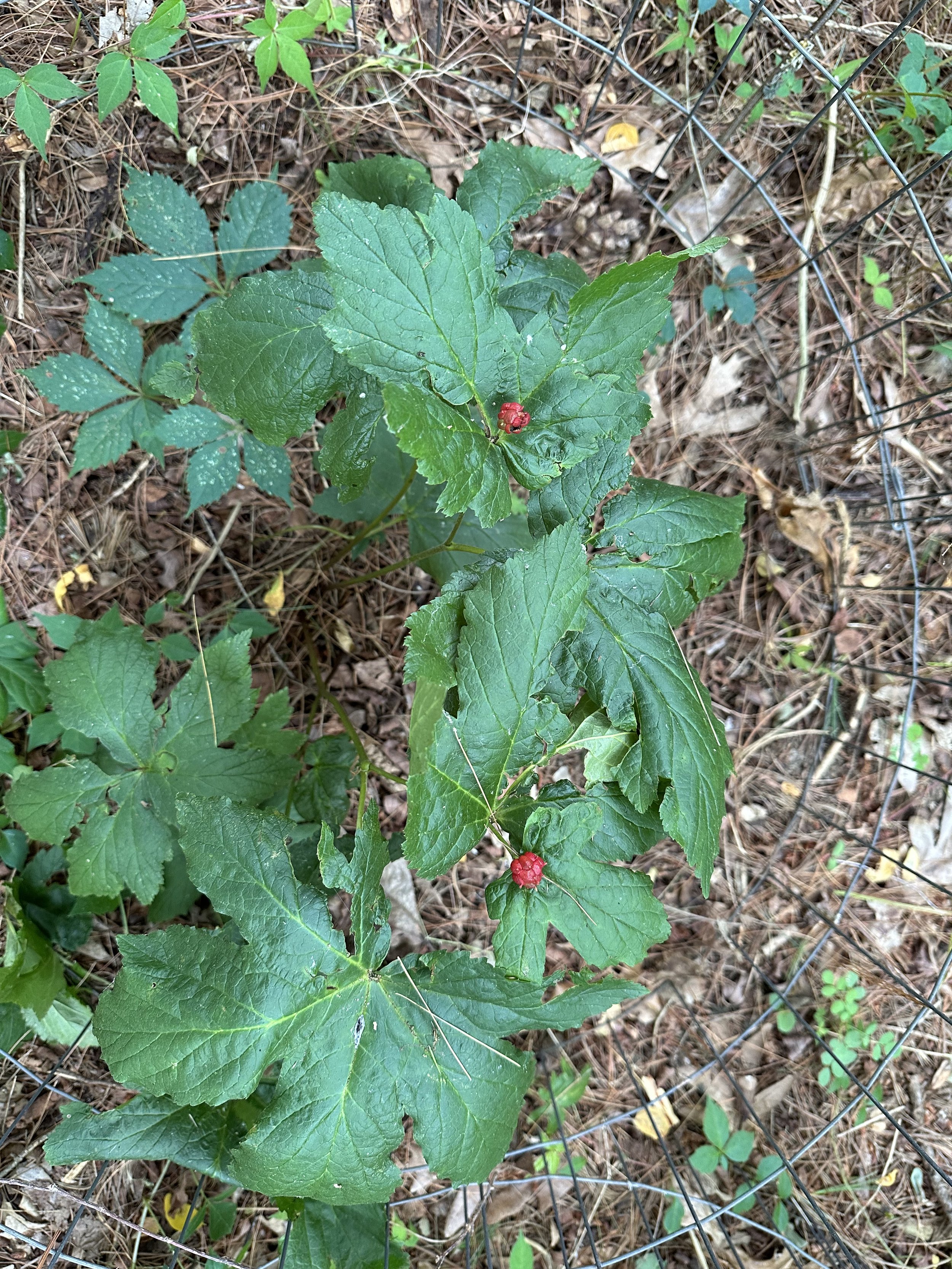
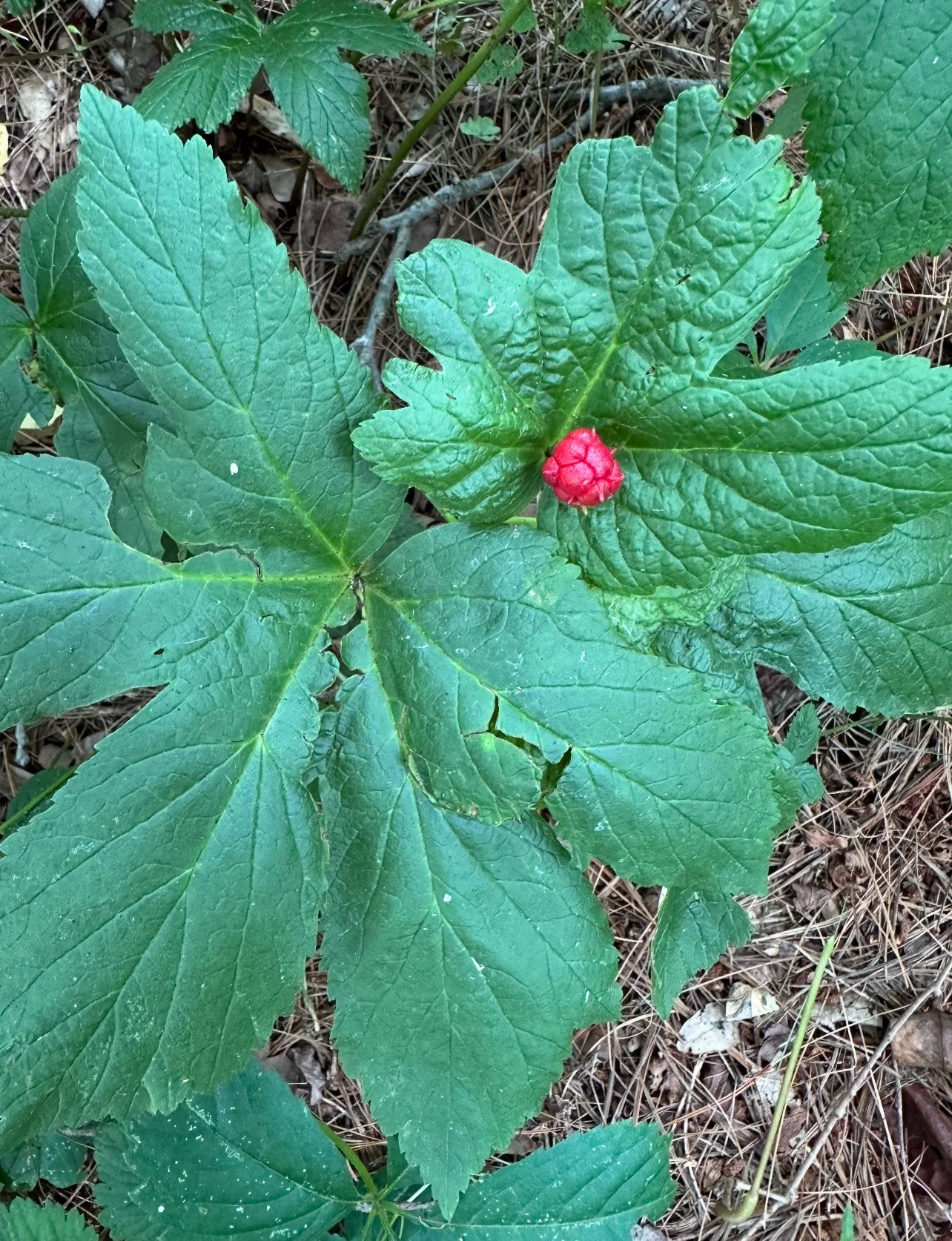
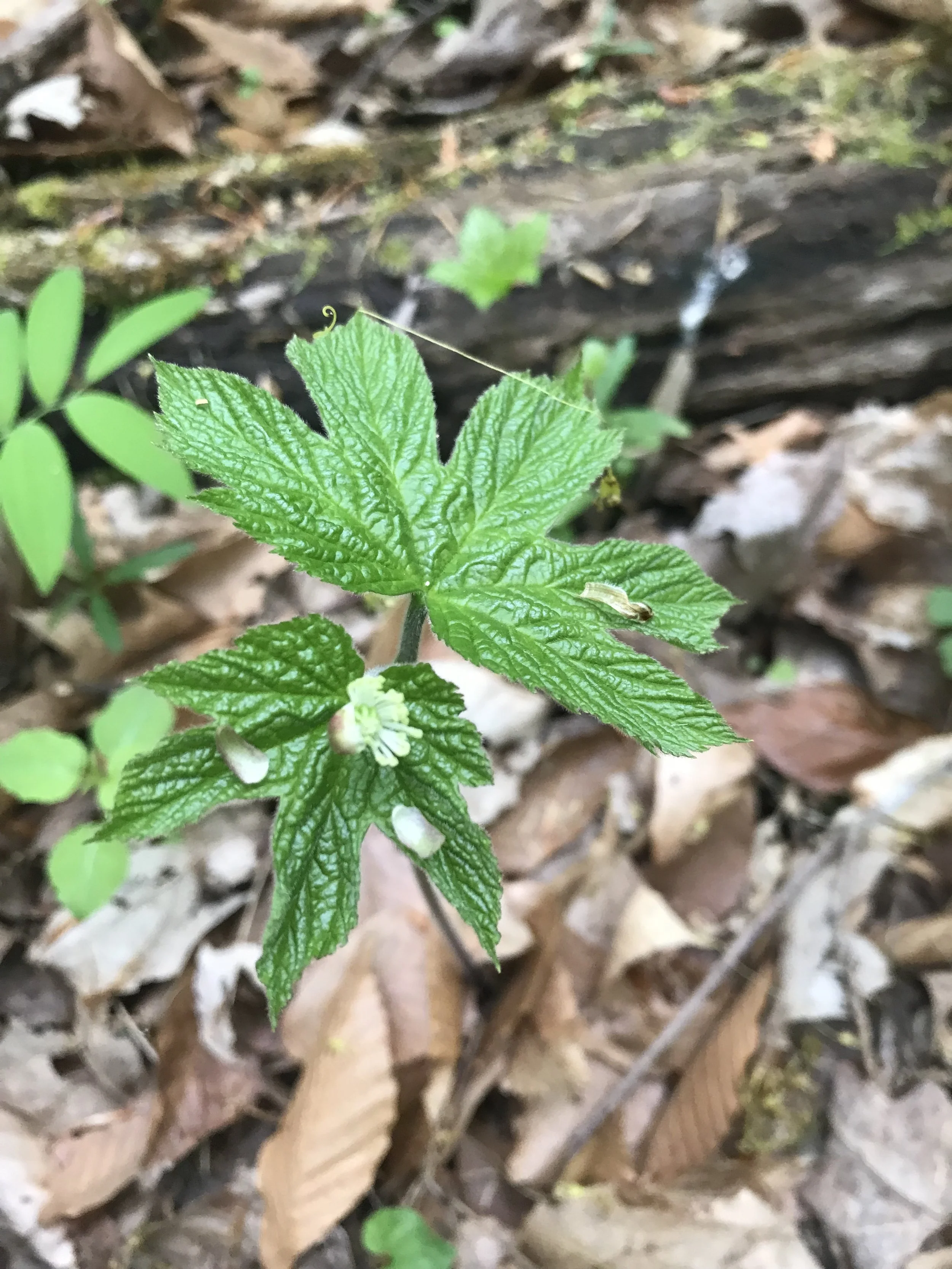
Canada violets are most at home in rich woodlands with companion plants like goldenseal, yellow violets, dwarf ginseng, Virginia water leaf, harbinger of spring, and cutleaf toothwort. They may persist after logging and can grow in lesser habitat.
There is a specialist bee that feeds on violets, many butterflies and moths that use them as host plants and other insect specialists that feed on them in some way or another.
Companion Plants: goldenseal, Virginia waterleaf, cutleaf toothwort, other violets, plantain leaf sedge, pretty sedge, dwarf ginseng
Canada Violet (Viola canadensis)
Michigan Flora reference page for state distribution: Canada Violet
Height: 6-12”
Bloom time: May-July
Soil: moist loam
Sun: dappled light to shade
Plant spacing: 6-12”
Flower: white, yellow, lavender
Life cycle: perennial
Family: Violaceae
Seed source: Michigan
Sizes:
Get notified by email when this product is in stock.
Canada violet has a white flower, much like cream violet with the purple stripes that guide pollinators into the flower, but the backside of the top petals is lavender in color (see photos) and the center of the flower is yellow. Another way to differentiate these violets is by leaf size. Cream violet has rather small leaves while Canada violet has larger leaves.
Canada violets are most at home in rich woodlands with companion plants like goldenseal, yellow violets, dwarf ginseng, Virginia water leaf, harbinger of spring, and cutleaf toothwort. They may persist after logging and can grow in lesser habitat.
There is a specialist bee that feeds on violets, many butterflies and moths that use them as host plants and other insect specialists that feed on them in some way or another.
Companion Plants: goldenseal, Virginia waterleaf, cutleaf toothwort, other violets, plantain leaf sedge, pretty sedge, dwarf ginseng
Canada Violet (Viola canadensis)
Michigan Flora reference page for state distribution: Canada Violet
Height: 6-12”
Bloom time: May-July
Soil: moist loam
Sun: dappled light to shade
Plant spacing: 6-12”
Flower: white, yellow, lavender
Life cycle: perennial
Family: Violaceae
Seed source: Michigan