Image 1 of 3
Image 2 of 3
Image 3 of 3
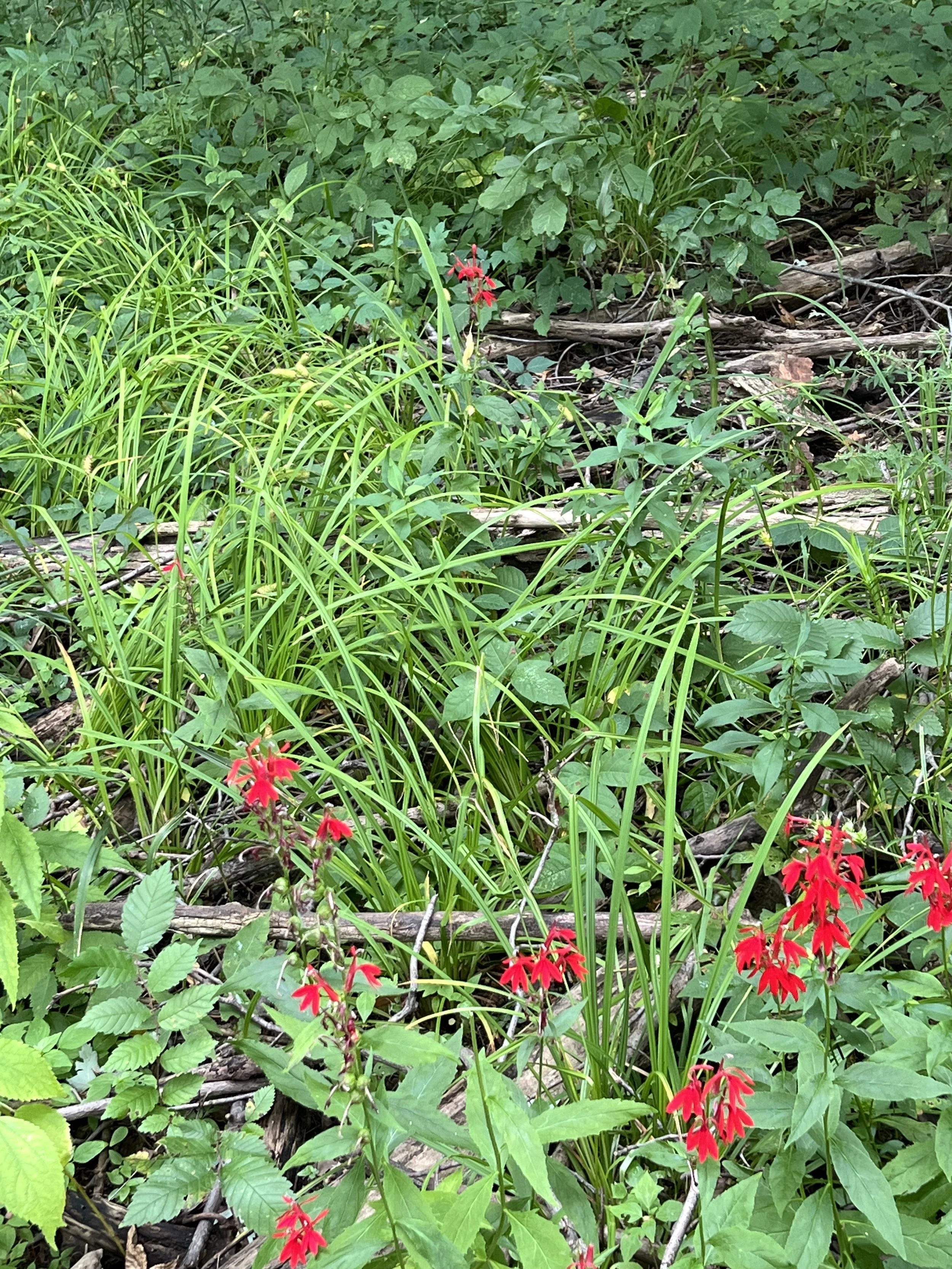
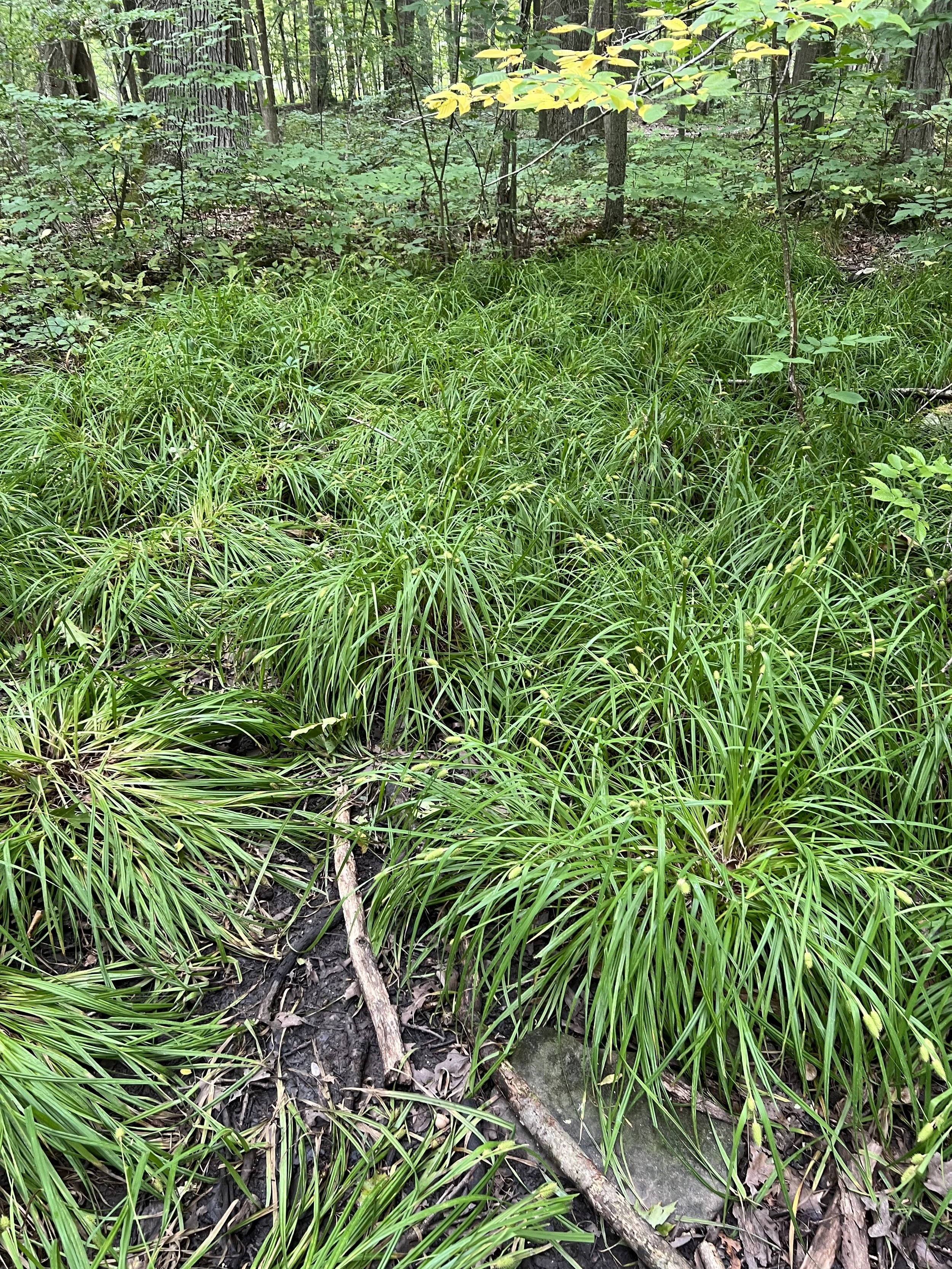
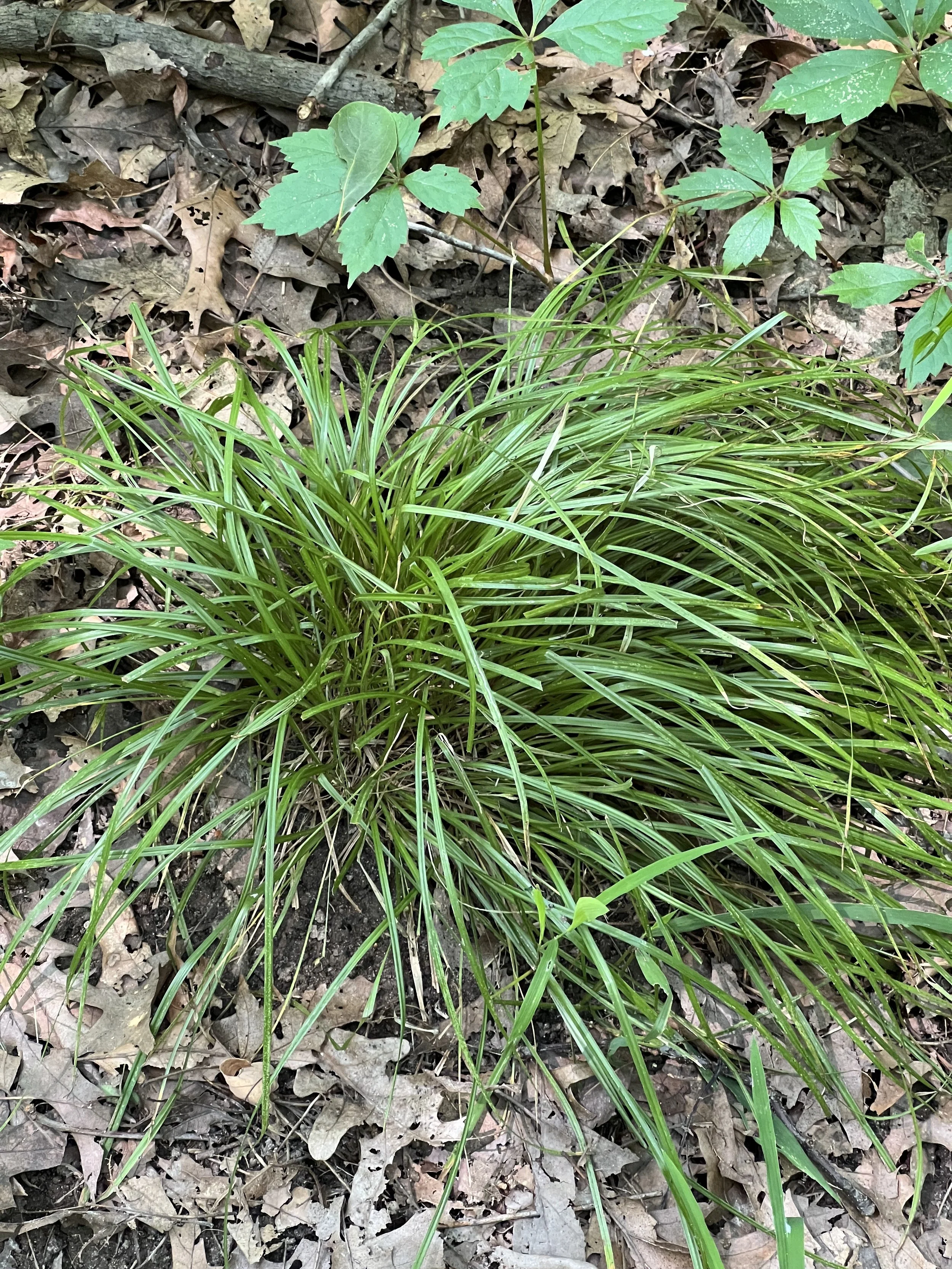
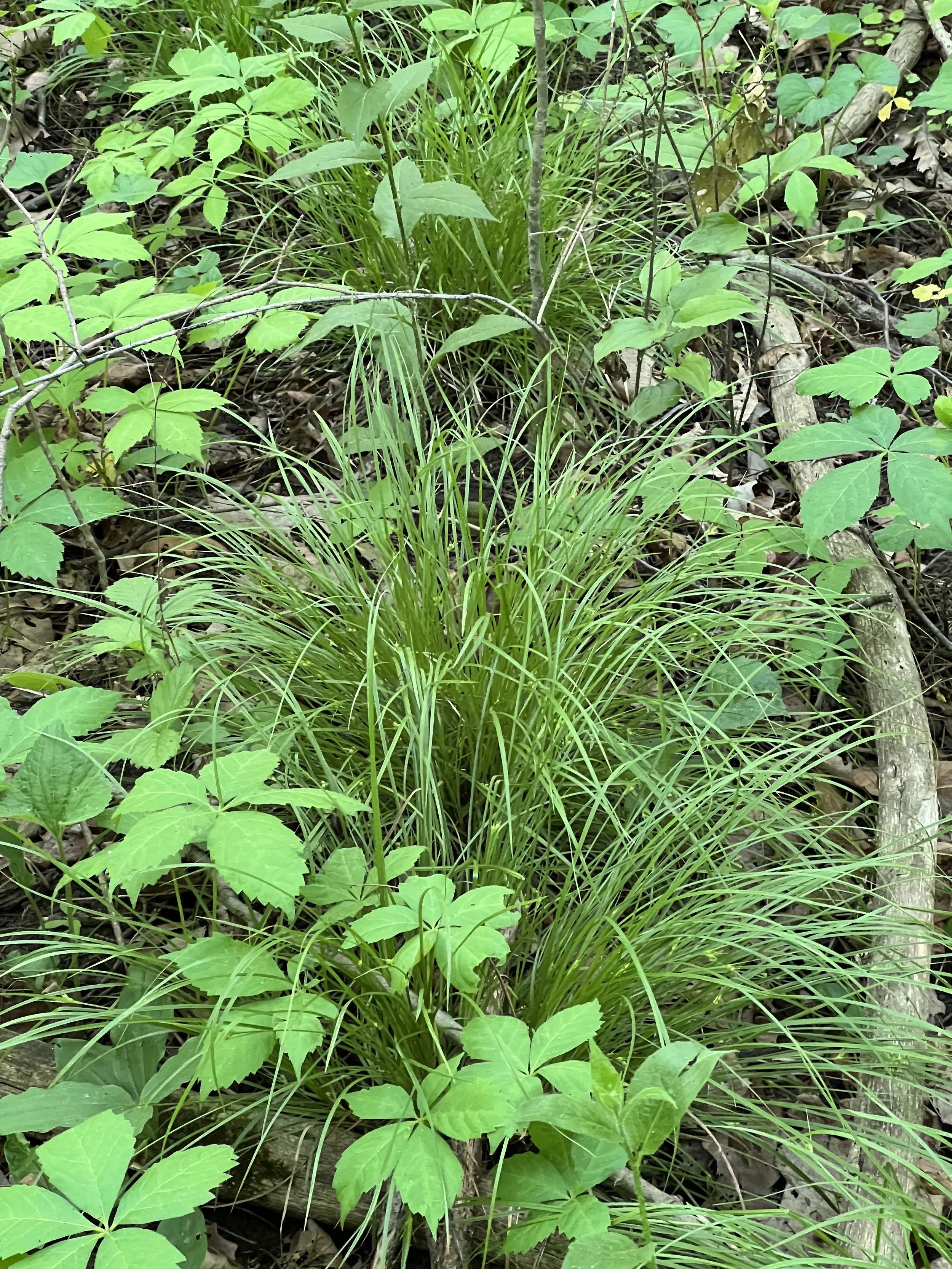
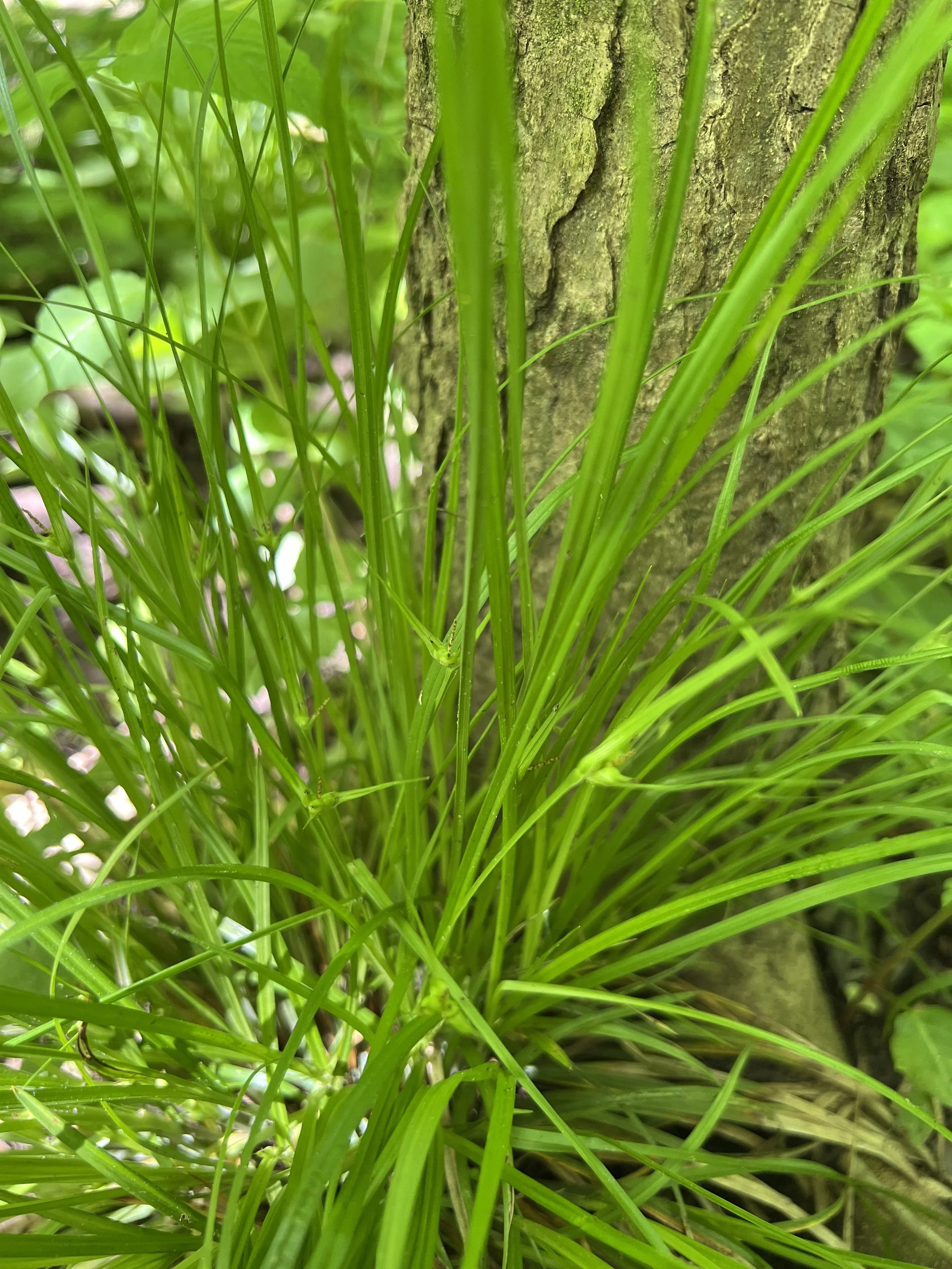
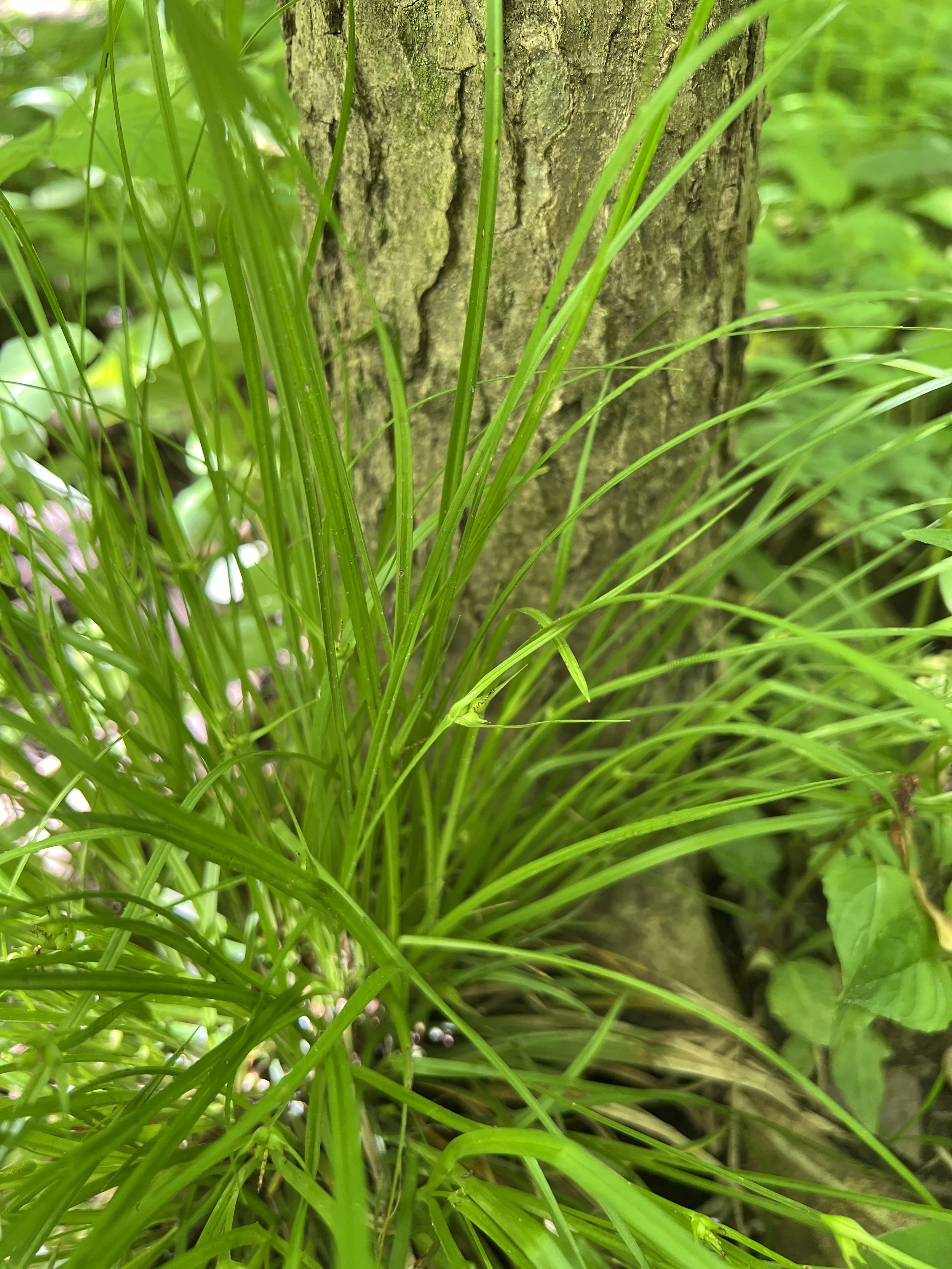
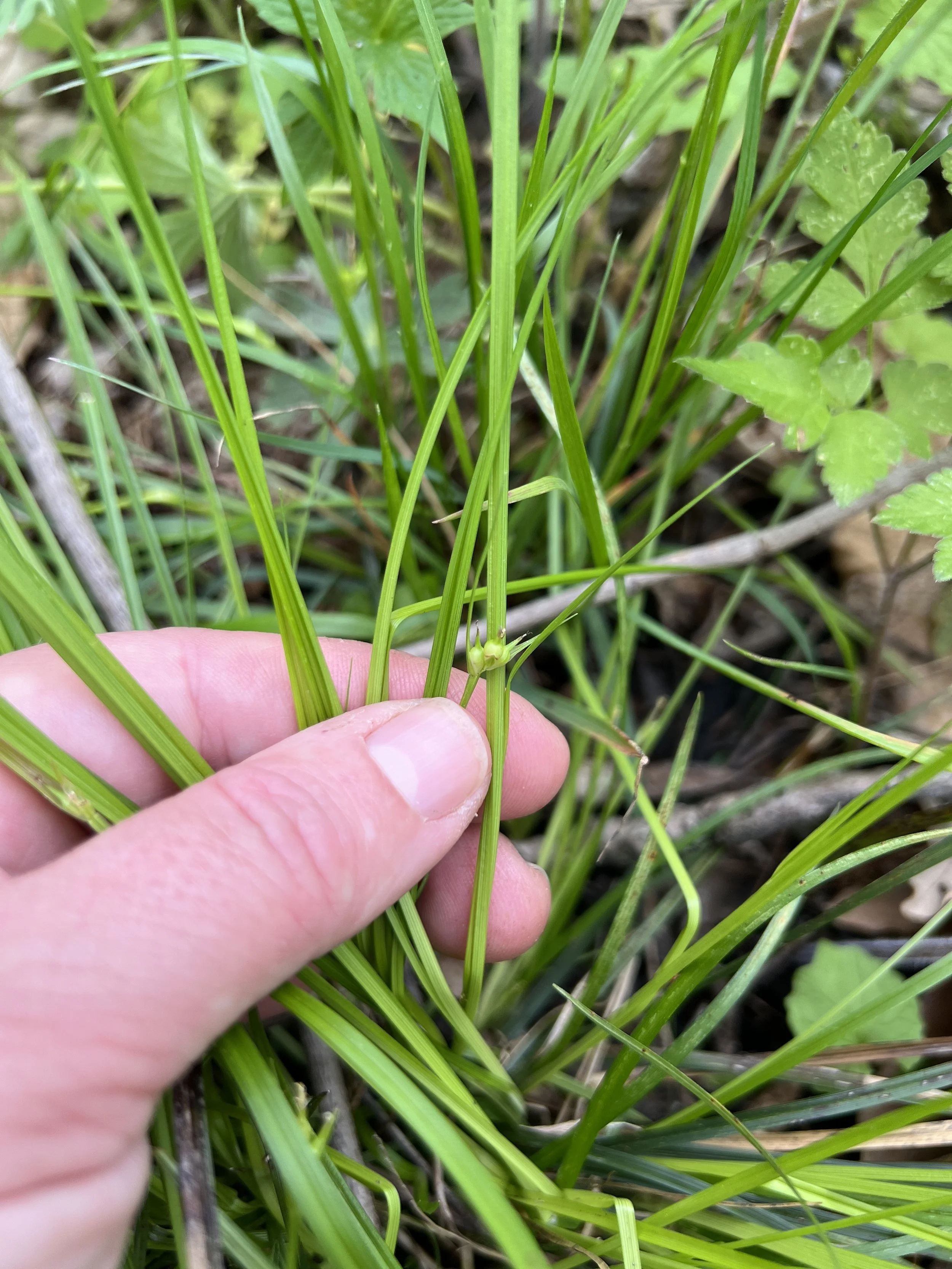
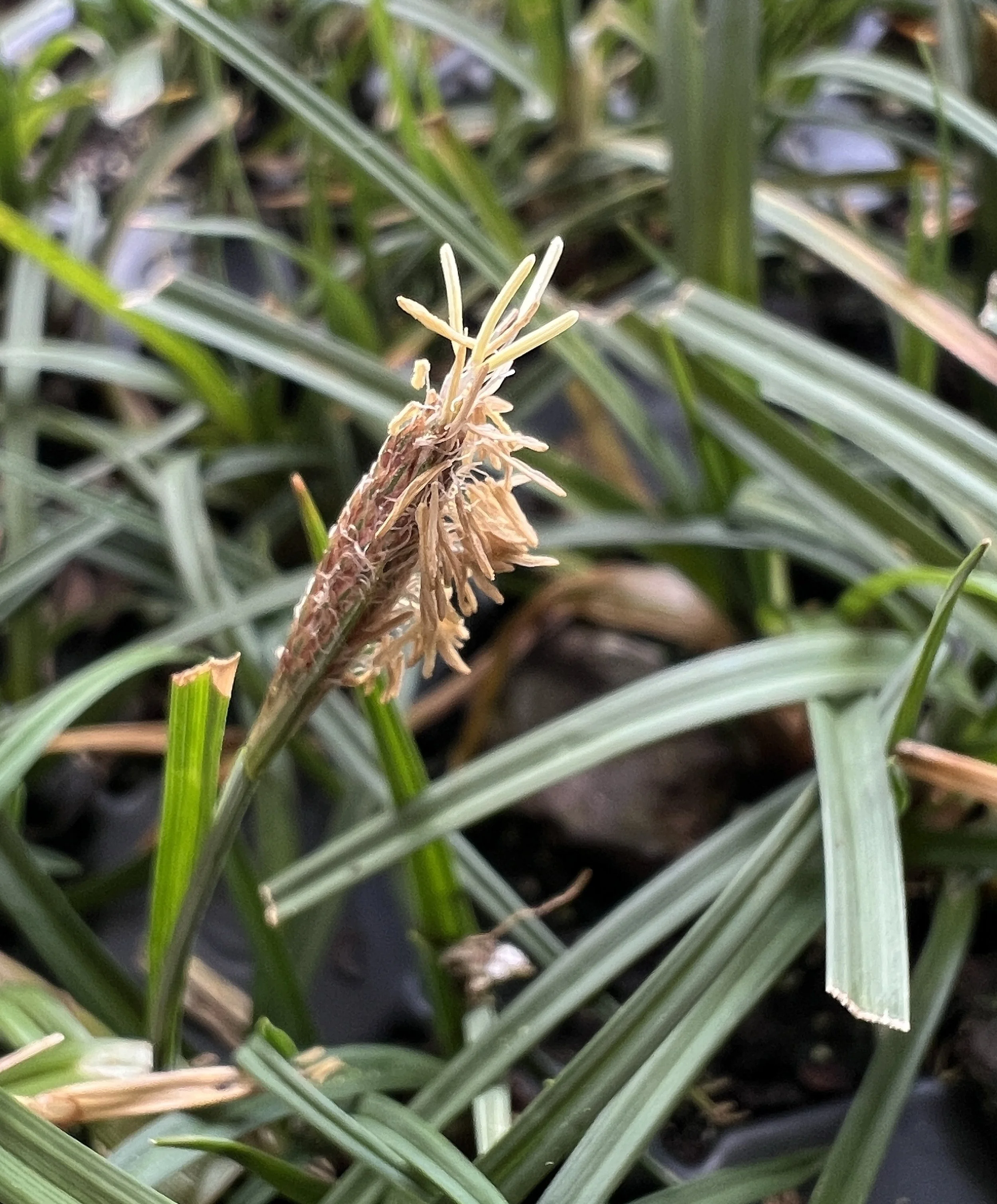
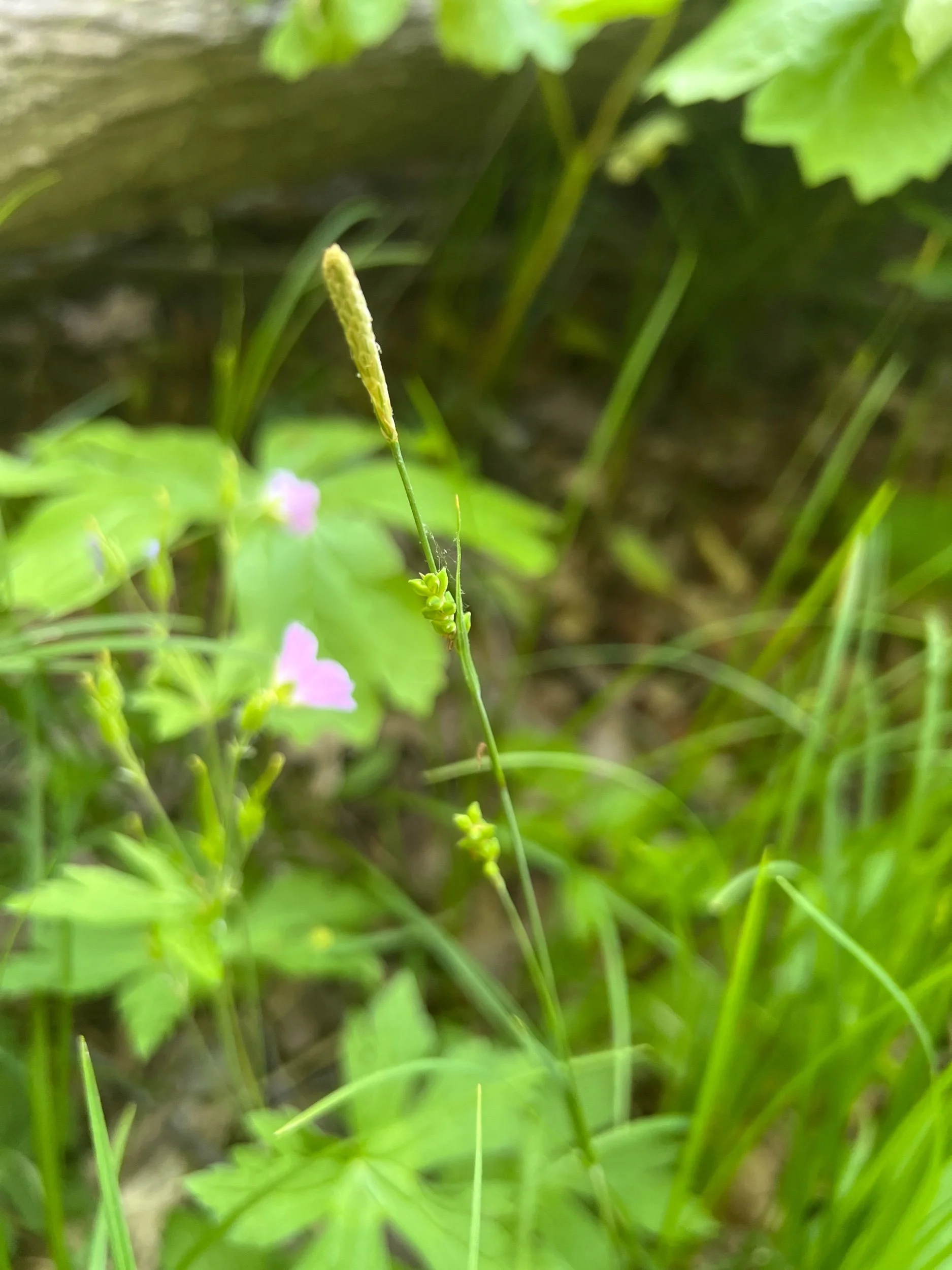
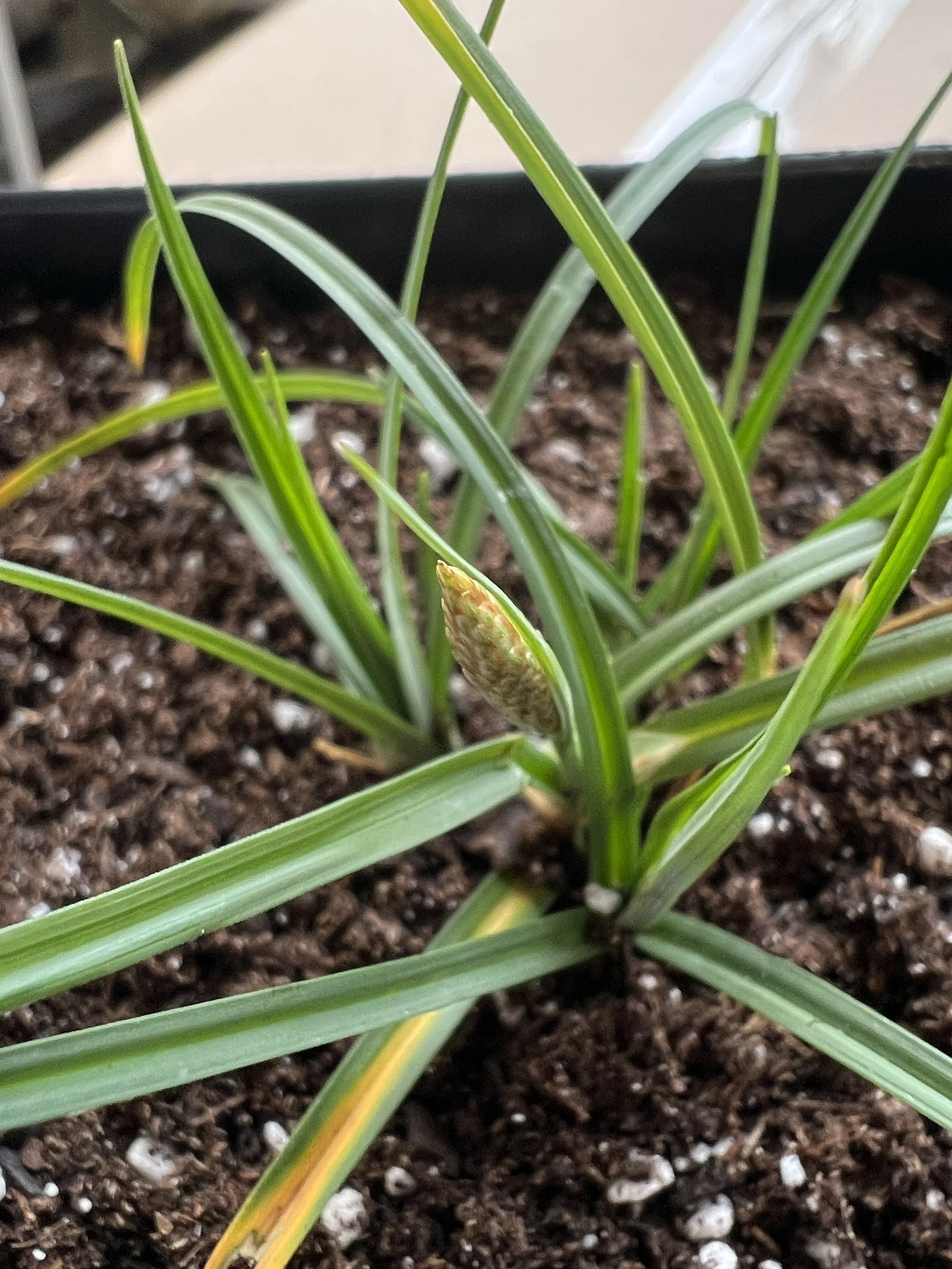
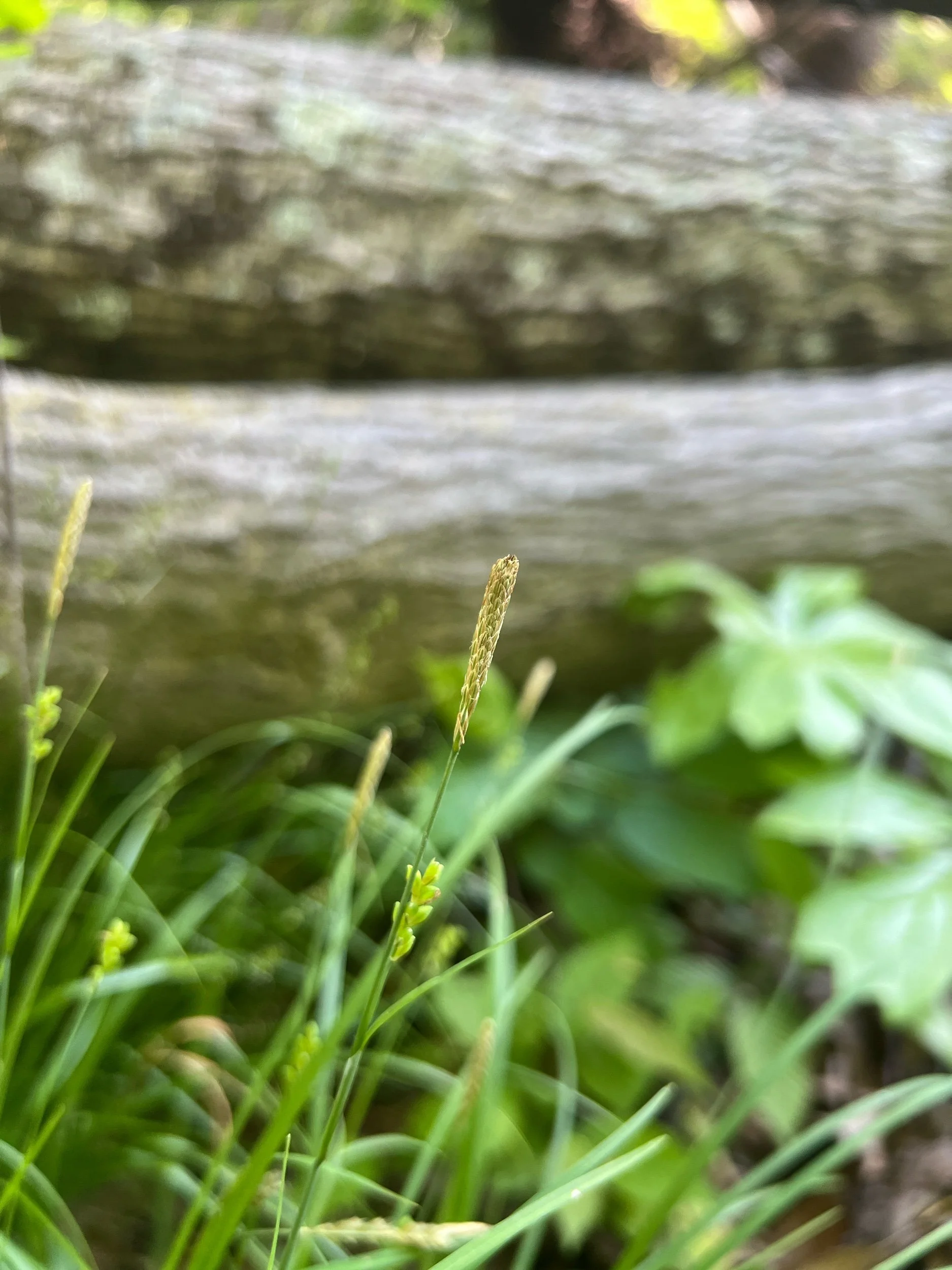
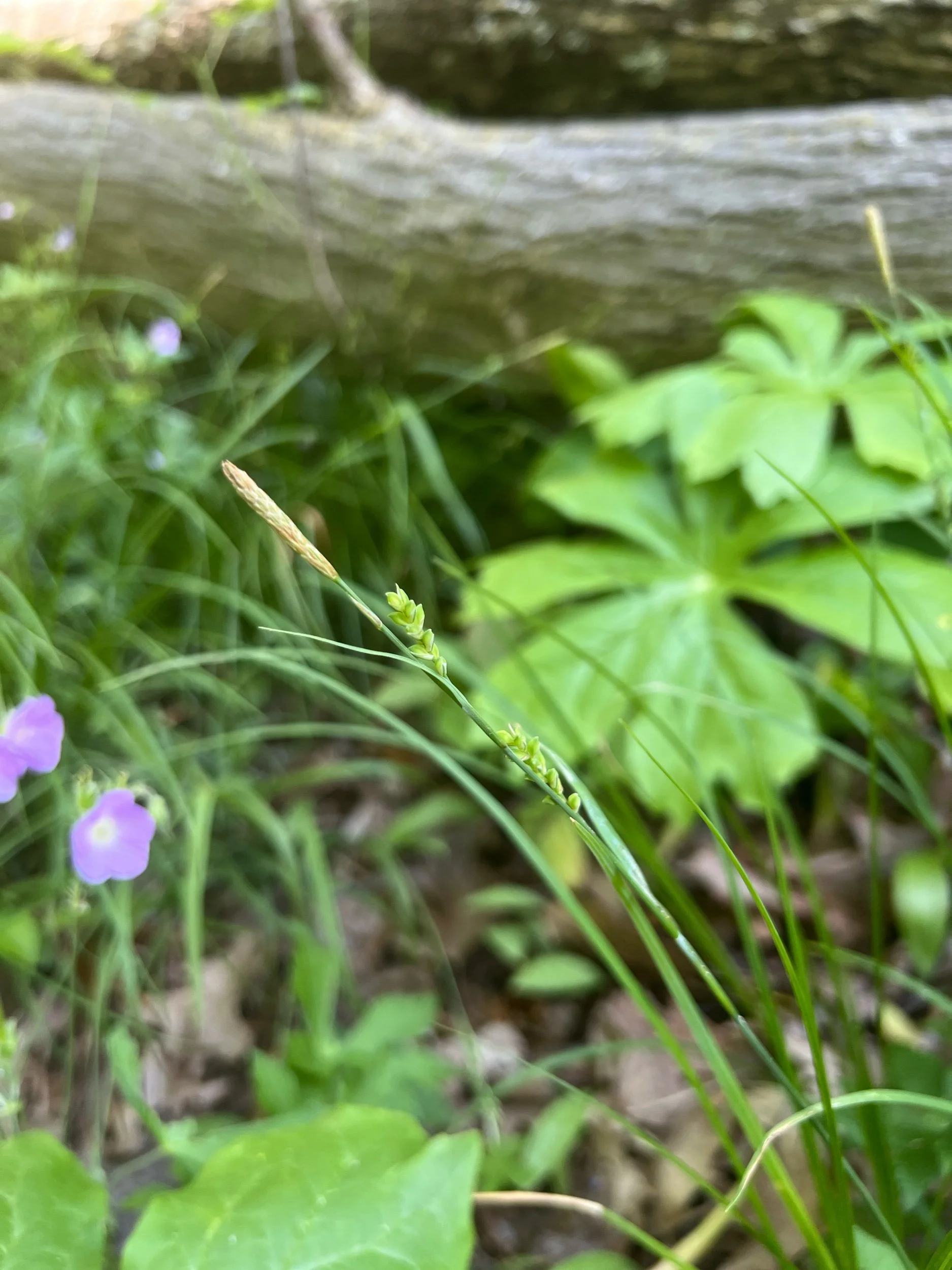
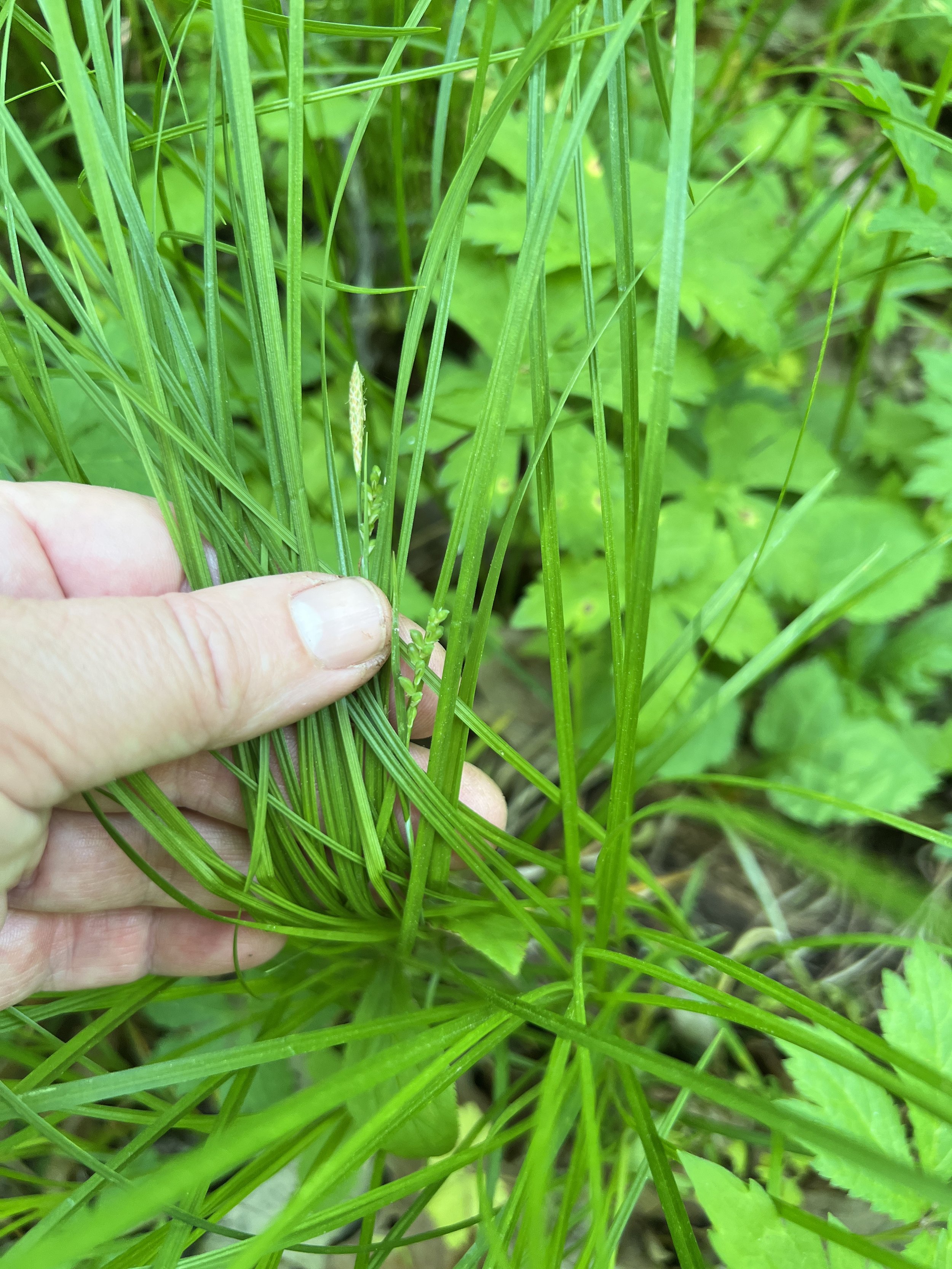
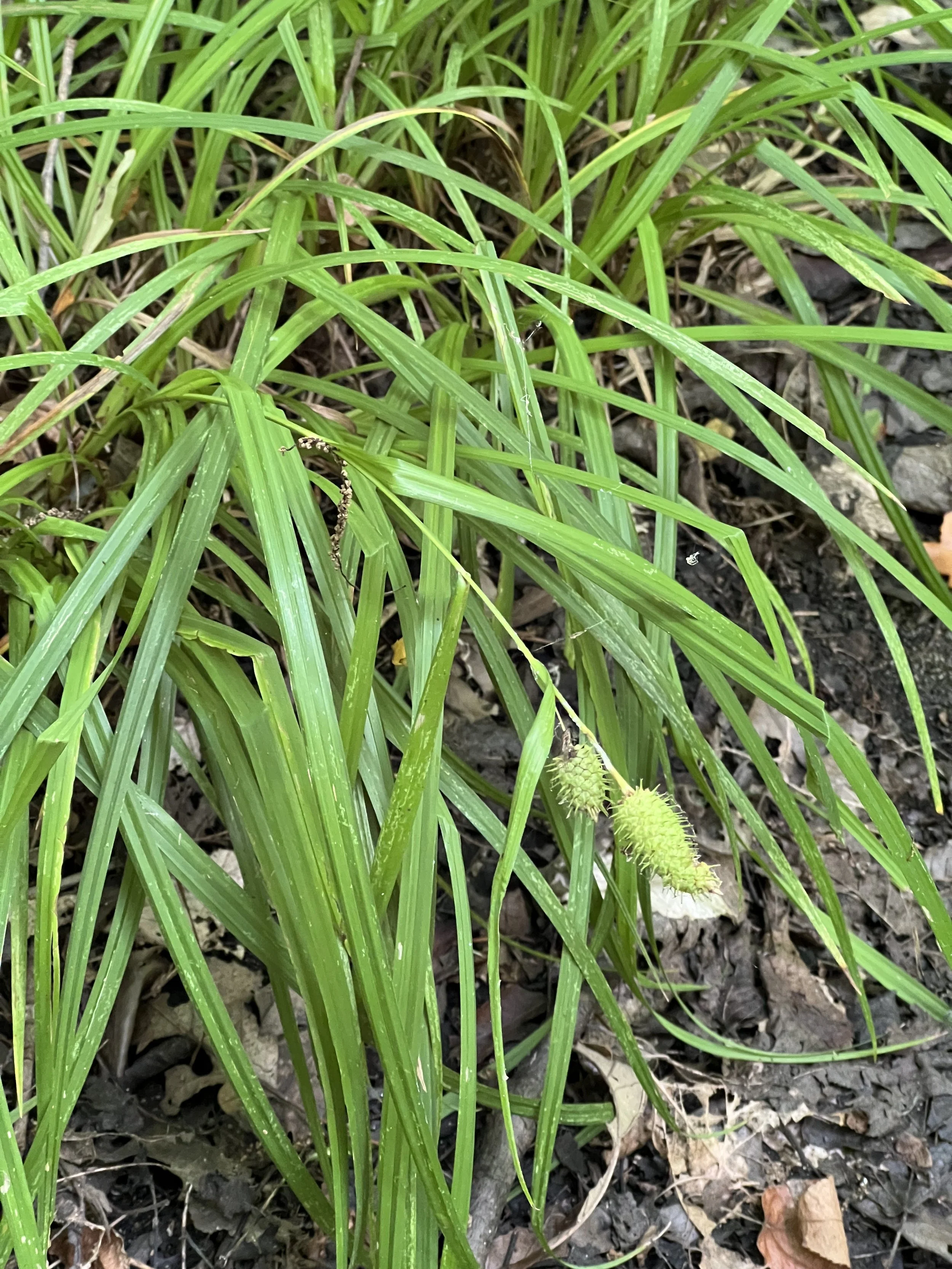
Common Cattail Sedge (Carex typhina)
from $3.50
Sold Out
Common Cattail Sedge is found in association with big rivers, like the Grand River in Michigan. It grows where there is seasonal flooding that subsequently drains off. It is a plant of wet forests that can adapt to the home landscape, especially in a shady rain garden. You may need to give it some water during a drought.
This sedge is particularly showy, staying under two feet tall. It has medium-wide leaves and an abundance of seed heads. It tends to stay upright rather than flopping over.
As a sedge it is the host plant to several skippers and moths as well as Eyed Brown and Appalachian Brown butterflies.
This sedge performed well growing in sun or shade in the Mt. Cuba Center’s Sedge Trial, however, it did not perform well when it was mowed.
Companion Plants: Cardinal Flower, Lanceleaf Frogfruit, Marsh Marigold, Bishop’s Cap, Marsh Fern
Common Cattail Sedge (Carex typhina)
Michigan Flora reference page for statewide distribution: Common Cattail Sedges
Height: 24”
Soil: clay-loam, sandy loam, loam, well-draining
Sun: part-sun, dappled light to shade
Plant spacing: 18”
Life Cycle: perennial
Family: Cyperaceae
Seed source: Michigan
Sizes:
Get notified by email when this product is in stock.
Common Cattail Sedge is found in association with big rivers, like the Grand River in Michigan. It grows where there is seasonal flooding that subsequently drains off. It is a plant of wet forests that can adapt to the home landscape, especially in a shady rain garden. You may need to give it some water during a drought.
This sedge is particularly showy, staying under two feet tall. It has medium-wide leaves and an abundance of seed heads. It tends to stay upright rather than flopping over.
As a sedge it is the host plant to several skippers and moths as well as Eyed Brown and Appalachian Brown butterflies.
This sedge performed well growing in sun or shade in the Mt. Cuba Center’s Sedge Trial, however, it did not perform well when it was mowed.
Companion Plants: Cardinal Flower, Lanceleaf Frogfruit, Marsh Marigold, Bishop’s Cap, Marsh Fern
Common Cattail Sedge (Carex typhina)
Michigan Flora reference page for statewide distribution: Common Cattail Sedges
Height: 24”
Soil: clay-loam, sandy loam, loam, well-draining
Sun: part-sun, dappled light to shade
Plant spacing: 18”
Life Cycle: perennial
Family: Cyperaceae
Seed source: Michigan