Image 1 of 4
Image 2 of 4
Image 3 of 4
Image 4 of 4
Deer tongue grass (Dichanthelium clandestinum)
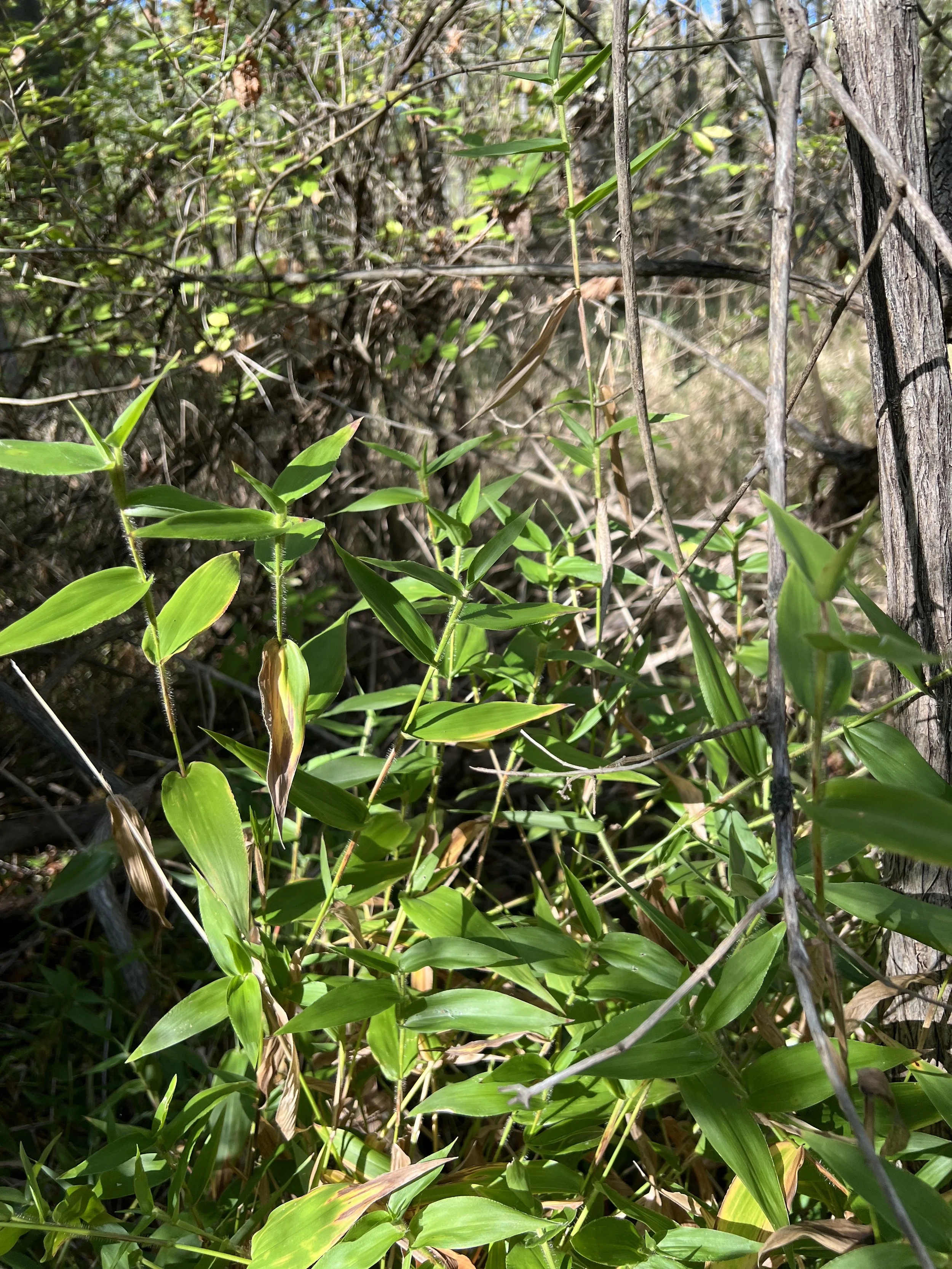
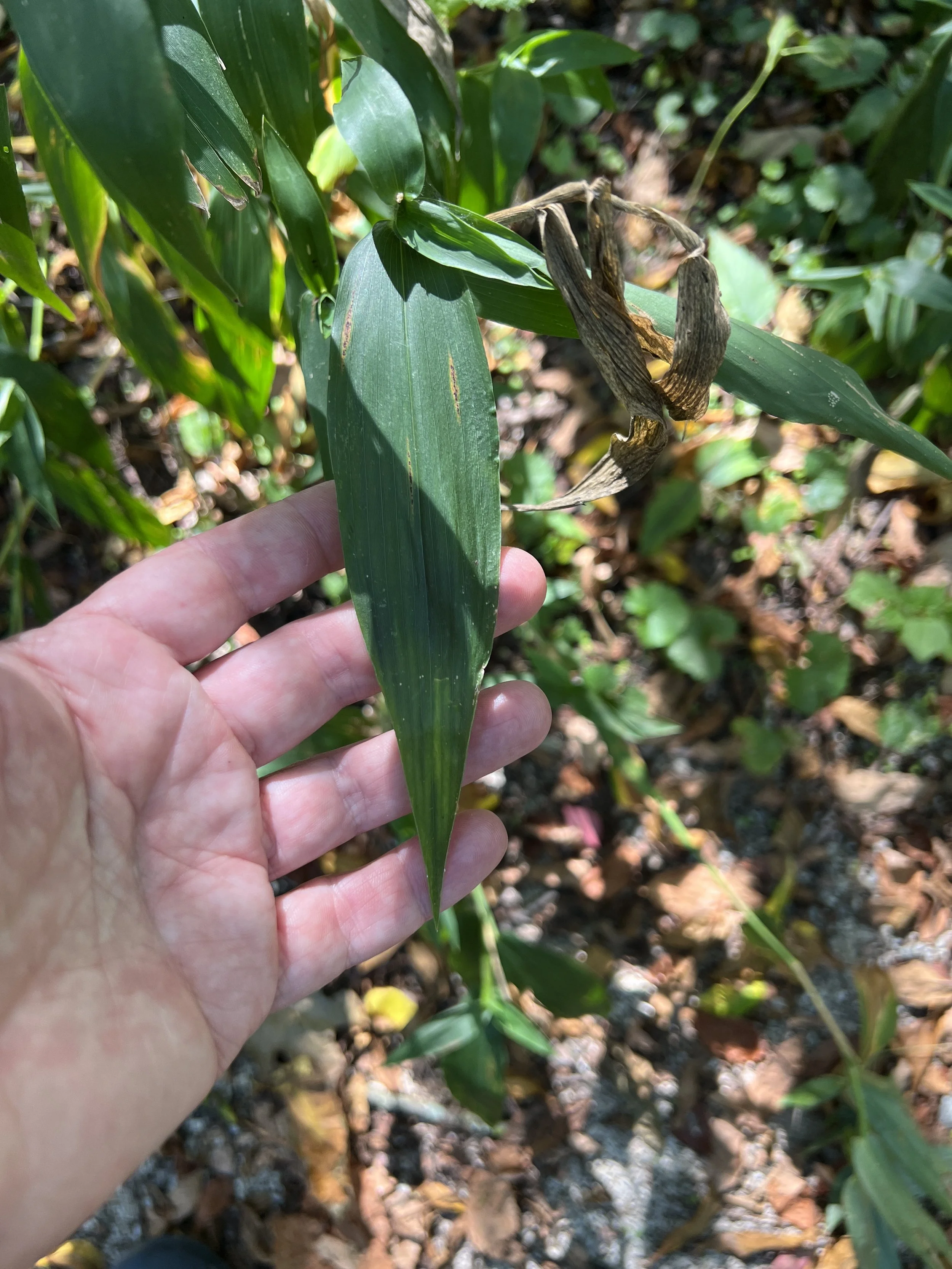
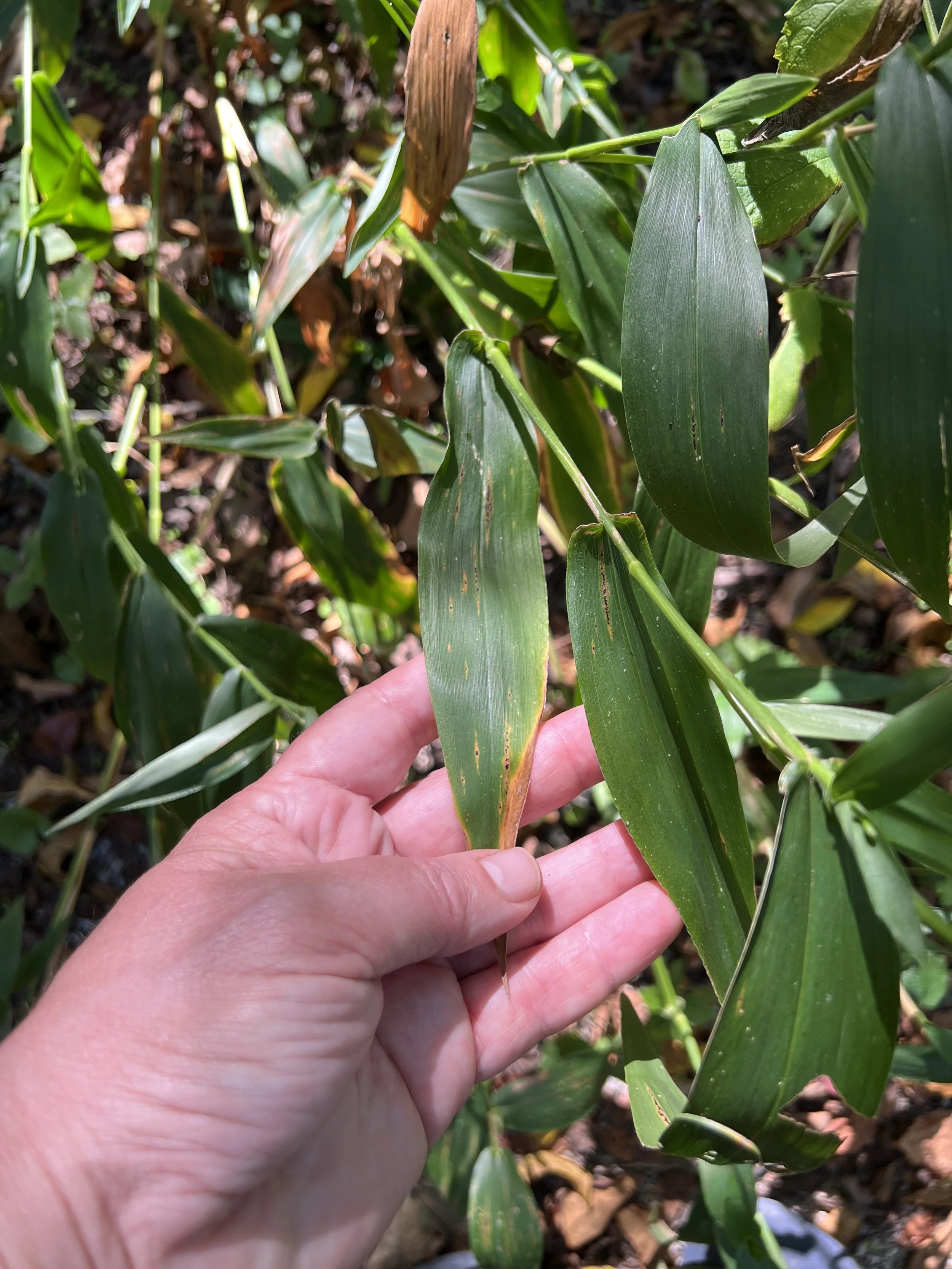
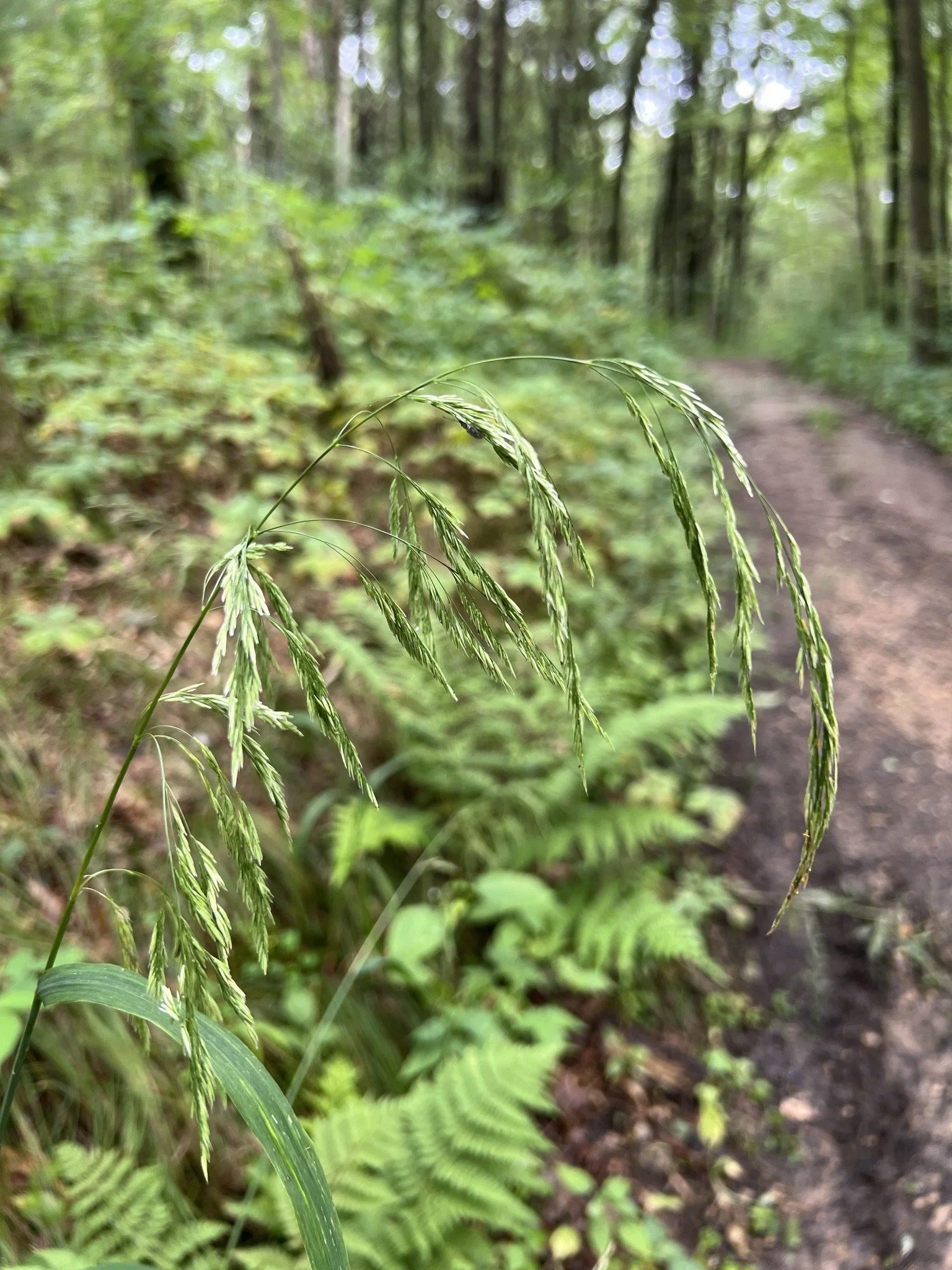
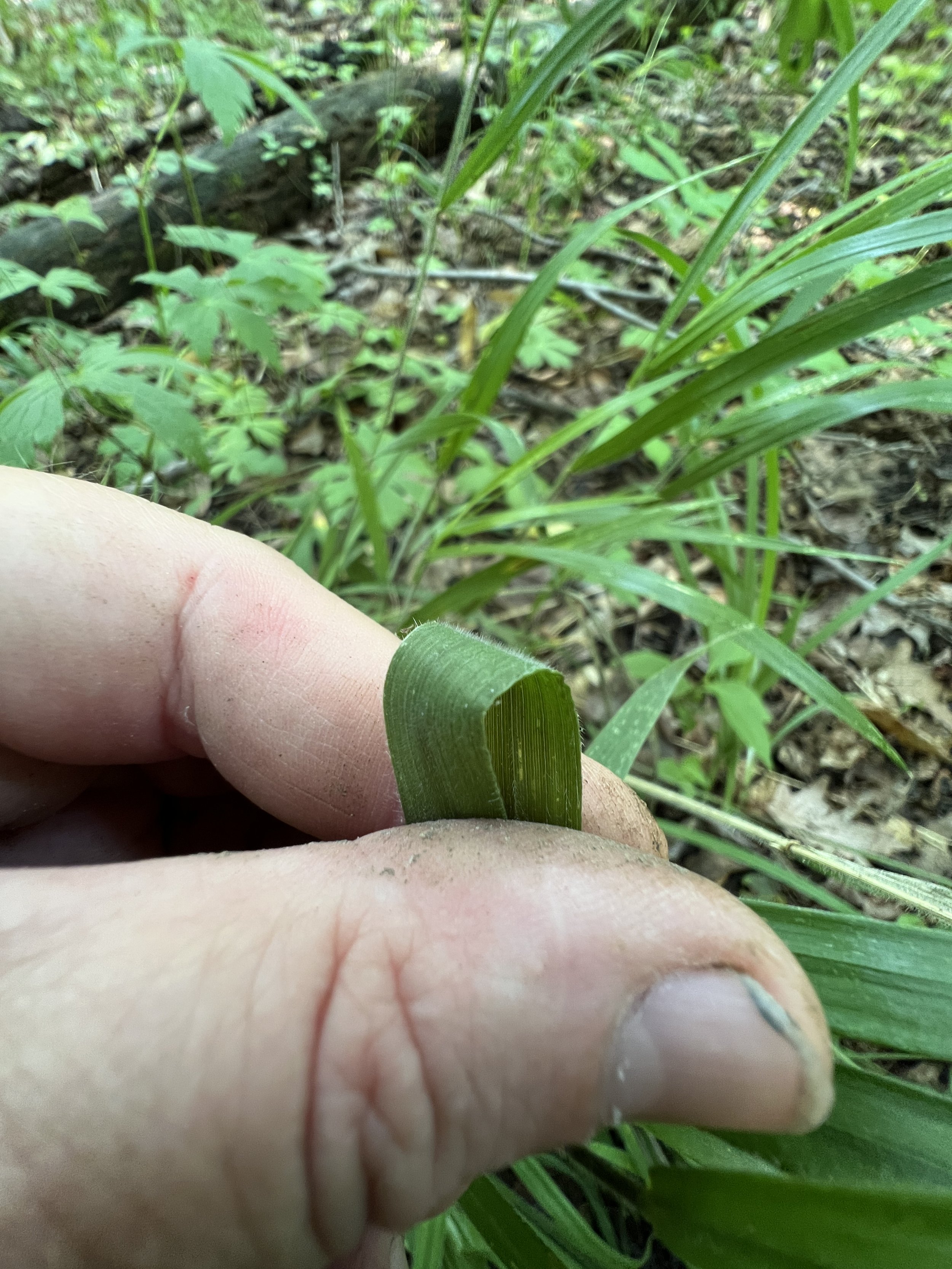
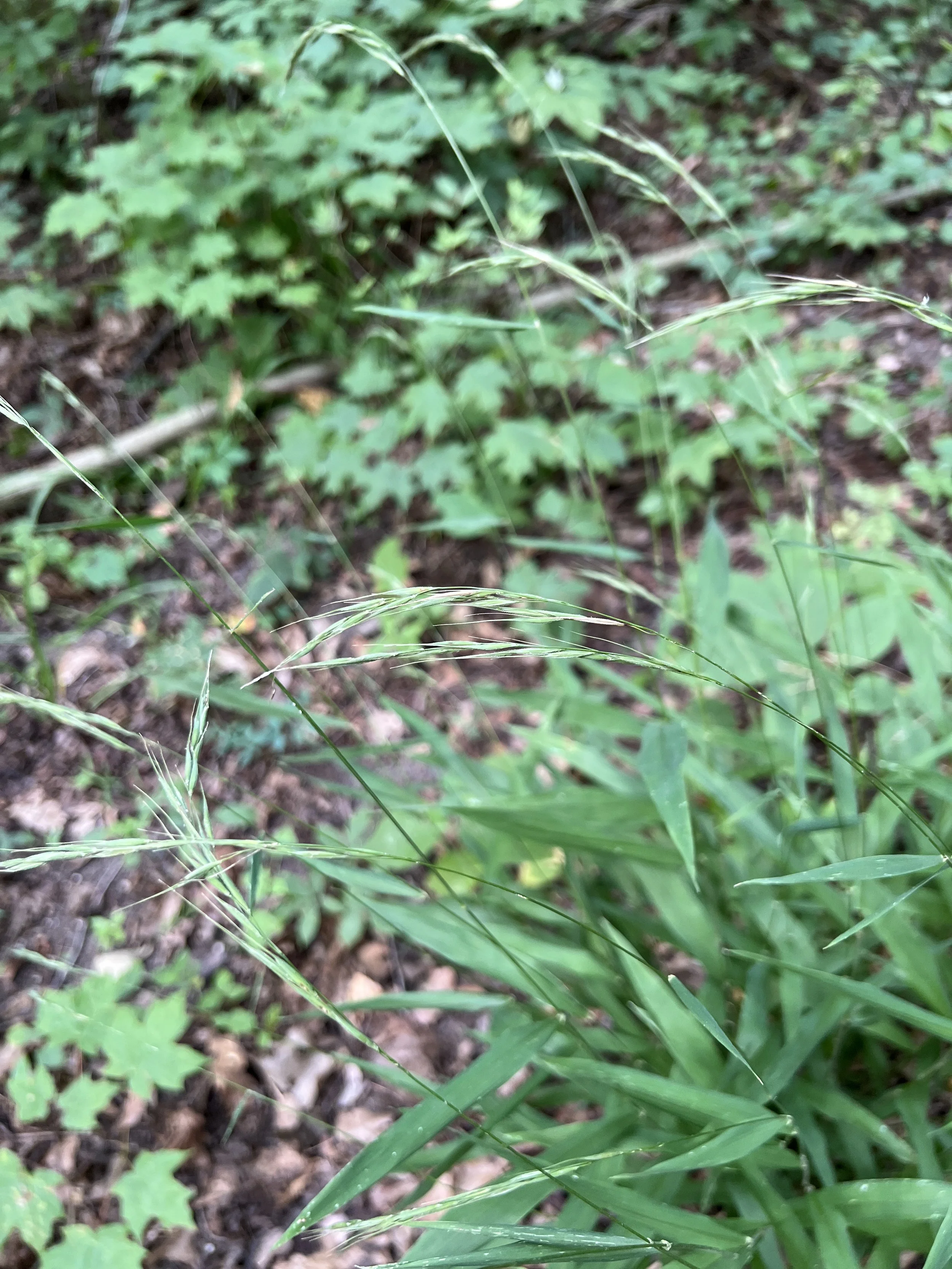
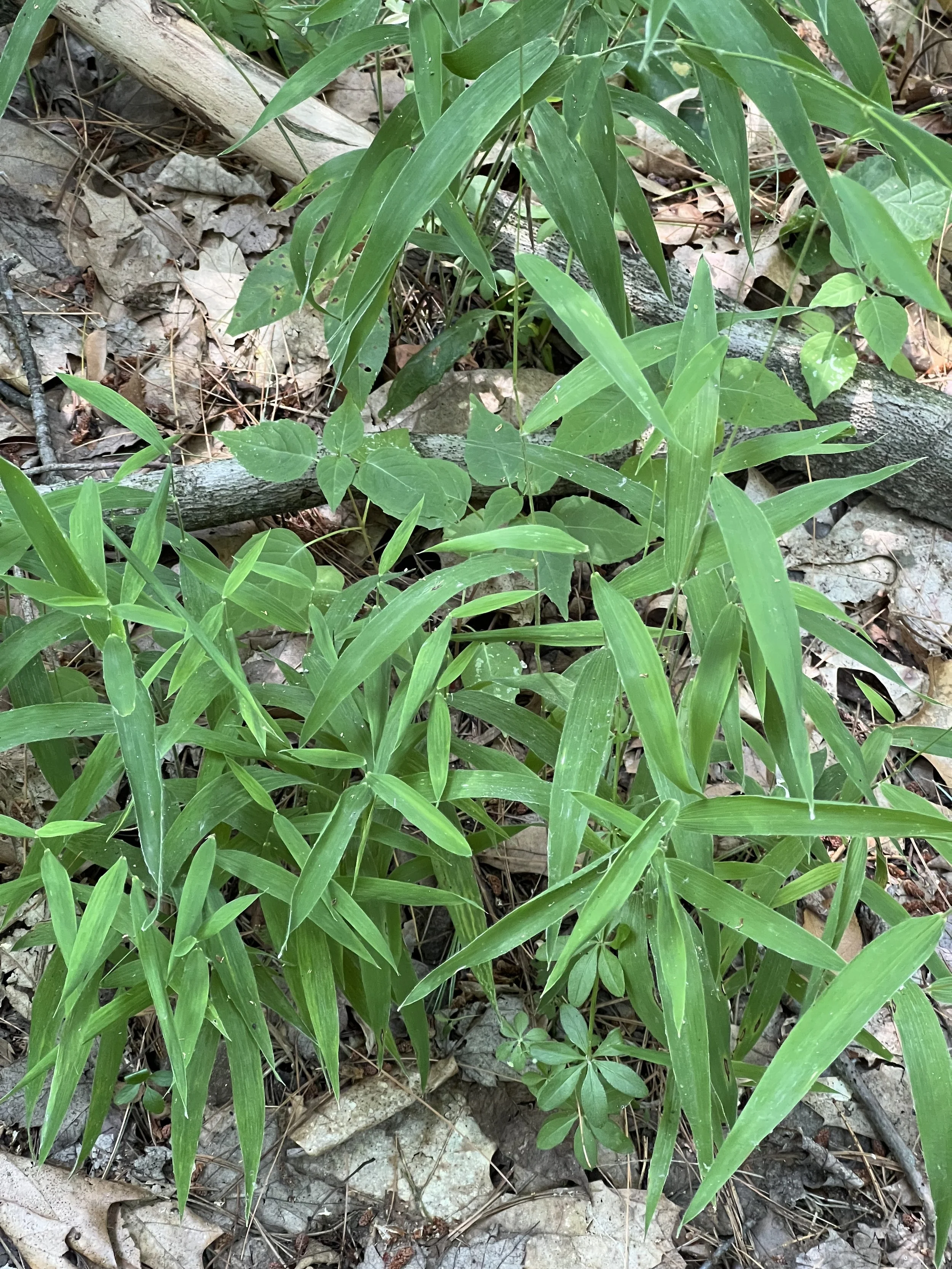
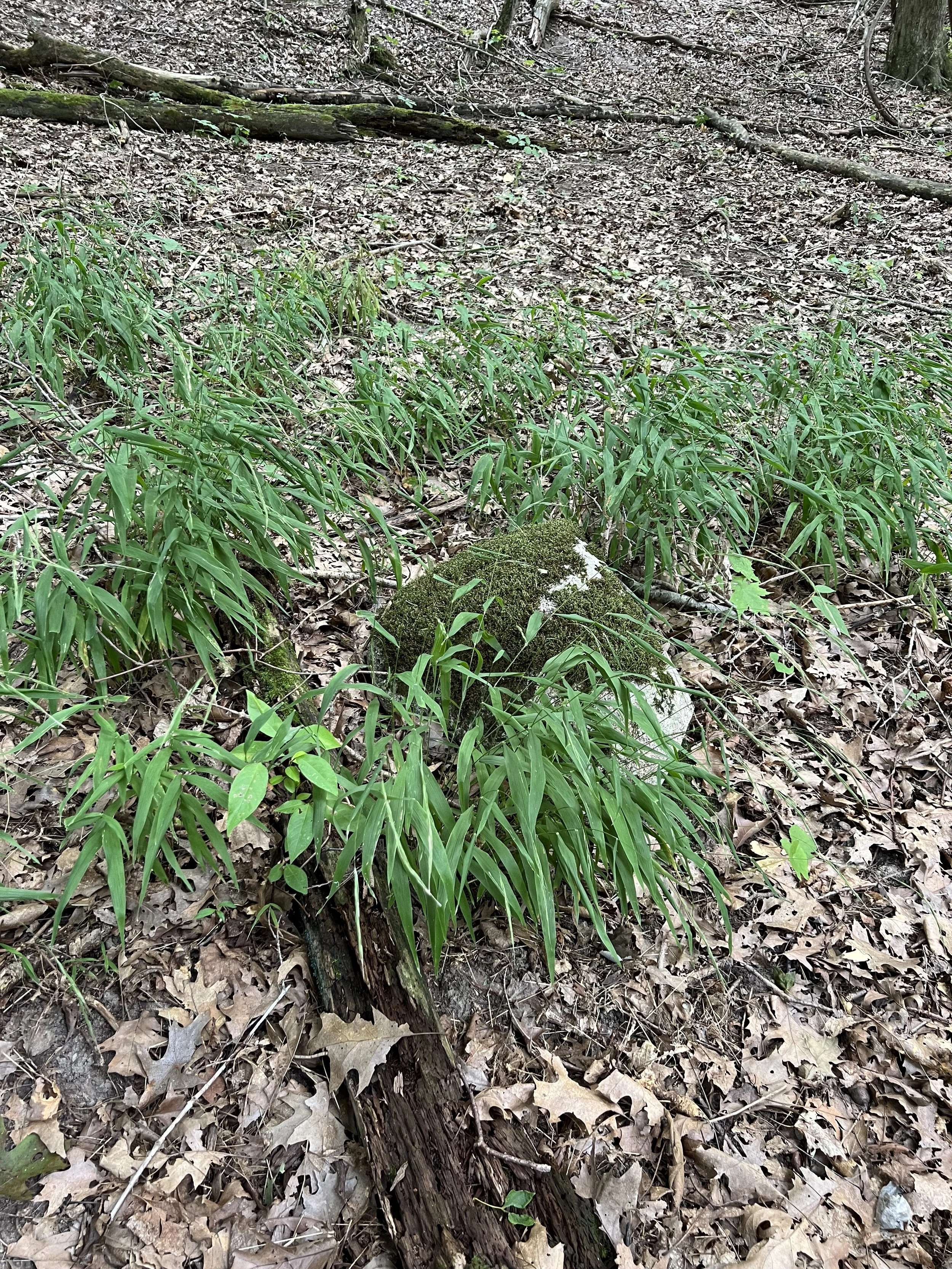
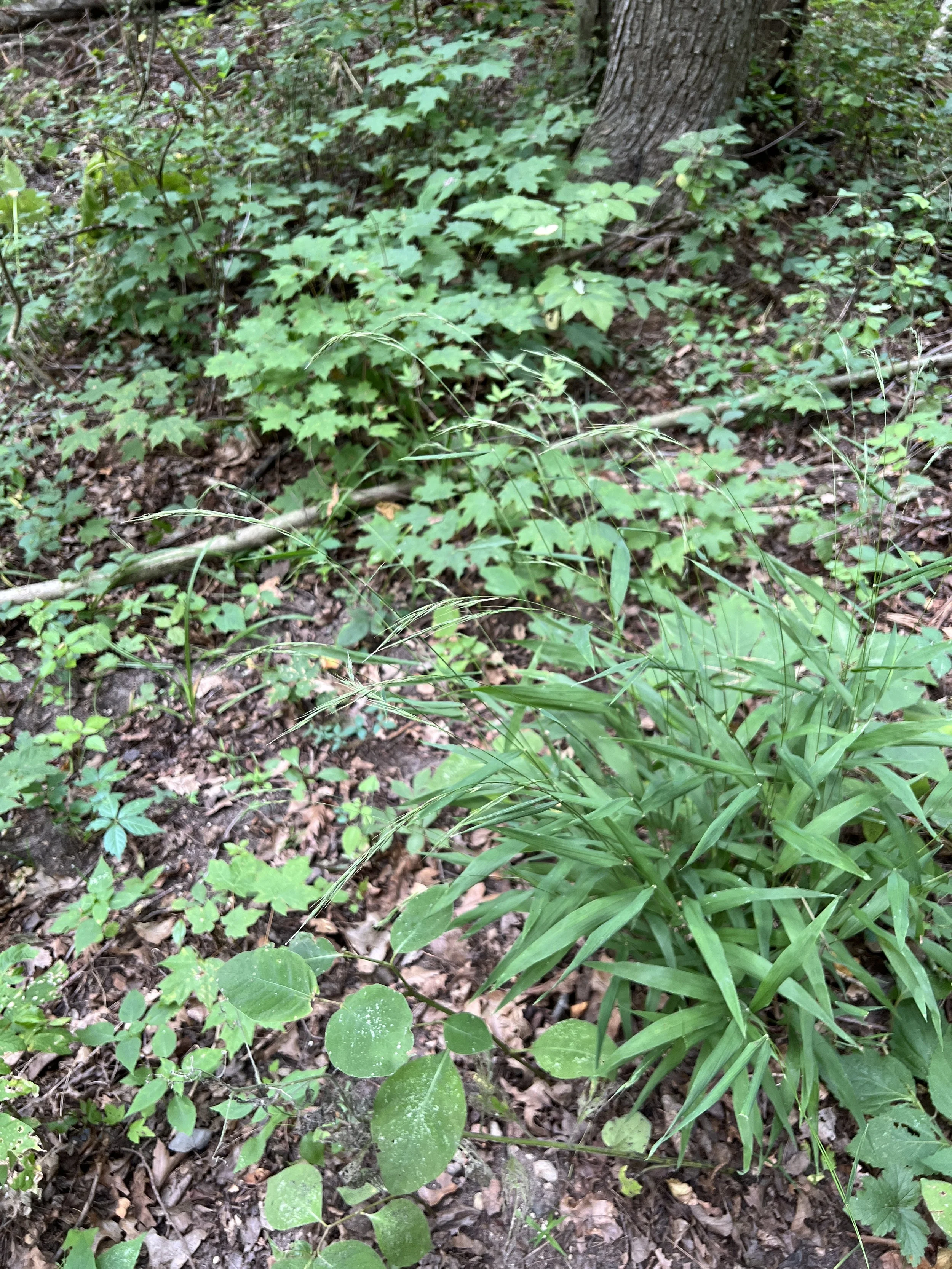
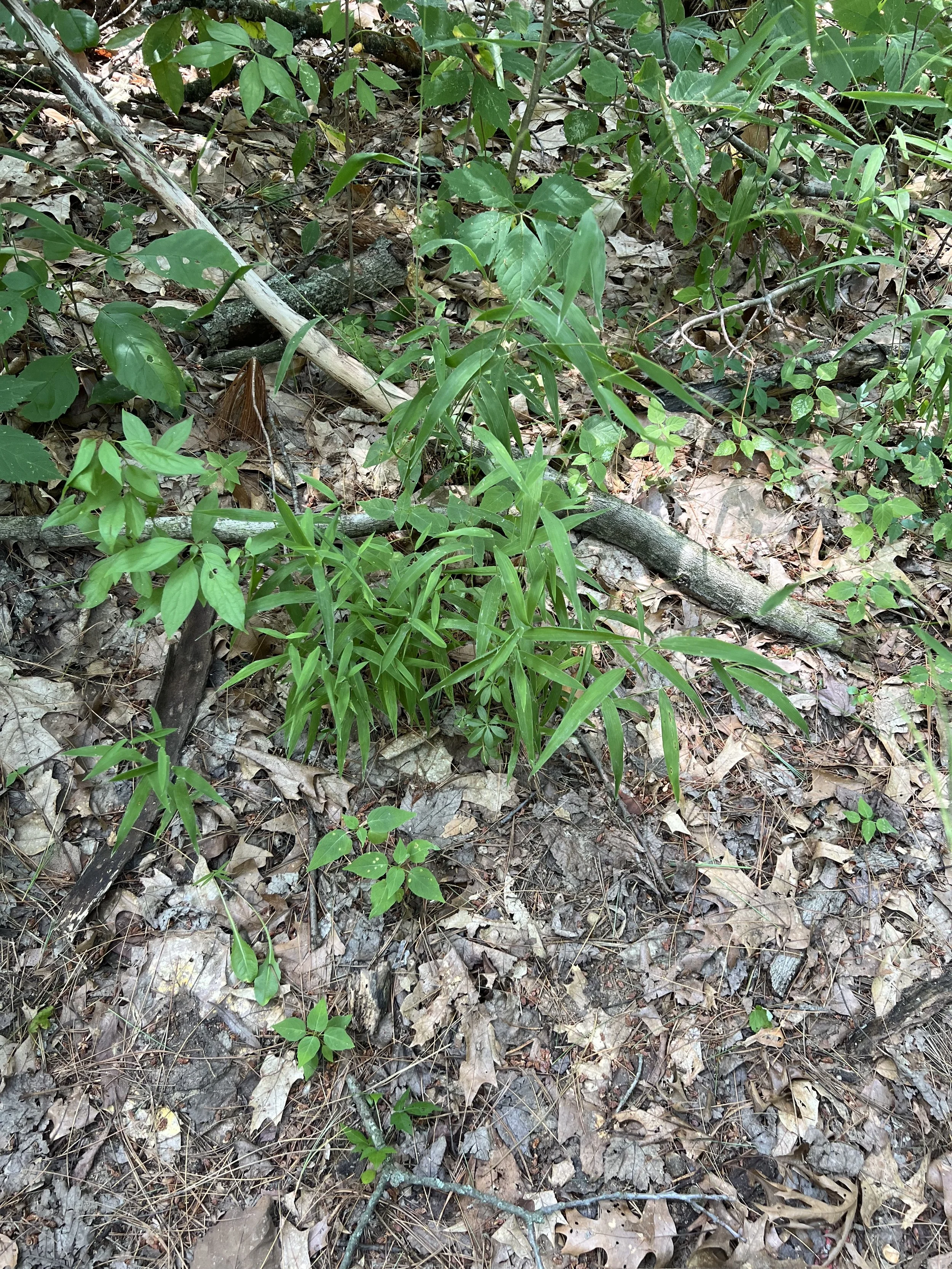
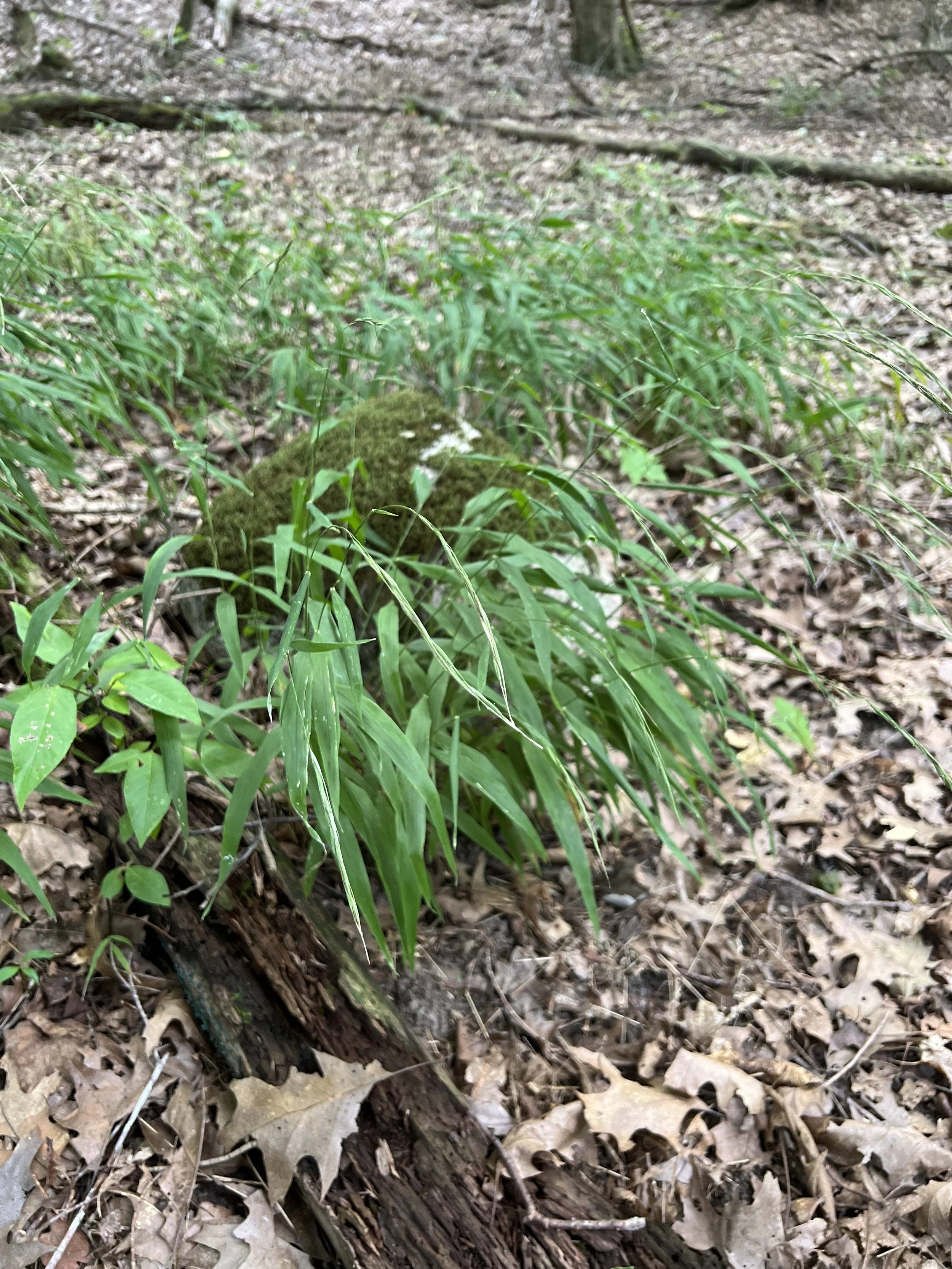
Deer tongue grass is one of Michigan’s lovely wide-leaved panic grasses. It has rhizomes and can form a patch over time.
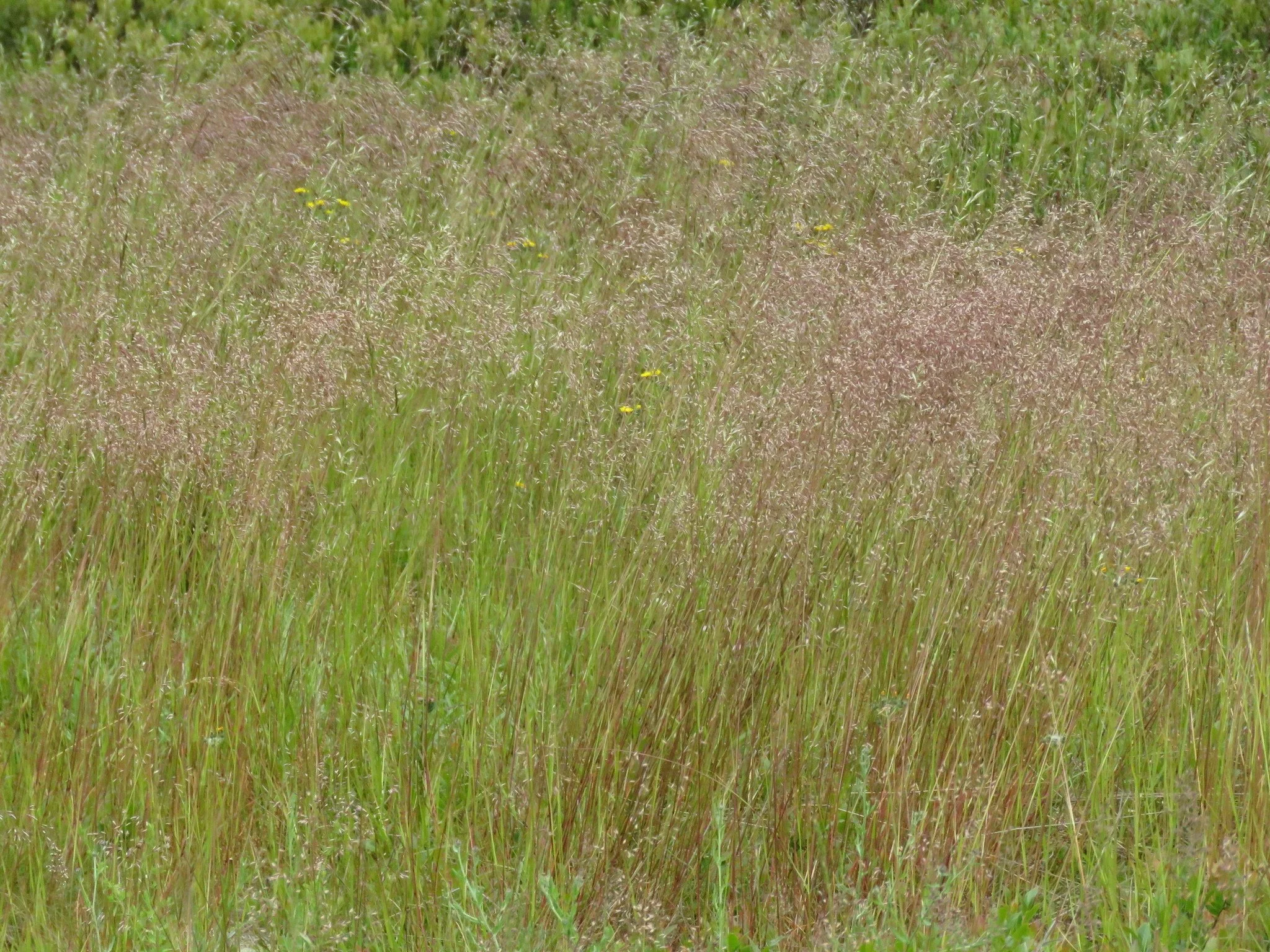
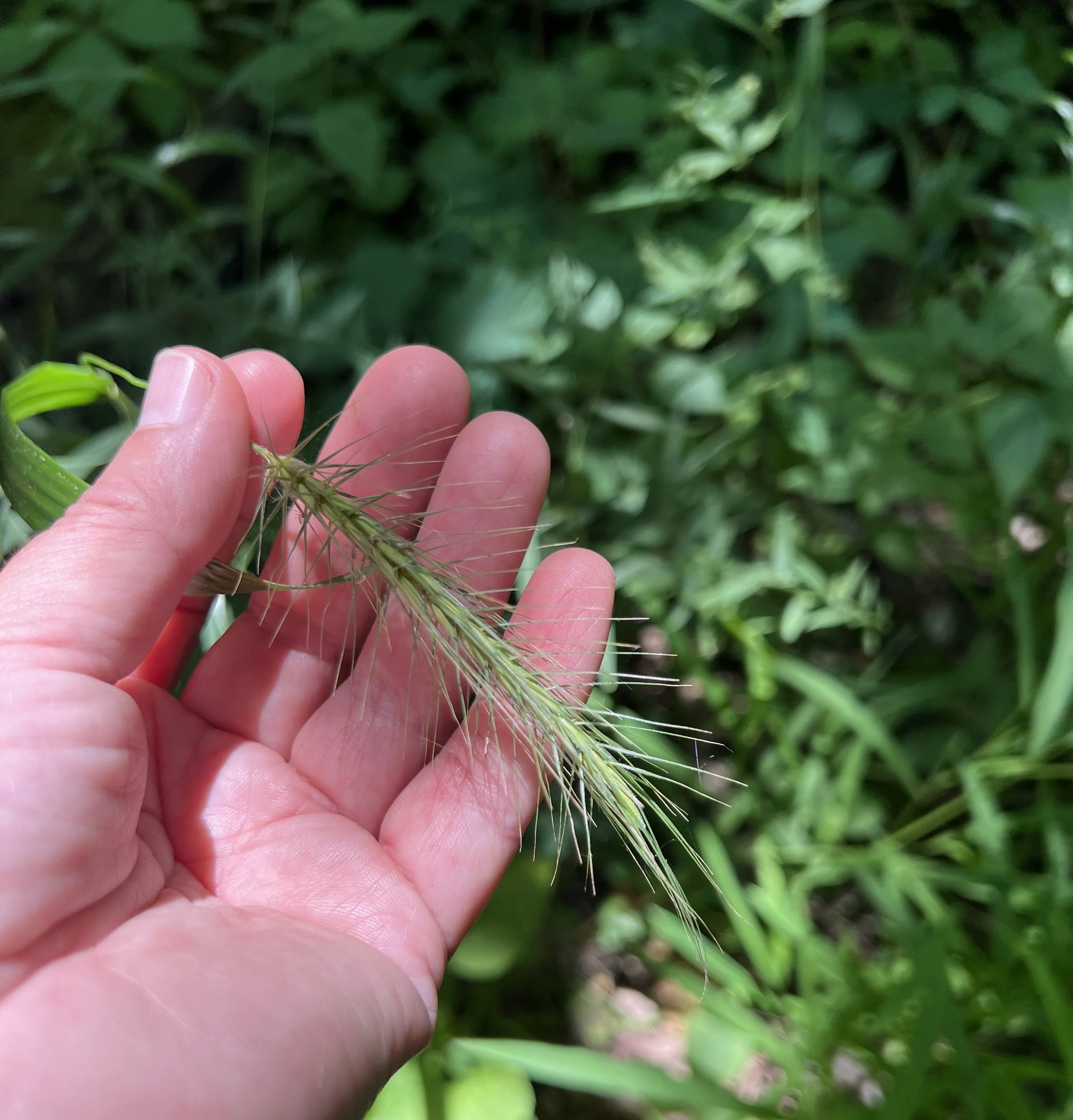
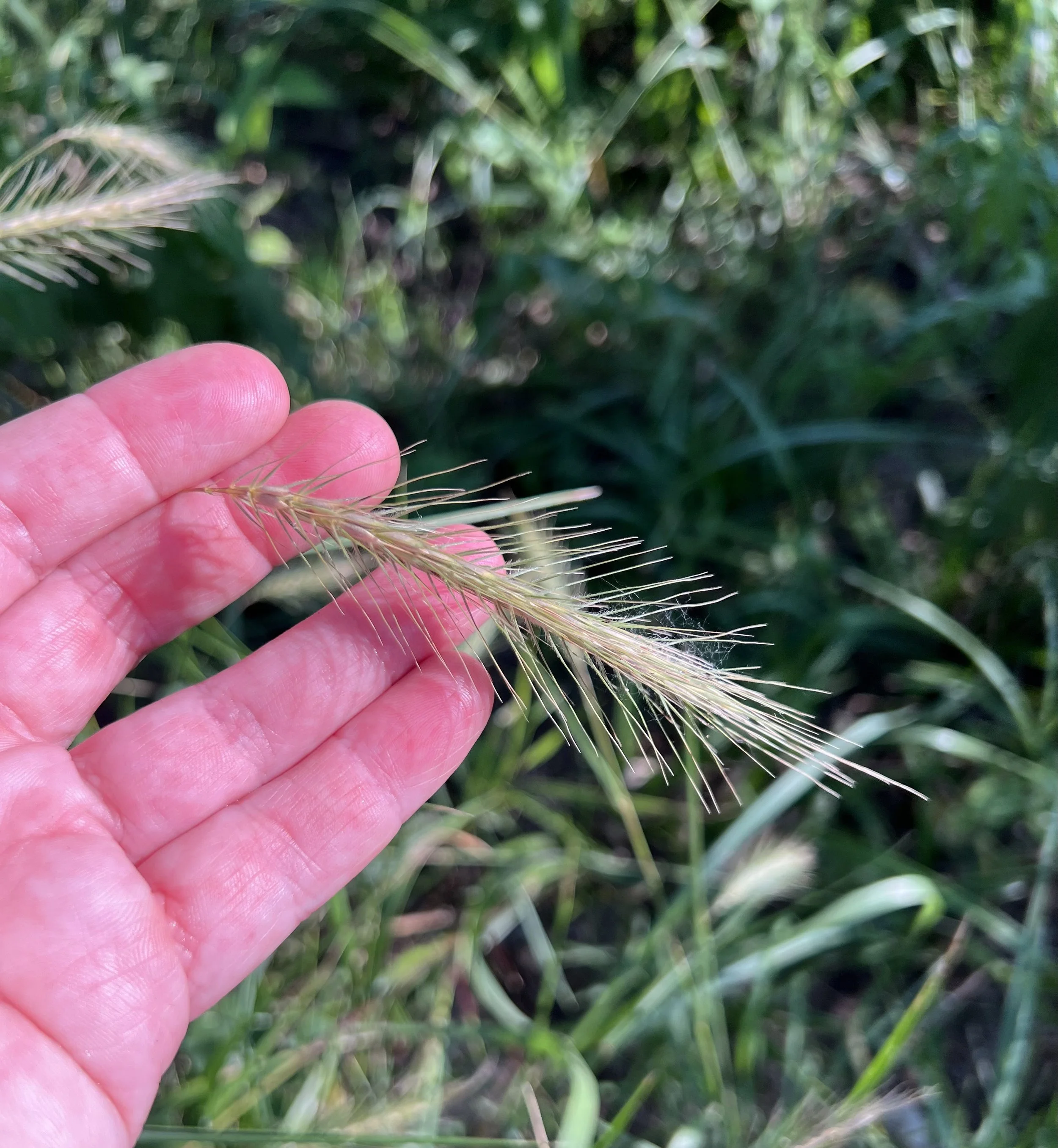
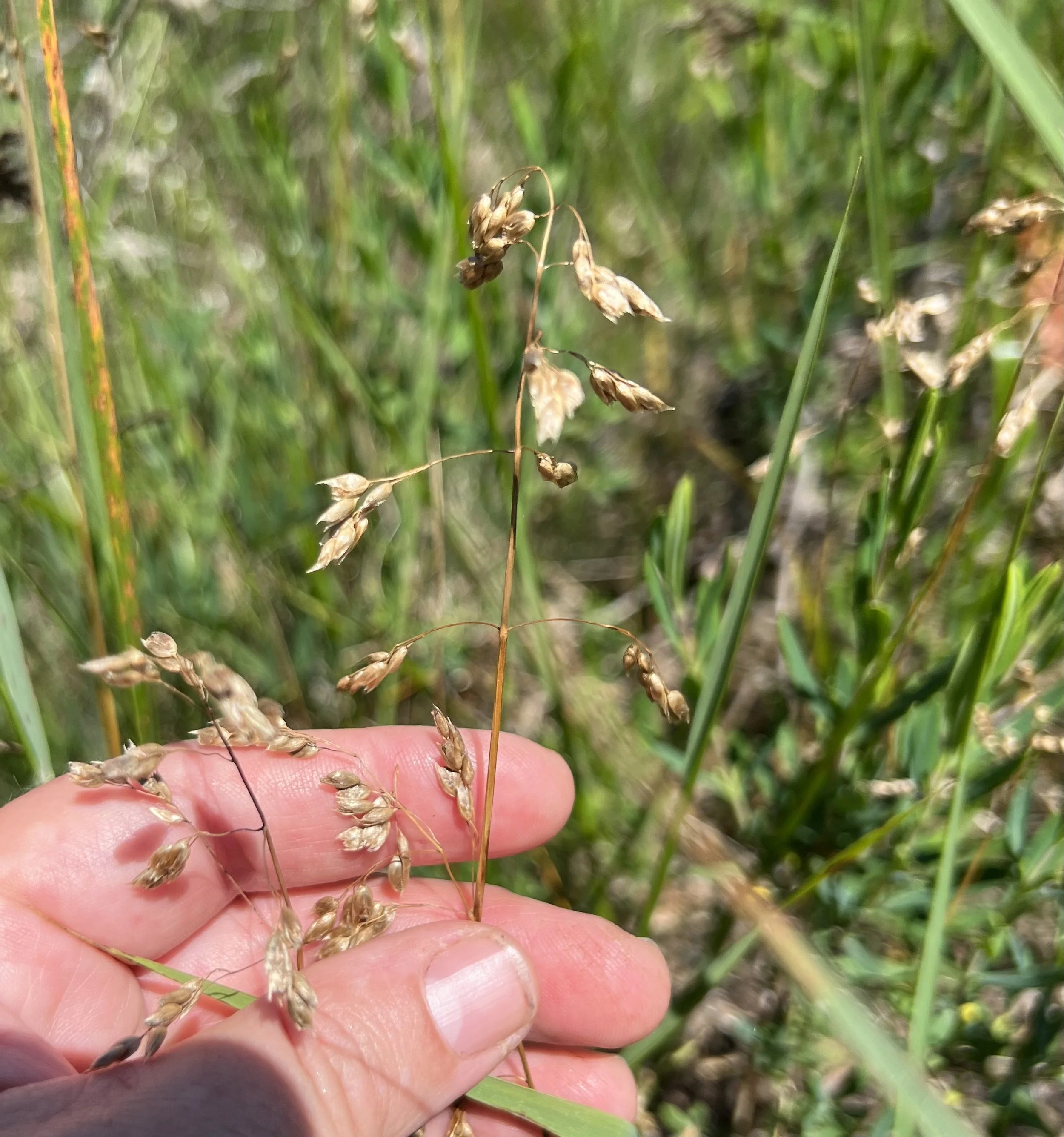
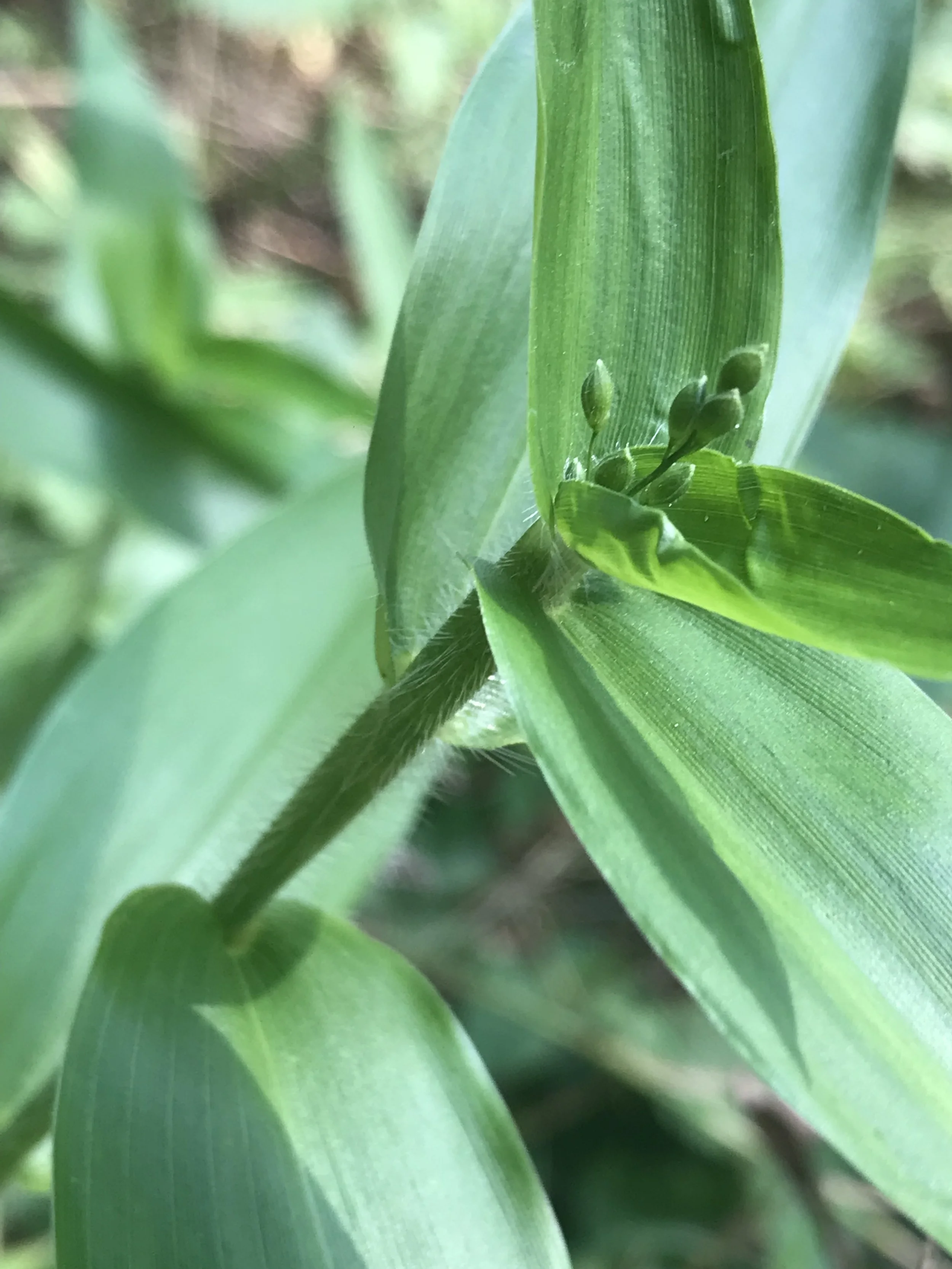
Deer tongue grass grows in flood plain areas and on the borders of forests in sandy-loamy soil. Leaves can be 1” wide. In the spring, this grass sends up a pyramid shape inflorescence. In the fall, the grass often makes seeds again but they stay hidden in the culm, and thus the species epithet, clandestinum. The plant is not branched in the spring, but in the autumn, it can branch and put on extra height so that it ranges from 1-4.5’ tall!
Deer tongue grass is a host plant for many moths and the seeds are a good food source for small birds like sparrows.
Consider adding at least one grass species to your planting. They provide many ecosystem services like retaining water, hosting insects, and providing shelter and food for small animals. This is a showy grass species that will please the human eye as well.
Deer tongue grass (Dichanthelium clandestinum)
Michigan Flora reference page for state distribution: Deer tongue grass
Deer tongue grass is one of Michigan’s lovely wide-leaved panic grasses. It has rhizomes and can form a patch over time.
Deer tongue grass grows in flood plain areas and on the borders of forests in sandy-loamy soil. Leaves can be 1” wide. In the spring, this grass sends up a pyramid shape inflorescence. In the fall, the grass often makes seeds again but they stay hidden in the culm, and thus the species epithet, clandestinum. The plant is not branched in the spring, but in the autumn, it can branch and put on extra height so that it ranges from 1-4.5’ tall!
Deer tongue grass is a host plant for many moths and the seeds are a good food source for small birds like sparrows.
Consider adding at least one grass species to your planting. They provide many ecosystem services like retaining water, hosting insects, and providing shelter and food for small animals. This is a showy grass species that will please the human eye as well.
Deer tongue grass (Dichanthelium clandestinum)
Michigan Flora reference page for state distribution: Deer tongue grass