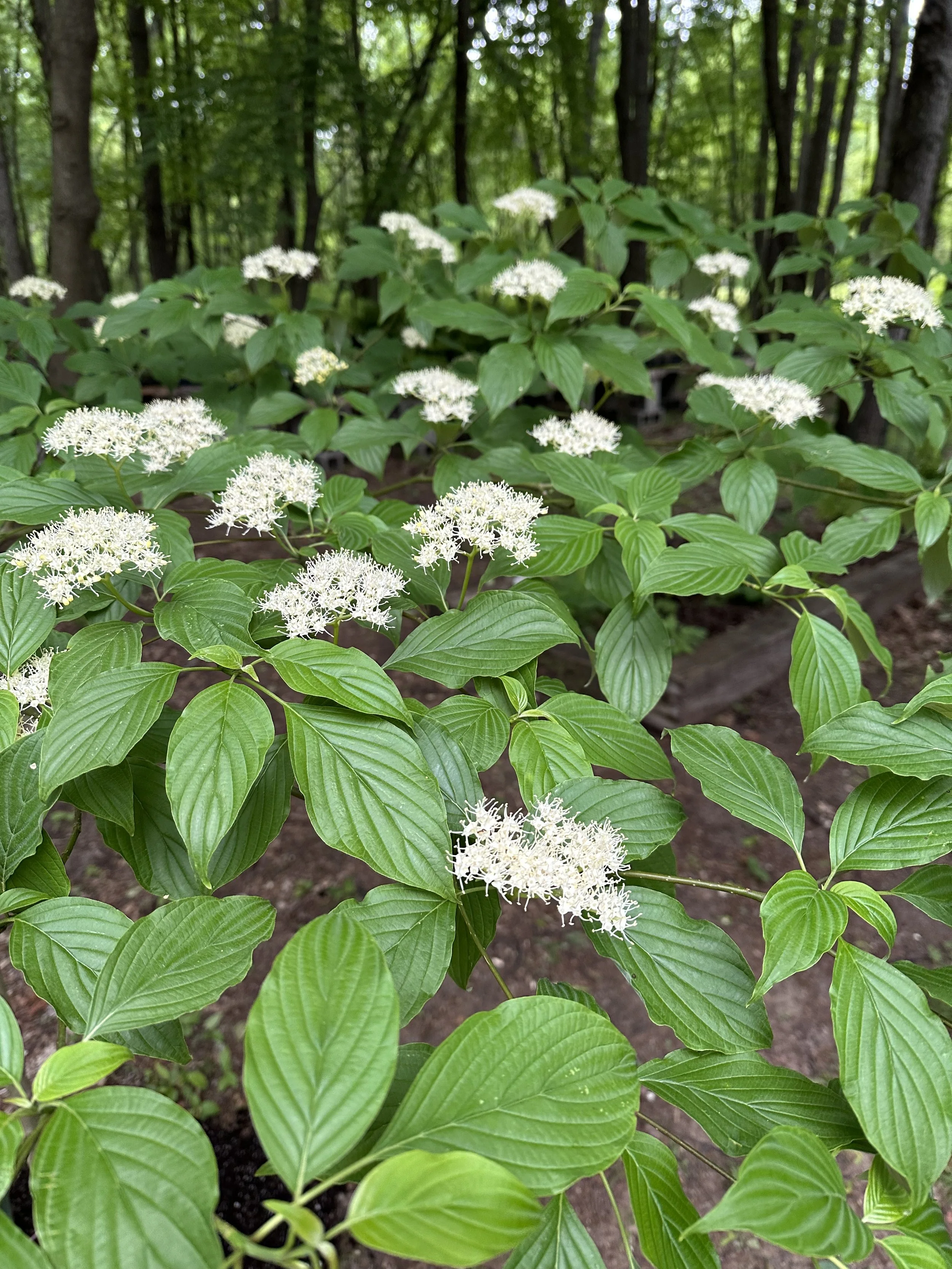
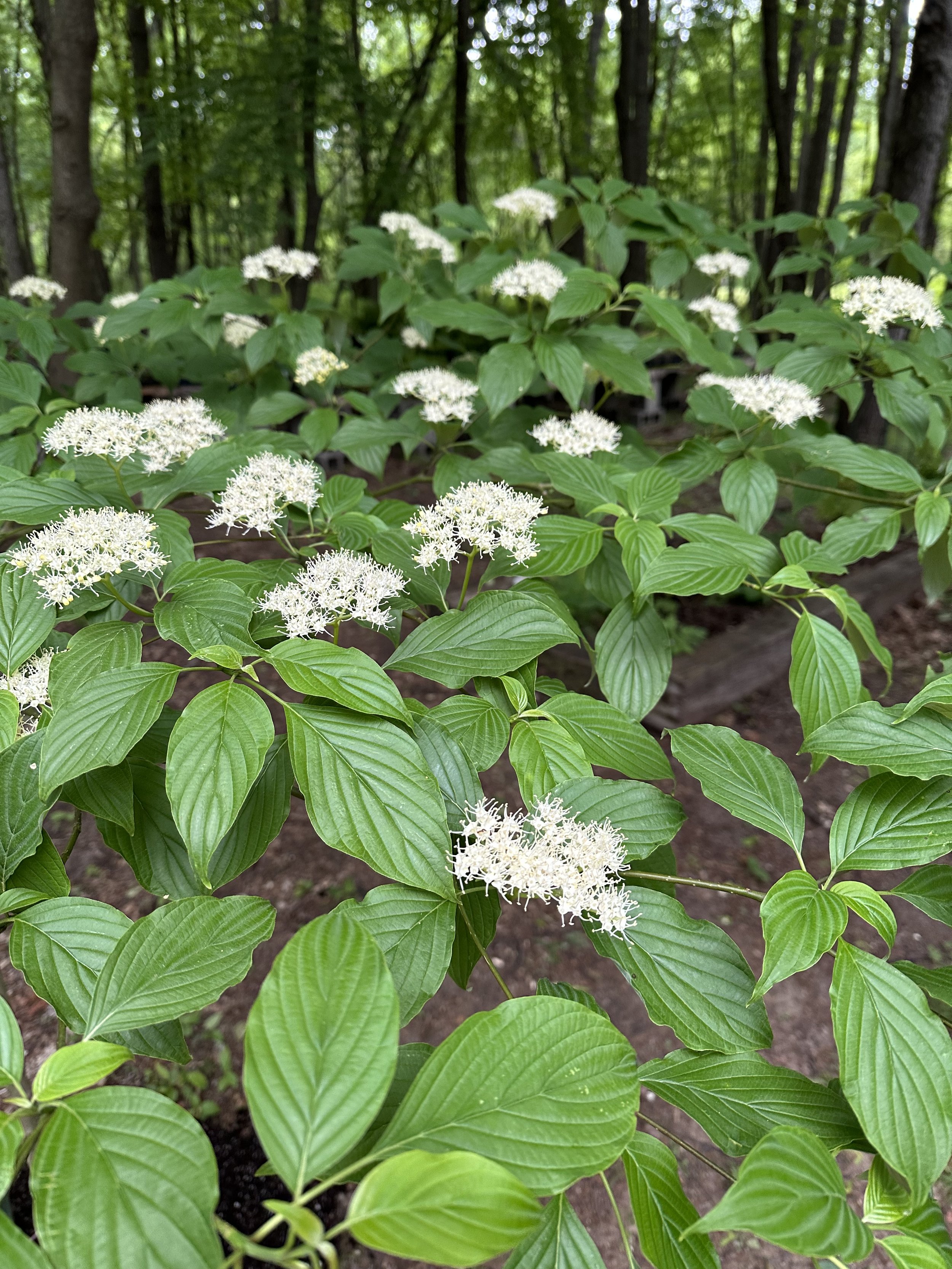
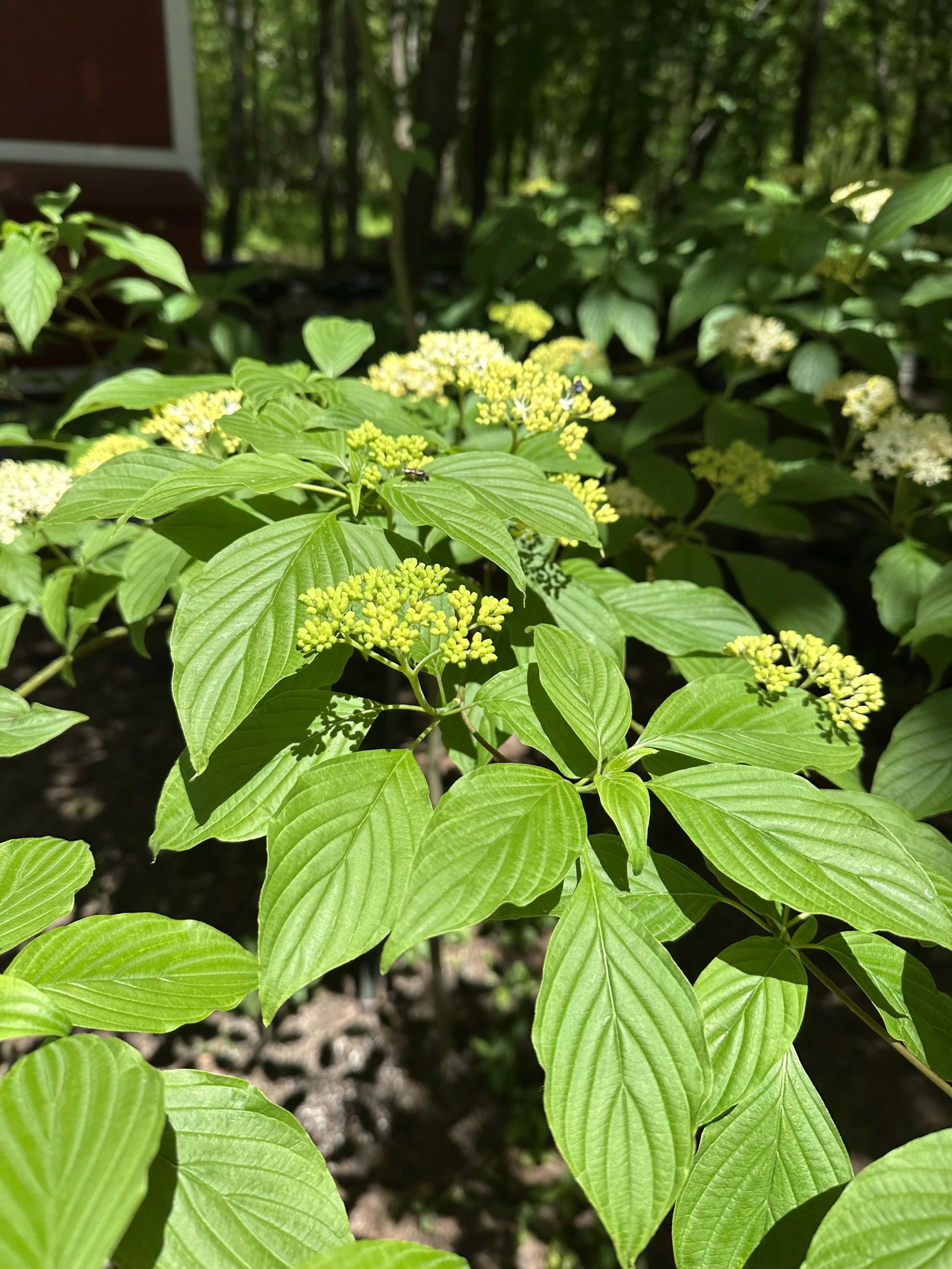
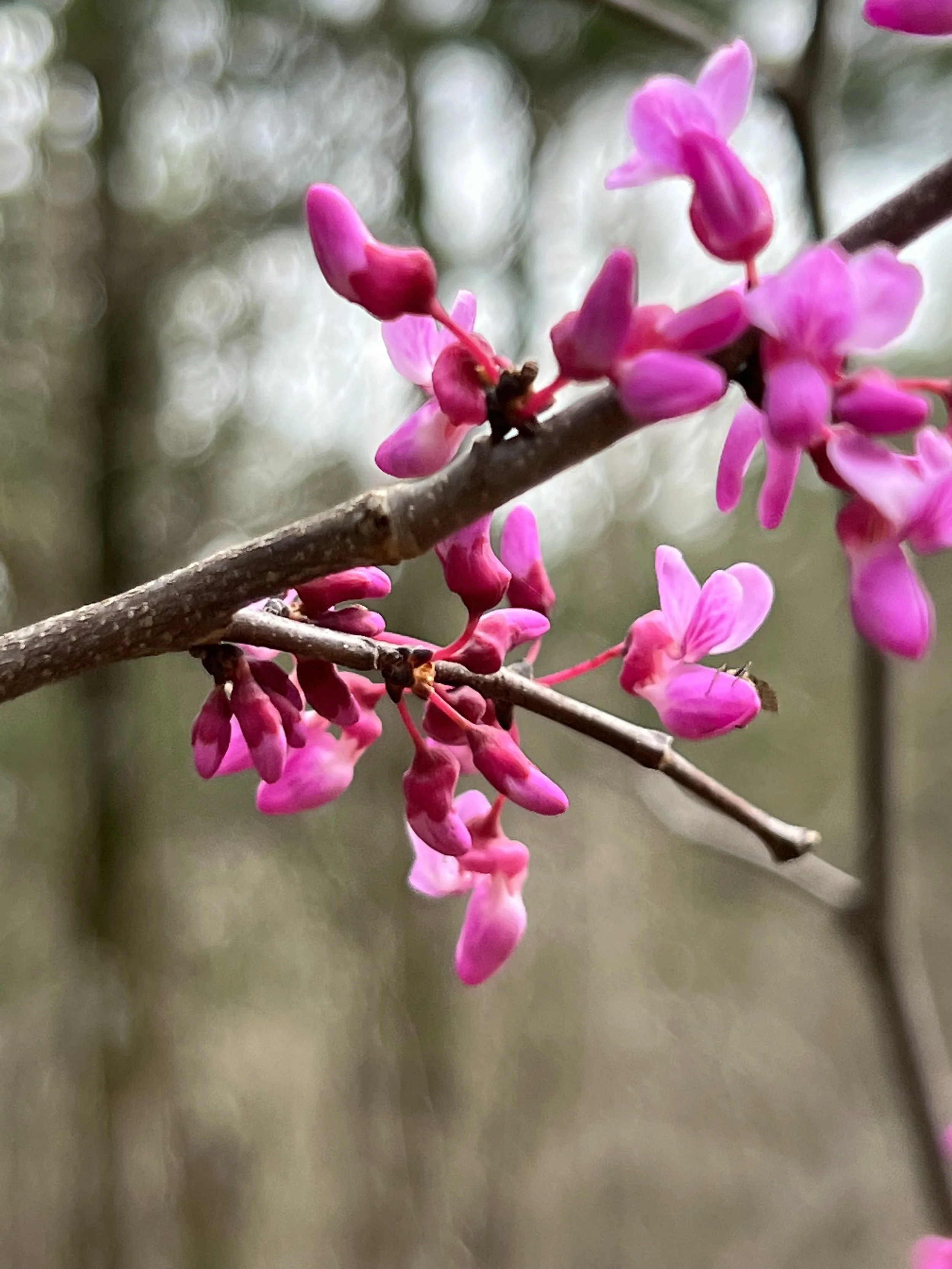
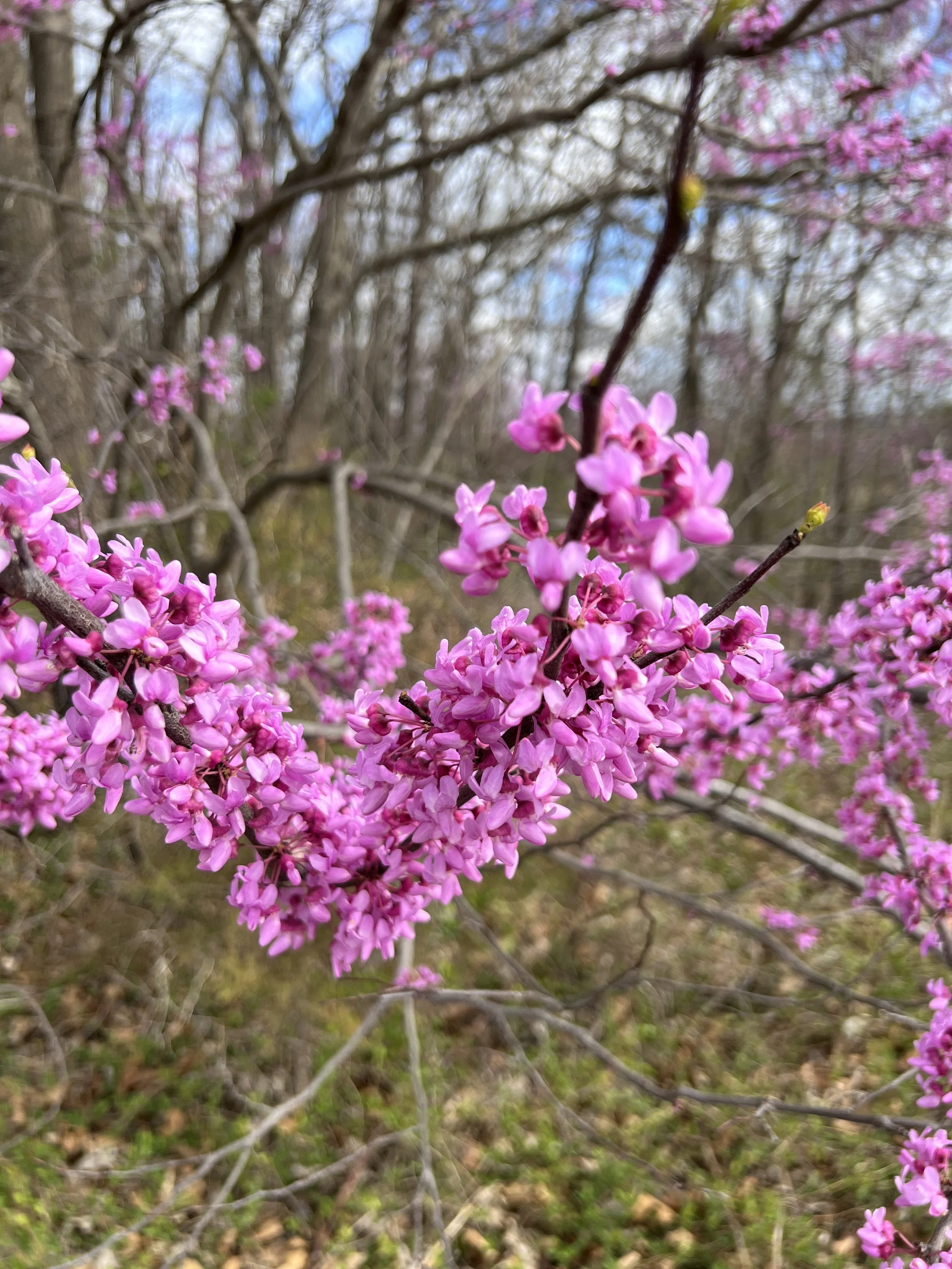
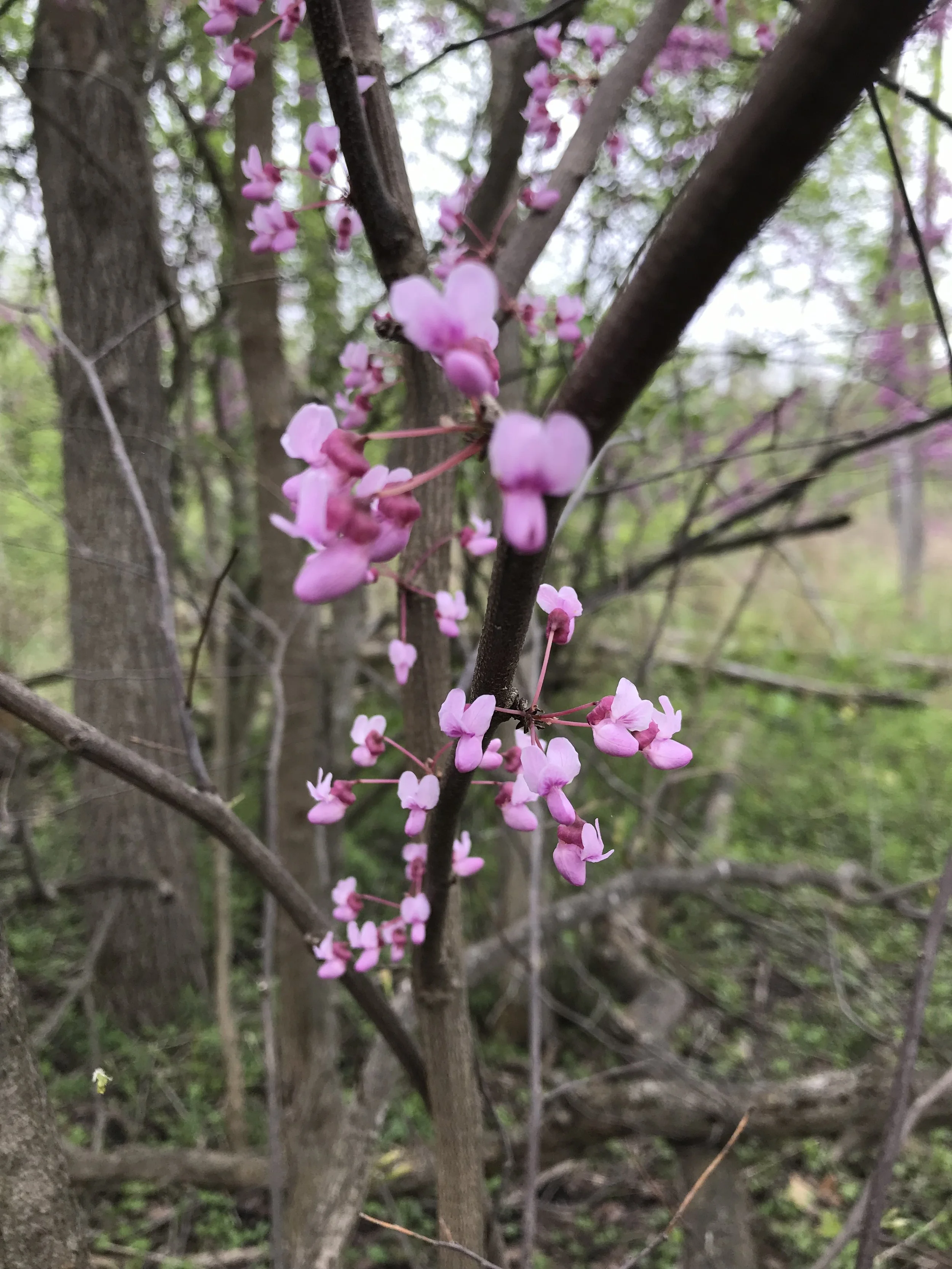
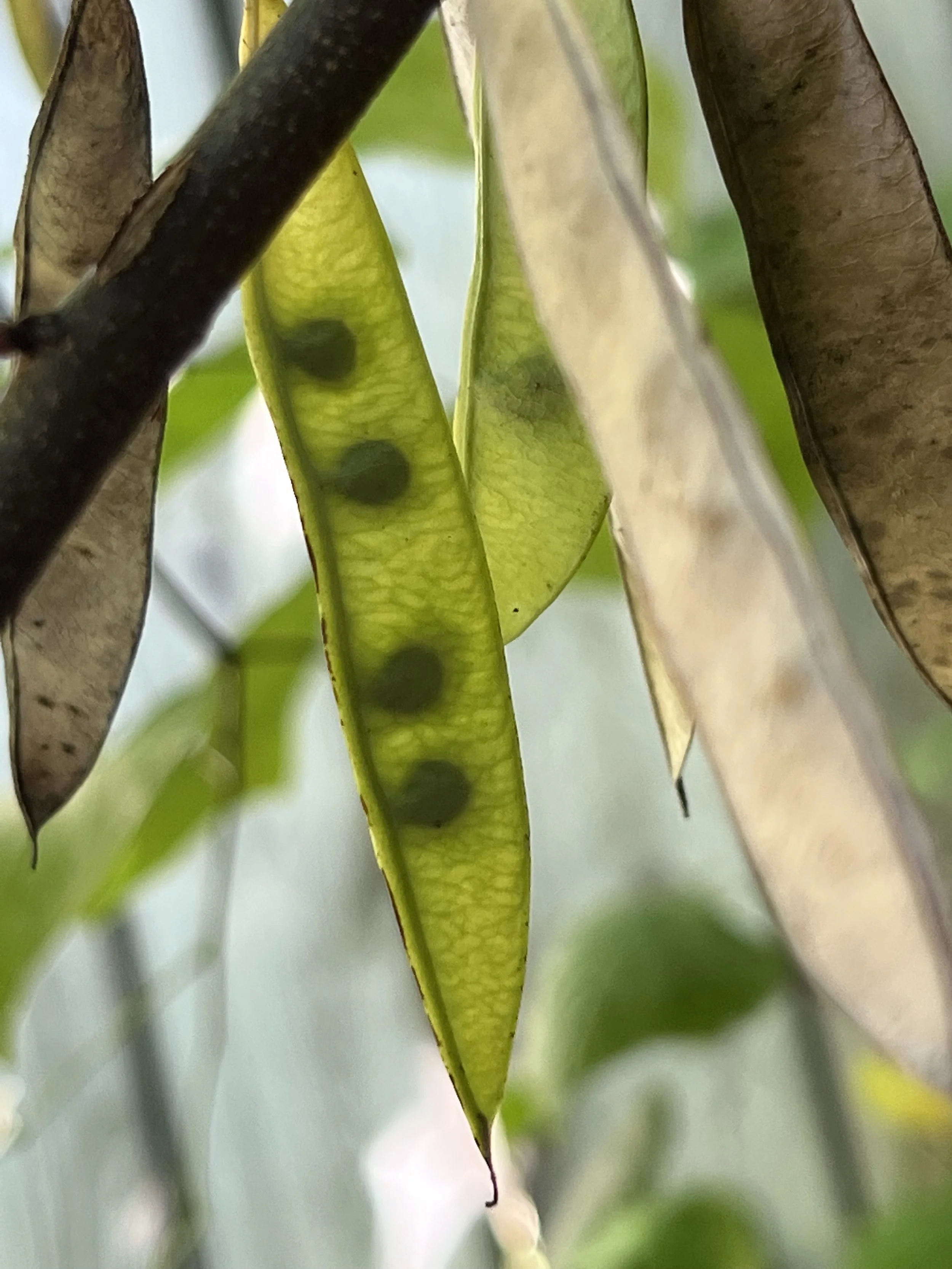
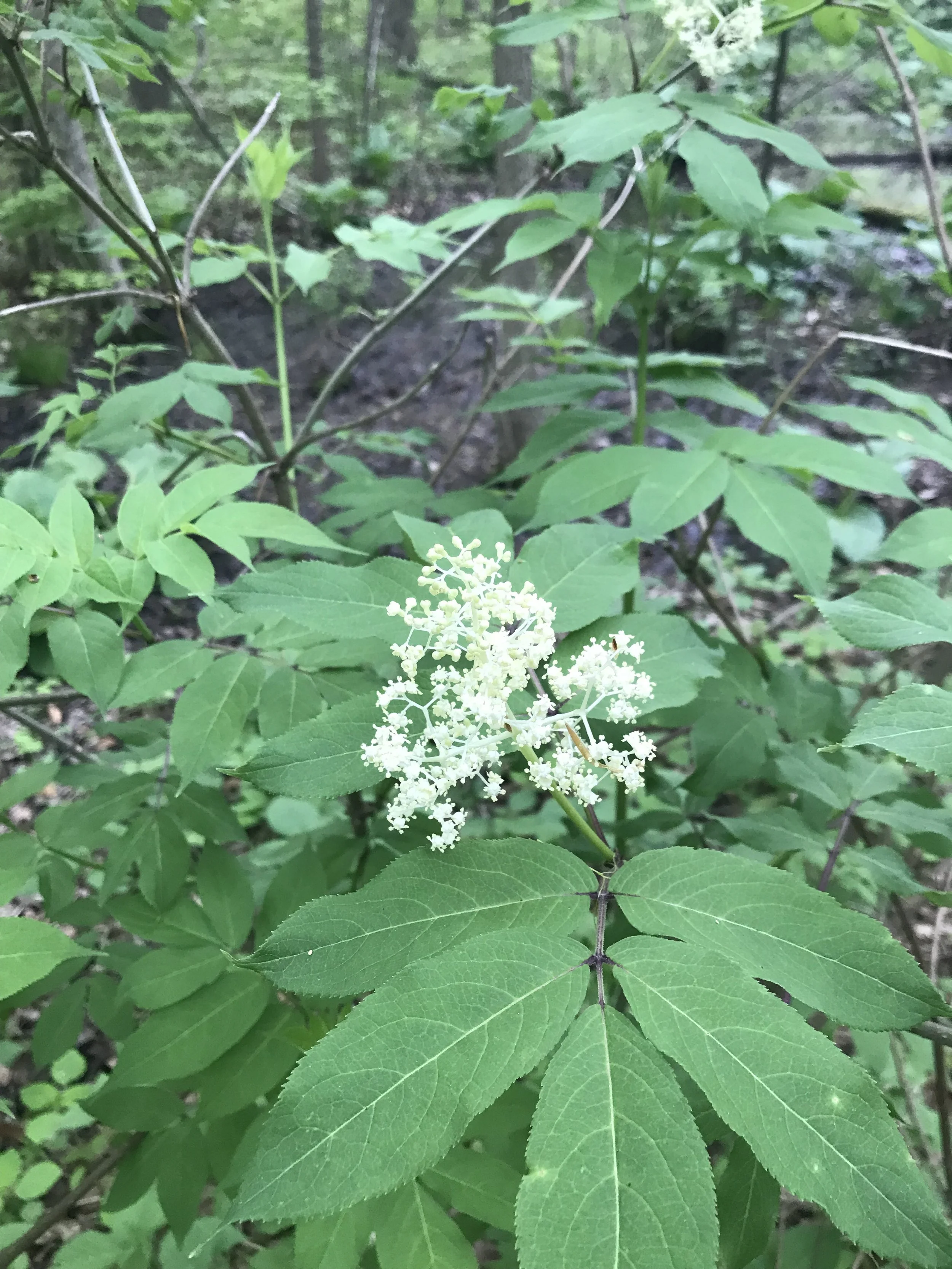
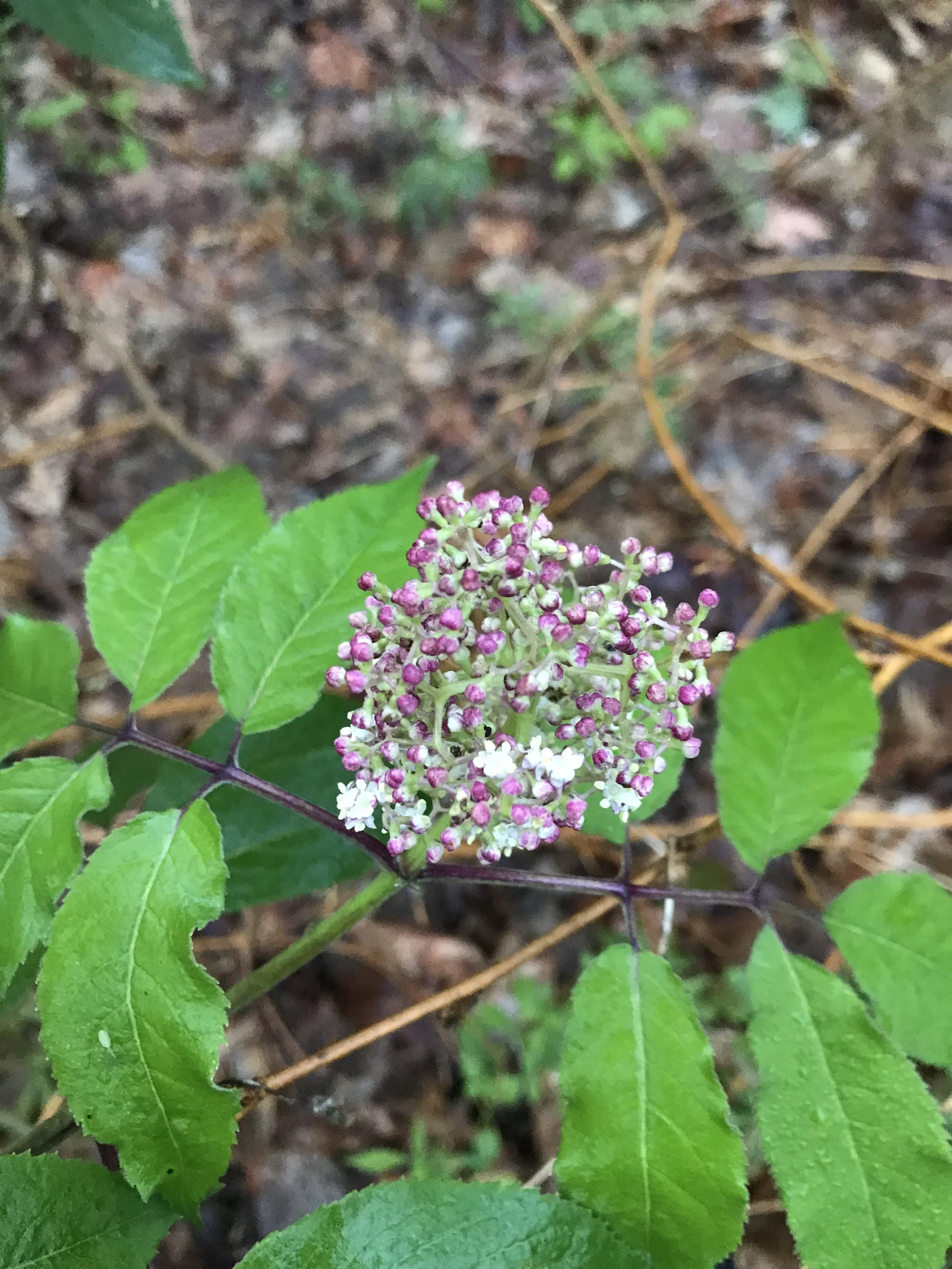
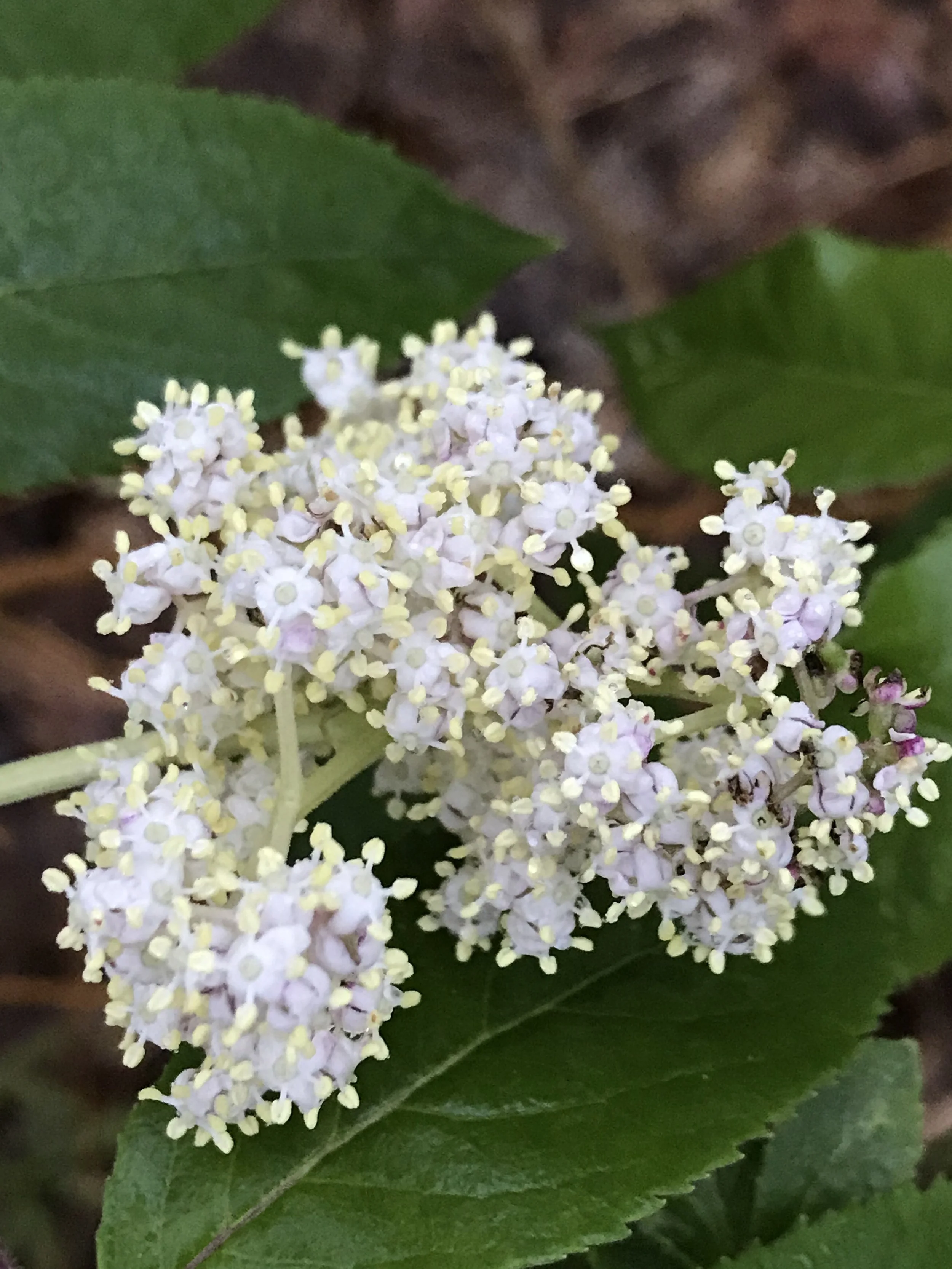
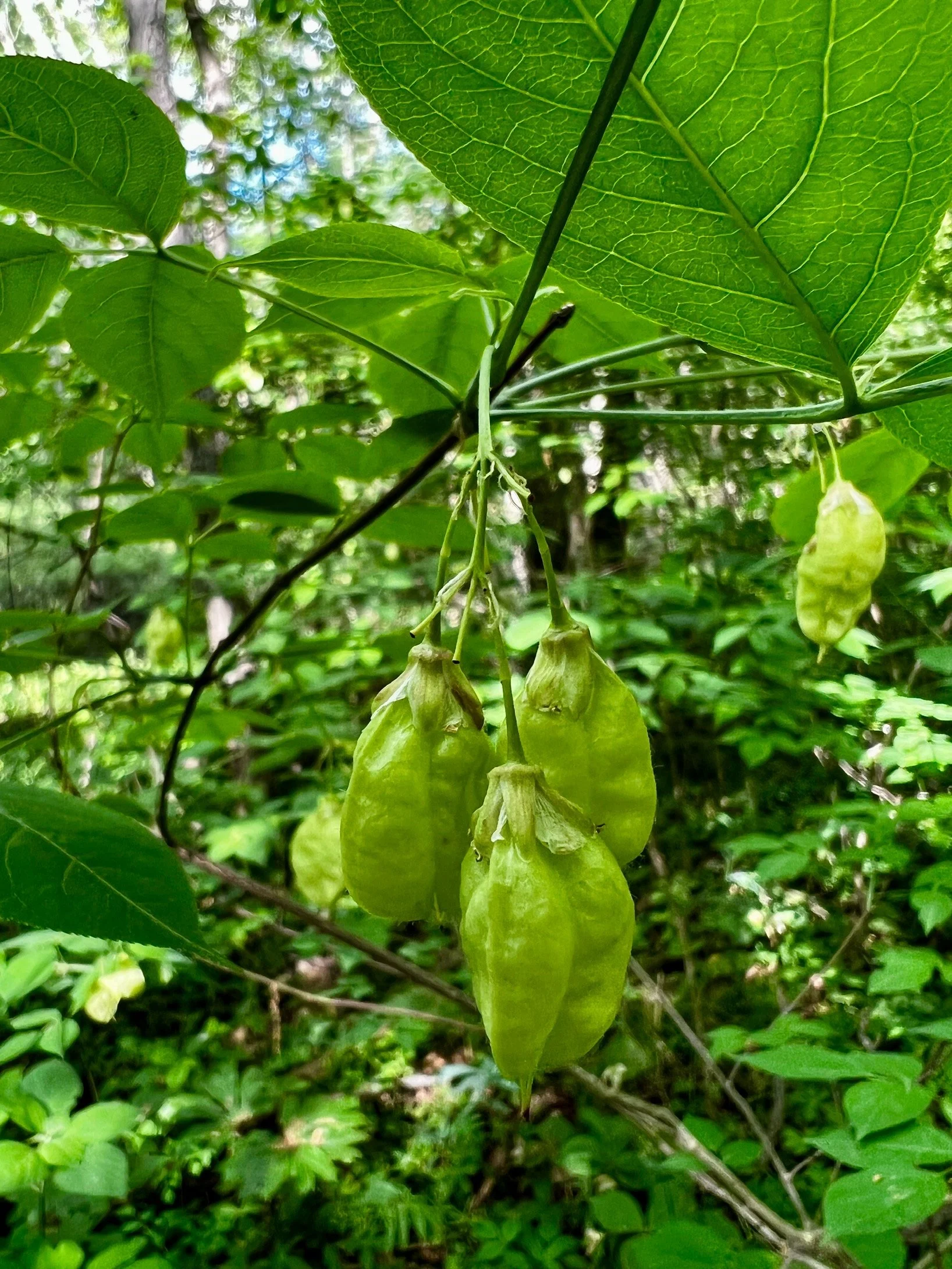
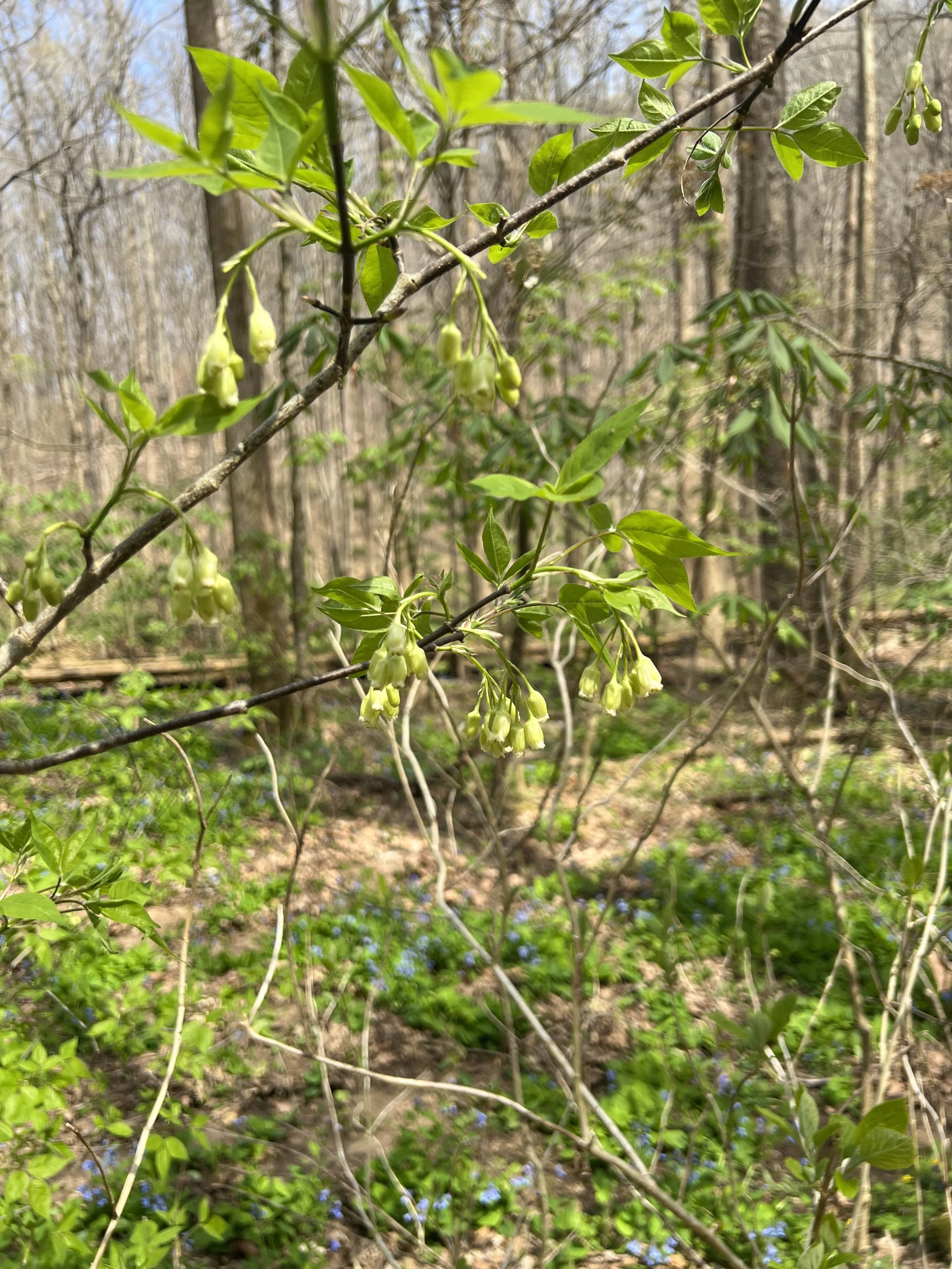
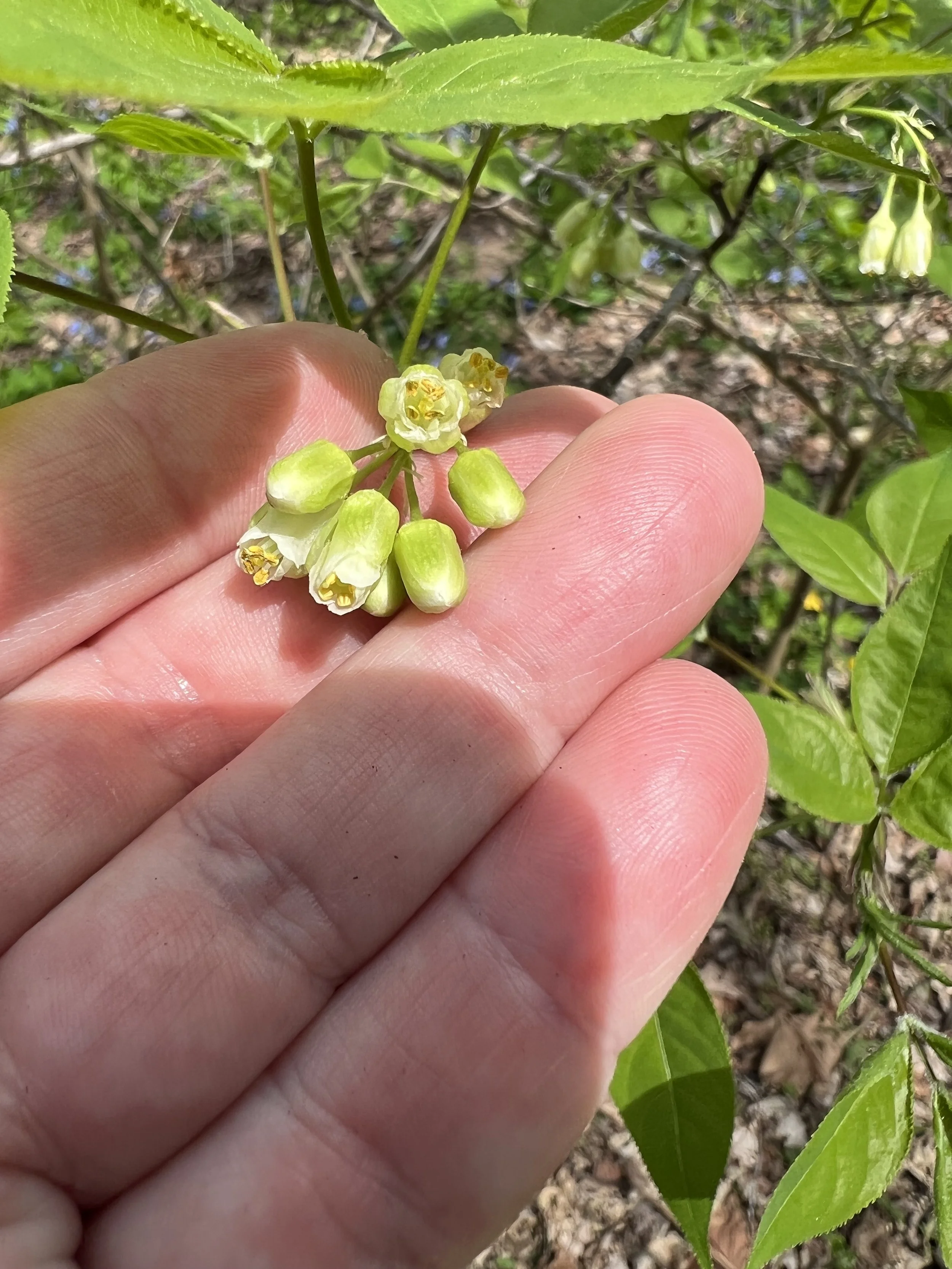
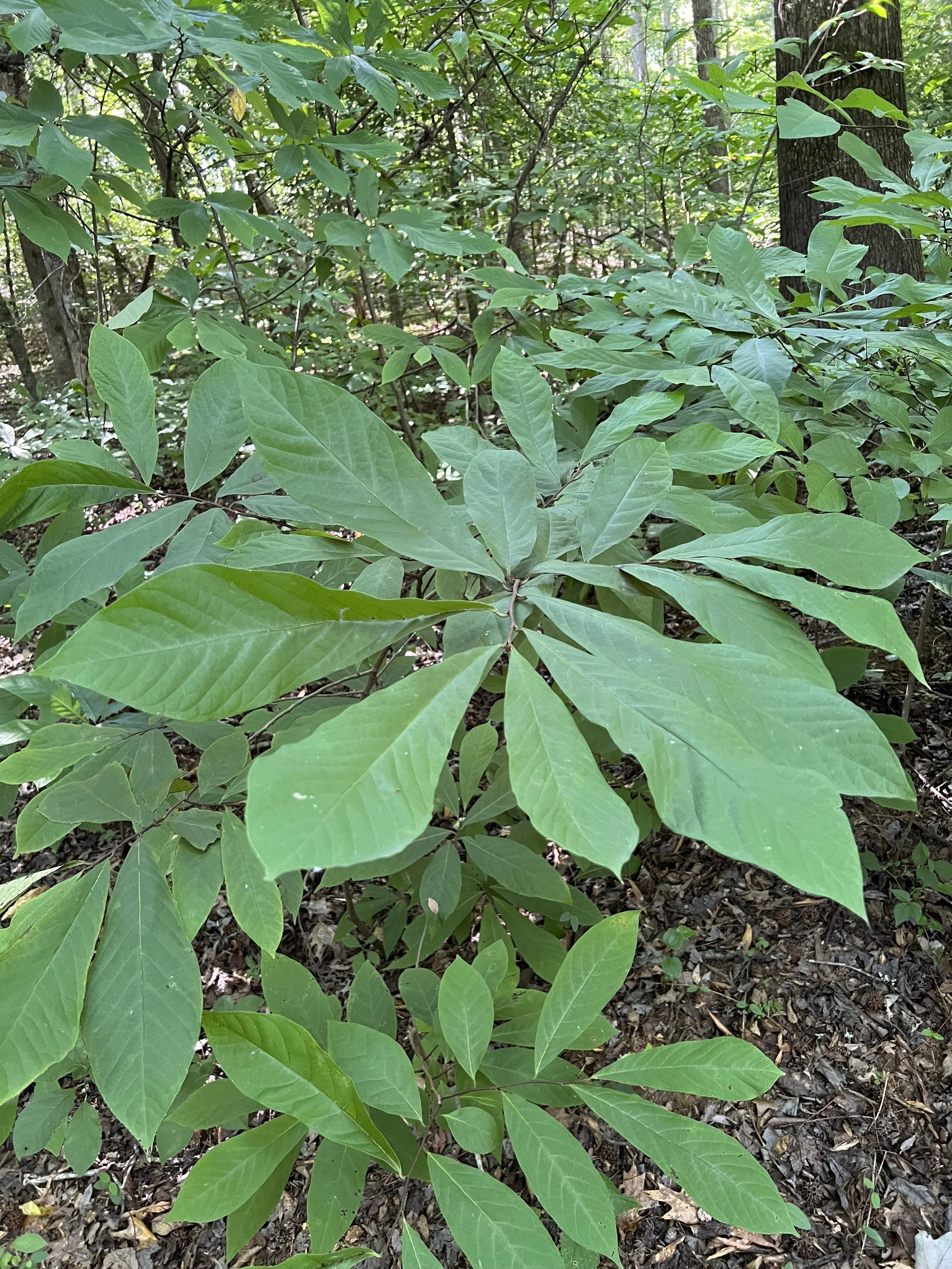
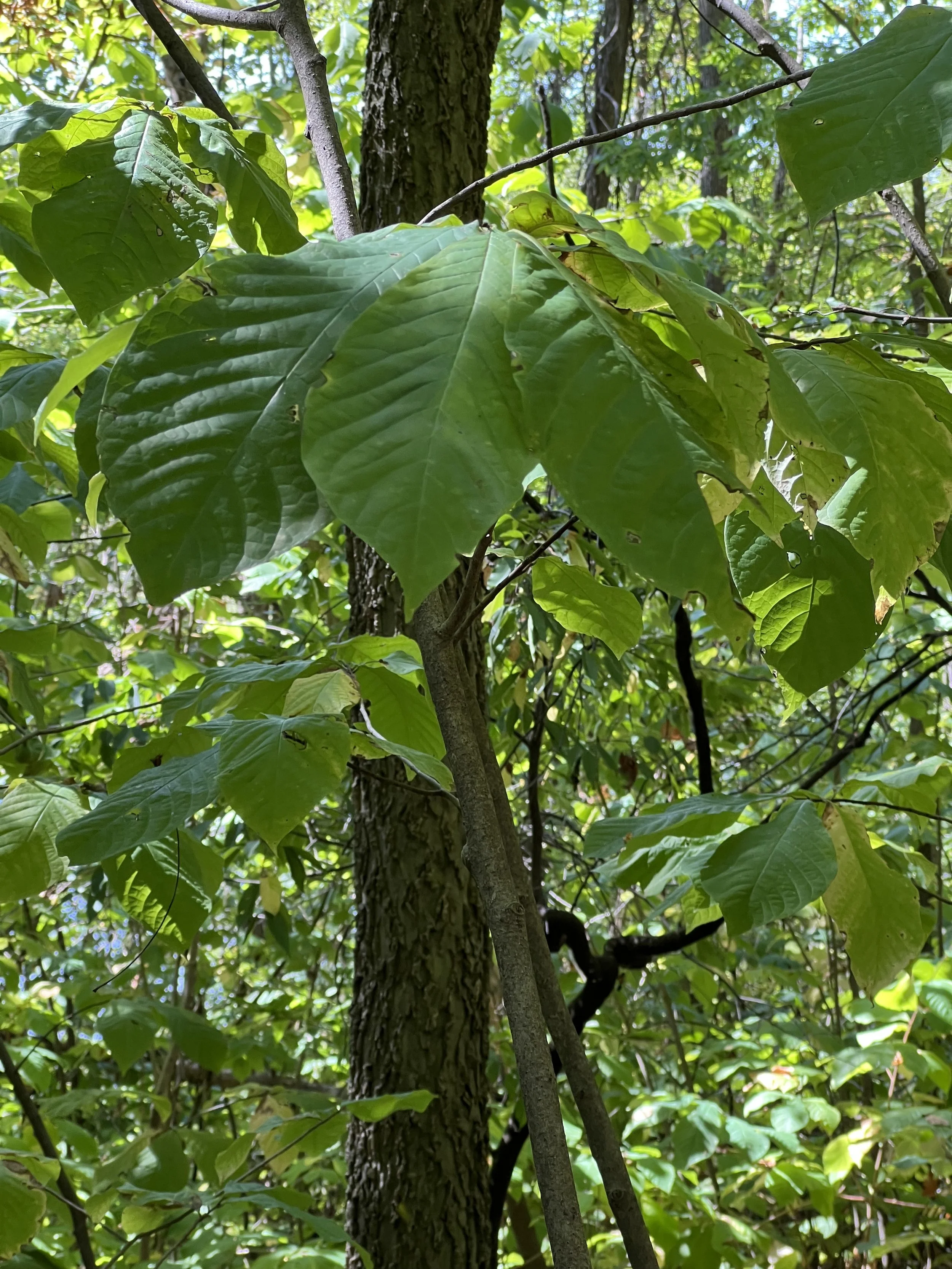
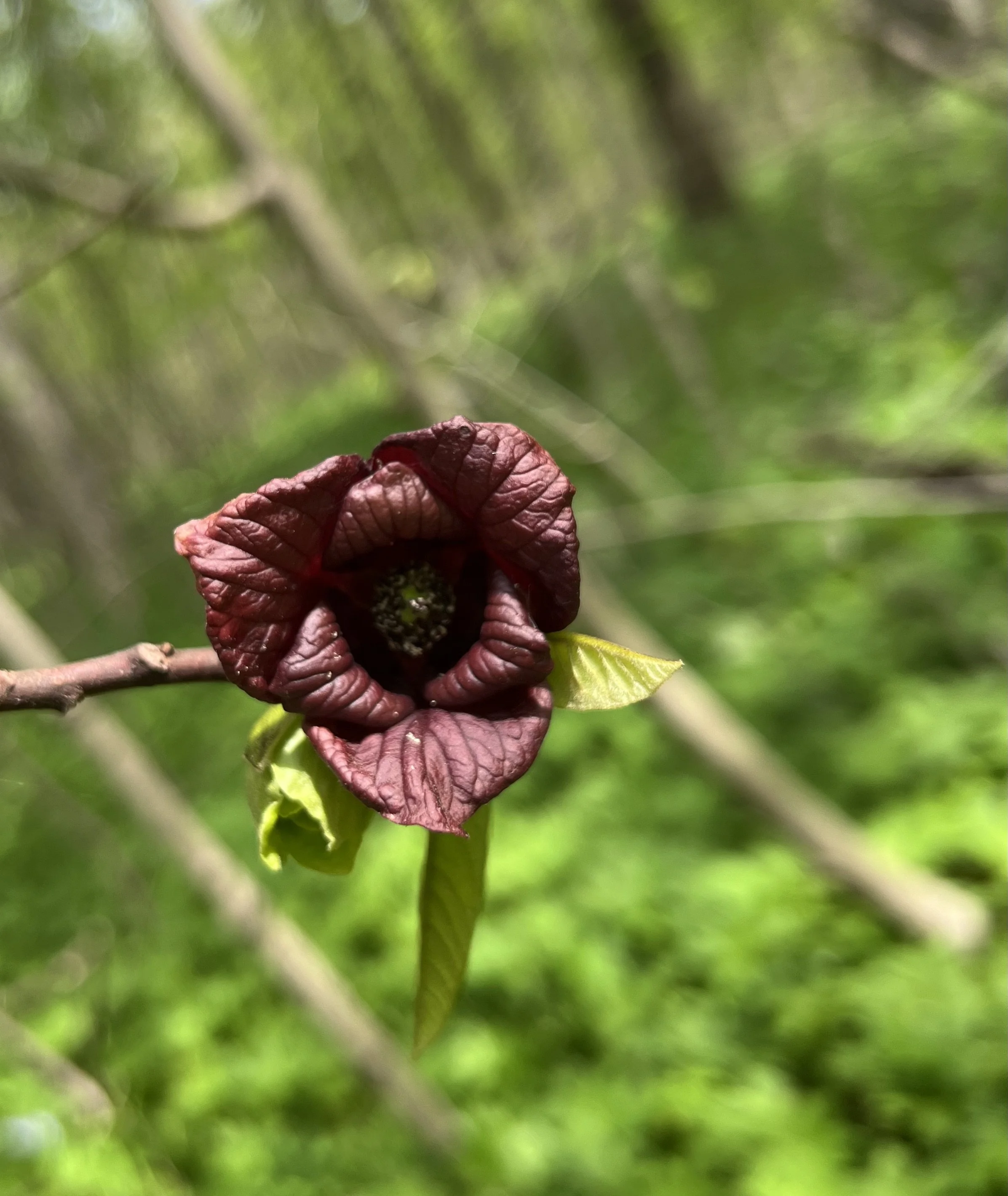
Dwarf Hackberry trees are found in only a few counties in Michigan in the southern three tiers of counties. Despite this, it is not considered threatened by Michigan Flora.
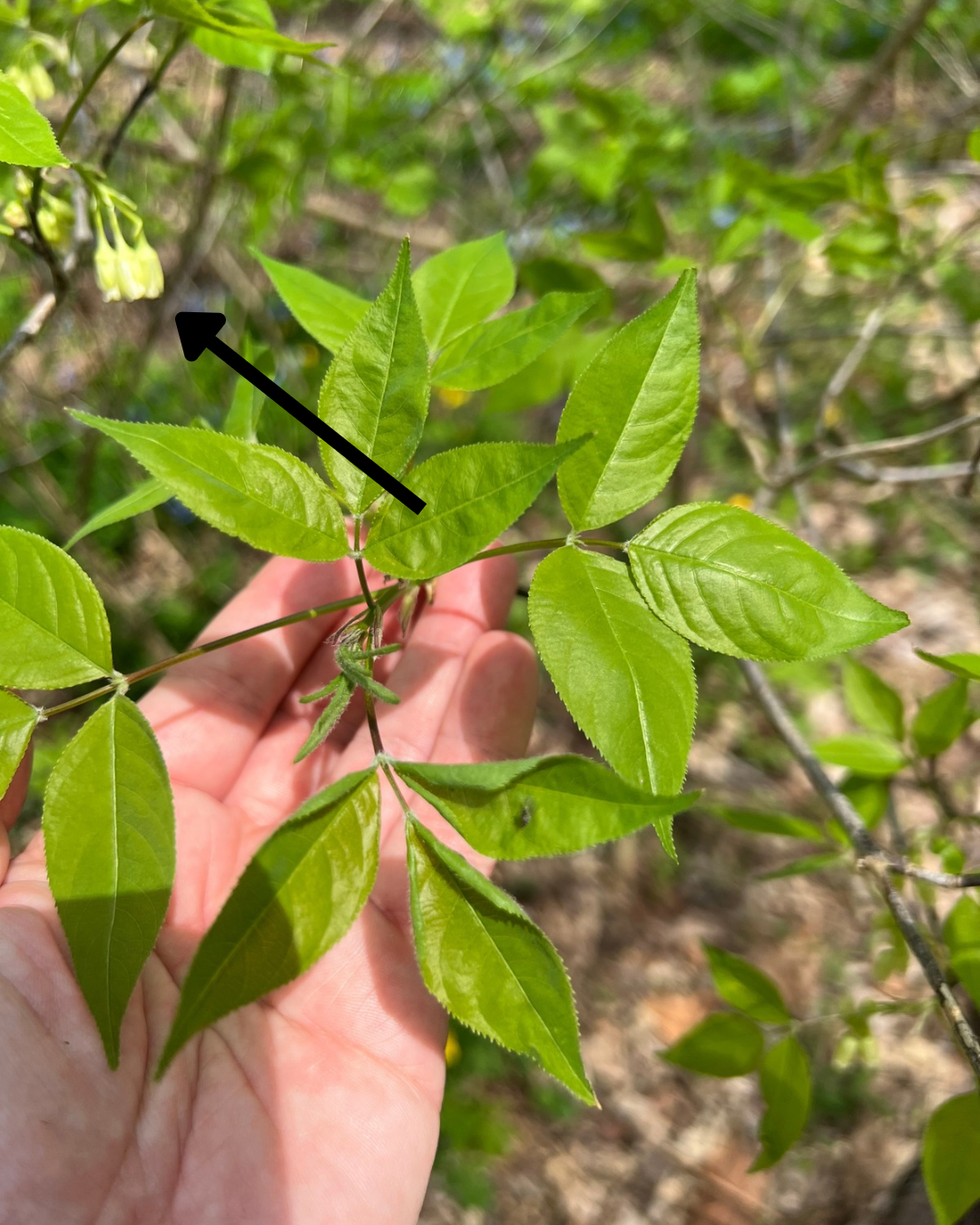
Where Common Hackberry can grow from 40-80 feet high, Dwarf Hackberry is usually 12-25 feet high. As many times as I have seen these trees, I have not photographed the bark but it is smooth when the trees are young and develop the corky look when they are older.
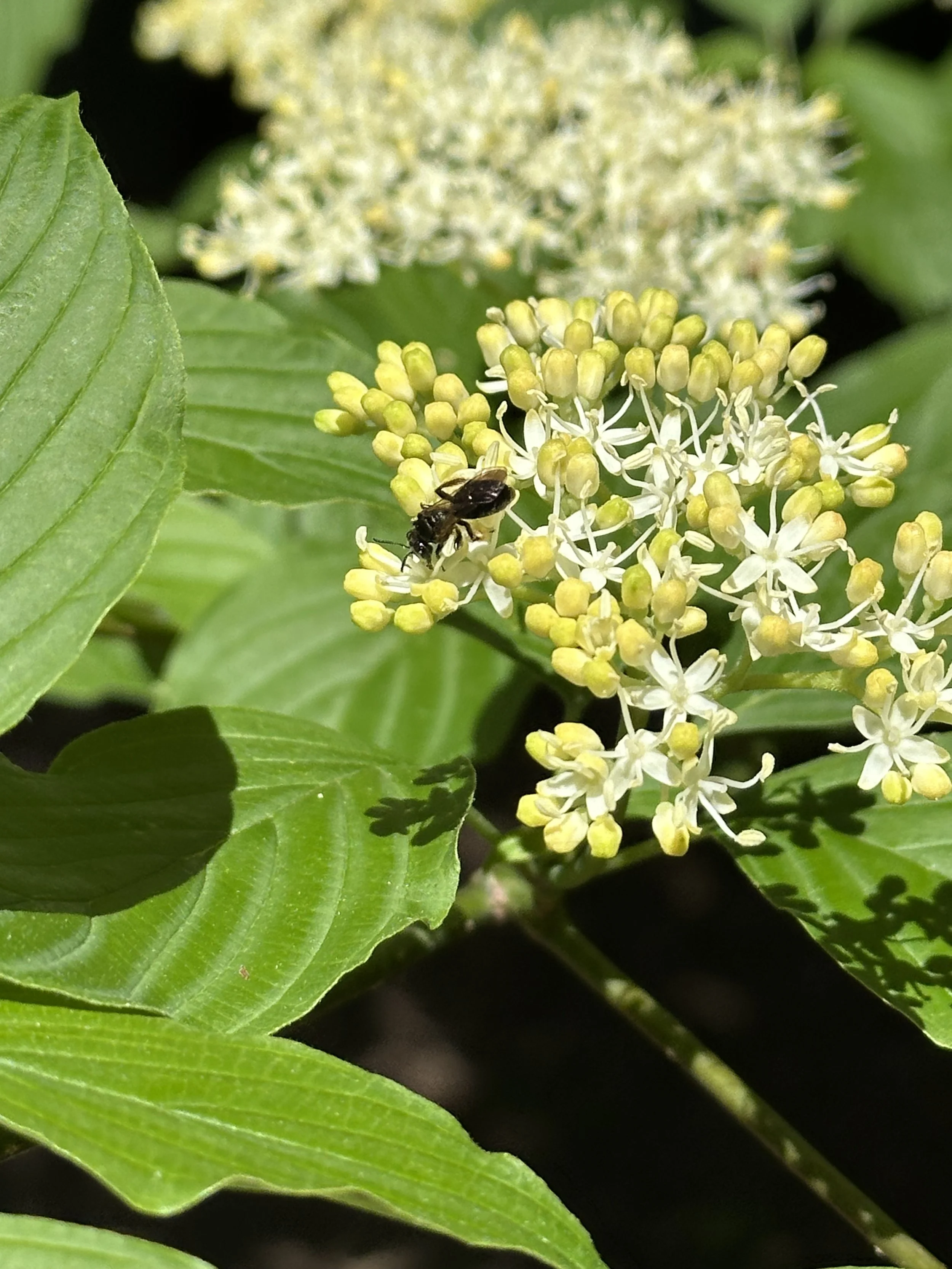
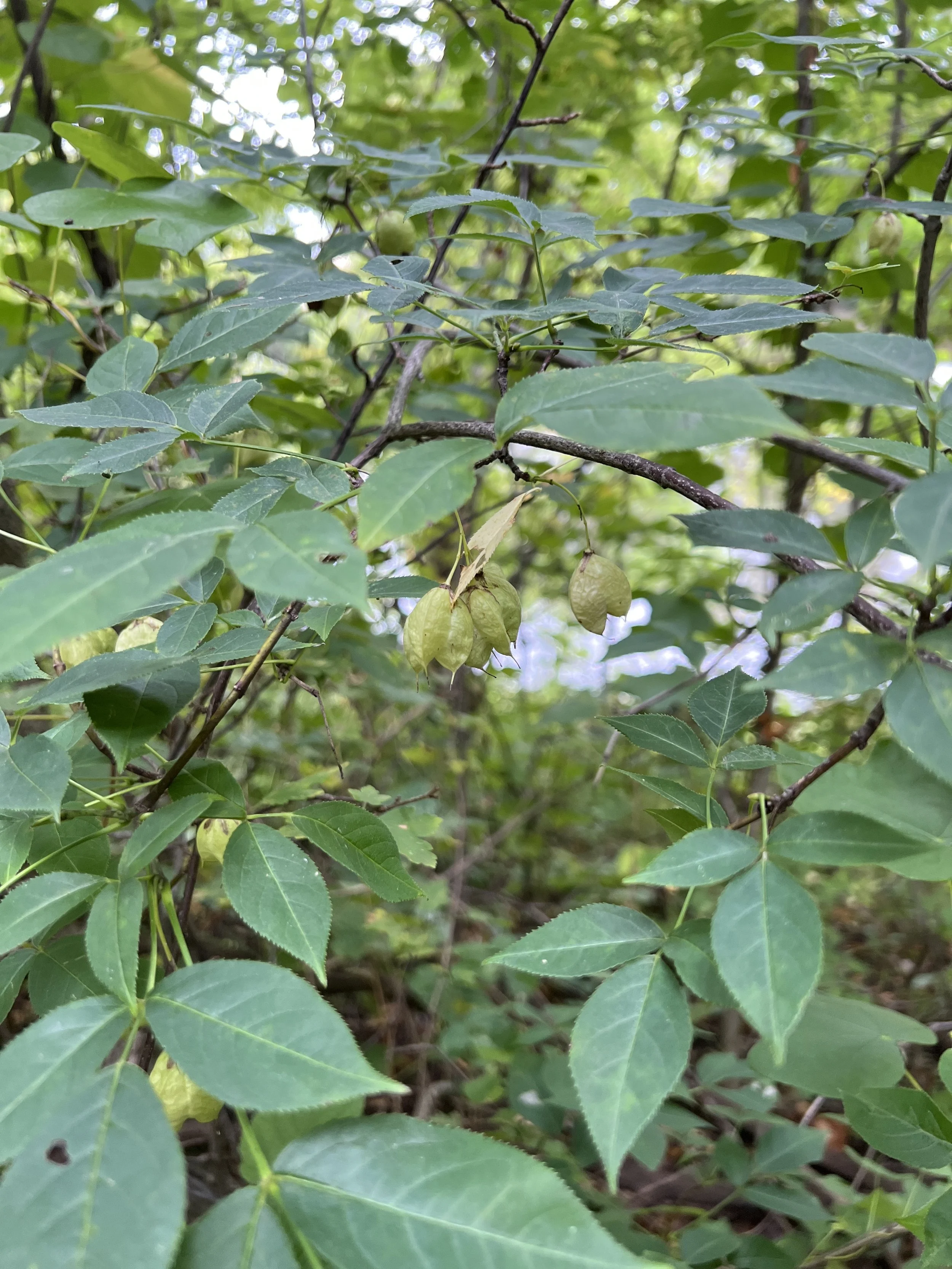
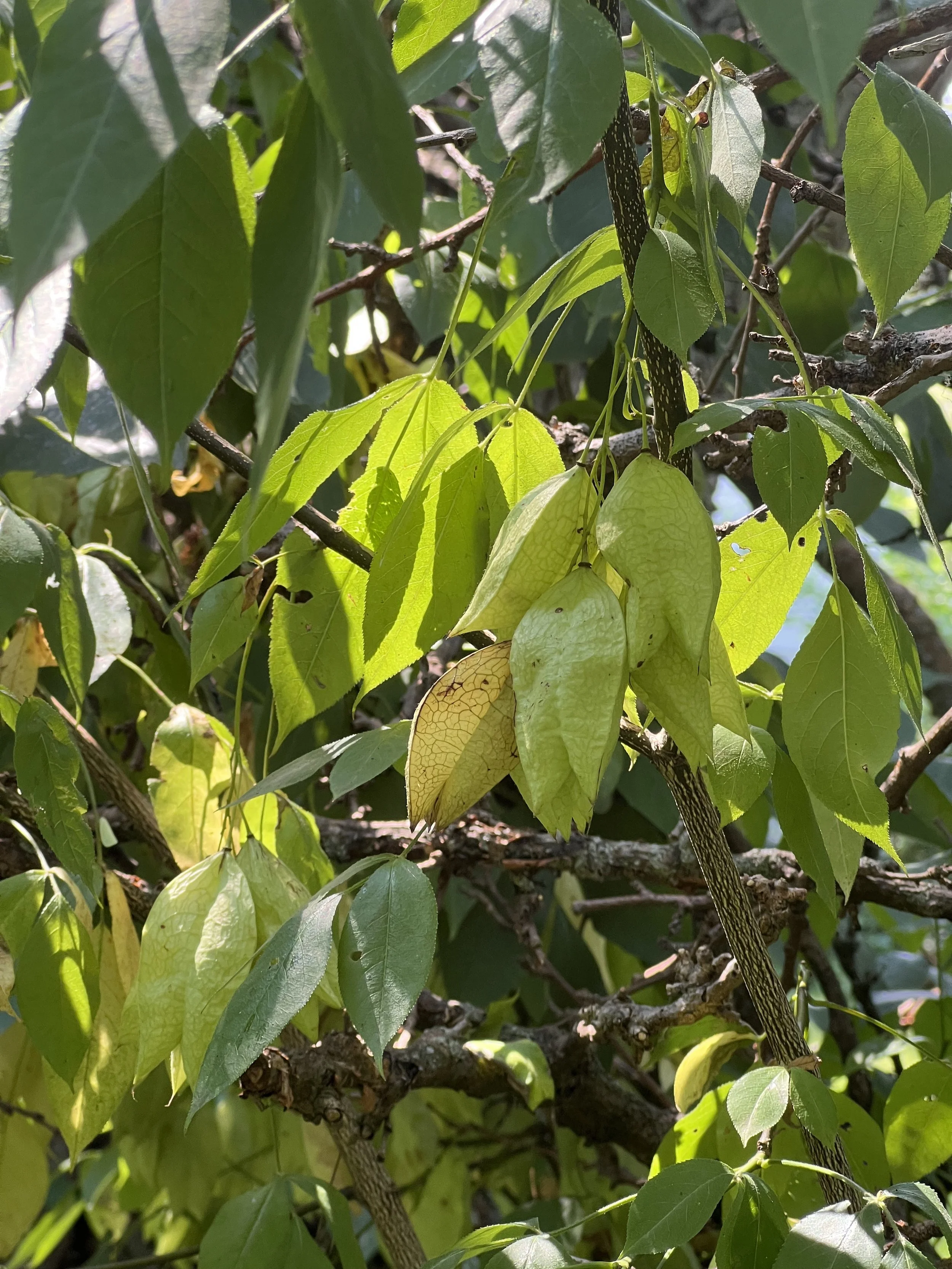
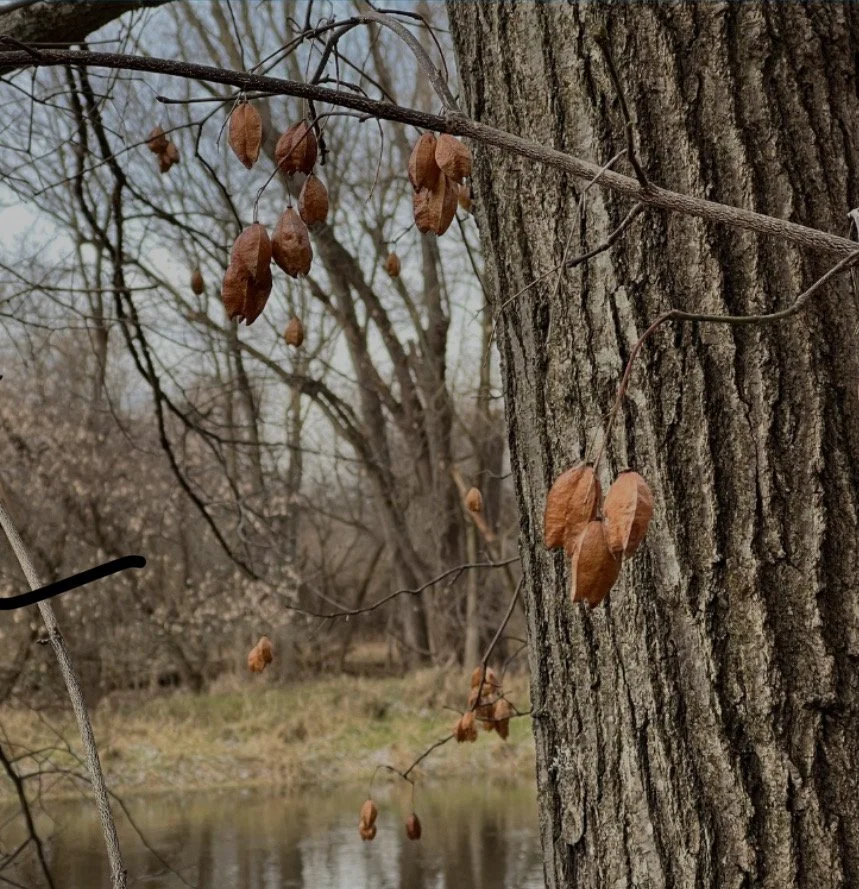
Flowers are rather small, I have not visited at the right time to see them, but once pollinated the berries (technically drupes) form. When ripe, they can range in color from orange to purple to brown. I have seen cardinals and other birds hawking (term for when birds flutter their wings to stay in place to feed) for these berries. Humans can eat these too, and apparently they taste like dates. However, there is not much flesh on the outside and a relatively large seed inside.
Several butterfly caterpillars use both hackberries as host plants including the Mourning Cloak and the Hackberry Emporer.
Dwarf Hackberry (Celtis tenuifolia)
Michigan Flora reference page for state distribution: Dwarf Hackberry
Height: 12-25 feet
Soil: moist, rich loam
Sun: part-sun to dappled light
Life cycle: perennial
Family: Ulmaceae (Elm family)
Seed source: Michigan
Dwarf Hackberry trees are found in only a few counties in Michigan in the southern three tiers of counties. Despite this, it is not considered threatened by Michigan Flora.
Where Common Hackberry can grow from 40-80 feet high, Dwarf Hackberry is usually 12-25 feet high. As many times as I have seen these trees, I have not photographed the bark but it is smooth when the trees are young and develop the corky look when they are older.
Flowers are rather small, I have not visited at the right time to see them, but once pollinated the berries (technically drupes) form. When ripe, they can range in color from orange to purple to brown. I have seen cardinals and other birds hawking (term for when birds flutter their wings to stay in place to feed) for these berries. Humans can eat these too, and apparently they taste like dates. However, there is not much flesh on the outside and a relatively large seed inside.
Several butterfly caterpillars use both hackberries as host plants including the Mourning Cloak and the Hackberry Emporer.
Dwarf Hackberry (Celtis tenuifolia)
Michigan Flora reference page for state distribution: Dwarf Hackberry
Height: 12-25 feet
Soil: moist, rich loam
Sun: part-sun to dappled light
Life cycle: perennial
Family: Ulmaceae (Elm family)
Seed source: Michigan
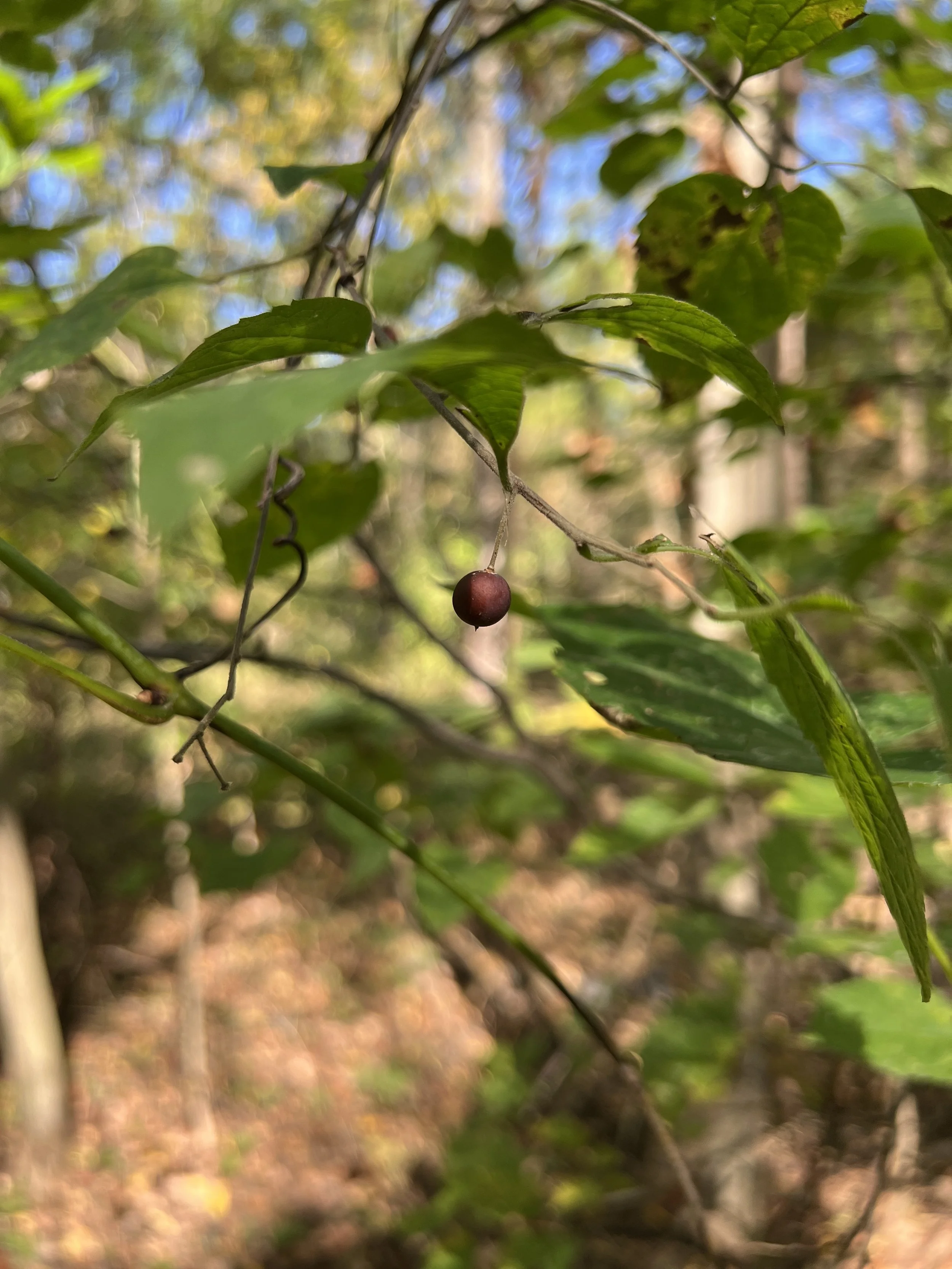 Image 1 of 4
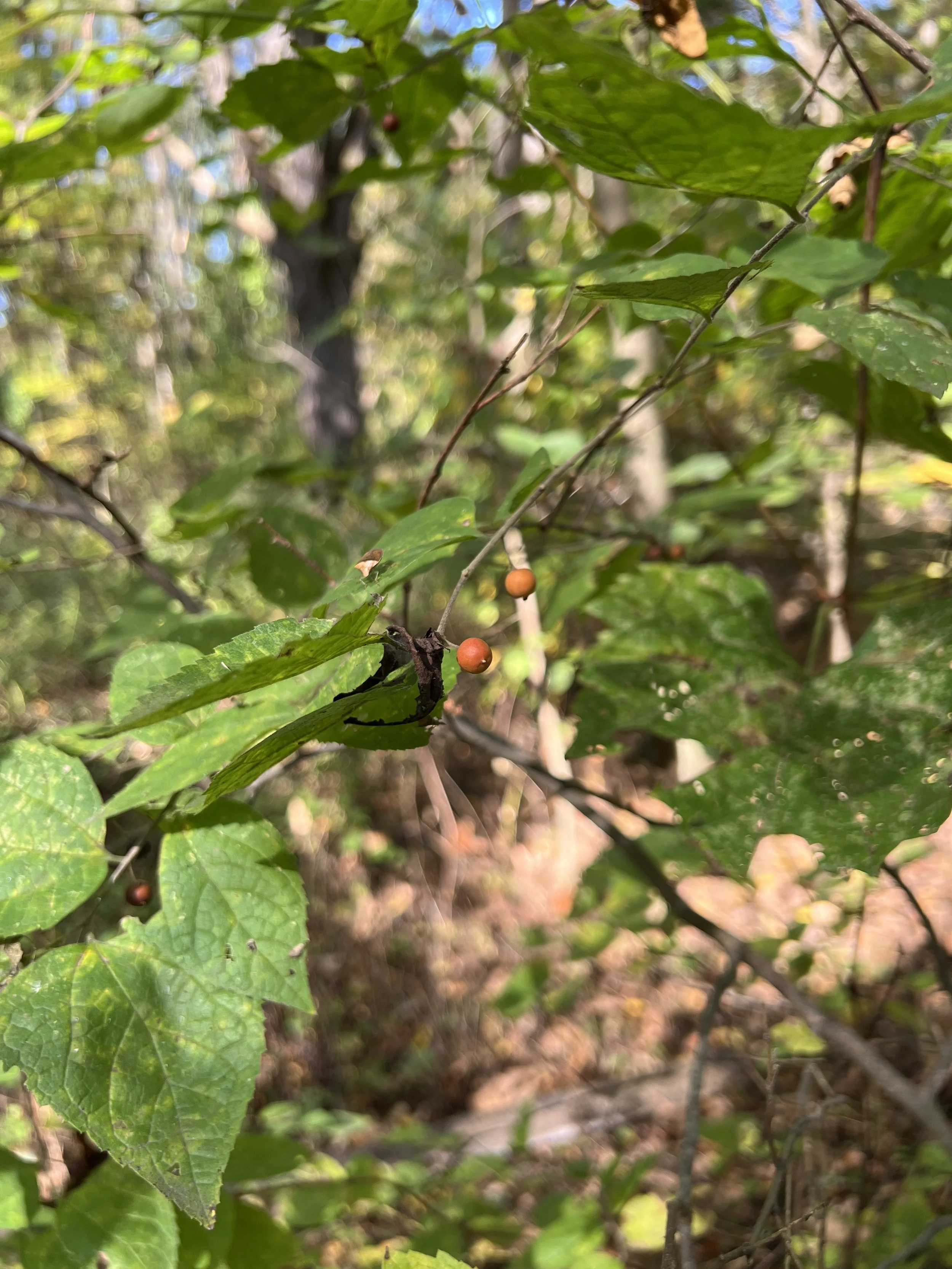 Image 2 of 4
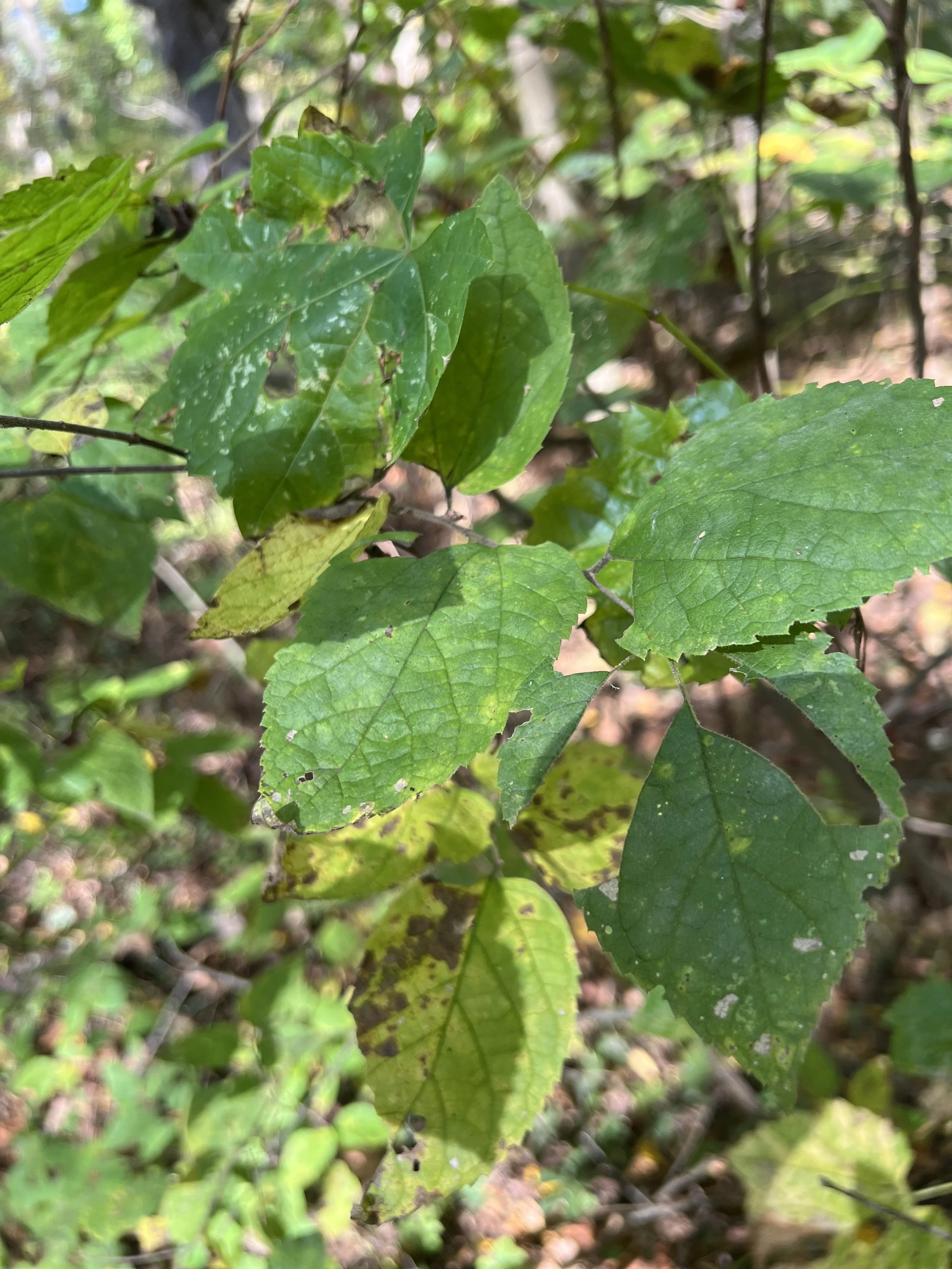 Image 3 of 4
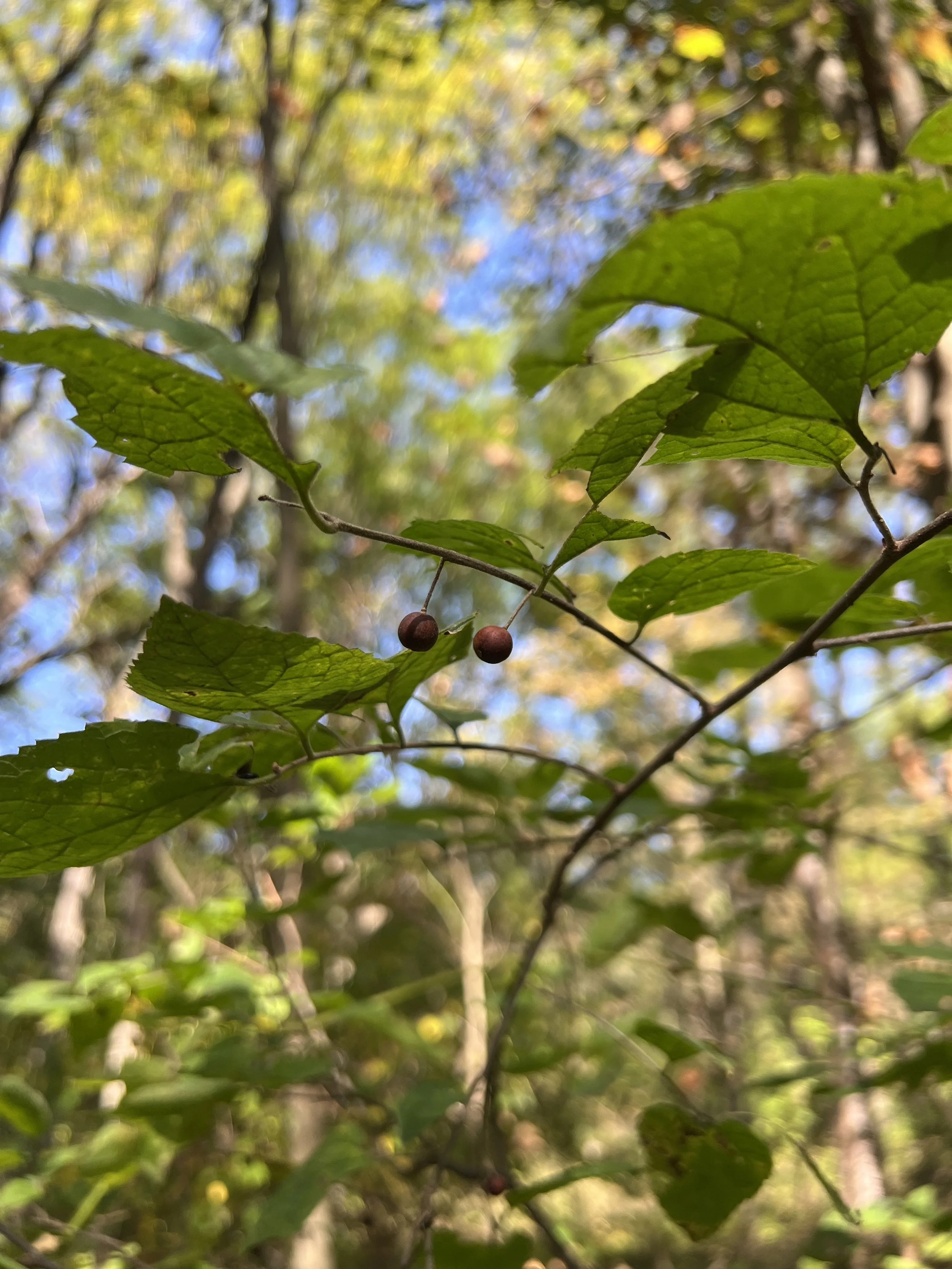 Image 4 of 4