Flat-topped White Aster (Doellingeria umbellata)

from $3.50
Sold Out

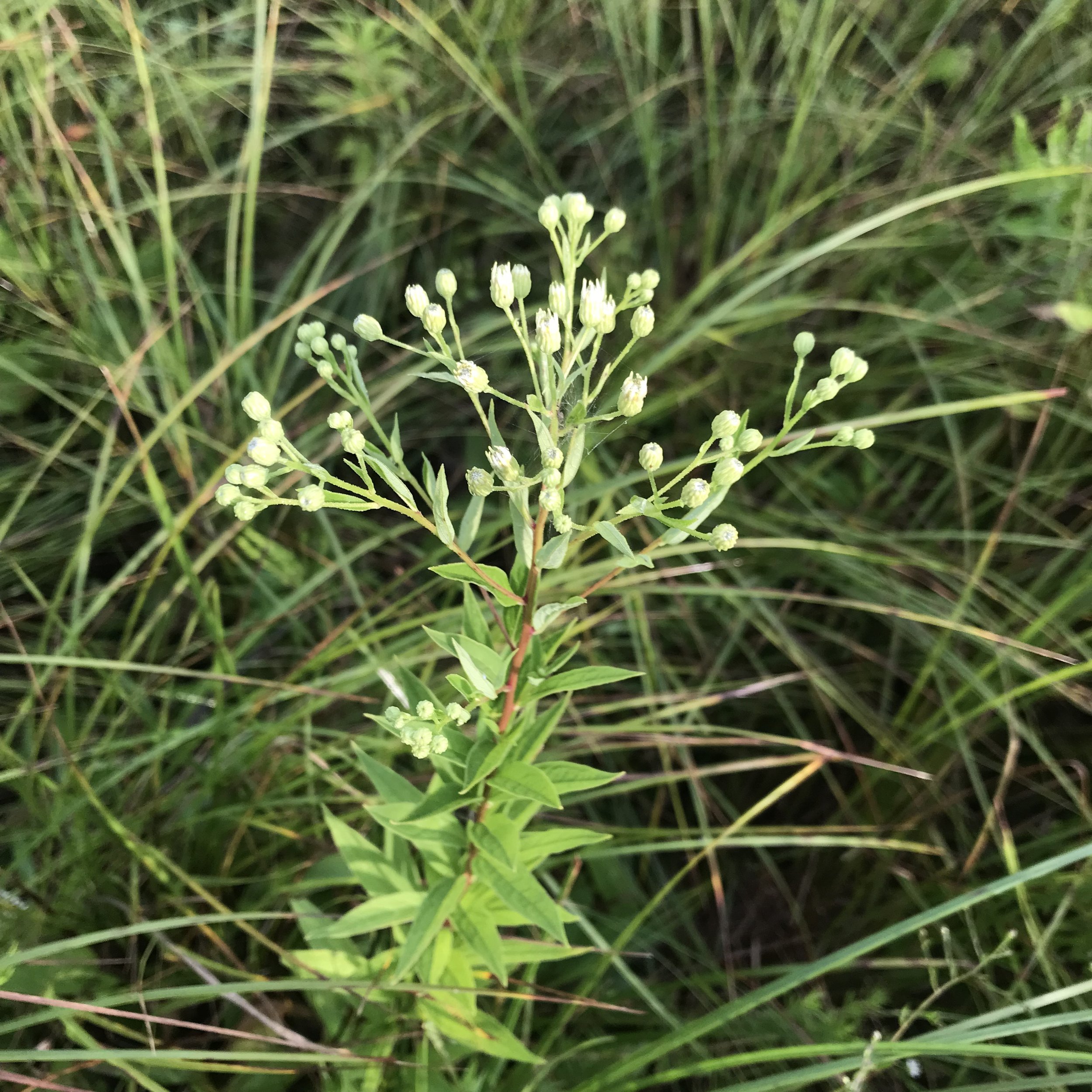
The first time I saw this aster gone to seed, I thought it was a goldenrod. This is probably due to the umbel of flowers at the top, and the leaves which reminded me a bit of Canada or Tall Goldenrod.

Flat-topped White Aster, also known as Flat-topped Aster is alone in its genus, but used to be in the very large genus, simply called Aster.

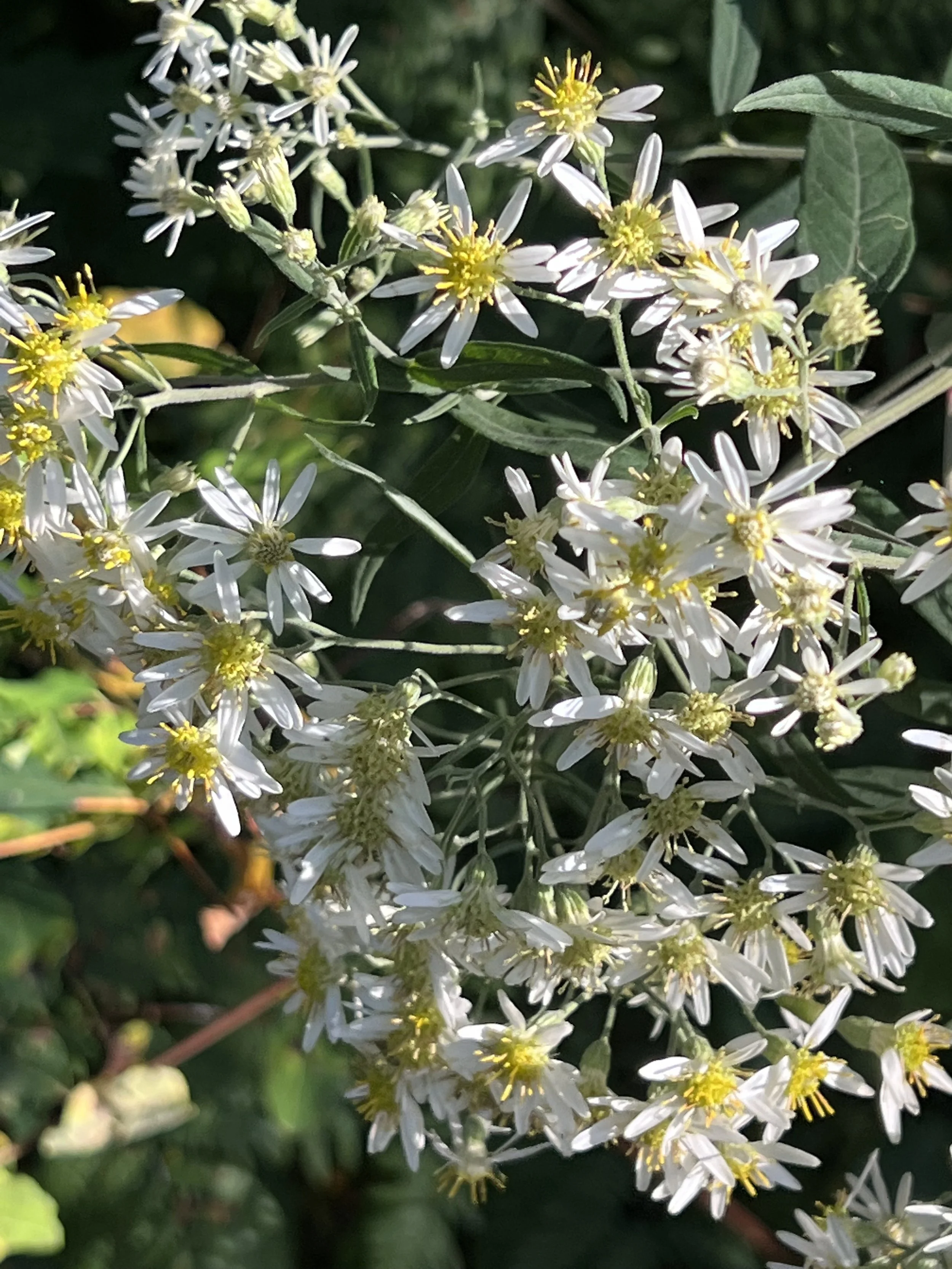
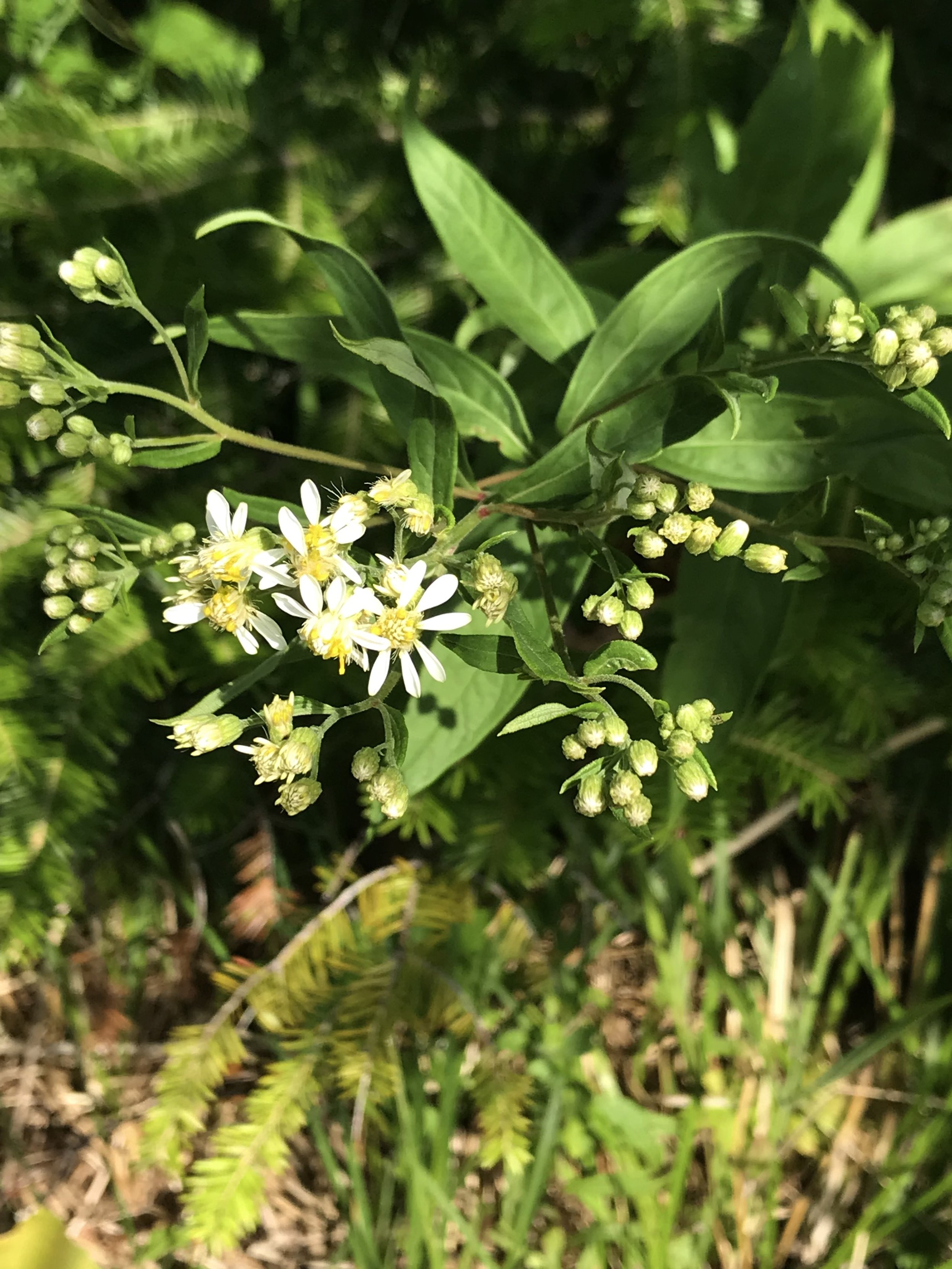
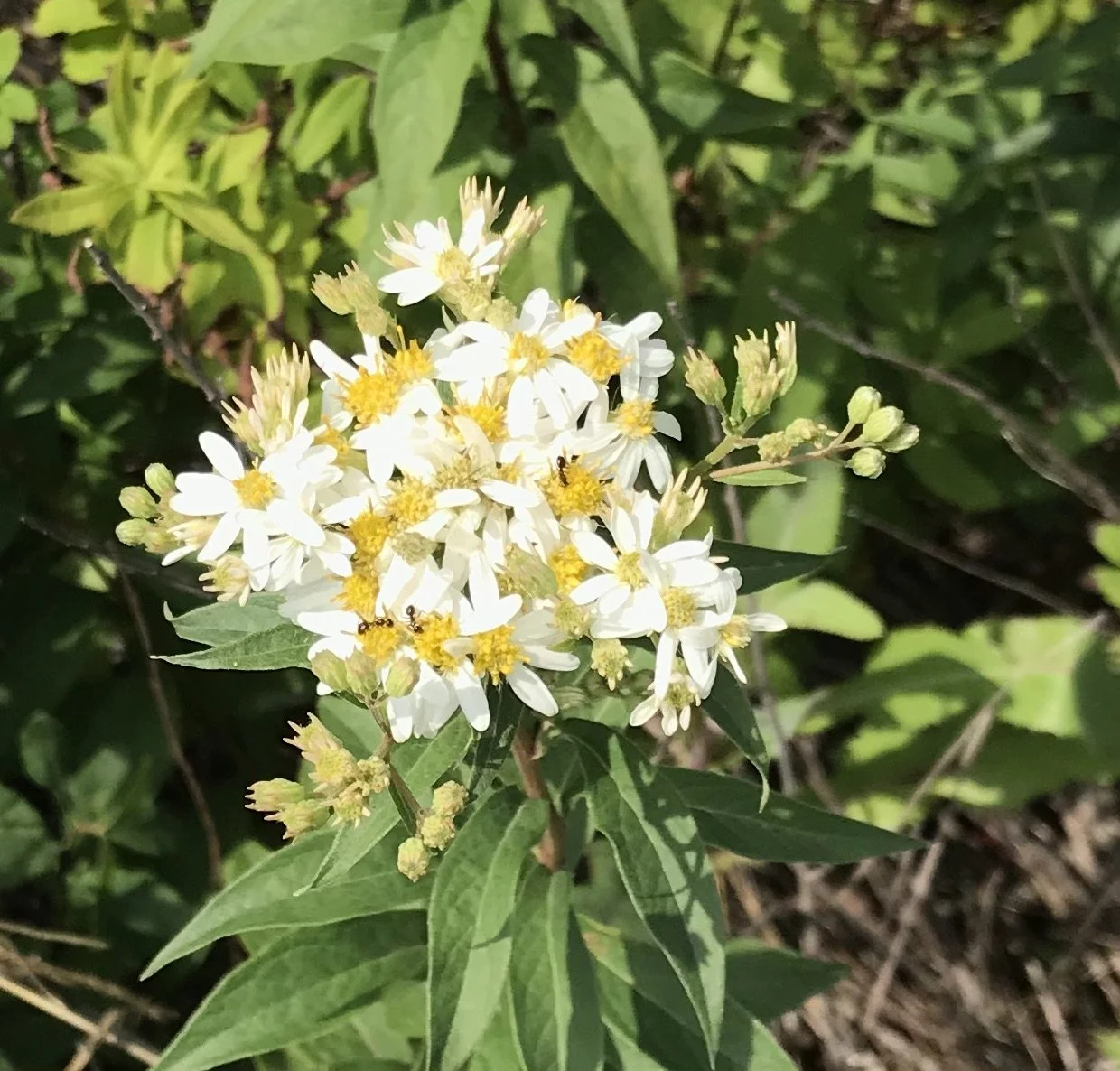
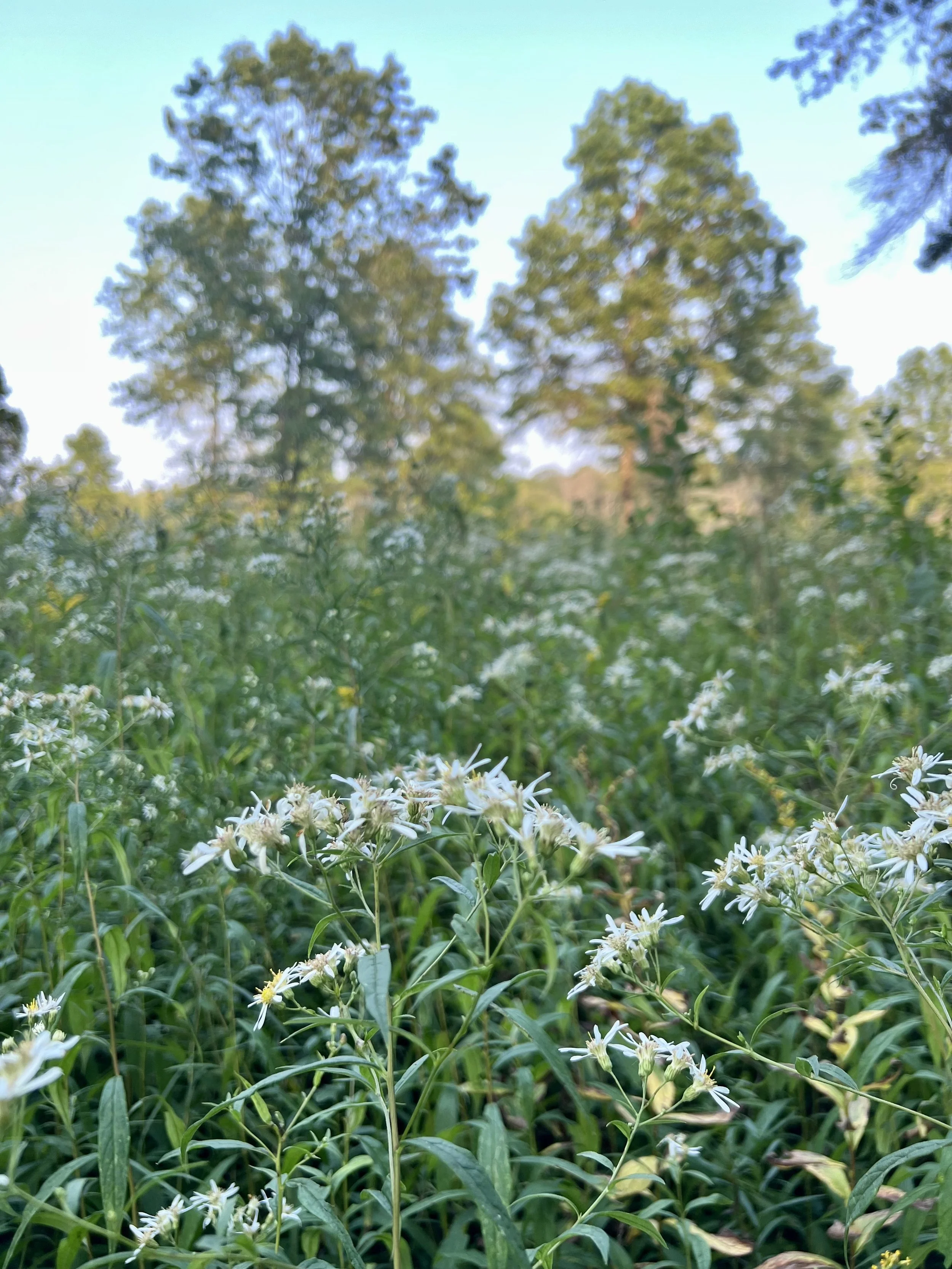
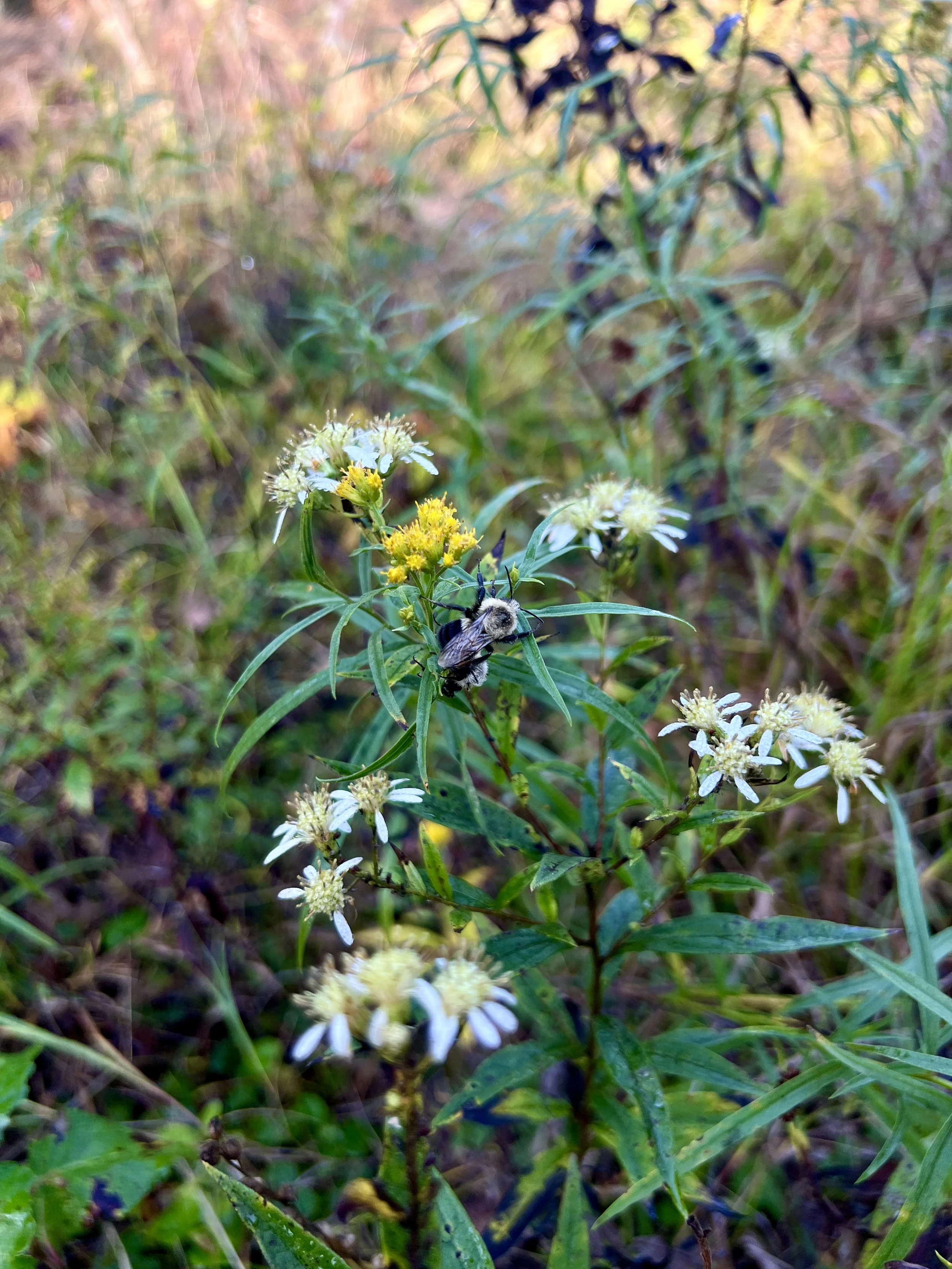
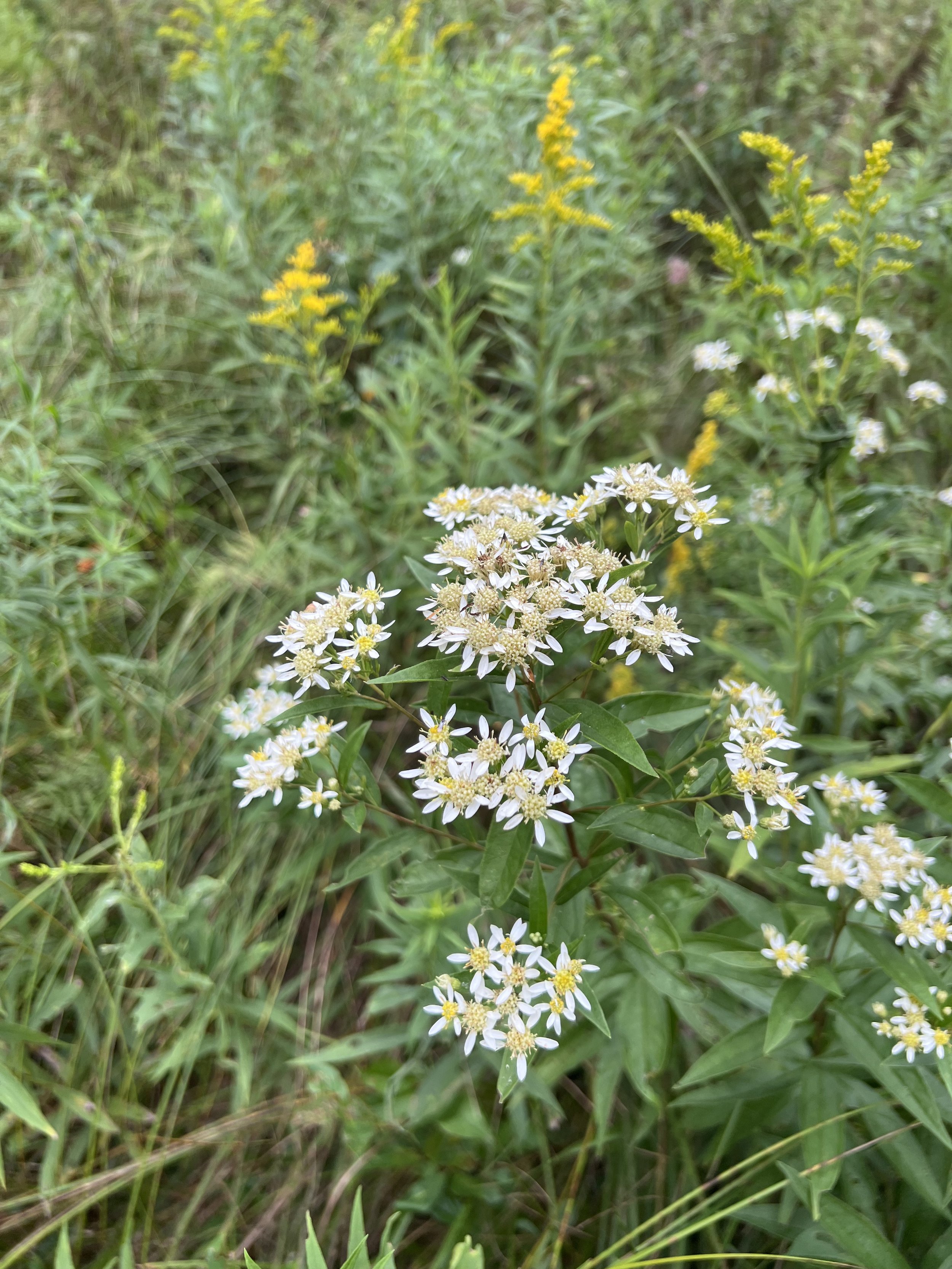
The common name is descriptive enough: it is a 3-5 foot tall aster that has an umbel of white flowers, 3-12” across at the top. Individual composite flowers are about a half inch across.

This aster can be found in forests, on the edge of forests and also in open areas. The thing that ties all of these habitats together is water. Flat-topped White Aster wants soil that is moist. The wetness index is: FACW, meaning it’s a facultative wetland plant. This means that it is most likely to be found in wet areas, but may occasionally be found in drier areas.

This aster (most asters) are visited by an abundance of insects looking for pollen and nectar, including some specialist bees. Crescent and Checkerspot Butterfly Larvae eat the leaves and there are quite a few other insects that snack on these leaves as well. Tree Sparrows, cute little winter visitors, eat the seeds.

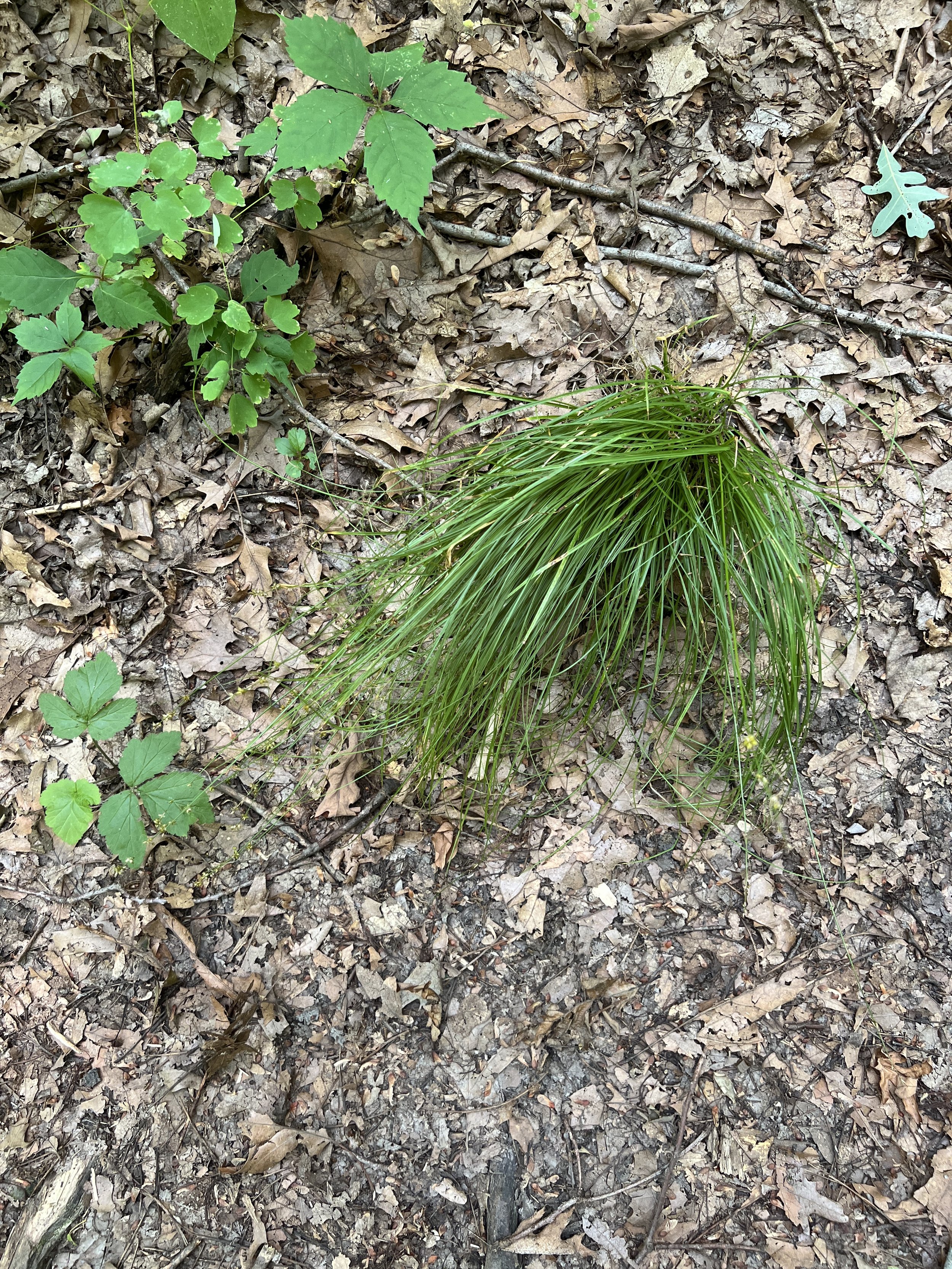
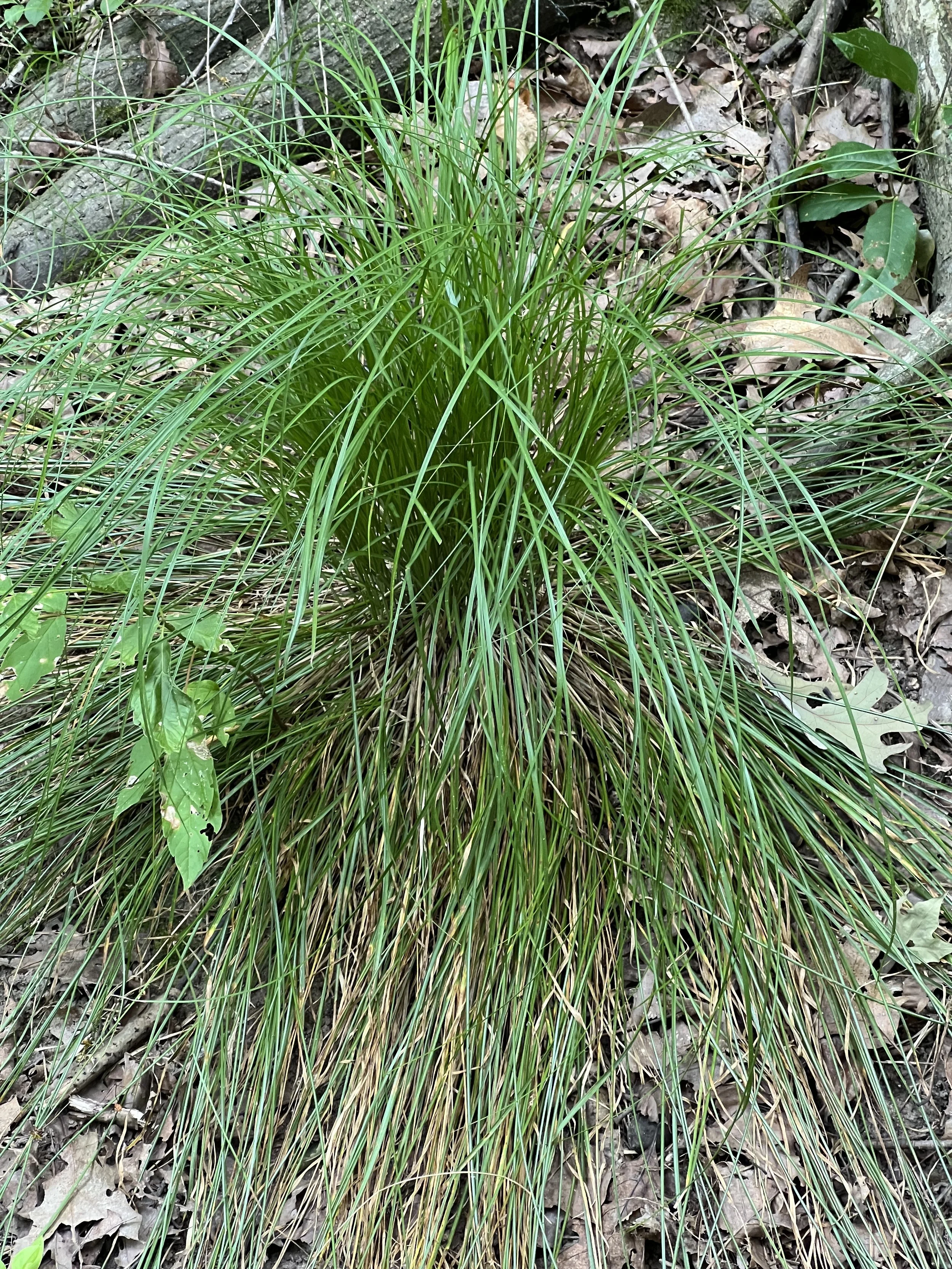
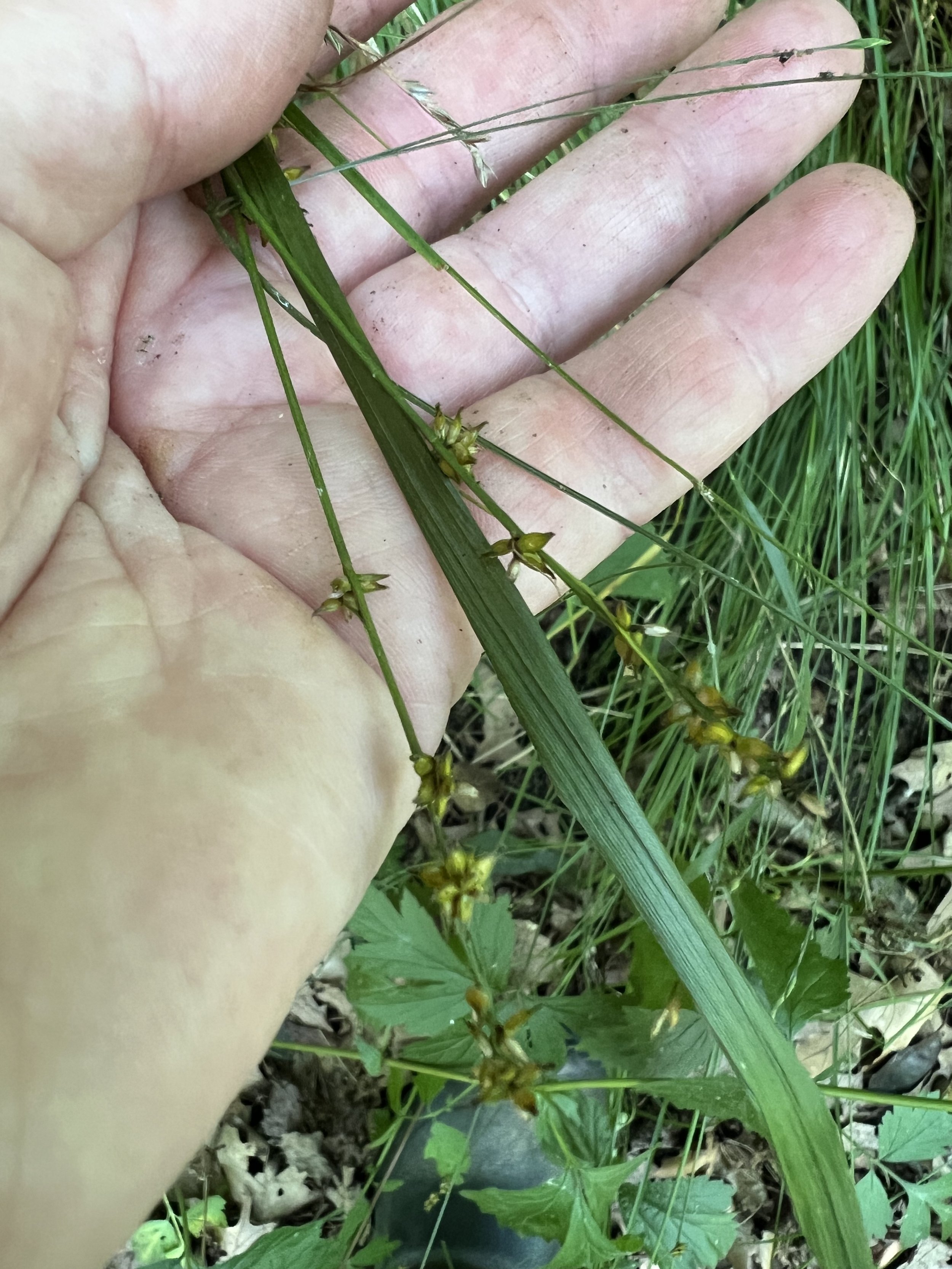
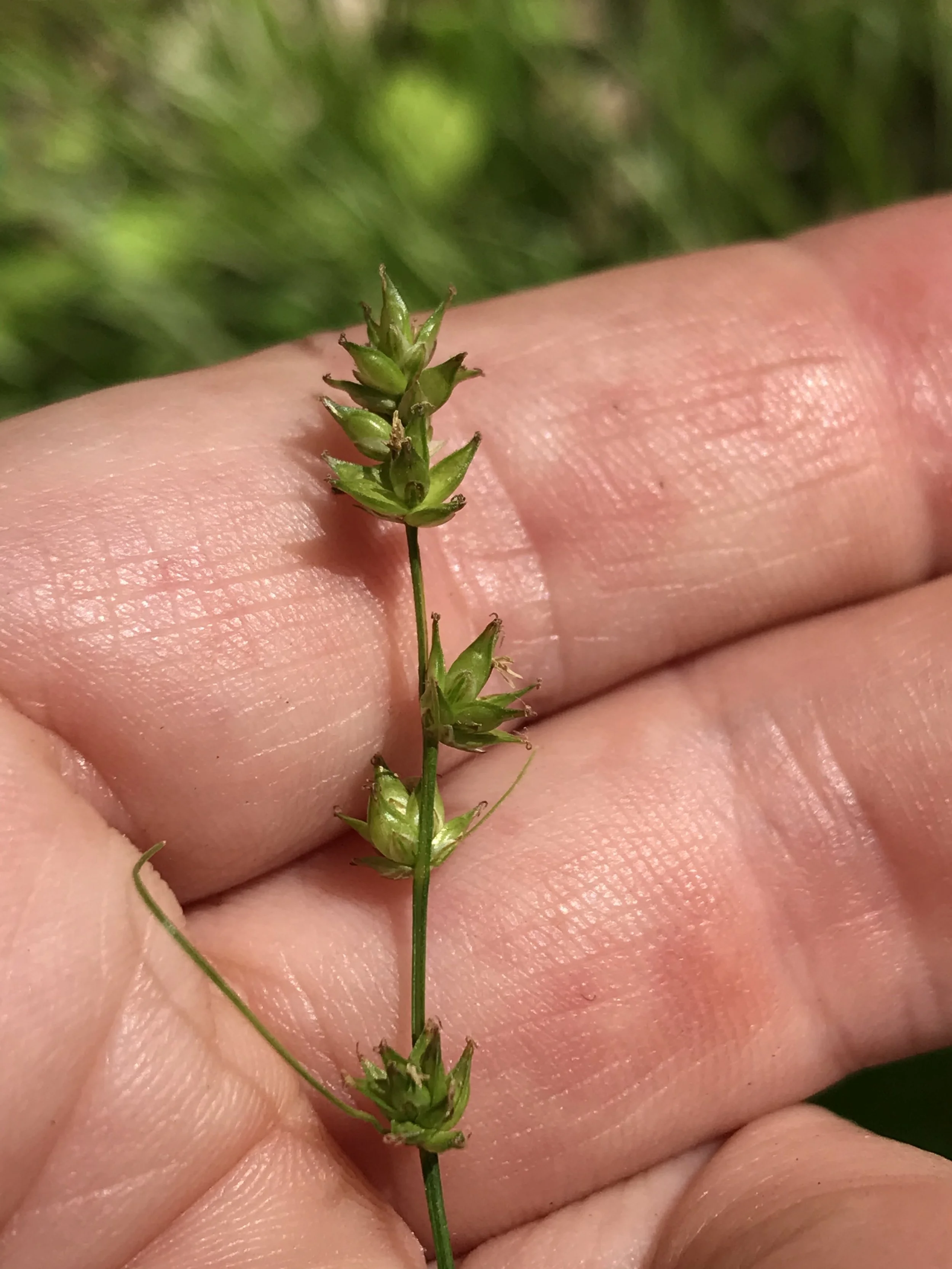
Companion Plants: ferns, partridgeberry, northern long sedge (Carex folliculita), blue lobelia, swamp goldenrod, rough-leaved goldenrod

Flat-topped White Aster (Doellingeria umbellata)

Michigan Flora reference page for statewide distribution: Flat-topped White Aster

Height: 3-5 feet

Bloom Time: July-Sept

Soil: acidic sandy-loam, can adapt to other soils fairly well

Sun: dappled light, part-sun, full sun

Plant spacing: 18 inches

Flower: white with a yellow center

Life cycle: perennial

Family: Asteraceae

Seed source: Michigan

Sizes:

The first time I saw this aster gone to seed, I thought it was a goldenrod. This is probably due to the umbel of flowers at the top, and the leaves which reminded me a bit of Canada or Tall Goldenrod.

Flat-topped White Aster, also known as Flat-topped Aster is alone in its genus, but used to be in the very large genus, simply called Aster.

The common name is descriptive enough: it is a 3-5 foot tall aster that has an umbel of white flowers, 3-12” across at the top. Individual composite flowers are about a half inch across.

This aster can be found in forests, on the edge of forests and also in open areas. The thing that ties all of these habitats together is water. Flat-topped White Aster wants soil that is moist. The wetness index is: FACW, meaning it’s a facultative wetland plant. This means that it is most likely to be found in wet areas, but may occasionally be found in drier areas.

This aster (most asters) are visited by an abundance of insects looking for pollen and nectar, including some specialist bees. Crescent and Checkerspot Butterfly Larvae eat the leaves and there are quite a few other insects that snack on these leaves as well. Tree Sparrows, cute little winter visitors, eat the seeds.

Companion Plants: ferns, partridgeberry, northern long sedge (Carex folliculita), blue lobelia, swamp goldenrod, rough-leaved goldenrod

Flat-topped White Aster (Doellingeria umbellata)

Michigan Flora reference page for statewide distribution: Flat-topped White Aster

Height: 3-5 feet

Bloom Time: July-Sept

Soil: acidic sandy-loam, can adapt to other soils fairly well

Sun: dappled light, part-sun, full sun

Plant spacing: 18 inches

Flower: white with a yellow center

Life cycle: perennial

Family: Asteraceae

Seed source: Michigan