Image 1 of 6
Image 2 of 6
Image 3 of 6
Image 4 of 6
Image 5 of 6
Image 6 of 6
Fringed Loosestrife (Lysimachia ciliata)
from $3.50
Sold Out
Do you panic when you hear the word “loosestrife?’ If so, that’s understandable! Purple loosestrife (Lythrum salicaria) is an Eurasian, African, and Australian plant that is terribly invasive in the United States. It is so aggressive that areas become a monoculture of this plant which in turn means a loss in diversity of plants and animals that would naturally occur in those wetlands. We do have a native Lythrum in Michigan. It is Lythrum alatum—Winged Loosestrife. It is a smaller plant and no where near as common as purple loosestrife.
Fringed Loosestrife and the other native loosestrifes in Michigan (as well as quite a few adventive loosestrifes) are in the genus Lysimachia.
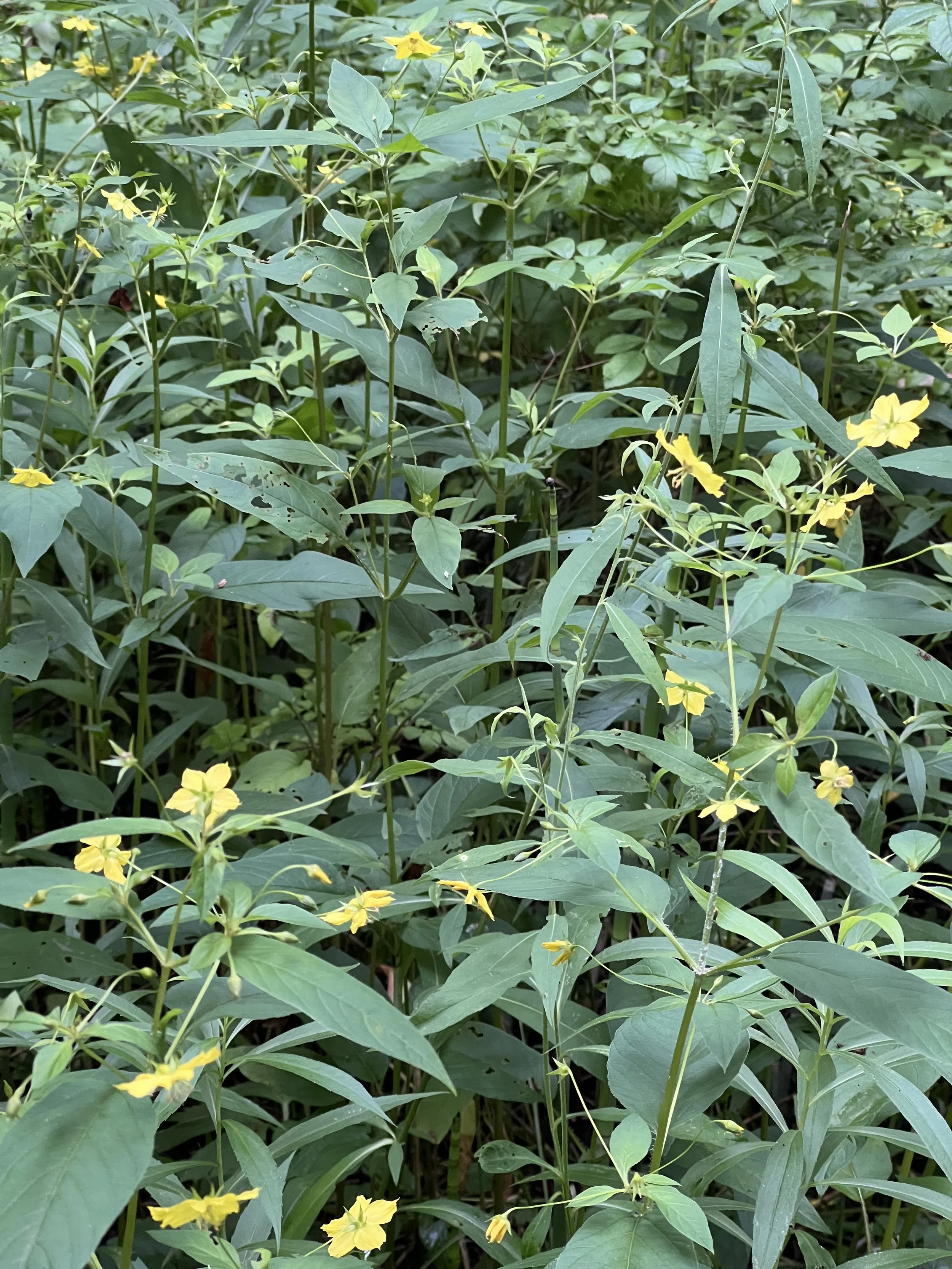
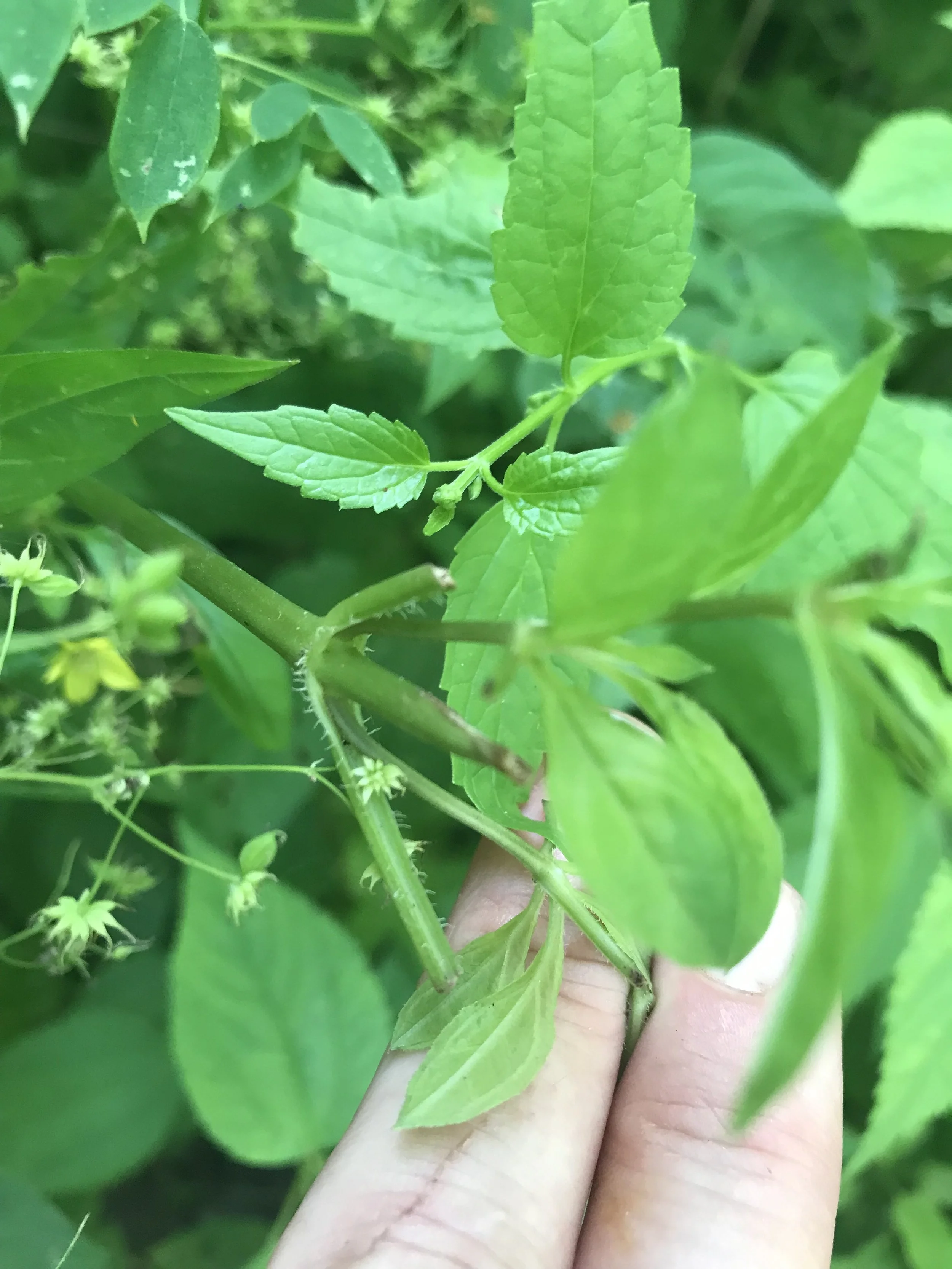
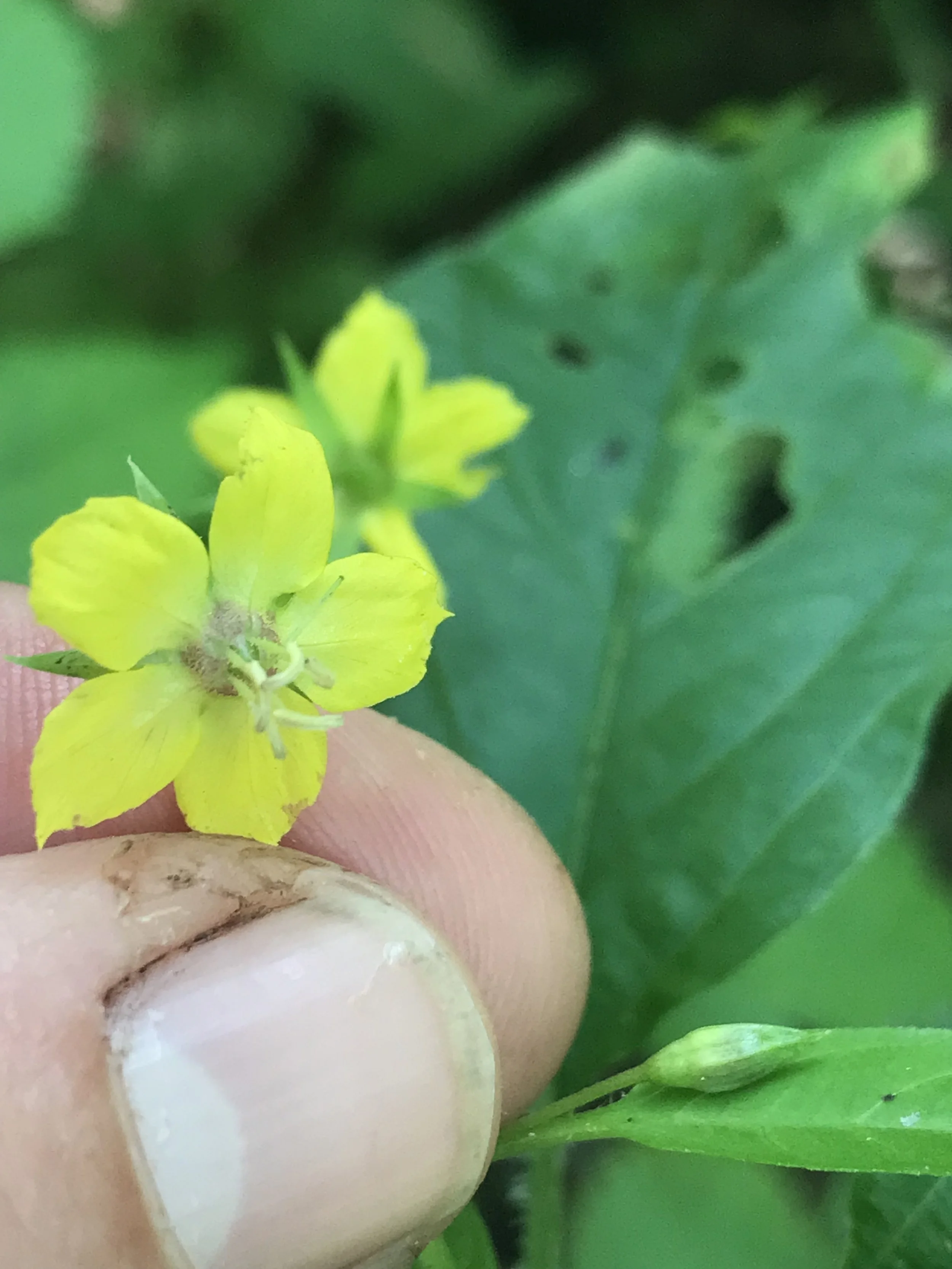
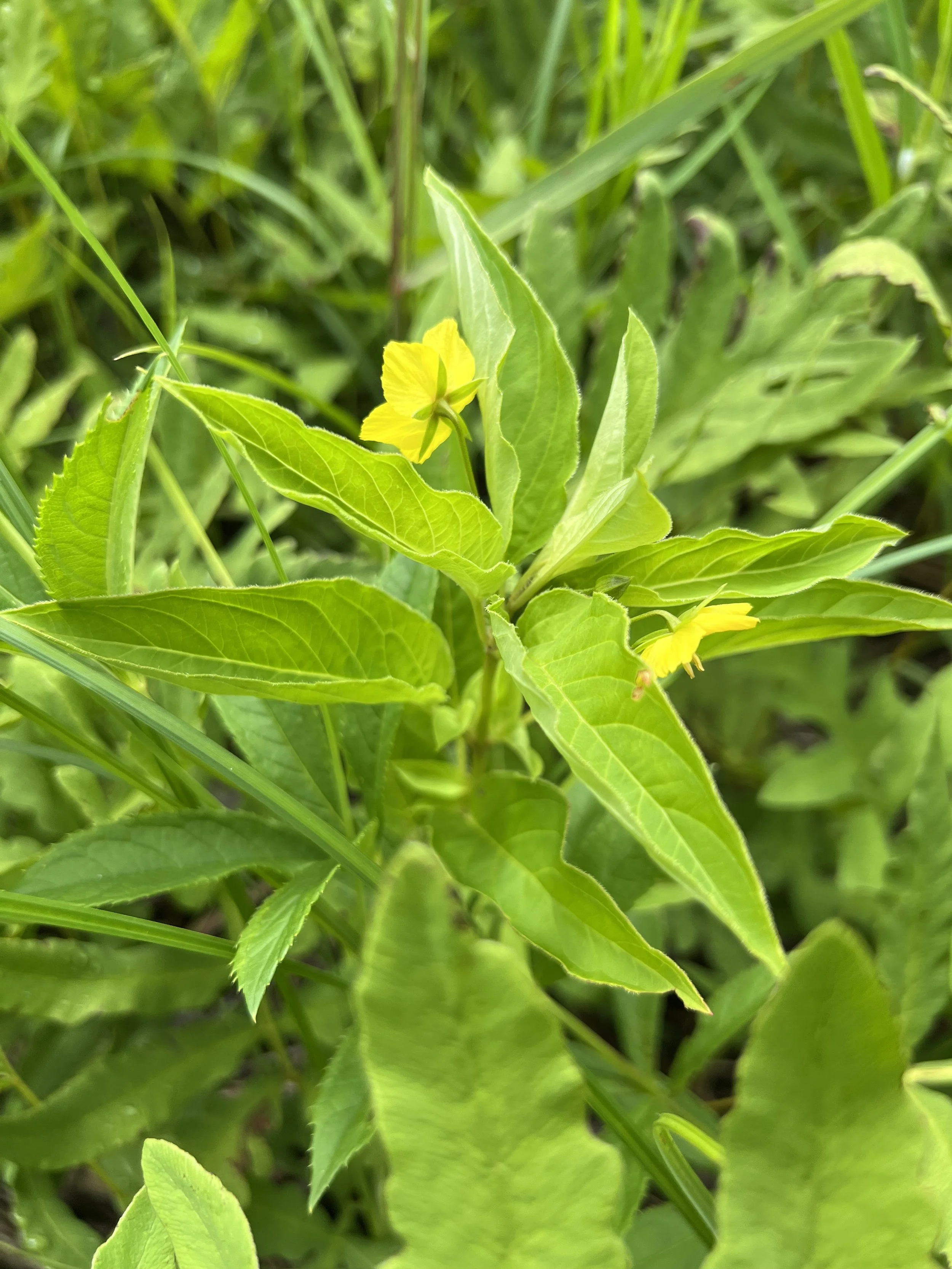
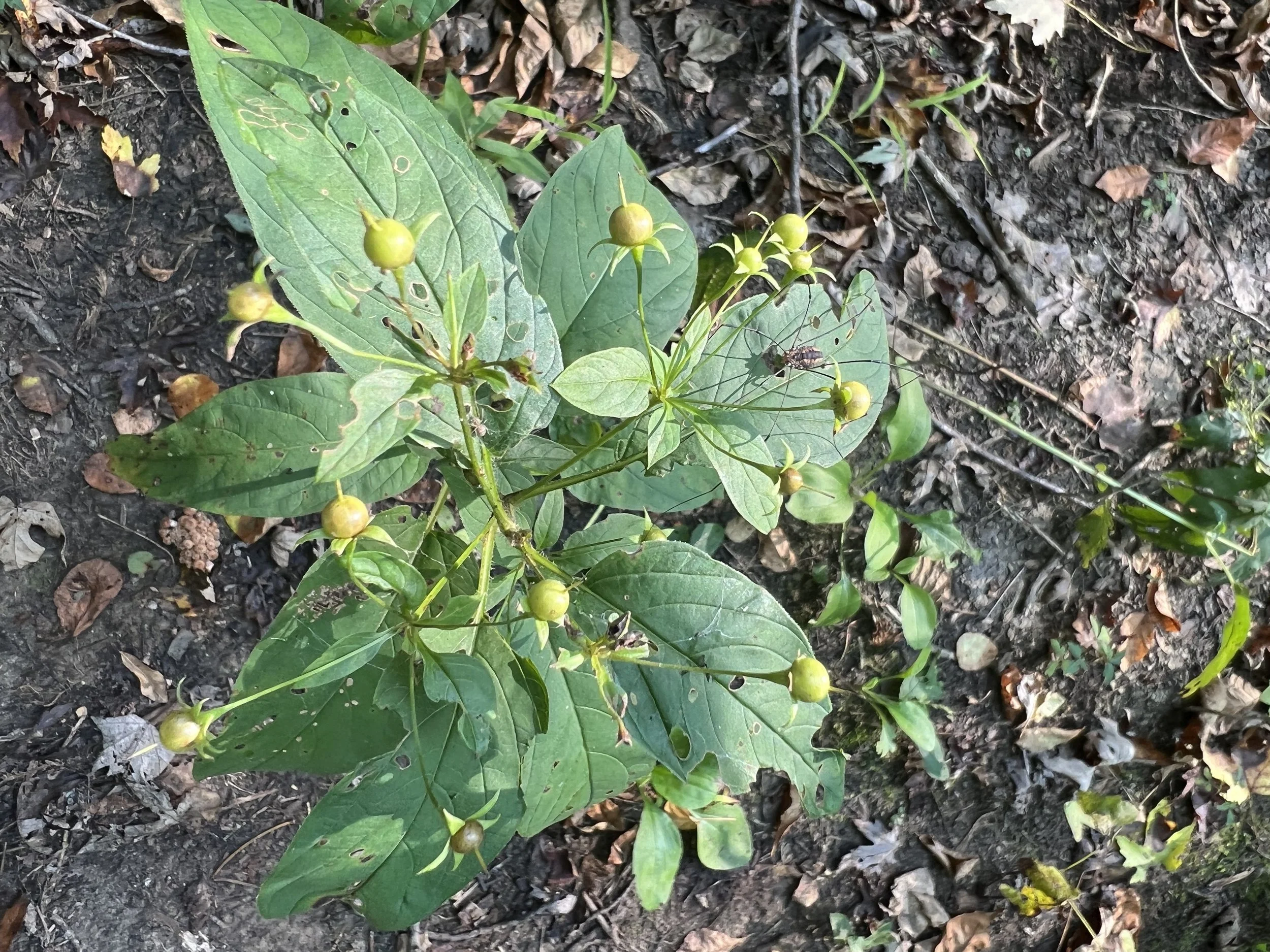
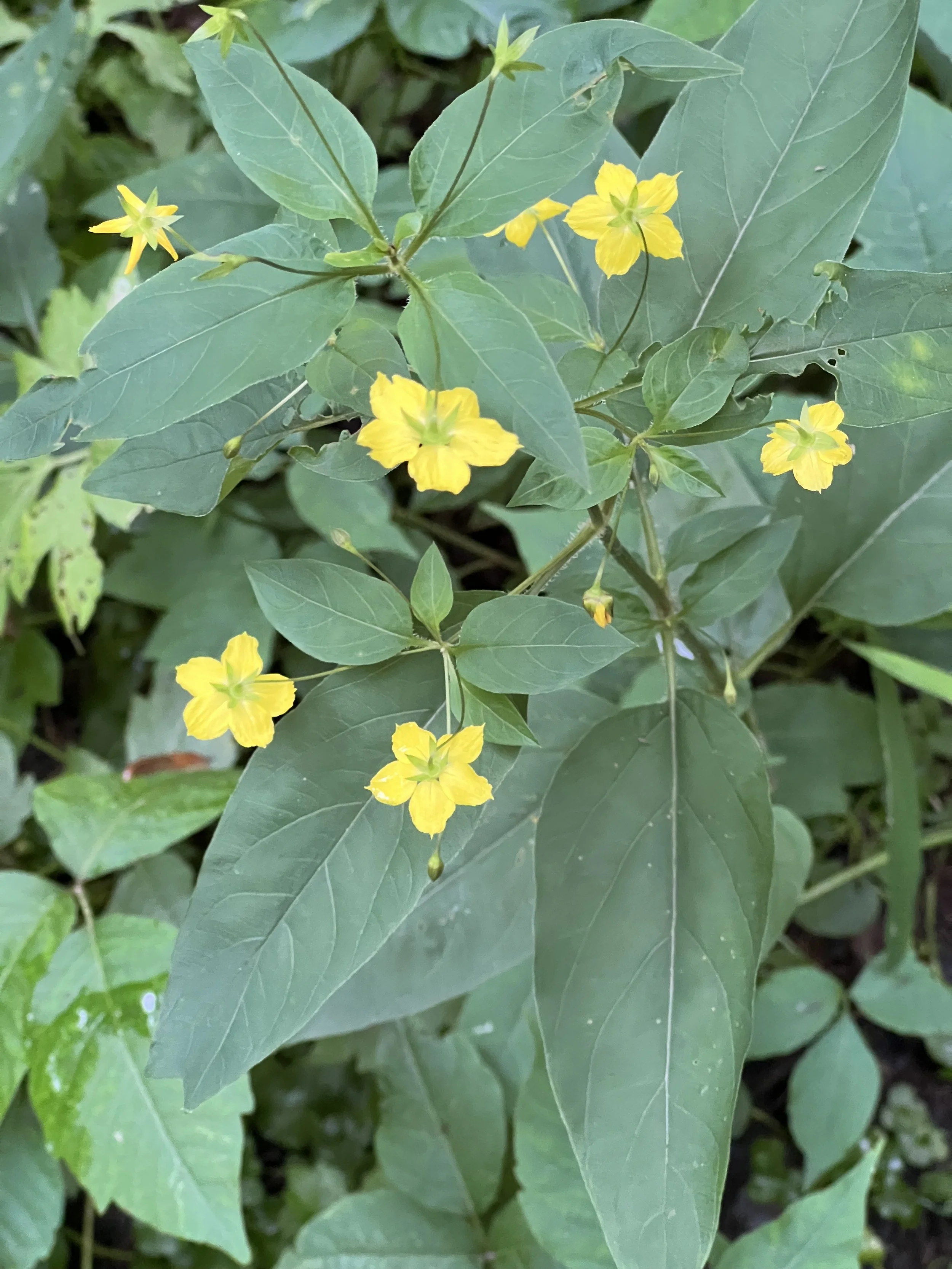
Fringed loosestrife grows in moist places such as floodplains, at the edge of marshes, and in swamps. It has yellow flowers, pinkish in the centerabout an inch wide. They are interesting because they are turned downward so you have to turn them over to see them properly. See photos for the “fringe” that is on the leaf stems (petioles).
This plant spreads by seed and by rhizome. I planted it in one of my woodland gardens and may have lost it this year in late summer due to drought. It really is a plant that wants to stay moist.
Interesting fact from Illinois Wildflowers: there is an oligolege (insect specialist) bee that collects pollen and floral oil for its larvae. There are also quite a few insects that use only plants in the genus as hosts or food.
Fringed Loosestrife (Lysimachia ciliata)
Michigan Flora reference page for statewide distribution: Fringed Loosestrife
Height: 2-3 feet
Bloom time: June-August
Soil: loam. muck
Sun: full sun to shade
Plant spacing: 18-24”
Flower: yellow
Life cycle: Perennial
Family: Mercinaceae
Seed source: Michigan
Sizes:
Get notified by email when this product is in stock.
Do you panic when you hear the word “loosestrife?’ If so, that’s understandable! Purple loosestrife (Lythrum salicaria) is an Eurasian, African, and Australian plant that is terribly invasive in the United States. It is so aggressive that areas become a monoculture of this plant which in turn means a loss in diversity of plants and animals that would naturally occur in those wetlands. We do have a native Lythrum in Michigan. It is Lythrum alatum—Winged Loosestrife. It is a smaller plant and no where near as common as purple loosestrife.
Fringed Loosestrife and the other native loosestrifes in Michigan (as well as quite a few adventive loosestrifes) are in the genus Lysimachia.
Fringed loosestrife grows in moist places such as floodplains, at the edge of marshes, and in swamps. It has yellow flowers, pinkish in the centerabout an inch wide. They are interesting because they are turned downward so you have to turn them over to see them properly. See photos for the “fringe” that is on the leaf stems (petioles).
This plant spreads by seed and by rhizome. I planted it in one of my woodland gardens and may have lost it this year in late summer due to drought. It really is a plant that wants to stay moist.
Interesting fact from Illinois Wildflowers: there is an oligolege (insect specialist) bee that collects pollen and floral oil for its larvae. There are also quite a few insects that use only plants in the genus as hosts or food.
Fringed Loosestrife (Lysimachia ciliata)
Michigan Flora reference page for statewide distribution: Fringed Loosestrife
Height: 2-3 feet
Bloom time: June-August
Soil: loam. muck
Sun: full sun to shade
Plant spacing: 18-24”
Flower: yellow
Life cycle: Perennial
Family: Mercinaceae
Seed source: Michigan