Image 1 of 7
Image 2 of 7
Image 3 of 7
Image 4 of 7
Image 5 of 7
Image 6 of 7
Image 7 of 7
Goldenseal (Hydrastis canadensis)
from $6.50
Sold Out
Goldenseal is rare in Michigan due to the illegal harvesting of the roots for medicinal purposes, much like Ginseng. Our plants are grown from seed purchased from Prairie Moon Nursery in Minnesota. According to Michigan Flora, there are many botanical collections of this plant from the past, so it was once a lot more common.
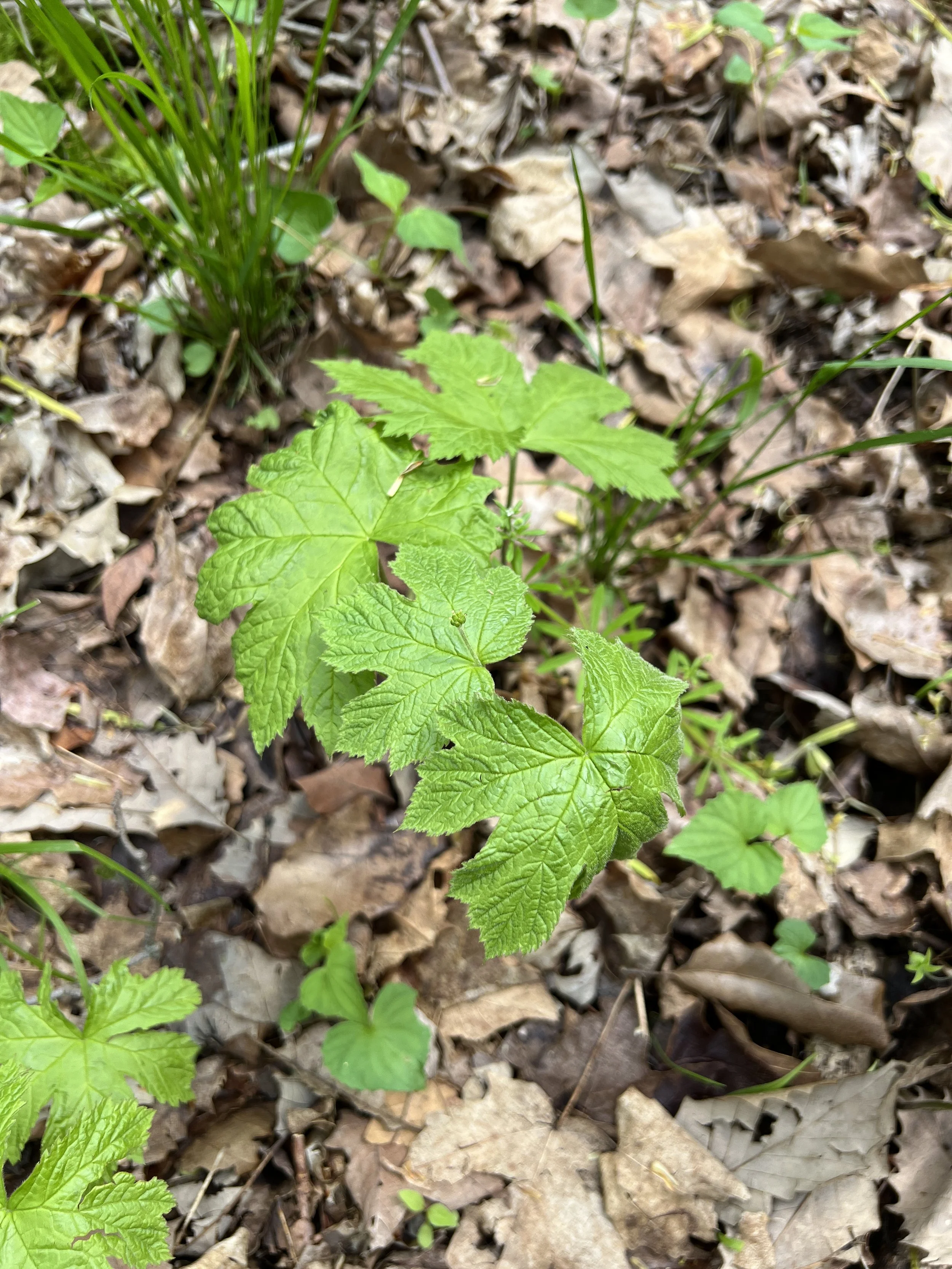
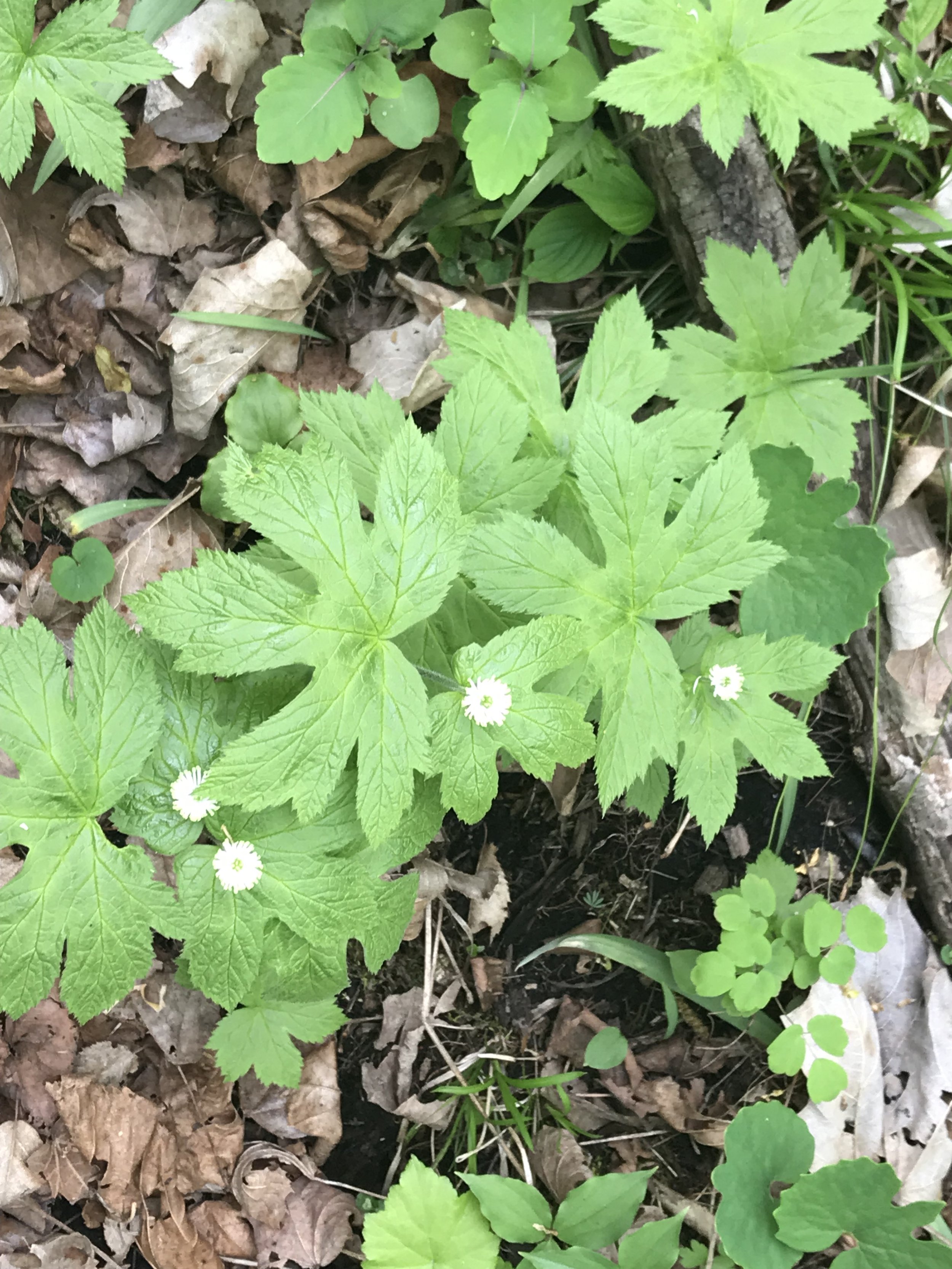
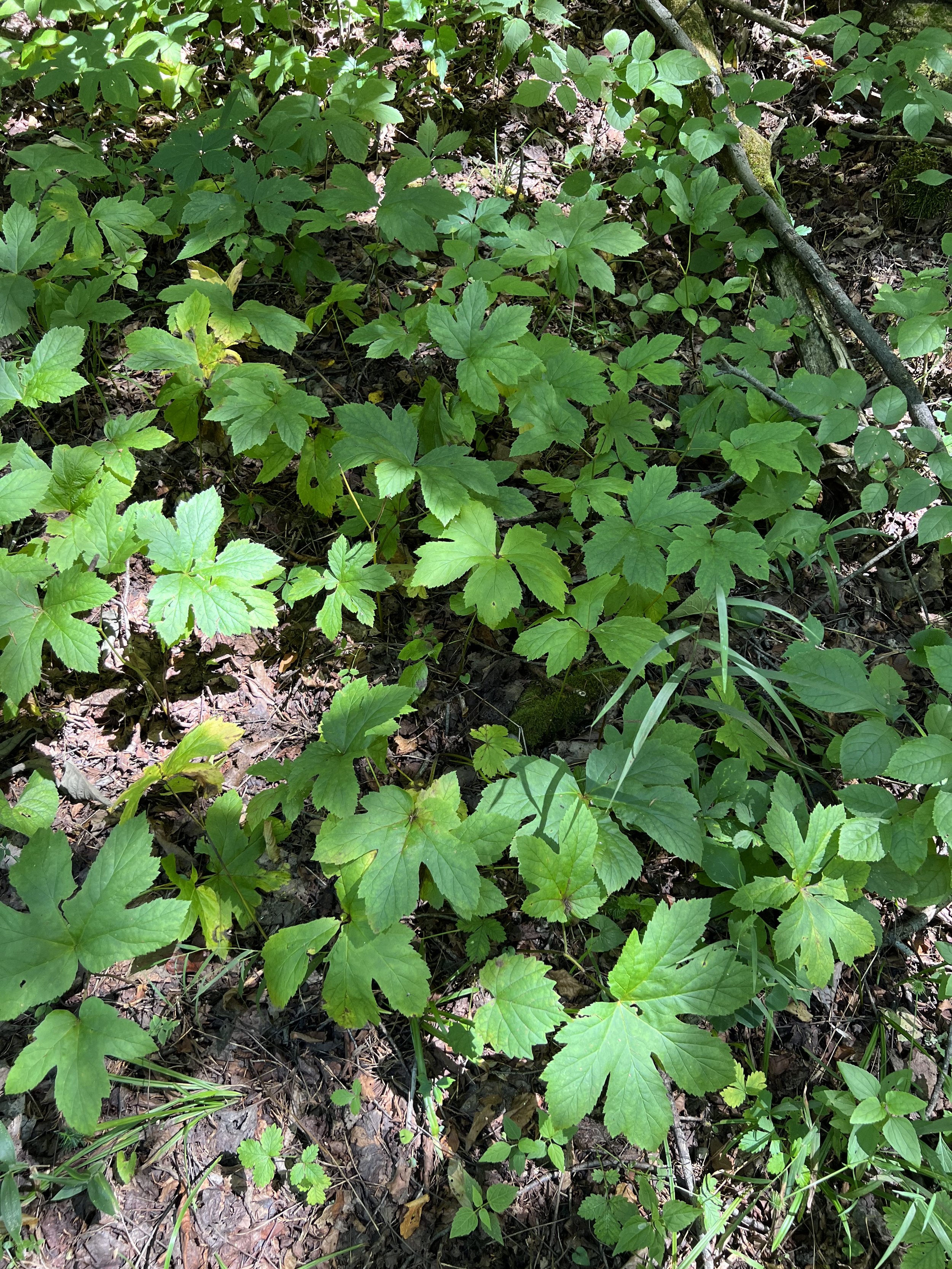
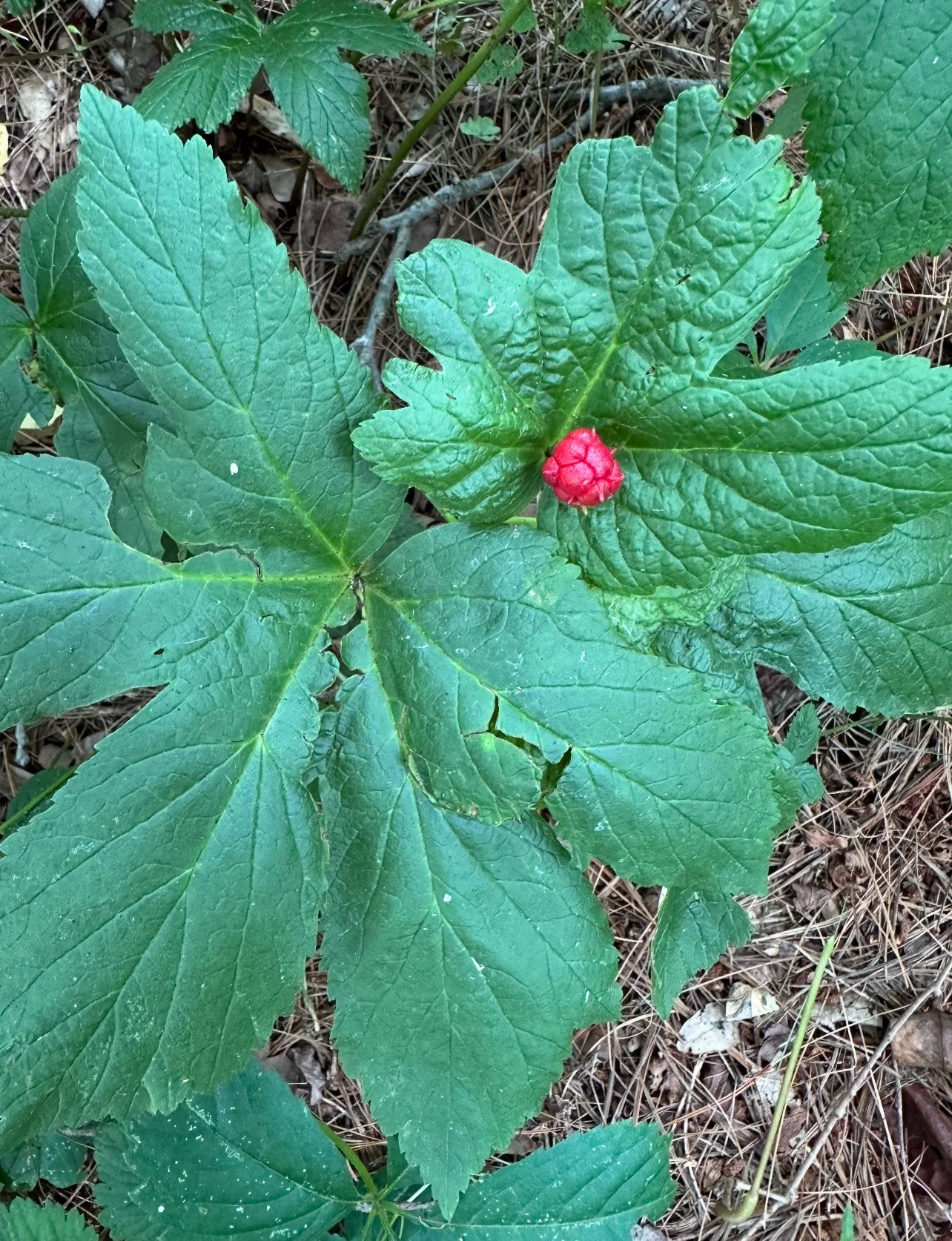
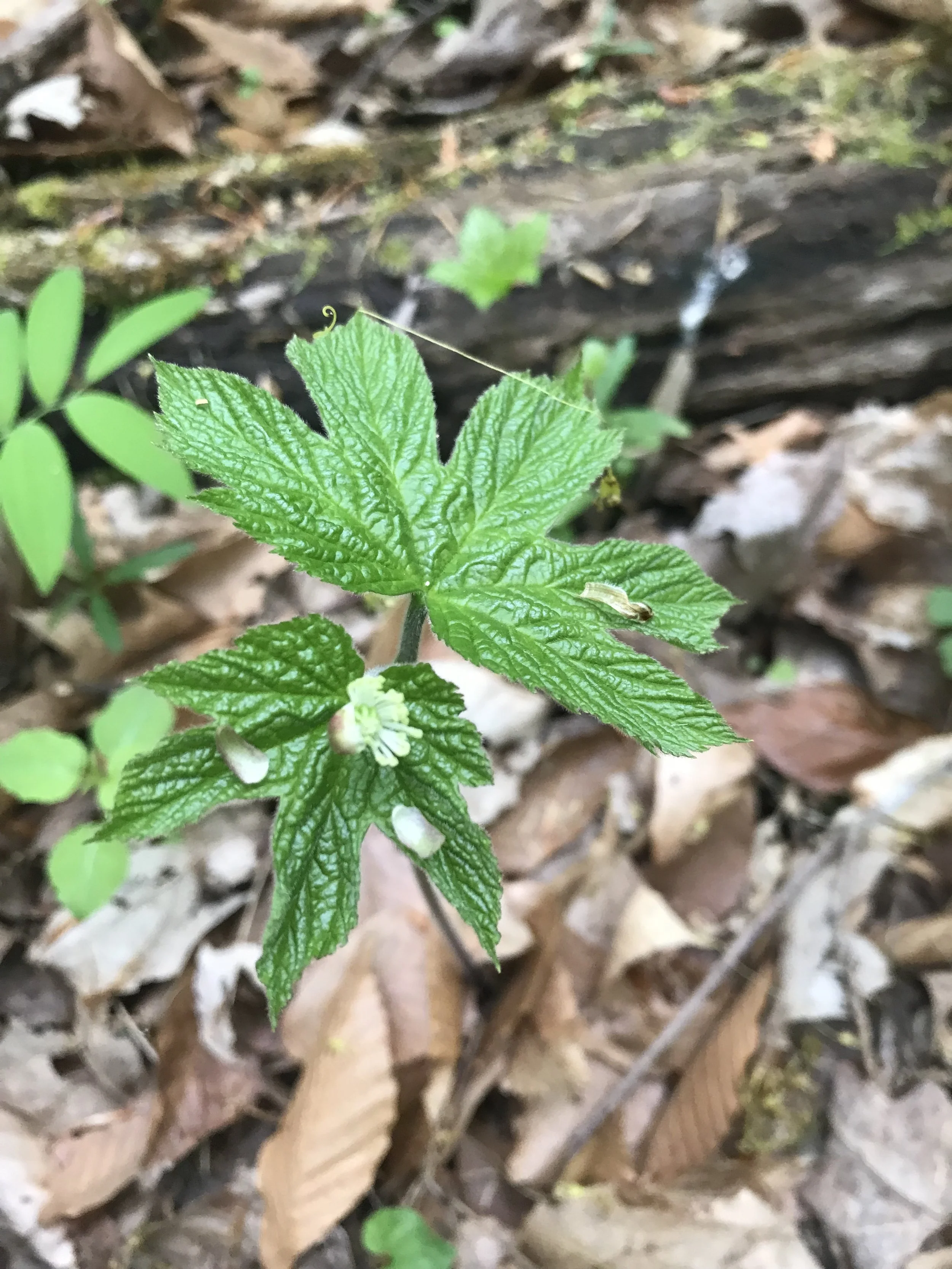
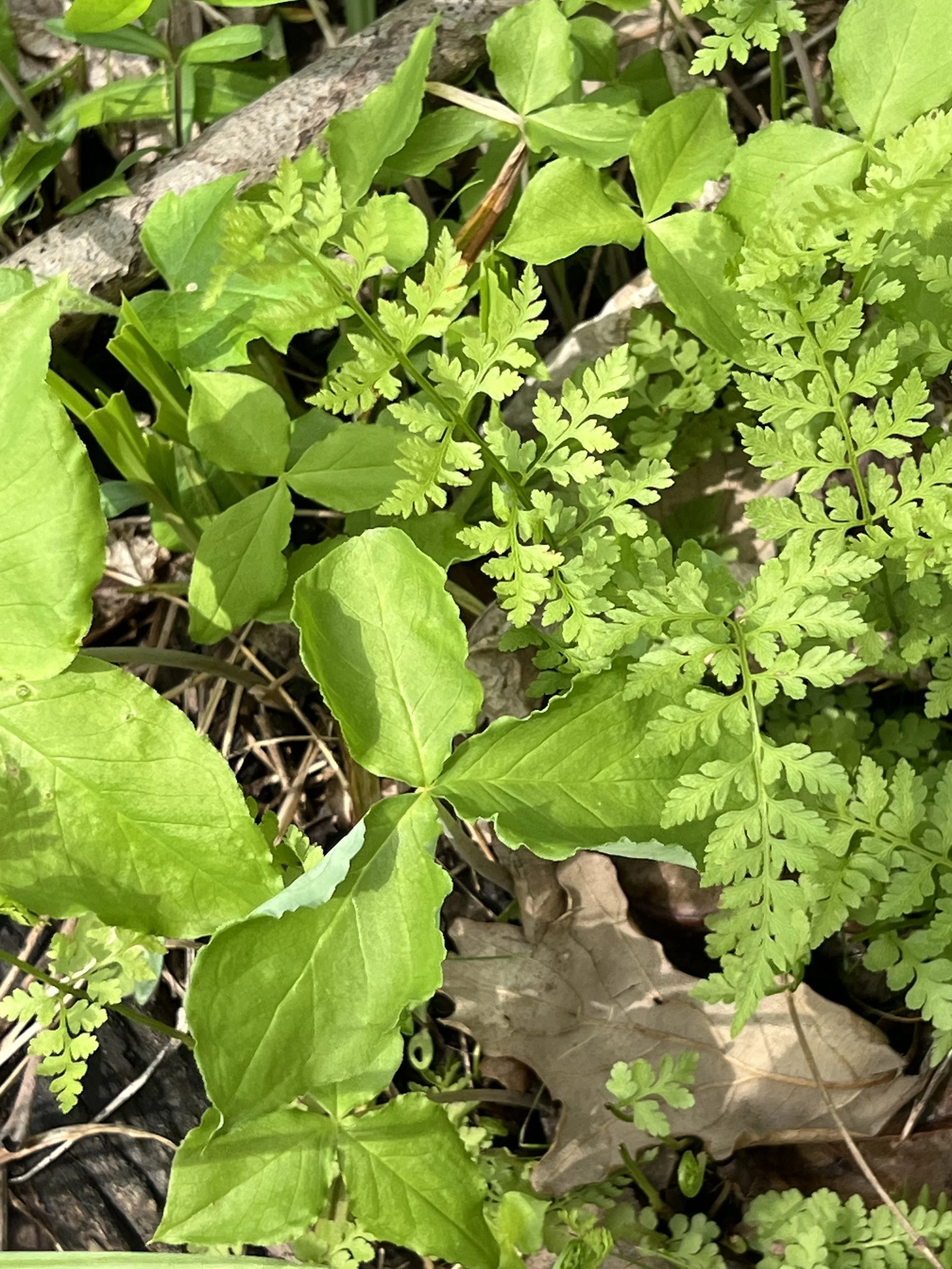
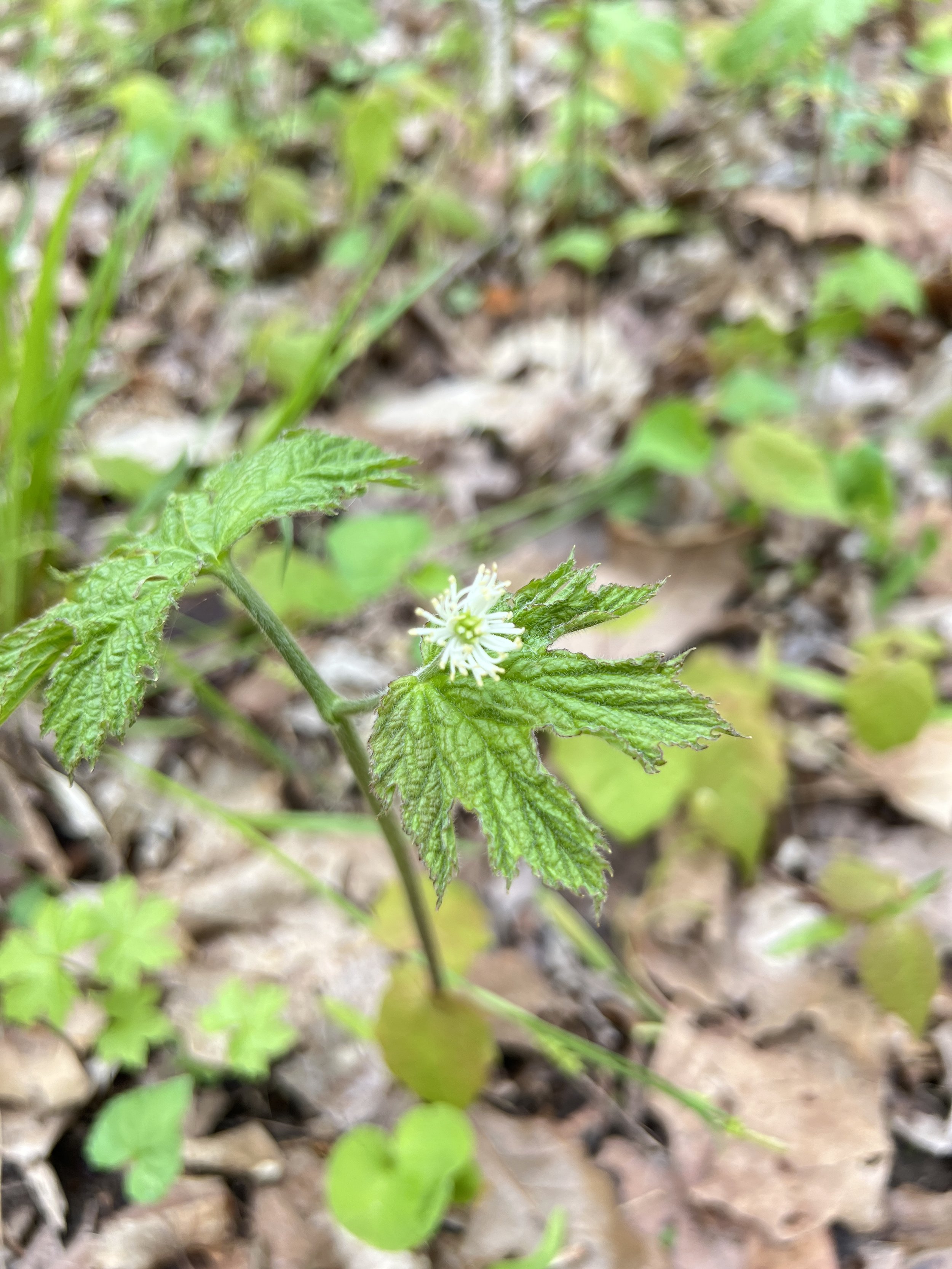
Its natural habitat is rich, moist woodlands. As the plant emerges, its large raspberry-like leaves are deeply wrinkled and they expand and become darker and smoother with age. Flowering plants have two leaves. The flowers consist of many stamens with pollen covered anthers around the edge and several pistils in the center which contain the ovaries and the stigma (where pollen can be deposited for fertilization). Before the flowers open, they are covered by three sepals that fall off as they open (deciduous). See photos.
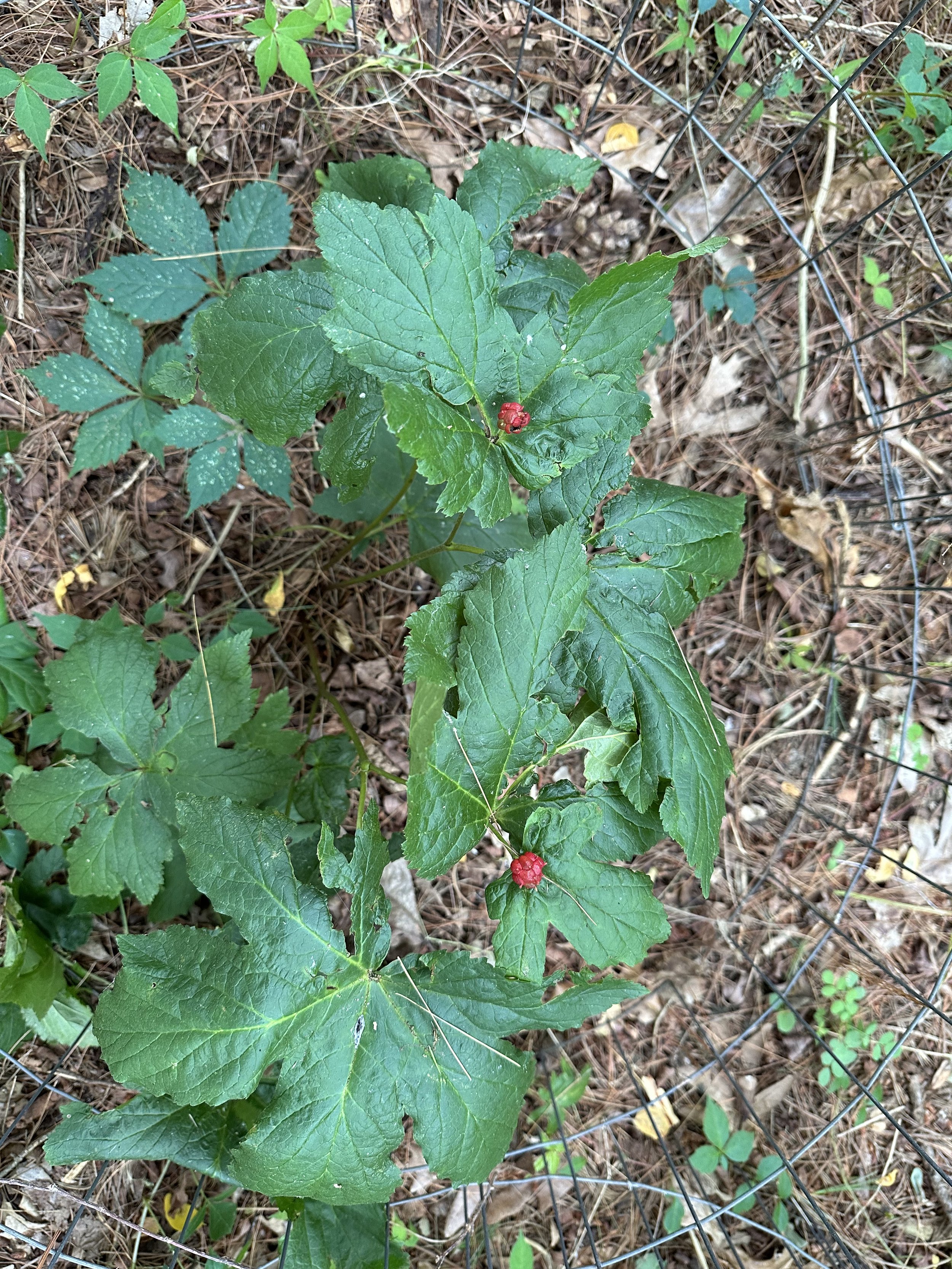
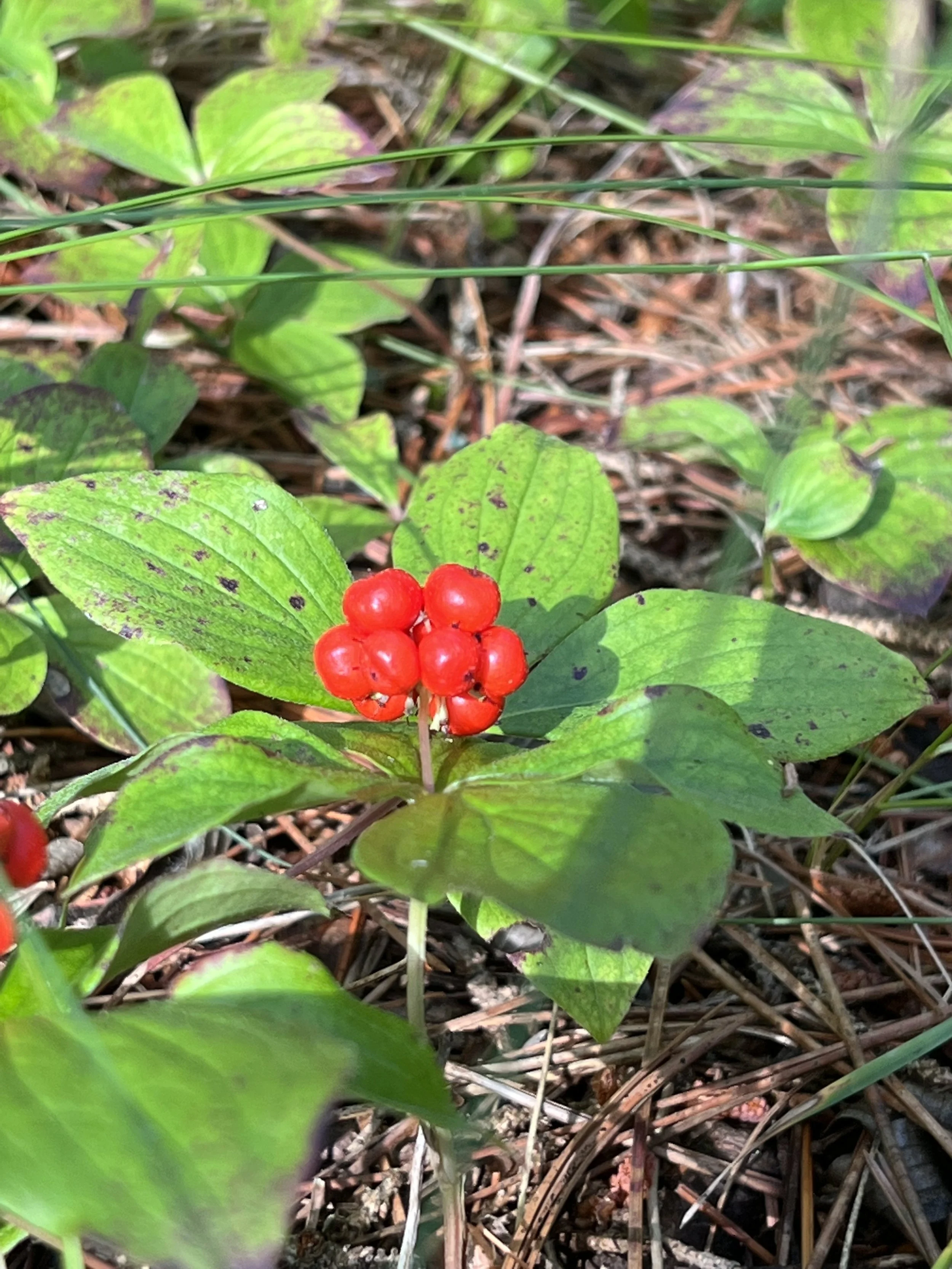
Once the flowers have been pollinated, the red berries form. These are inedible to humans, but birds and small mammals may eat them and this may be one way the plant spreads. The other way is by rhizome. Smal patches may form over time due to rhizome spread.
If you see this in the woods, it’s a special treat. Do not dig it for your own garden. It is a threatened and protected plant.
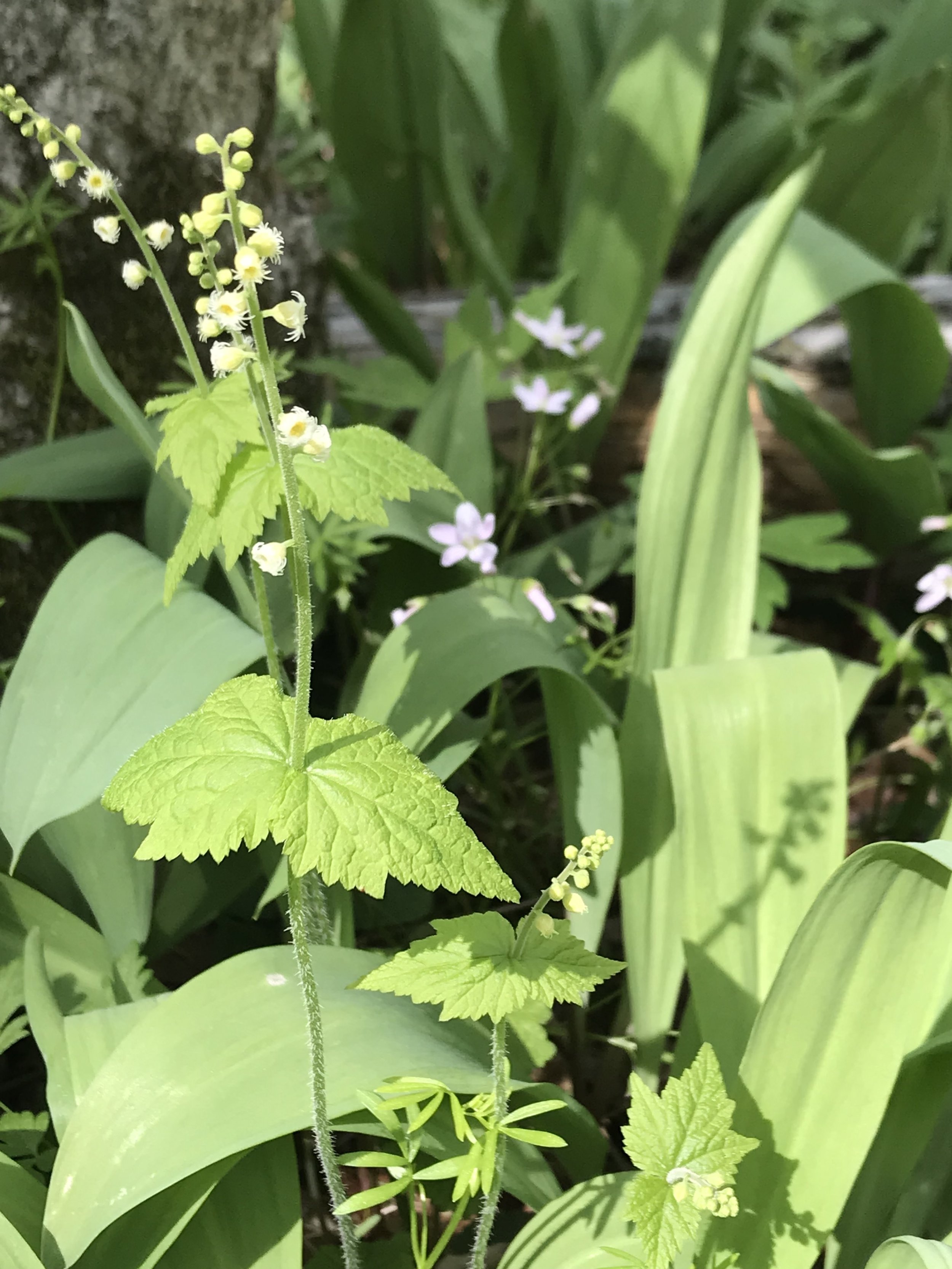
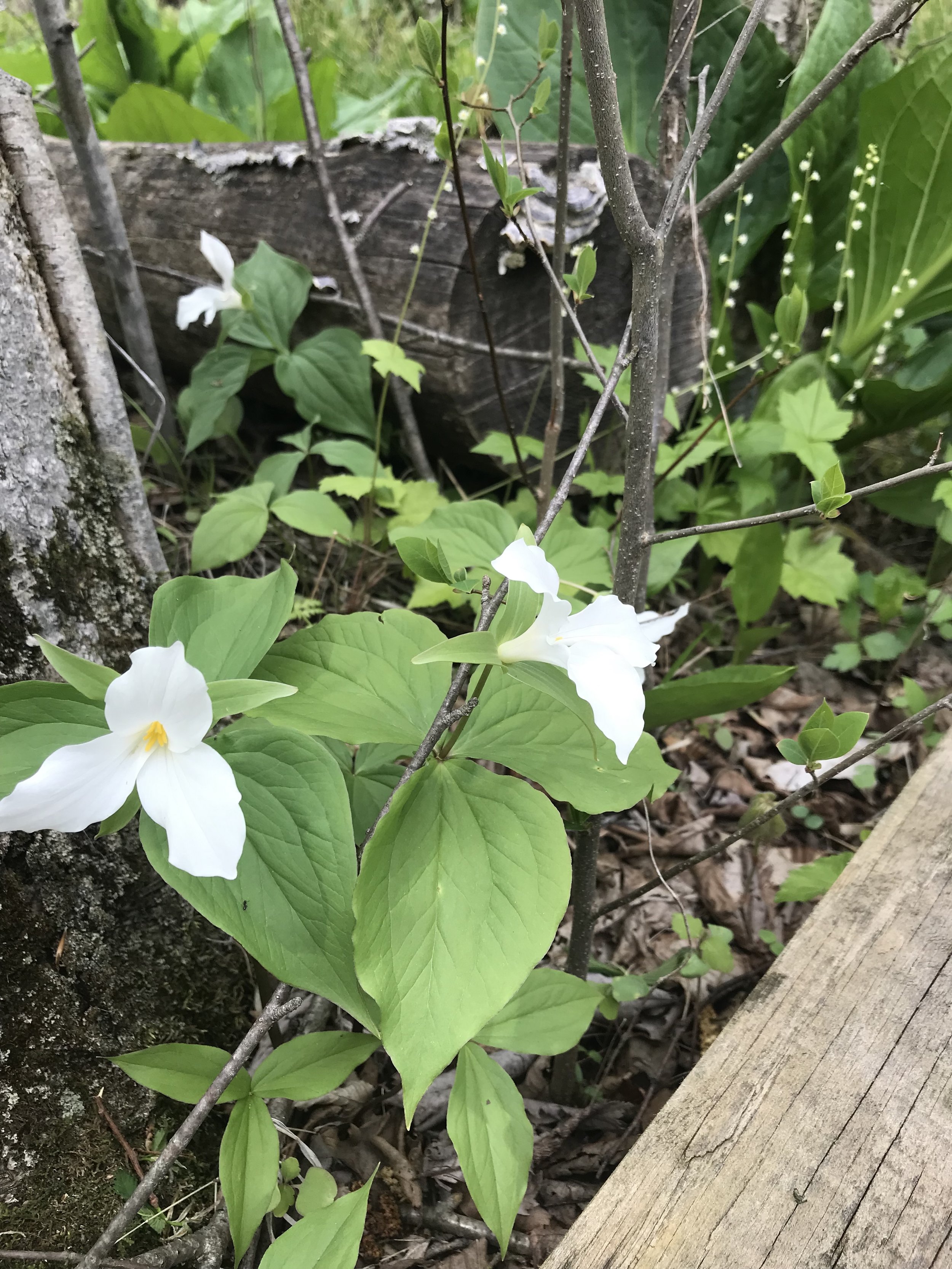
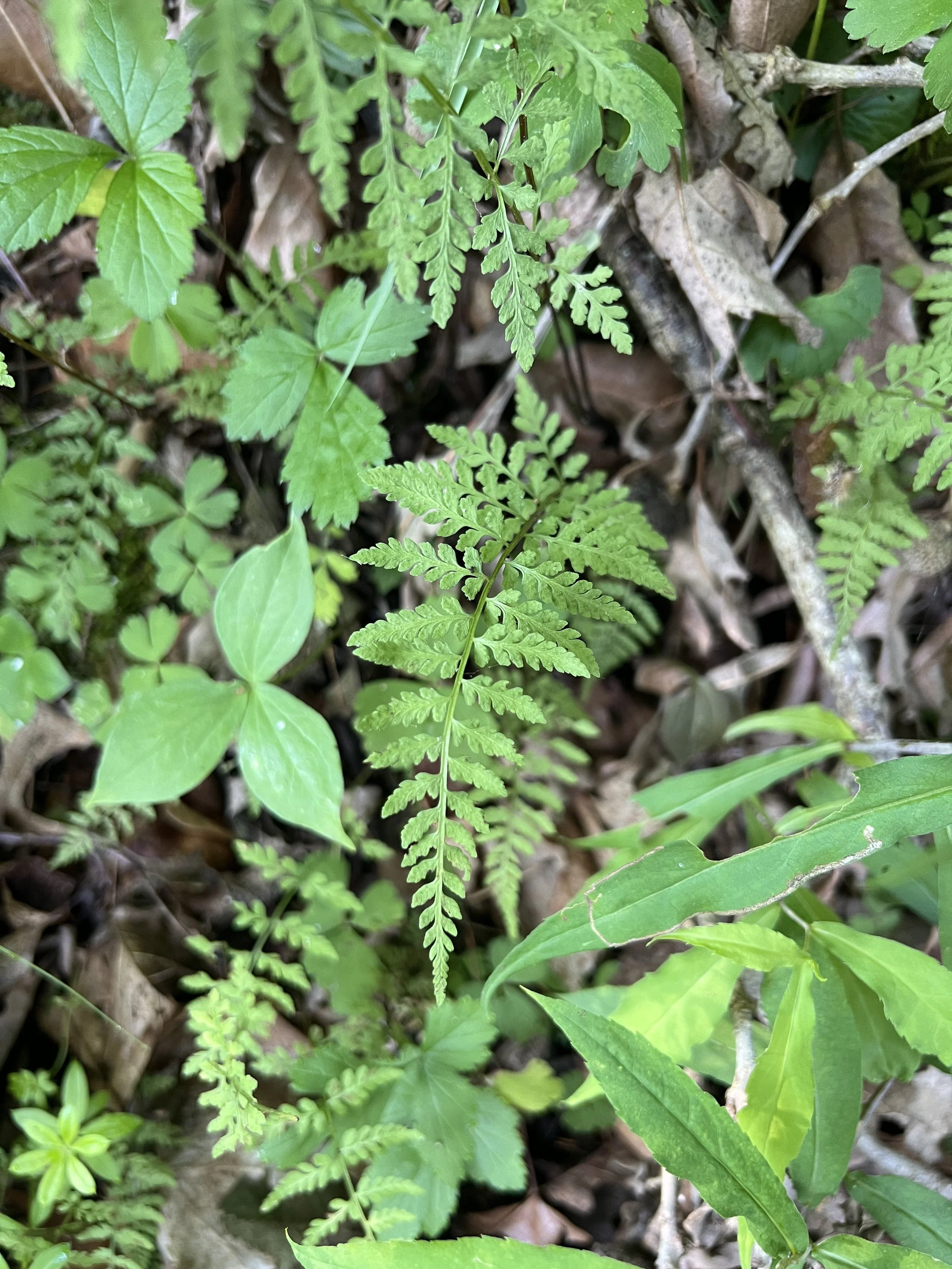
Companion Plants: Canada violet, yellow violet, wild leeks, starry false solomon’s seal, long-beaked sedge
Goldenseal (Hydrastis canadensis)
Michigan Flora reference page for statewide distribution: Goldenseal
Height: 12”
Bloom Time: May-June
Soil: rich loam, medium wet to medium
Sun: dappled light to shade
Plant Spacing: 12”
Flower: white
Life Cycle: Perennial
Family: Ranunculaceae
Seed source: Great Lakes region
Sizes:
Get notified by email when this product is in stock.
Goldenseal is rare in Michigan due to the illegal harvesting of the roots for medicinal purposes, much like Ginseng. Our plants are grown from seed purchased from Prairie Moon Nursery in Minnesota. According to Michigan Flora, there are many botanical collections of this plant from the past, so it was once a lot more common.
Its natural habitat is rich, moist woodlands. As the plant emerges, its large raspberry-like leaves are deeply wrinkled and they expand and become darker and smoother with age. Flowering plants have two leaves. The flowers consist of many stamens with pollen covered anthers around the edge and several pistils in the center which contain the ovaries and the stigma (where pollen can be deposited for fertilization). Before the flowers open, they are covered by three sepals that fall off as they open (deciduous). See photos.
Once the flowers have been pollinated, the red berries form. These are inedible to humans, but birds and small mammals may eat them and this may be one way the plant spreads. The other way is by rhizome. Smal patches may form over time due to rhizome spread.
If you see this in the woods, it’s a special treat. Do not dig it for your own garden. It is a threatened and protected plant.
Companion Plants: Canada violet, yellow violet, wild leeks, starry false solomon’s seal, long-beaked sedge
Goldenseal (Hydrastis canadensis)
Michigan Flora reference page for statewide distribution: Goldenseal
Height: 12”
Bloom Time: May-June
Soil: rich loam, medium wet to medium
Sun: dappled light to shade
Plant Spacing: 12”
Flower: white
Life Cycle: Perennial
Family: Ranunculaceae
Seed source: Great Lakes region