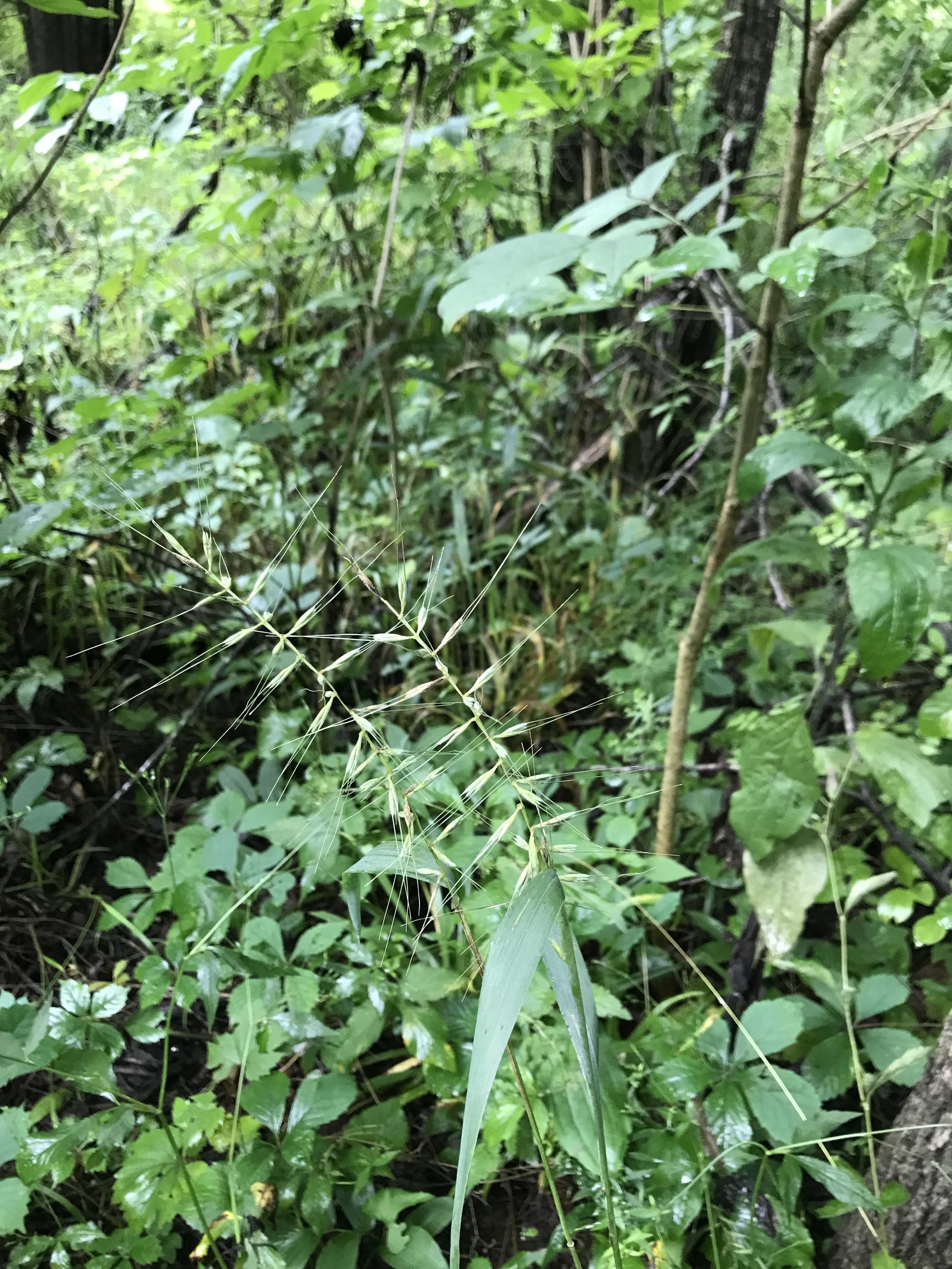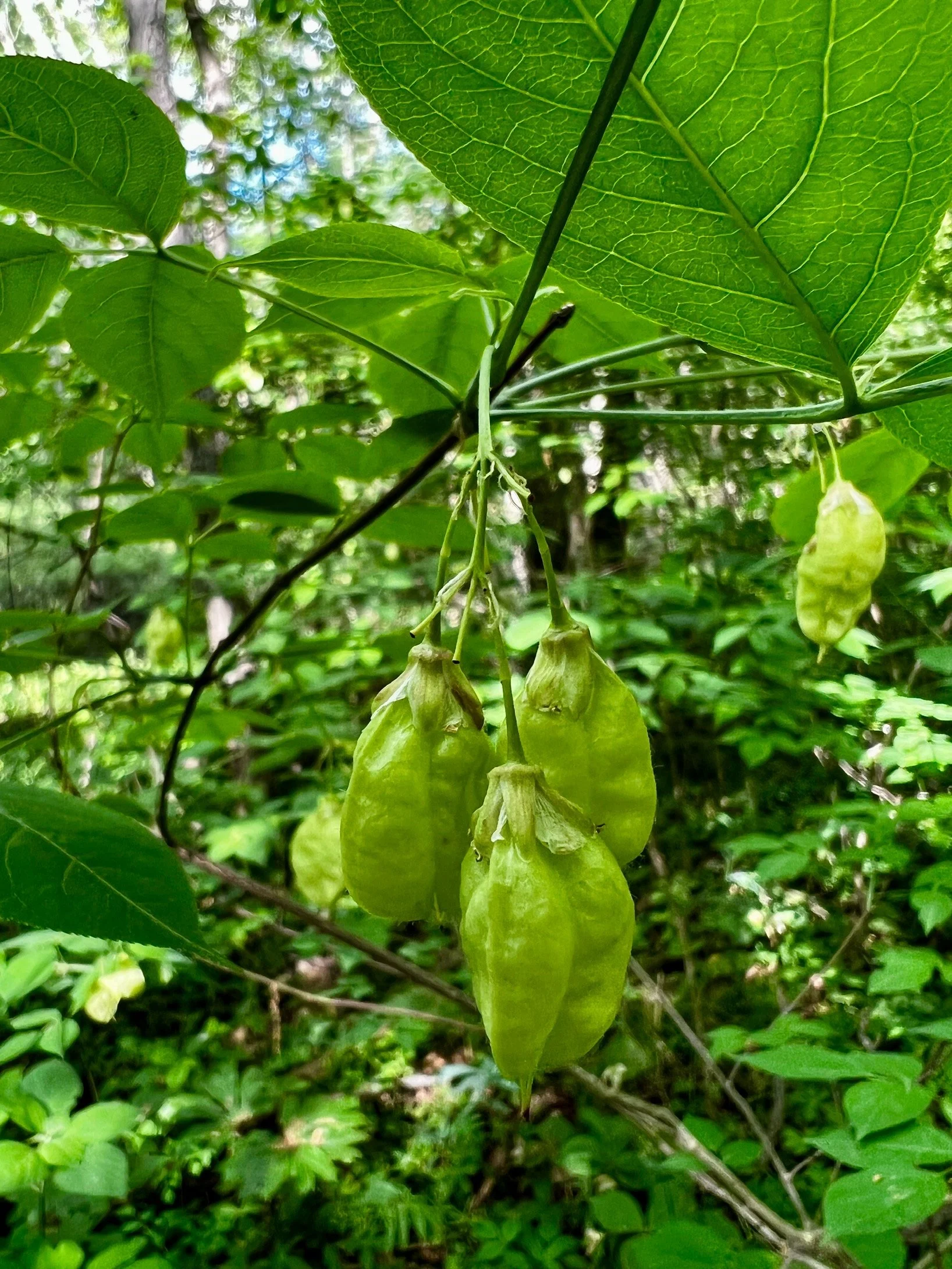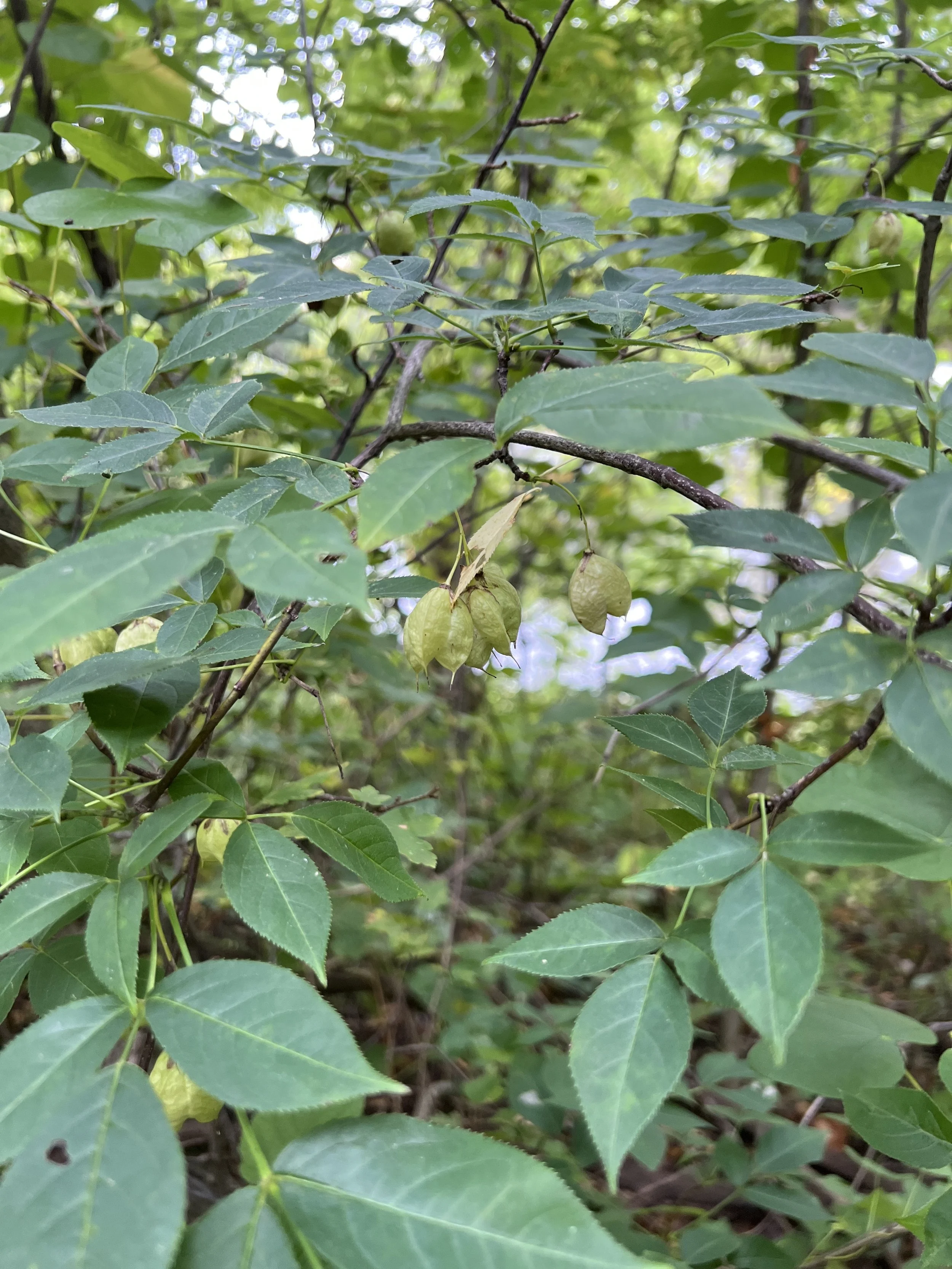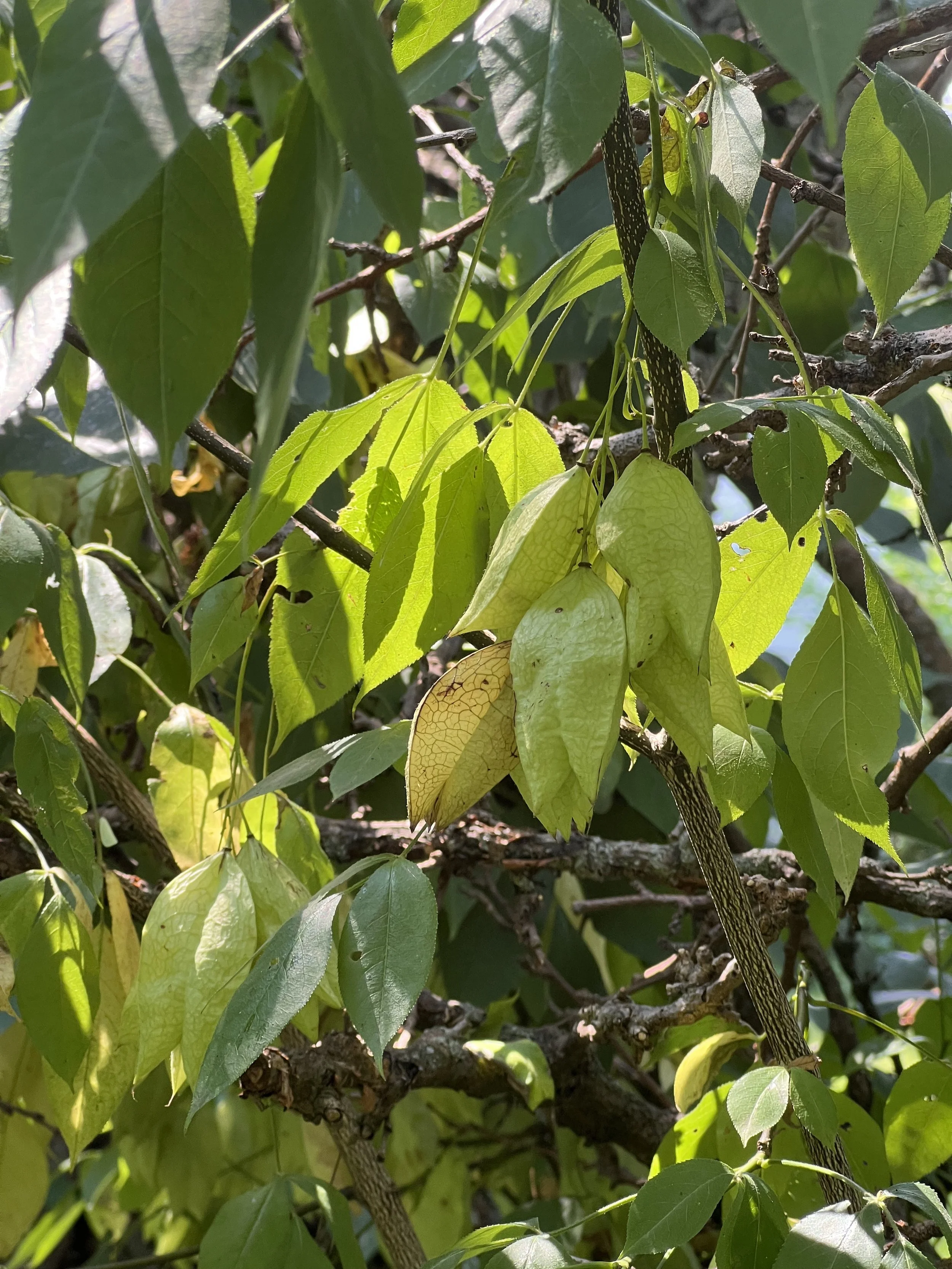
Image 1 of 7
Image 2 of 7
Image 3 of 7
Image 4 of 7
Image 5 of 7
Image 6 of 7
Image 7 of 7
Gray’s Sedge (Carex grayi)
from $3.50
Sold Out
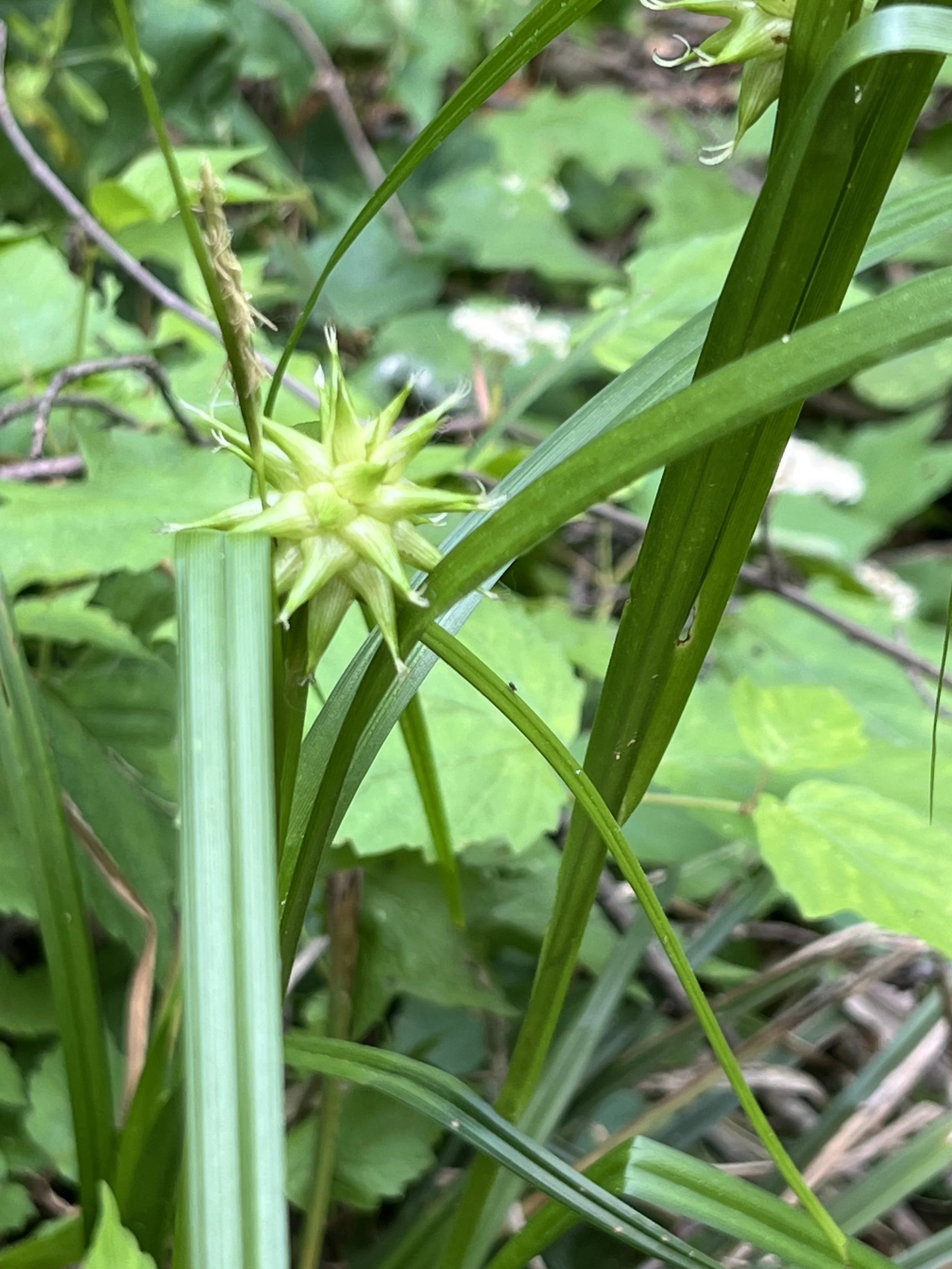
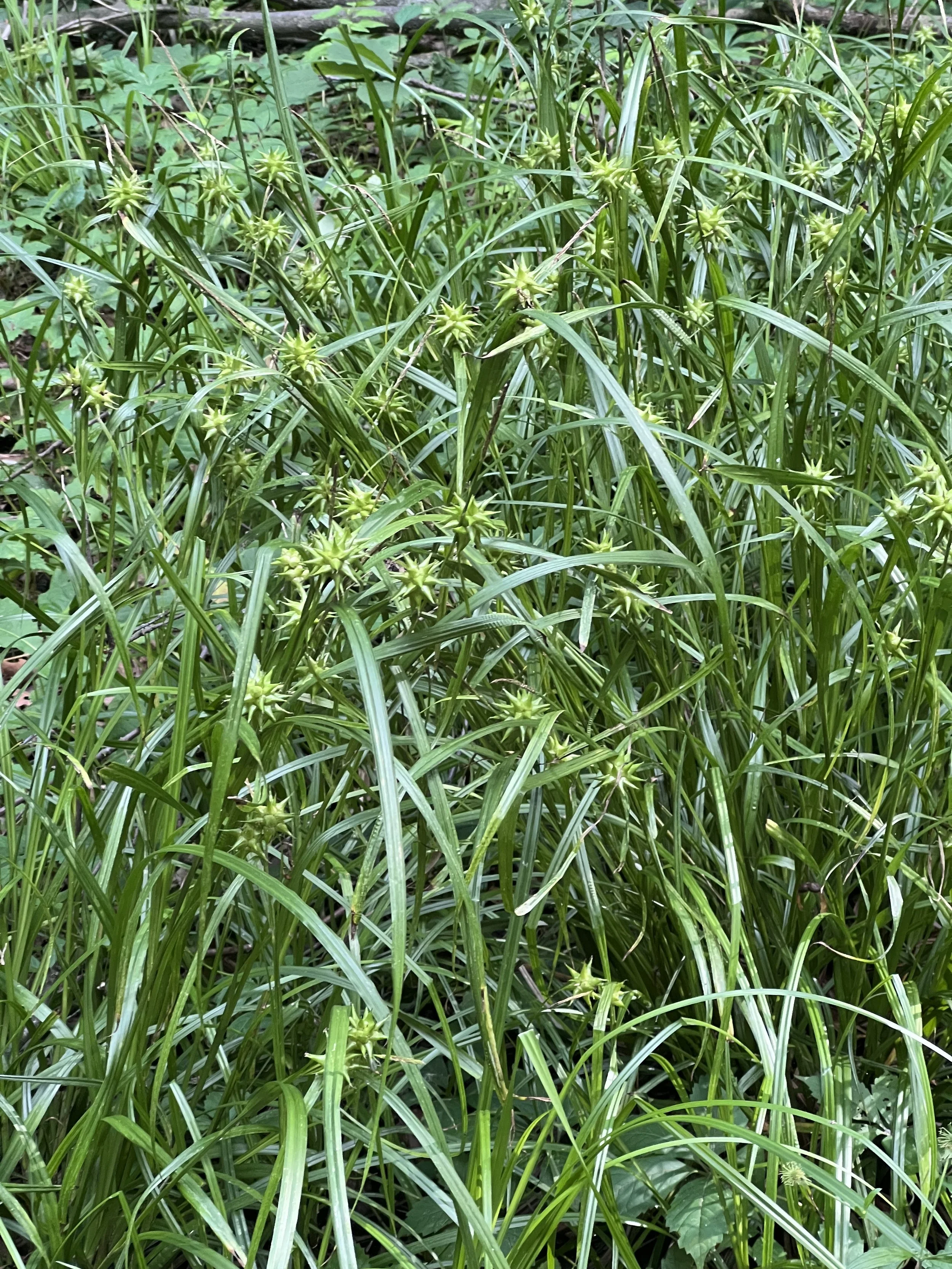
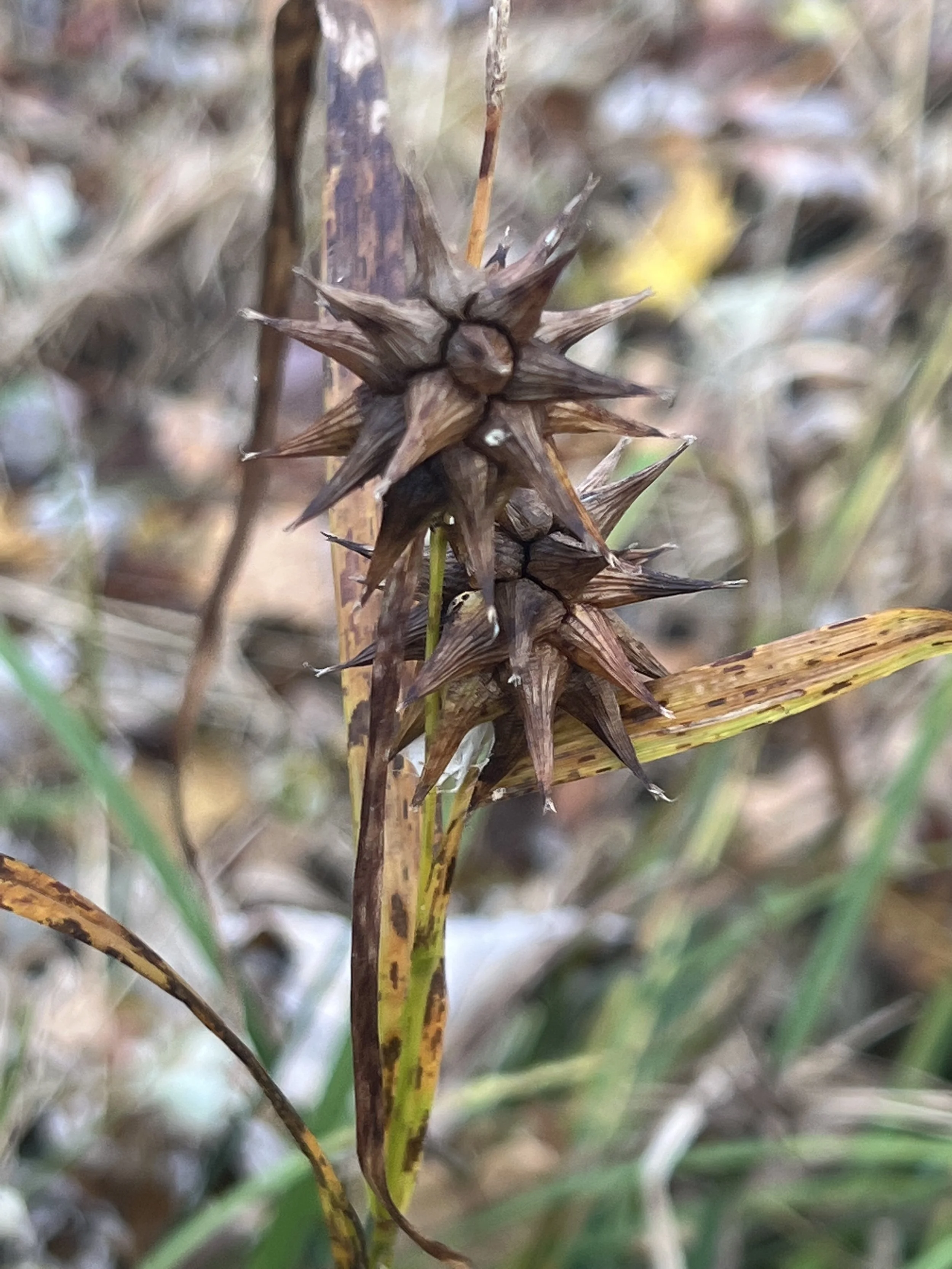
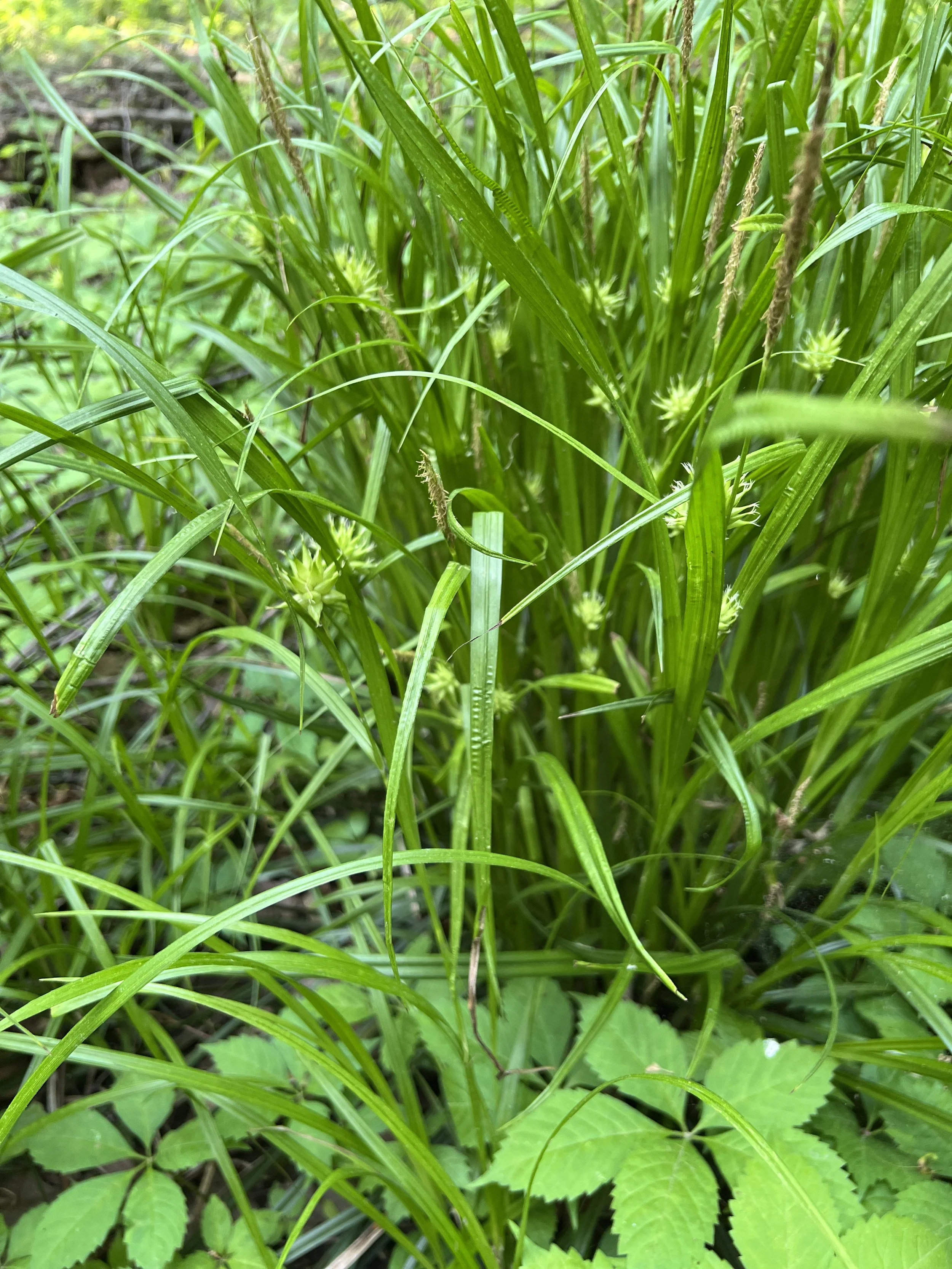
My first introduction to sedges was on a walk through the woods with my whole family when my children were young. One of them picked a flowering stem of Gray’s sedge and we all commented that it looked a bit like a mace (the weapon). We still didn’t know that we were looking at sedge, but we were all amazed.
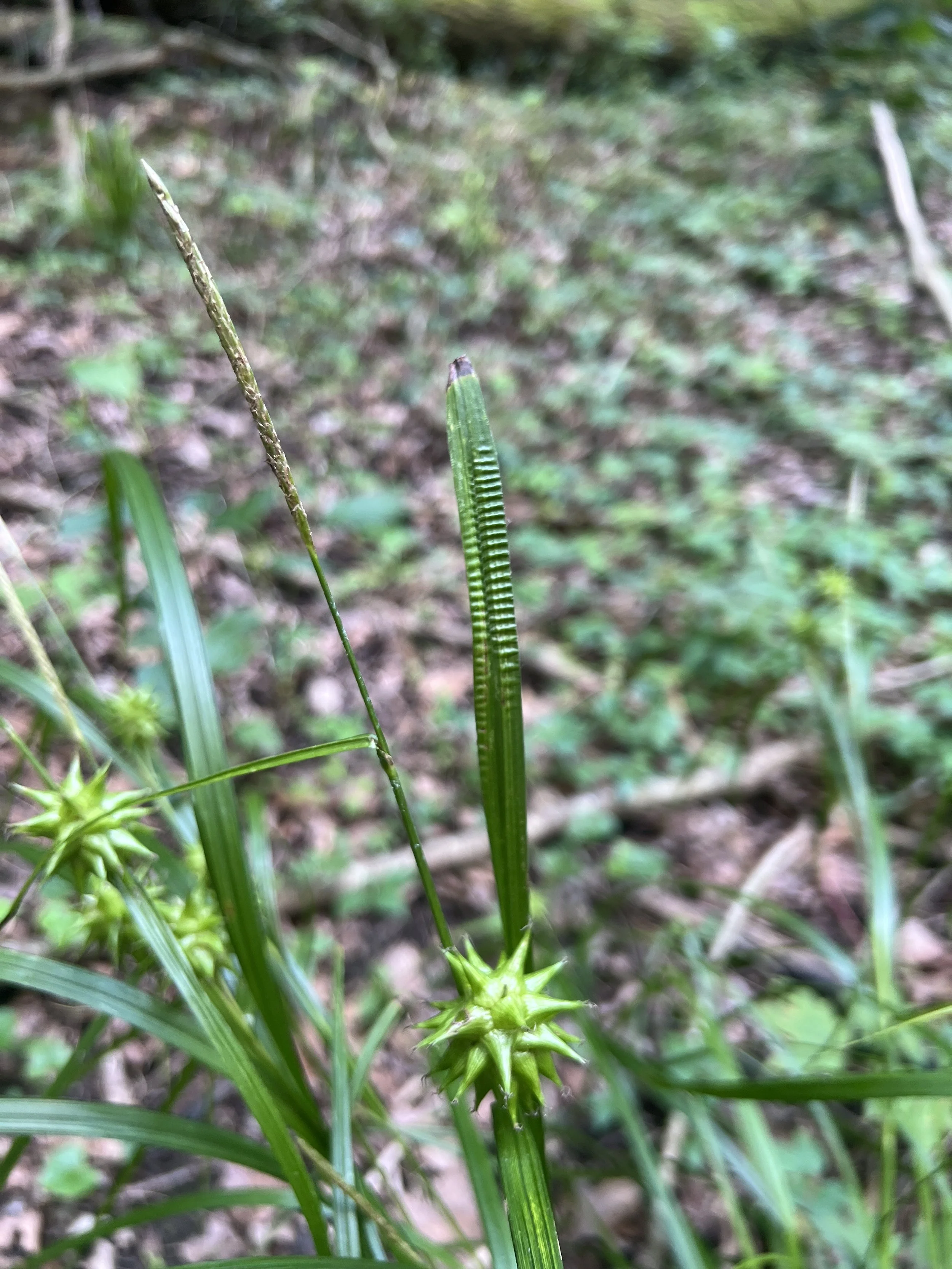
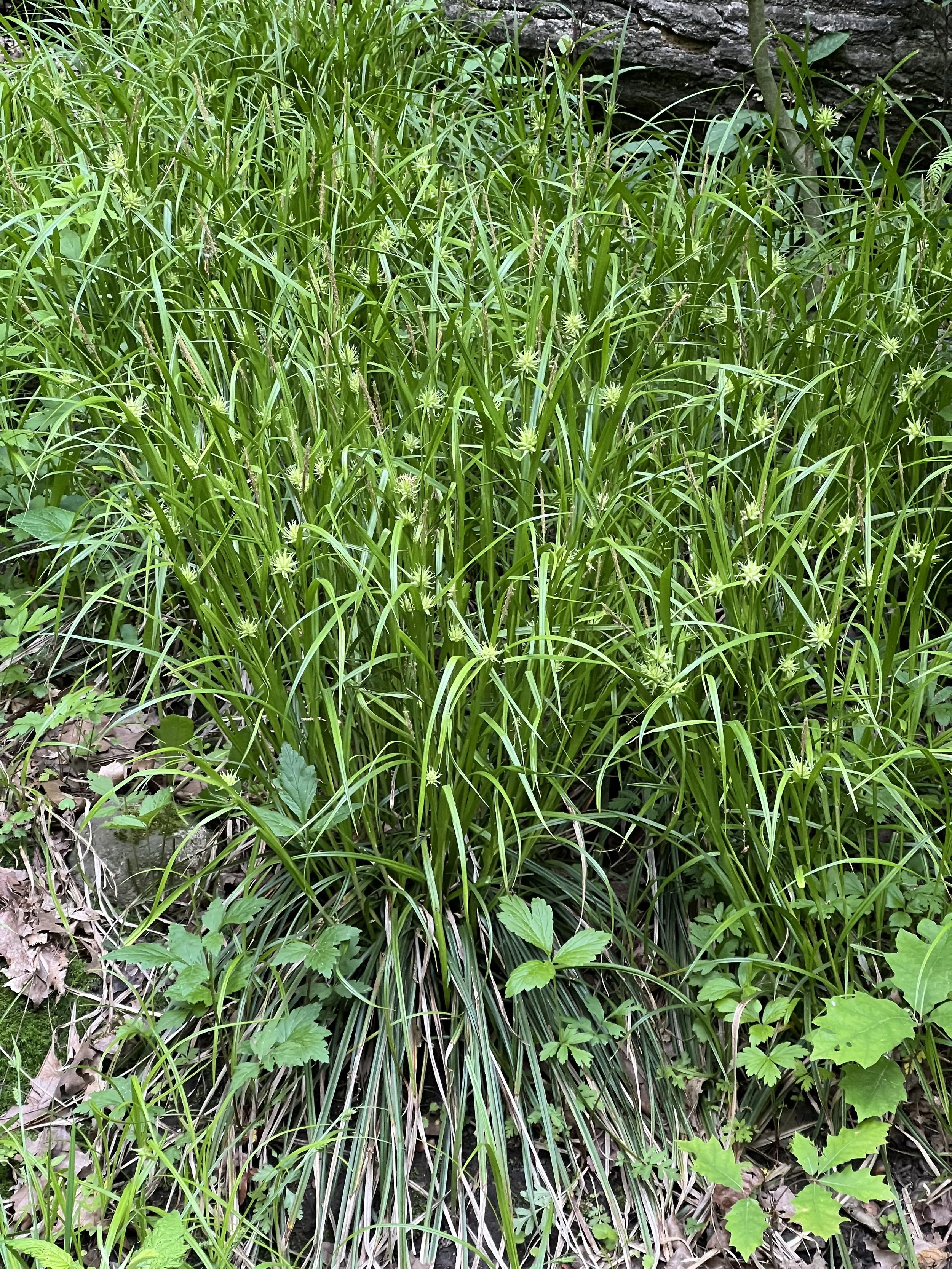
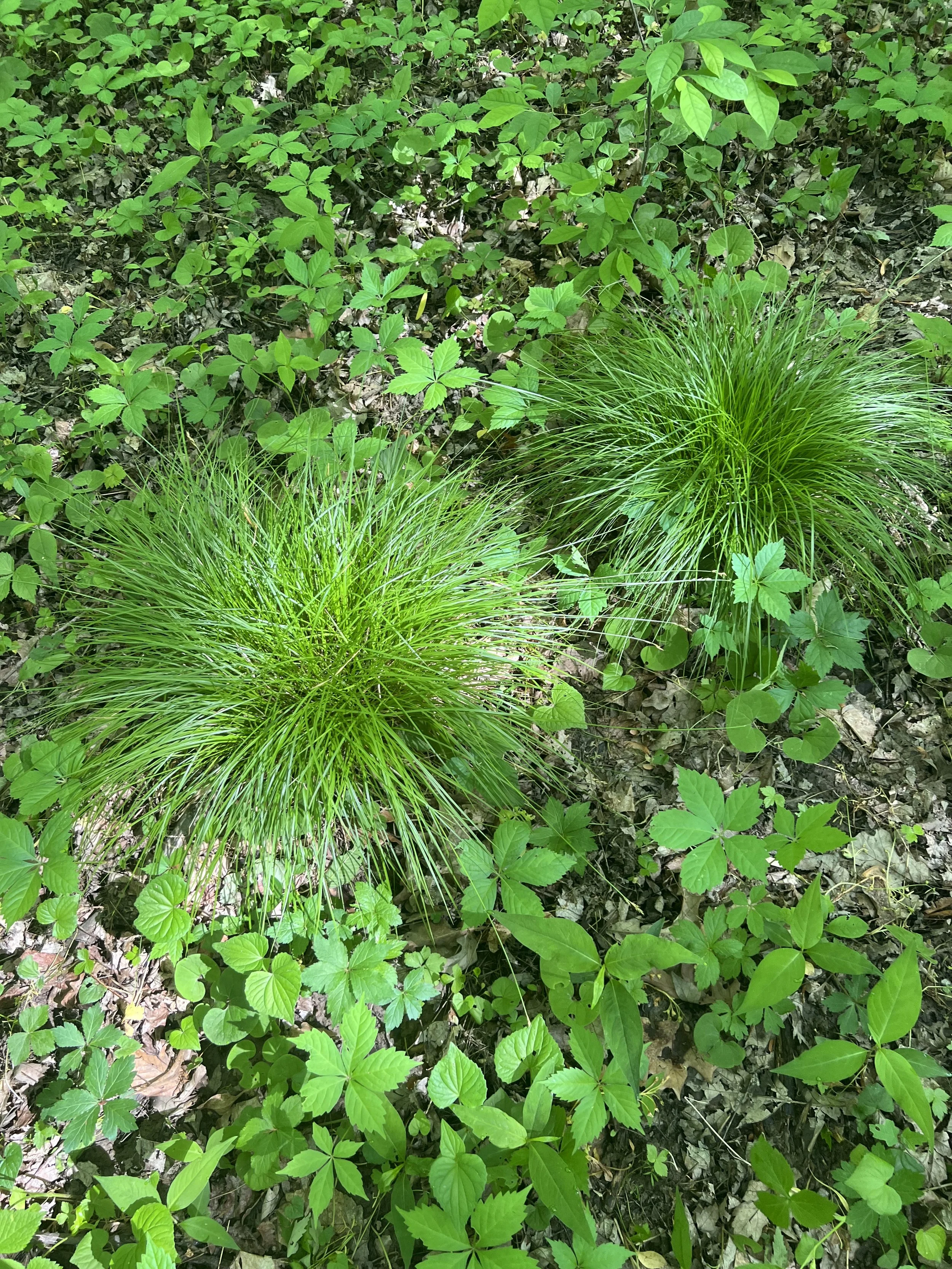
This gives you an idea of the showy nature of some sedges. As far as showiness goes, Gray’s sedge is near the top. Thick bunches of tall leaves graced with these large, mace-like clumps of perigynia could really brighten your day! Well…they brighten my day.
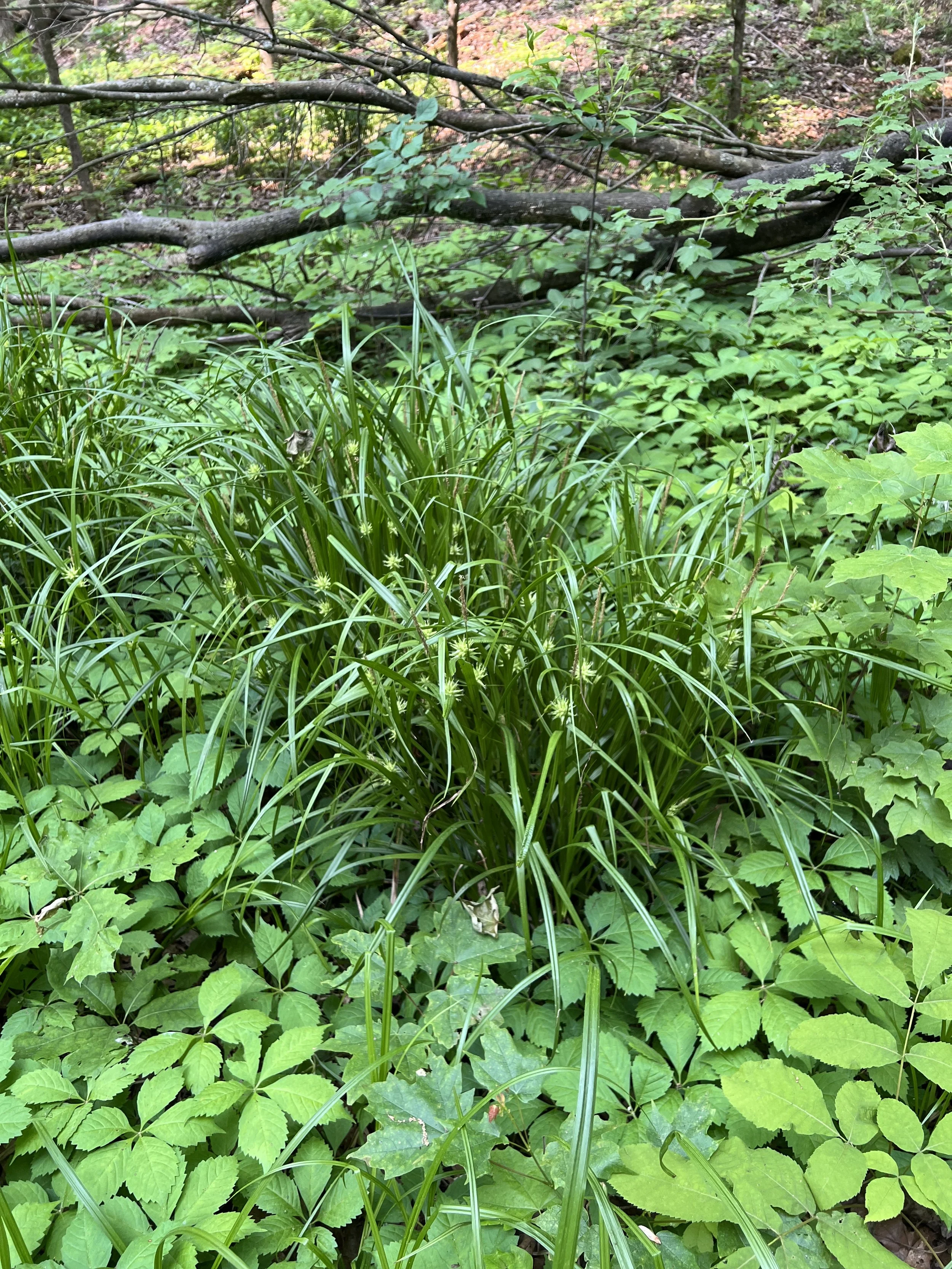
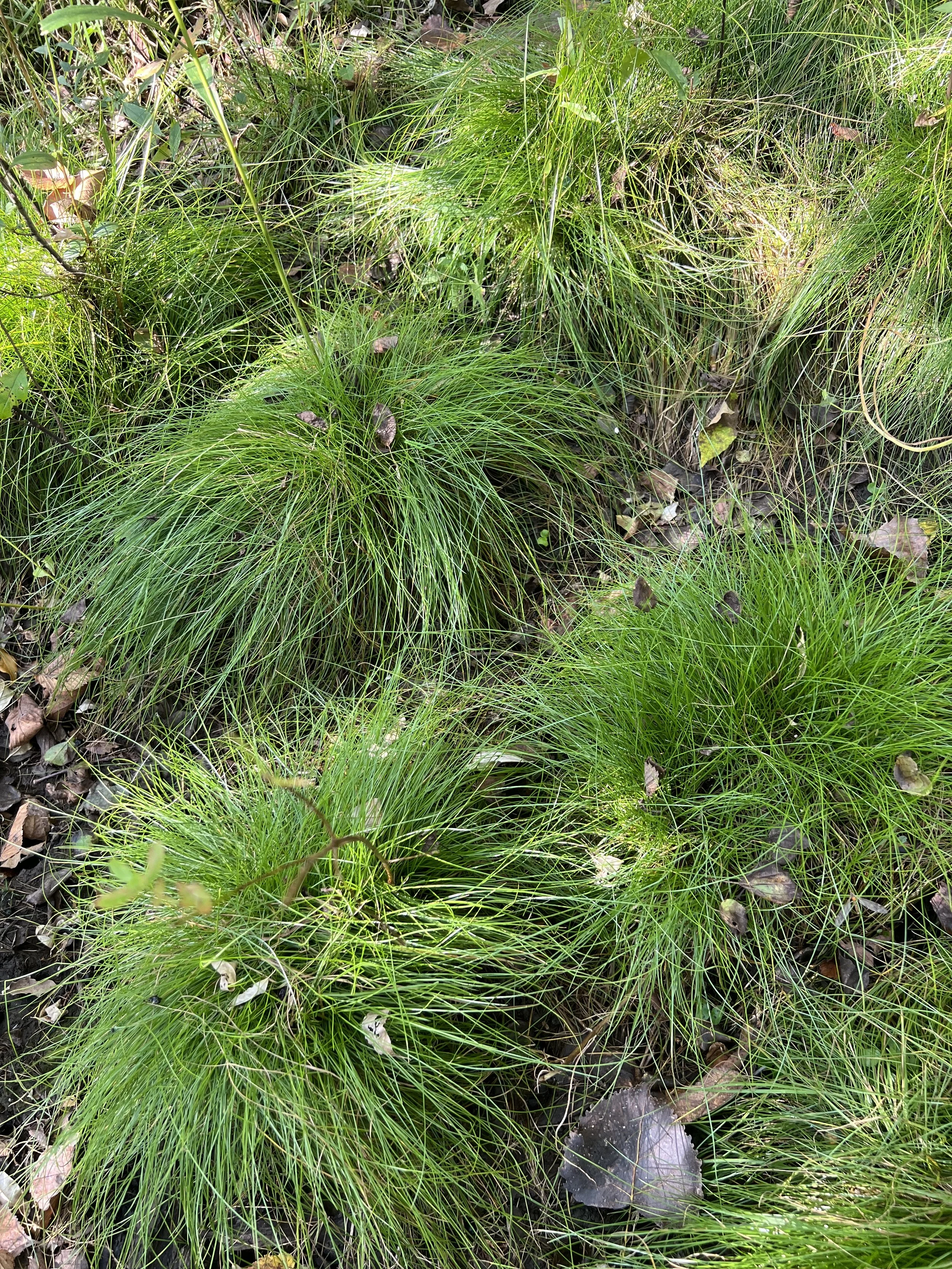
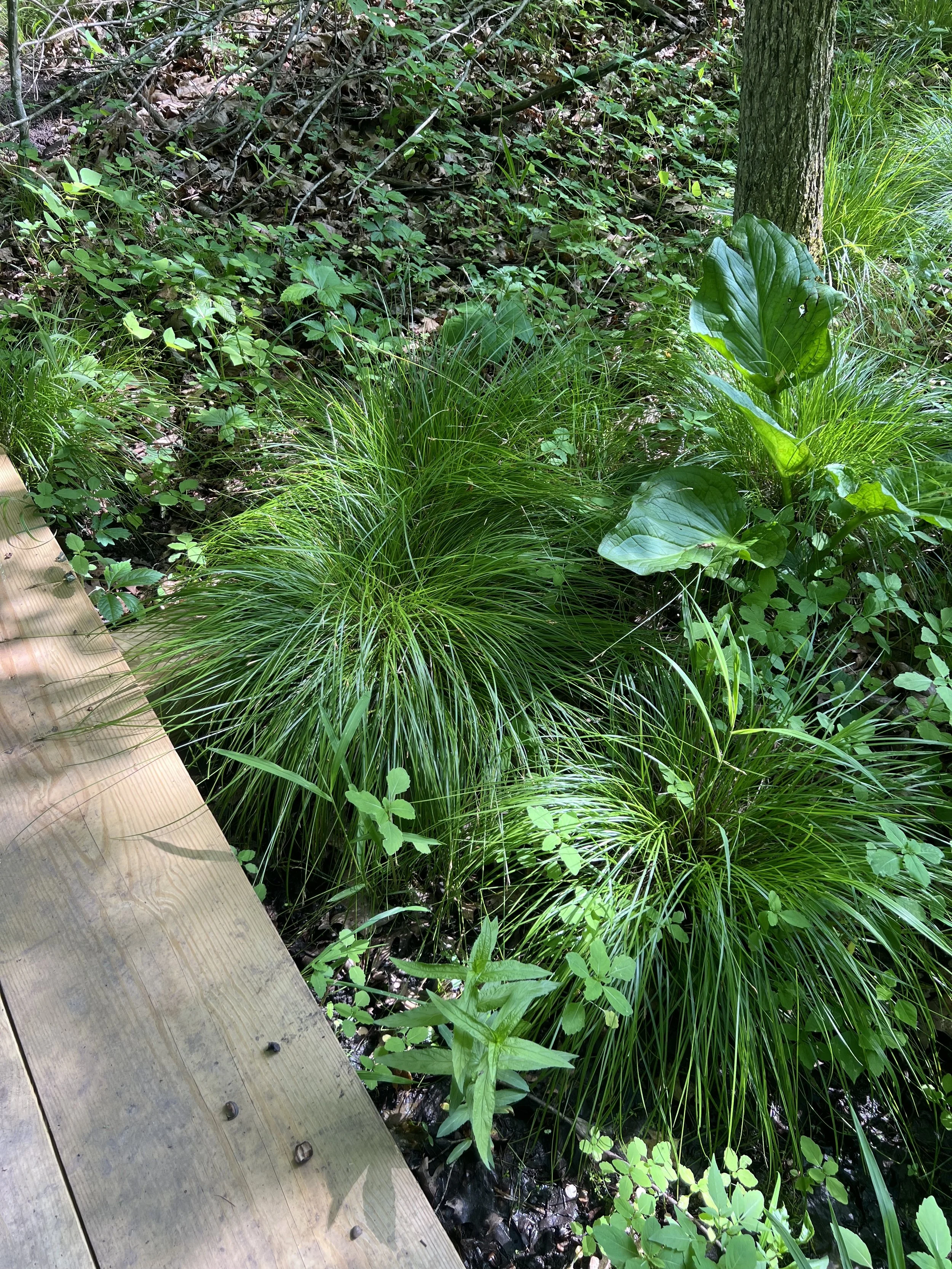
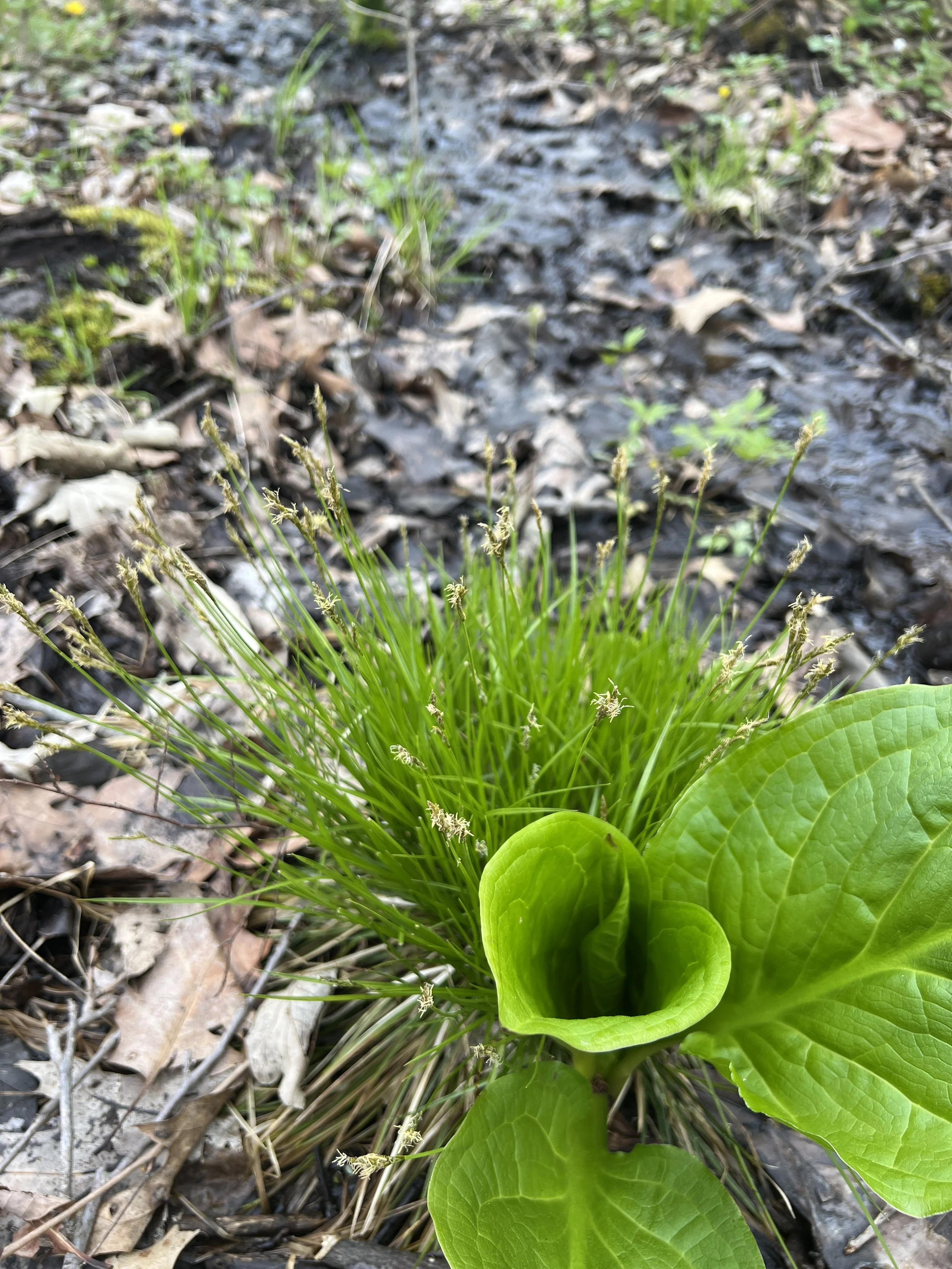
Sedges are important in every ecosystem. Gray’s sedge tends to grow in floodplains and other wet woods with other sedges and grasses (palm sedge, sweet wood reed, etc.) where it provides cover for small animals, holds soil in place in wet conditions with its fibrous roots and surely feed the birds.
Gray’s sedge does seem a bit sensitive to drying out, so plan to give it some water in dry spells if you plant this large sedge in your yard.
Gray’s Sedge (Carex grayi)
Michigan Flora reference page for state distribution: Gray’s sedge
Height: 3’
Soil: rich loam, clay-loam, or muck
Sun: part sun to shade
Plant spacing: 18-24”
Life cycle: perennial
Family: Cyperaceae
Seed source: Michigan
Sizes:
Get notified by email when this product is in stock.
My first introduction to sedges was on a walk through the woods with my whole family when my children were young. One of them picked a flowering stem of Gray’s sedge and we all commented that it looked a bit like a mace (the weapon). We still didn’t know that we were looking at sedge, but we were all amazed.
This gives you an idea of the showy nature of some sedges. As far as showiness goes, Gray’s sedge is near the top. Thick bunches of tall leaves graced with these large, mace-like clumps of perigynia could really brighten your day! Well…they brighten my day.
Sedges are important in every ecosystem. Gray’s sedge tends to grow in floodplains and other wet woods with other sedges and grasses (palm sedge, sweet wood reed, etc.) where it provides cover for small animals, holds soil in place in wet conditions with its fibrous roots and surely feed the birds.
Gray’s sedge does seem a bit sensitive to drying out, so plan to give it some water in dry spells if you plant this large sedge in your yard.
Gray’s Sedge (Carex grayi)
Michigan Flora reference page for state distribution: Gray’s sedge
Height: 3’
Soil: rich loam, clay-loam, or muck
Sun: part sun to shade
Plant spacing: 18-24”
Life cycle: perennial
Family: Cyperaceae
Seed source: Michigan