Image 1 of 5
Image 2 of 5
Image 3 of 5
Image 4 of 5
Image 5 of 5
Hog Peanut (Amphicarpaea bracteata)
from $3.50
Sold Out
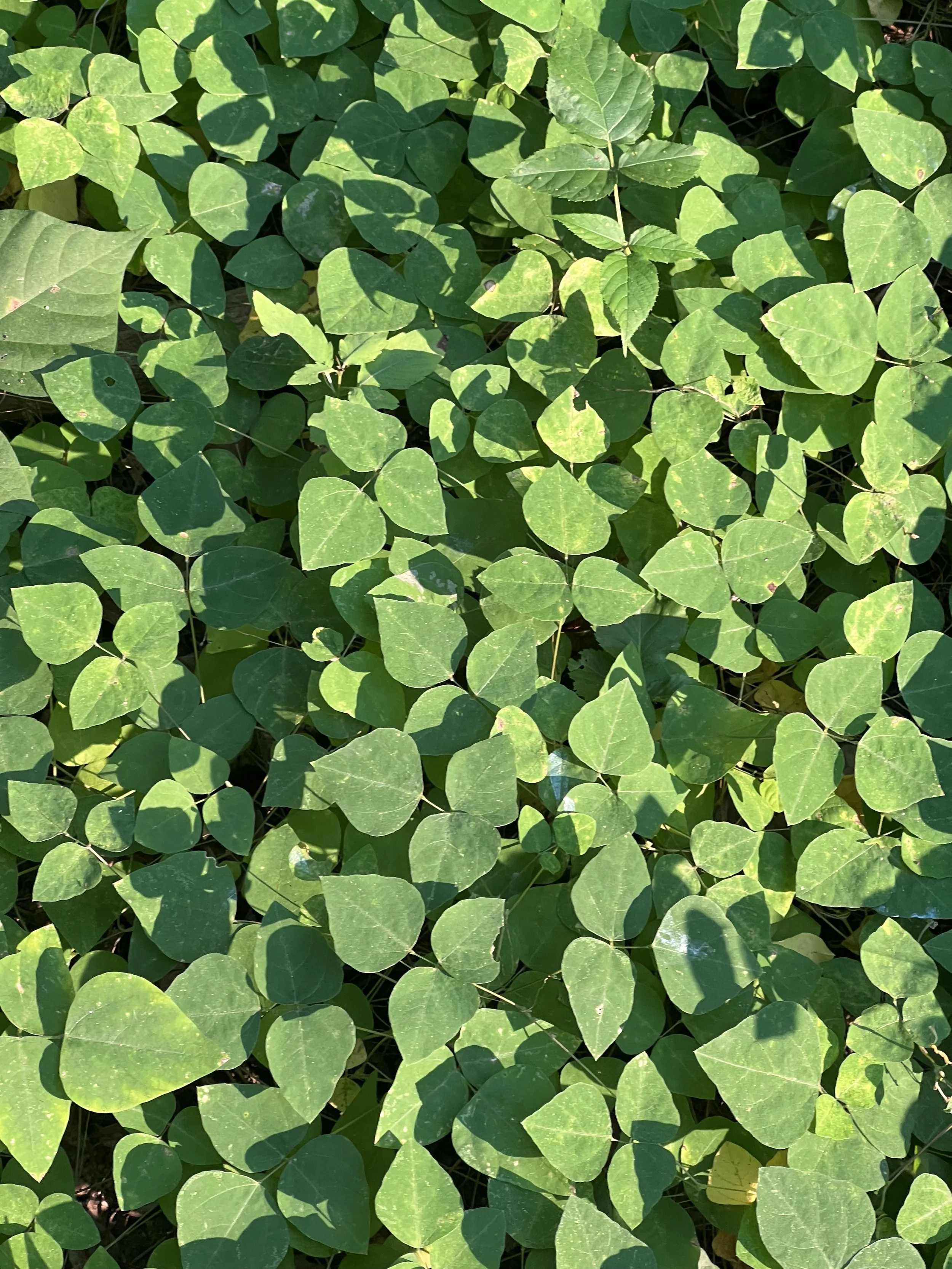
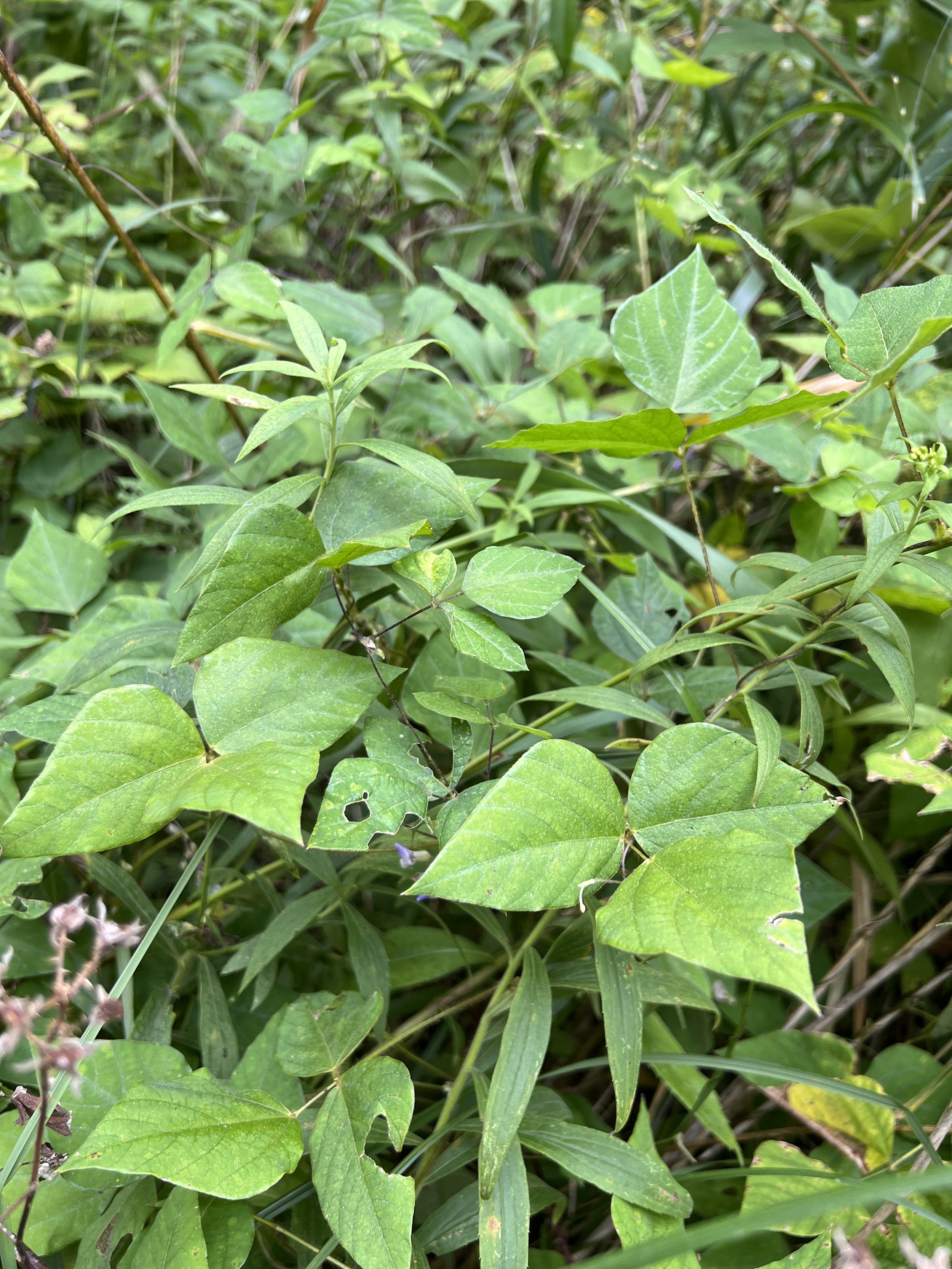
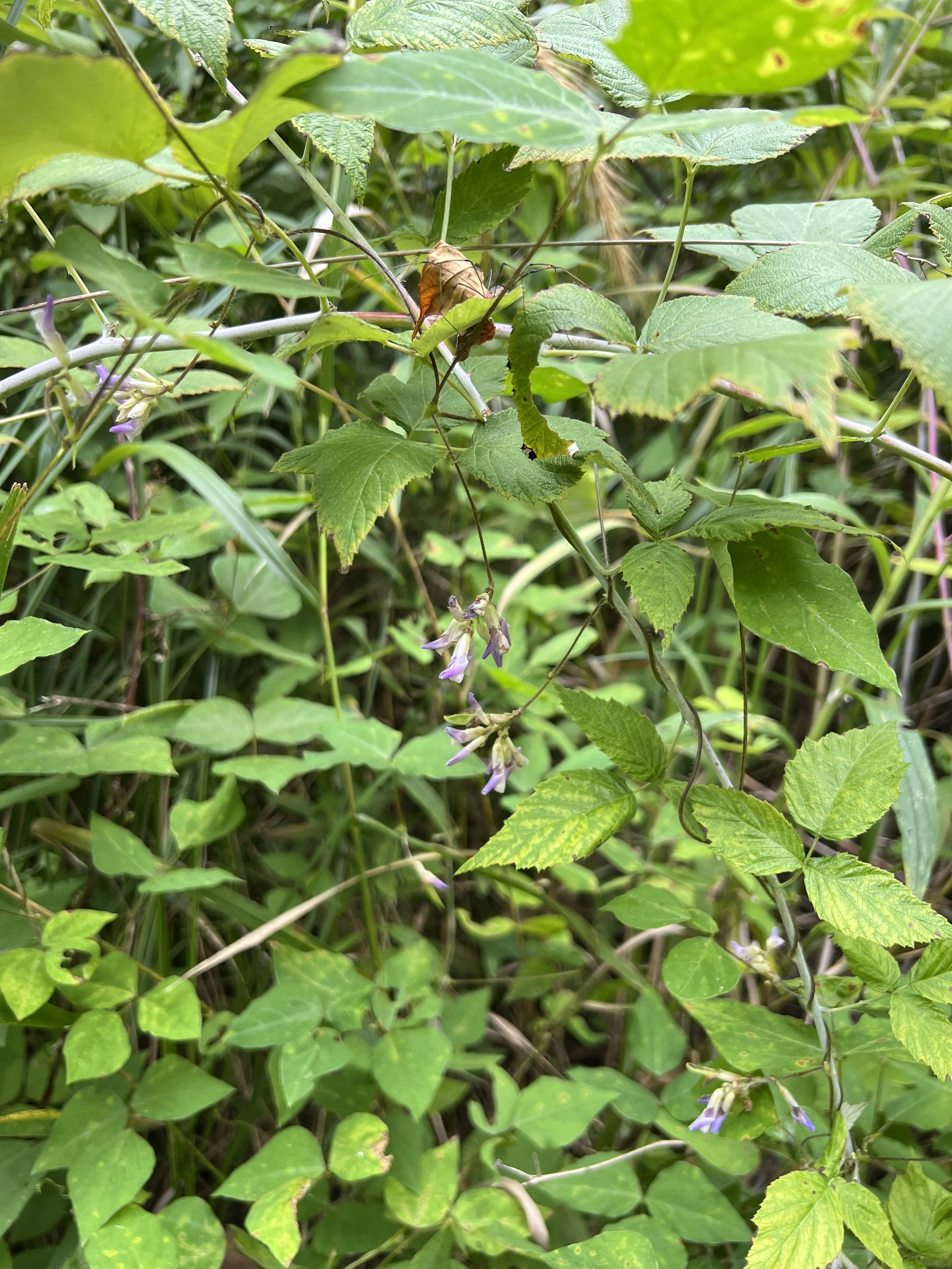
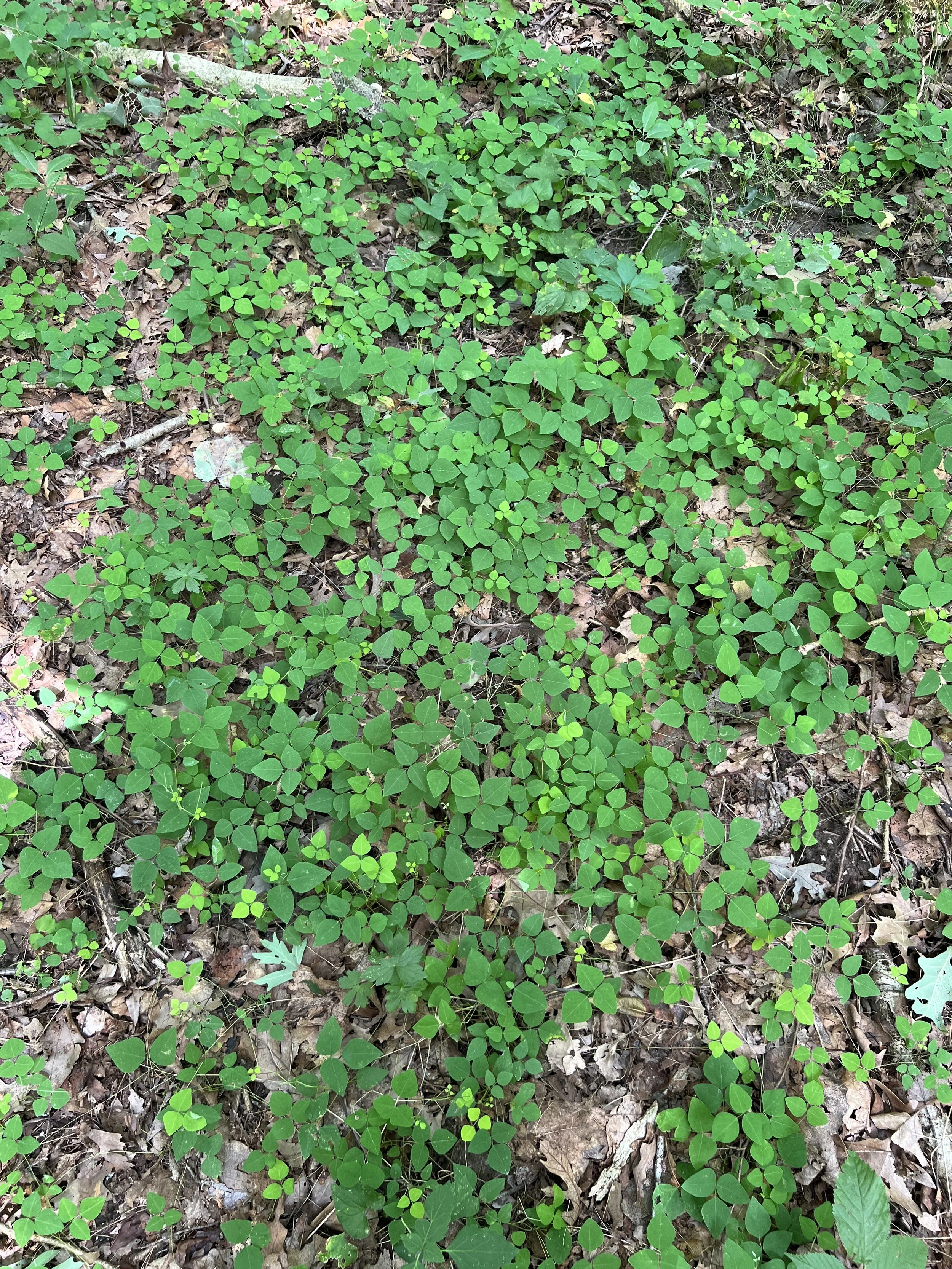
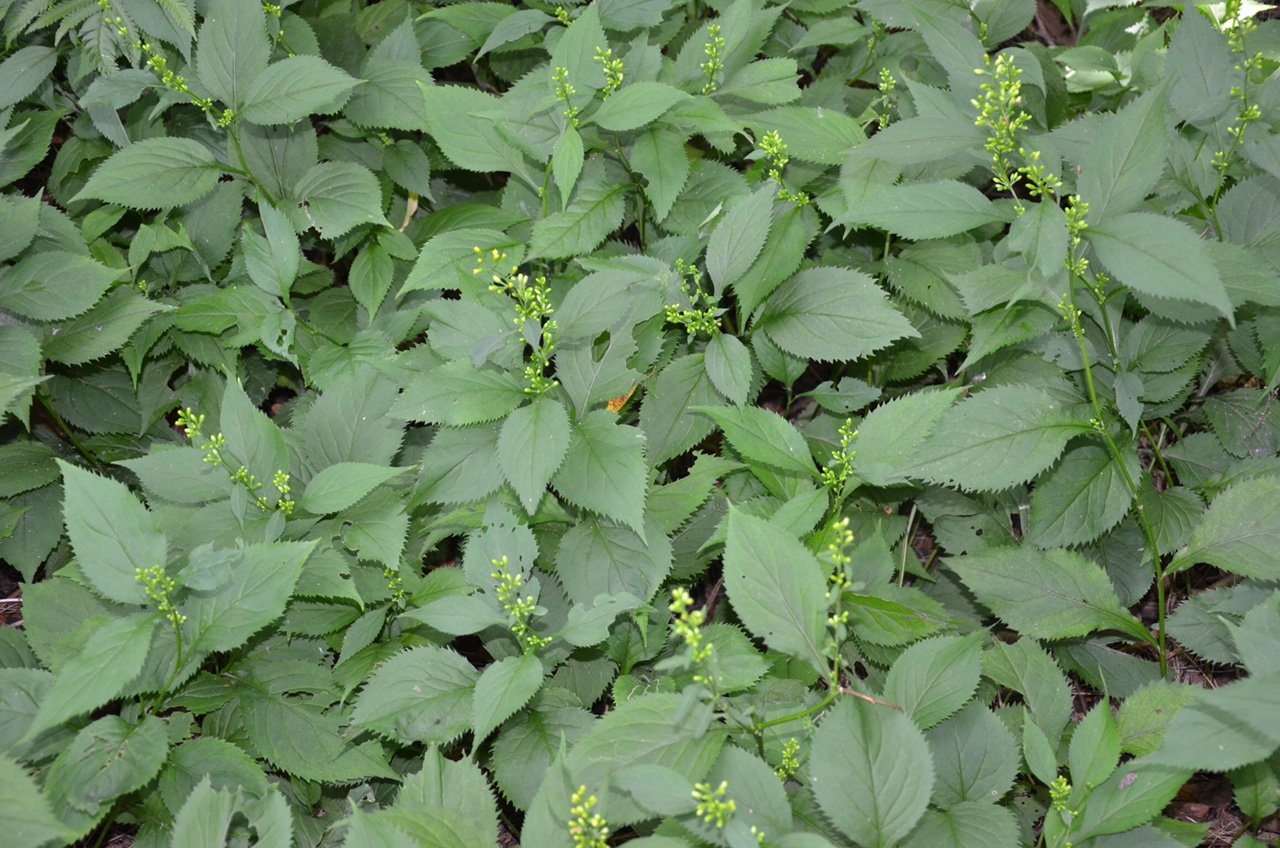
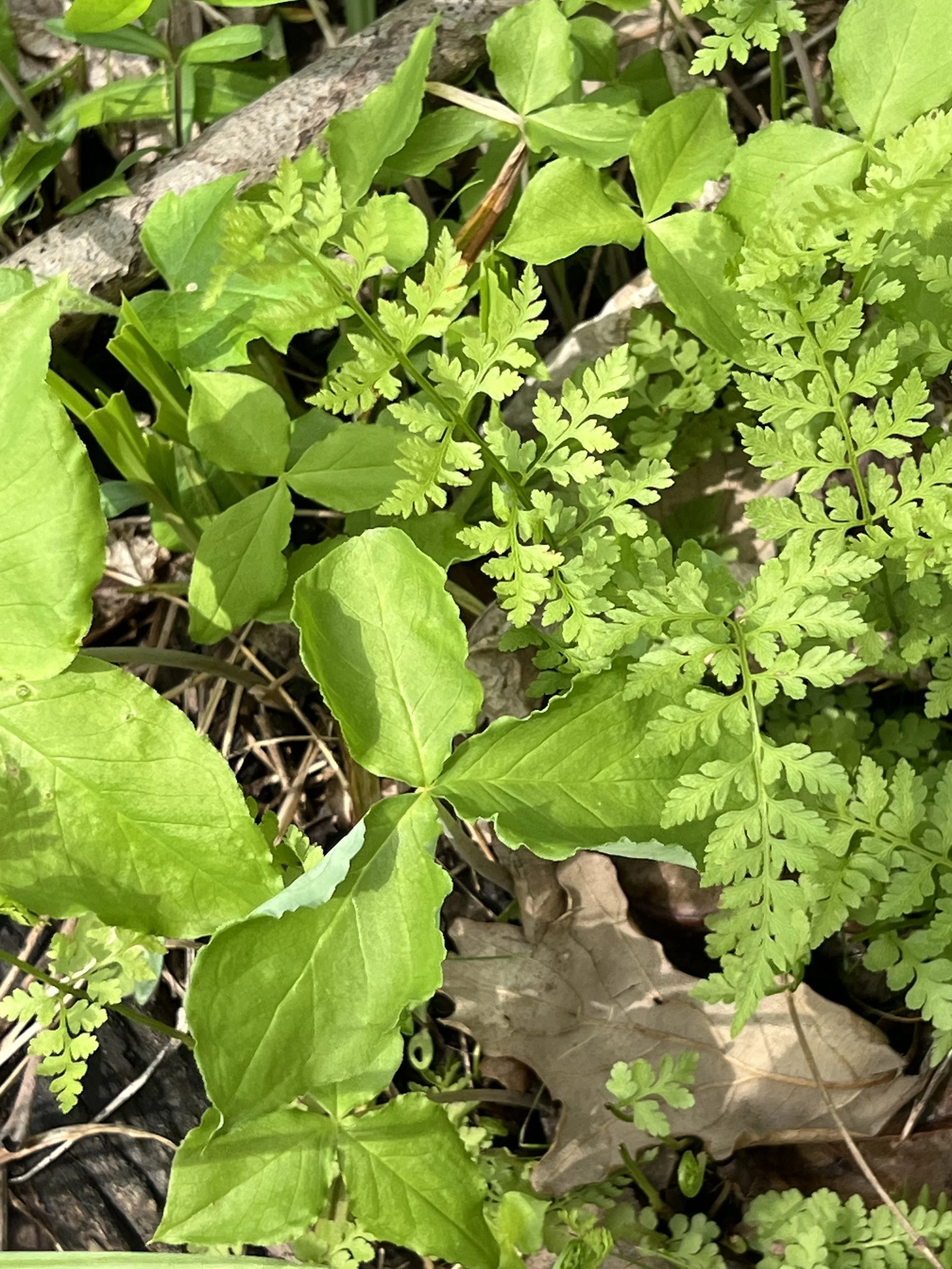
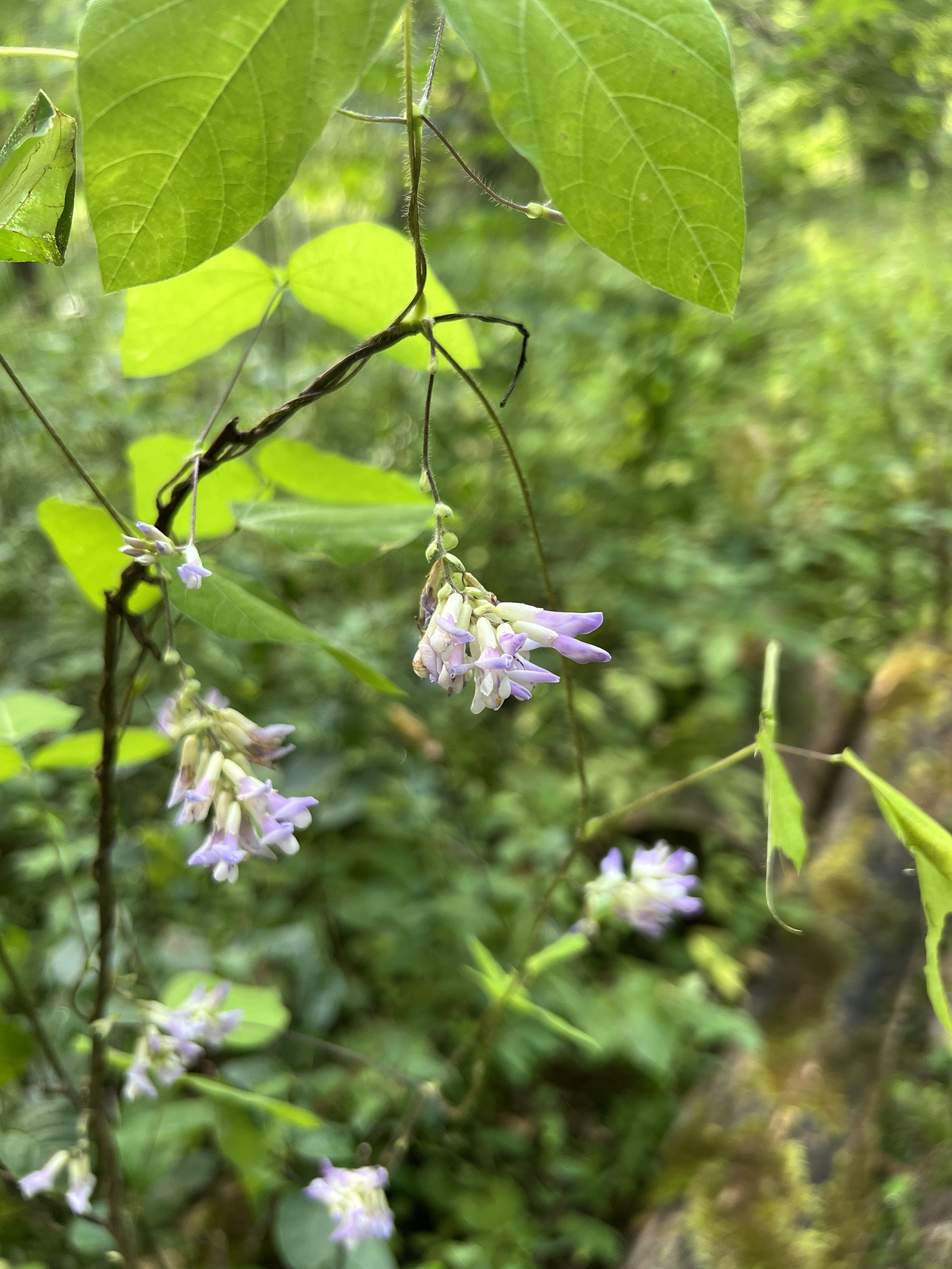
Hog Peanut is a delicate, short vine that grows up other vegetative plants or acts as a ground cover and just creeps along. It is more likely to flower if it gets more sun and if it grows upward.
This vine is a legume, so it fixes nitrogen and it also produces pods of seeds once the flowers are pollinated.
Hog peanut is the host plant for the Silver-spotted Skipper and the Gold-banded Skipper and many beetles eat the leaves (Illinois Wildflowers). Along with a lot of flowers that produce pods, this plant also produces closed flowers at the base of the plant or underground (earning it the name hog peanut). These closed flowers produce a one-seeded fruit and are edible by wildlife or by humans. I have not found these and tried them yet.
Some people have complained that hog peanut is too aggressive and hard to get rid of once established. So, keep that in mind and choose your spot well.
NOTE: It’s important to state that Hog Peanut is an annual plant. It may come back in exactly the same spots each year though because, to reiterate what I said above, it creates cleistogamous (closed) flowers underground or right at ground level. These closed flowers create a different kind of seed than the above ground flowers. And these seeds likely germinate the next year. Additionally, like most plants in the pea family, this plant does fix nitrogen with its root nodules.
Hog Peanut (Amphicarpaea bracteata)
Michigan Flora reference page for statewide distribution: Hog Peanut
Bloom Time: July-Sept
Height: 2-8'
Soil: moist to somewhat dry loam, sandy loam
Sun: full sun to light shade
Flower: white to lavender
Life Cycle: annual
Family: Fabaceae
Seed source: Michigan
Get notified by email when this product is in stock.
Hog Peanut is a delicate, short vine that grows up other vegetative plants or acts as a ground cover and just creeps along. It is more likely to flower if it gets more sun and if it grows upward.
This vine is a legume, so it fixes nitrogen and it also produces pods of seeds once the flowers are pollinated.
Hog peanut is the host plant for the Silver-spotted Skipper and the Gold-banded Skipper and many beetles eat the leaves (Illinois Wildflowers). Along with a lot of flowers that produce pods, this plant also produces closed flowers at the base of the plant or underground (earning it the name hog peanut). These closed flowers produce a one-seeded fruit and are edible by wildlife or by humans. I have not found these and tried them yet.
Some people have complained that hog peanut is too aggressive and hard to get rid of once established. So, keep that in mind and choose your spot well.
NOTE: It’s important to state that Hog Peanut is an annual plant. It may come back in exactly the same spots each year though because, to reiterate what I said above, it creates cleistogamous (closed) flowers underground or right at ground level. These closed flowers create a different kind of seed than the above ground flowers. And these seeds likely germinate the next year. Additionally, like most plants in the pea family, this plant does fix nitrogen with its root nodules.
Hog Peanut (Amphicarpaea bracteata)
Michigan Flora reference page for statewide distribution: Hog Peanut
Bloom Time: July-Sept
Height: 2-8'
Soil: moist to somewhat dry loam, sandy loam
Sun: full sun to light shade
Flower: white to lavender
Life Cycle: annual
Family: Fabaceae
Seed source: Michigan