Image 1 of 4
Image 2 of 4
Image 3 of 4
Image 4 of 4
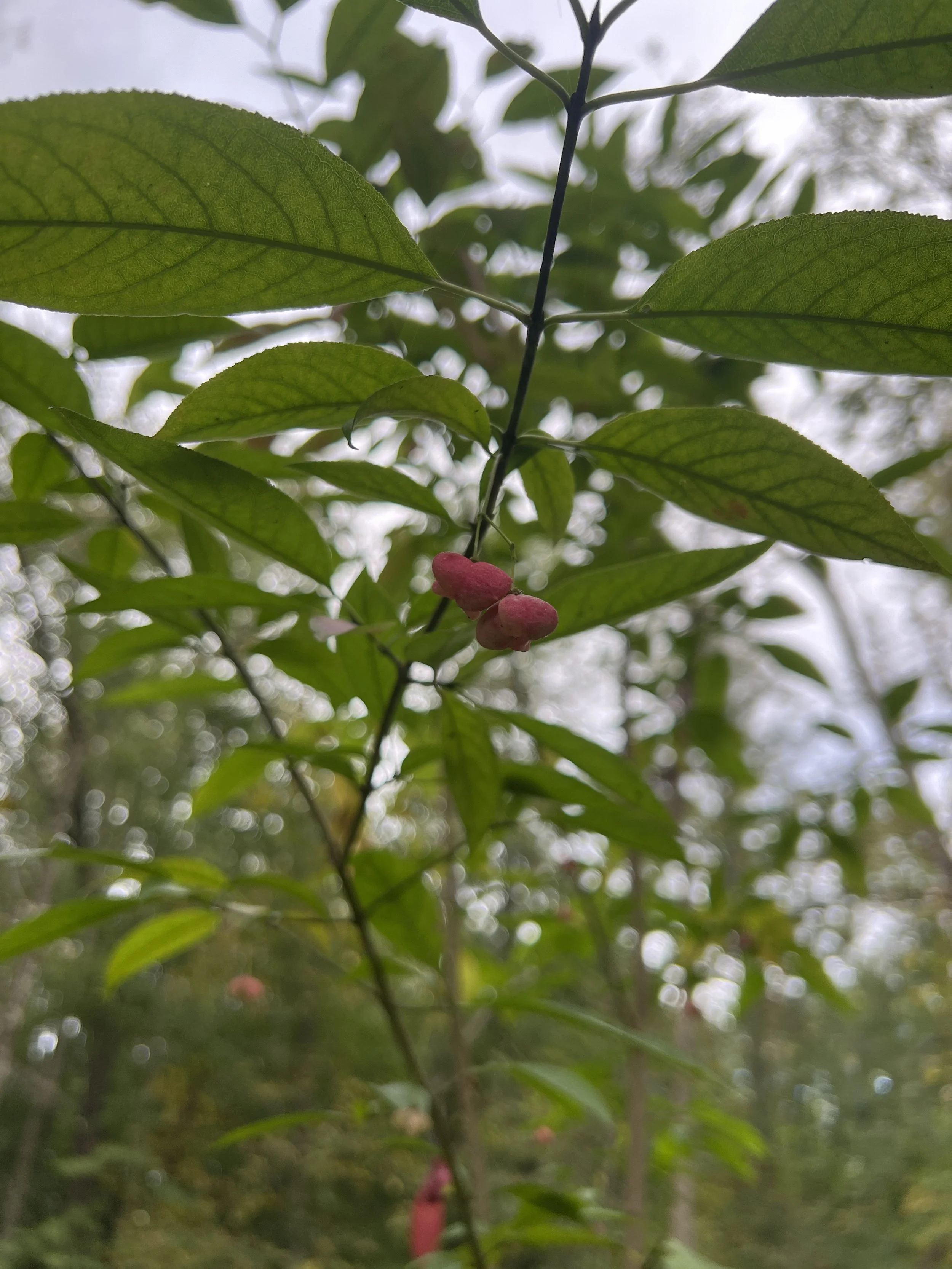
Eastern Wahoo (Euonymus atropurpureus)
from $8.50
Sold Out
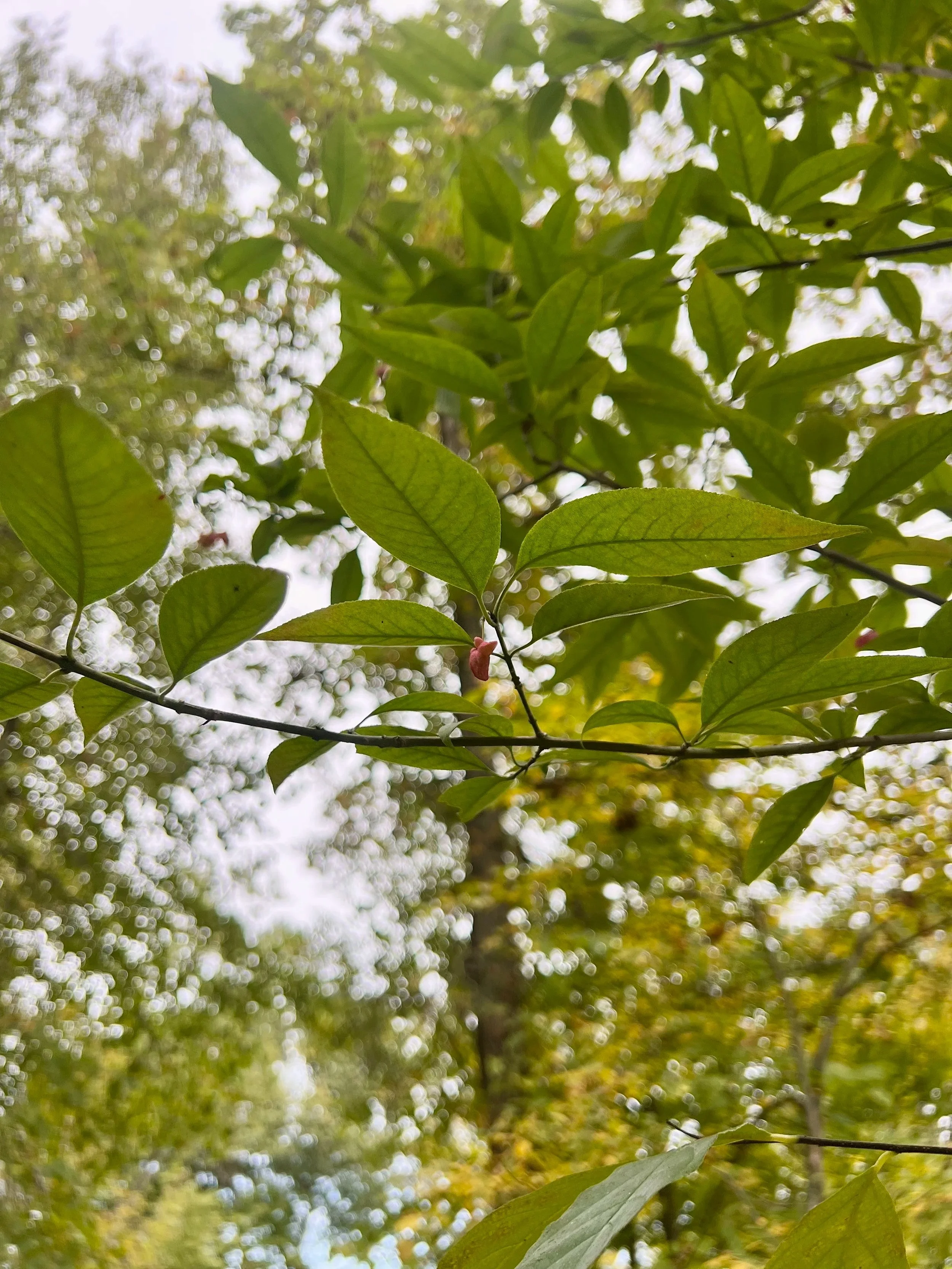
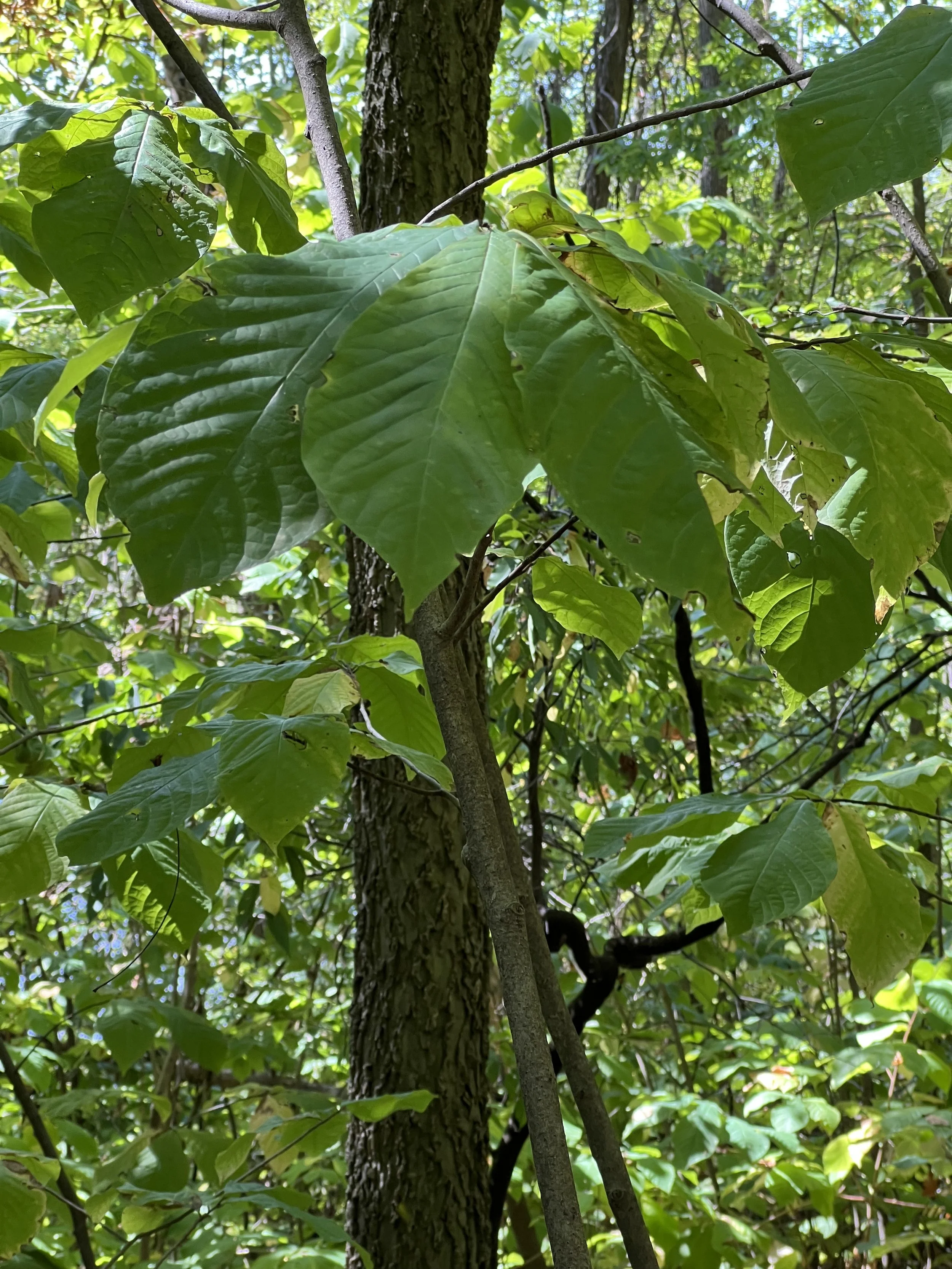
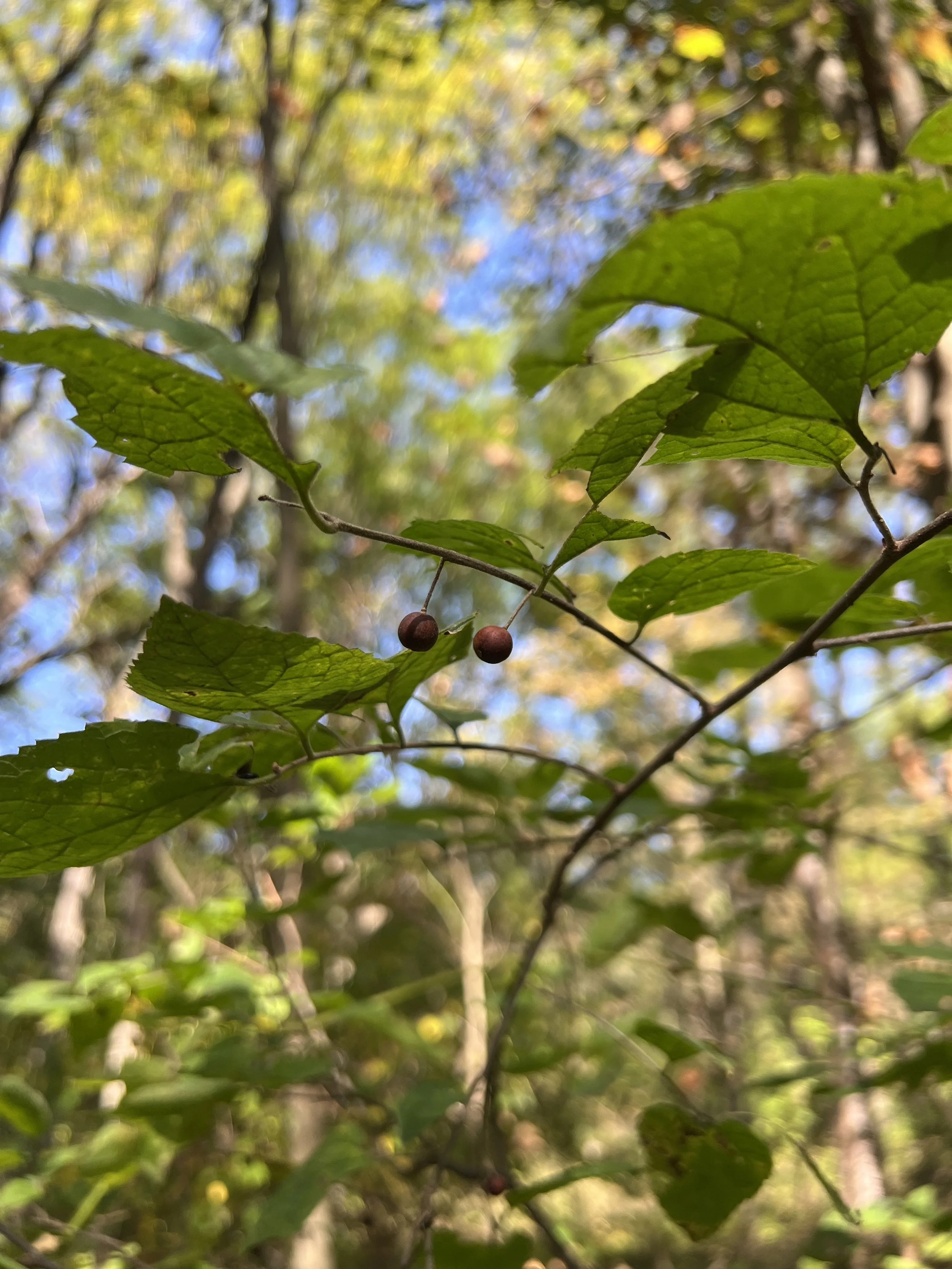
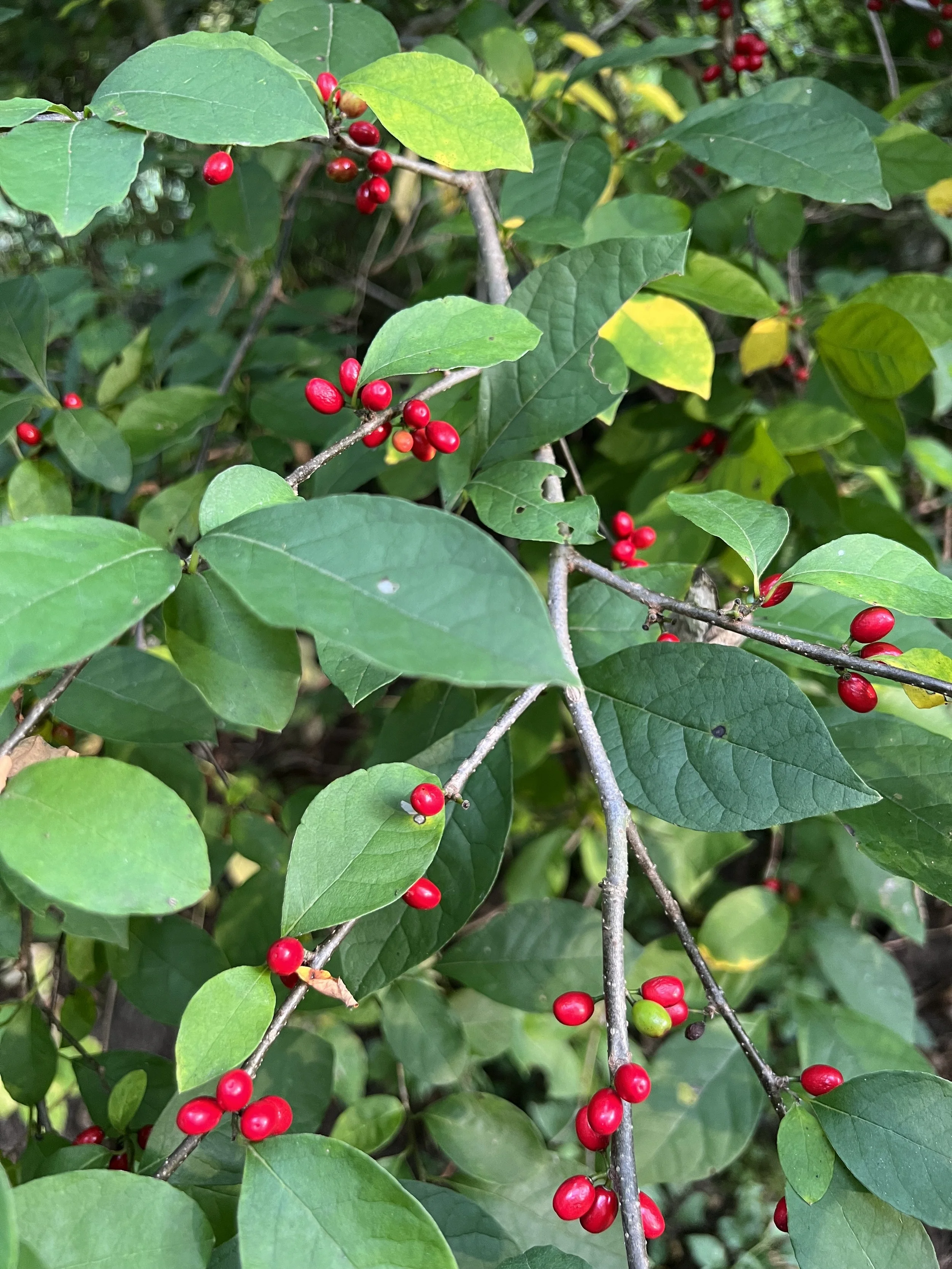
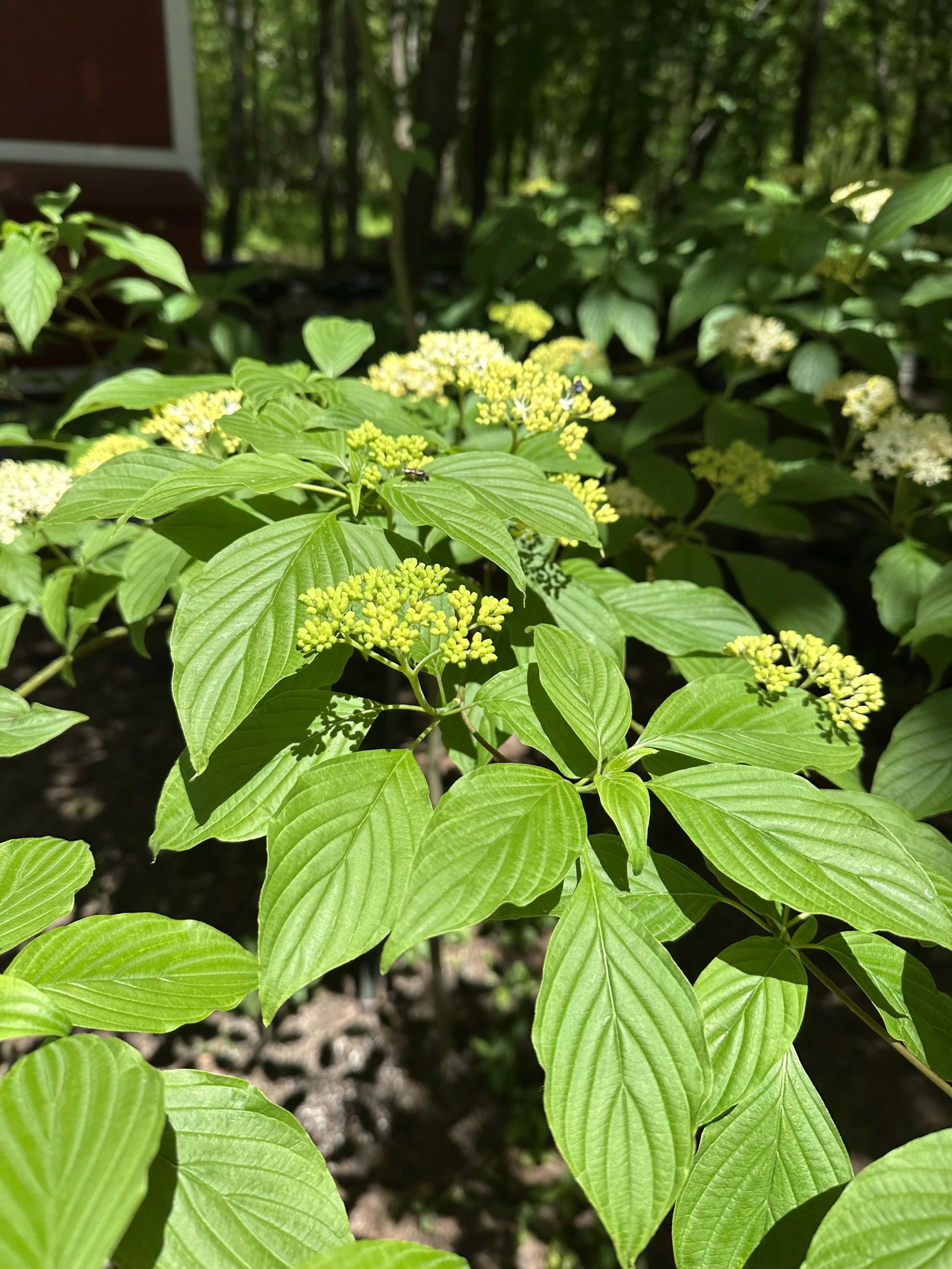
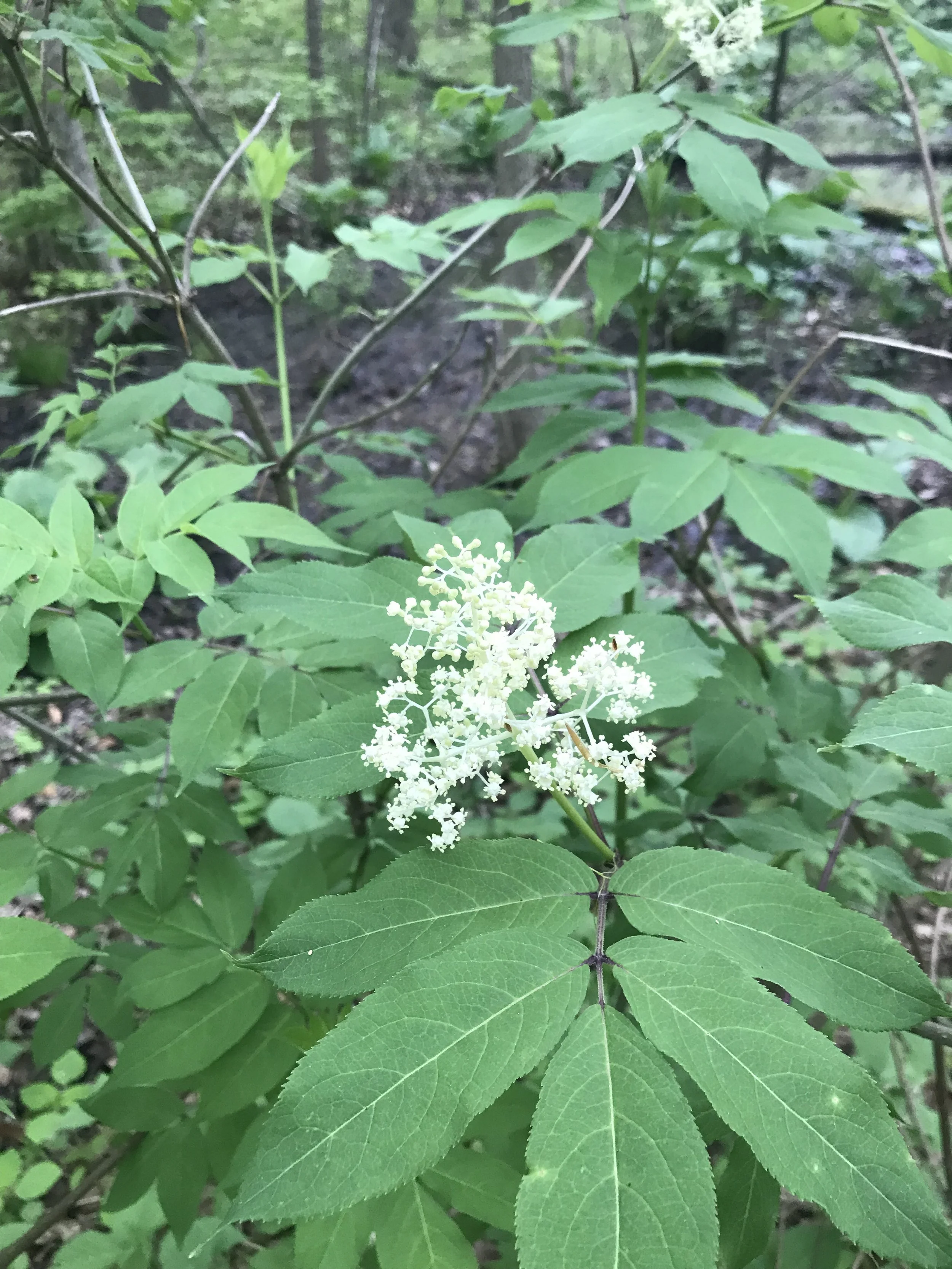
Eastern Wahoo is an uncommon small tree in Michigan that grows near rivers and in high quality floodplain forests in the southern part of the lower peninsula of Michigan. It tends to be in deciduous woods like beech-maple forests.
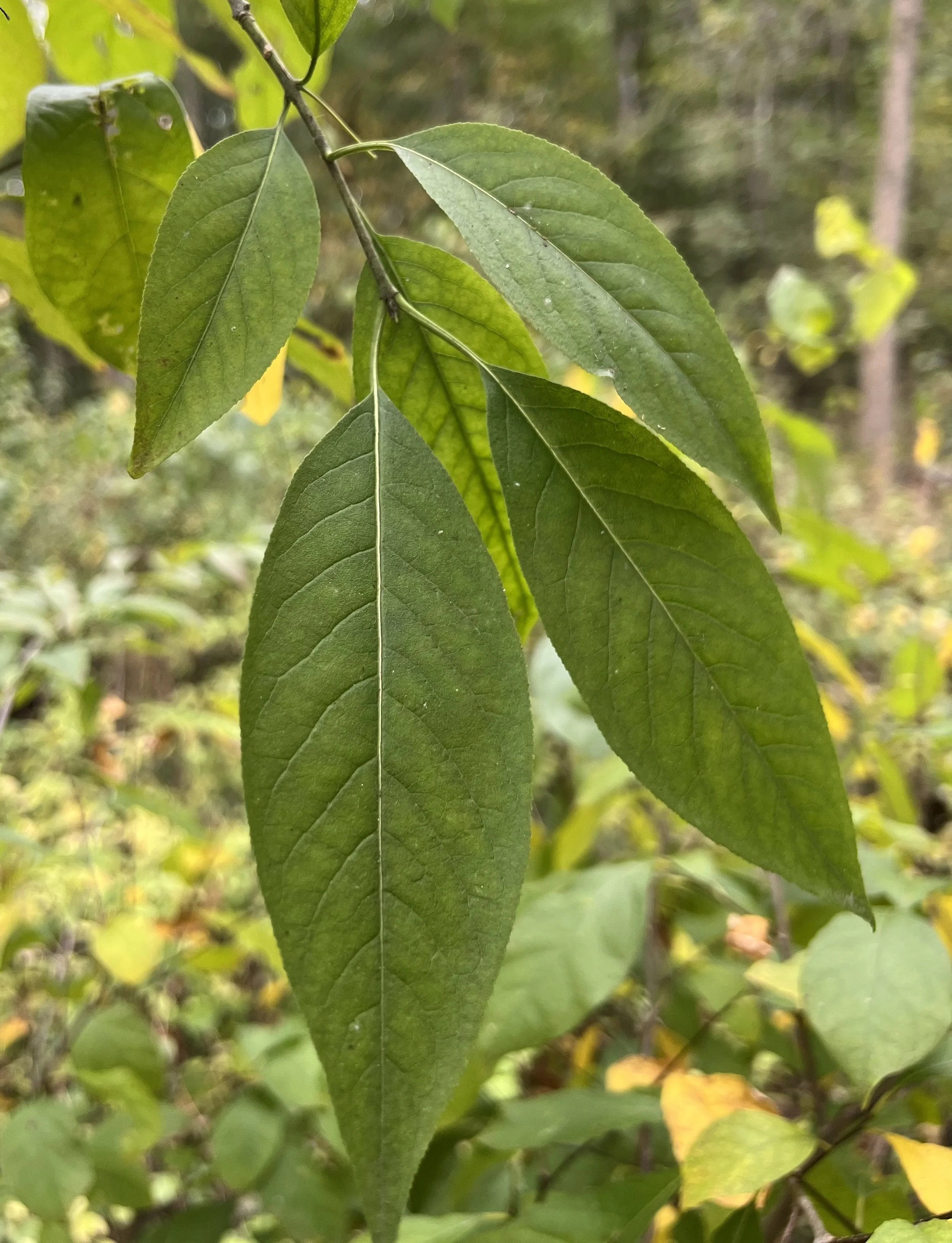
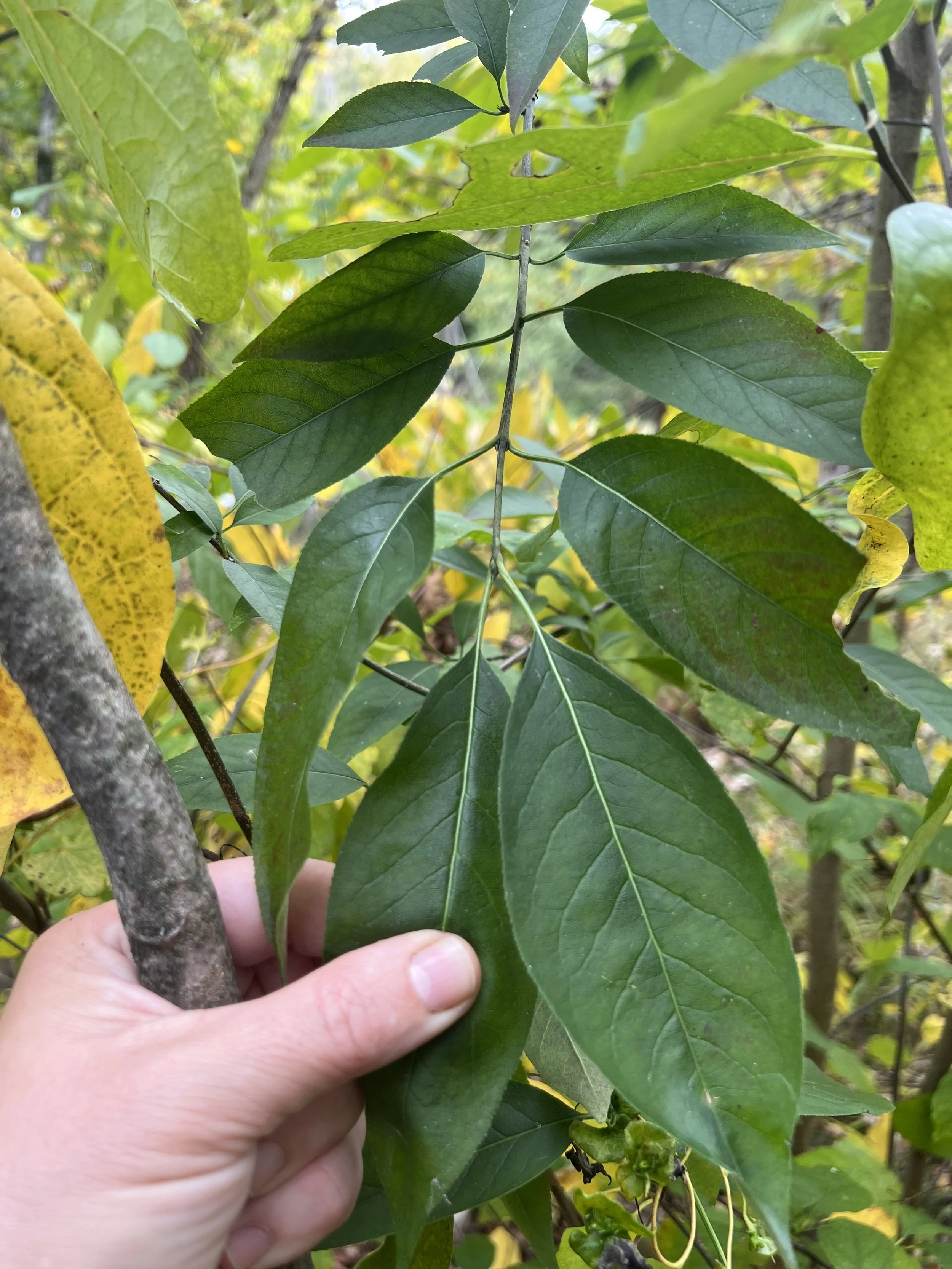
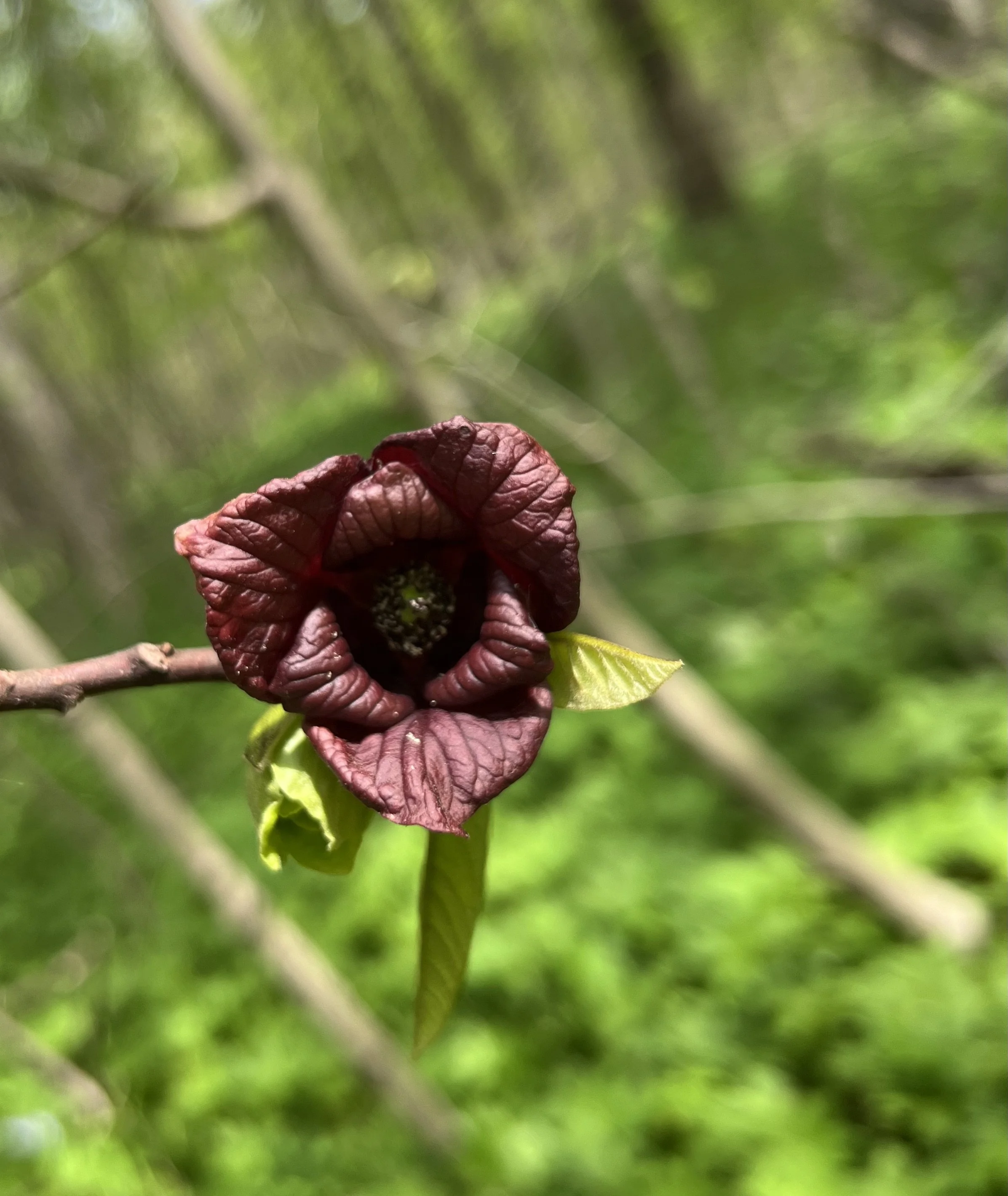
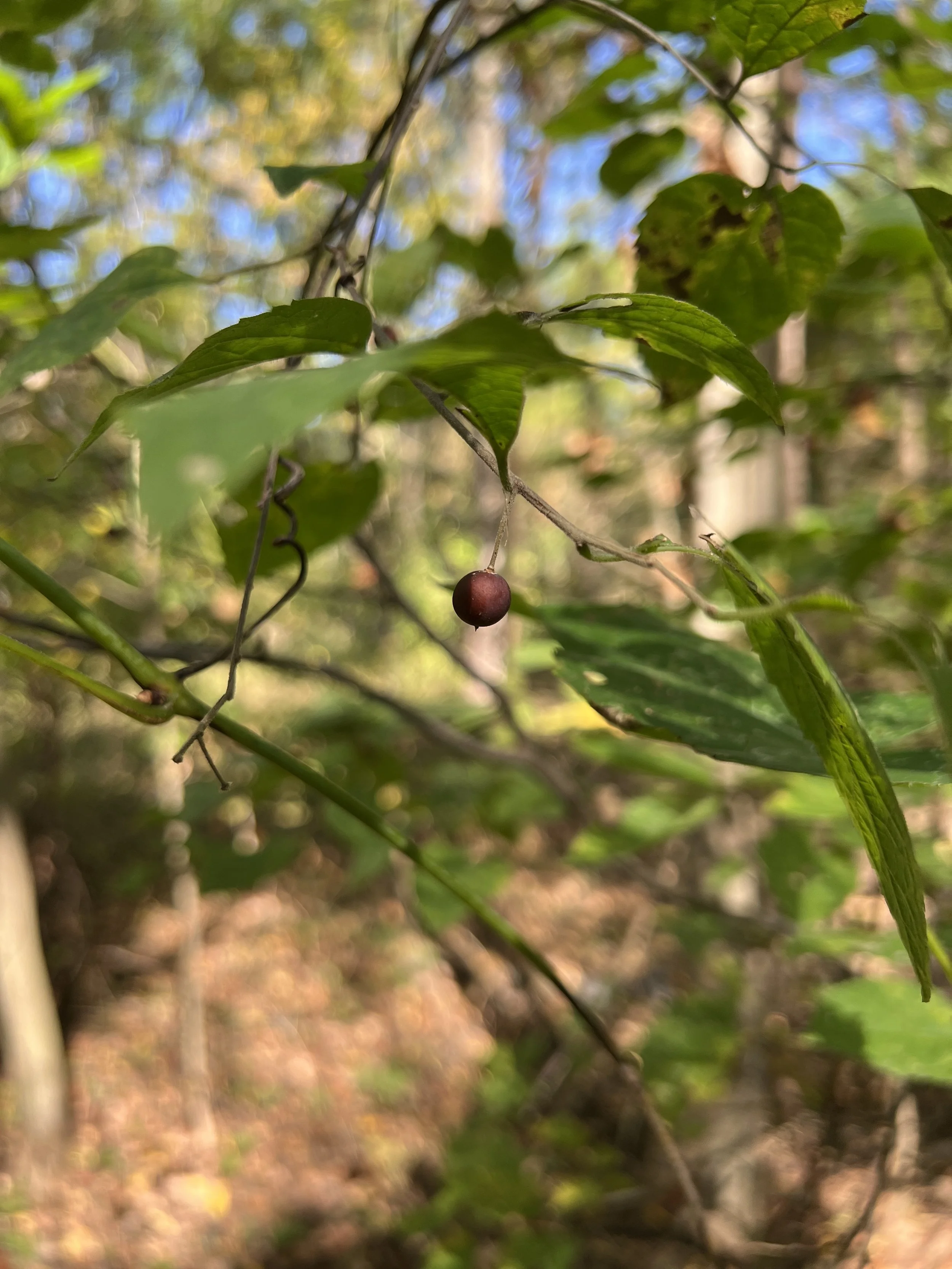
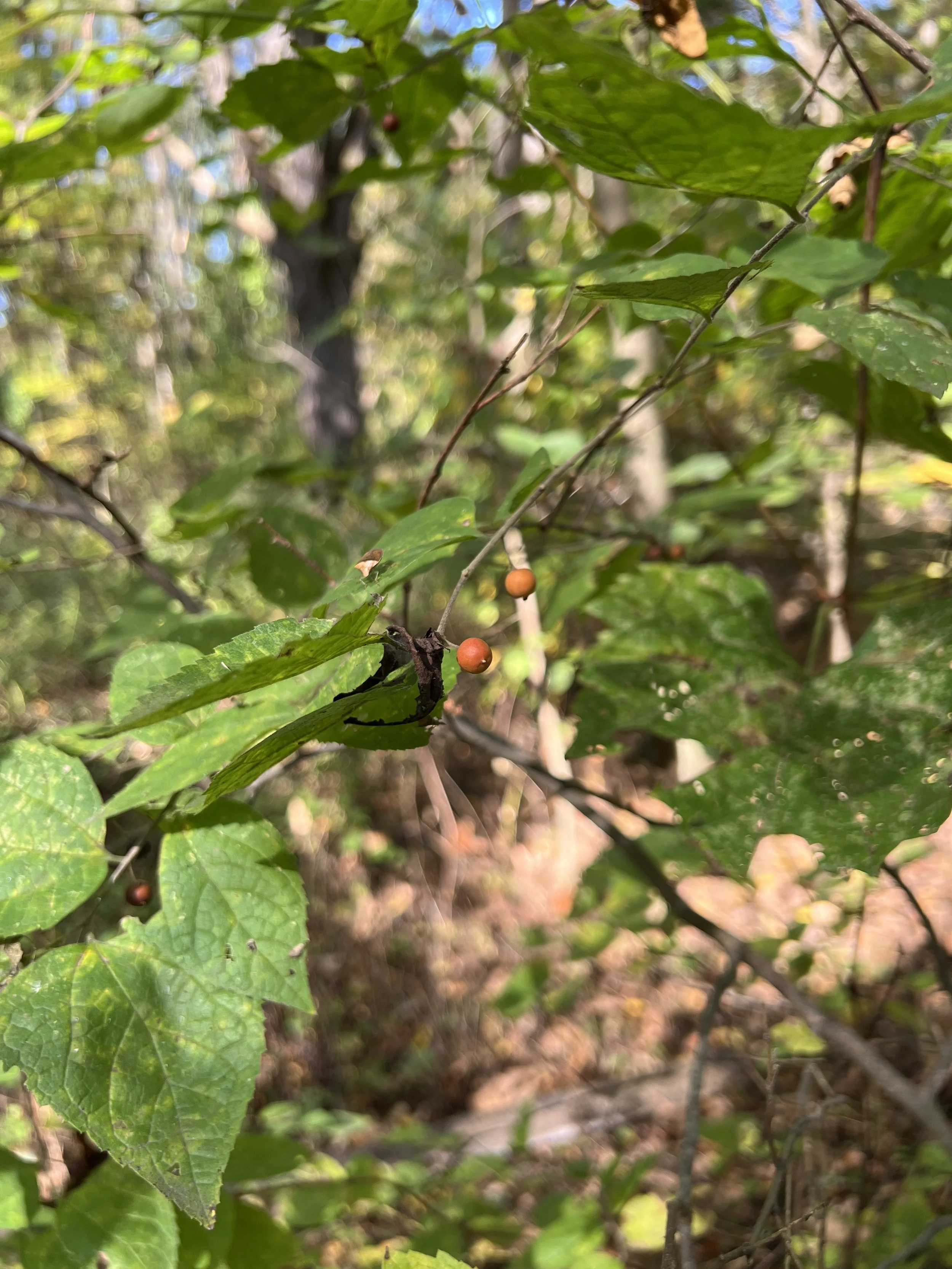
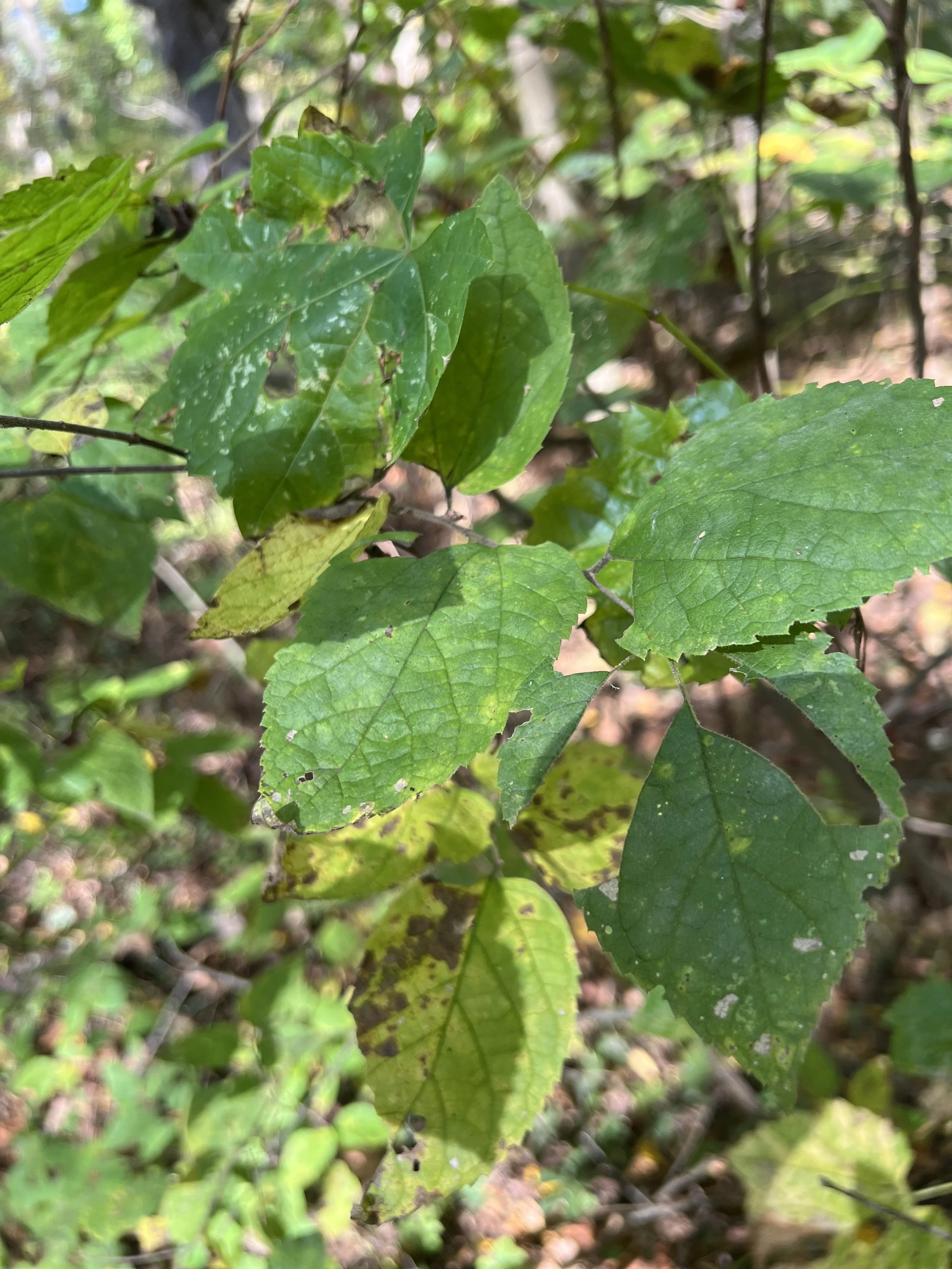
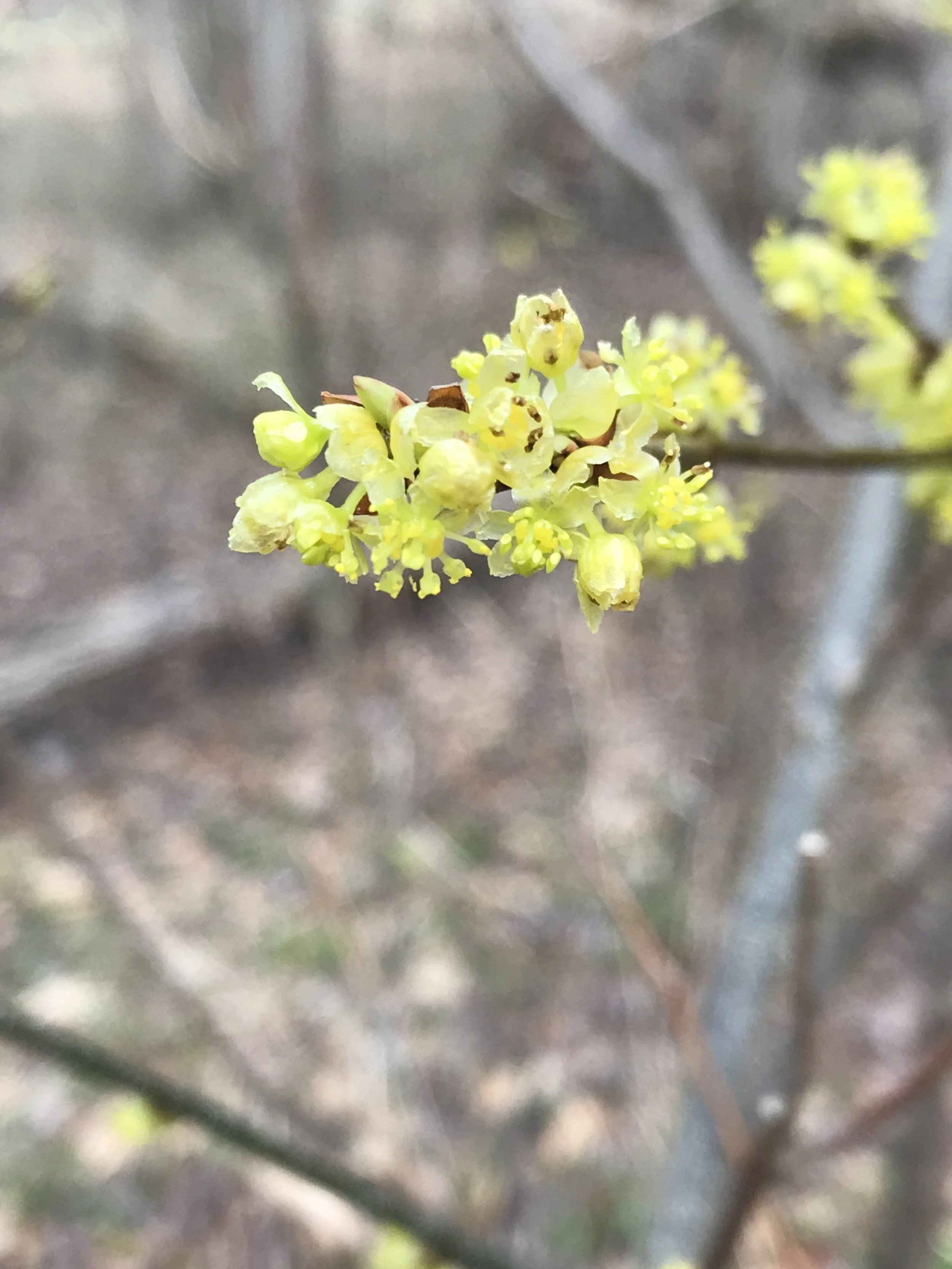
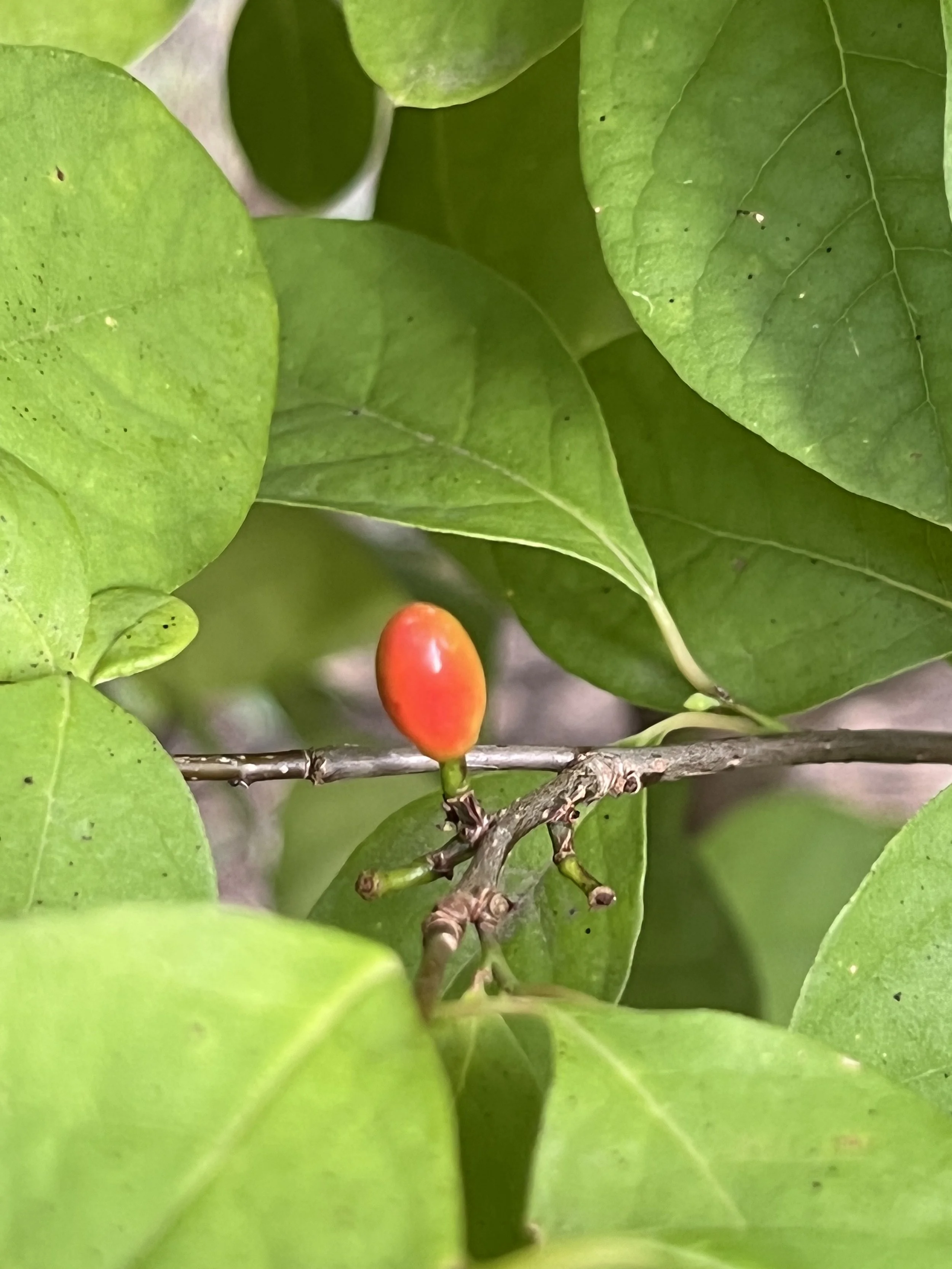
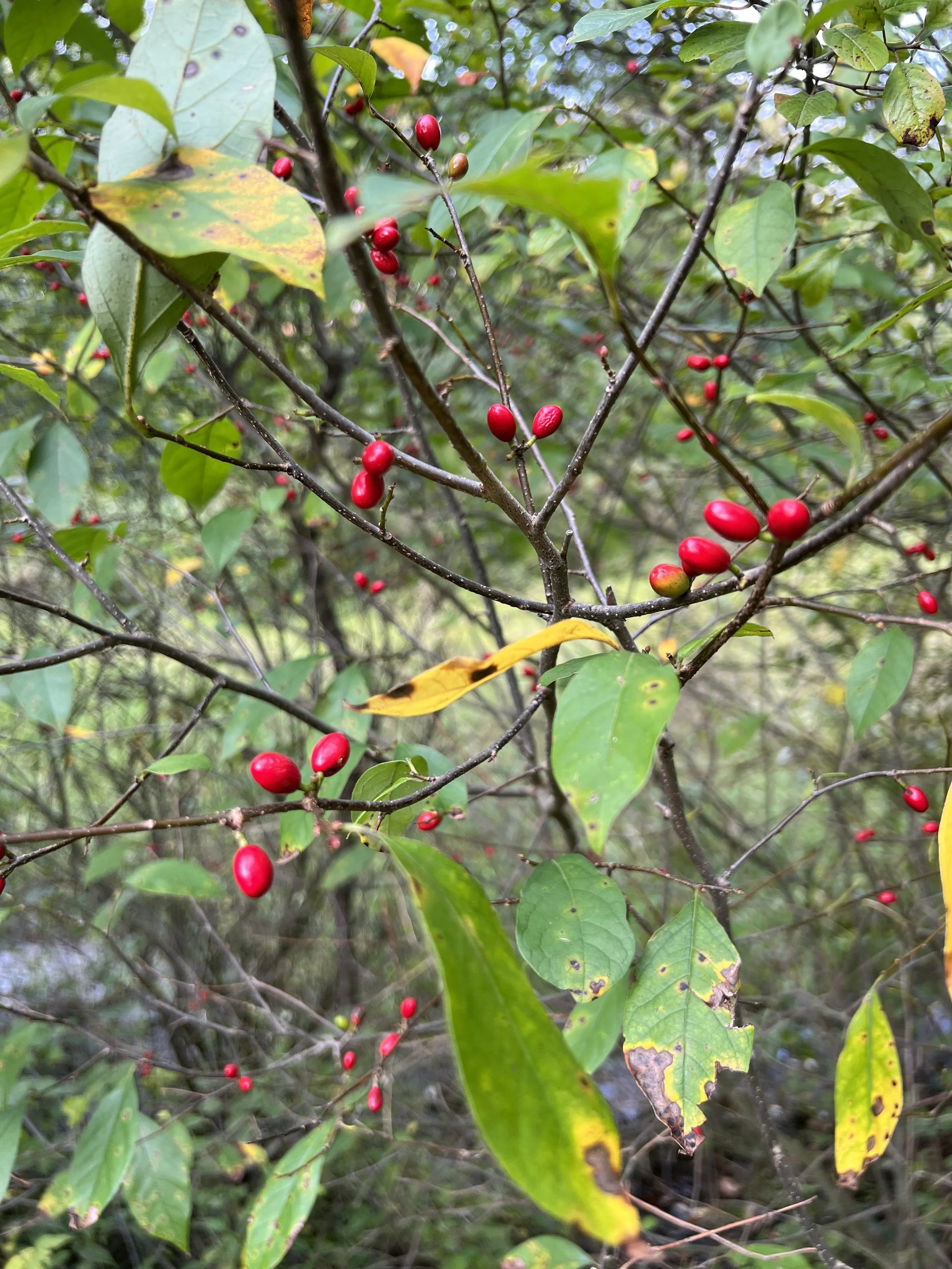
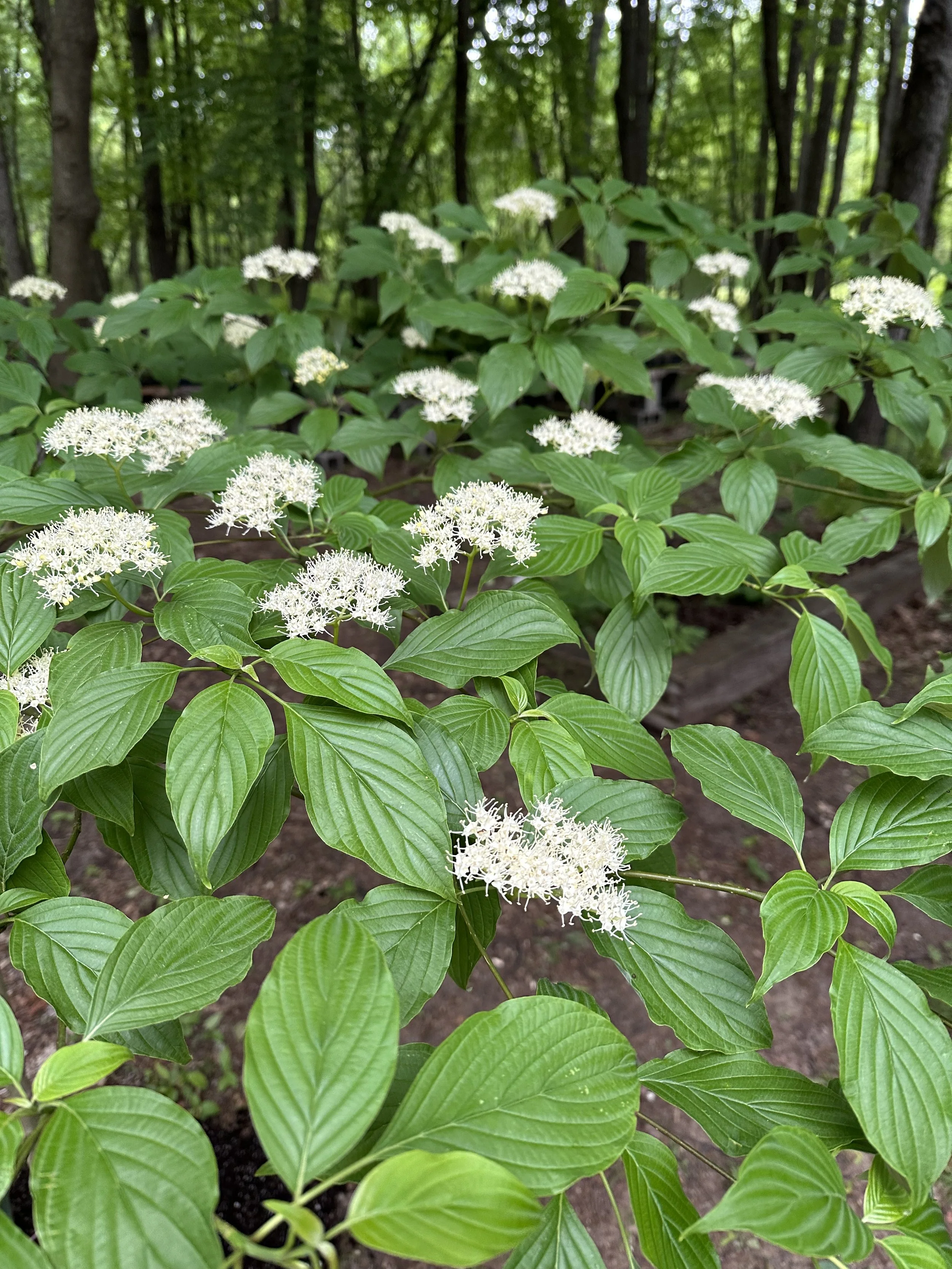
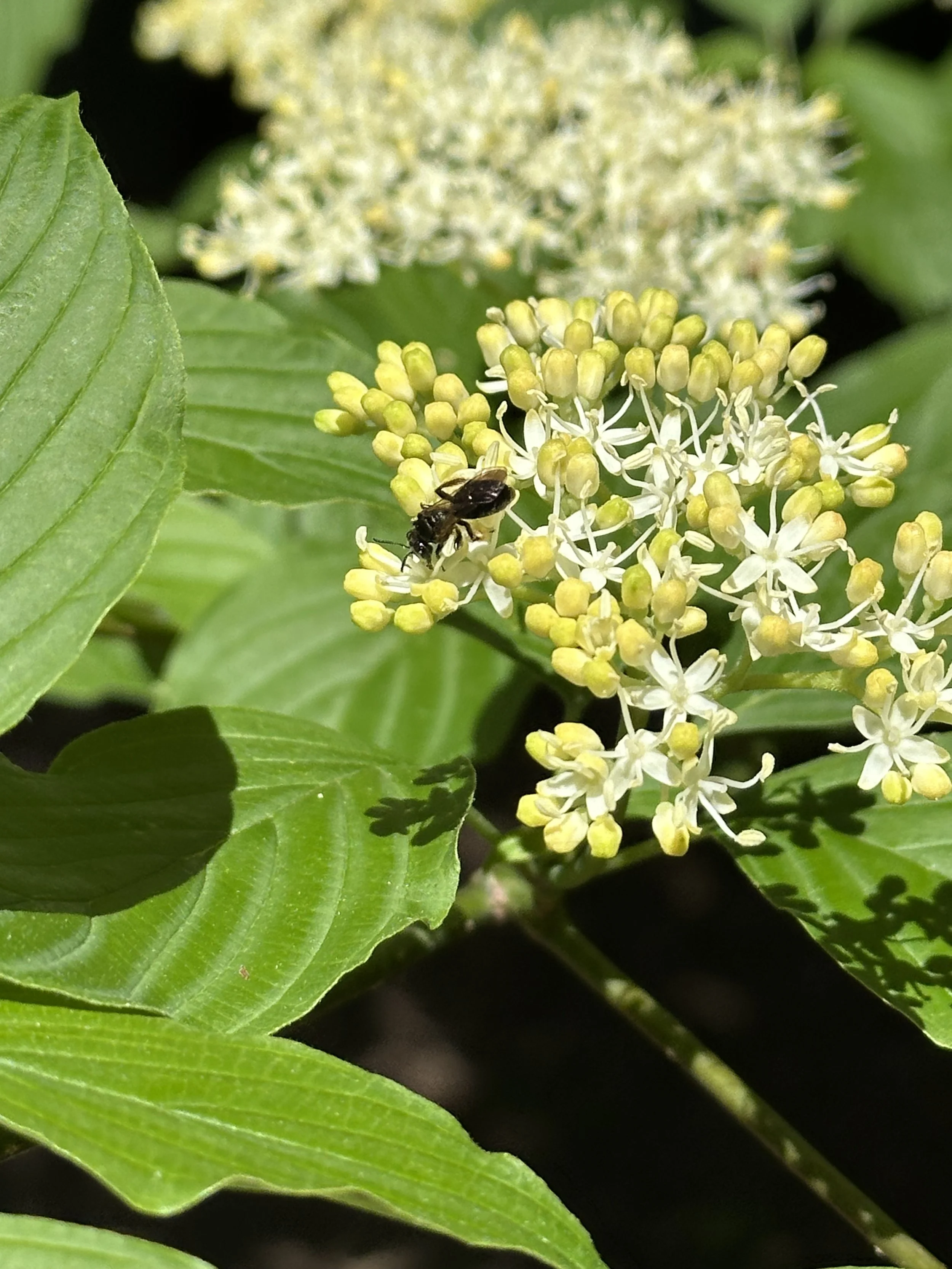
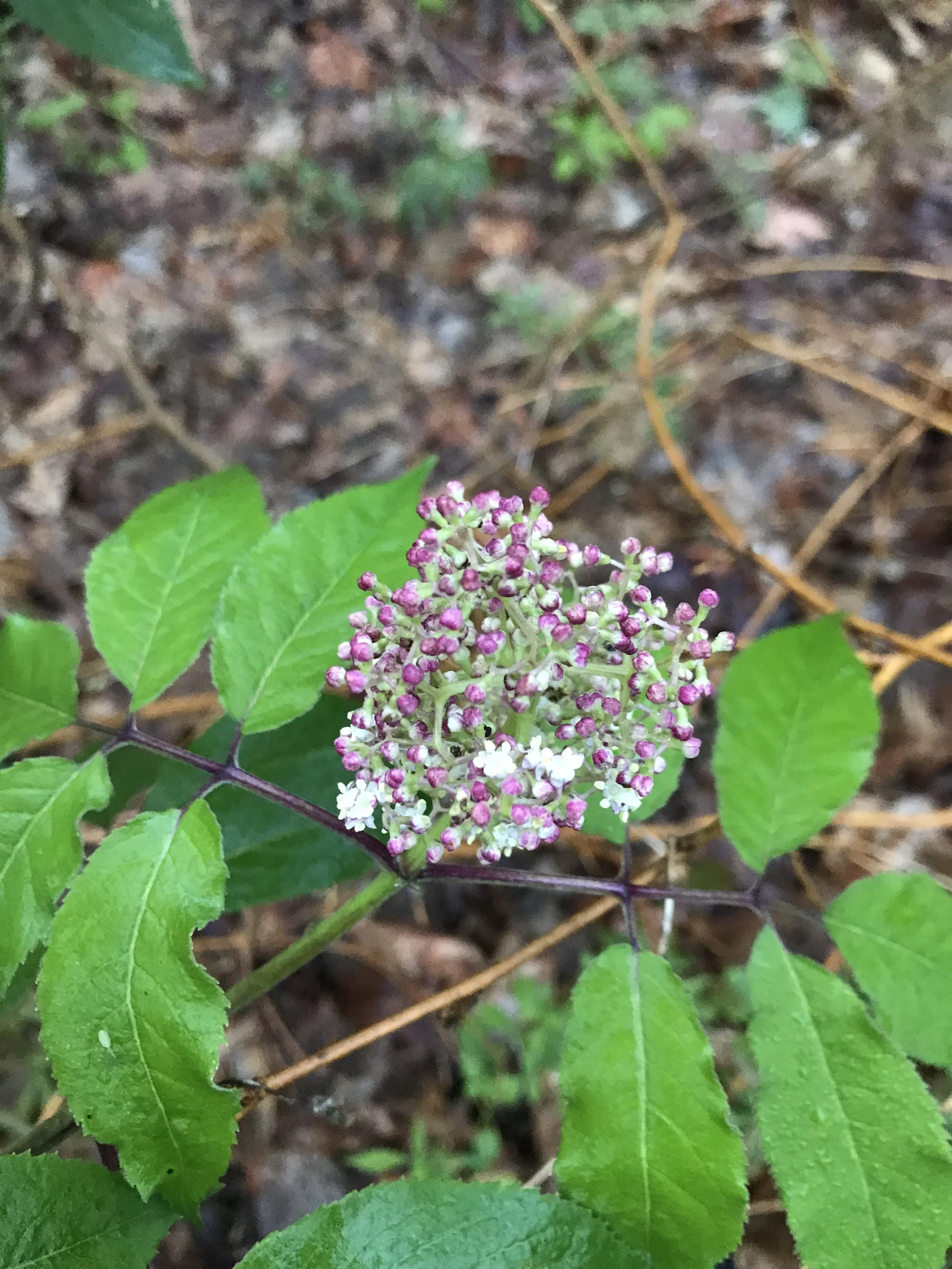
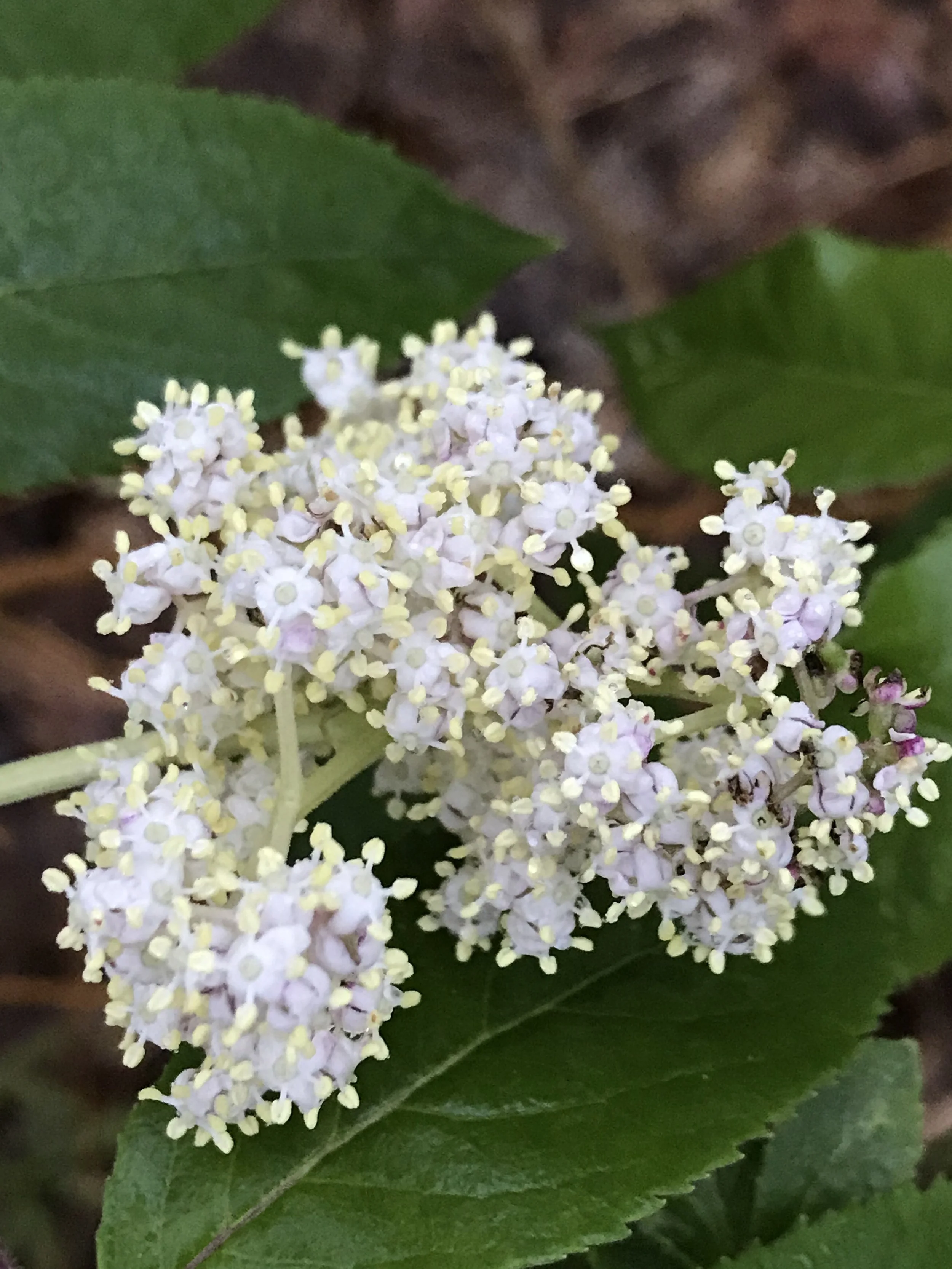
In the spring, it has many small burgundy flowers. Small bees and flies are the likely pollinators. Several moth caterpillars use Eastern Wahoo as a host plant. Later in the season, there will be red berries for hungry birds like Catbirds, Brown Thrashers, Bluebirds, and Eastern Towhees. Each berry has two brown seeds inside. Leaves are about four inches long and two inches across and are opposite each other on the branches.
Burning Bush is a shrub related to Eastern Wahoo that is popular in landscaping due to the bright red leaves in the fall. The problem with Burning Bush is that it is not native in the United States and it has proven to be invasive.
Eastern Wahoo (Euonymus atropurpureus)
Michigan Flora reference page for state distribution: Eastern Wahoo
Bloom time: June-July
Height: 12-20 feet
Soil: Loam
Sun: dappled light to light shade
Plant spacing: 8 feet
Flower: burgundy/red
Family: Celastraceae
Seed source: midwest
Get notified by email when this product is in stock.
Eastern Wahoo is an uncommon small tree in Michigan that grows near rivers and in high quality floodplain forests in the southern part of the lower peninsula of Michigan. It tends to be in deciduous woods like beech-maple forests.
In the spring, it has many small burgundy flowers. Small bees and flies are the likely pollinators. Several moth caterpillars use Eastern Wahoo as a host plant. Later in the season, there will be red berries for hungry birds like Catbirds, Brown Thrashers, Bluebirds, and Eastern Towhees. Each berry has two brown seeds inside. Leaves are about four inches long and two inches across and are opposite each other on the branches.
Burning Bush is a shrub related to Eastern Wahoo that is popular in landscaping due to the bright red leaves in the fall. The problem with Burning Bush is that it is not native in the United States and it has proven to be invasive.
Eastern Wahoo (Euonymus atropurpureus)
Michigan Flora reference page for state distribution: Eastern Wahoo
Bloom time: June-July
Height: 12-20 feet
Soil: Loam
Sun: dappled light to light shade
Plant spacing: 8 feet
Flower: burgundy/red
Family: Celastraceae
Seed source: midwest