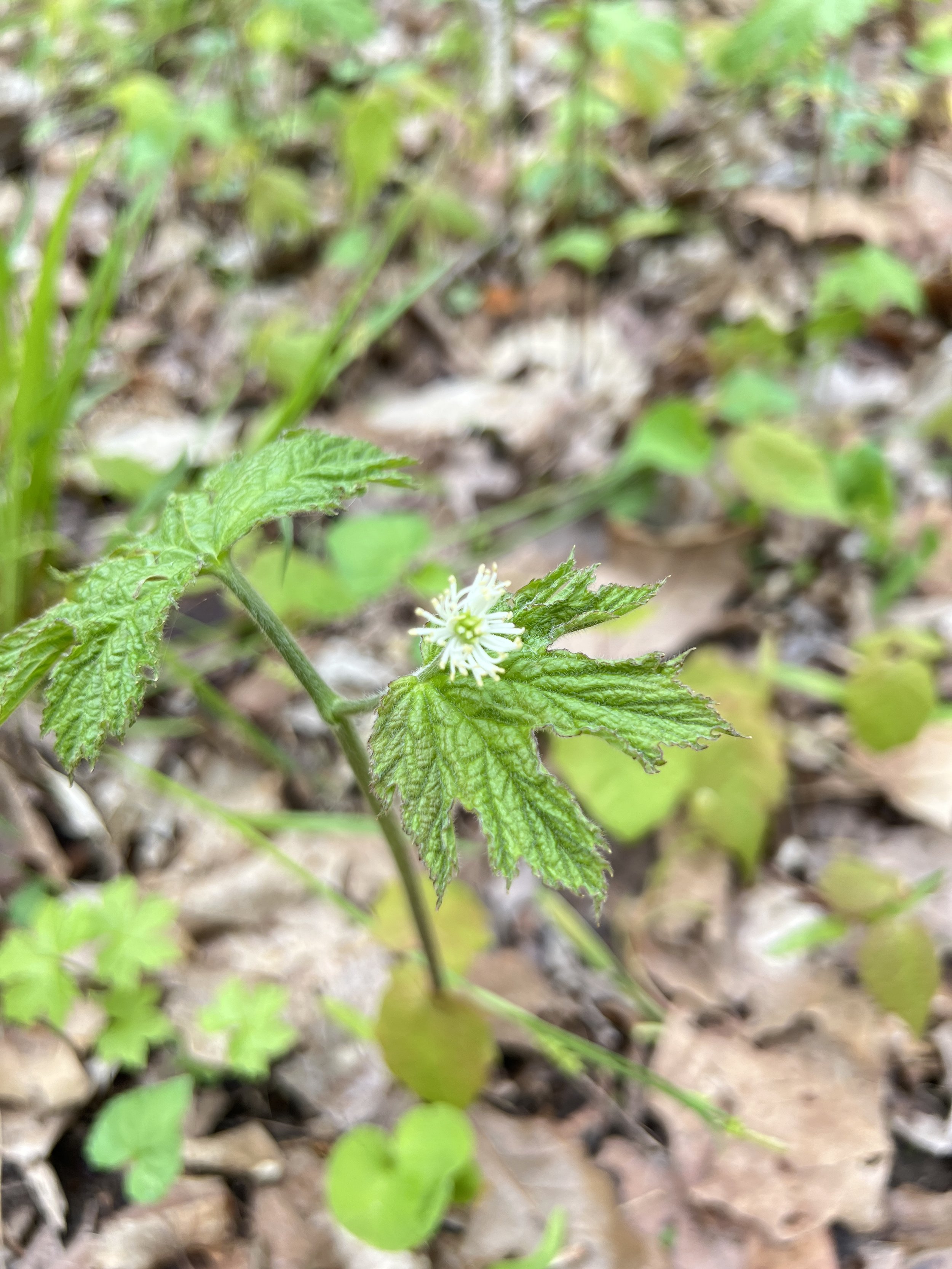
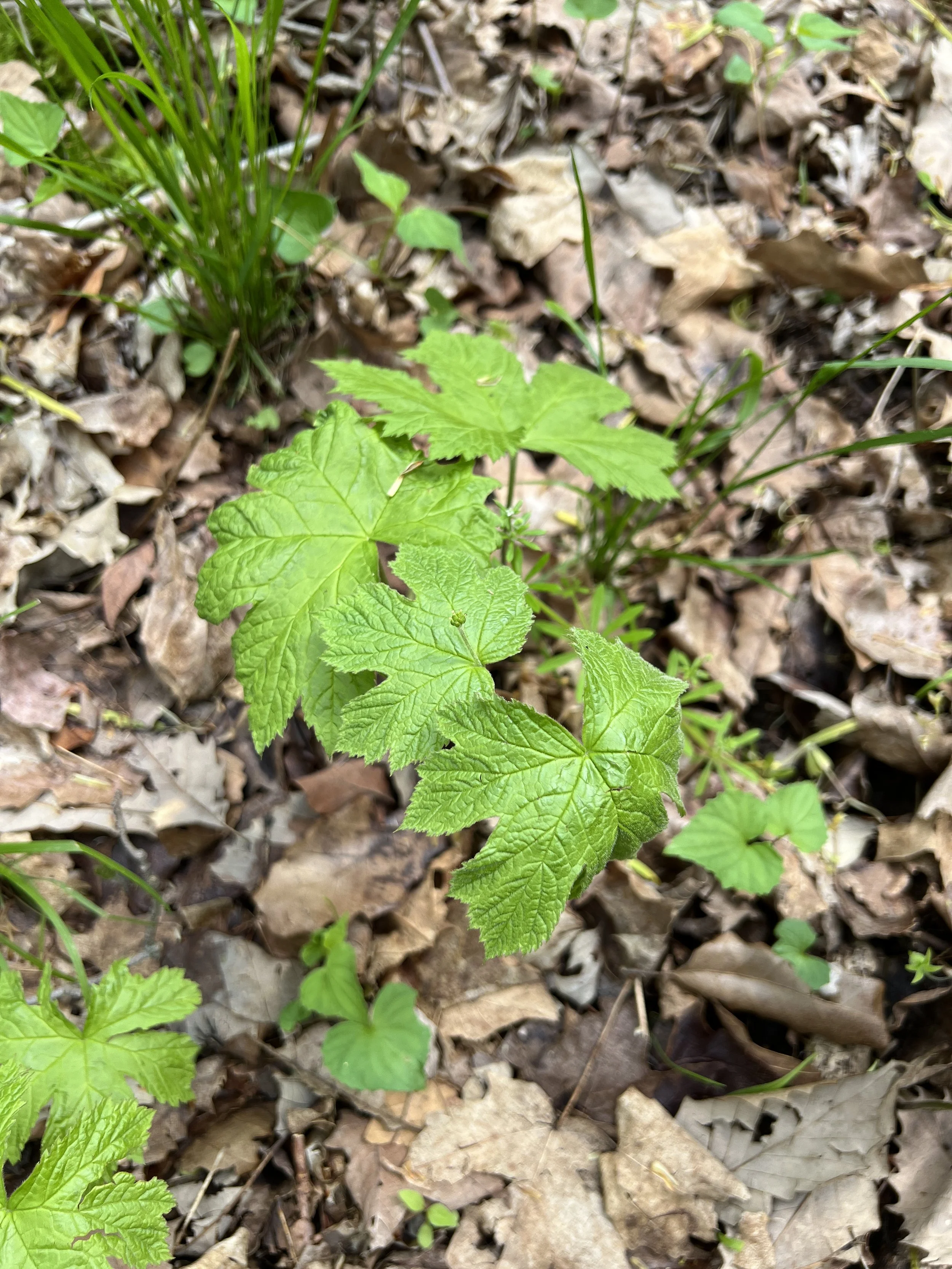
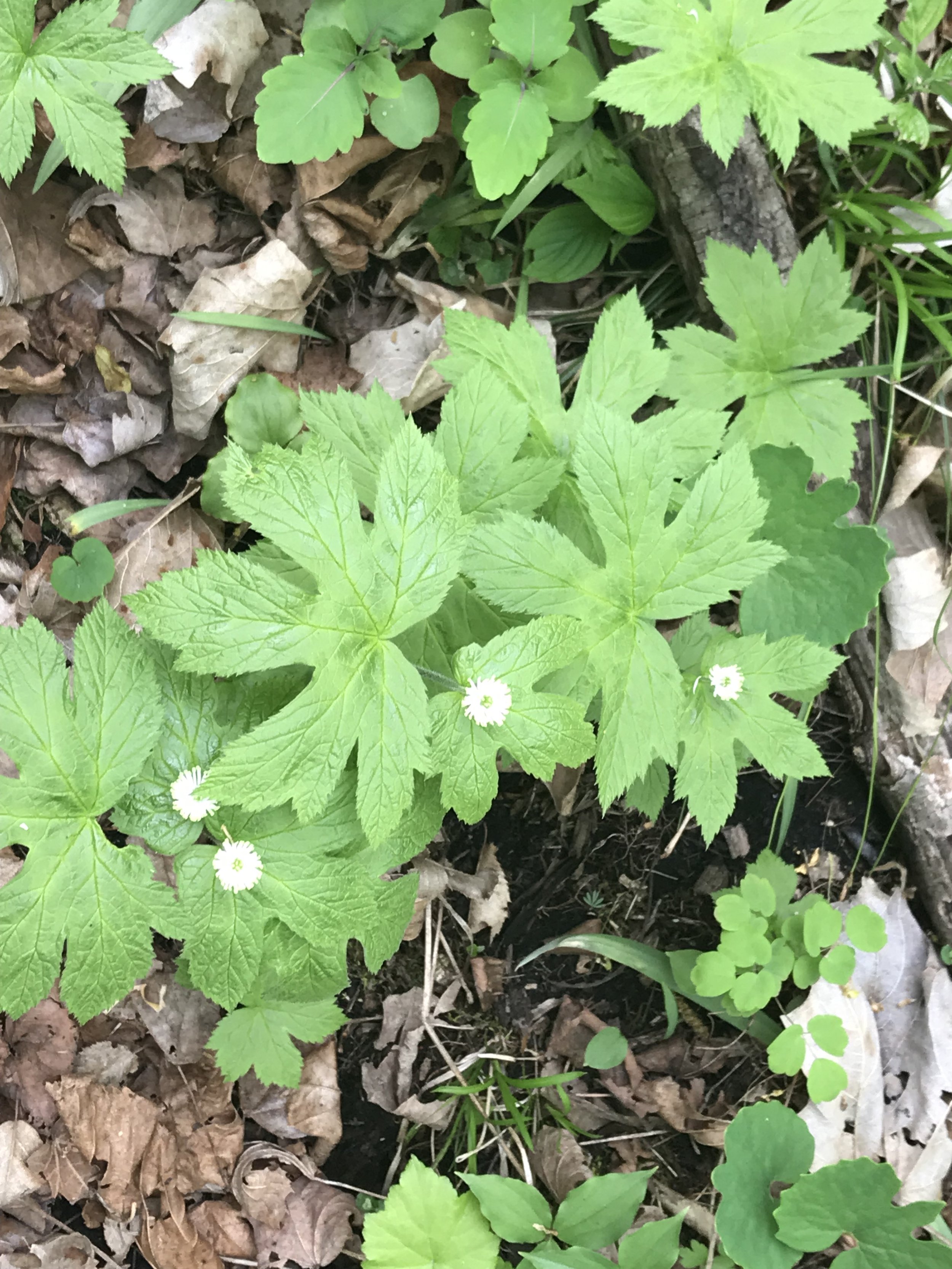
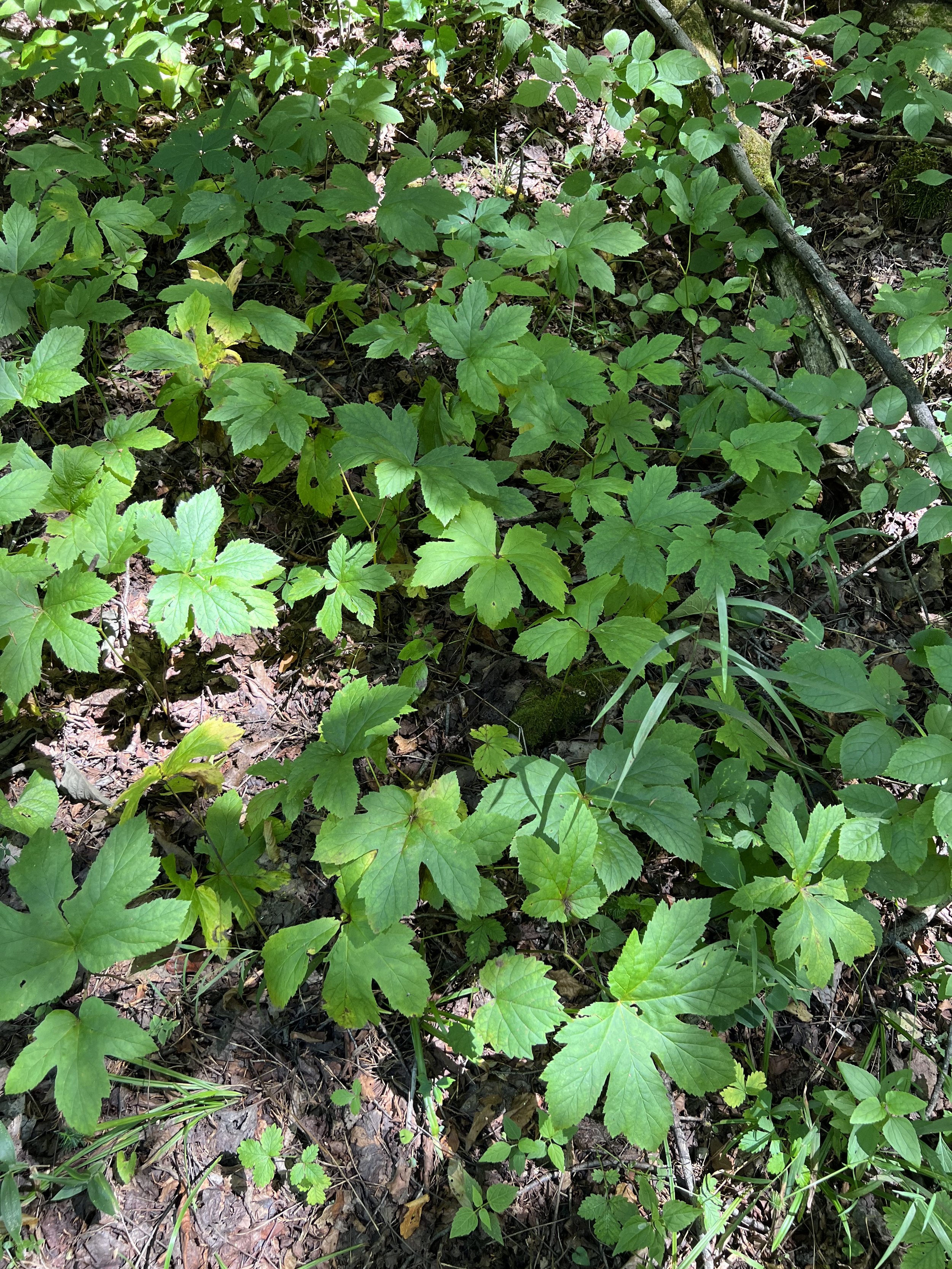
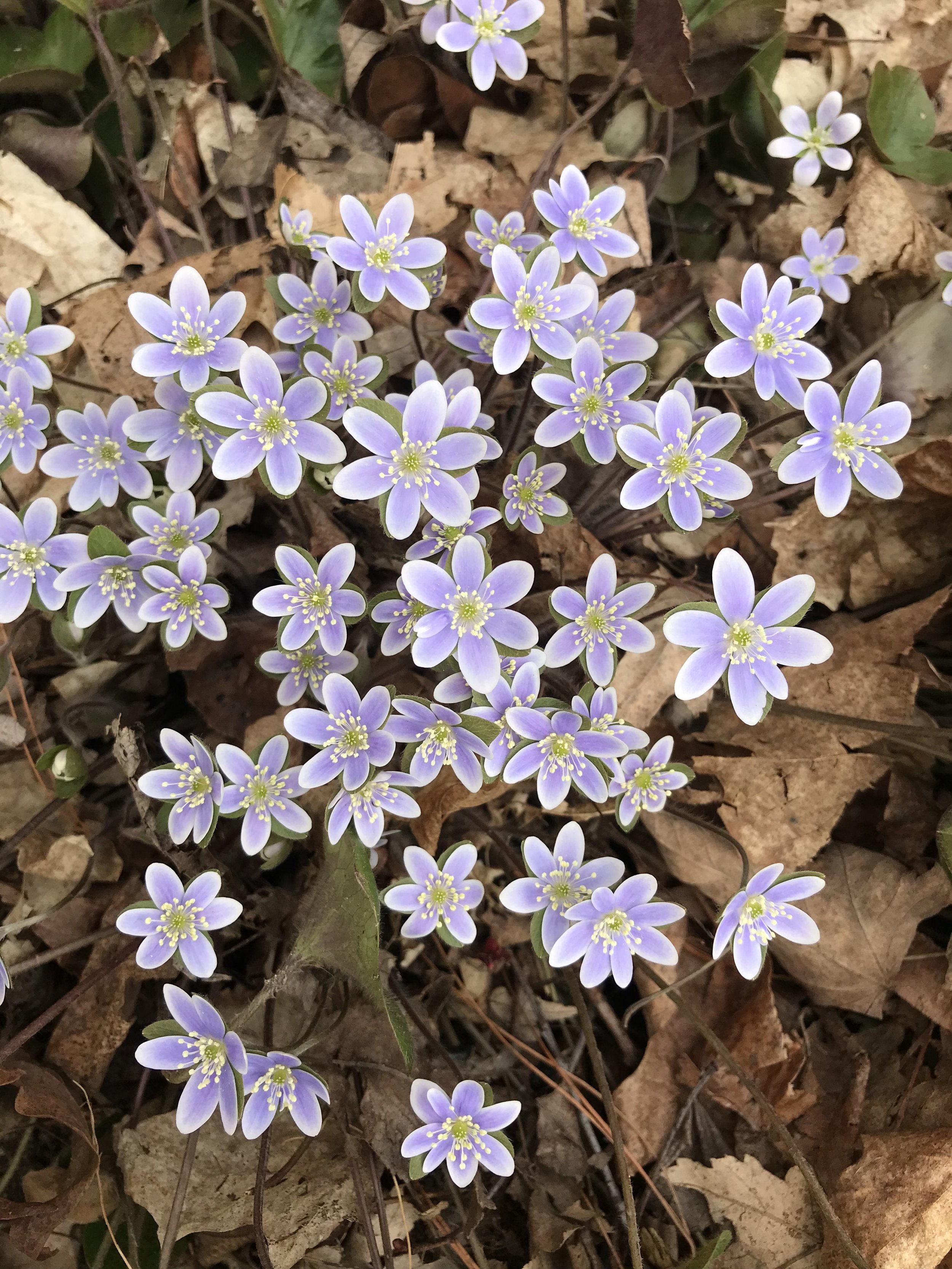
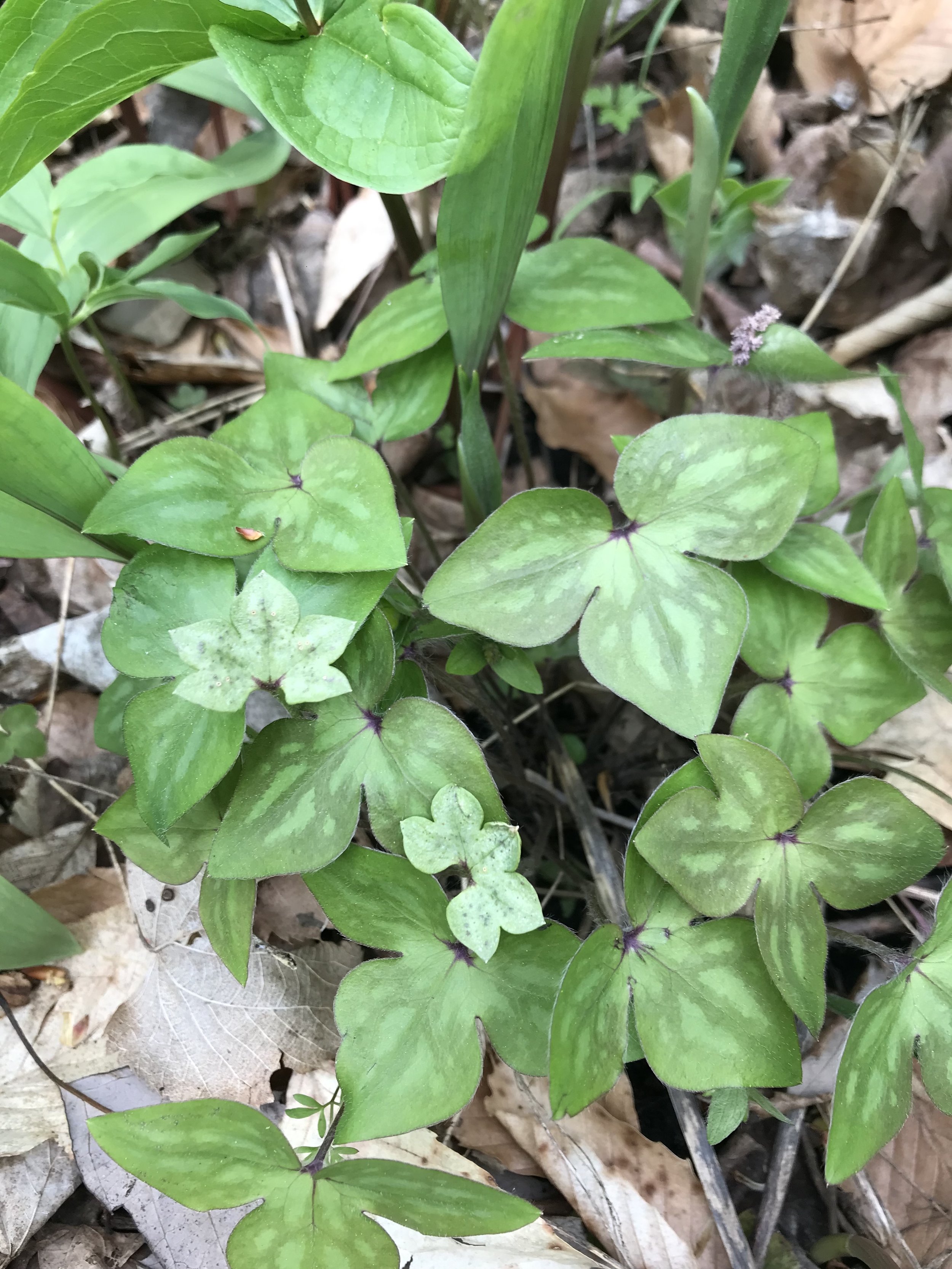
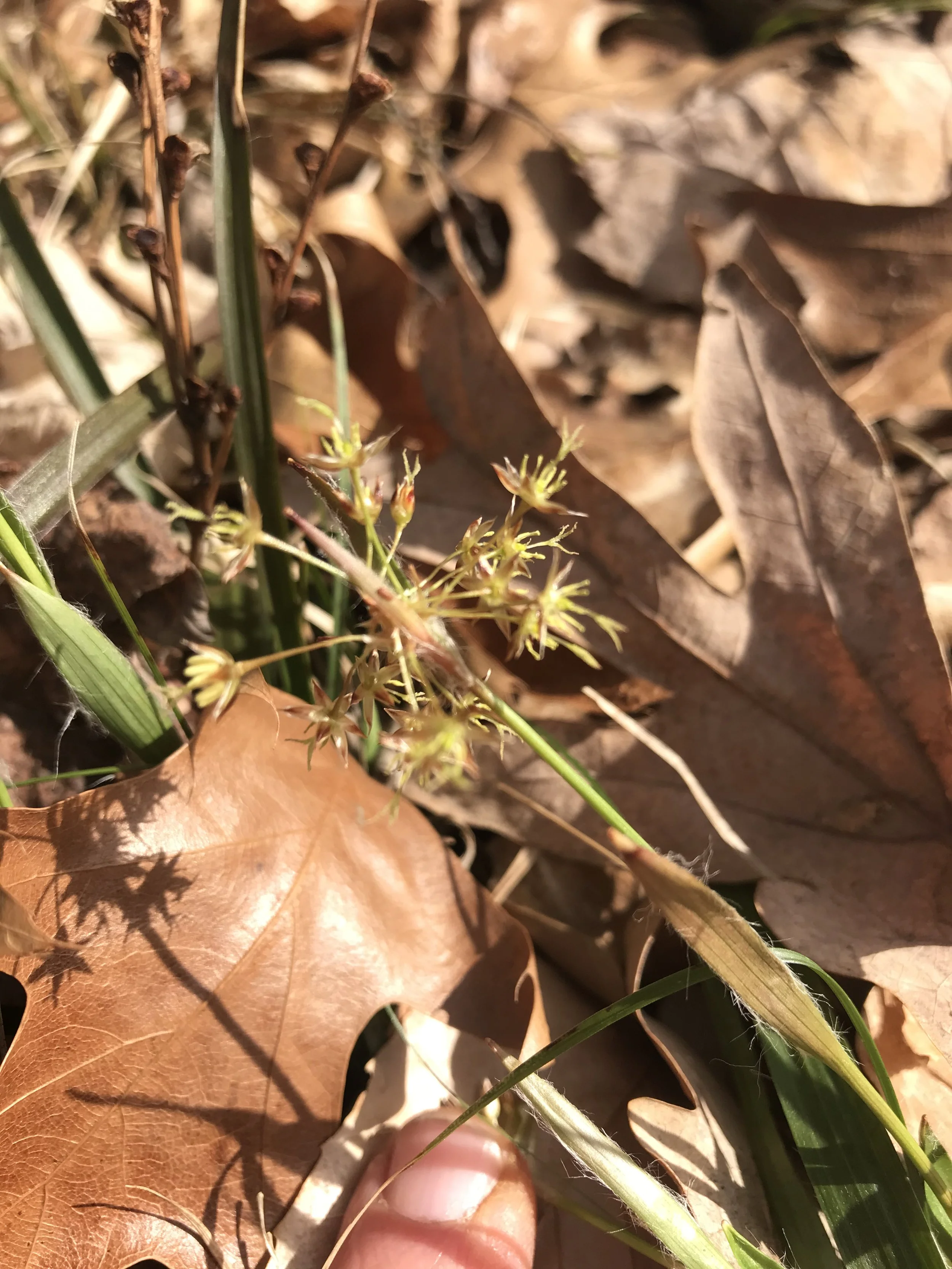
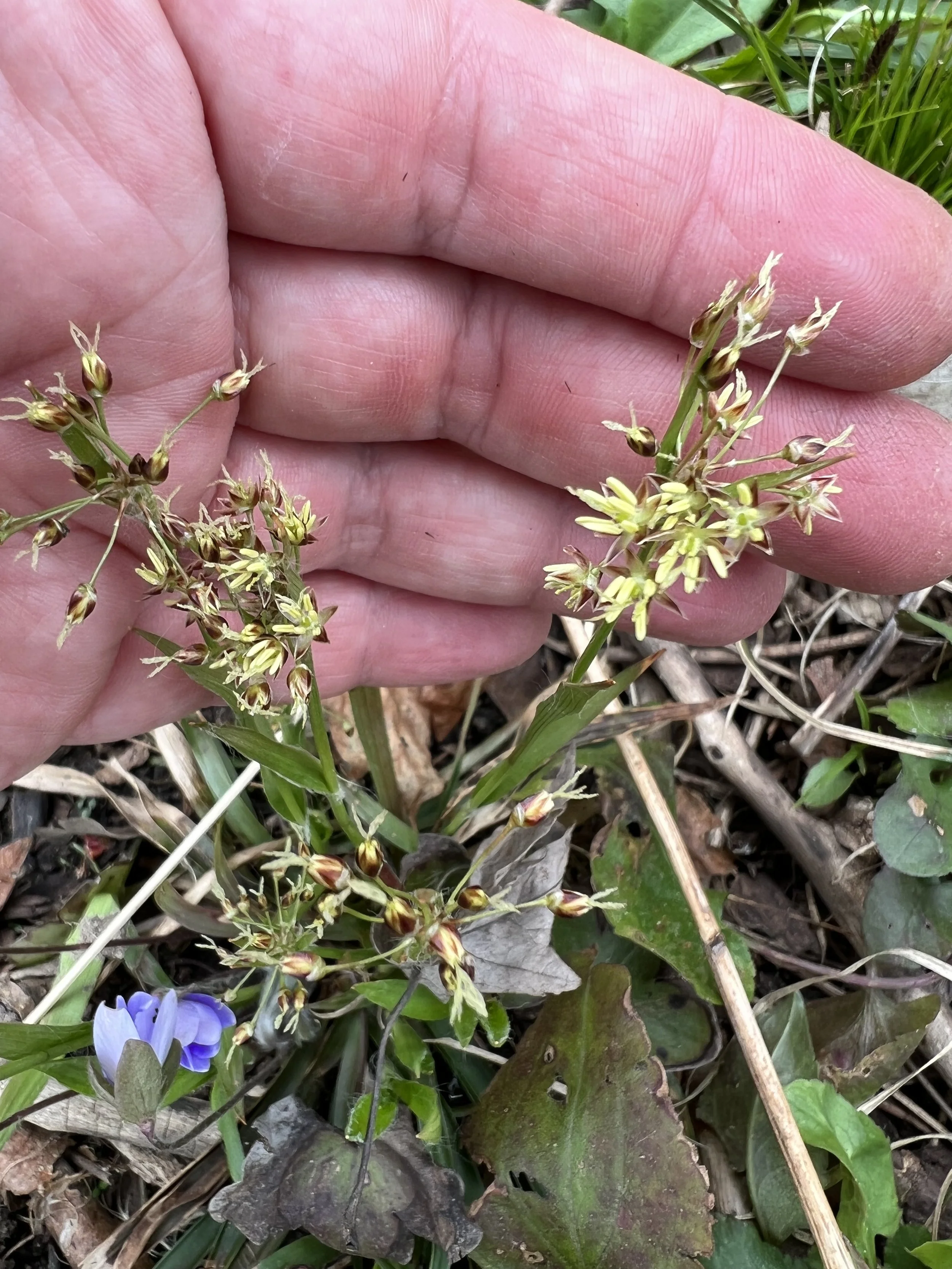
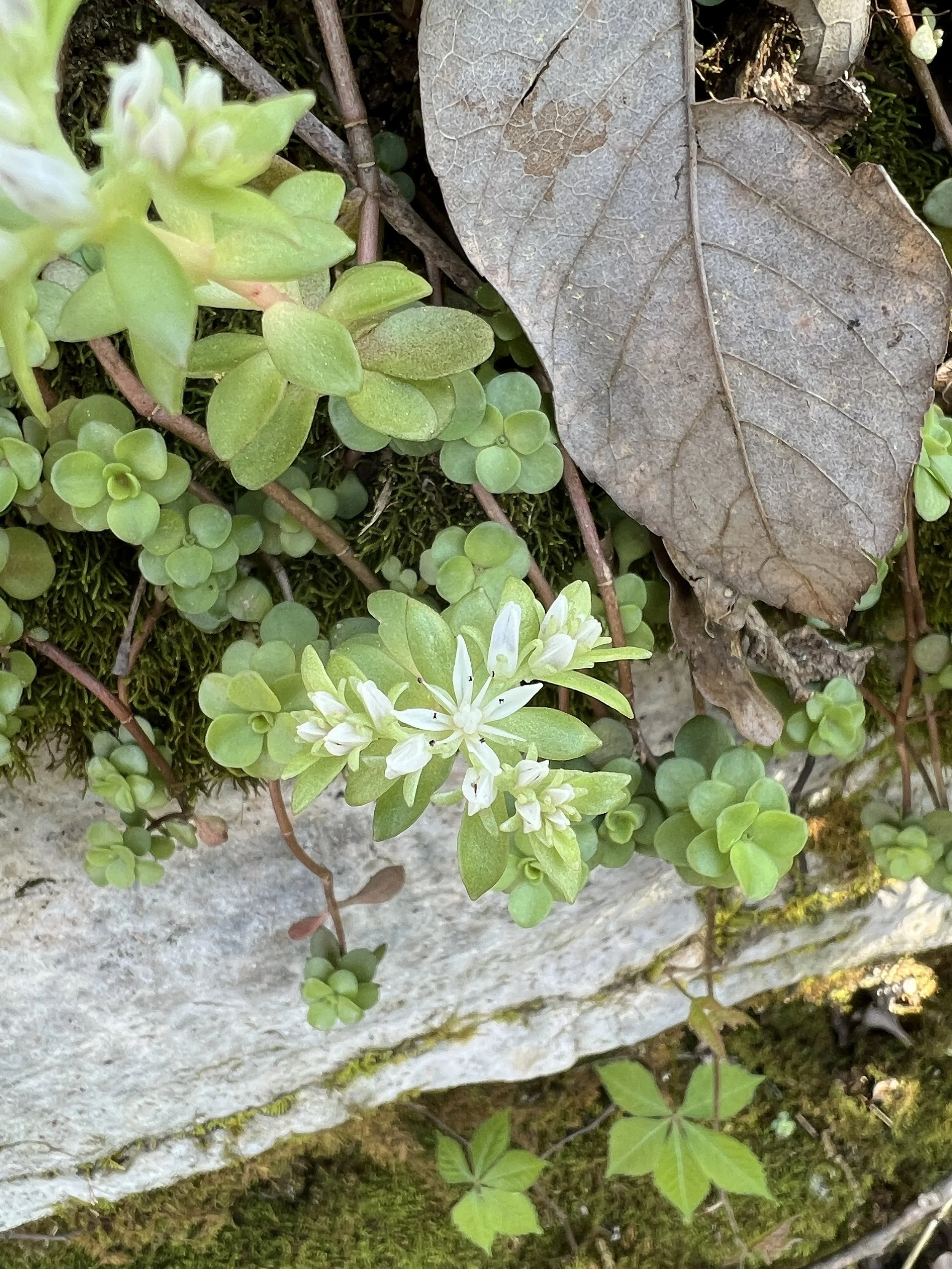
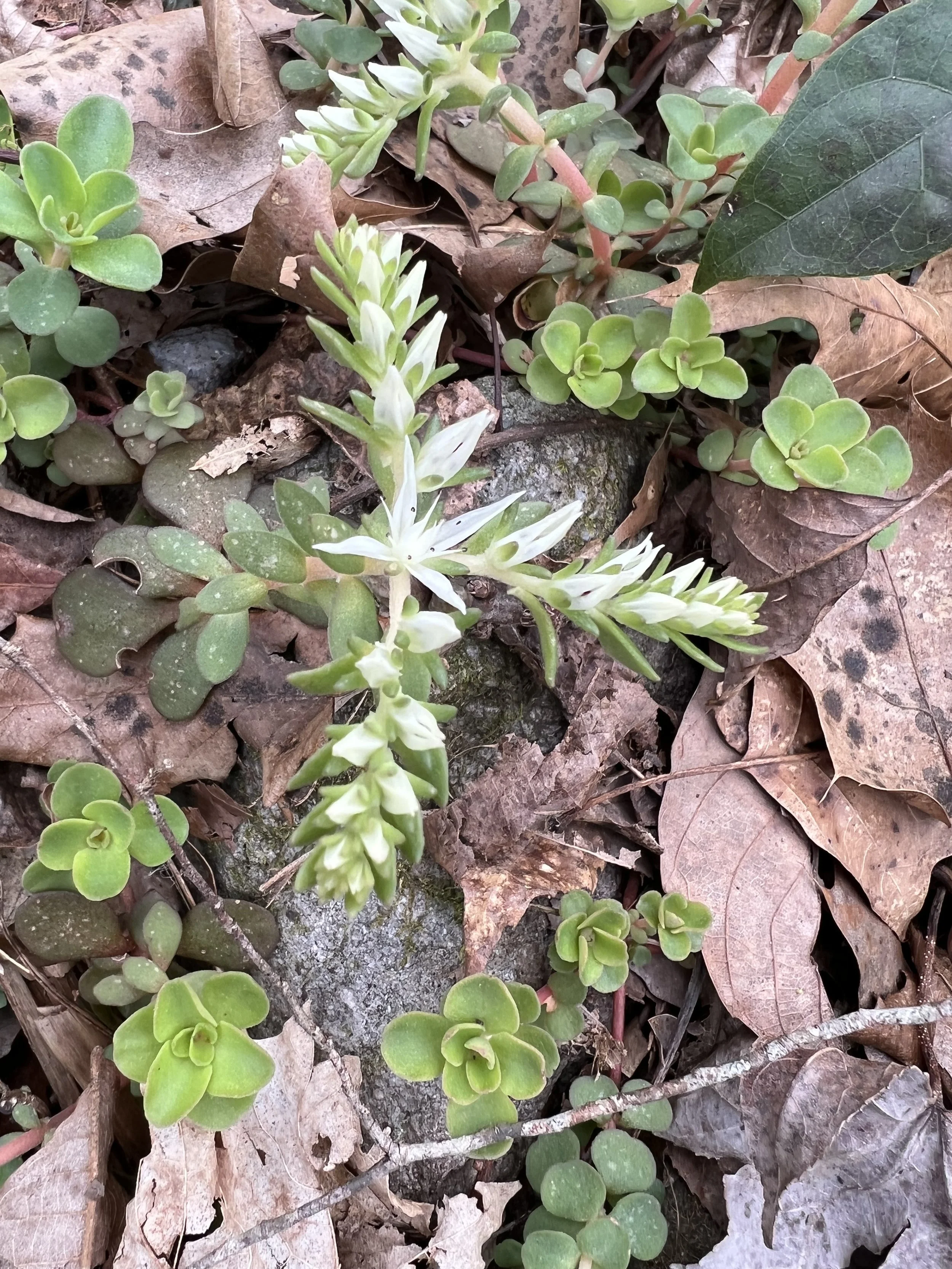
Labrador Violet, also known as dog violet or arctic violet is one of the commonest violets in Michigan. It has lovely lavender-colored blooms and beautiful leaves. It is one of the violets that send up a stalk with leaves and blooms, rather than blooming from the base of the plant. It is rather like long-spurred violet (Viola rostrata) but the spurs are shorter.
This violet is found throughout the state in moist forests and can be found where ground has been disturbed. Violets are the host plants for fritillary butterflies. I was lucky enough to see a variegated fritillary on a long-leaf violet so I including that in the photos so that you know what to look for!
Violets can make a wonderful ground cover and this violet does spread given the right conditions. The leaves stay looking nice through the fall. Like most violets, they bloom in the spring and then they send up cleistogamous (closed) flowers in late summer to fall. These closed flowers are self-pollinating. Once pollinated they dry out and pop flinging their seeds away from the mother plant.
Companion Plants: barren strawberry, wood anemone, false rue anemone, running strawberry bush, other violets
Labrador Violet (Viola labradorica)
Michigan Flora reference page for state distribution: Labrador Violet
Height: 6-18”
Bloom time: May-June
Soil: moist loam
Sun: dappled light to shade
Plant spacing: 12”
Flower: lavender
Life cycle: perennial
Family: Violaceae
Seed source: Michigan
Labrador Violet, also known as dog violet or arctic violet is one of the commonest violets in Michigan. It has lovely lavender-colored blooms and beautiful leaves. It is one of the violets that send up a stalk with leaves and blooms, rather than blooming from the base of the plant. It is rather like long-spurred violet (Viola rostrata) but the spurs are shorter.
This violet is found throughout the state in moist forests and can be found where ground has been disturbed. Violets are the host plants for fritillary butterflies. I was lucky enough to see a variegated fritillary on a long-leaf violet so I including that in the photos so that you know what to look for!
Violets can make a wonderful ground cover and this violet does spread given the right conditions. The leaves stay looking nice through the fall. Like most violets, they bloom in the spring and then they send up cleistogamous (closed) flowers in late summer to fall. These closed flowers are self-pollinating. Once pollinated they dry out and pop flinging their seeds away from the mother plant.
Companion Plants: barren strawberry, wood anemone, false rue anemone, running strawberry bush, other violets
Labrador Violet (Viola labradorica)
Michigan Flora reference page for state distribution: Labrador Violet
Height: 6-18”
Bloom time: May-June
Soil: moist loam
Sun: dappled light to shade
Plant spacing: 12”
Flower: lavender
Life cycle: perennial
Family: Violaceae
Seed source: Michigan
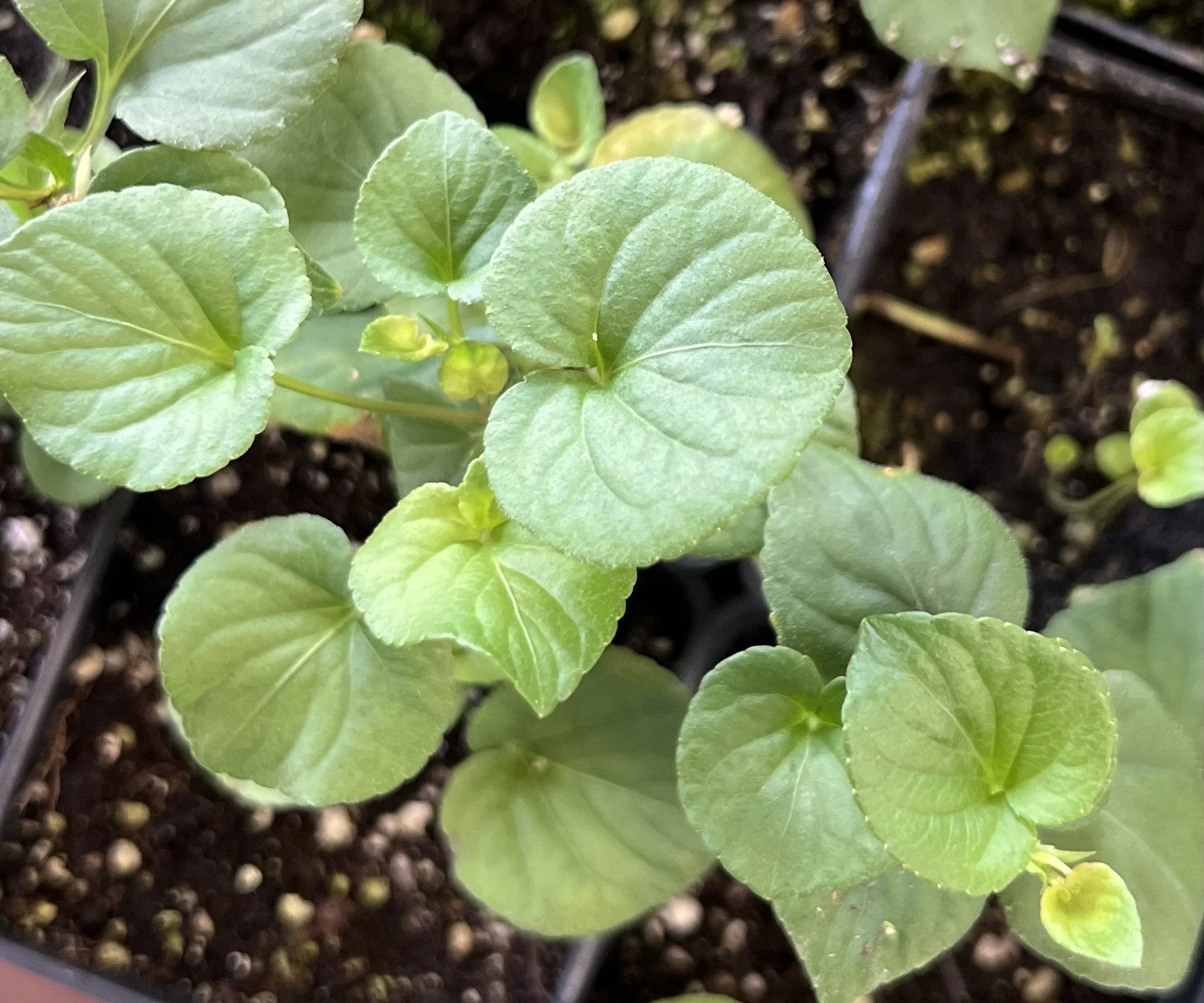 Image 1 of 6
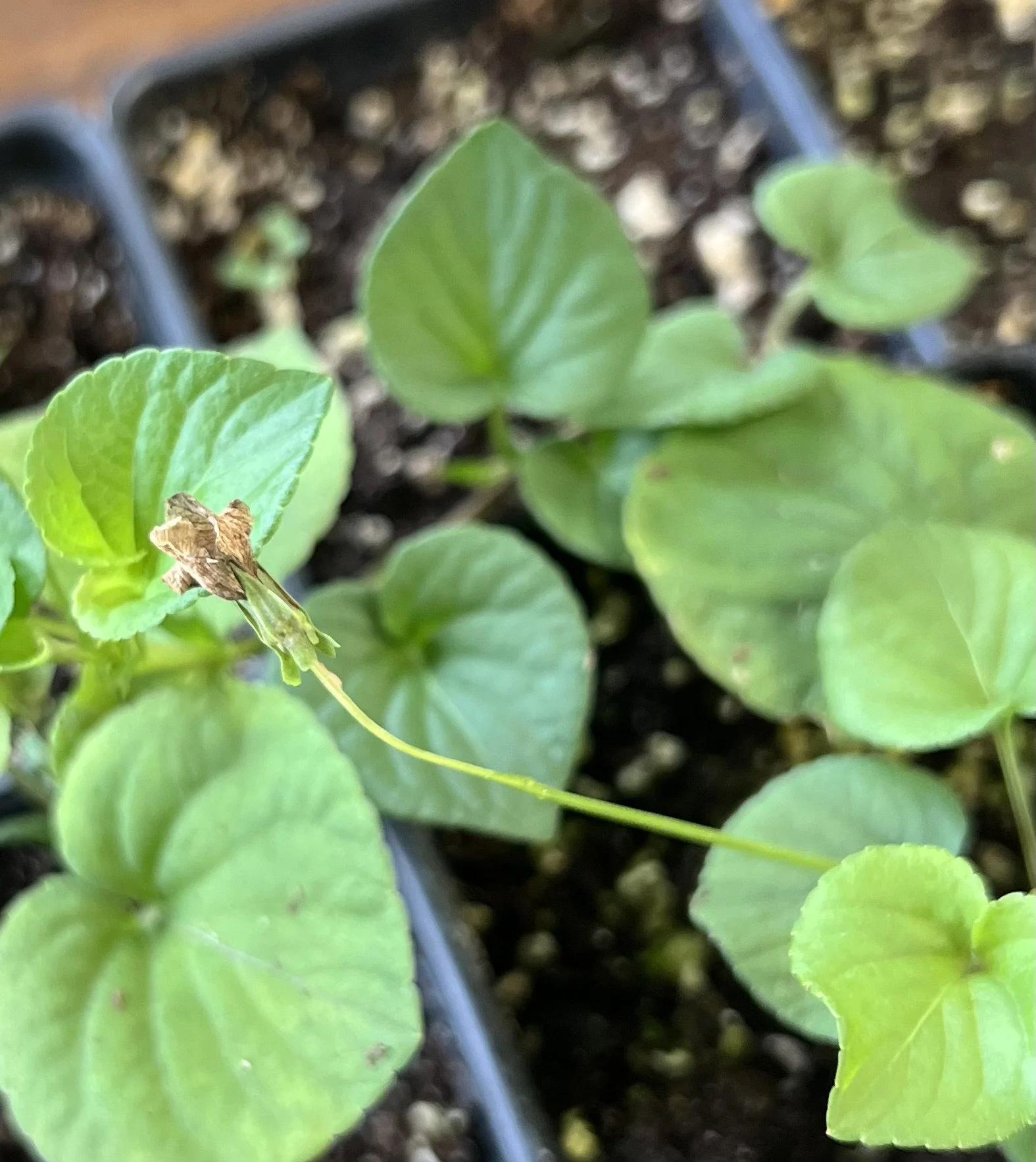 Image 2 of 6
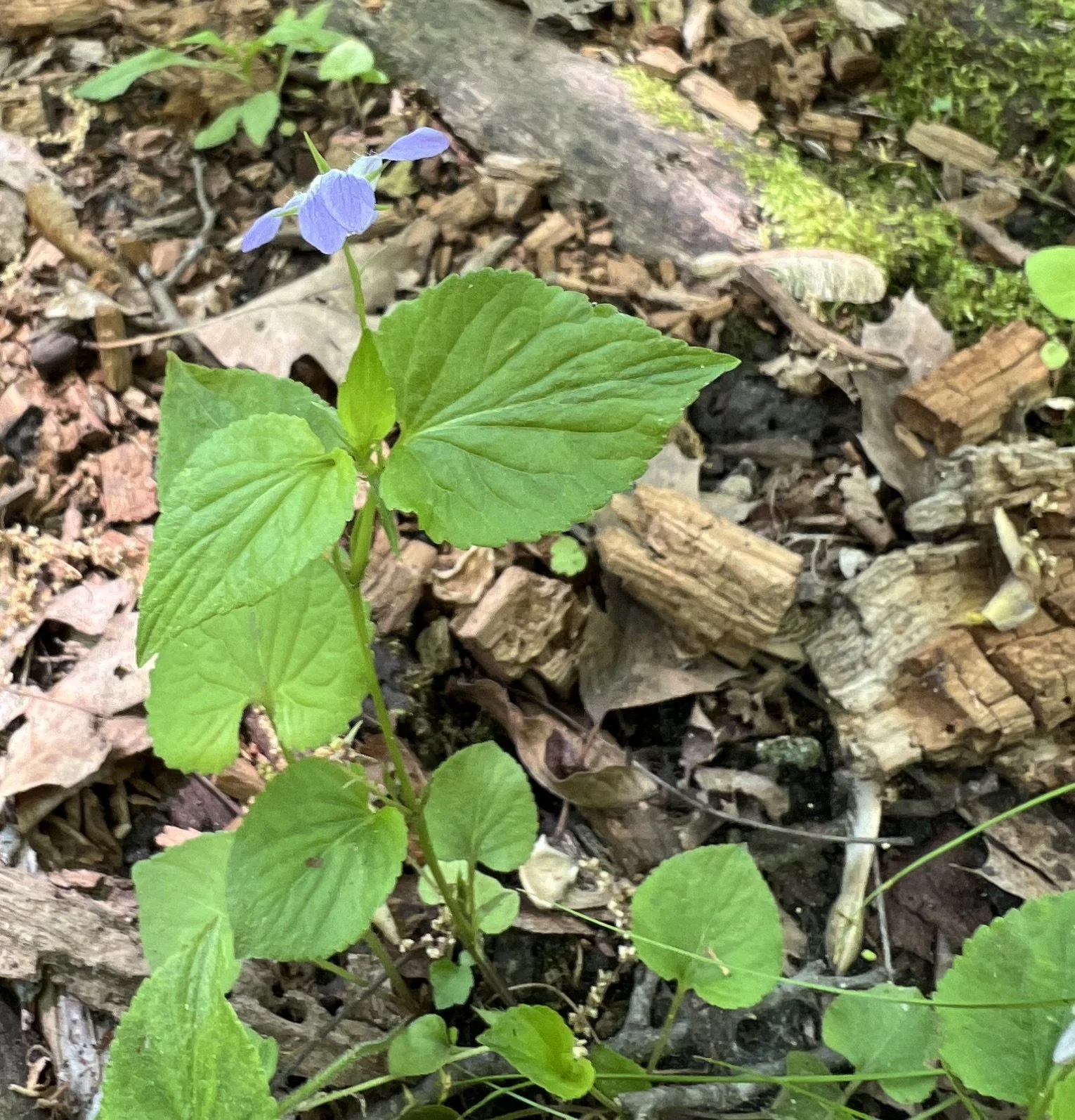 Image 3 of 6
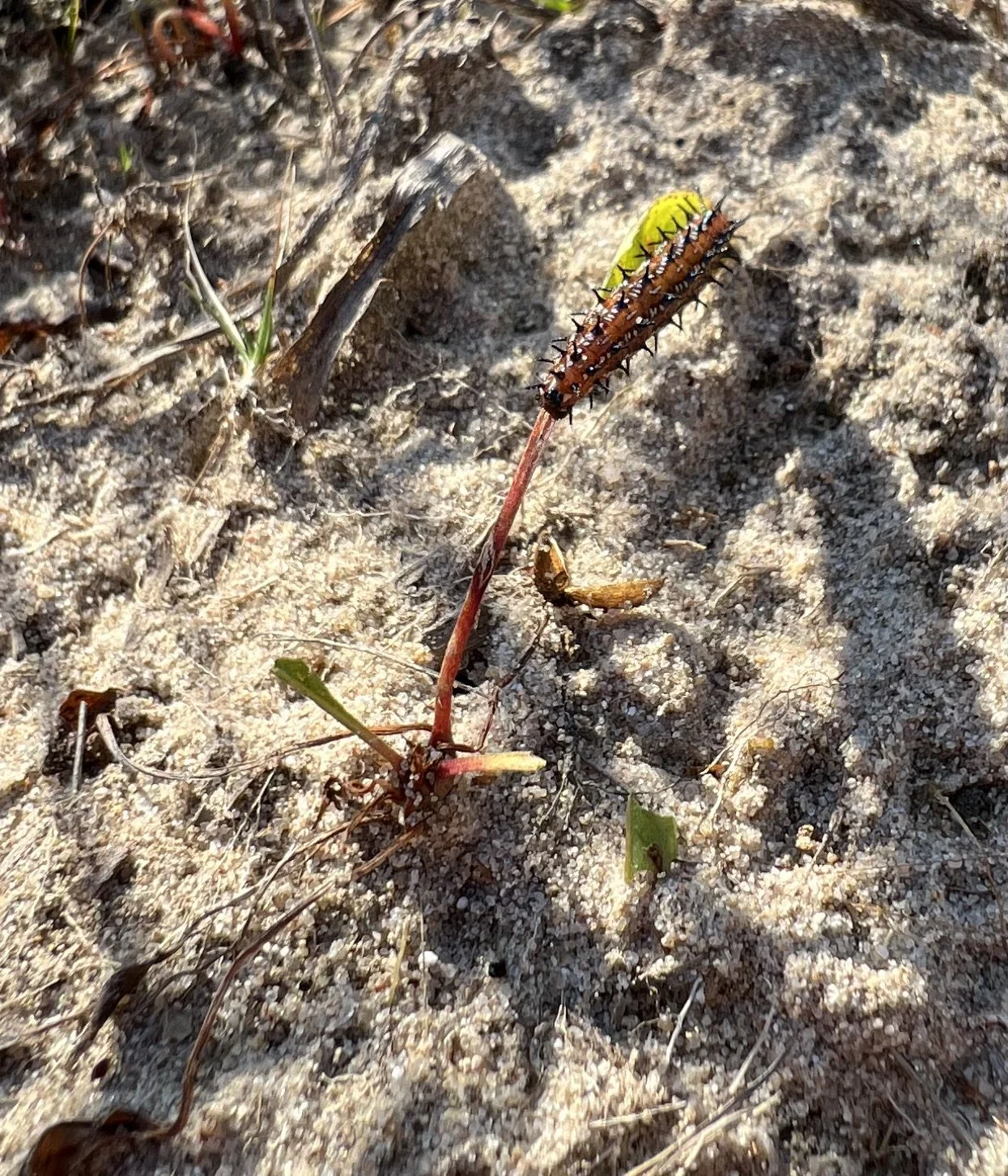 Image 4 of 6
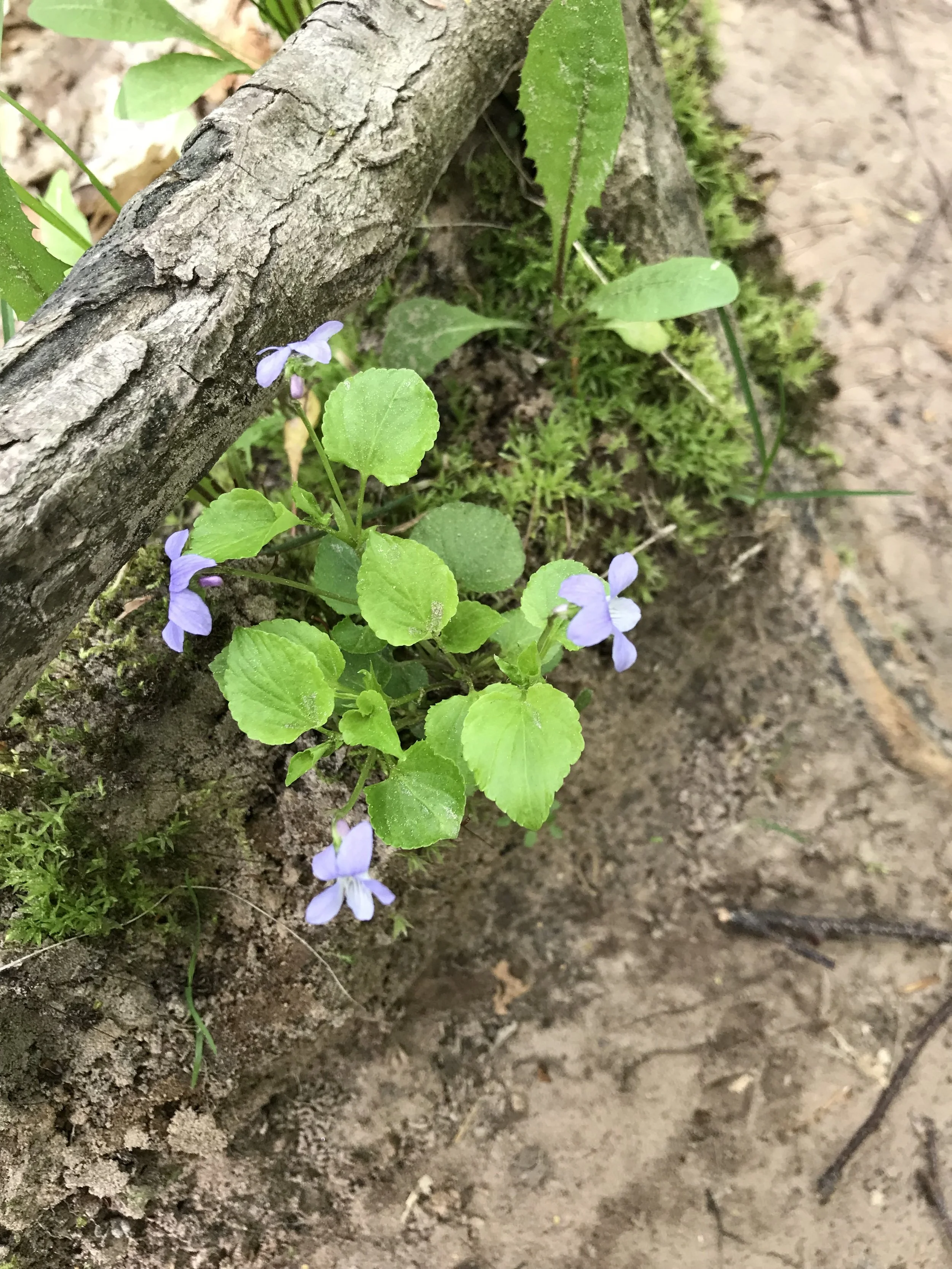 Image 5 of 6
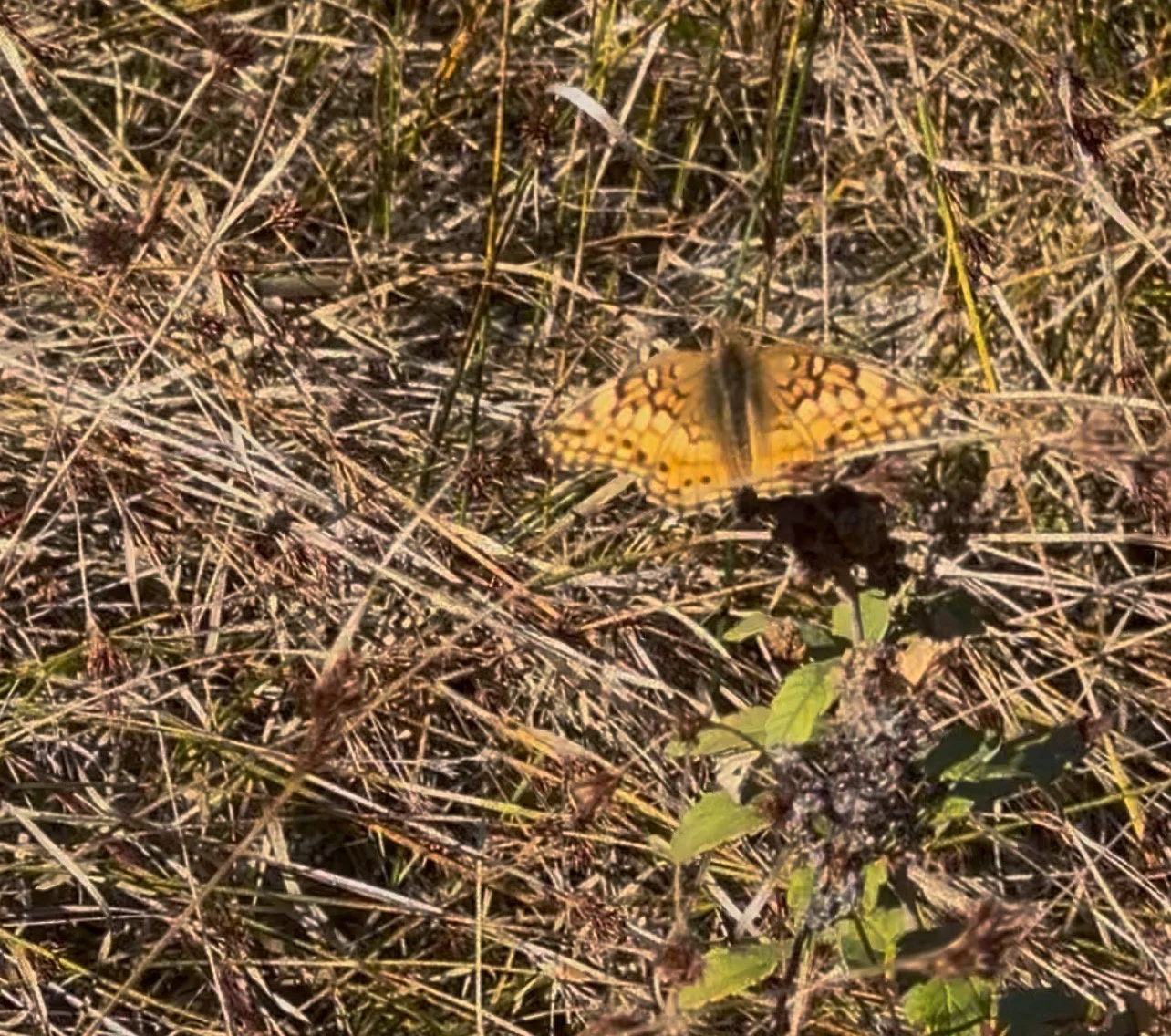 Image 6 of 6