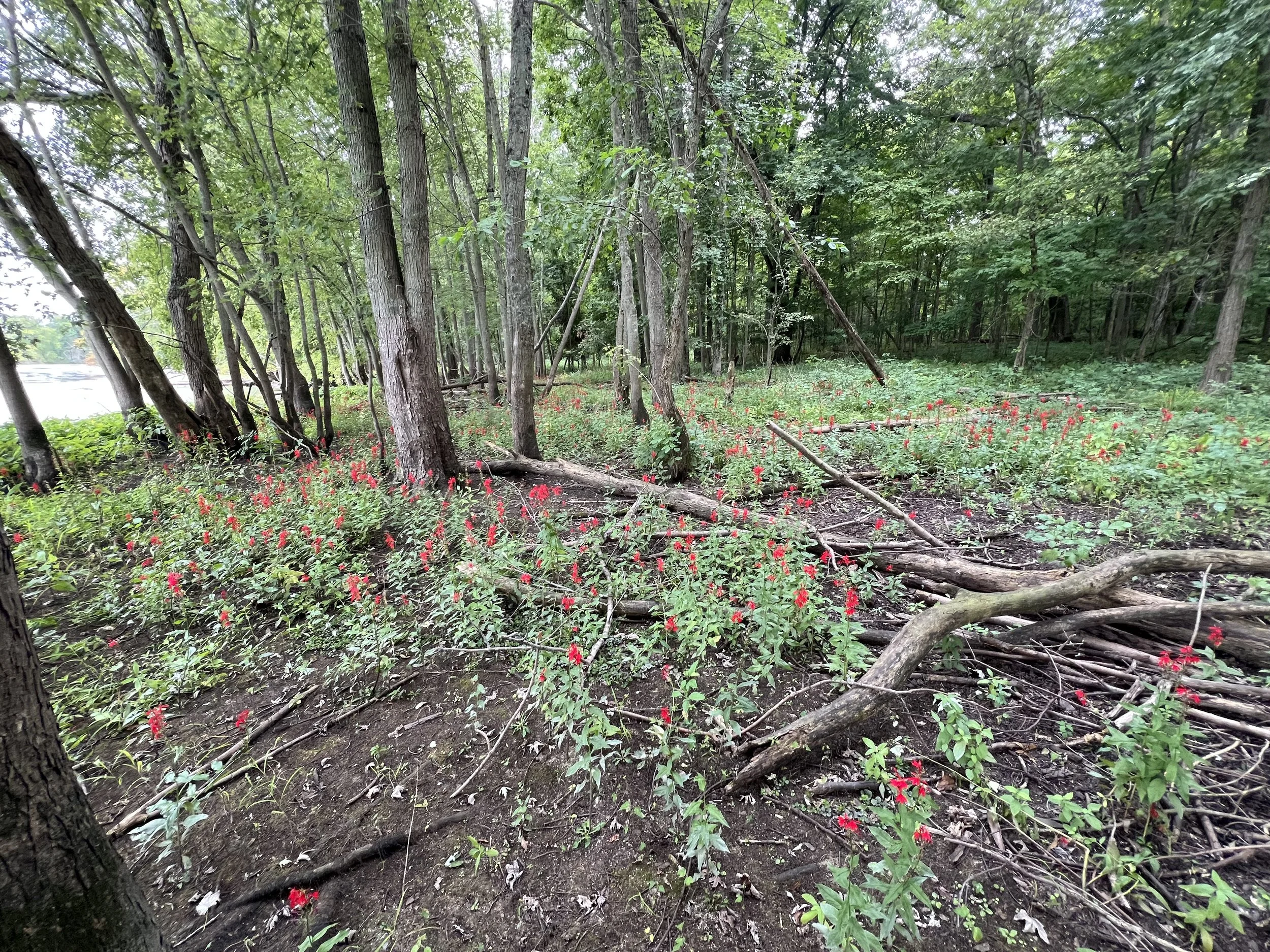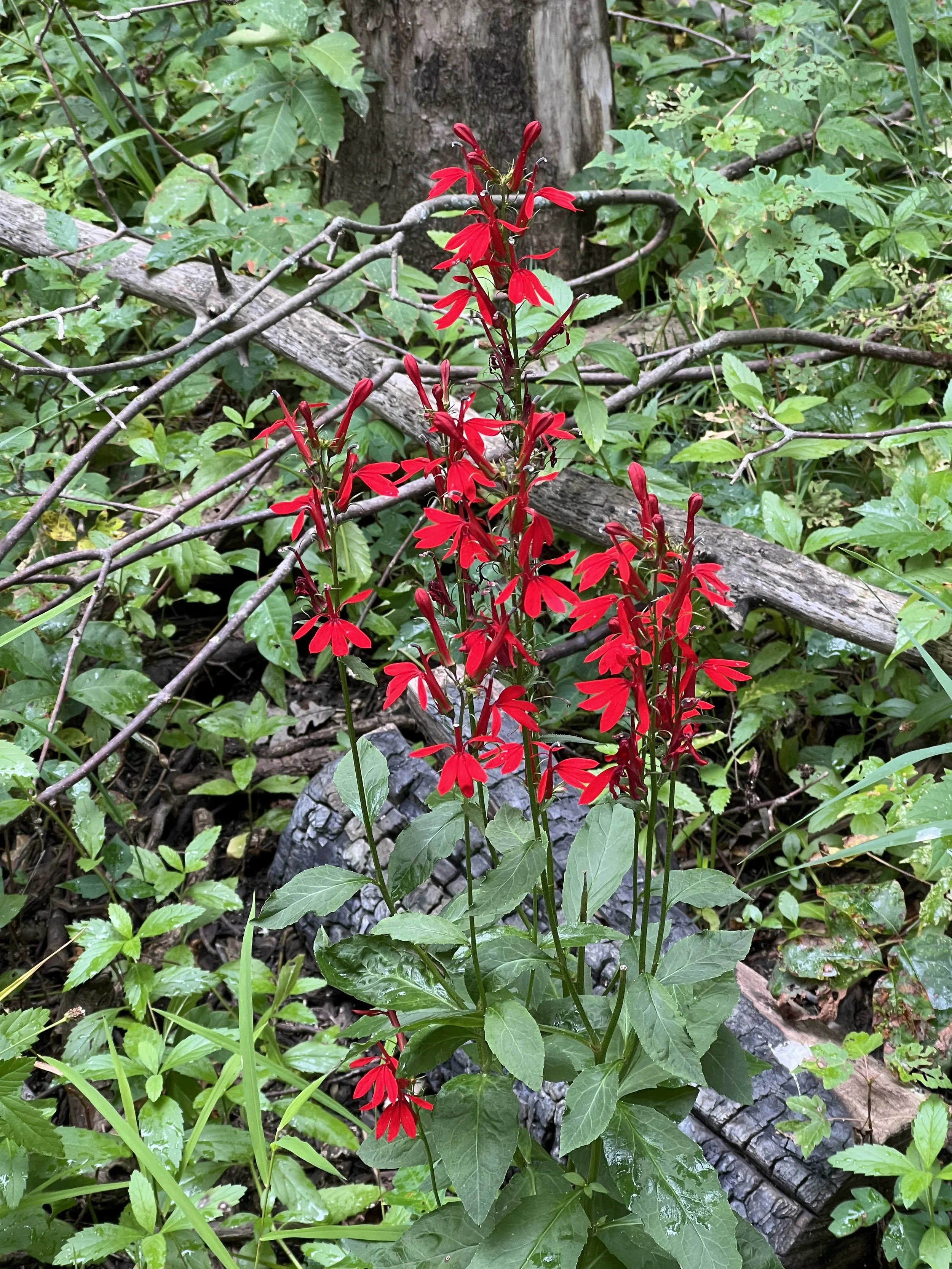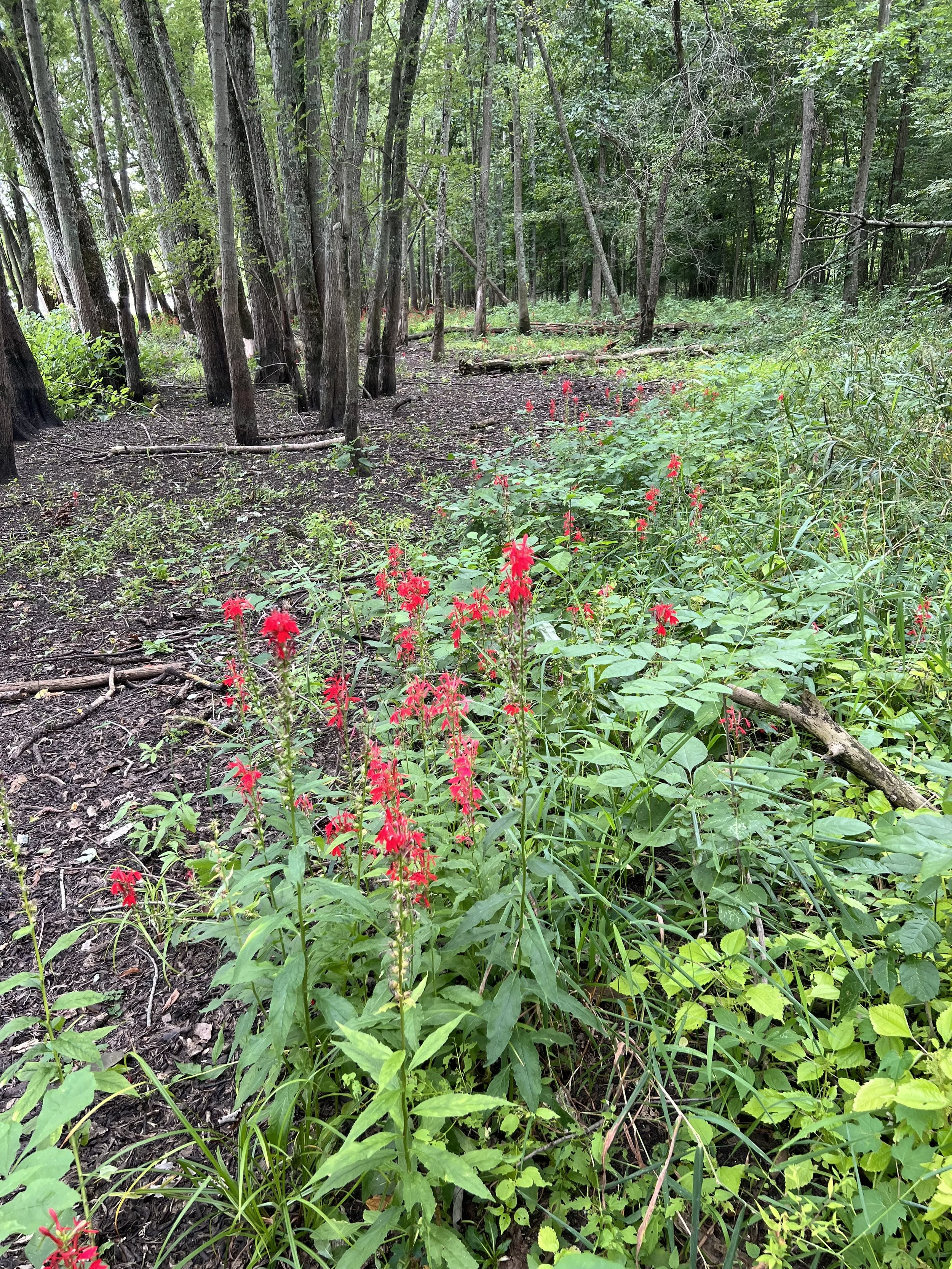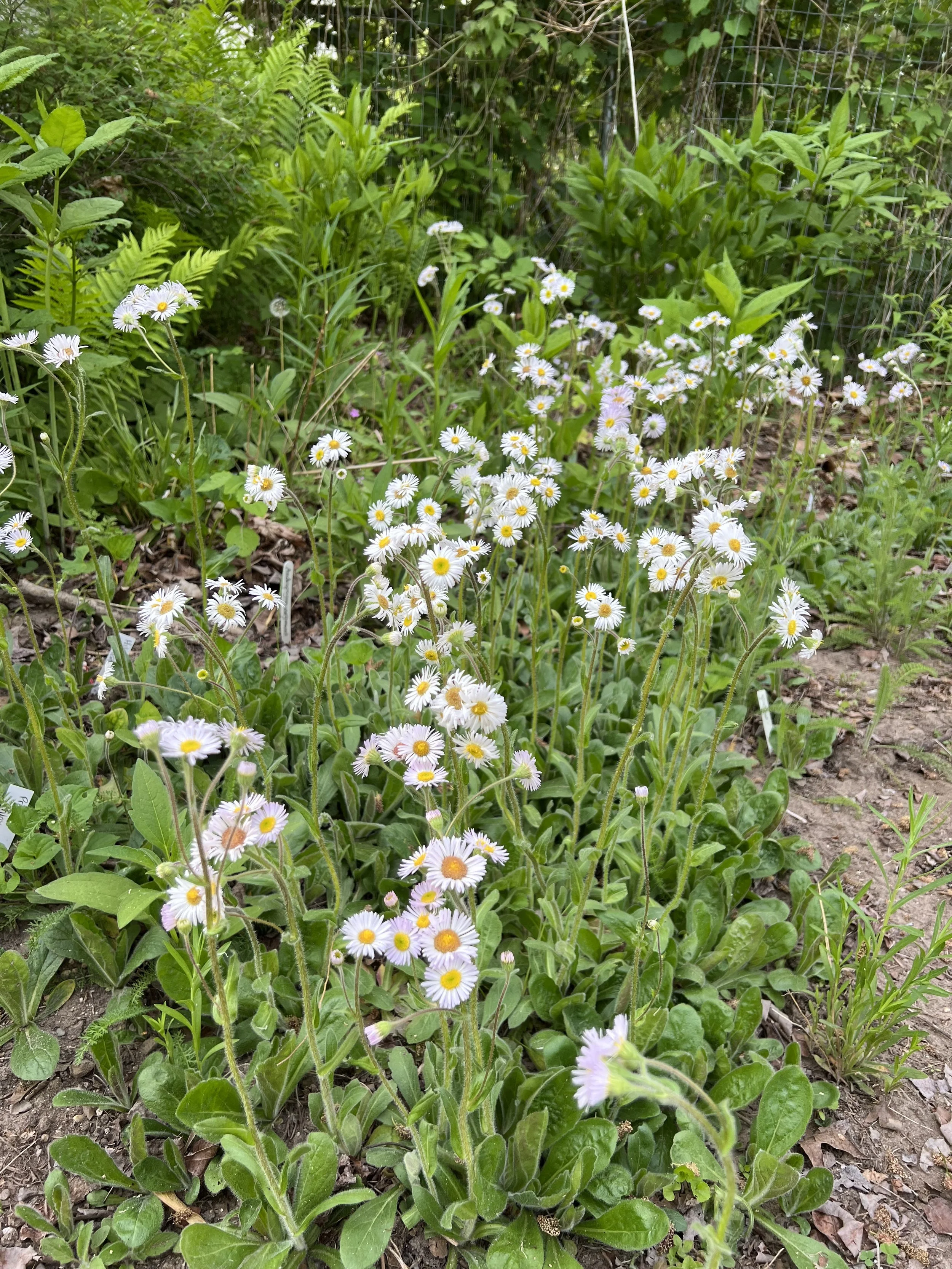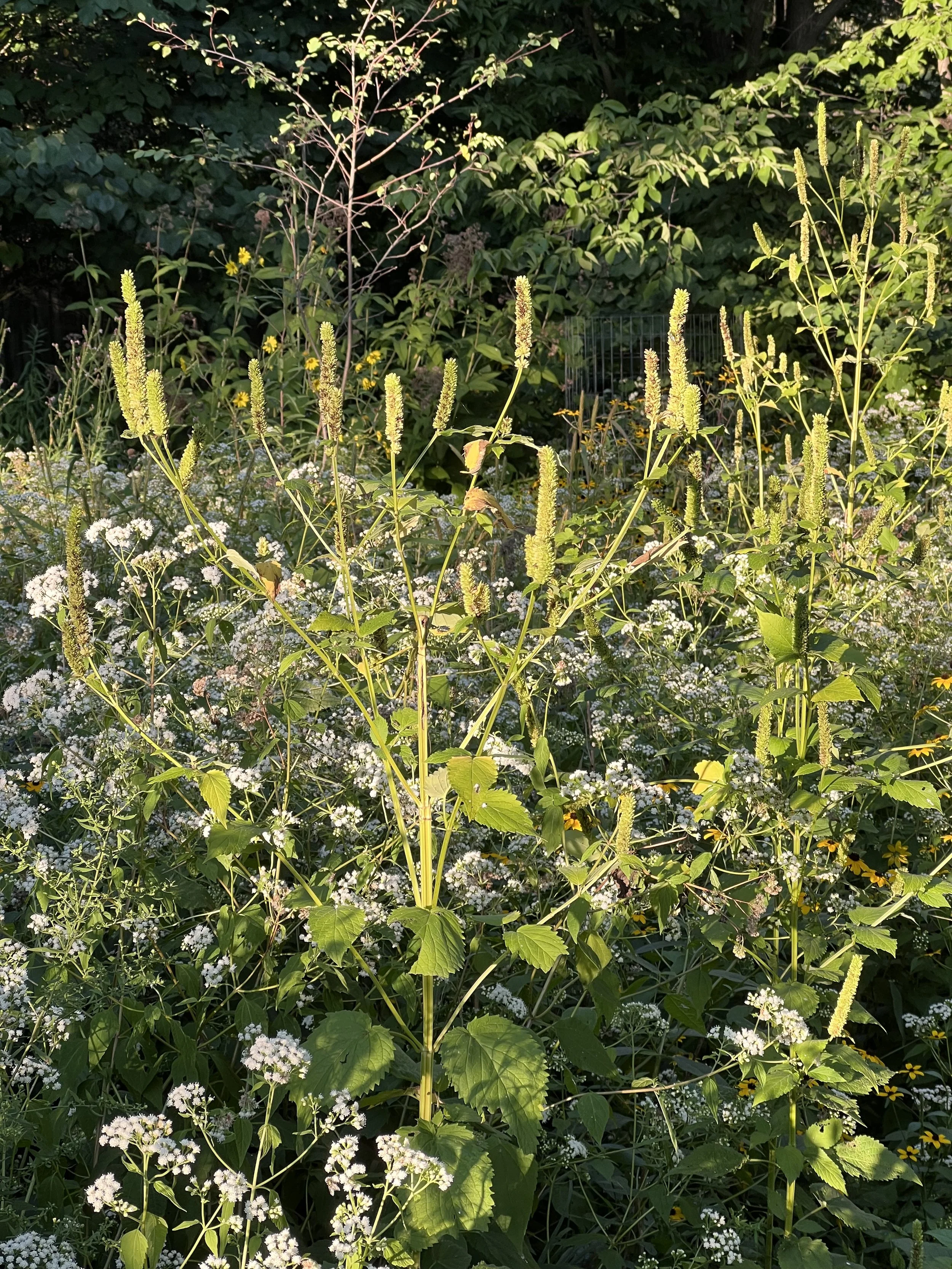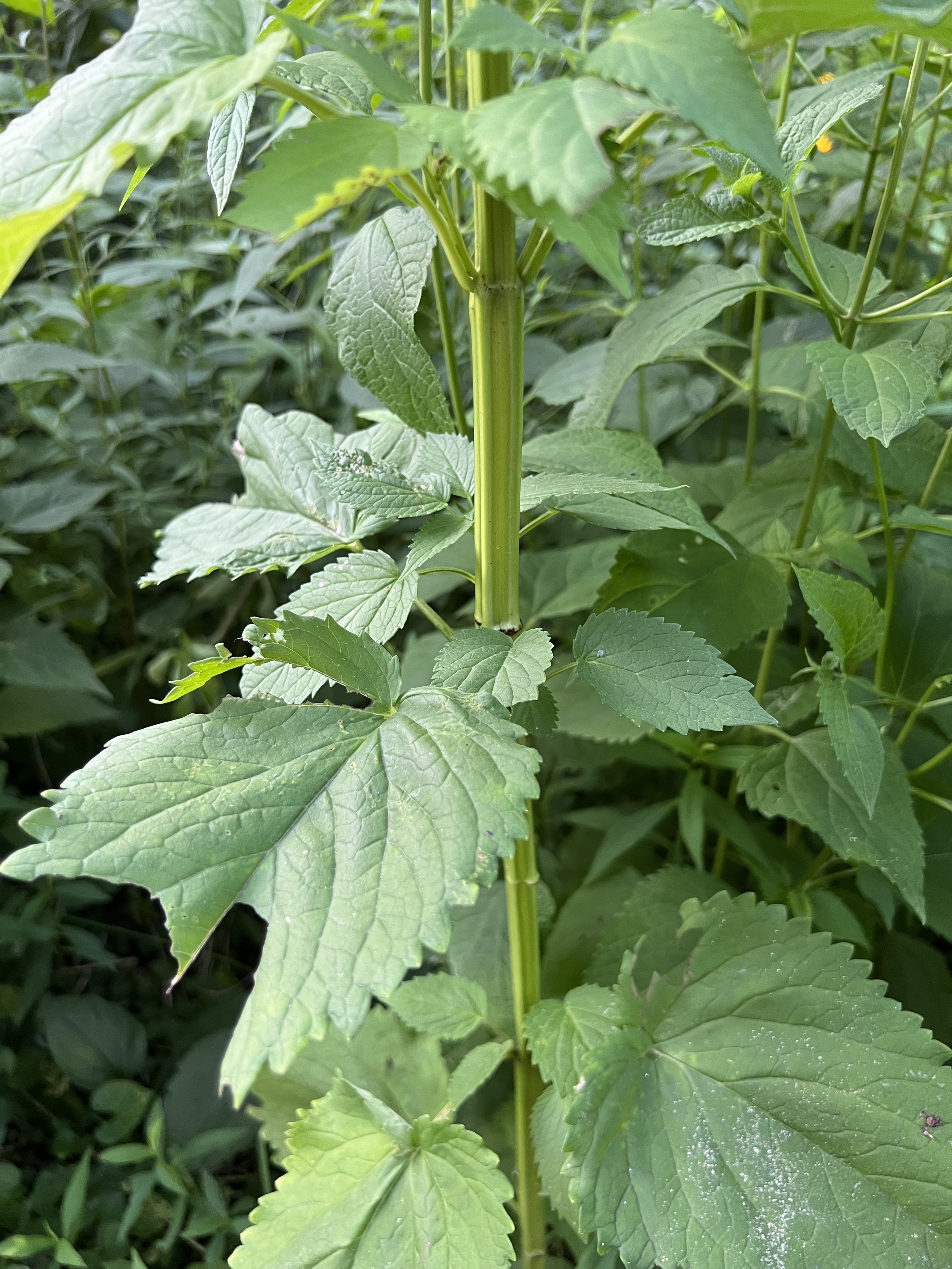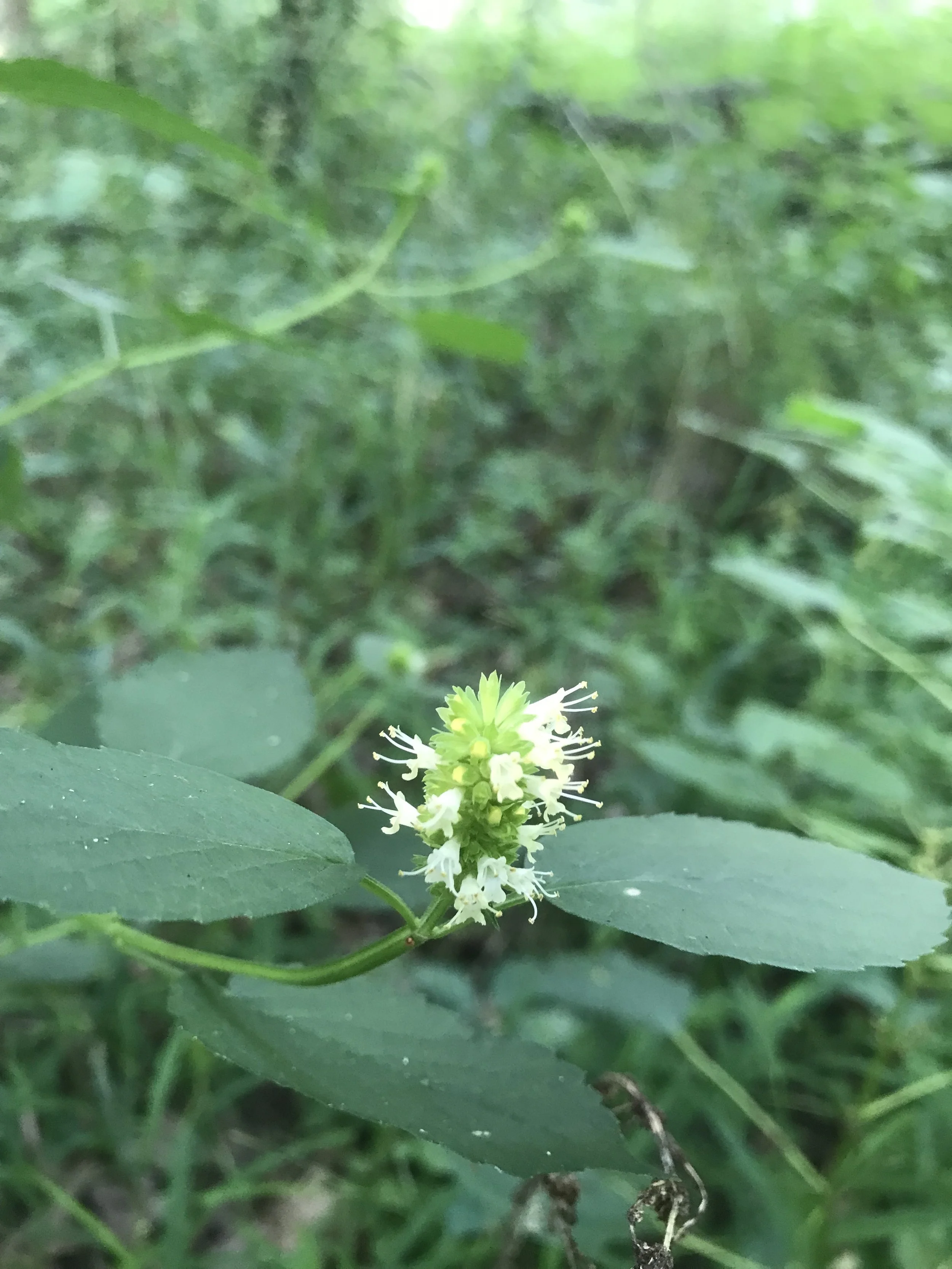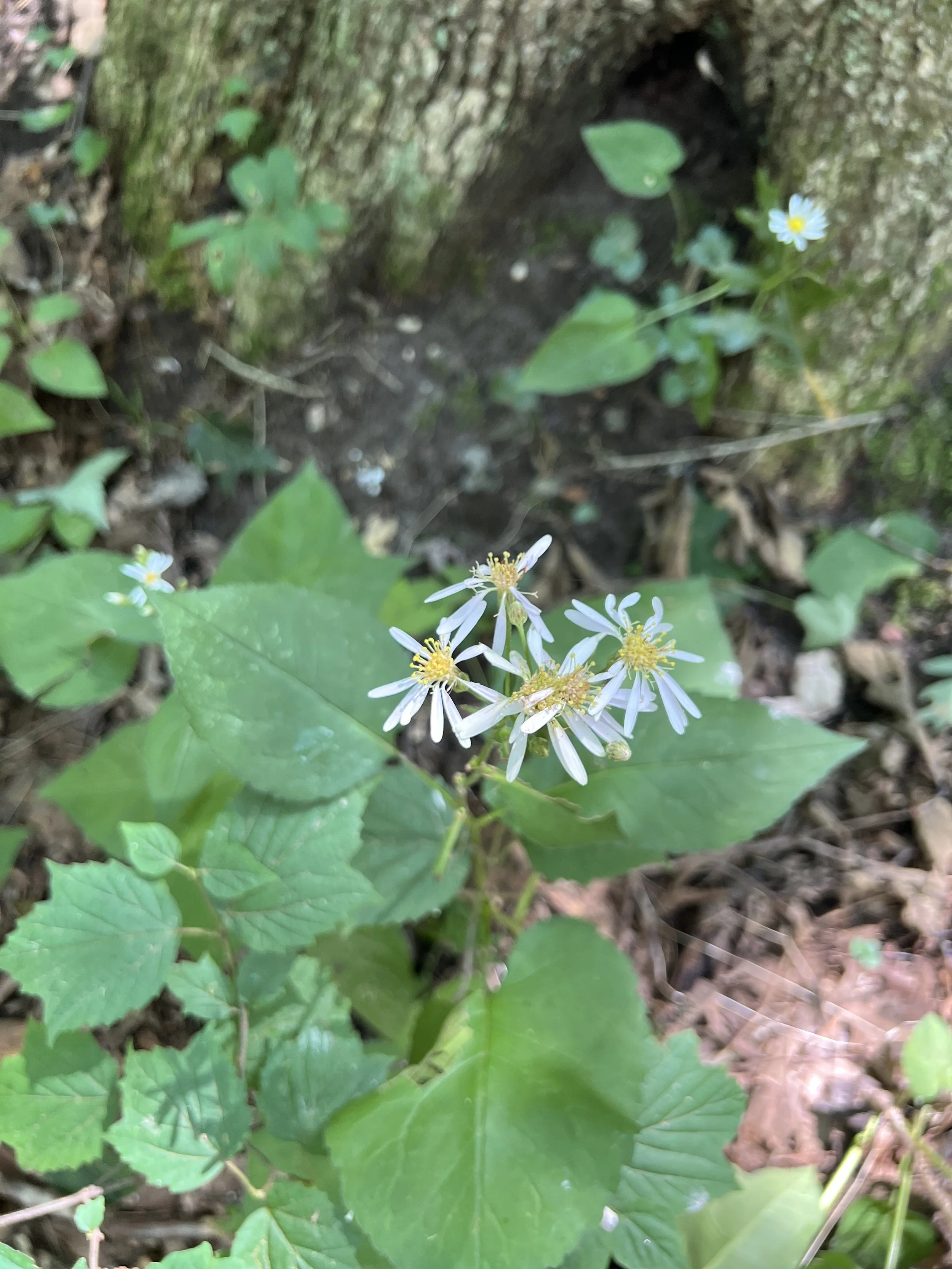
Lion's Foot (Prenanthes alba)

from $3.50

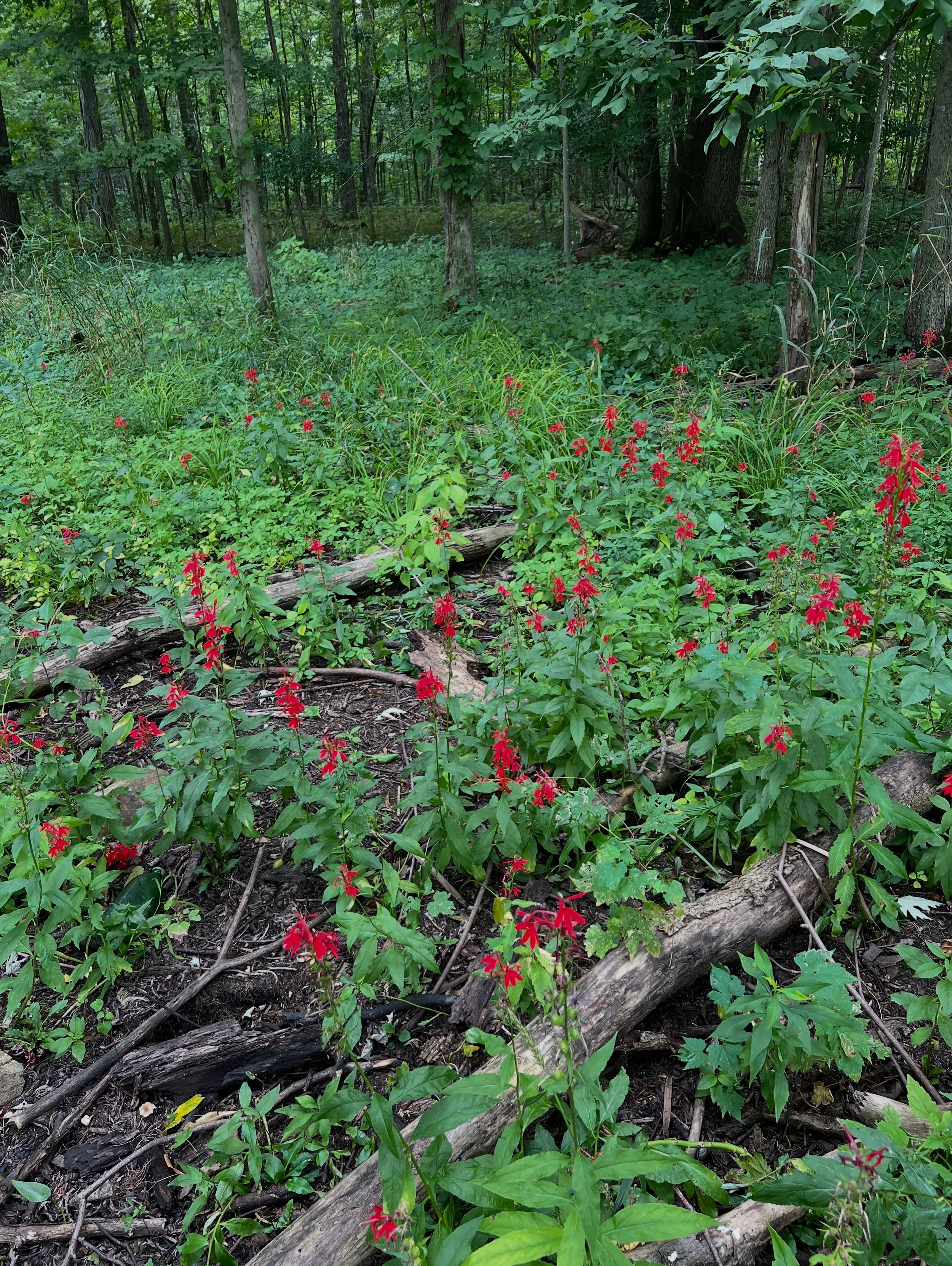
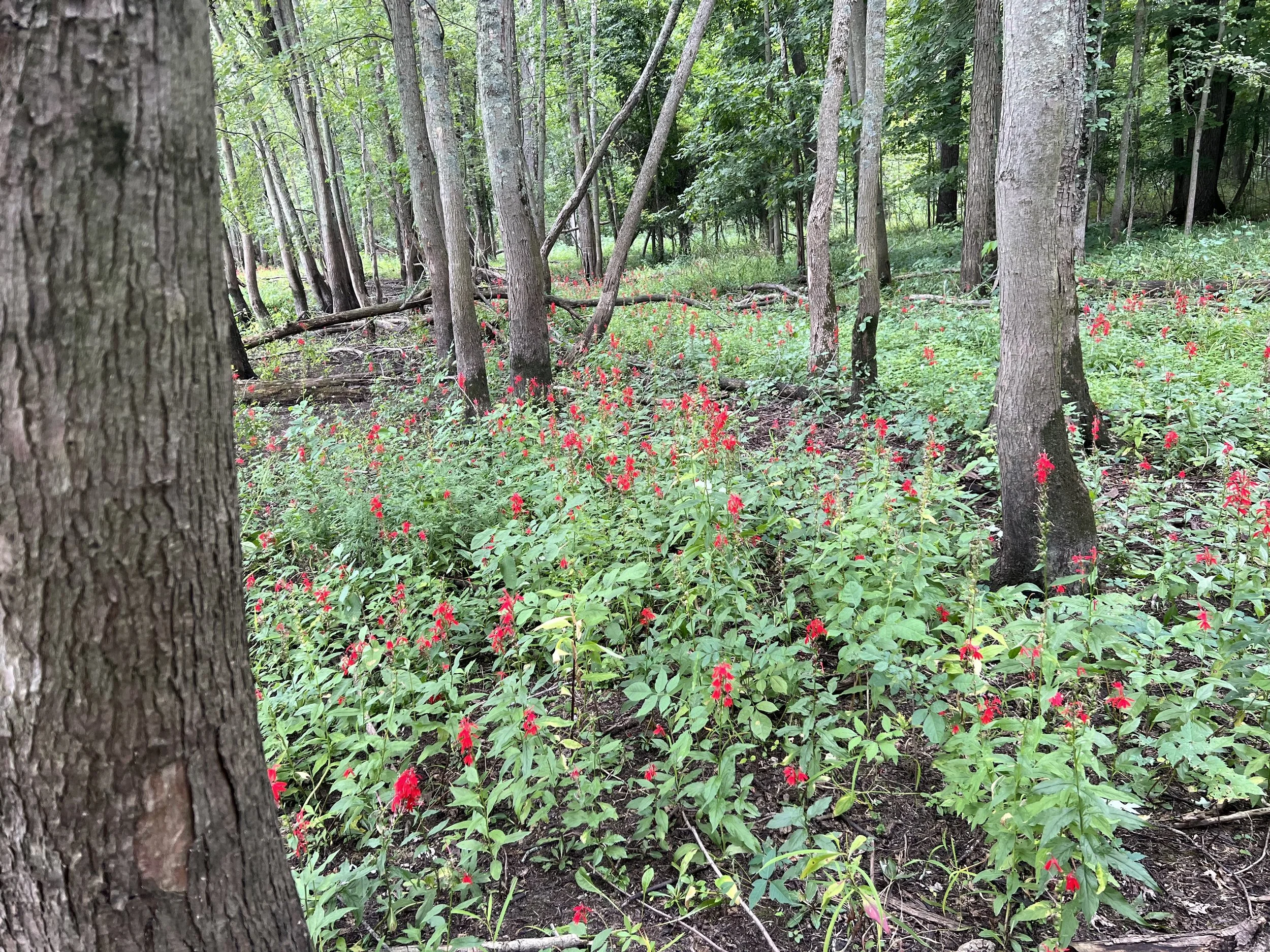
Lion’s Foot, also known as White Lettuce or White Rattlesnake Root, grows in oak hickory forests, beech maple forests and sometimes in flood plains. This plant prefers part-sun to light shade and moist loamy soil, but can tolerate some dry soil.

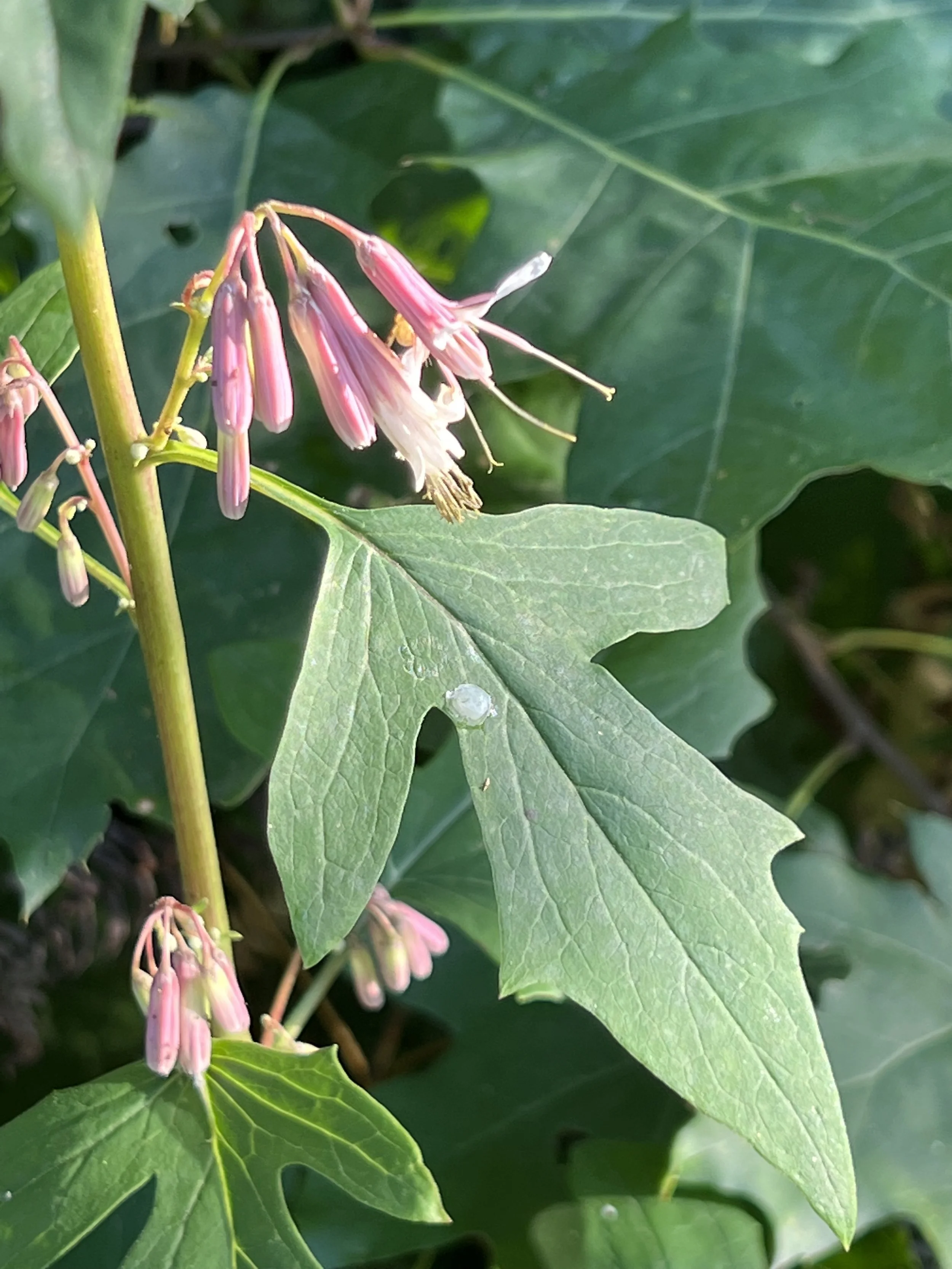
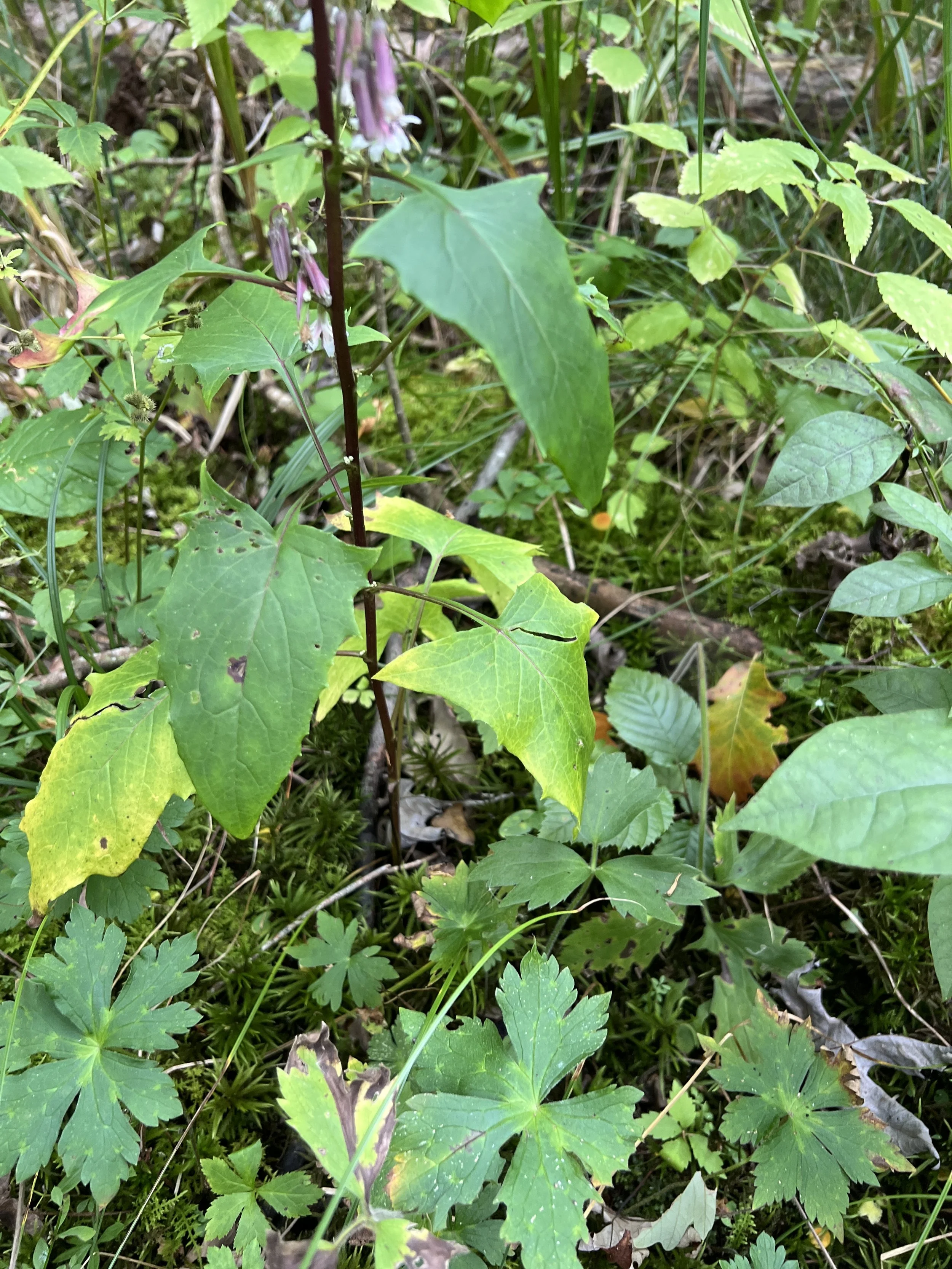
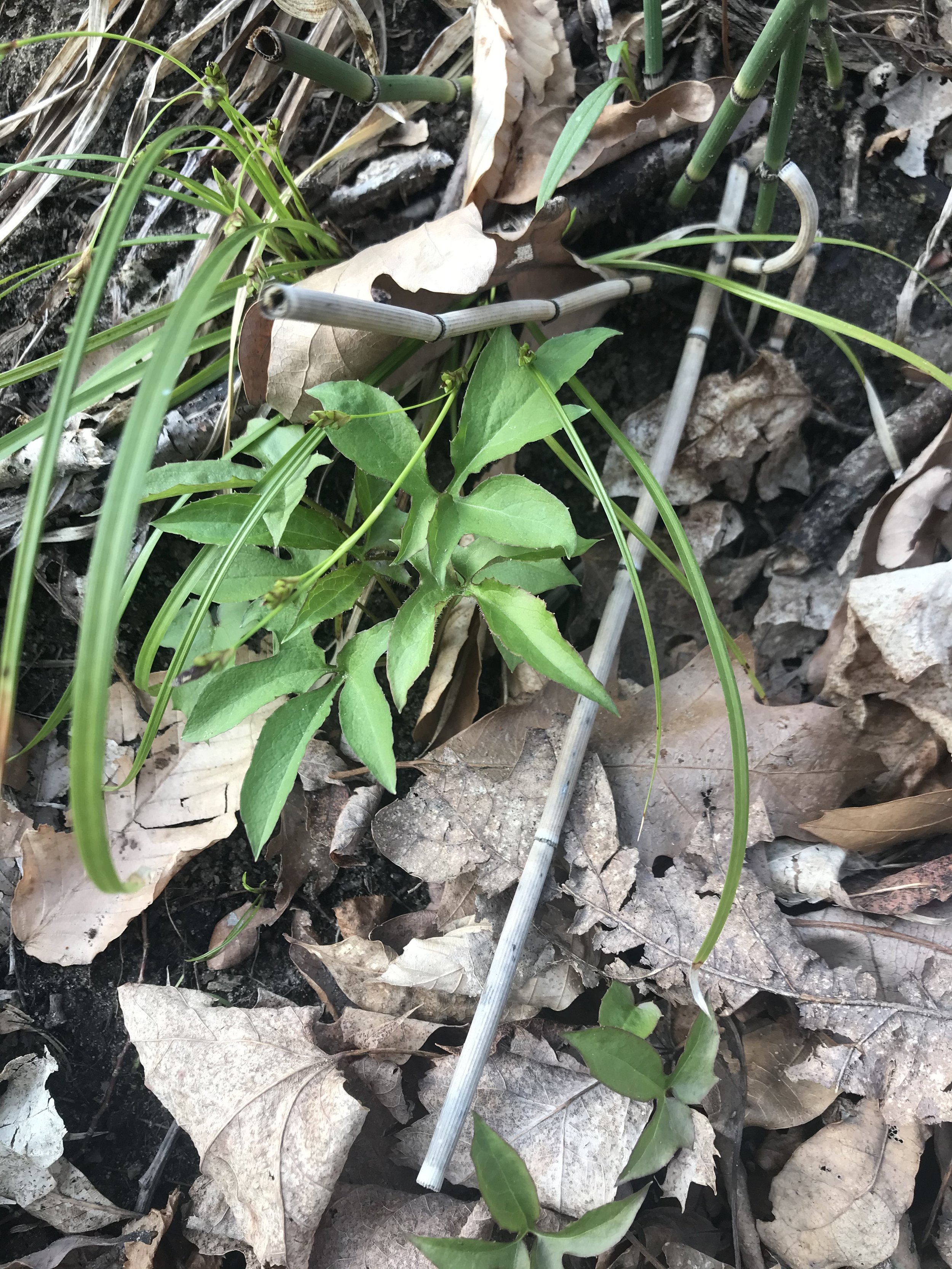
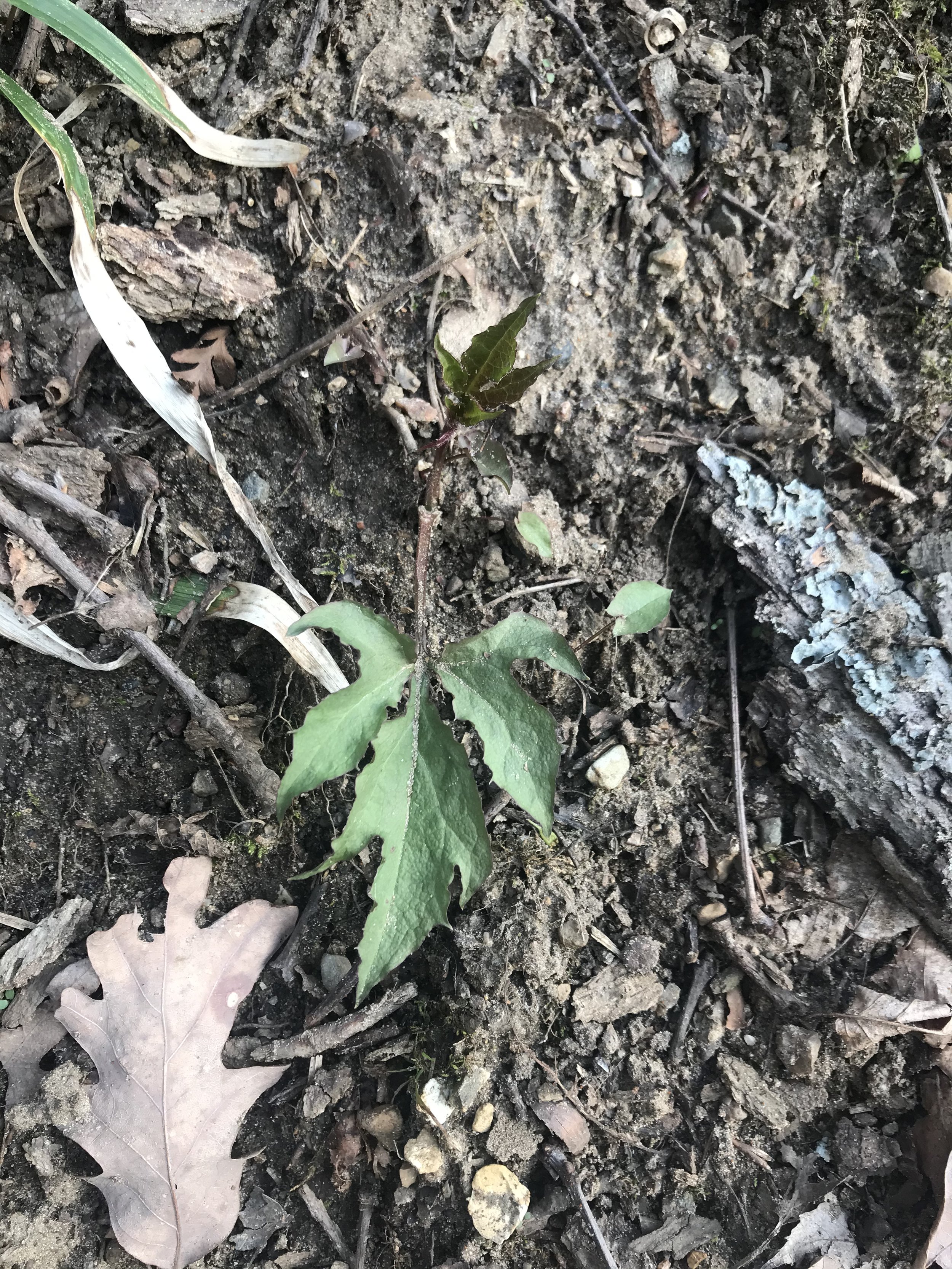
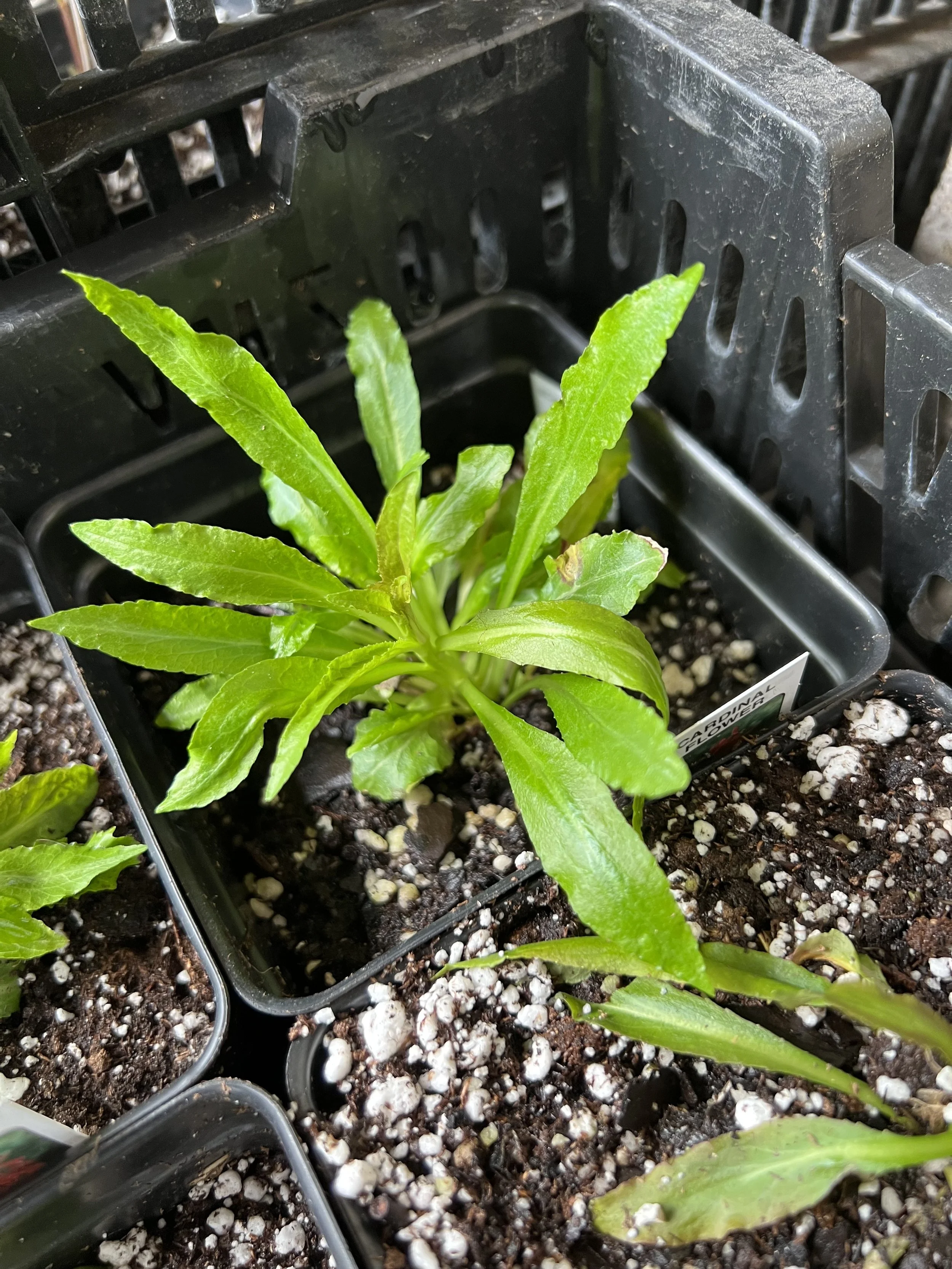
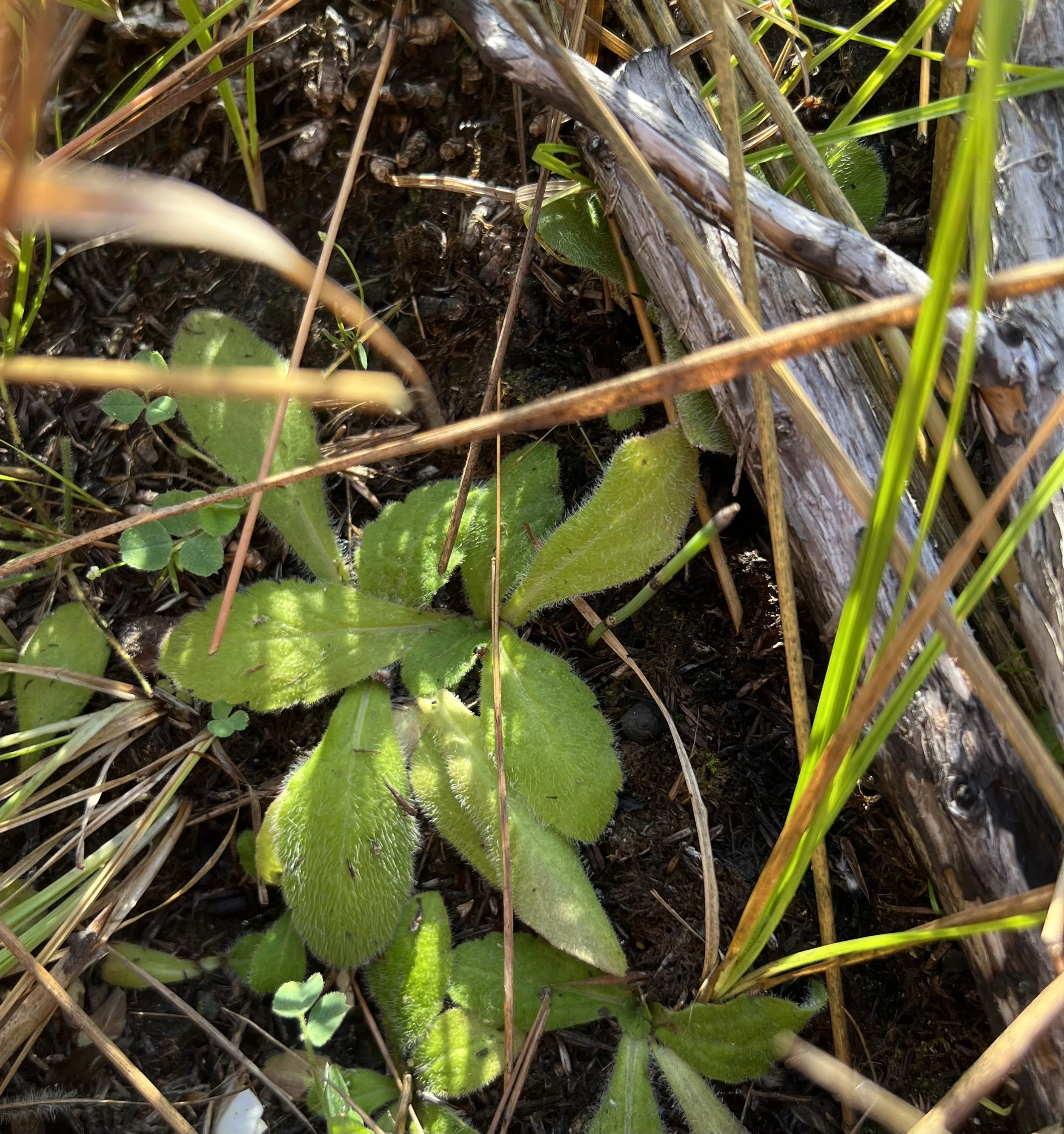
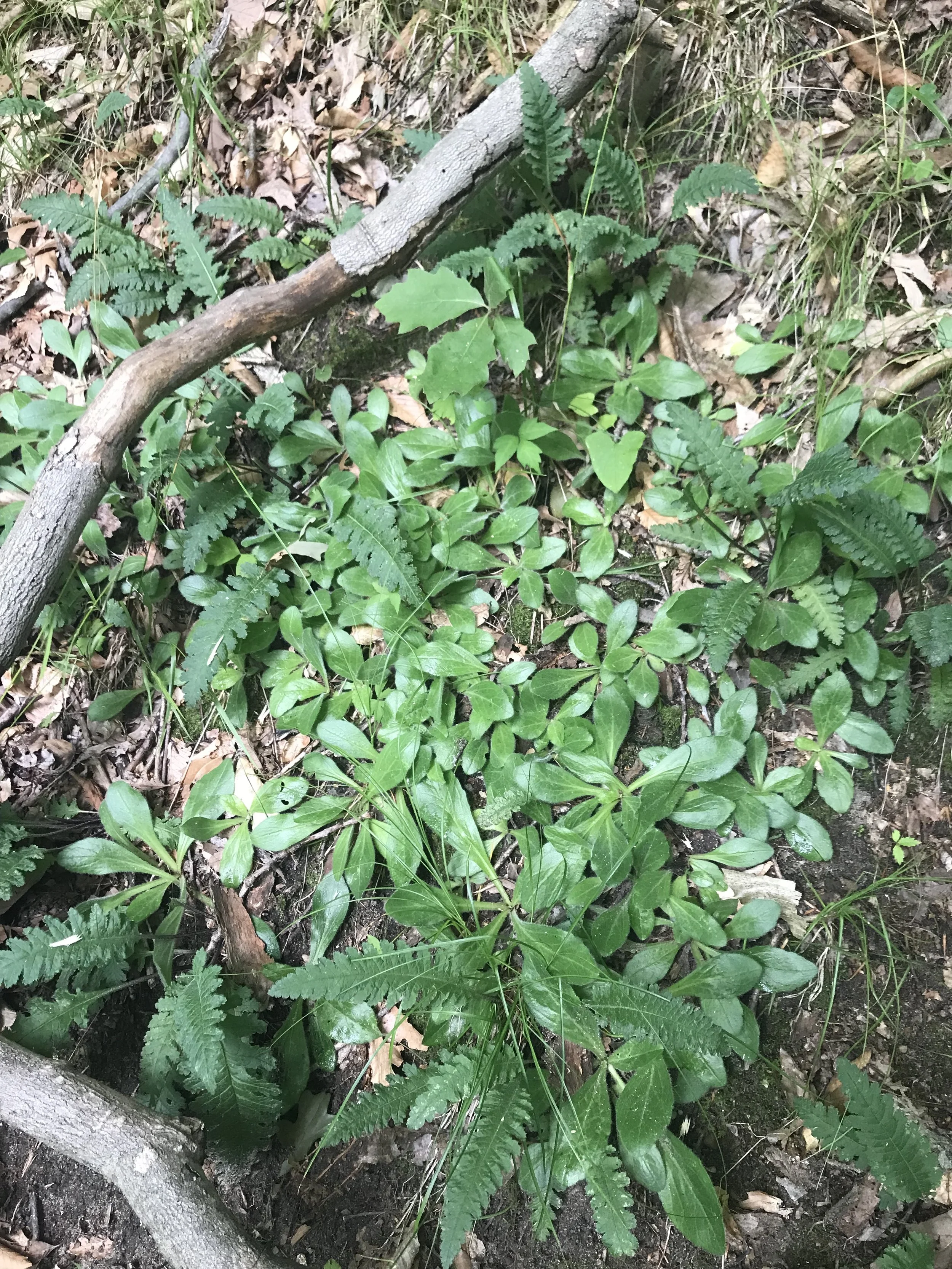
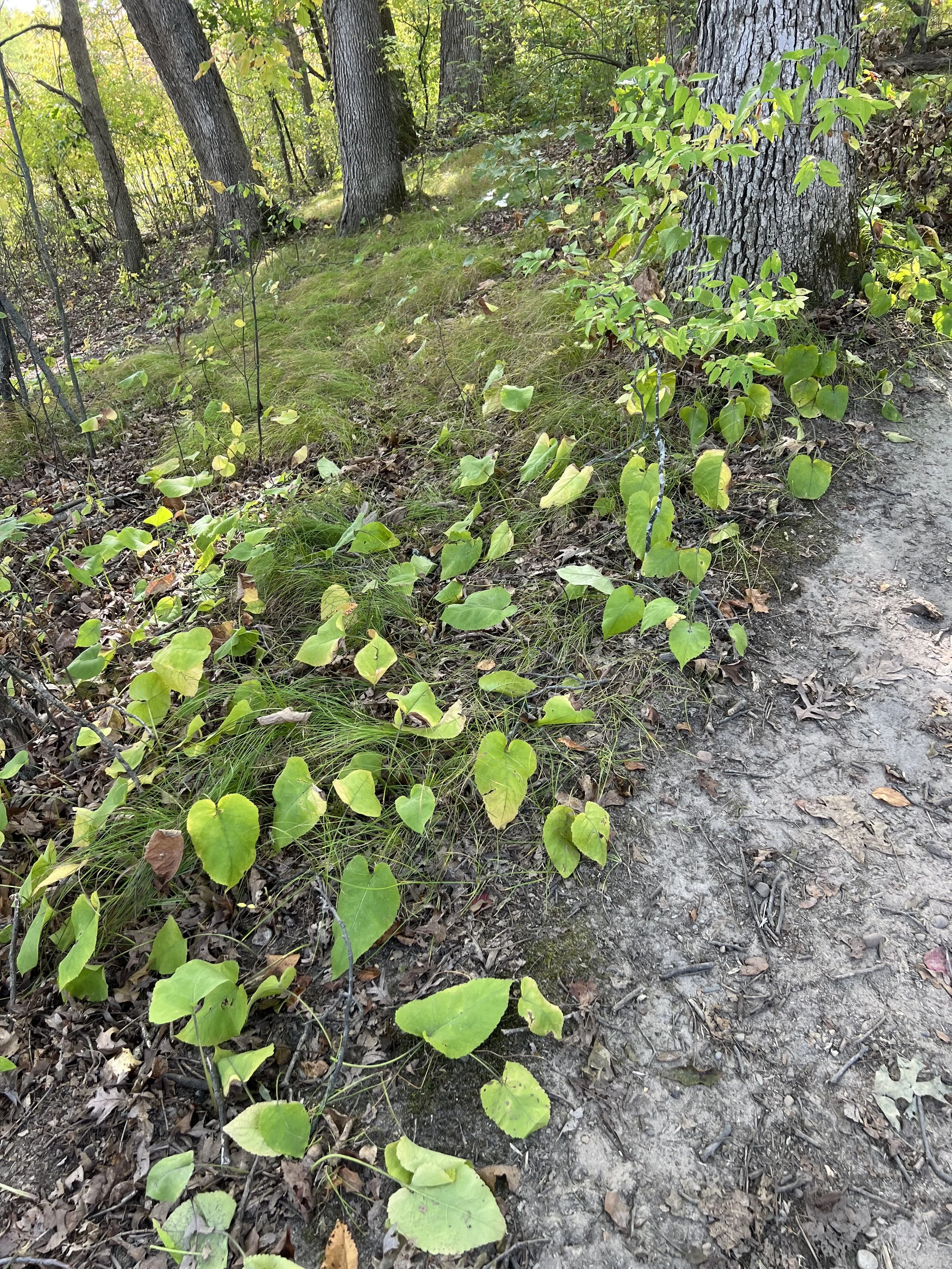
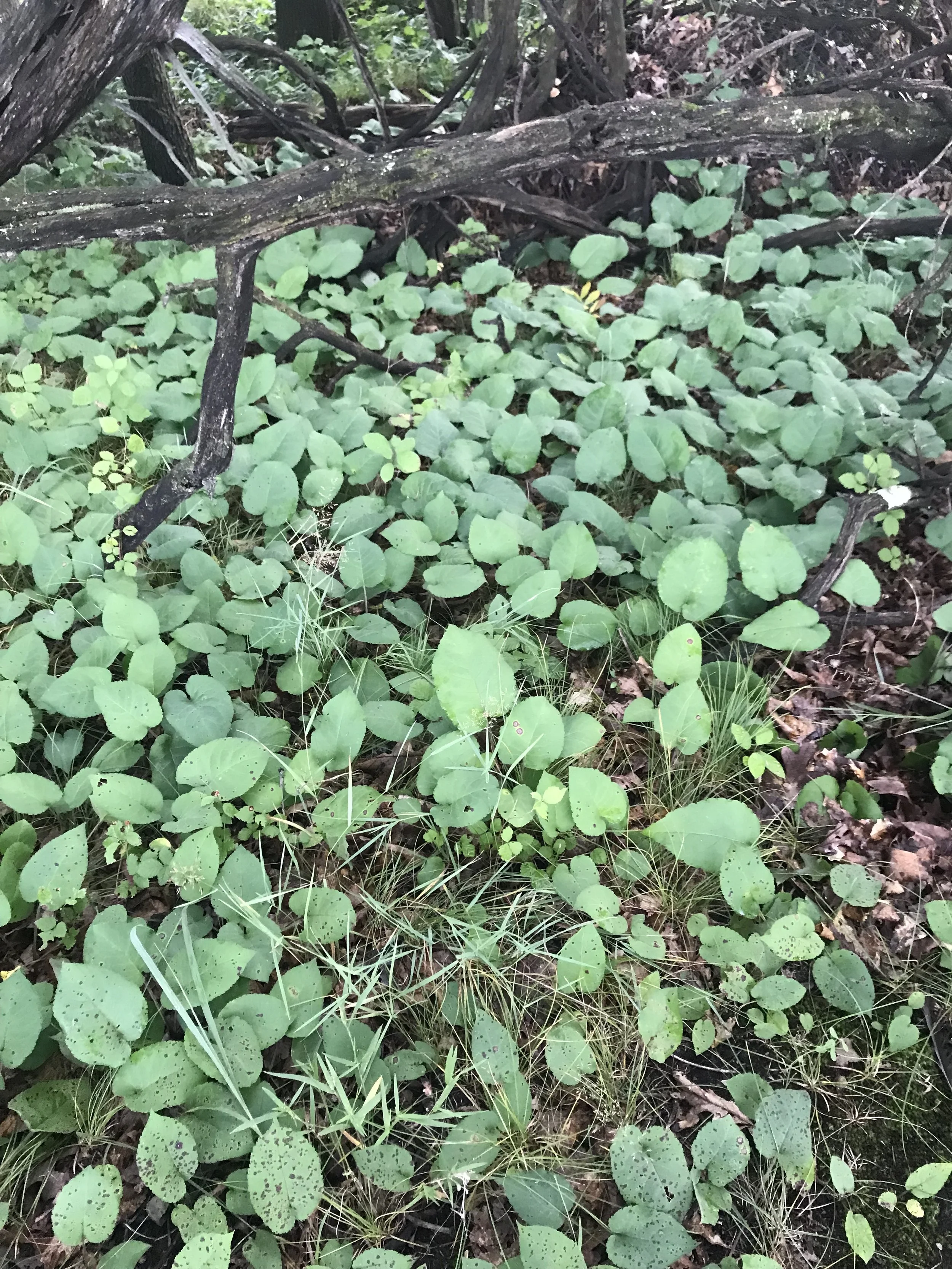
Fairly early in the spring, single basal leaves emerge the ground. These leaves are highly variable in shape, but are usually in three-five lobes. If you squint your eyes (shut, maybe!) you can see the similarity to the leaf shape and a lion’s paw, which is where one of the common names comes from.

Visiting later in the year, I have noticed that only a small fraction of these leaves grow into flowering plants, in some cases, none in a given area. The roots of these plants stay beneath the soil and another growth “attempt” is made the next year. This plant is considered a short-lived perennial or a biennial. They are also monocarpic, meaning that after they flower, they die.

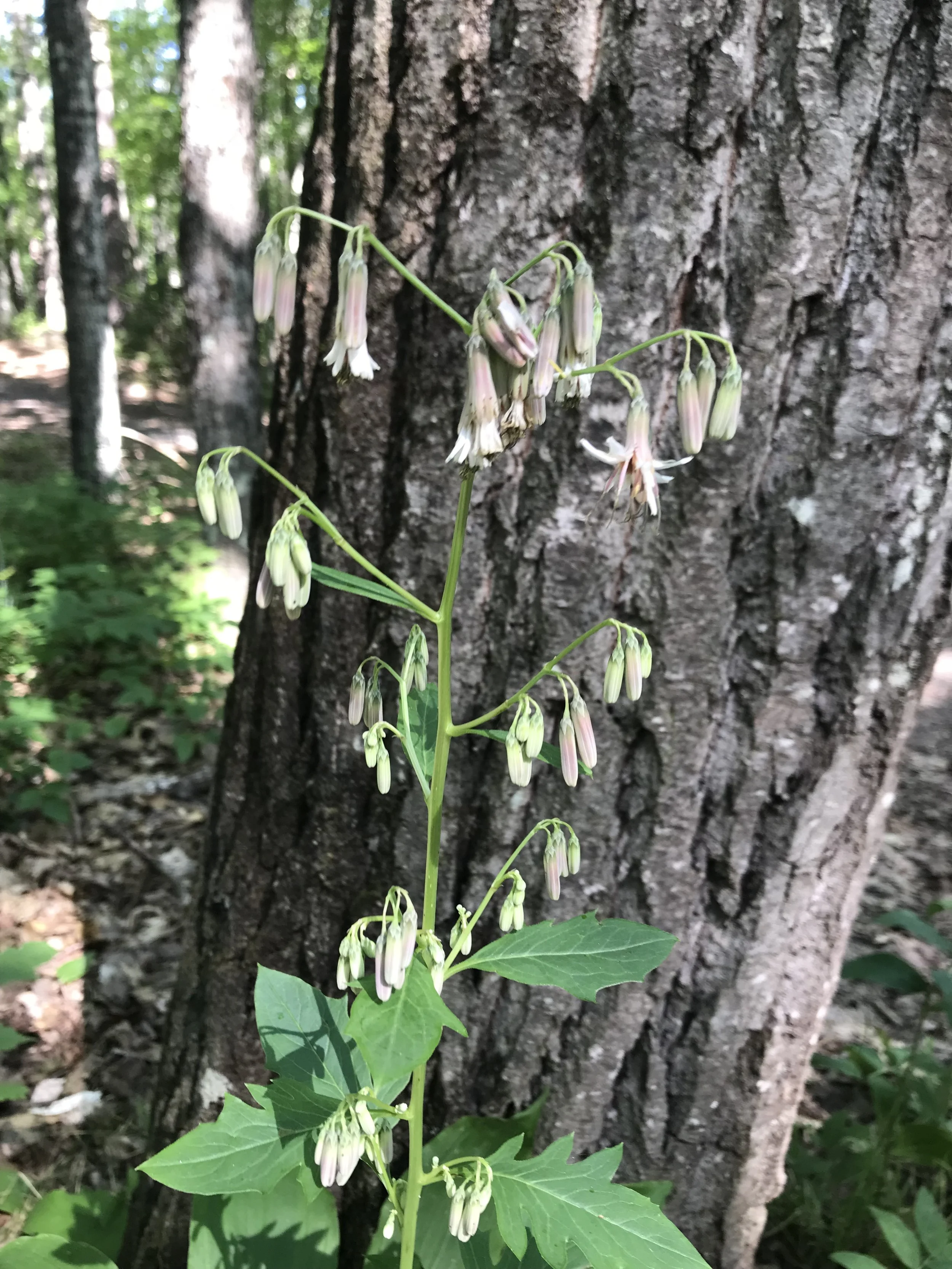
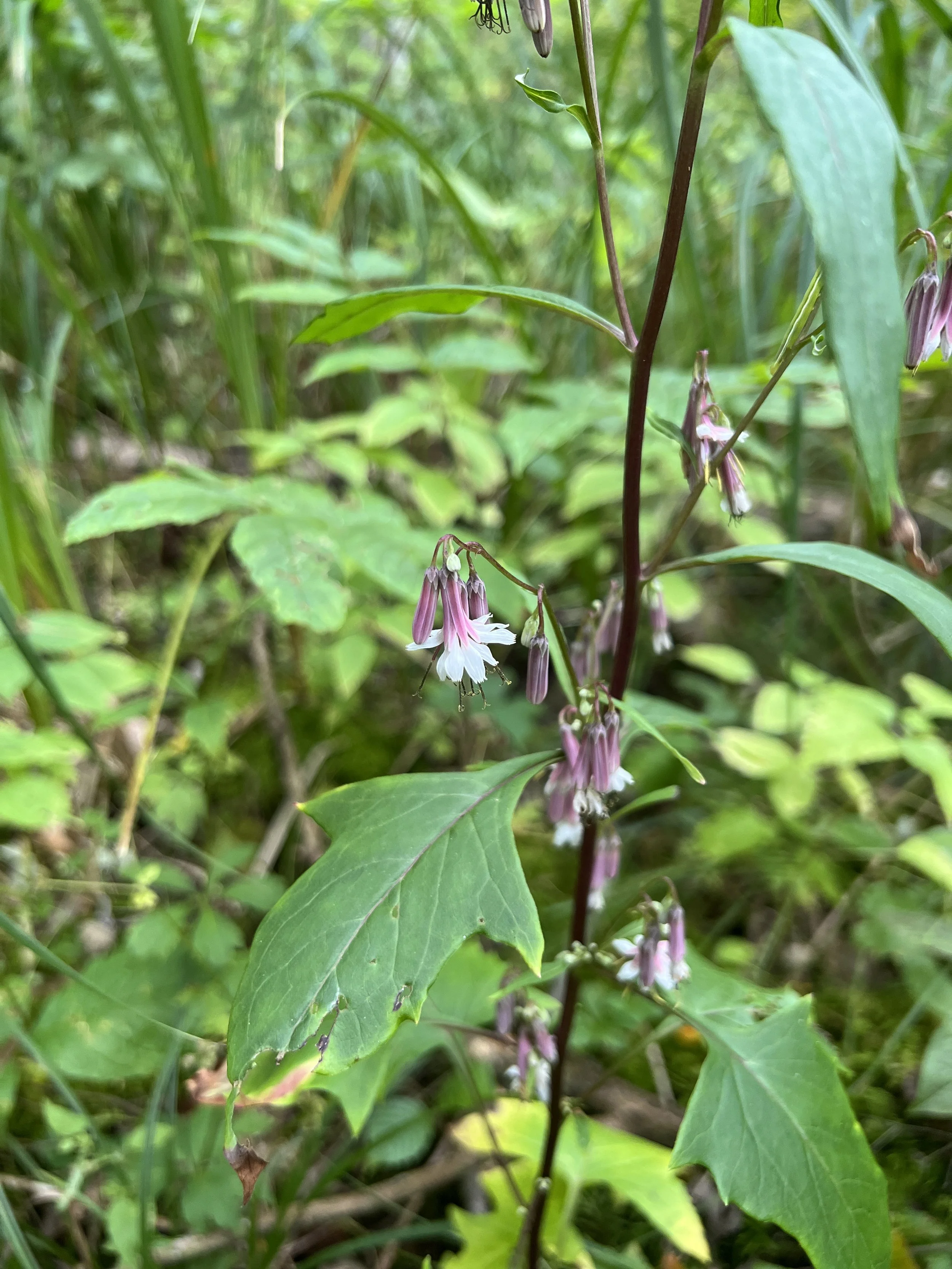
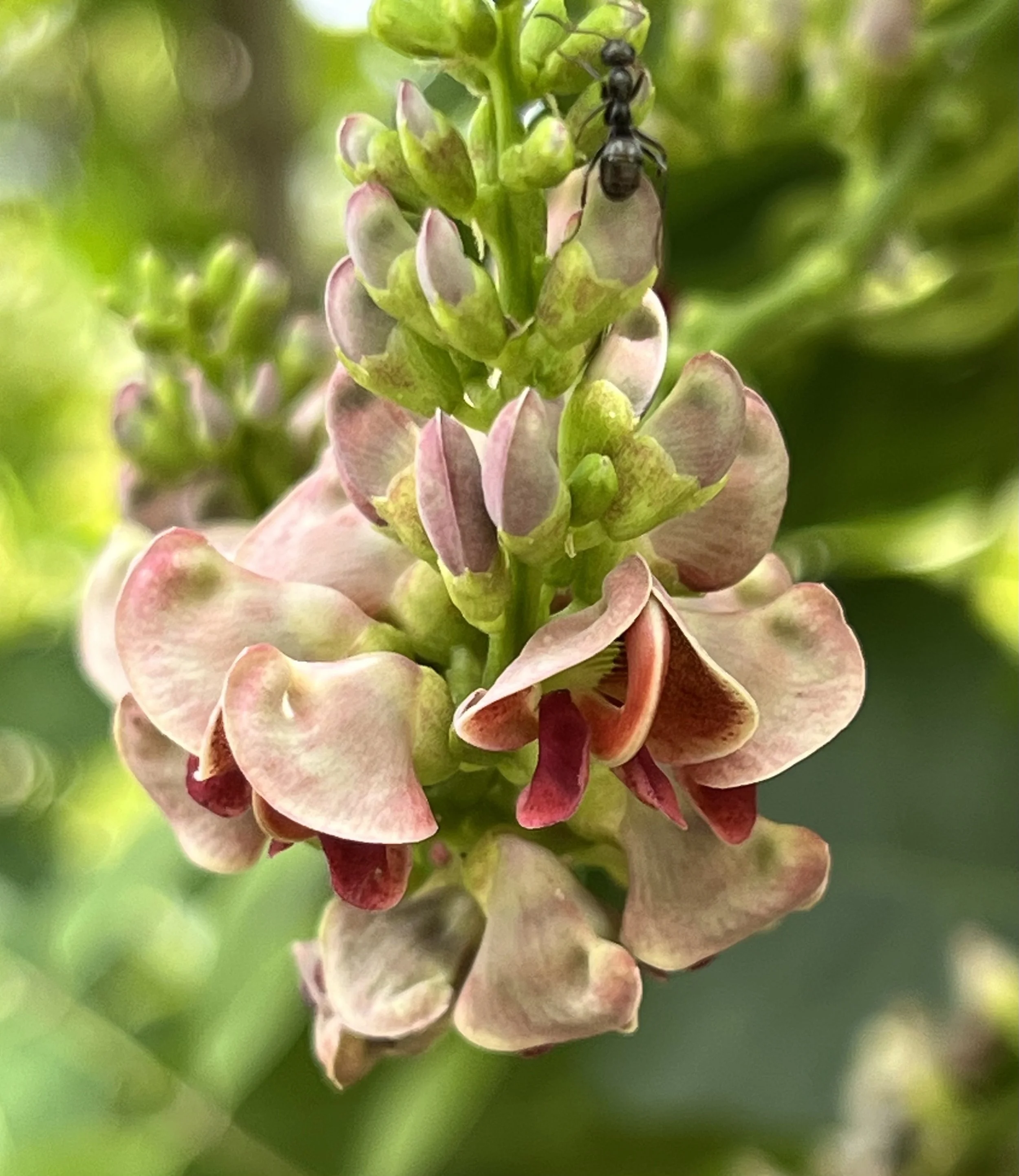
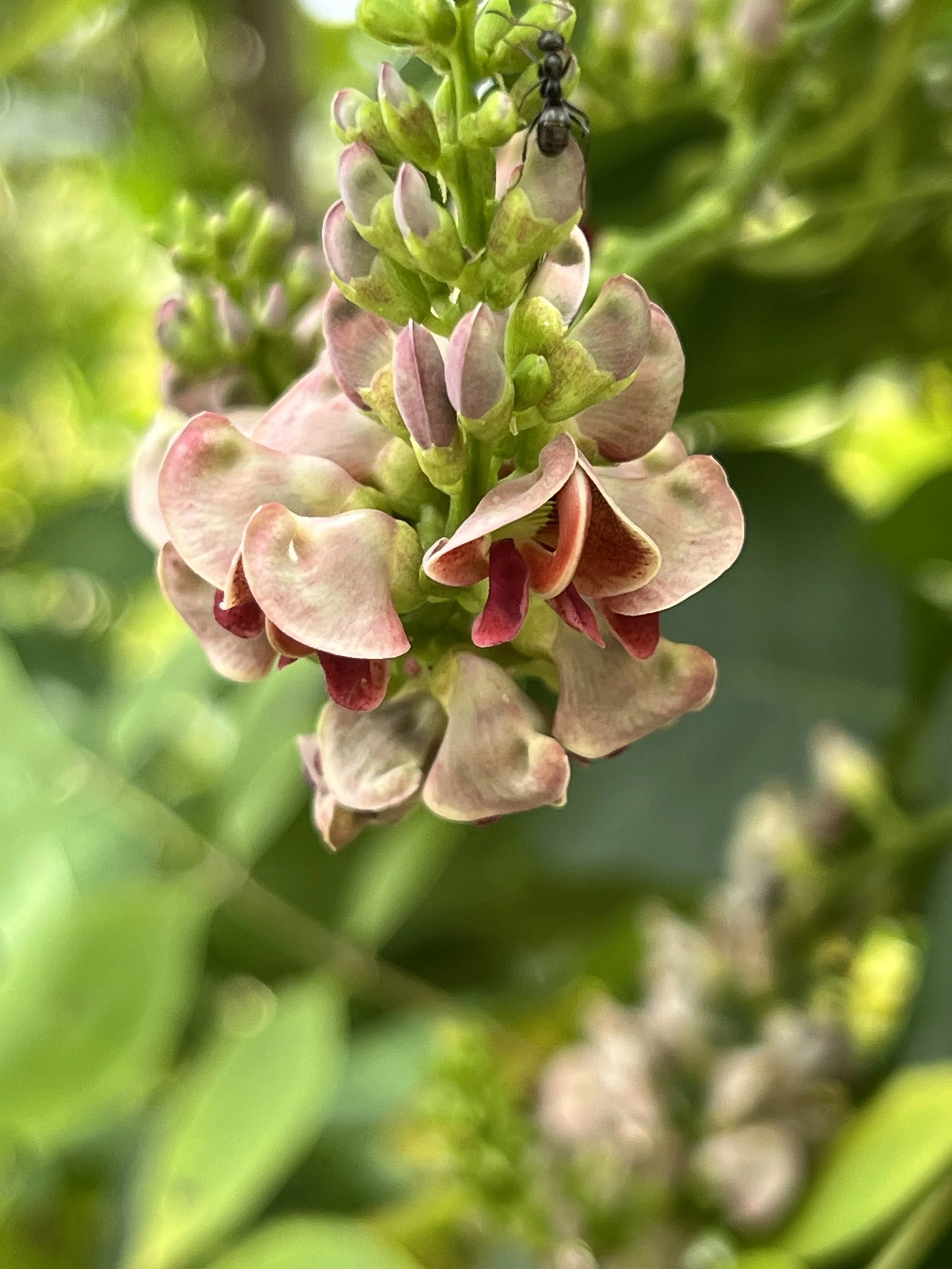
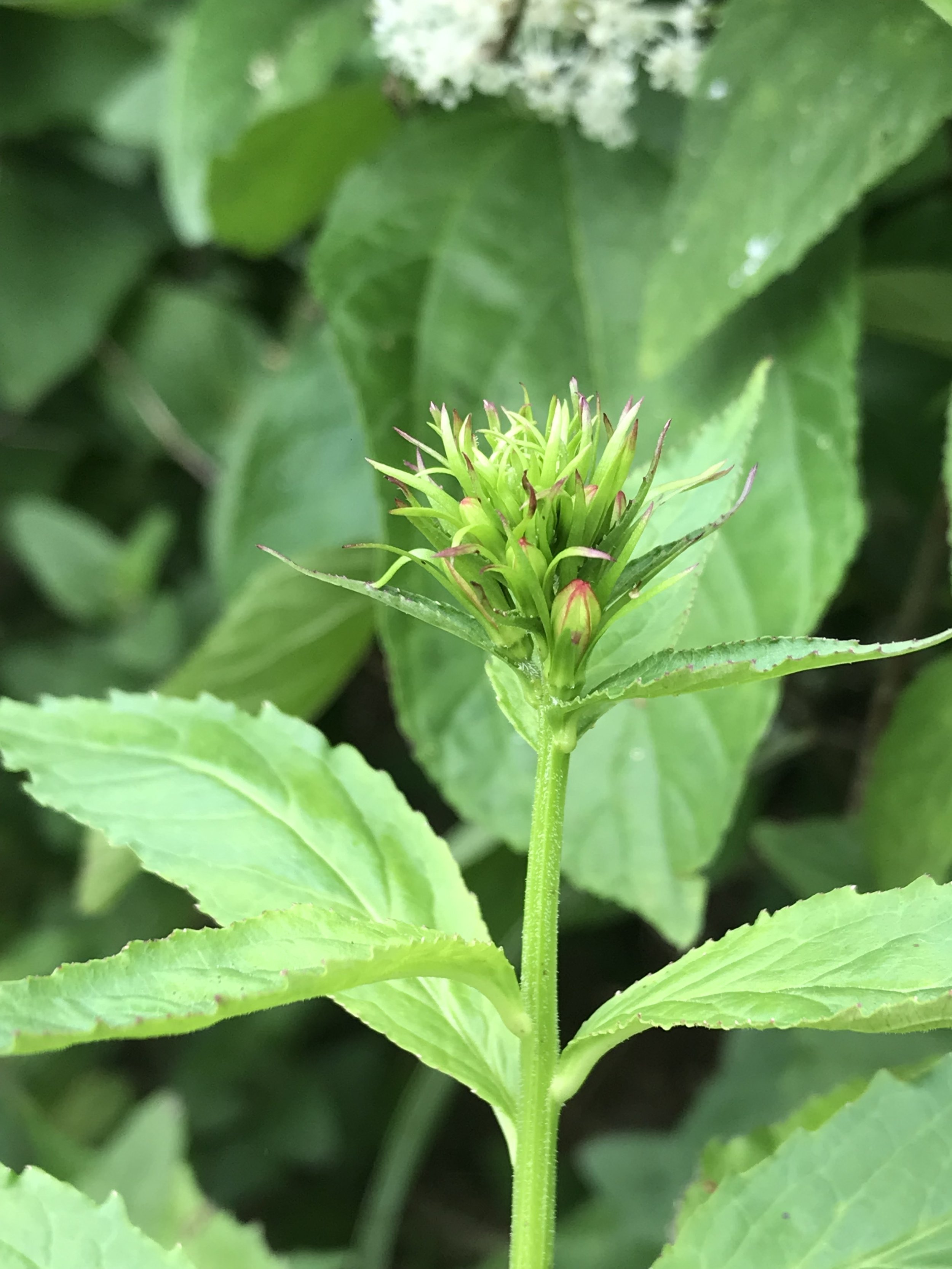
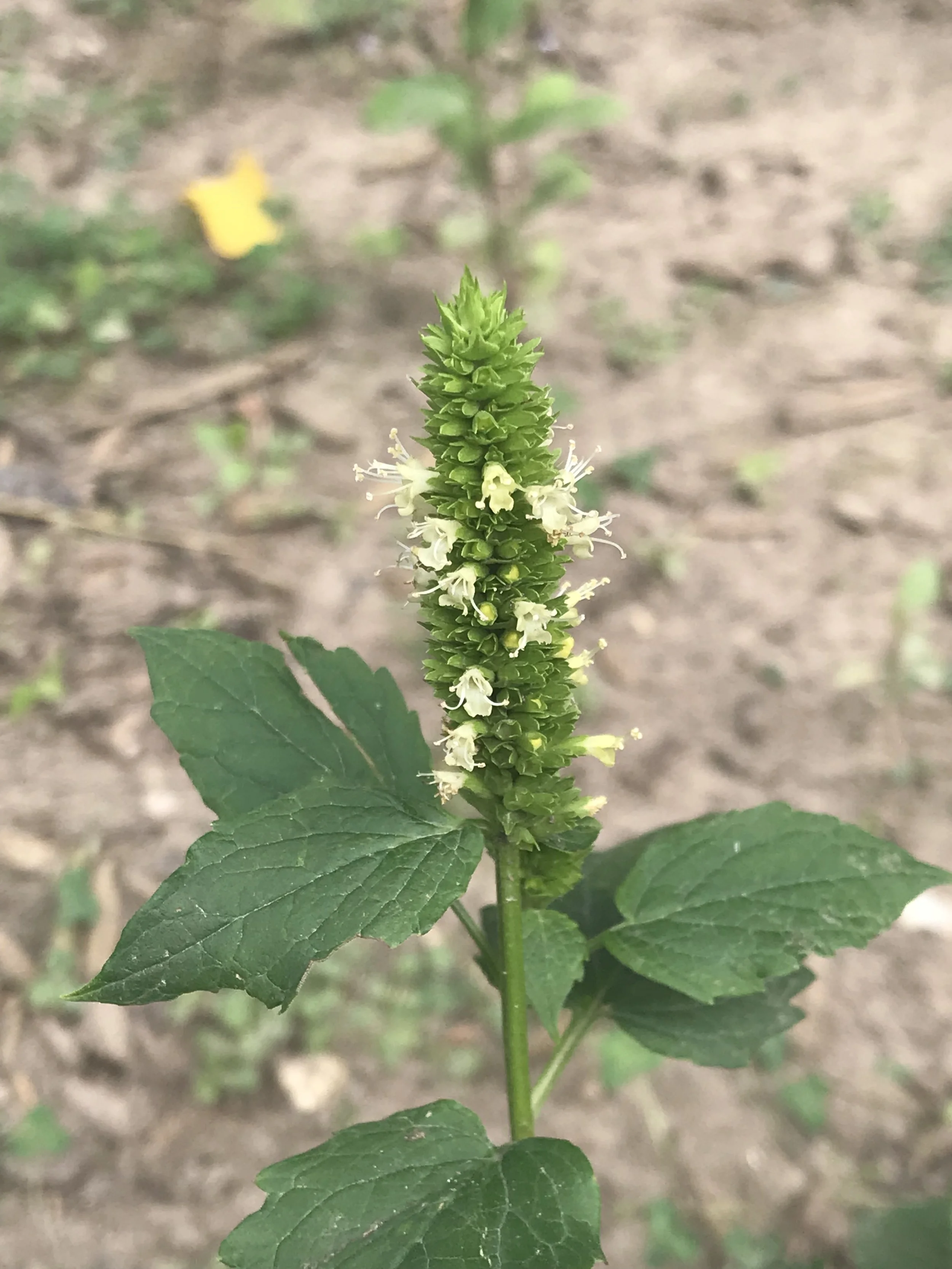
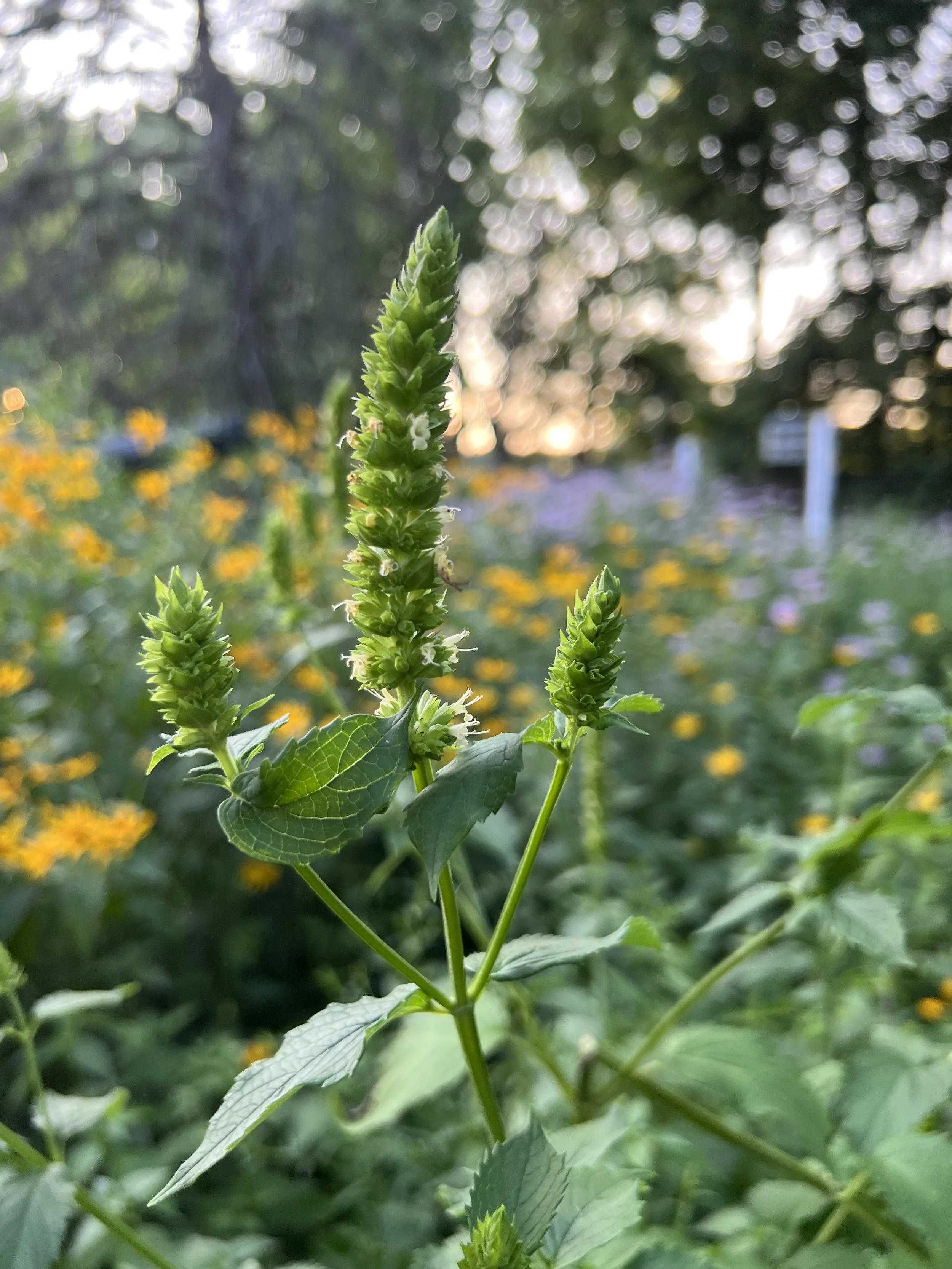
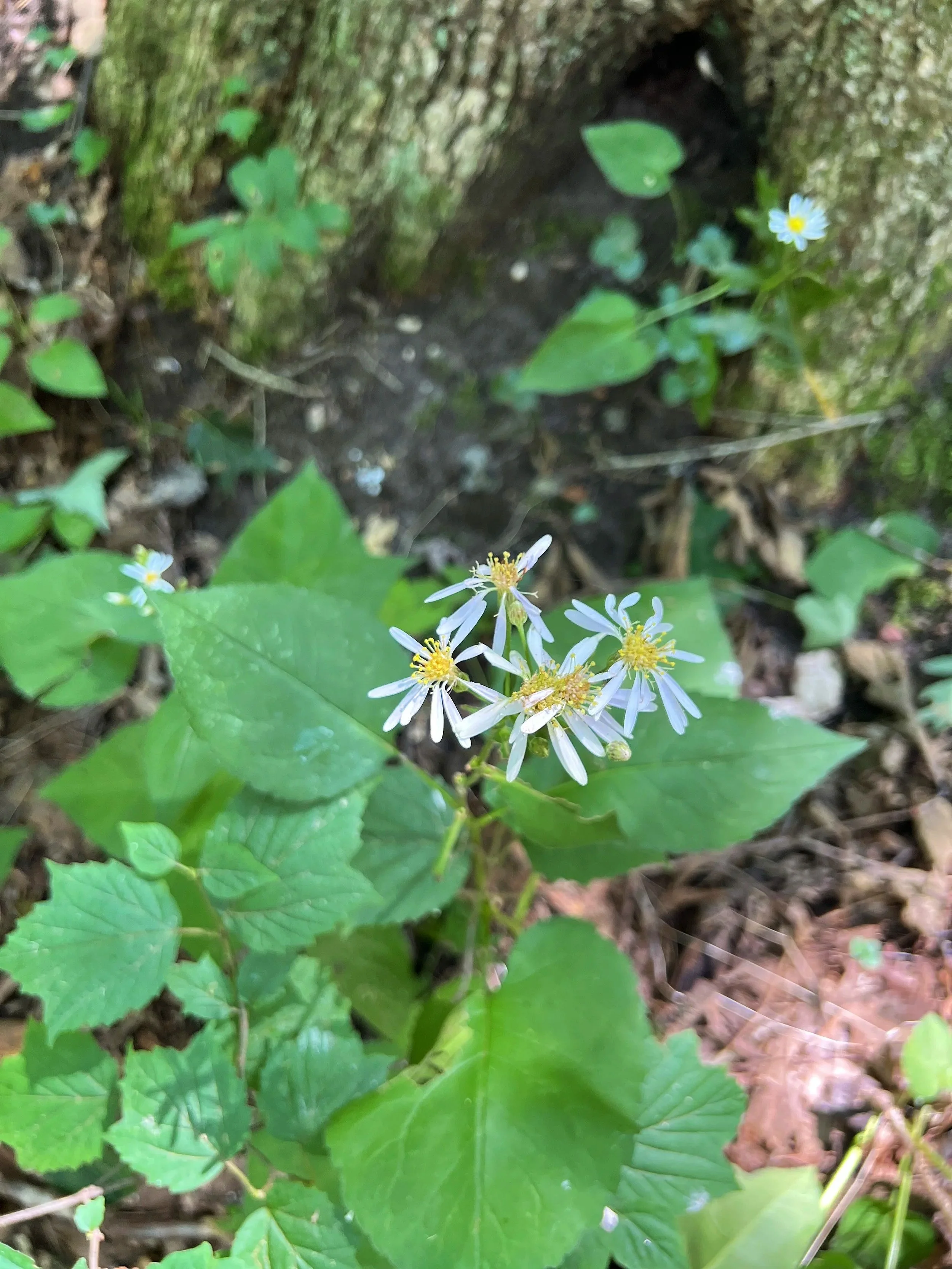
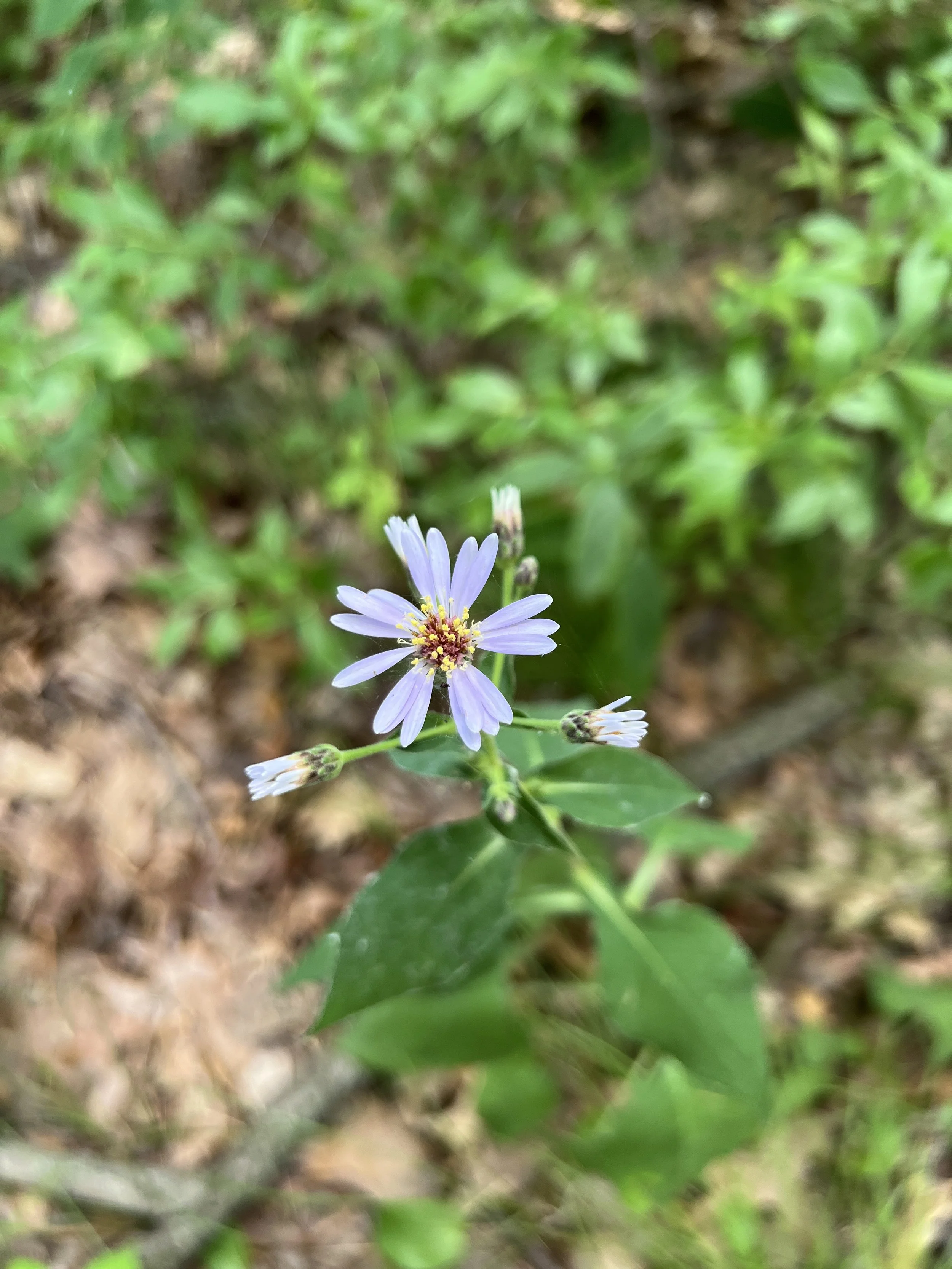
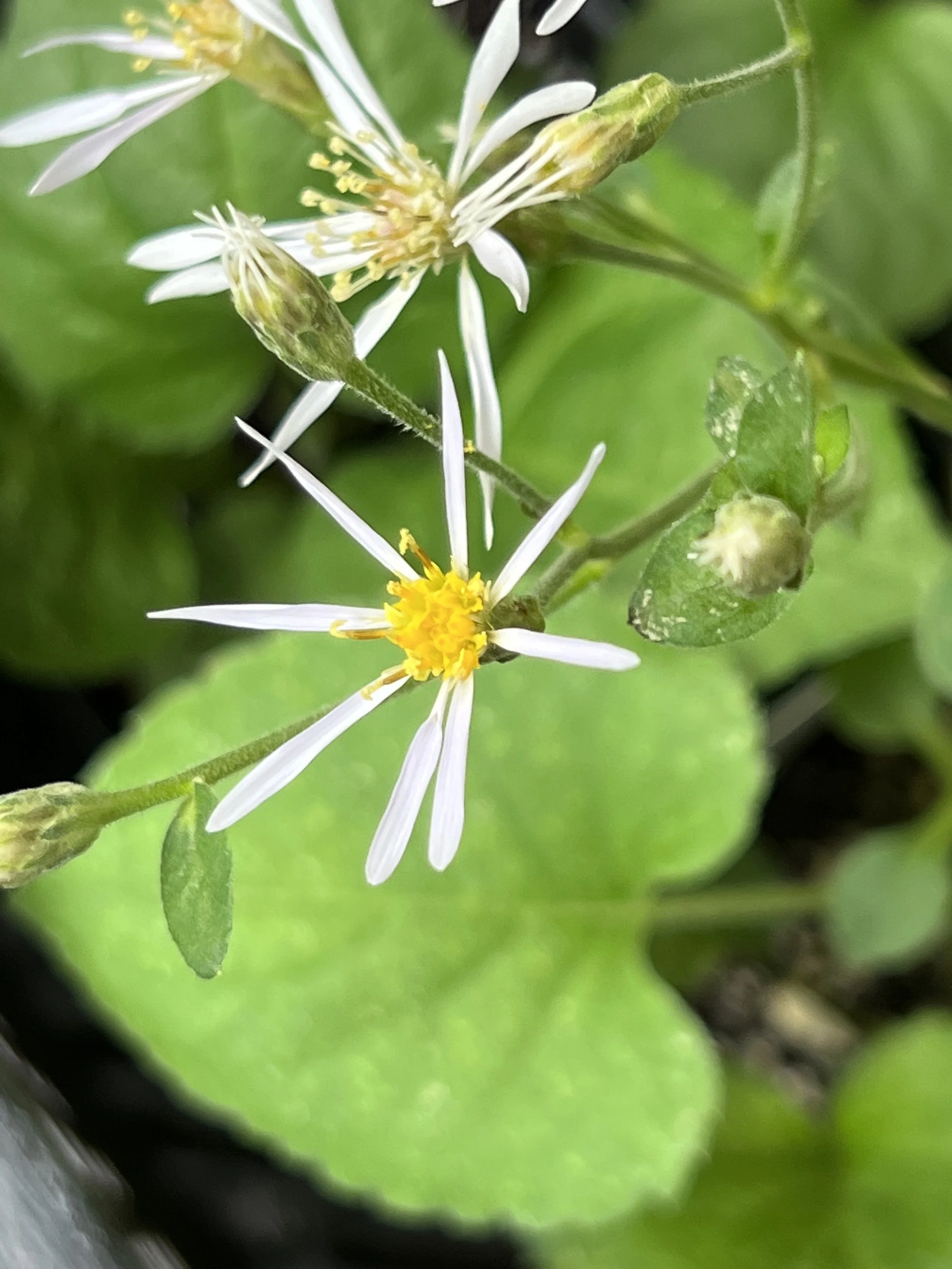
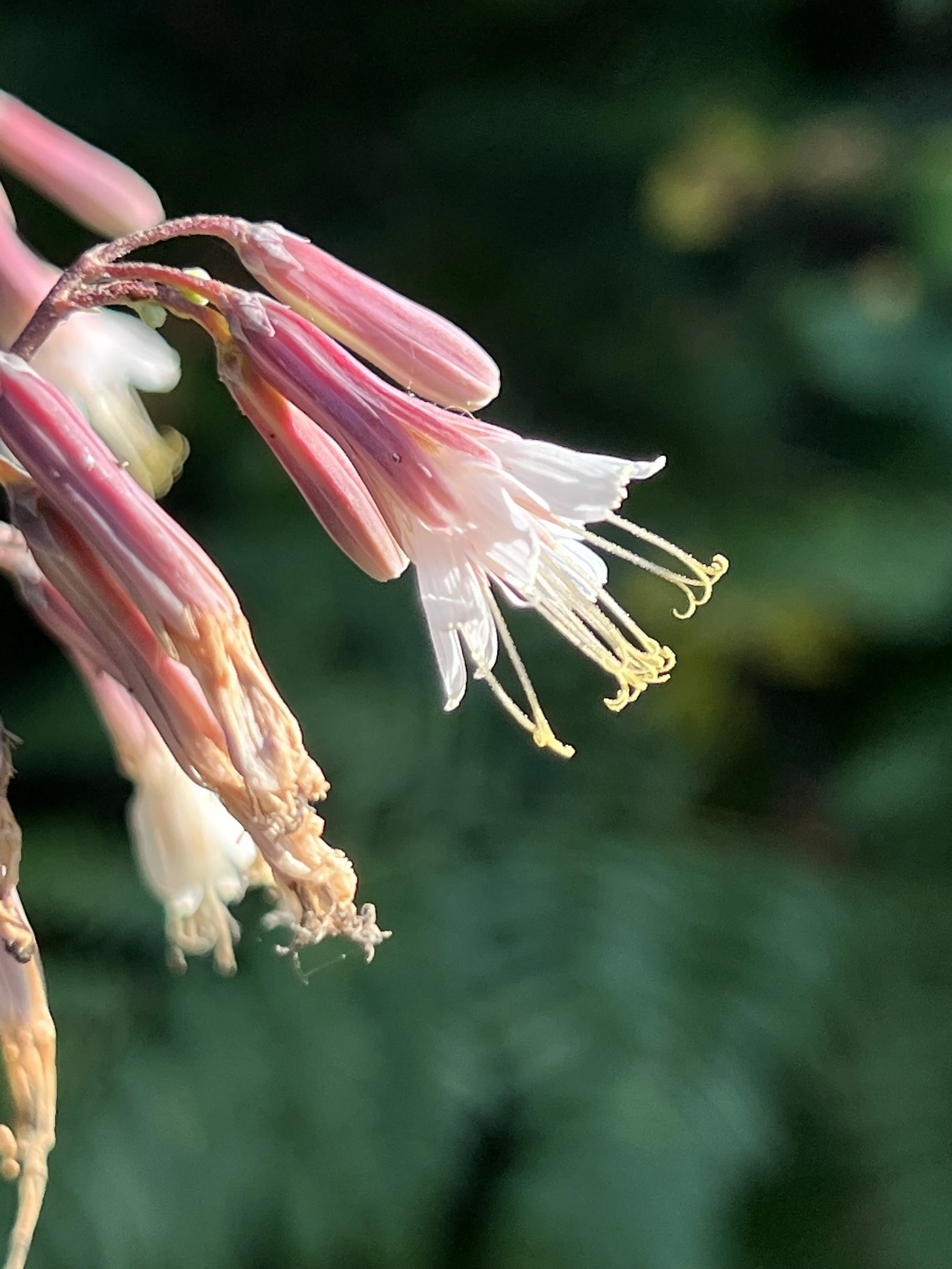
The flowers form on branches of the flowering stem at the top of the 2-4 foot plant. They are bell-shaped and droop downward. Since they are in the aster family, they have phyllaries—a set of bracts that surround the base of the bloom. These are purplish in color. The petals are pink or white. Bumplebees are the main pollinators. Deer sometimes eat them.

Seeds have a tuft of hair that helps them fly in the wind.

This plant is listed in the genus Prenanthes in Michigan Flora. It has apparently bounced back and forth between Nabalus and Prenanthes and the current most accepted genus is Nabalus. I usually, but not always, match binomials with Michigan Flora.

Lion’s Foot (Prenanthes alba)

Michigan Flora reference page for state distribution: Lion’s Foot

Height: 2-5 feet

Bloom time: late summer to early fall

Soil: moist loam

Sun: part-sun to light shade

Plant spacing: 1 foot

Flower: pink

Life cycle: biennial or short-lived perennial

Family: Asteraceae

Seed source: Michigan

Sizes:

Lion’s Foot, also known as White Lettuce or White Rattlesnake Root, grows in oak hickory forests, beech maple forests and sometimes in flood plains. This plant prefers part-sun to light shade and moist loamy soil, but can tolerate some dry soil.

Fairly early in the spring, single basal leaves emerge the ground. These leaves are highly variable in shape, but are usually in three-five lobes. If you squint your eyes (shut, maybe!) you can see the similarity to the leaf shape and a lion’s paw, which is where one of the common names comes from.

Visiting later in the year, I have noticed that only a small fraction of these leaves grow into flowering plants, in some cases, none in a given area. The roots of these plants stay beneath the soil and another growth “attempt” is made the next year. This plant is considered a short-lived perennial or a biennial. They are also monocarpic, meaning that after they flower, they die.

The flowers form on branches of the flowering stem at the top of the 2-4 foot plant. They are bell-shaped and droop downward. Since they are in the aster family, they have phyllaries—a set of bracts that surround the base of the bloom. These are purplish in color. The petals are pink or white. Bumplebees are the main pollinators. Deer sometimes eat them.

Seeds have a tuft of hair that helps them fly in the wind.

This plant is listed in the genus Prenanthes in Michigan Flora. It has apparently bounced back and forth between Nabalus and Prenanthes and the current most accepted genus is Nabalus. I usually, but not always, match binomials with Michigan Flora.

Lion’s Foot (Prenanthes alba)

Michigan Flora reference page for state distribution: Lion’s Foot

Height: 2-5 feet

Bloom time: late summer to early fall

Soil: moist loam

Sun: part-sun to light shade

Plant spacing: 1 foot

Flower: pink

Life cycle: biennial or short-lived perennial

Family: Asteraceae

Seed source: Michigan