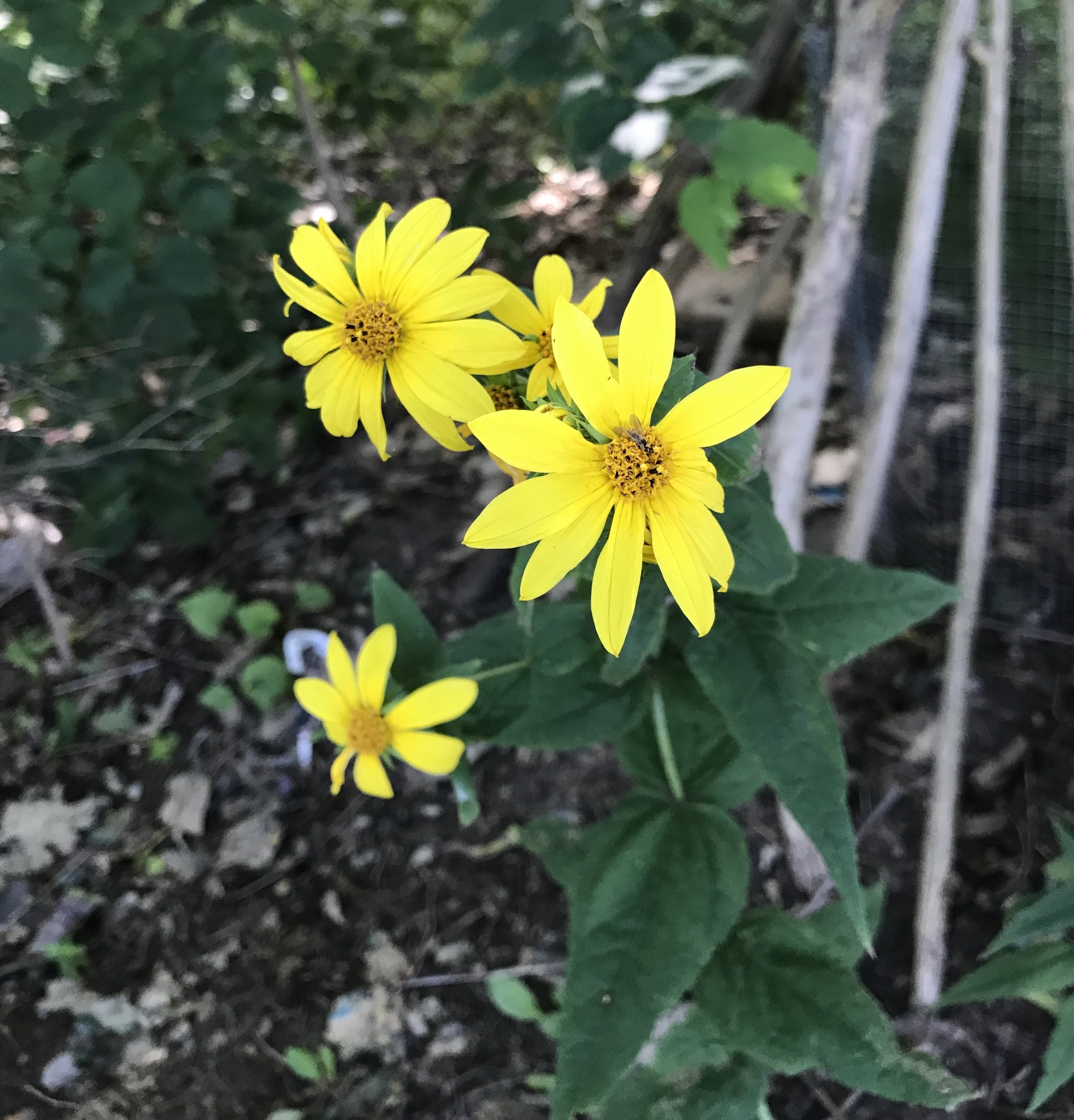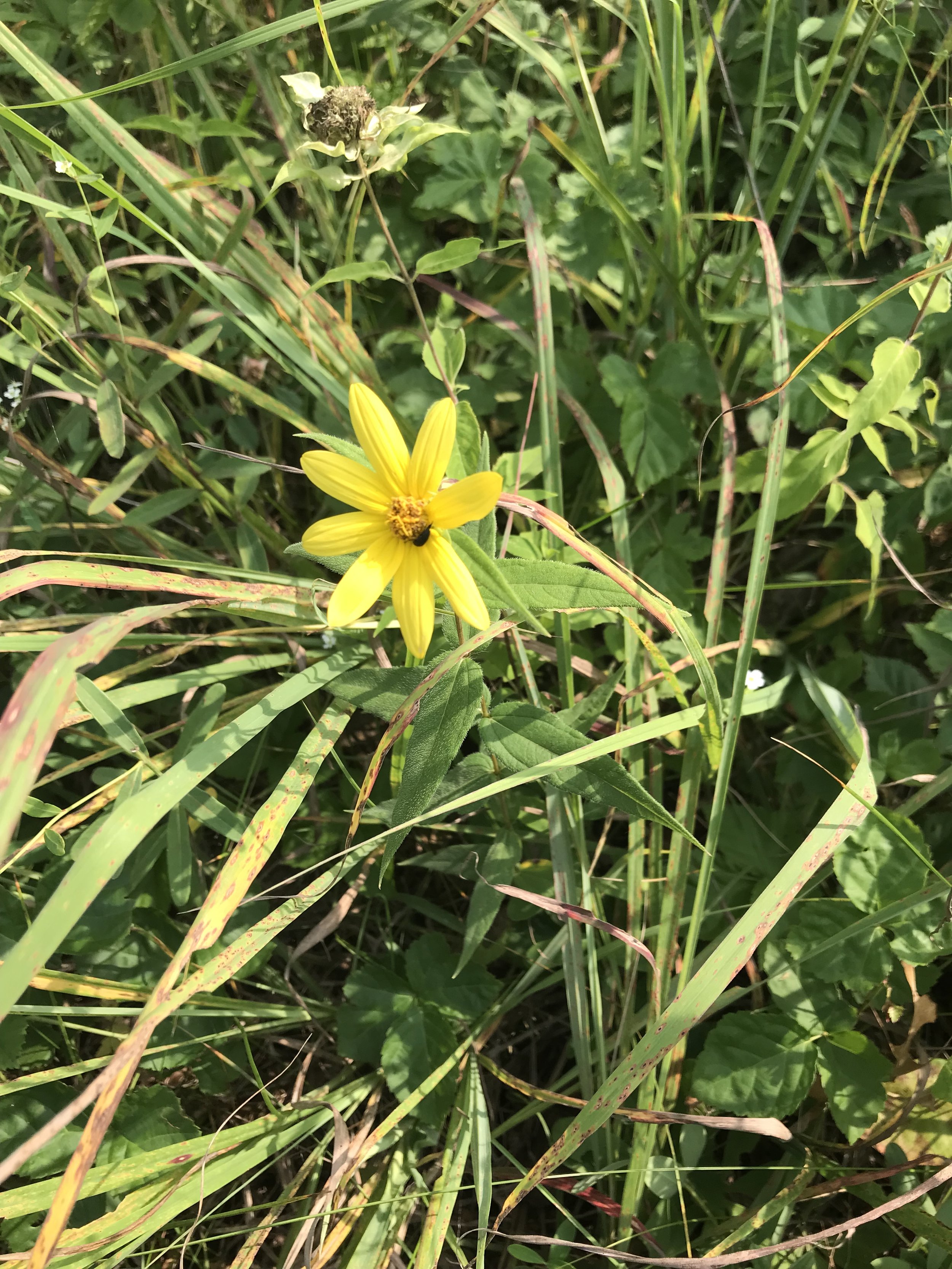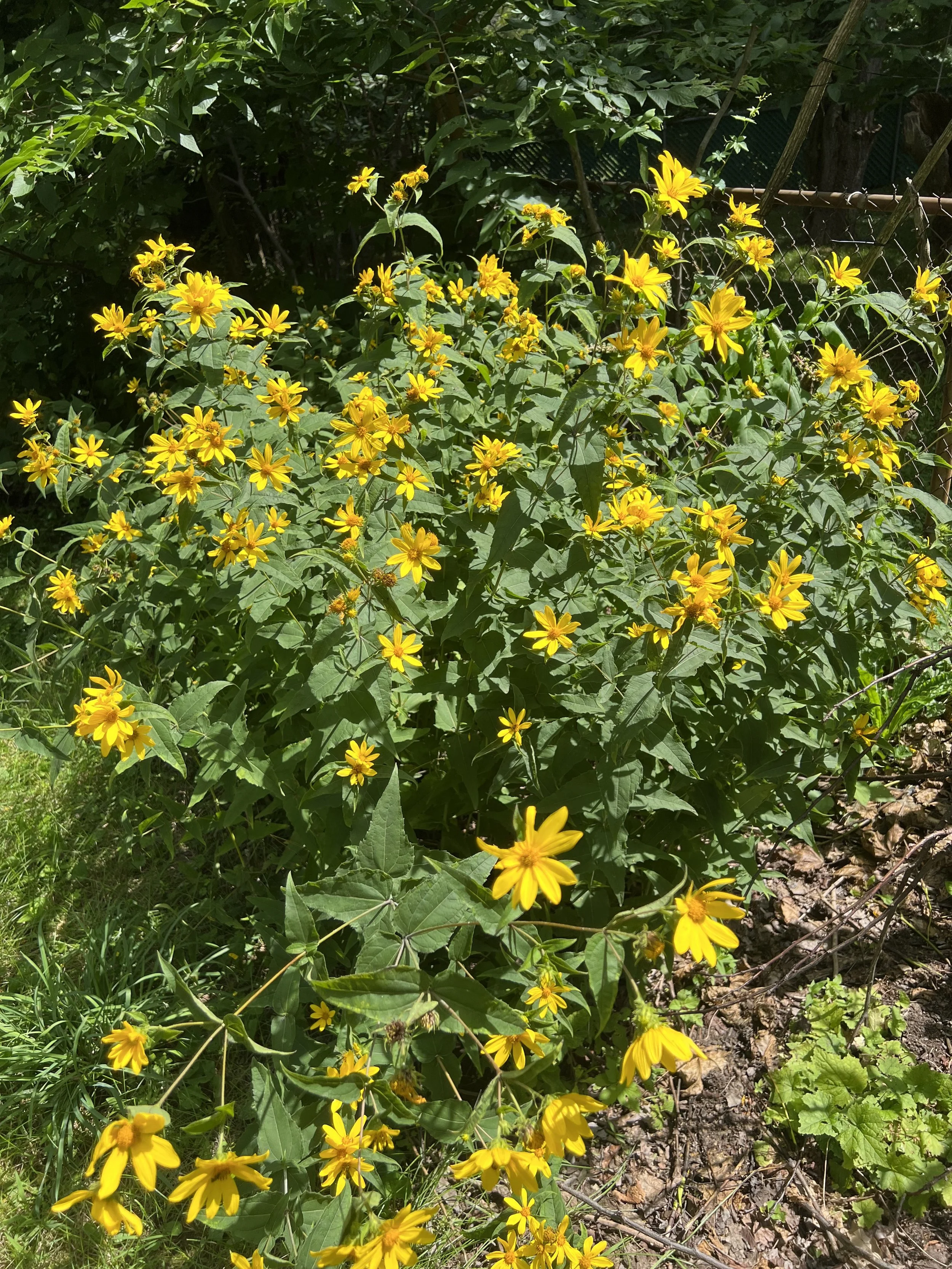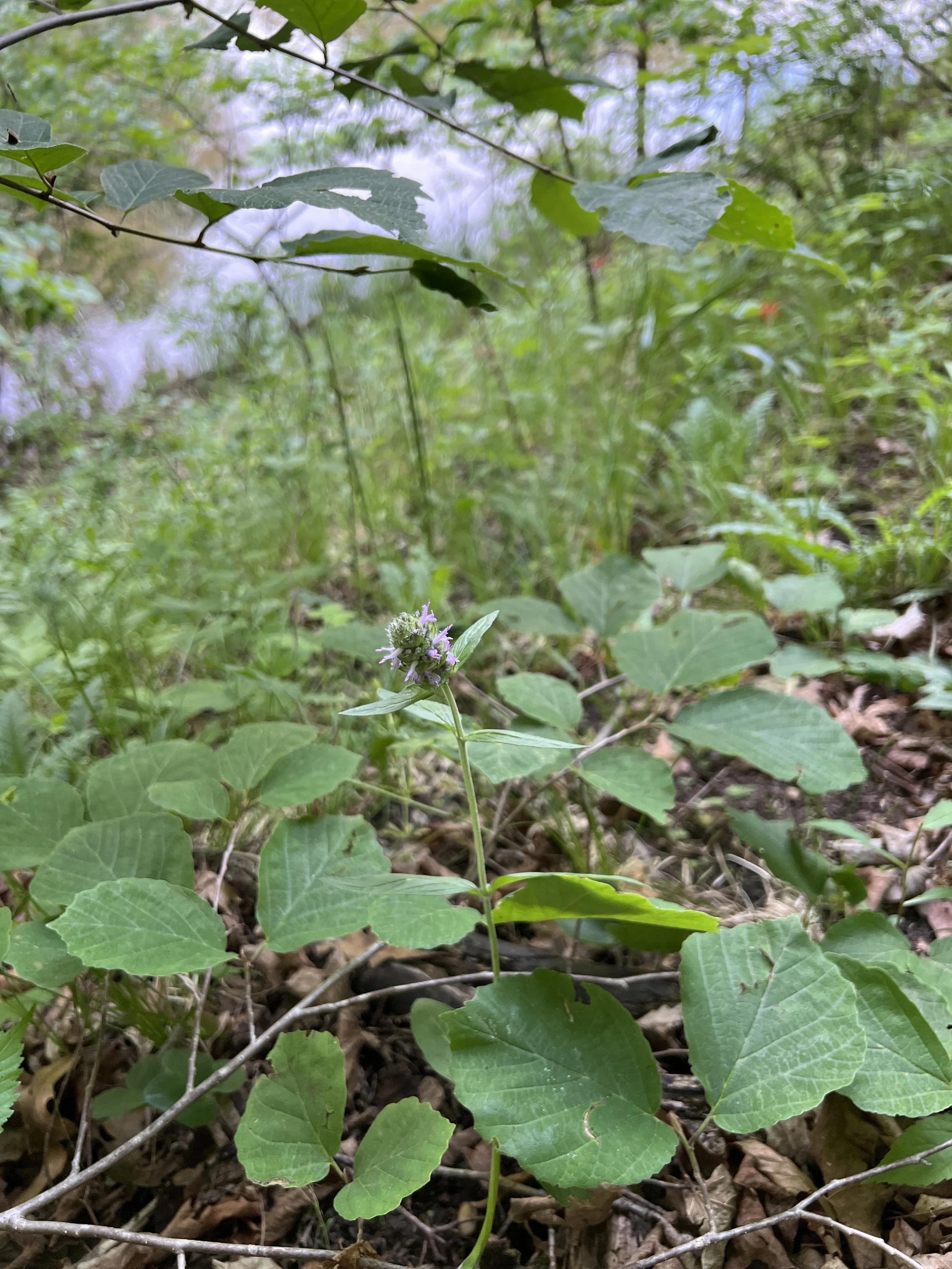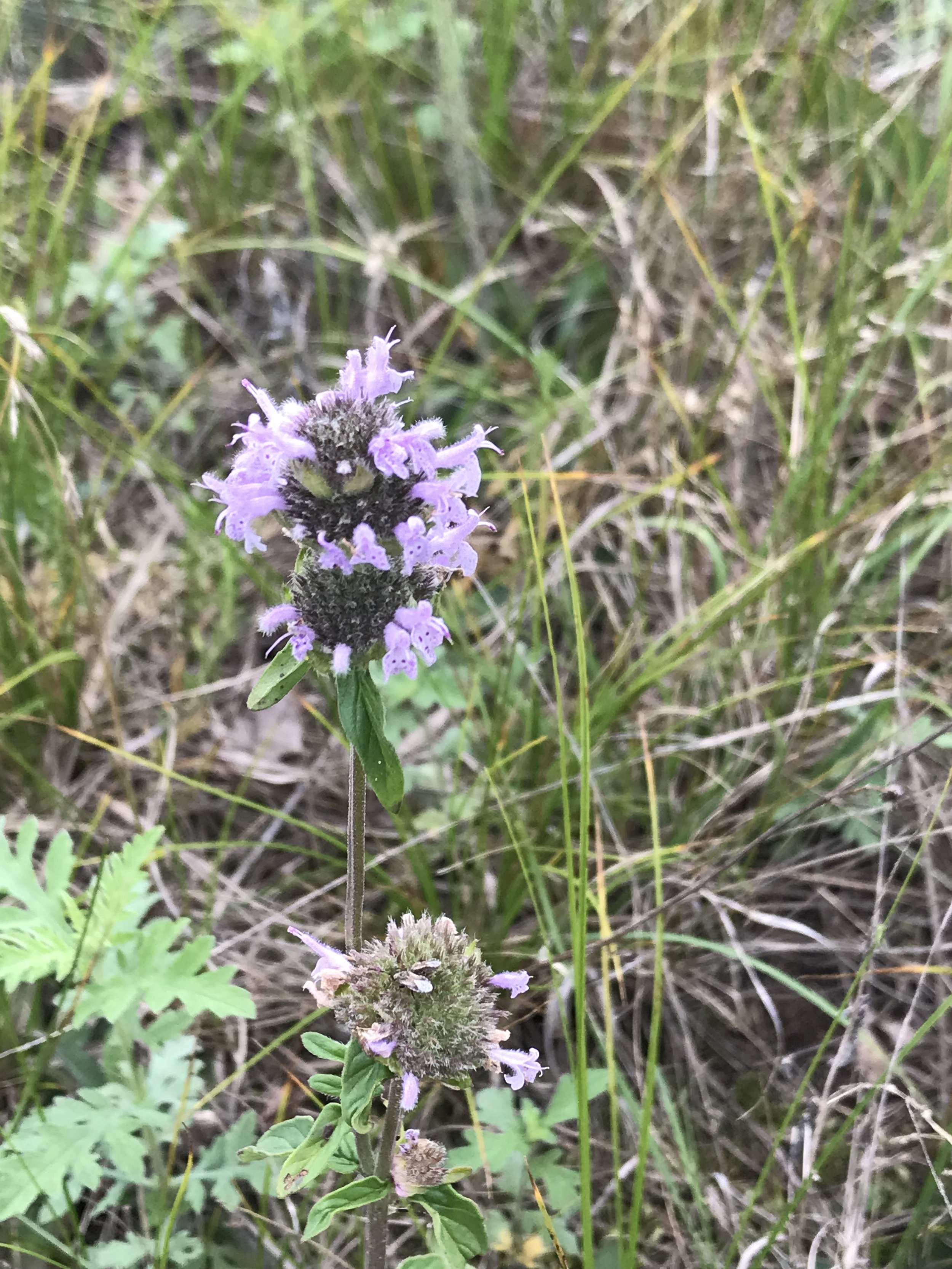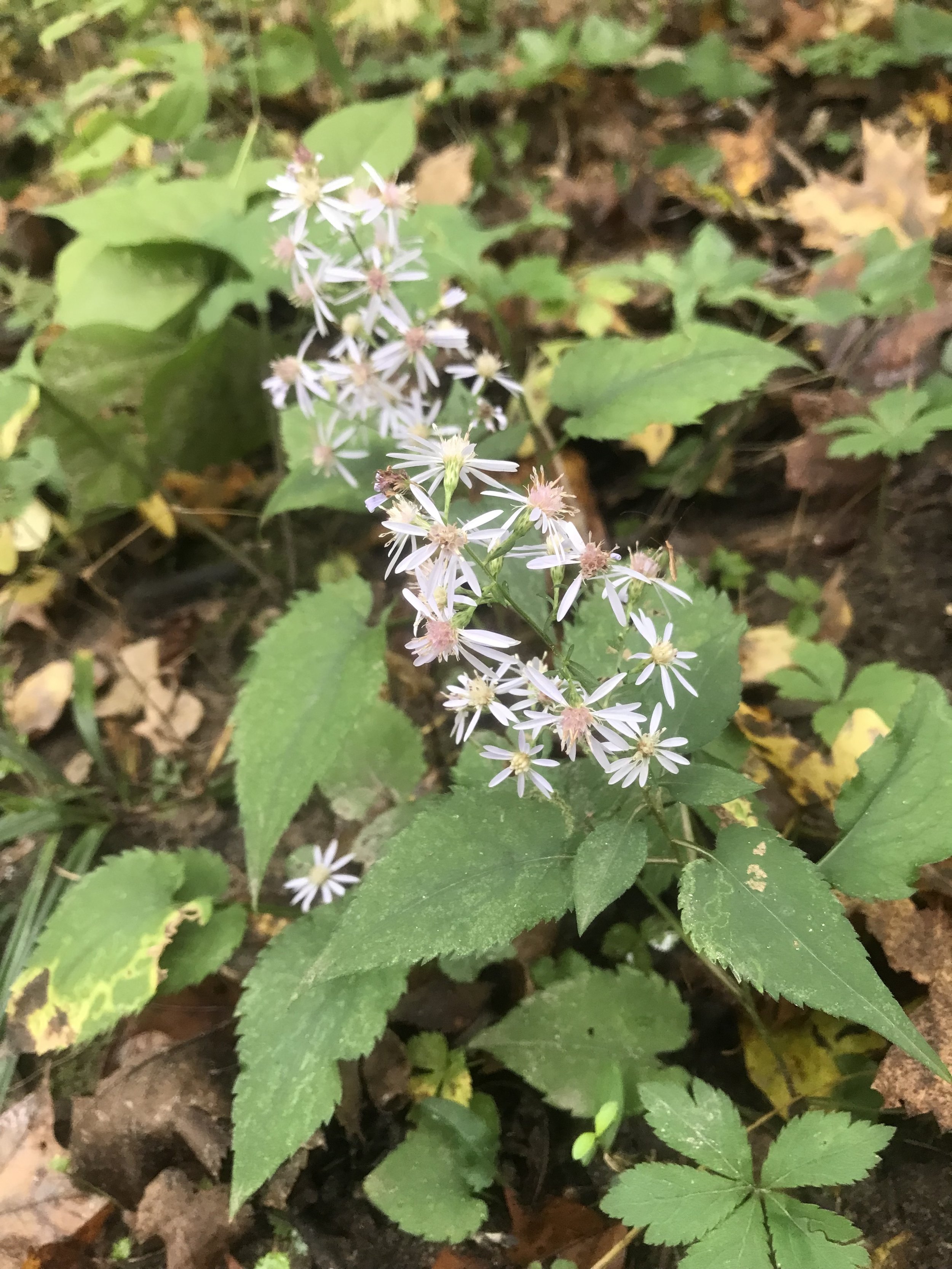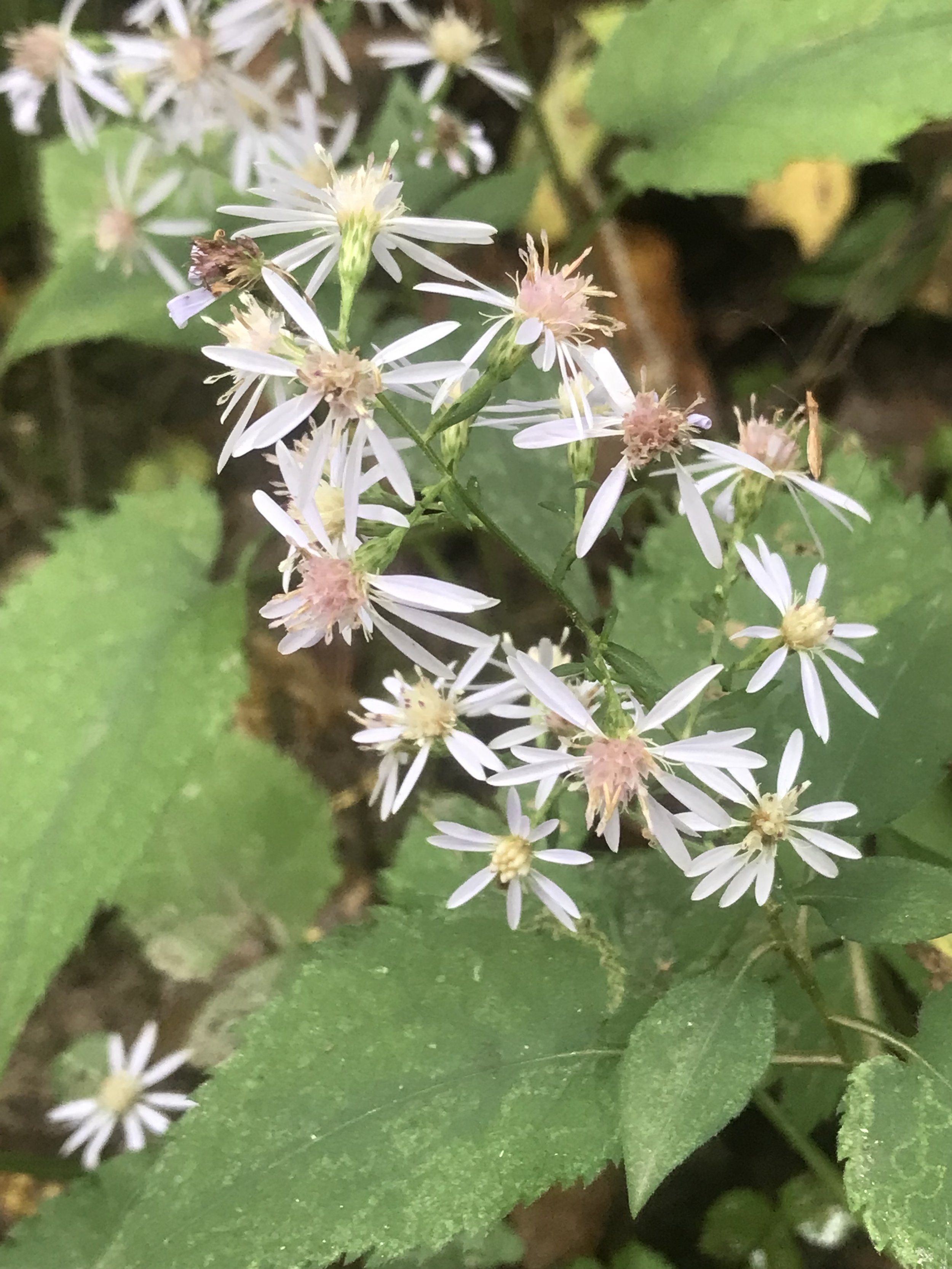
Woodland Sunflower (Helianthus divaricatus)

from $3.50
Sold Out

Woodland Sunflower is native to Michigan, mostly in the lower peninsula. It is a plant of open, often dry woods, and also the edges of woods.

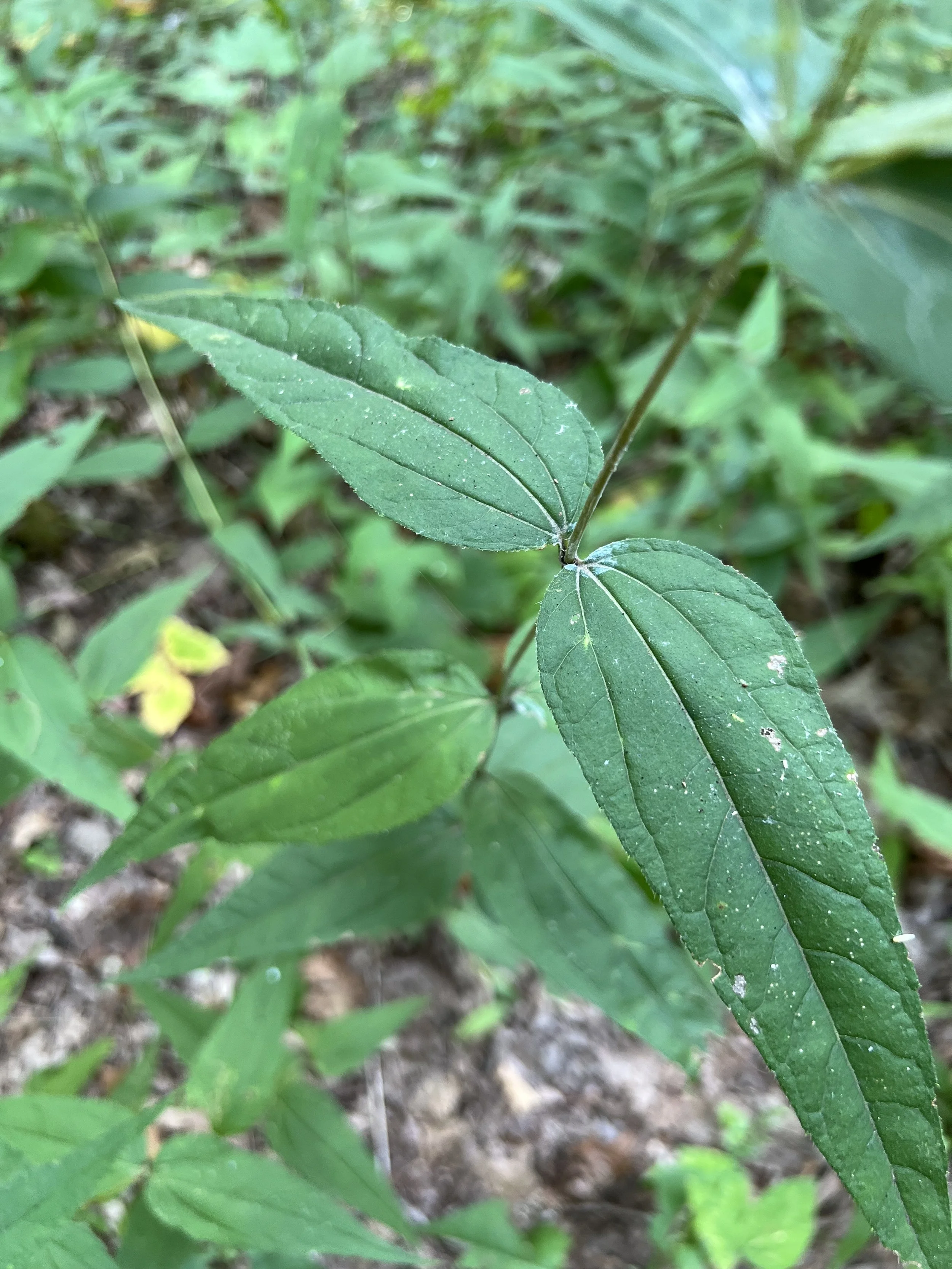
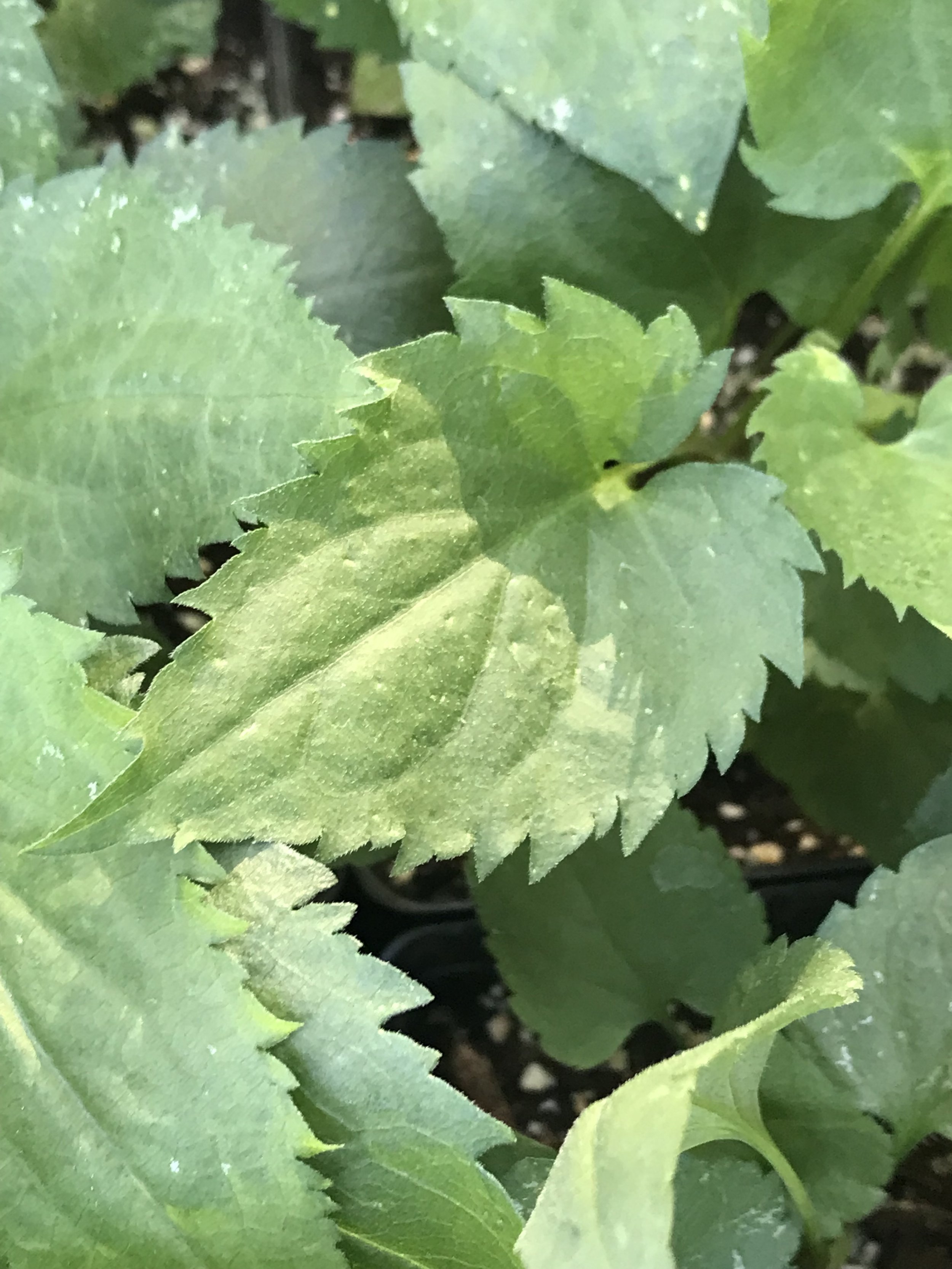
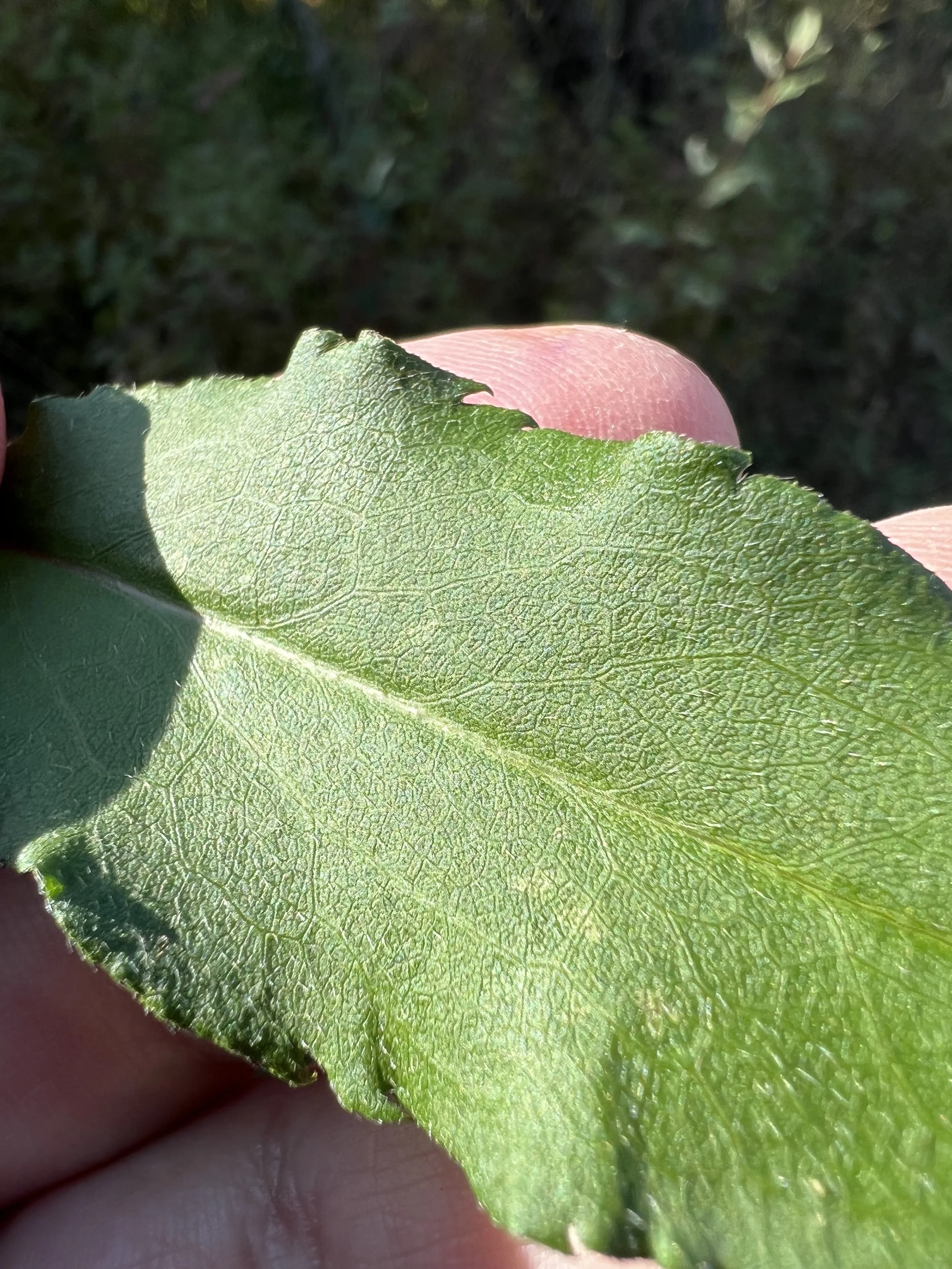
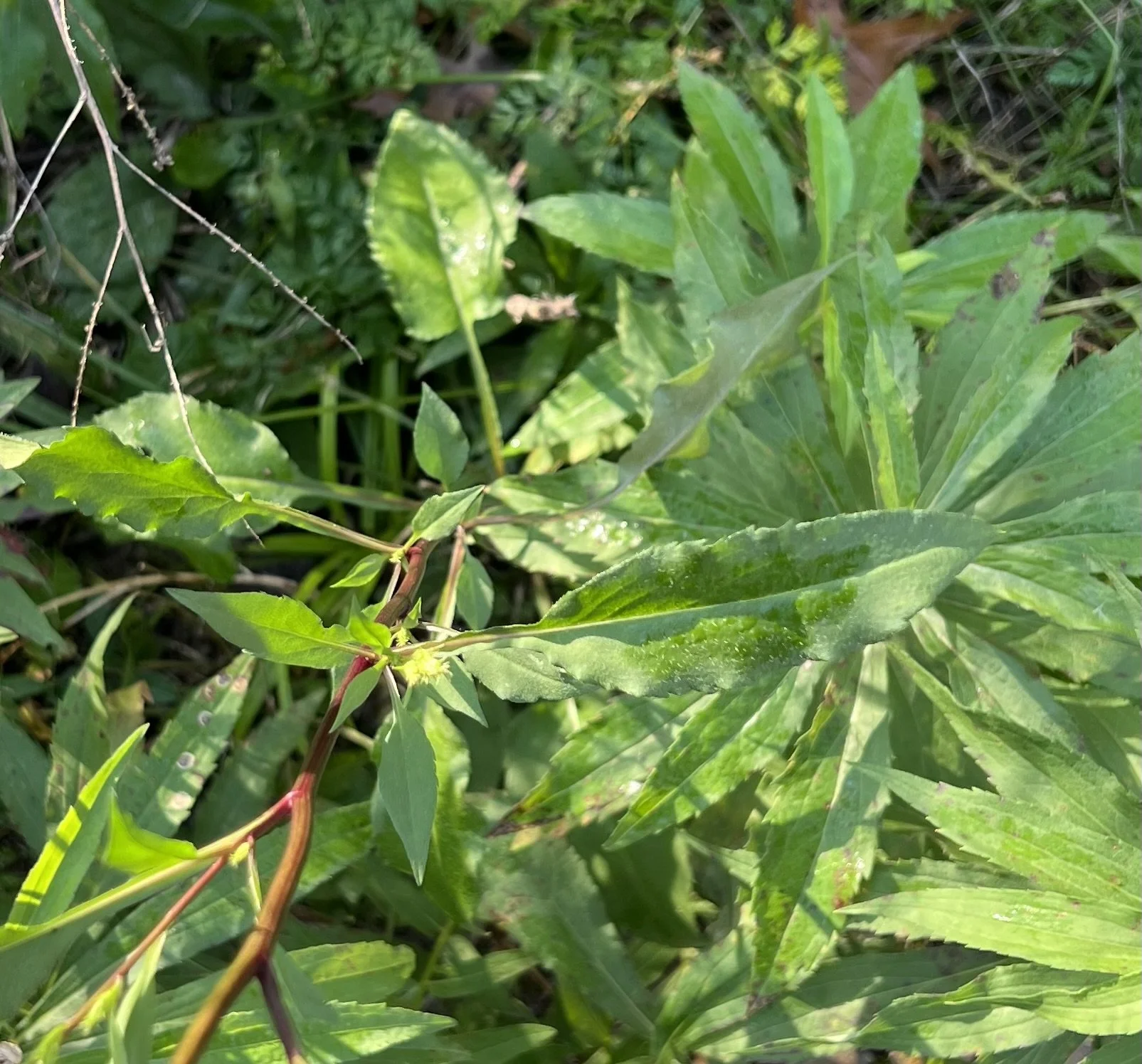
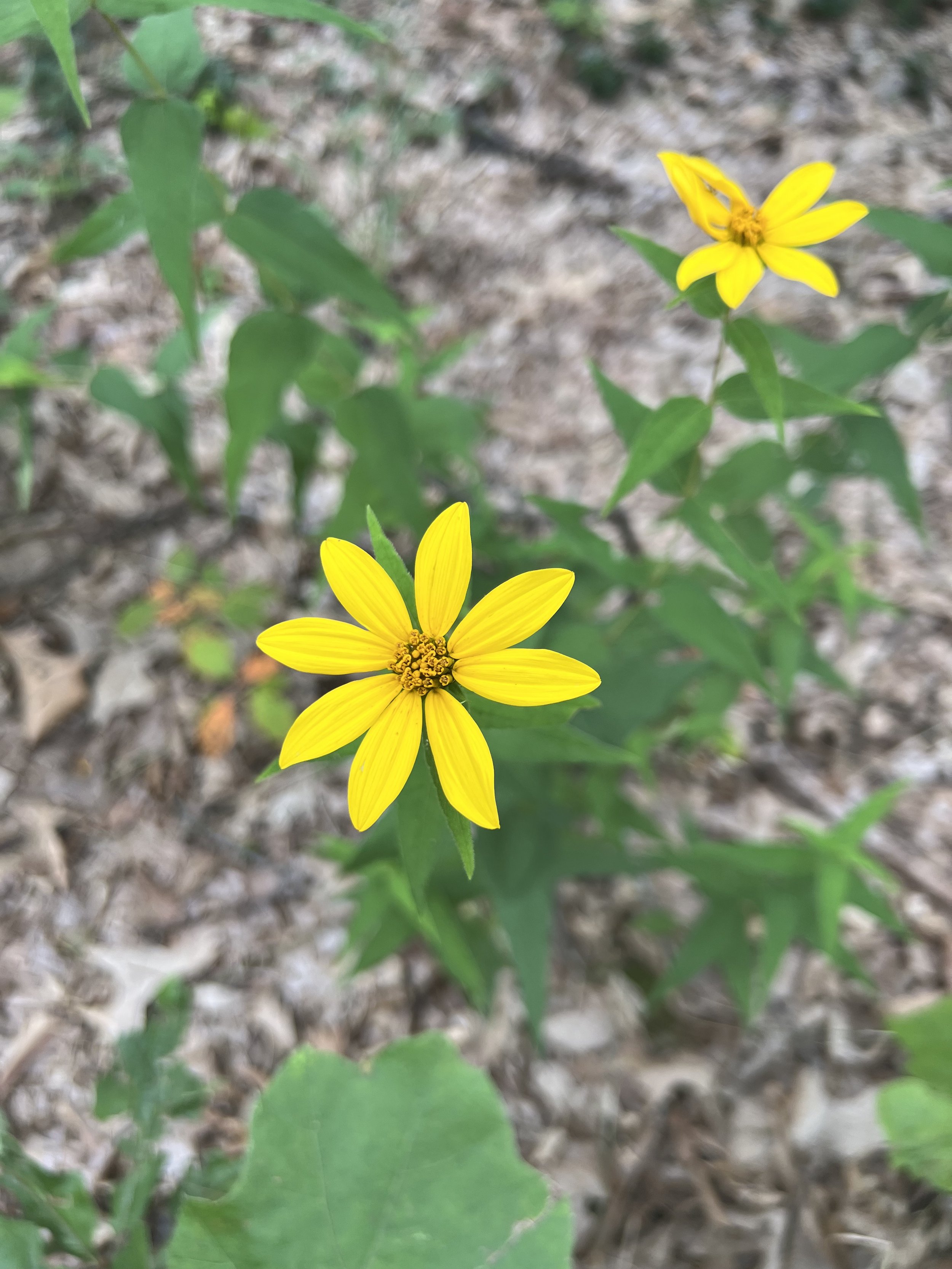
Woodland Sunflower is generally easy to identify, which is not always the case with sunflowers. This sunflower has a smooth central stem that can be pale green to purple. It also has leaves that are wide where they touch the stem and taper to a fine point. Leaves are opposite and three main veins on each leaf go all the way to the stem.

Sunflowers are in the aster family (Asteraceae), also sometimes called the Sunflower family. As such they are very important plants in the ecosystem—called a keystone species—because so many species depend on them. Birds love the seeds as they ripen.

There are quite a few moths and butterflies that use sunflower species as host plants, specialist bee that only visit sunflowers, and many, many other insects that visit this plant and all sunflowers. Illinois Wildflowers has an impressive list of the animals that benefit from sunflowers. Worth a click over there to see the list.

Take care in where you plant woodland sunflower because it does spread by rhizome. It is also taller, the more sun it gets.

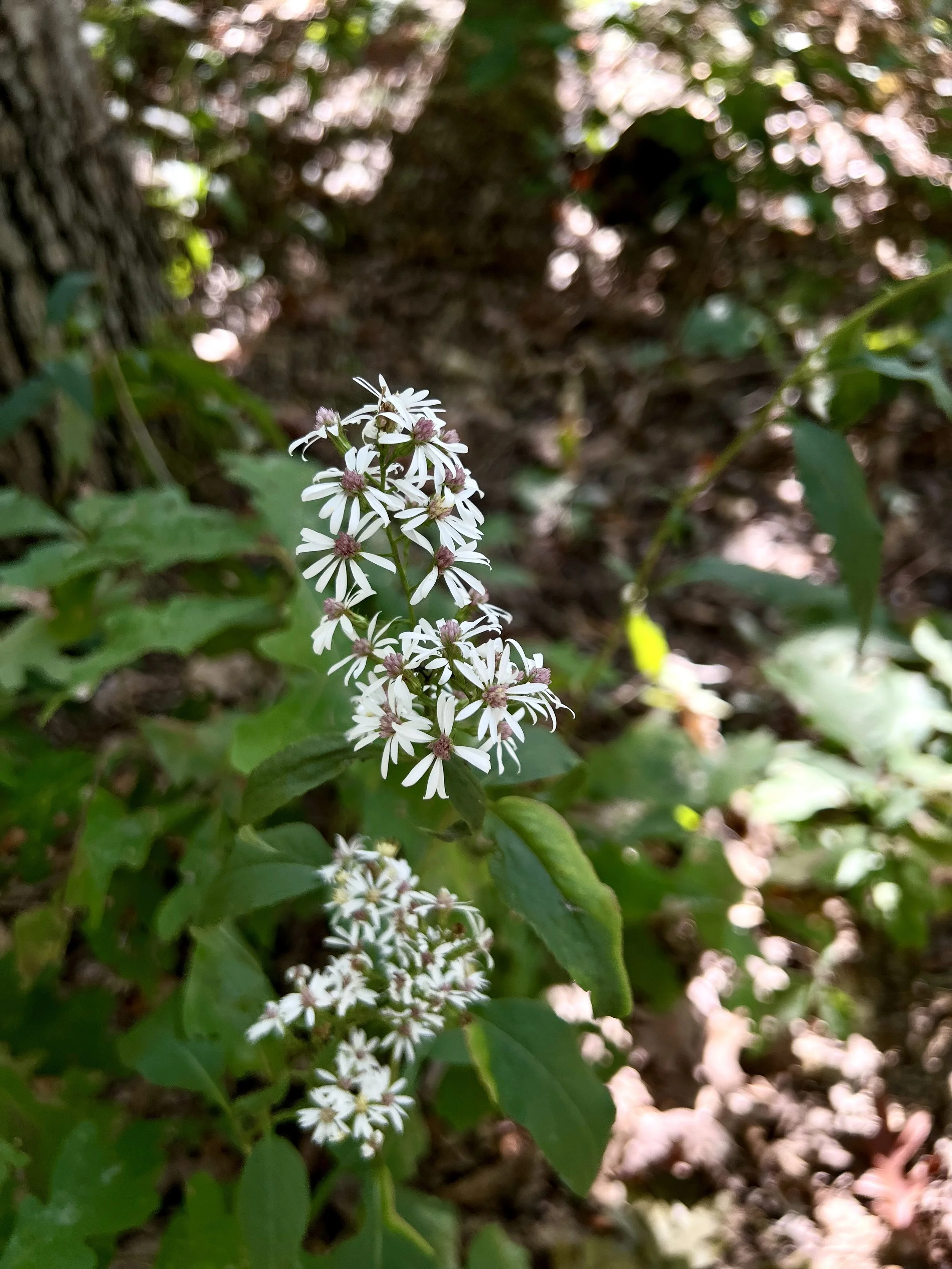
Companion Plants: Penn sedge, wild columbine, alum root, big leaf aster, blue-stemmed goldenrod

Woodland Sunflower (Helianthus divaricatus)

Michigan Flora reference page for statewide distribution: Woodland Sunflower

Height: 2-4’, possibly a bit taller in more sun

Bloom Time: July-Sept

Soil: medium to dry, sand, sandy loam

Sun: part-sun to shade

Plant Spacing: 2’

Flower: yellow

Life Cycle: perennial

Family: Asteraceae

Seed source: Michigan
Sizes:

Woodland Sunflower is native to Michigan, mostly in the lower peninsula. It is a plant of open, often dry woods, and also the edges of woods.

Woodland Sunflower is generally easy to identify, which is not always the case with sunflowers. This sunflower has a smooth central stem that can be pale green to purple. It also has leaves that are wide where they touch the stem and taper to a fine point. Leaves are opposite and three main veins on each leaf go all the way to the stem.

Sunflowers are in the aster family (Asteraceae), also sometimes called the Sunflower family. As such they are very important plants in the ecosystem—called a keystone species—because so many species depend on them. Birds love the seeds as they ripen.

There are quite a few moths and butterflies that use sunflower species as host plants, specialist bee that only visit sunflowers, and many, many other insects that visit this plant and all sunflowers. Illinois Wildflowers has an impressive list of the animals that benefit from sunflowers. Worth a click over there to see the list.

Take care in where you plant woodland sunflower because it does spread by rhizome. It is also taller, the more sun it gets.

Companion Plants: Penn sedge, wild columbine, alum root, big leaf aster, blue-stemmed goldenrod

Woodland Sunflower (Helianthus divaricatus)

Michigan Flora reference page for statewide distribution: Woodland Sunflower

Height: 2-4’, possibly a bit taller in more sun

Bloom Time: July-Sept

Soil: medium to dry, sand, sandy loam

Sun: part-sun to shade

Plant Spacing: 2’

Flower: yellow

Life Cycle: perennial

Family: Asteraceae

Seed source: Michigan