Image 1 of 3
Image 2 of 3
Image 3 of 3
Partridge Pea (Chamaecrista fasciculata)
from $3.50
Sold Out
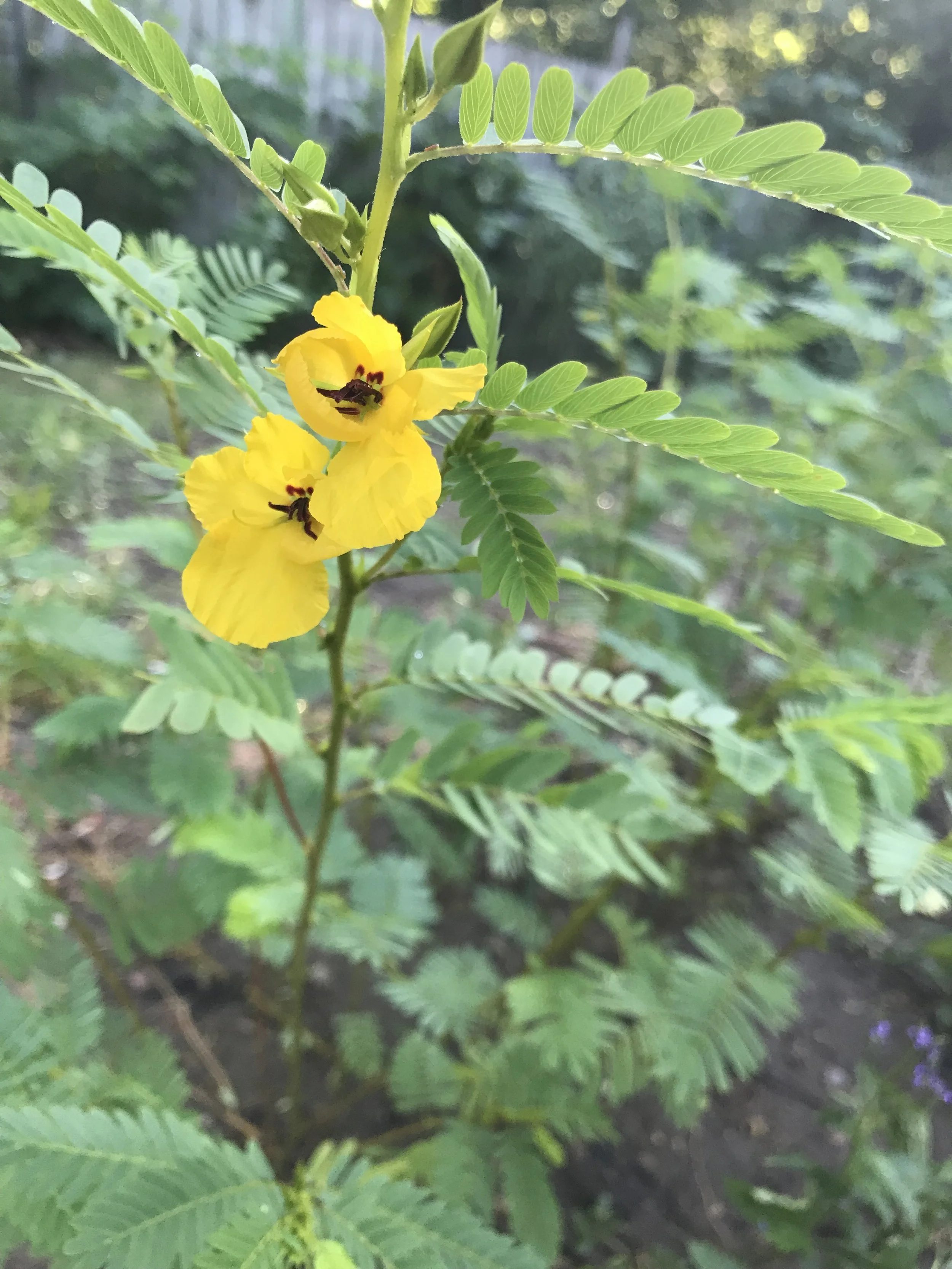
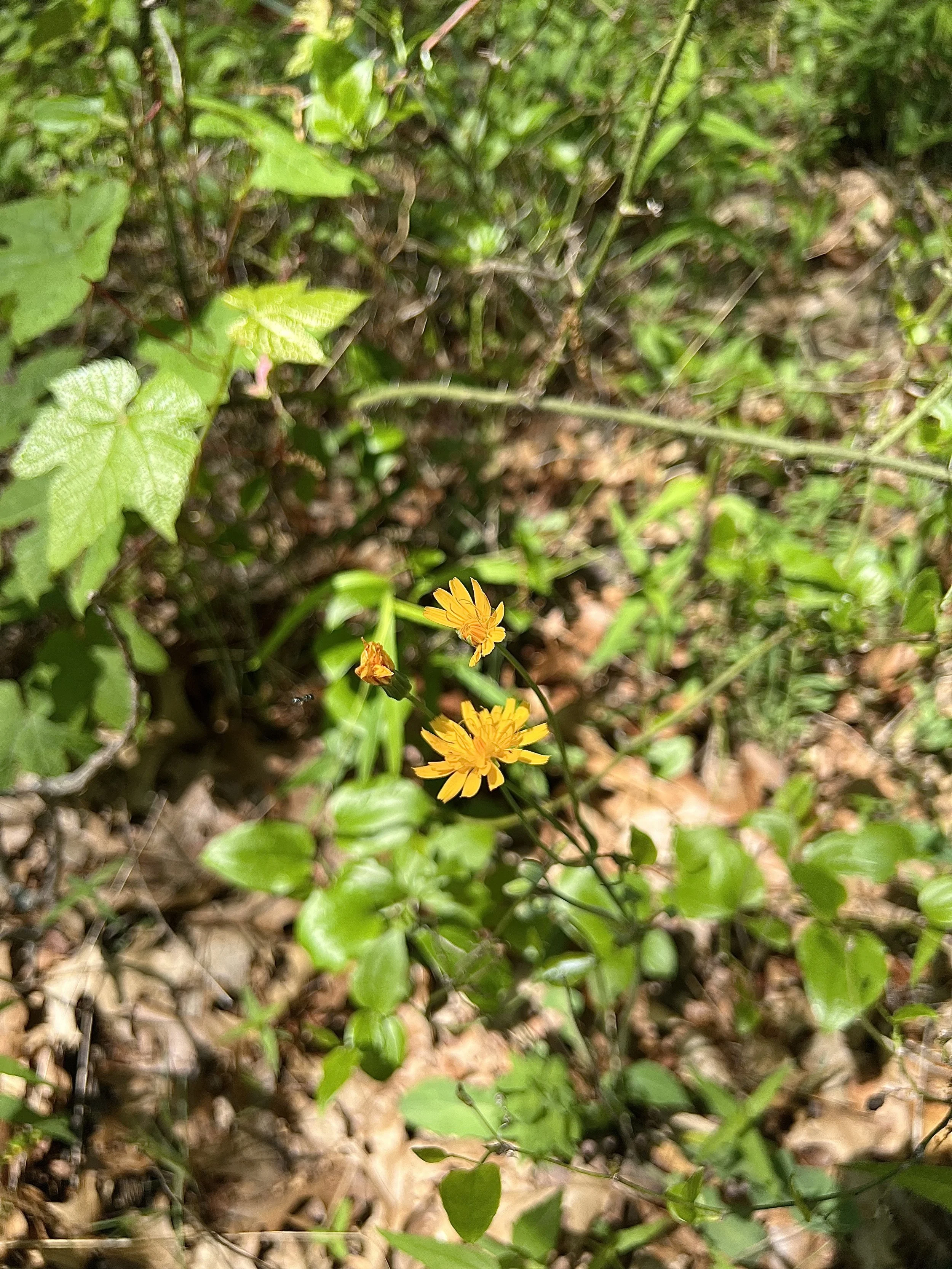
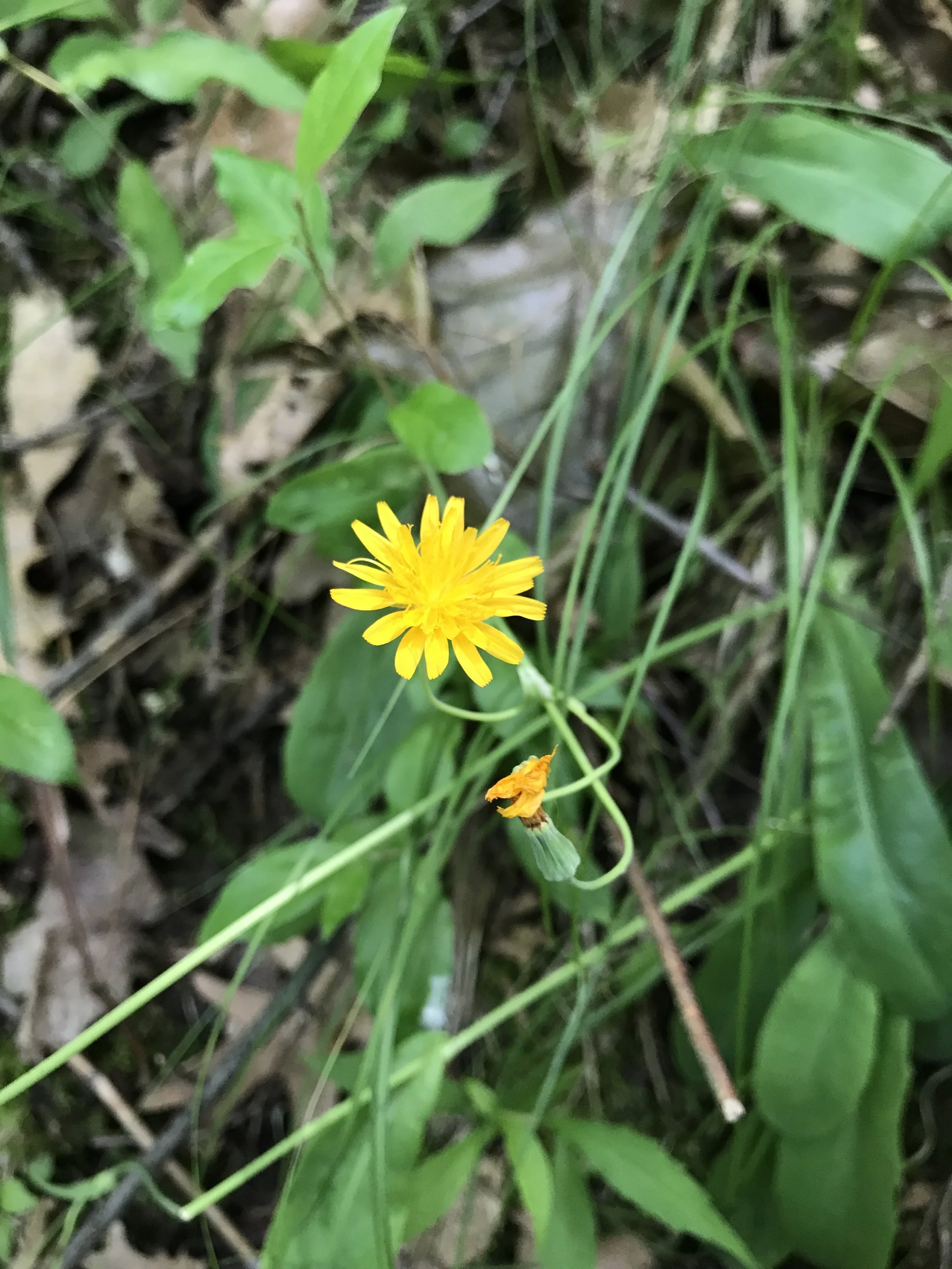
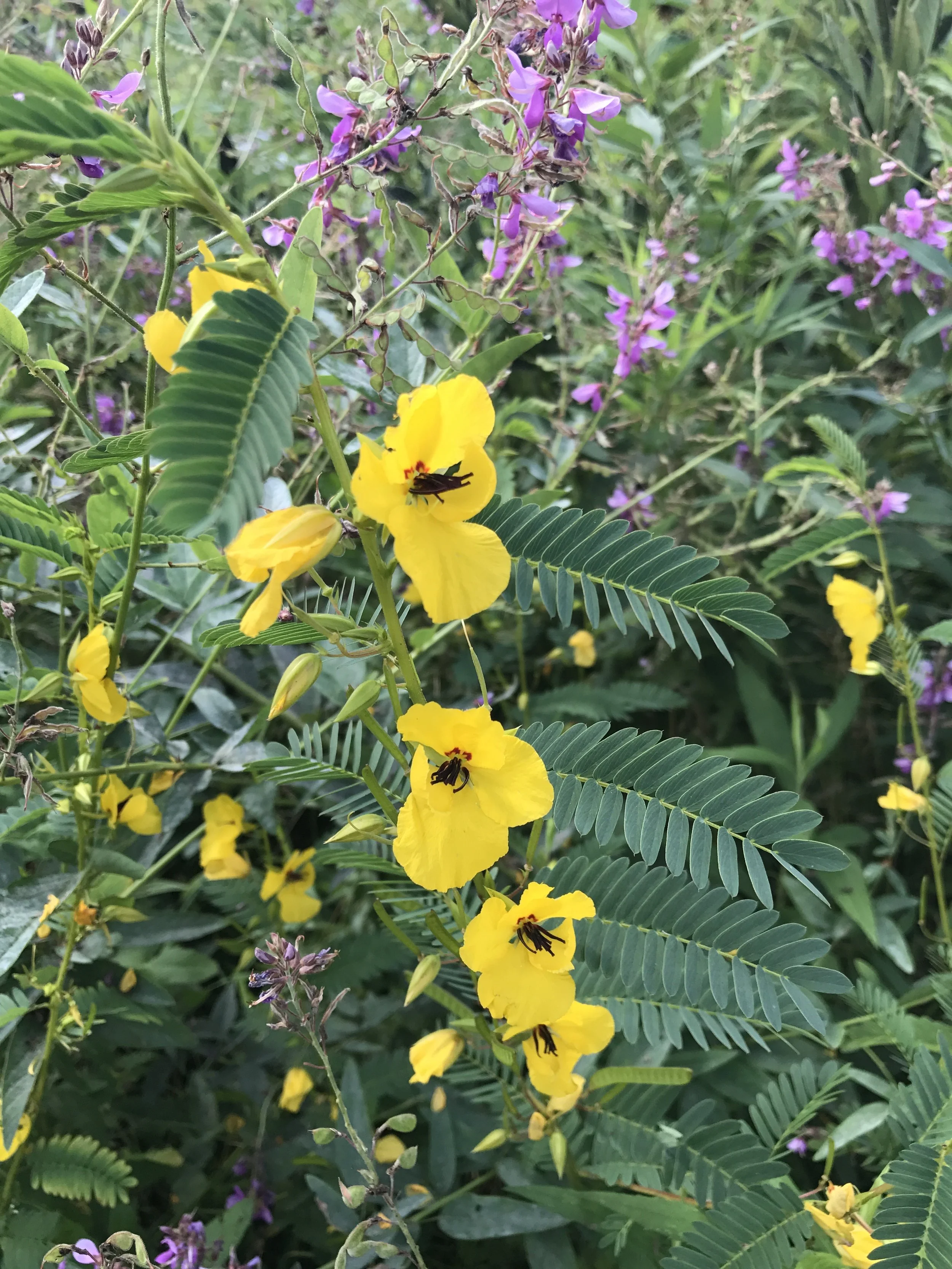
Partridge Pea is reminiscent of a tiny Wild Senna plant with its compound leaves and yellow flowers. The flowers grow out of the leaf axils and are large and showy in relation to the size of the plant. Petals are yellow, usually with red at the bases of them. These flowers are highly attractive to long-tongued bees including bumblebees. It’s a joy to host these plants during their bloom time because of the constant buzzing sounds coming from them.
They are special, too, in that they have extra-floral nectaries that are more accessible to insects without long tongues.
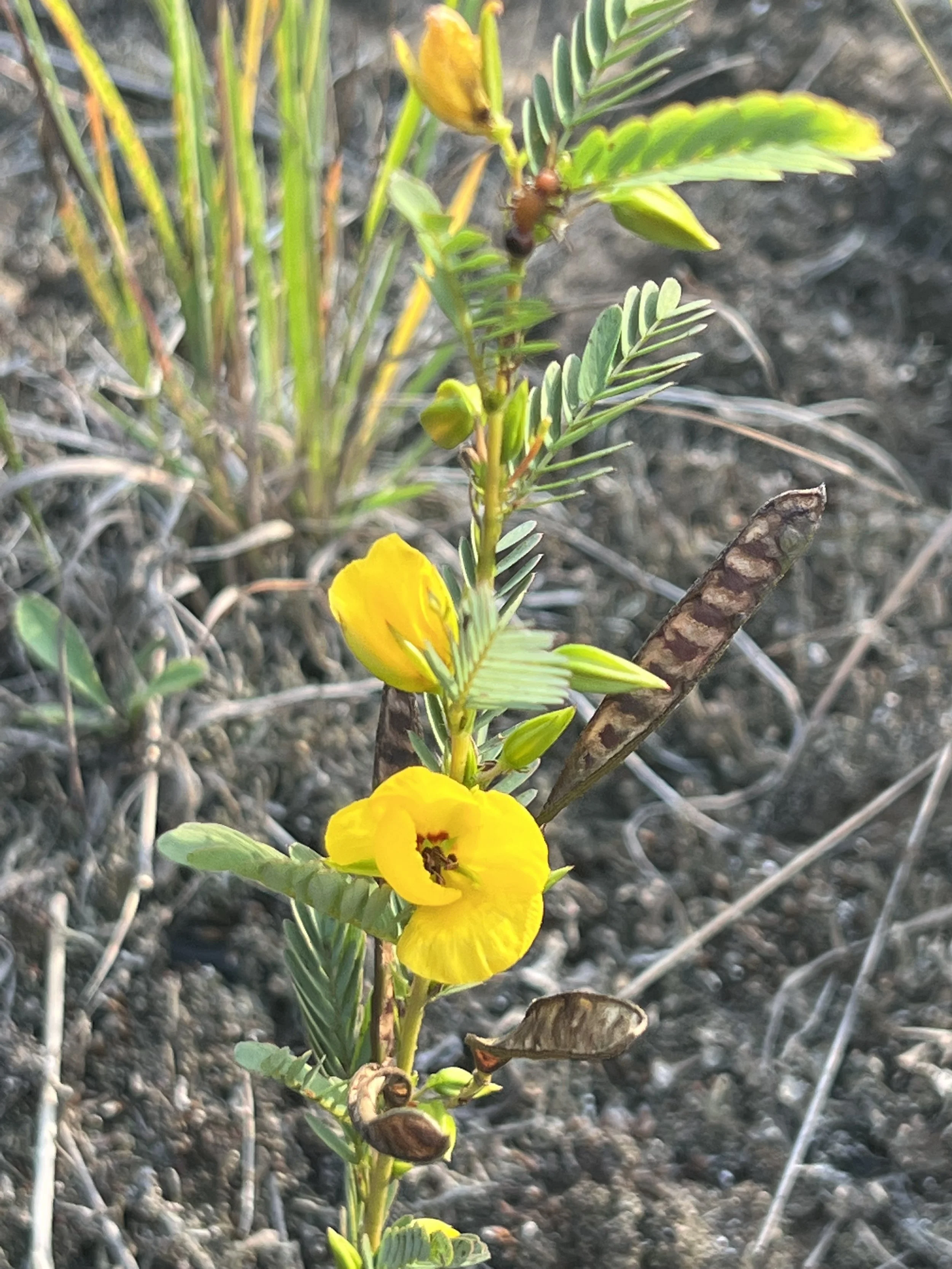
Once the flowers have been pollinated, seed pods form that are hairy, green and about 2.5 inches long. As they age, they lose their hairs and turn brown. The seeds inside are squarish and flat and dark brown.
This plant is an annual and in prairie areas, it is a pioneer plant that gives way as other perennials with deeper roots take over. It will reseed itself. This is a native plant that provides blooms in the first year of planting where others are setting their roots.
I planted this in the strip by the road which initially had more sunshine. A street tree has been getting bigger and shaded the area out so that it’s part-sun and the partridge pea has done just fine there.
The seeds I have came from Michigan, but it’s impossible to know if they are from native plants or plants grown as part of a restoration effort. I have to assume the latter.
Partridge Pea (Chamaecrista fasciculata)
Michigan Flora reference page for statewide distribution: Partridge Pea
Height: 12-24”
Bloom Time: July-Sept
Soil: poor soil (reduces competition), any type
Sun: full sun to part-sun
Plant spacing:
Flower: yellow
Life cycle: Annual but will reseed
Family: Fabaceae
Seed source: Michigan
Sizes:
Get notified by email when this product is in stock.
Partridge Pea is reminiscent of a tiny Wild Senna plant with its compound leaves and yellow flowers. The flowers grow out of the leaf axils and are large and showy in relation to the size of the plant. Petals are yellow, usually with red at the bases of them. These flowers are highly attractive to long-tongued bees including bumblebees. It’s a joy to host these plants during their bloom time because of the constant buzzing sounds coming from them.
They are special, too, in that they have extra-floral nectaries that are more accessible to insects without long tongues.
Once the flowers have been pollinated, seed pods form that are hairy, green and about 2.5 inches long. As they age, they lose their hairs and turn brown. The seeds inside are squarish and flat and dark brown.
This plant is an annual and in prairie areas, it is a pioneer plant that gives way as other perennials with deeper roots take over. It will reseed itself. This is a native plant that provides blooms in the first year of planting where others are setting their roots.
I planted this in the strip by the road which initially had more sunshine. A street tree has been getting bigger and shaded the area out so that it’s part-sun and the partridge pea has done just fine there.
The seeds I have came from Michigan, but it’s impossible to know if they are from native plants or plants grown as part of a restoration effort. I have to assume the latter.
Partridge Pea (Chamaecrista fasciculata)
Michigan Flora reference page for statewide distribution: Partridge Pea
Height: 12-24”
Bloom Time: July-Sept
Soil: poor soil (reduces competition), any type
Sun: full sun to part-sun
Plant spacing:
Flower: yellow
Life cycle: Annual but will reseed
Family: Fabaceae
Seed source: Michigan