Image 1 of 5
Image 2 of 5
Image 3 of 5
Image 4 of 5
Image 5 of 5
Pretty Sedge (Carex woodii)
from $3.50
Sold Out
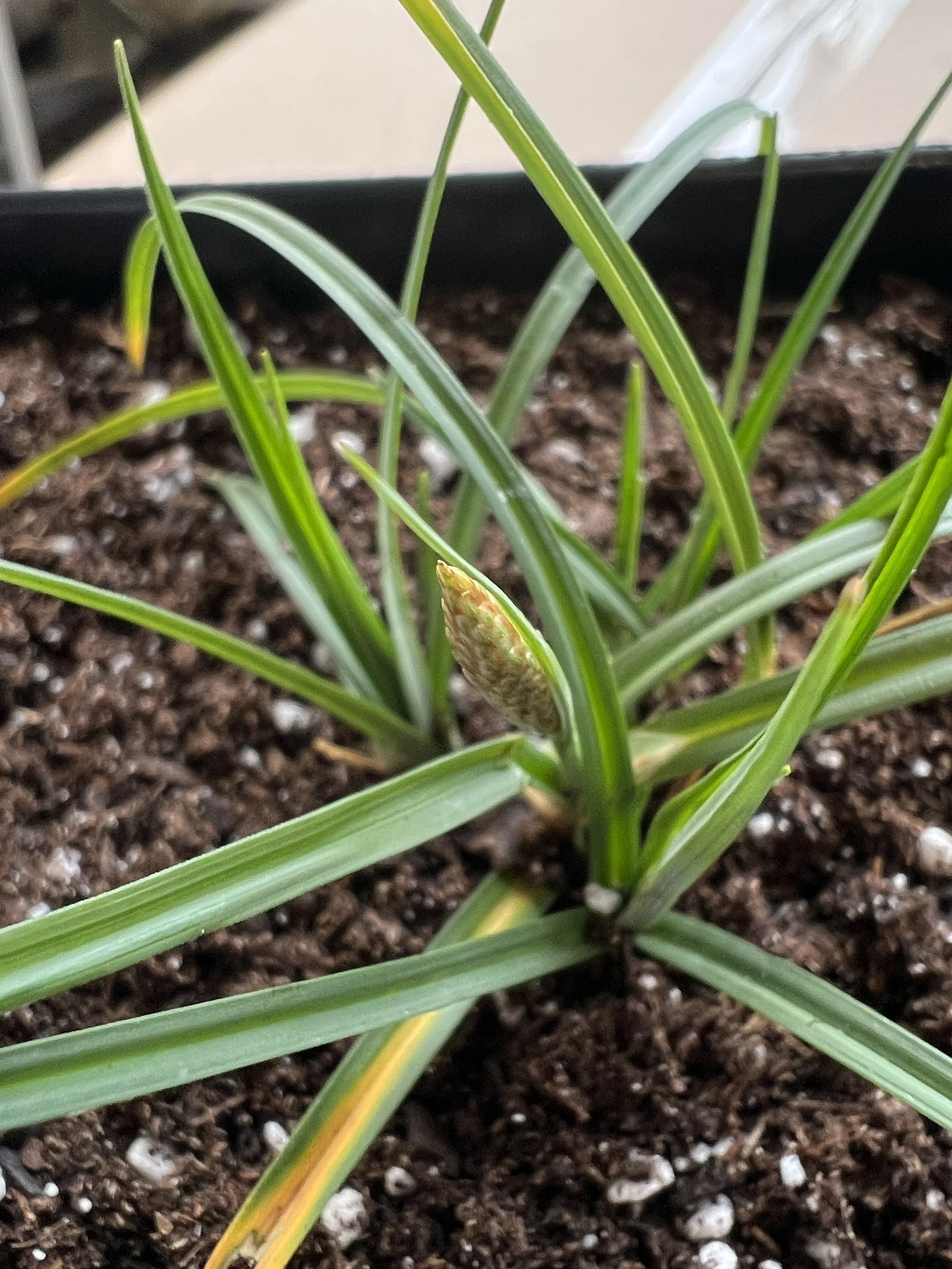
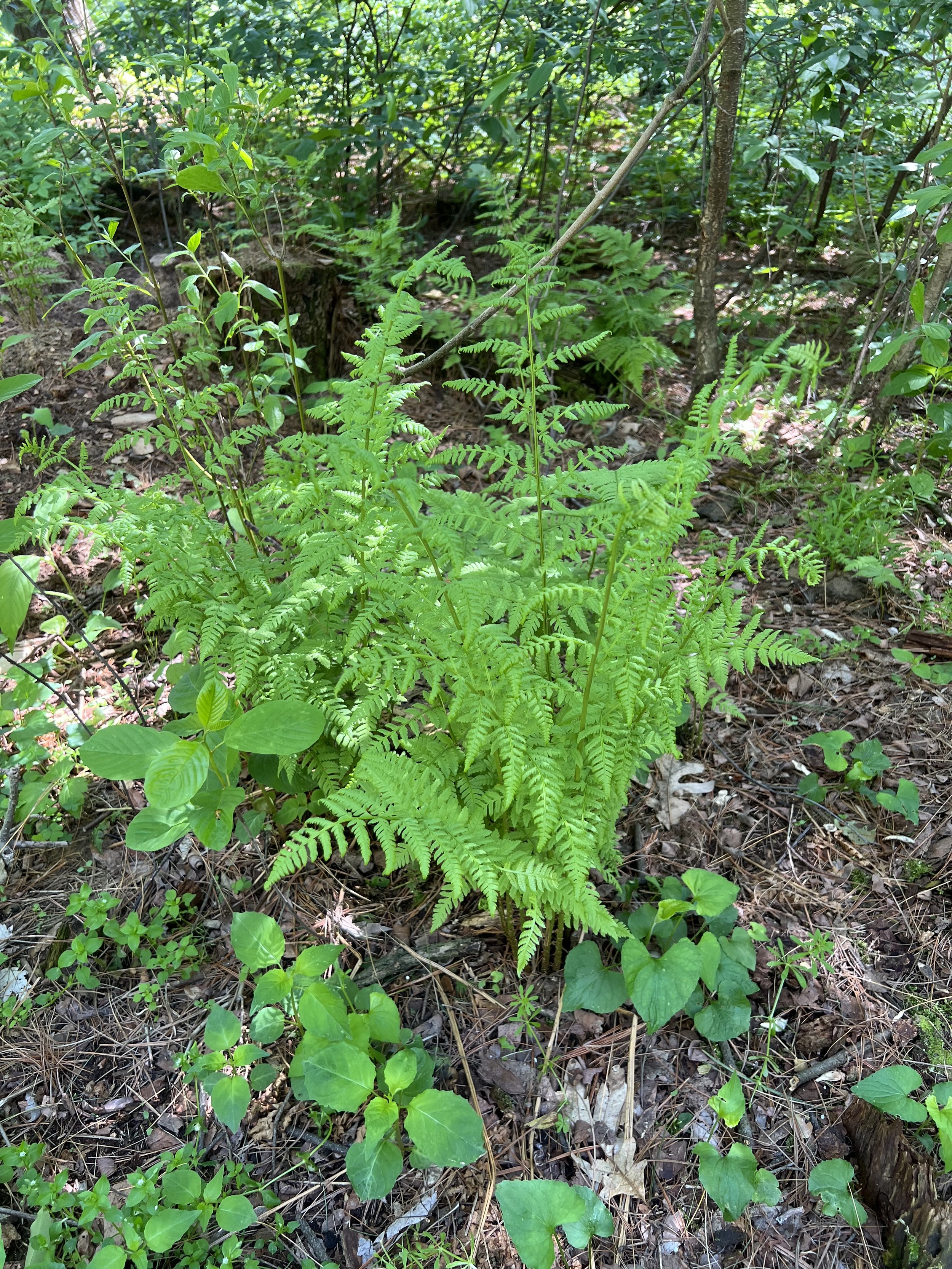
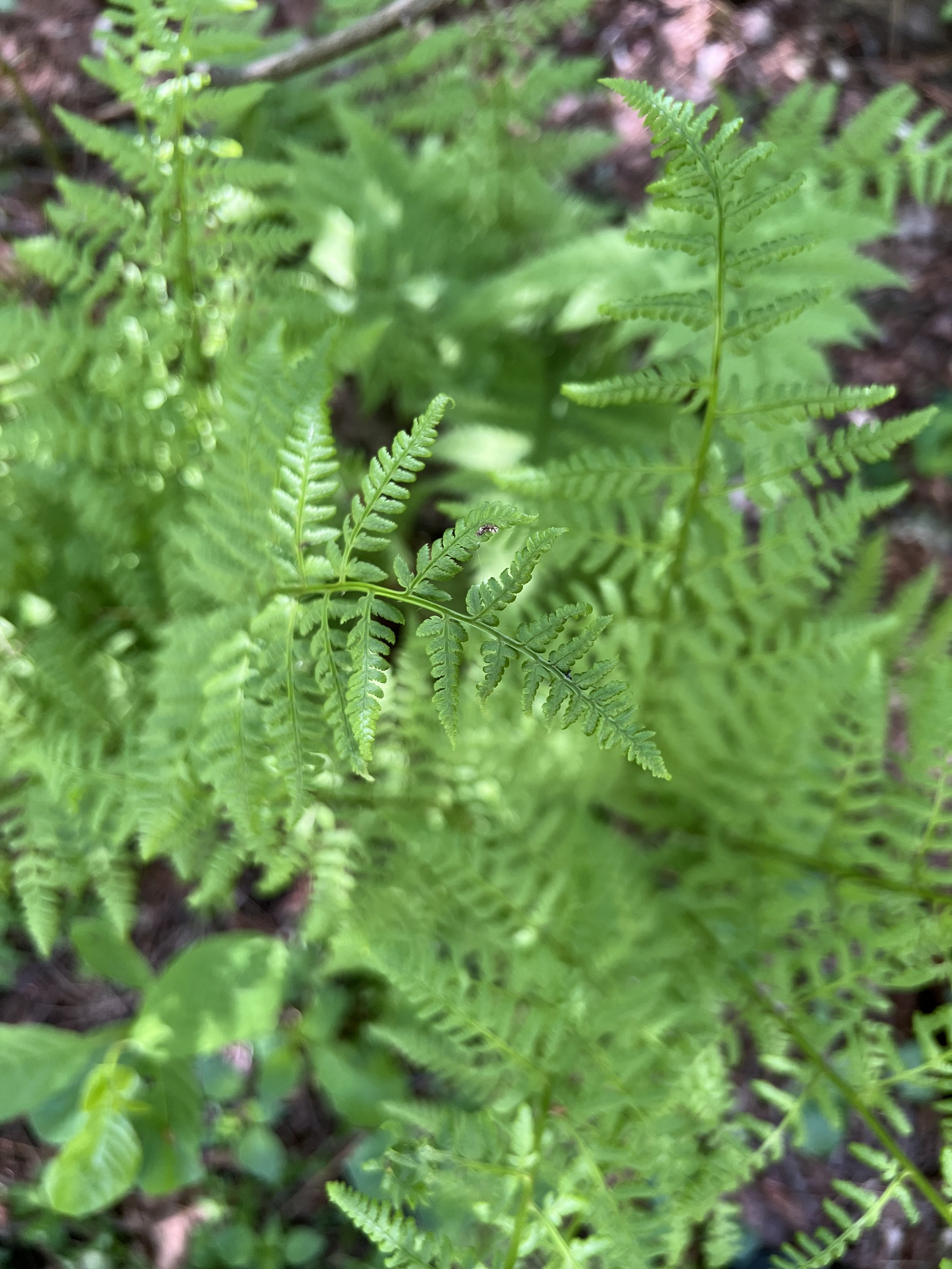
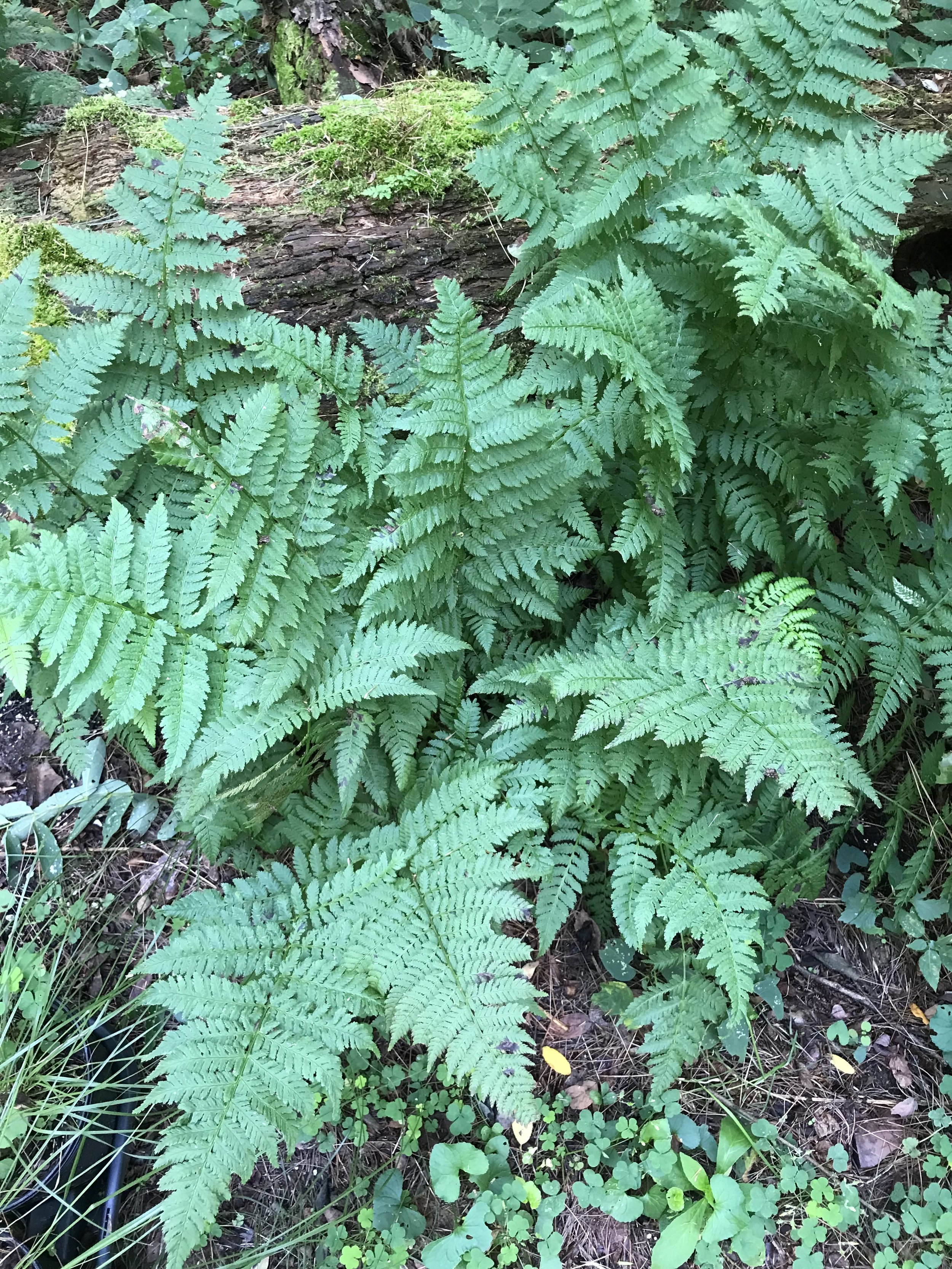
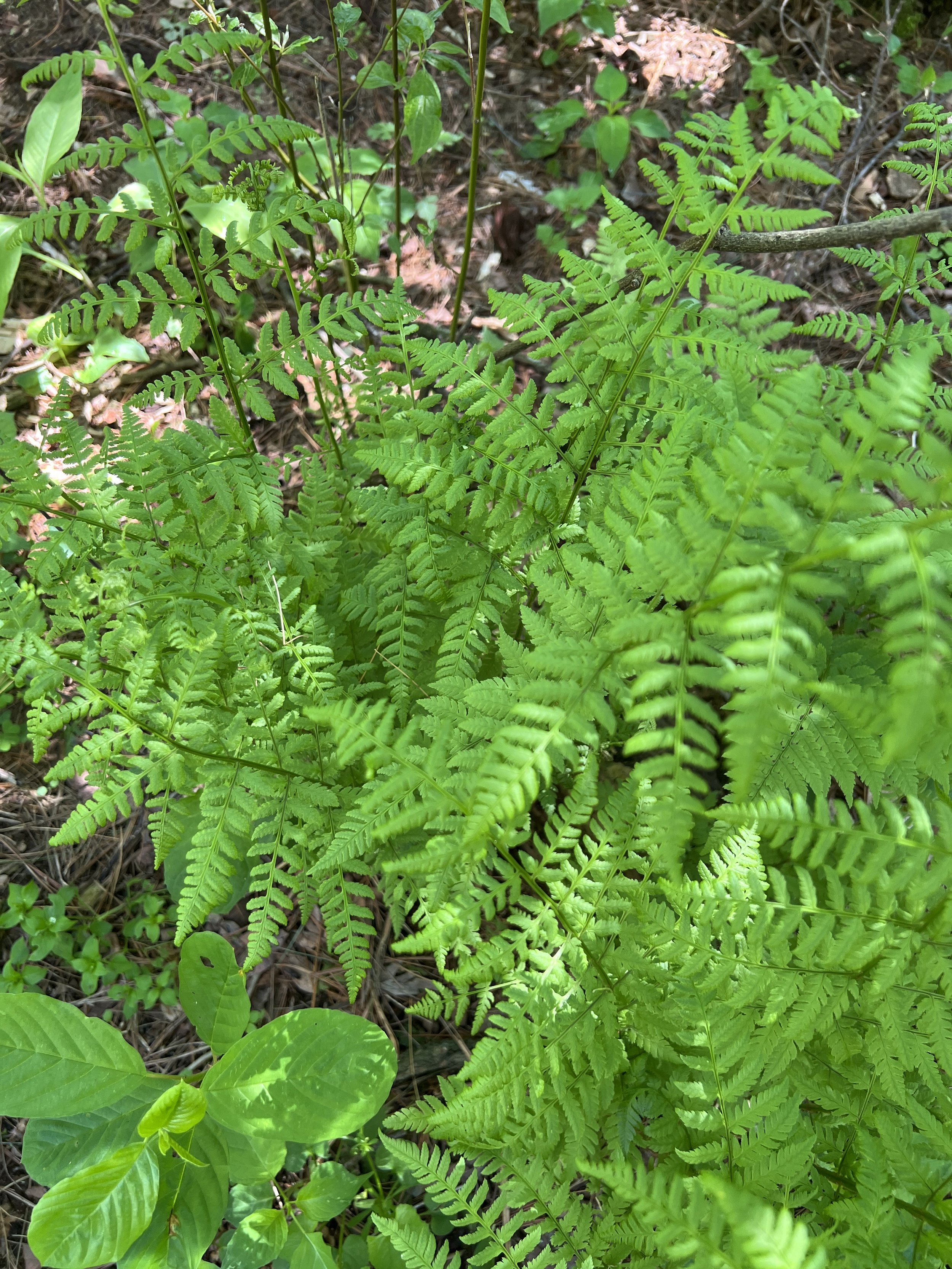
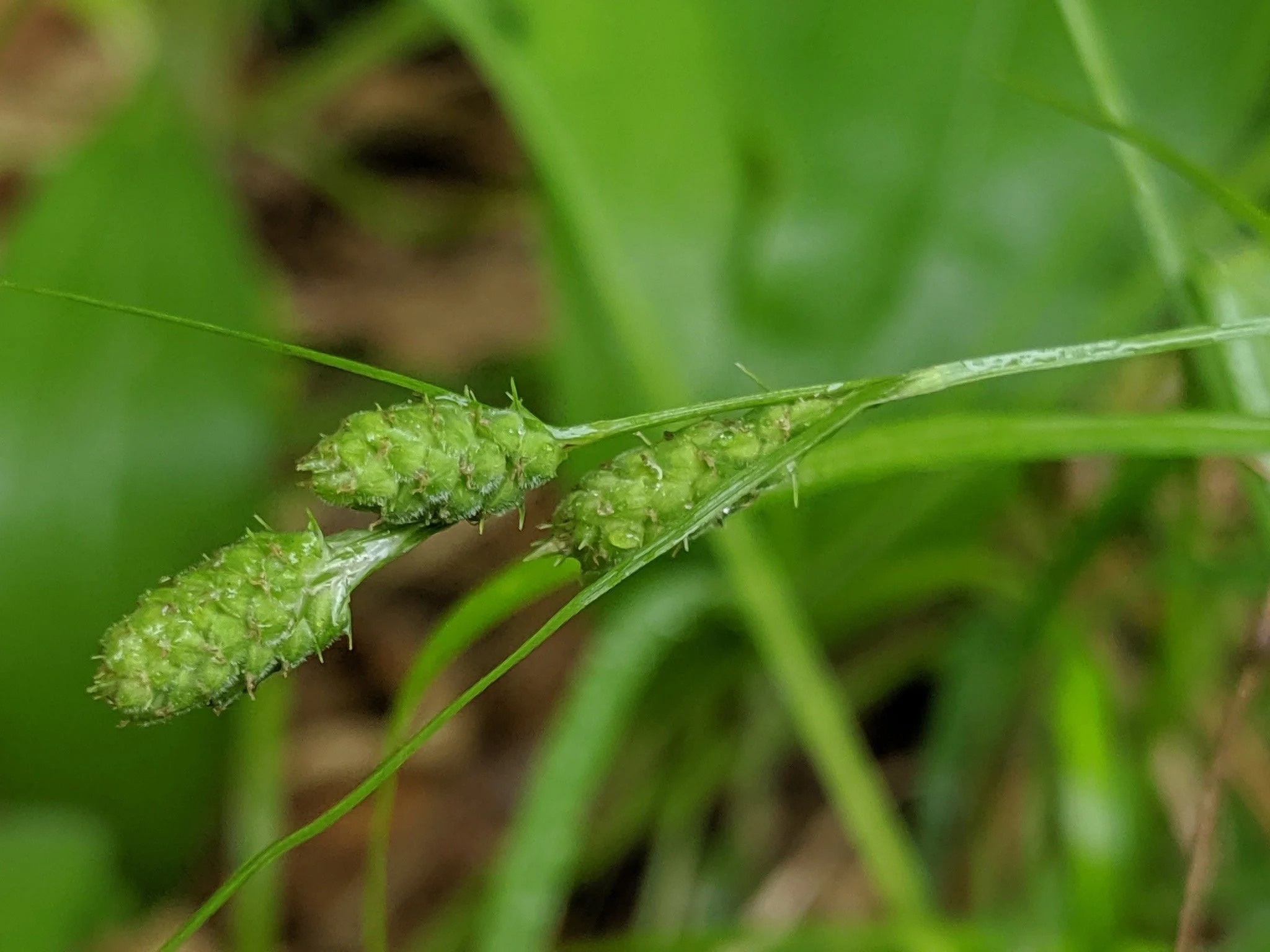
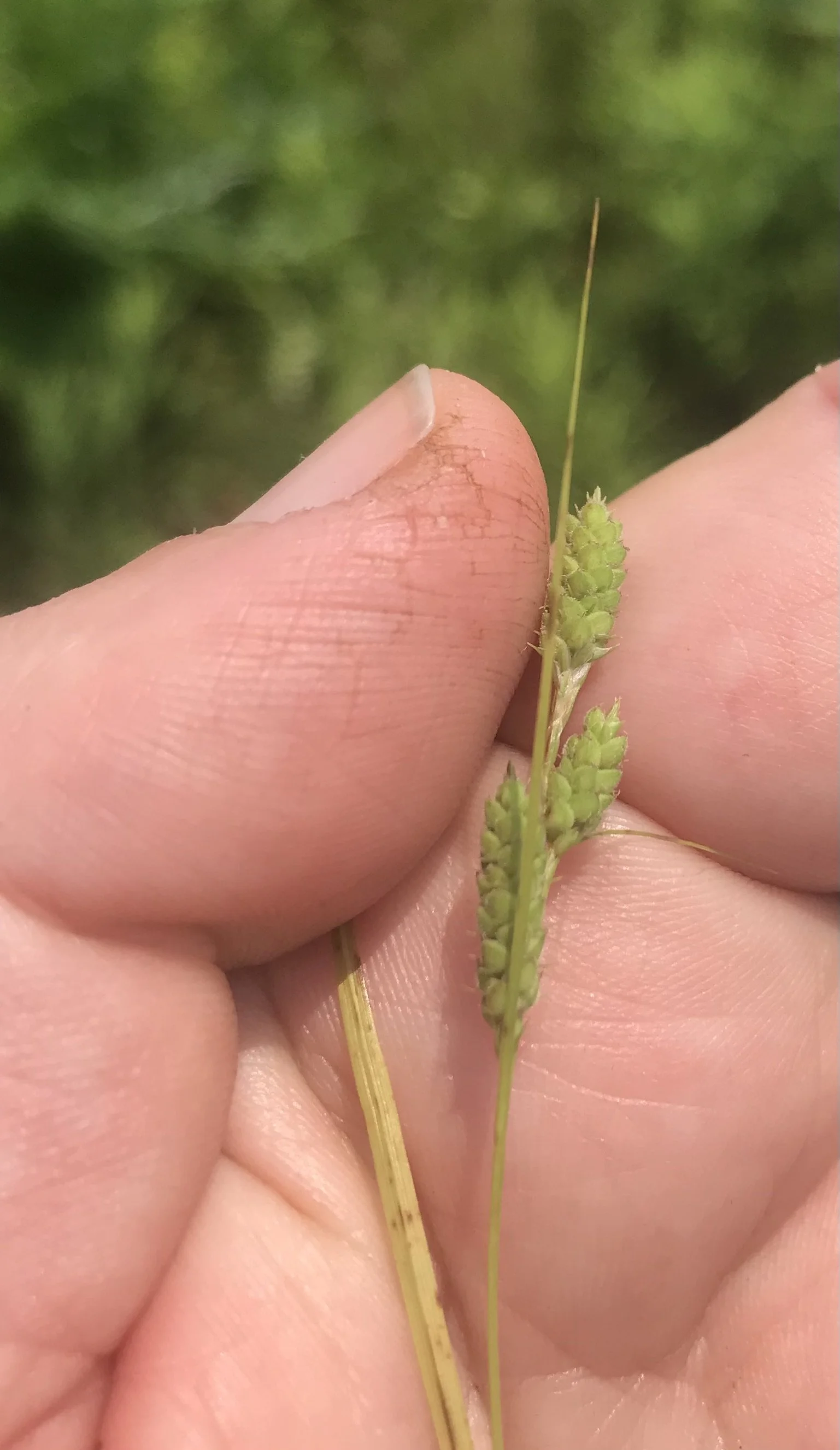
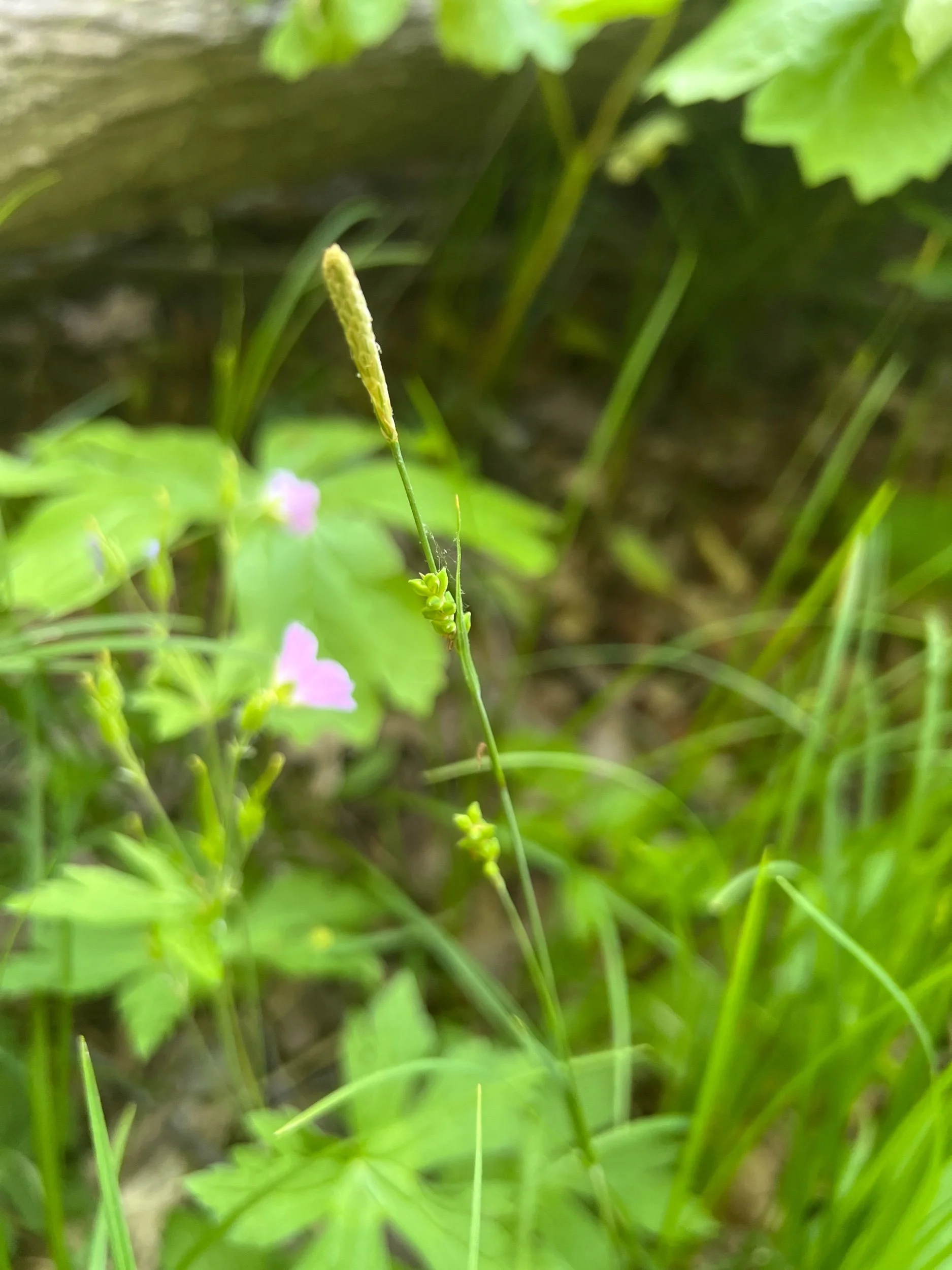
Carex woodii, also known as pretty sedge/Wood’s sedge has become somewhat famous in the last few years. Mt Cuba Center, a botanic garden that focuses on the conservation of native plants, did a four year study on a wide variety of sedges to see which performed the best. Sedges were planted in average garden soil and watered only in the first year. In the fourth year, they were also mowed to see how they might do as a substitute for lawn. Carex woodii was the top sedge performer in both shade and sun, out of the 70 sedges tested.
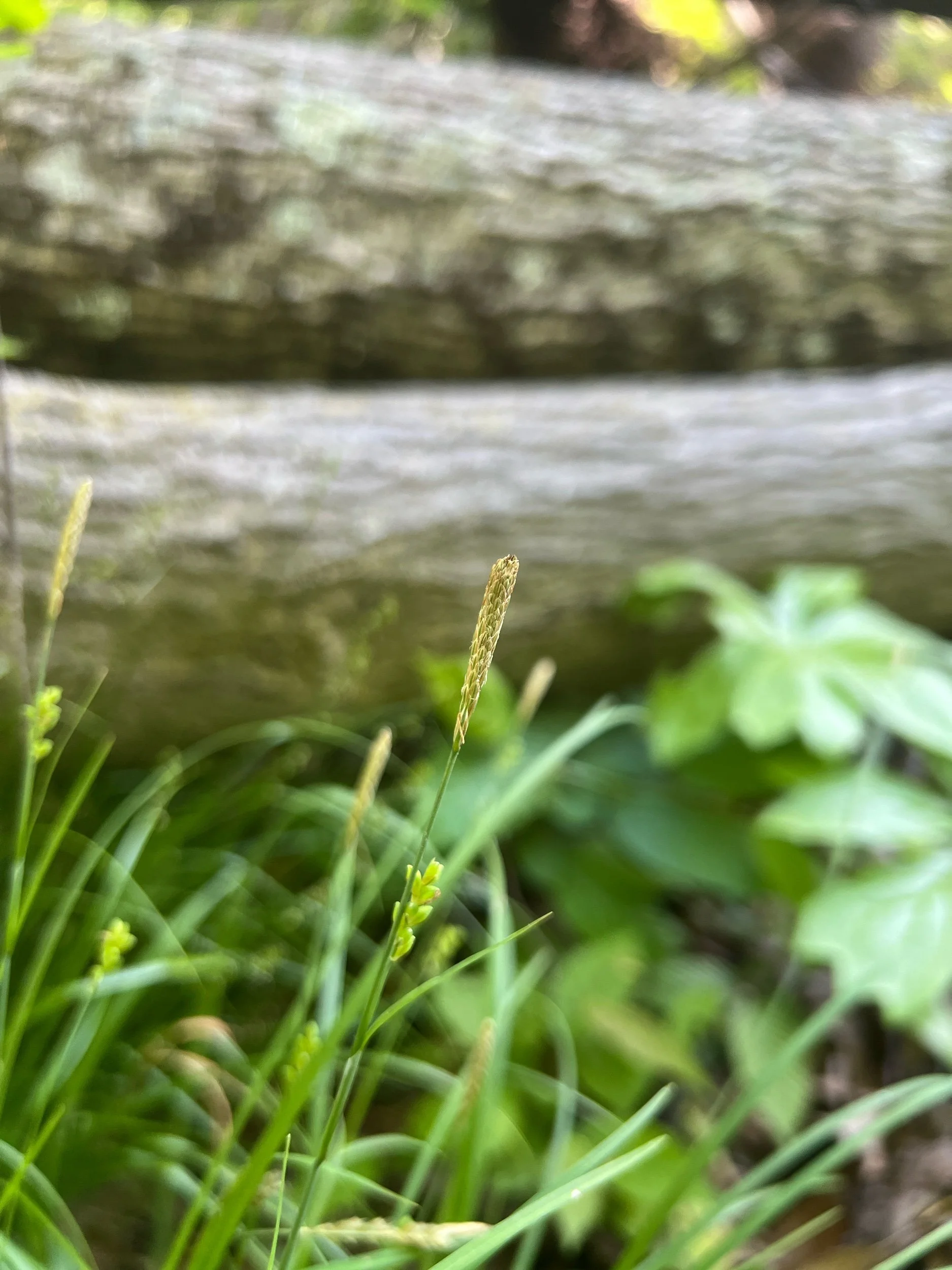
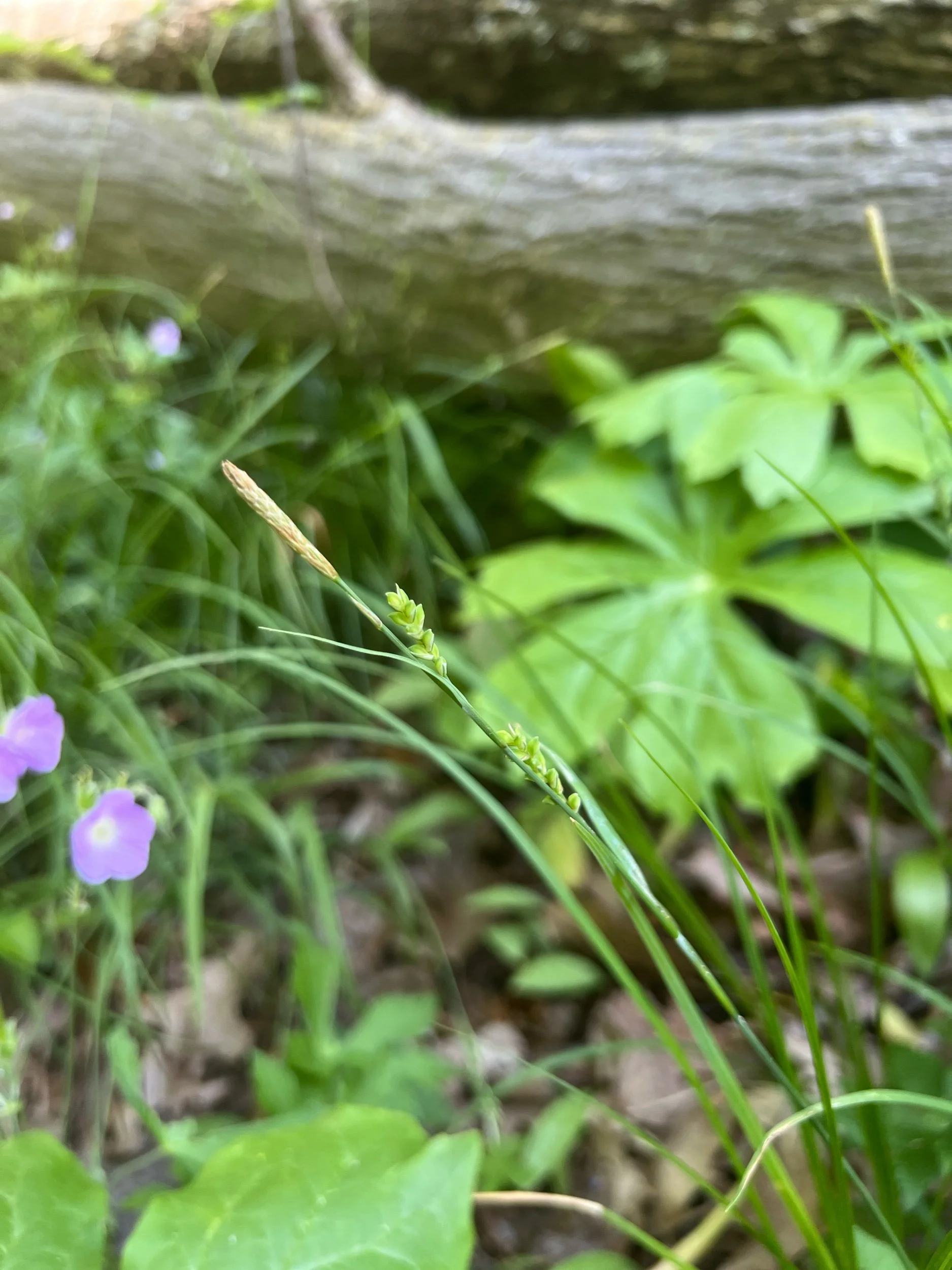
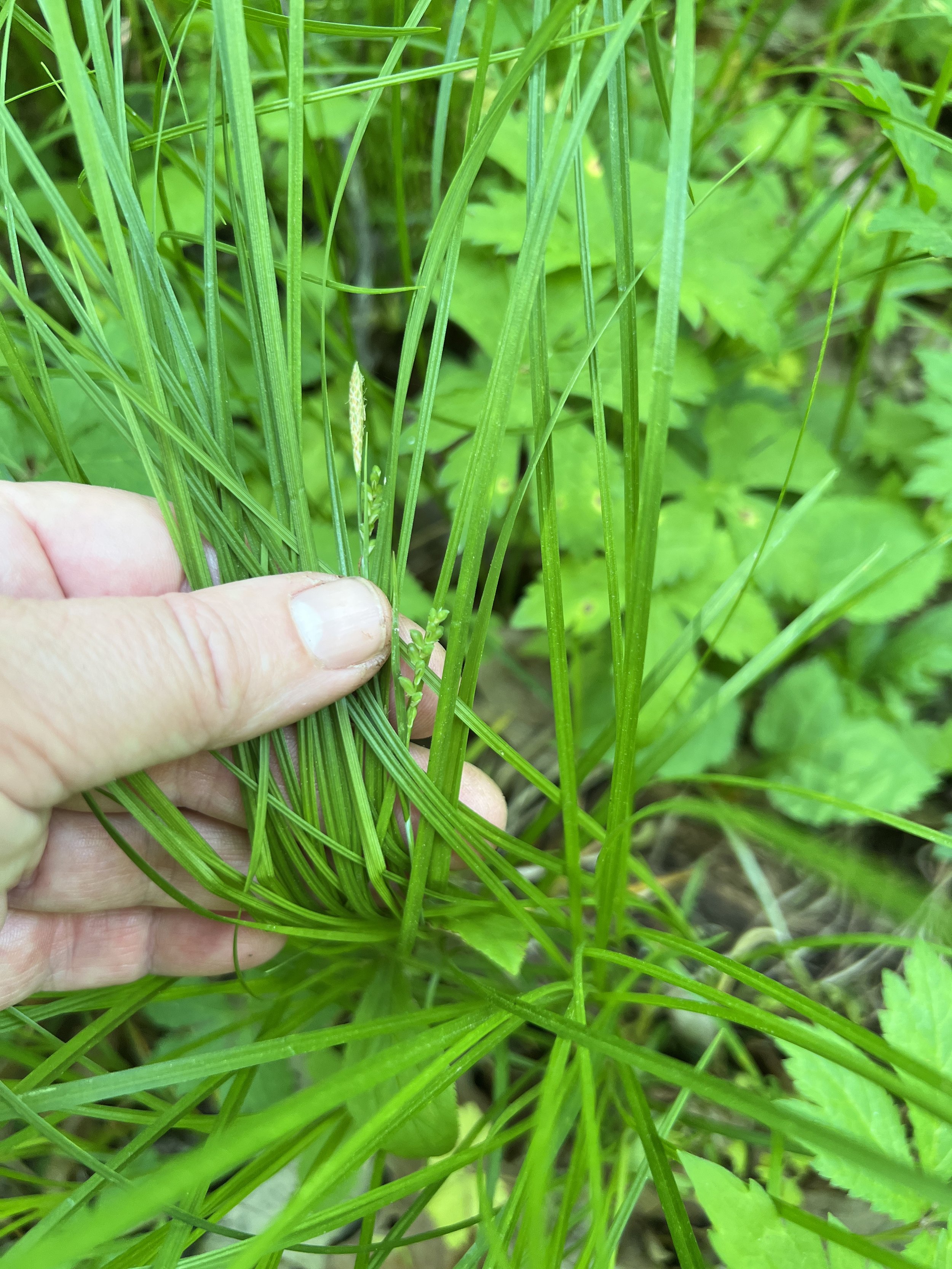
Pretty sedge grows in rich woods and spreads by rhizome eventually forming large patches. It is called pretty sedge because of the large yellow inflorescence (flowers) in peak form in April or May. It has fine textured leaves and deep red basal sheaths and does a great job, over time, of covering the ground. You may be familiar with Penn Sedge: pretty sedge covers the ground much better. This sedge performed very well when it was mowed in both the sun and the shade.
Sedges are an important component of any ecosystem, found in a wide range of places providing cover for insects and animals, acting as host plants for moths and skippers, and providing seeds for small animals to eat. Because of this, we highly recommend adding some sedges (and grasses) to your plantings.
Pretty Sedge (Carex woodii)
Michigan Flora reference page for state distribution: Pretty Sedge
Height: 12-18”
Bloom time: April-May
Soil: clay, loam, sand
Sun: sun-shade
Plant spacing: 6-12”
Life cycle: perennial
Michigan native: yes
Seed source: Michigan
Sizes:
Get notified by email when this product is in stock.
Carex woodii, also known as pretty sedge/Wood’s sedge has become somewhat famous in the last few years. Mt Cuba Center, a botanic garden that focuses on the conservation of native plants, did a four year study on a wide variety of sedges to see which performed the best. Sedges were planted in average garden soil and watered only in the first year. In the fourth year, they were also mowed to see how they might do as a substitute for lawn. Carex woodii was the top sedge performer in both shade and sun, out of the 70 sedges tested.
Pretty sedge grows in rich woods and spreads by rhizome eventually forming large patches. It is called pretty sedge because of the large yellow inflorescence (flowers) in peak form in April or May. It has fine textured leaves and deep red basal sheaths and does a great job, over time, of covering the ground. You may be familiar with Penn Sedge: pretty sedge covers the ground much better. This sedge performed very well when it was mowed in both the sun and the shade.
Sedges are an important component of any ecosystem, found in a wide range of places providing cover for insects and animals, acting as host plants for moths and skippers, and providing seeds for small animals to eat. Because of this, we highly recommend adding some sedges (and grasses) to your plantings.
Pretty Sedge (Carex woodii)
Michigan Flora reference page for state distribution: Pretty Sedge
Height: 12-18”
Bloom time: April-May
Soil: clay, loam, sand
Sun: sun-shade
Plant spacing: 6-12”
Life cycle: perennial
Michigan native: yes
Seed source: Michigan