Robin’s Plantain (Erigeron pulchellus)

from $3.50
Sold Out

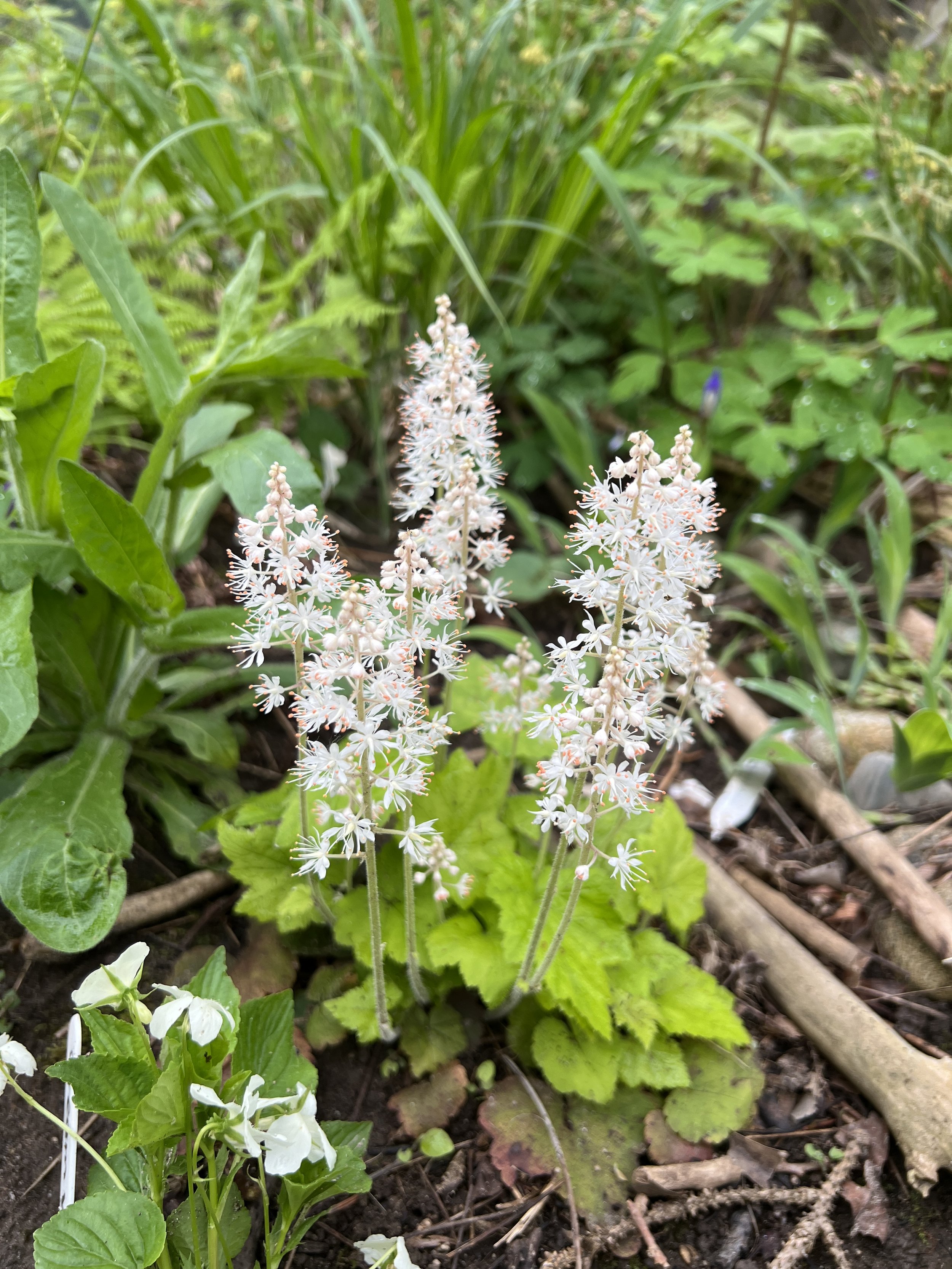
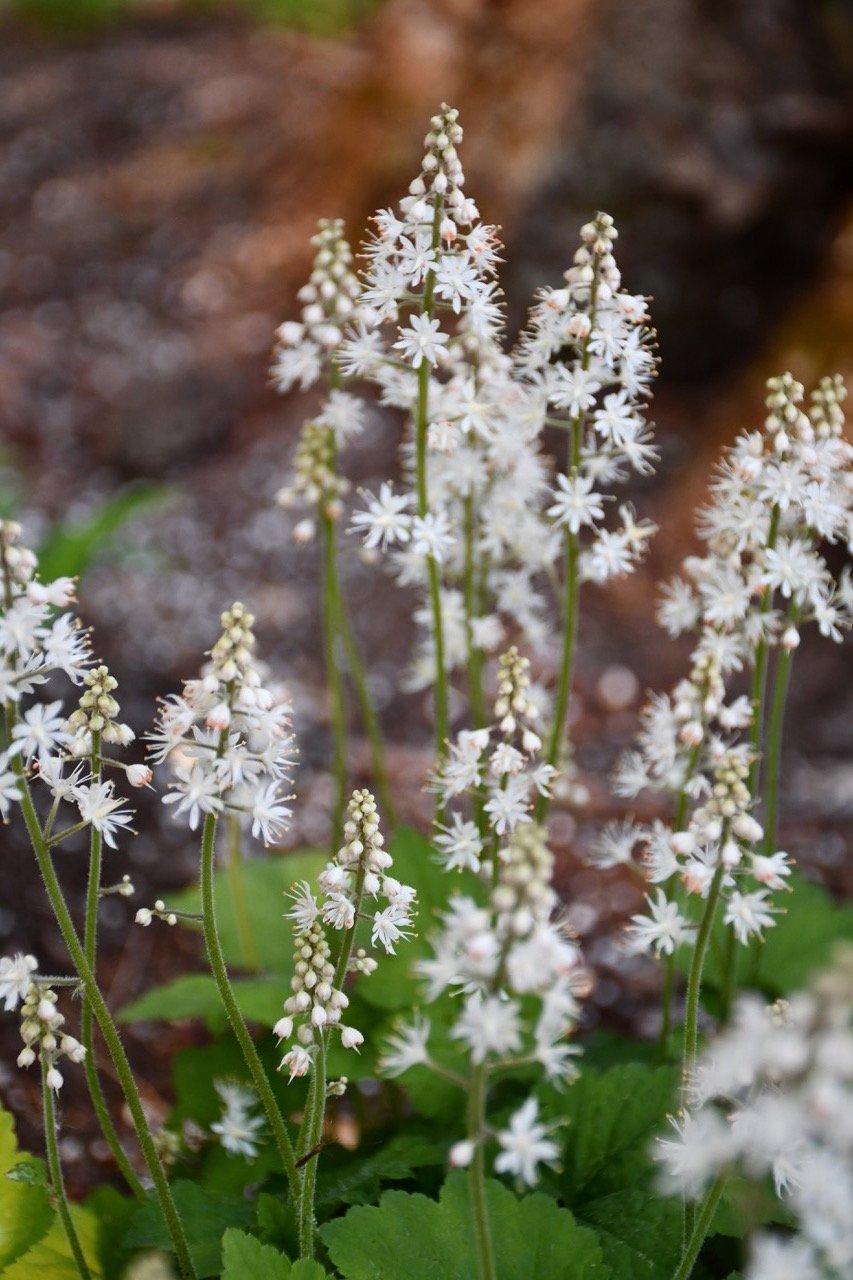
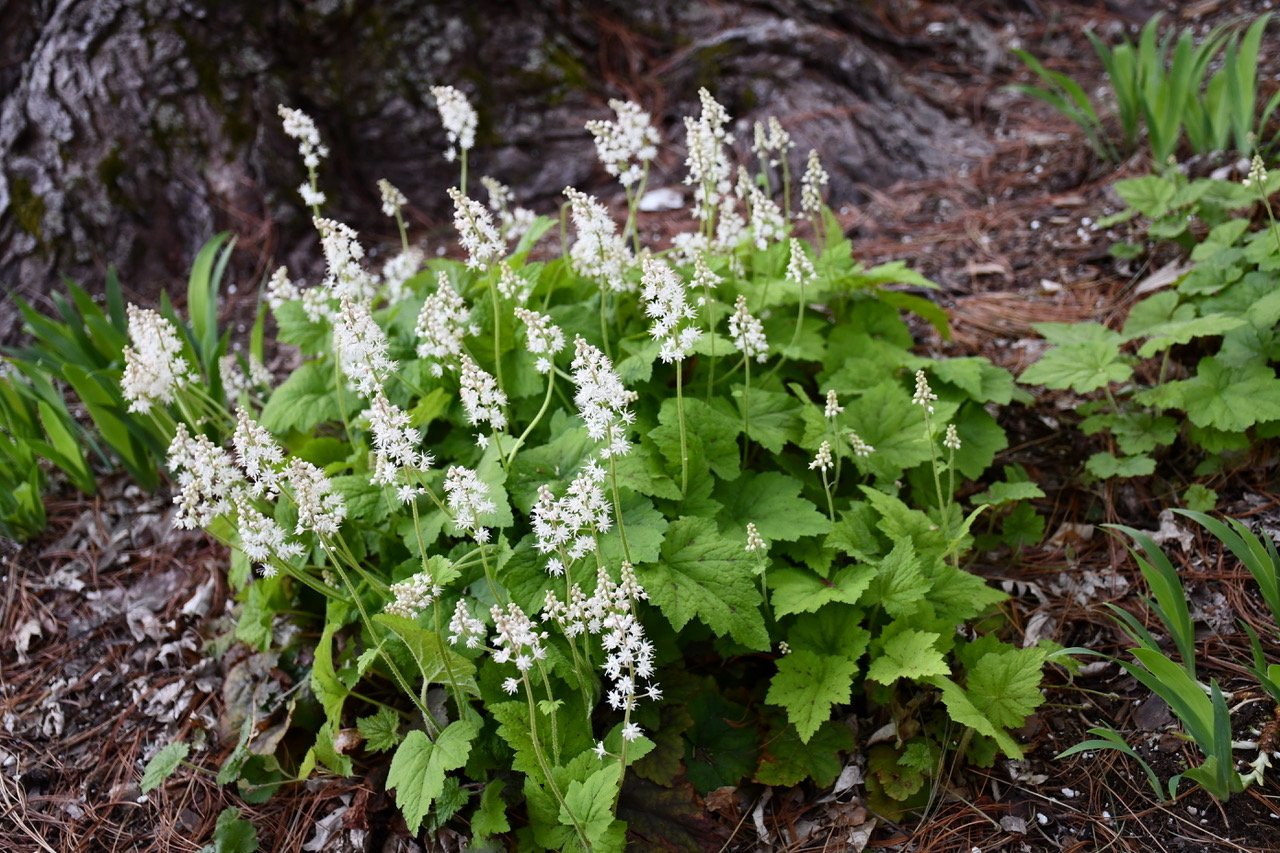
Robin’s plantain grows in wet meadows and openings in deciduous forests per Michigan Flora. I have seen it in both places though specifically on hillside prairies which is a fun community of dry woodland plants. Alum root, downy woodmint, wood betony, round-lobed hepatica, american columbo, harebell and more, are part of the understory or open hillside prairie. To read more about this unique habitat, click here.

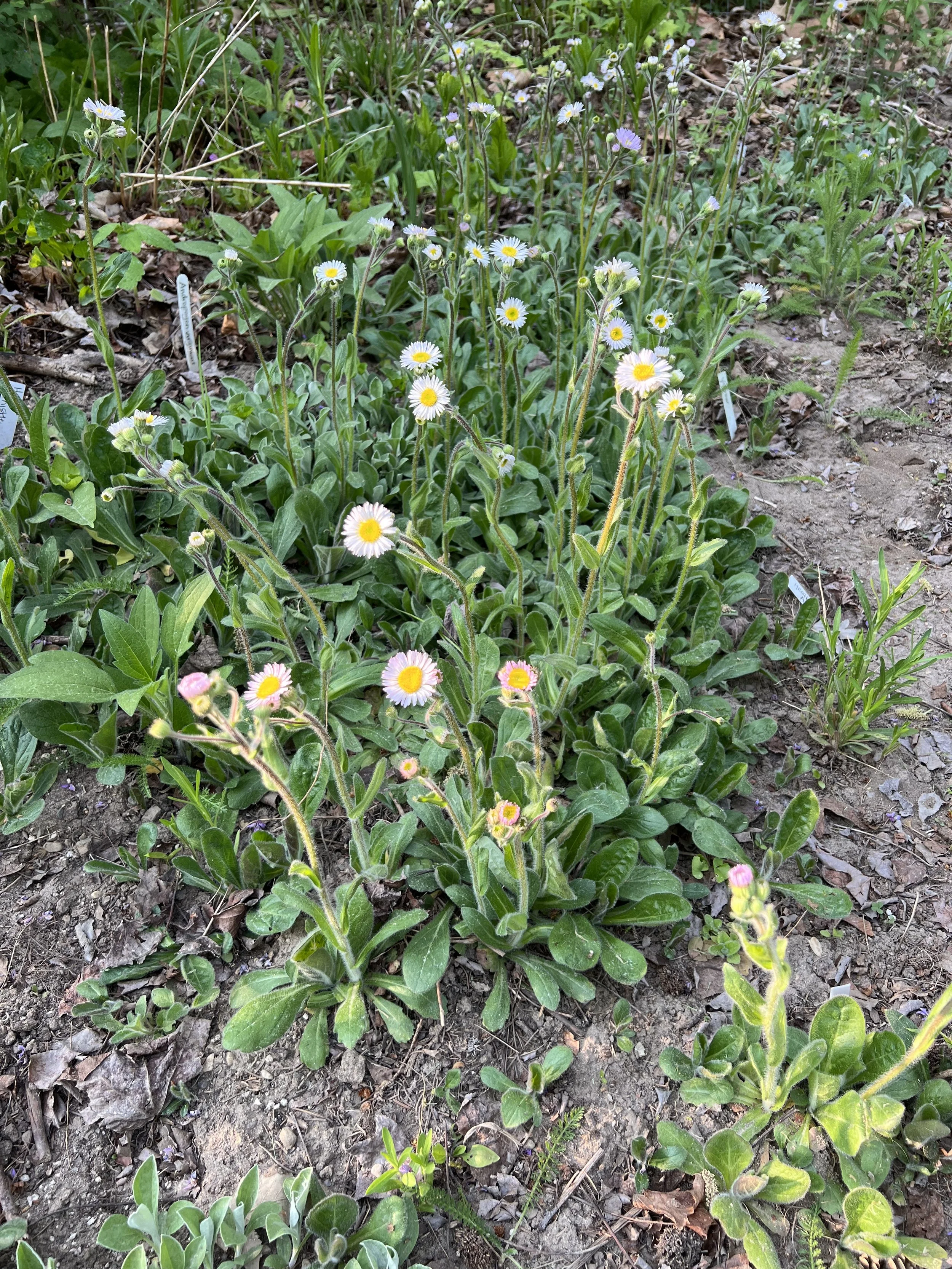
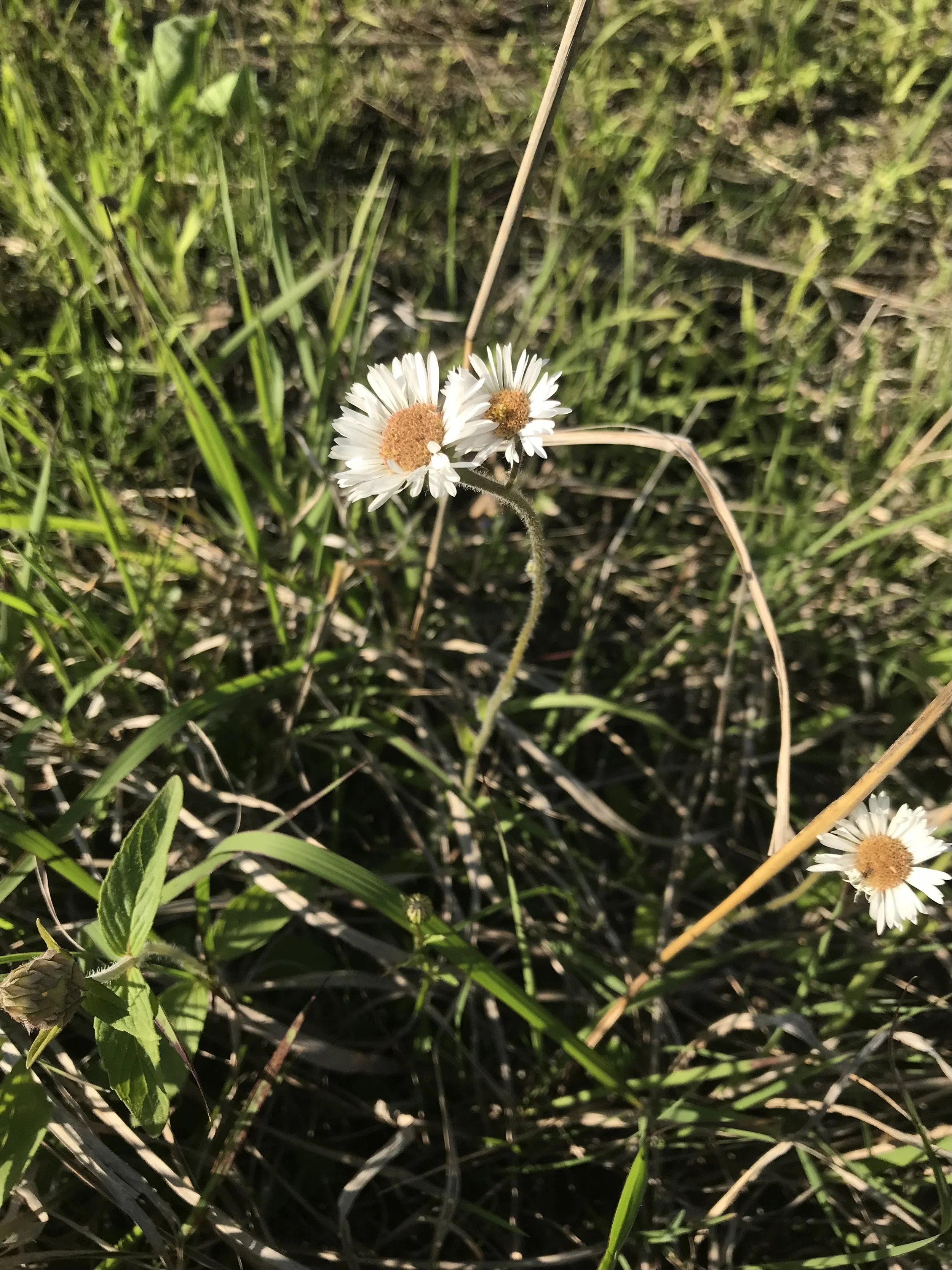
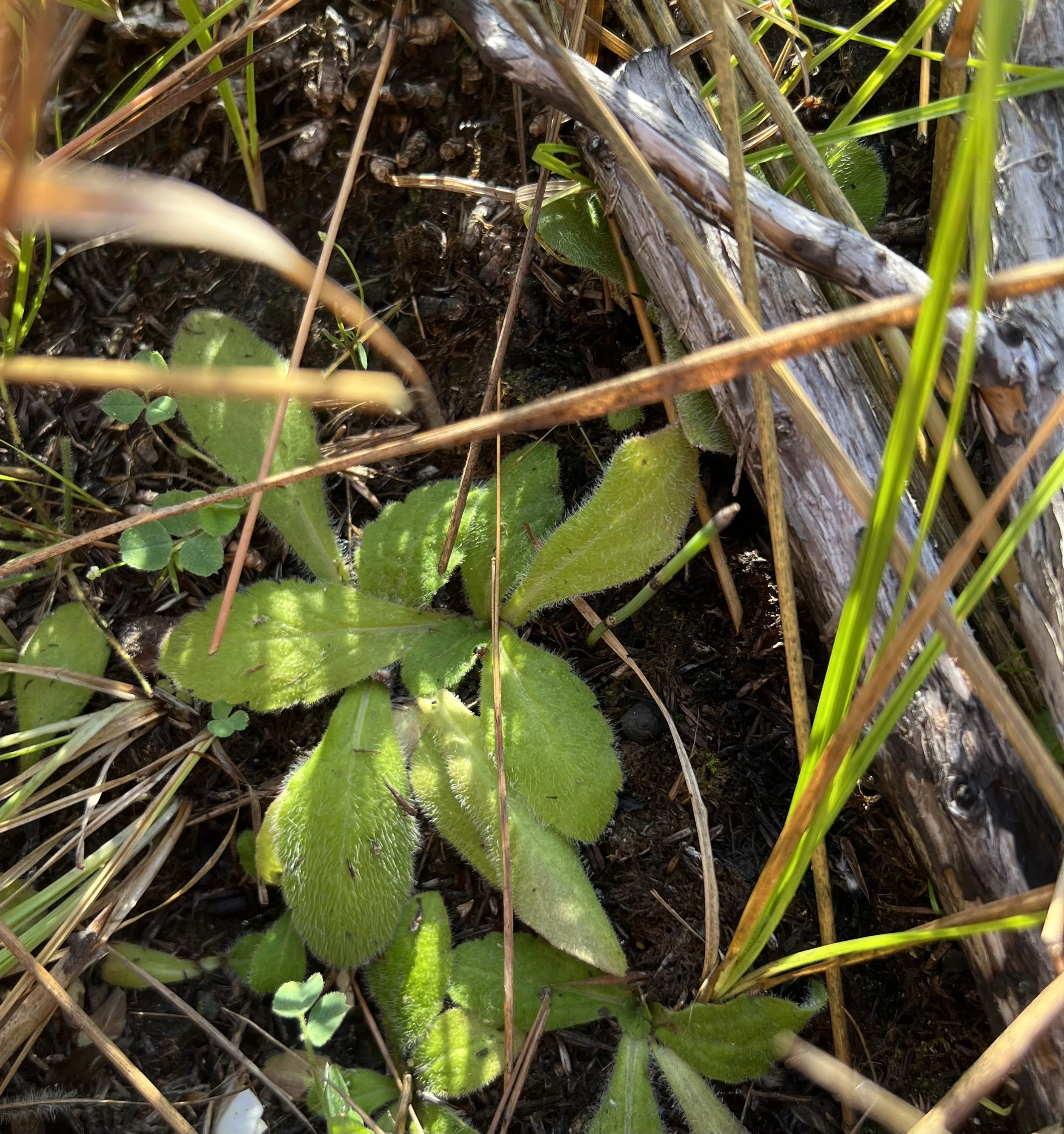
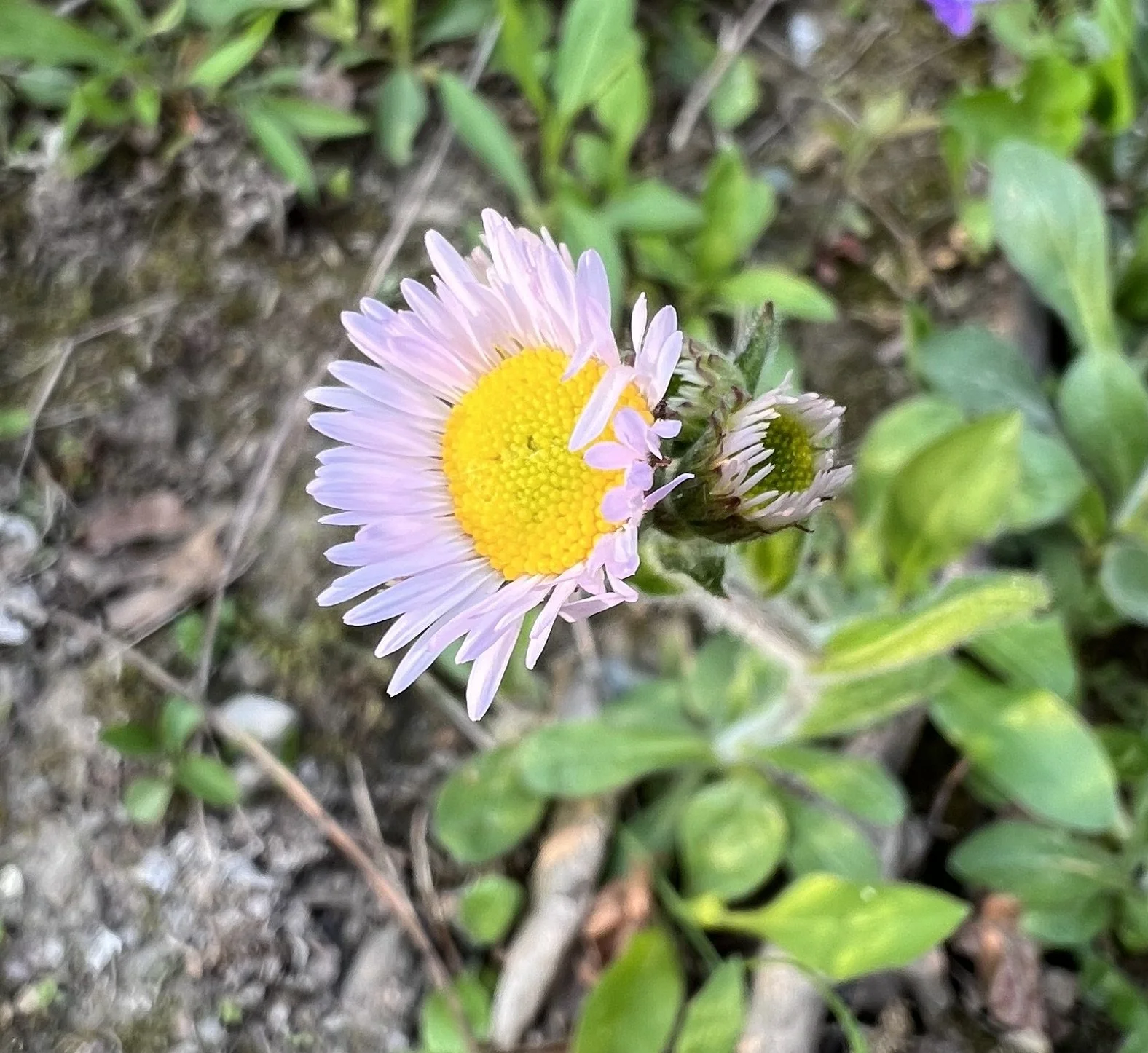
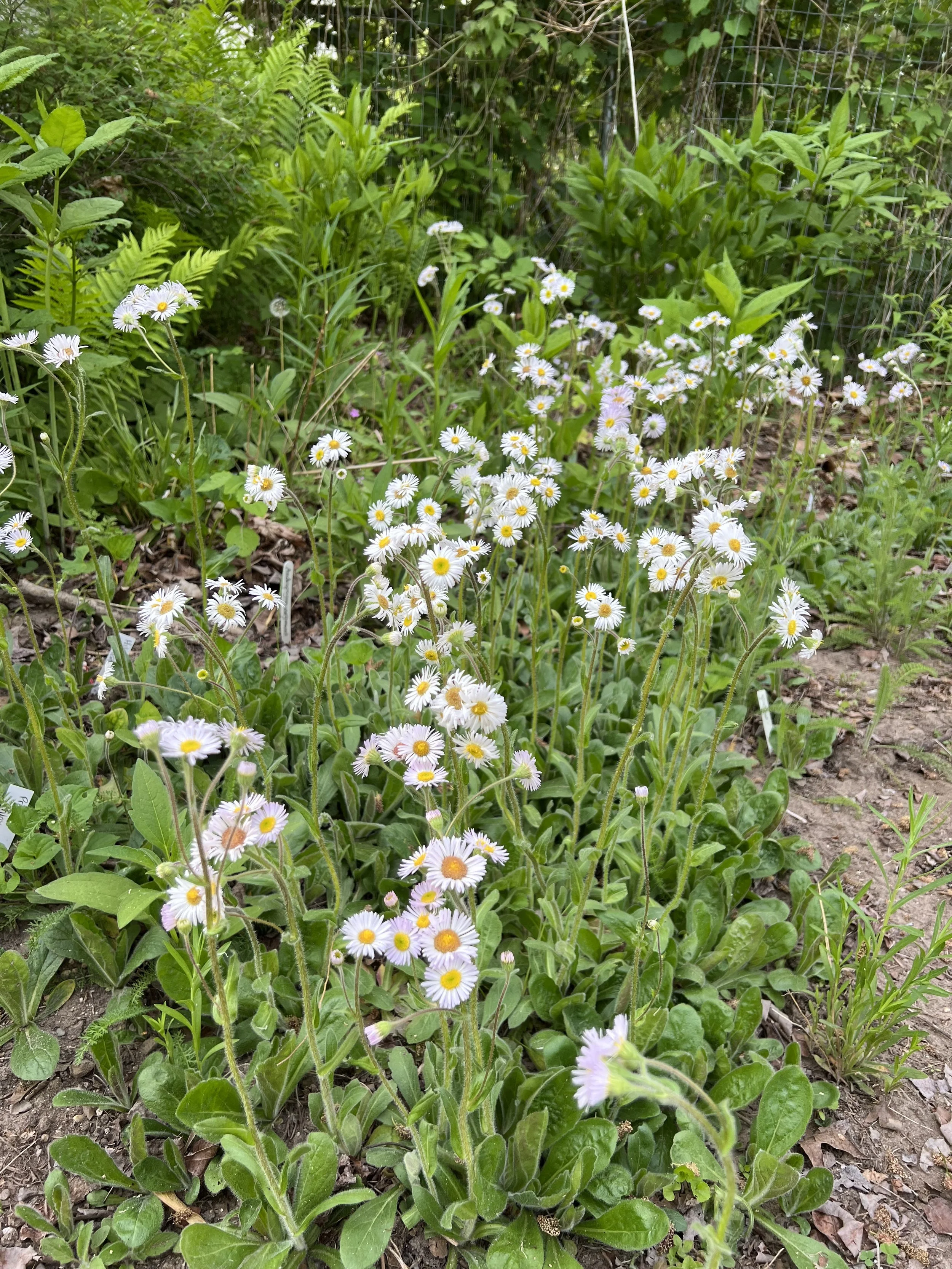
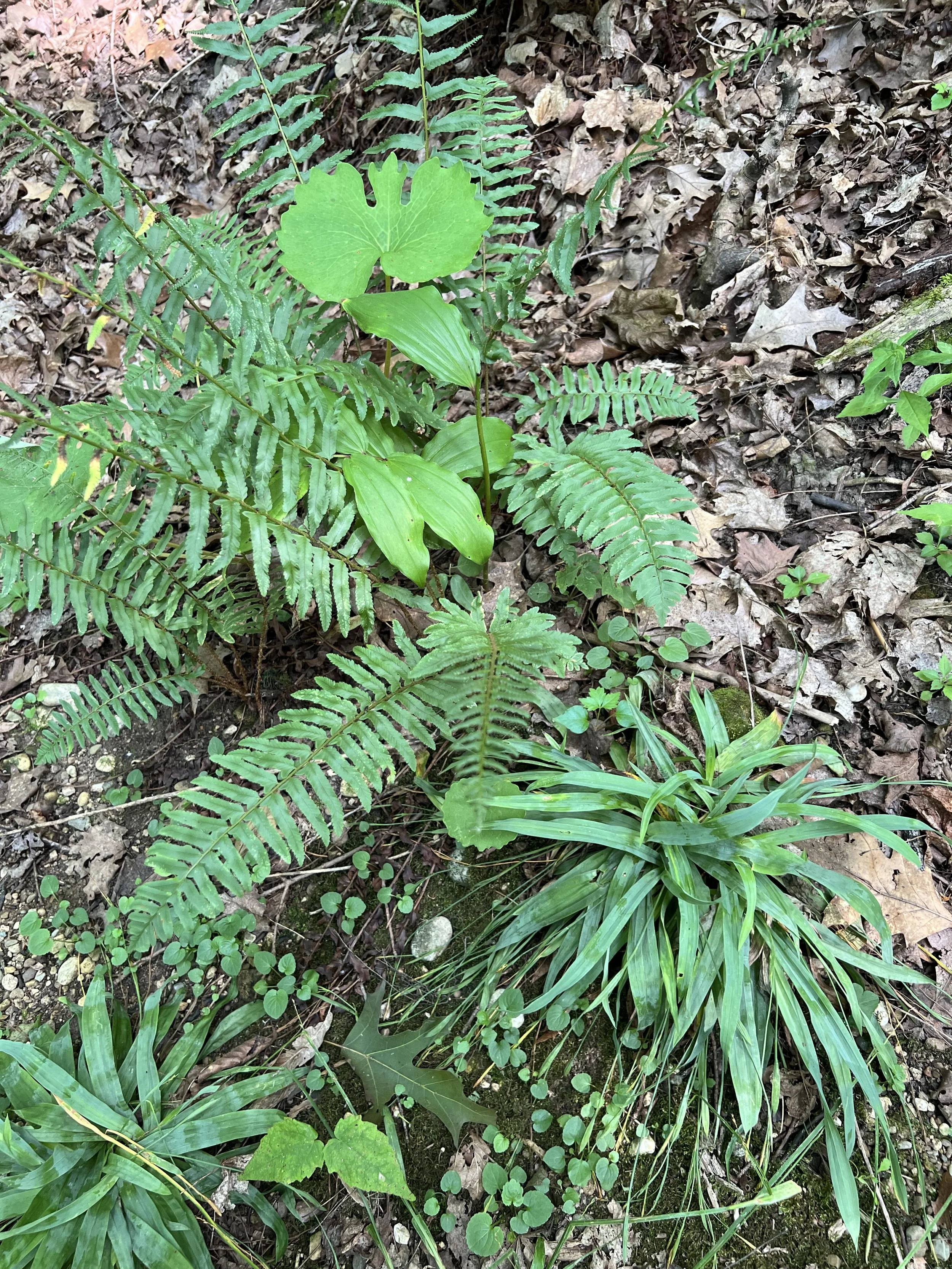
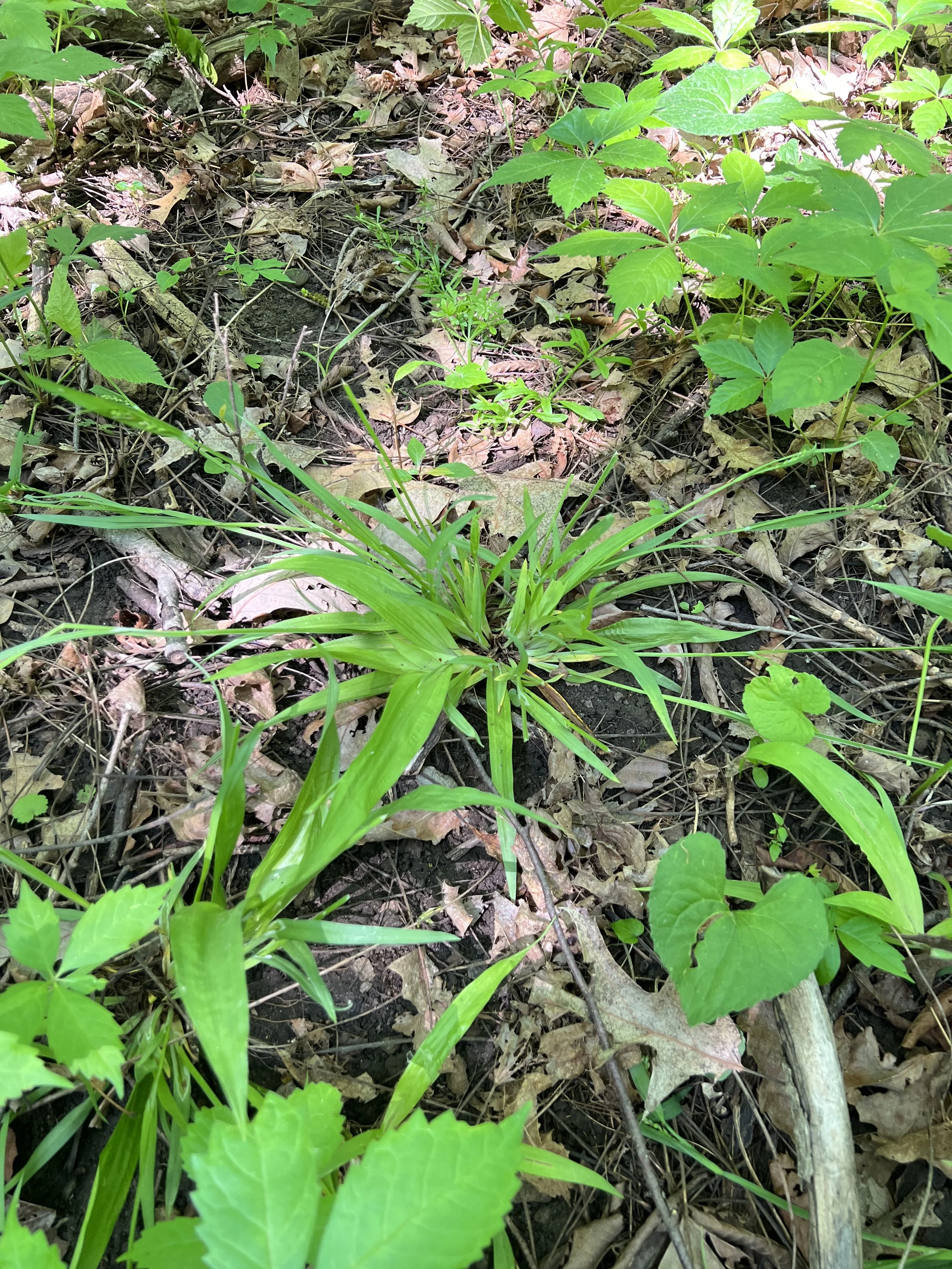
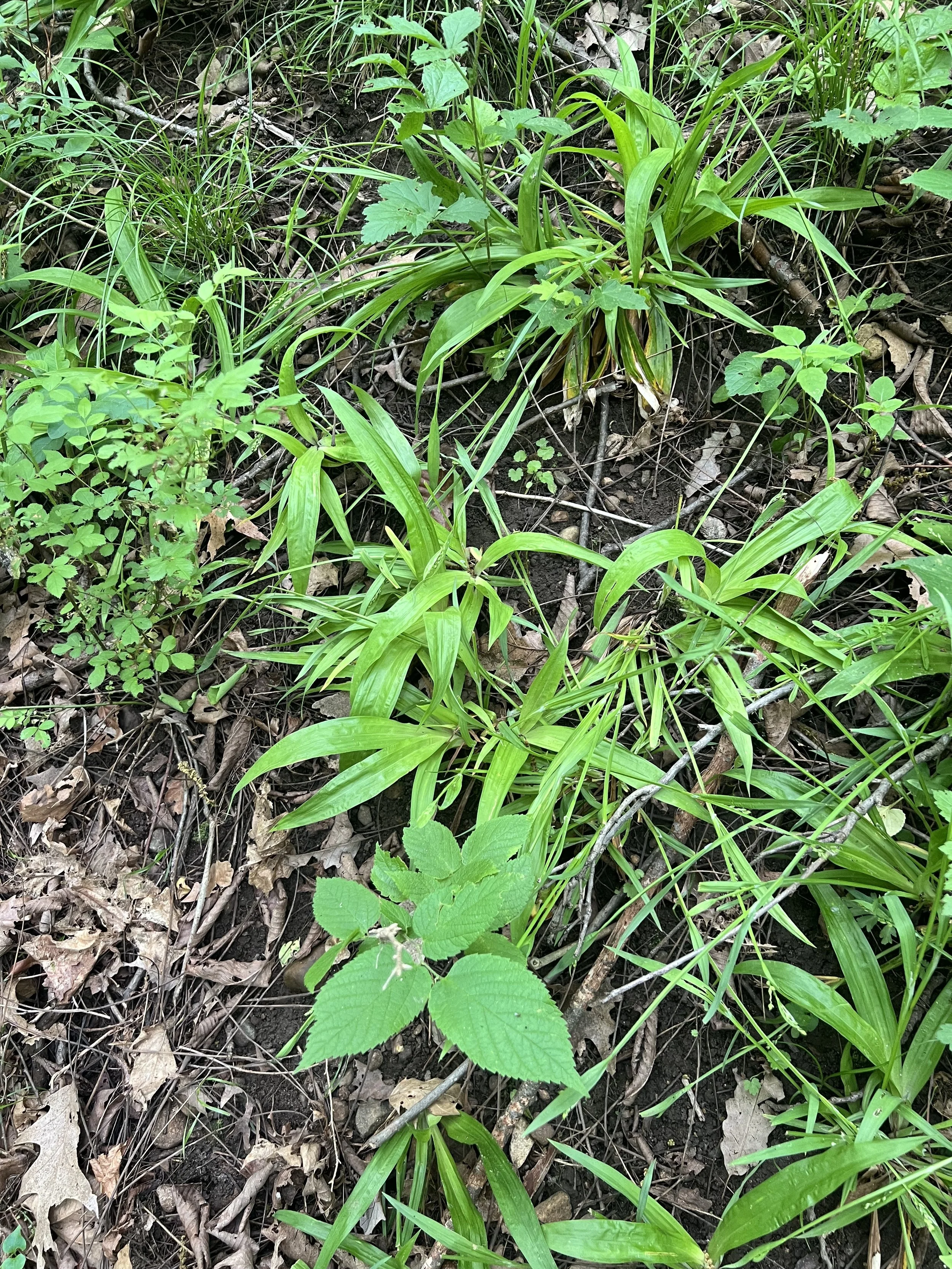
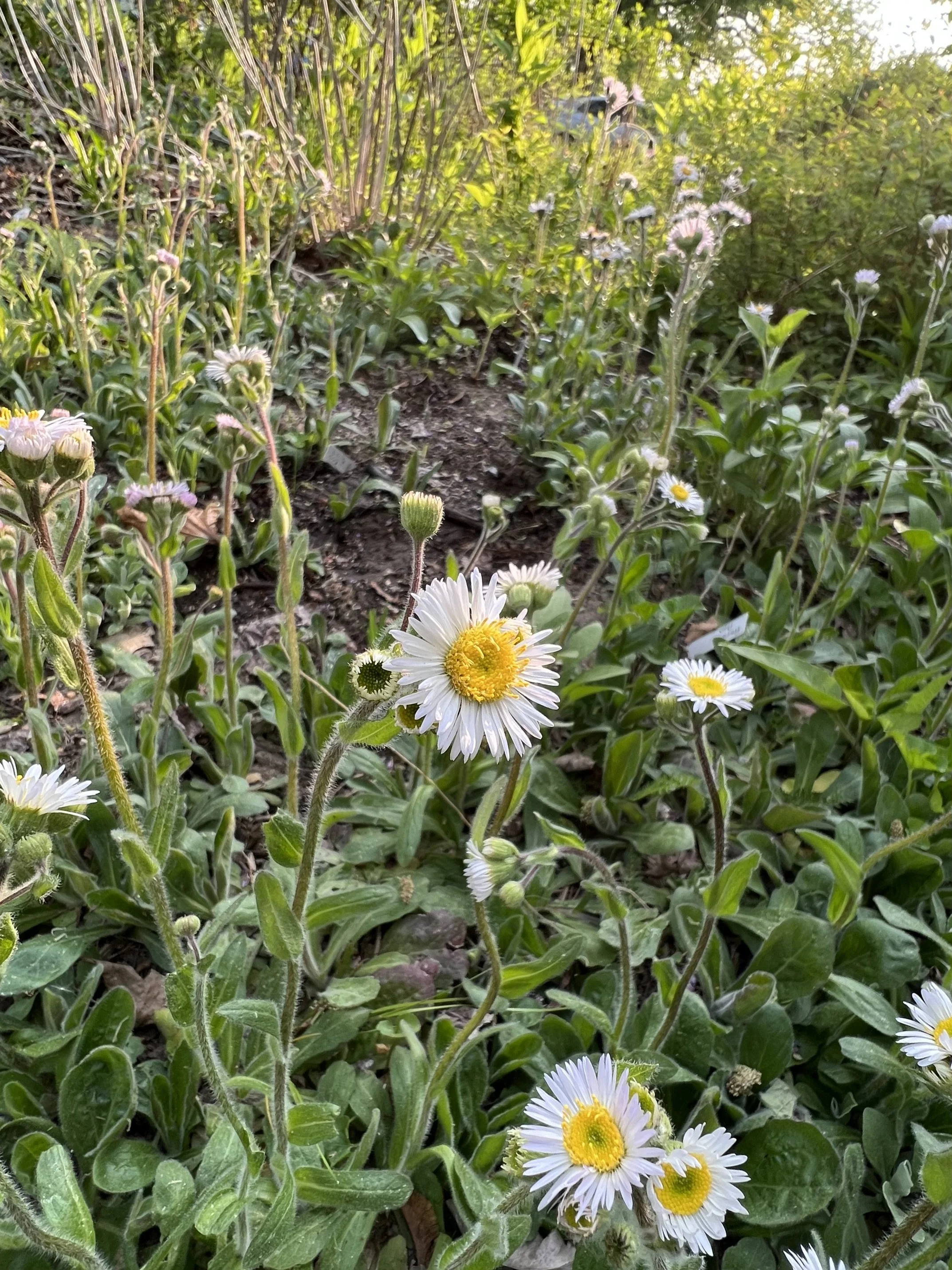
This may be the most robust ground cover we offer. It is in the same genus as the fleabanes, so it has the similar daisy-like flower with fine petals. Petals may start out pink and fade to white, the yellow florets in the center (Reminder: it is in the family Asteraceae, so the center of the “flower” is made up of small, compact florets making it a favorite of many pollinators), willl fade to a light brown. When I first saw this plant, it had the light brown center and I was immediately enchanted by it. The plant has fuzzy basso leaves and a fuzzy flower stem too.

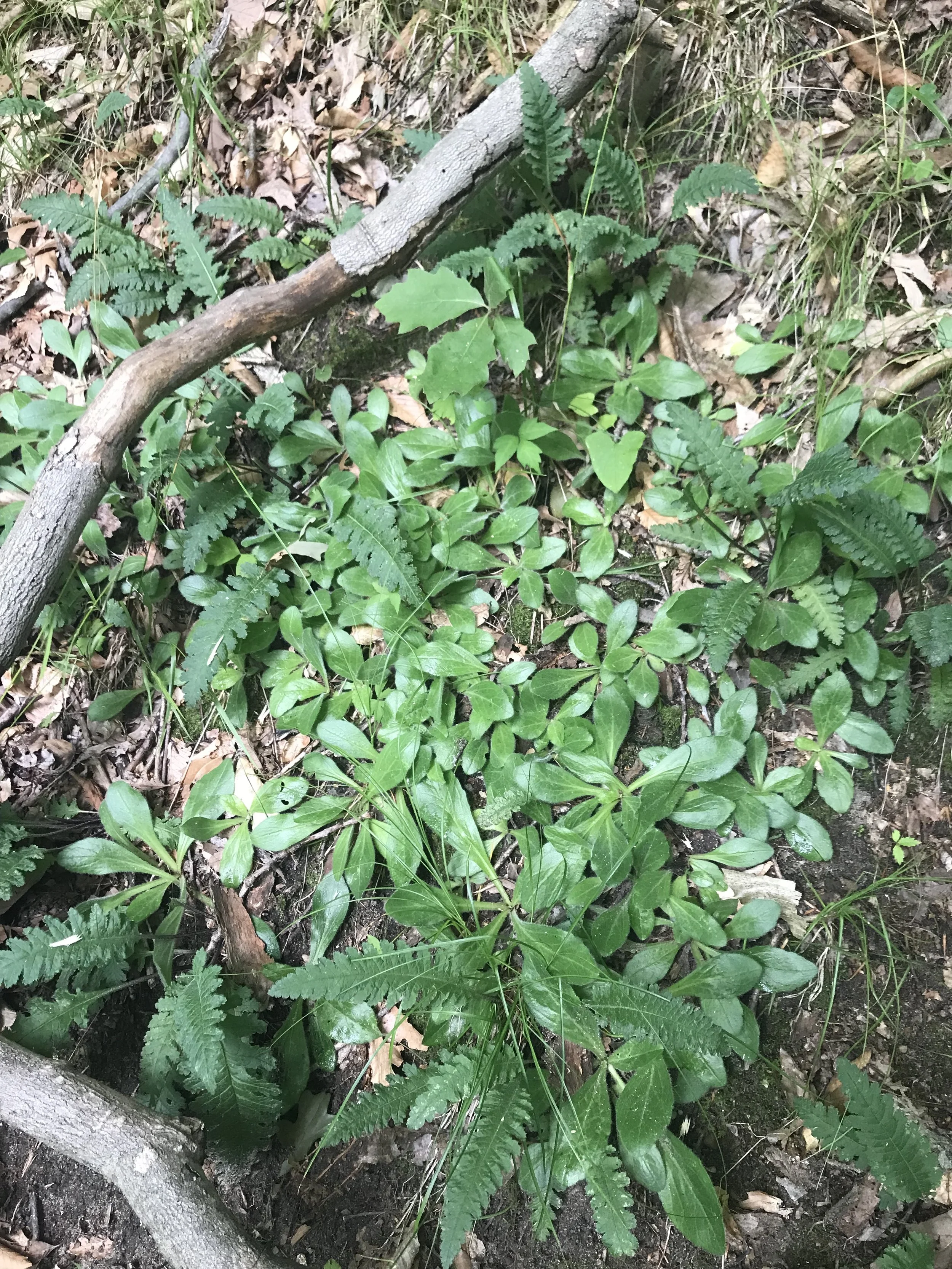
I have tested it in two places in my yard and it has easily and fairly quickly filled in the open areas which are both part-shade and dry soil. So far, it has not pushed out other plants growing there and it is quite a display of flowers when it is blooming. My plants have never been bothered by rabbits and deer, though Illinois Wildflowers lists them as palatable to both.

Illinois Wildflowers says, “The best site consists of a partially shaded slope under trees where the ground vegetation is somewhat sparse.”

Robin’s Plantain (Erigeron pulchellus)

Michigan Flora reference page for state distribution: Robin’s Plantain

Height: 12-24”

Soil: sand, clay, loam

Sun: dappled light, part-shade

Plant spacing: 12”

Flower: pink to white

Life cycle: perennial

Family: Asterceae

Seed source: Michigan

Sizes:

Robin’s plantain grows in wet meadows and openings in deciduous forests per Michigan Flora. I have seen it in both places though specifically on hillside prairies which is a fun community of dry woodland plants. Alum root, downy woodmint, wood betony, round-lobed hepatica, american columbo, harebell and more, are part of the understory or open hillside prairie. To read more about this unique habitat, click here.

This may be the most robust ground cover we offer. It is in the same genus as the fleabanes, so it has the similar daisy-like flower with fine petals. Petals may start out pink and fade to white, the yellow florets in the center (Reminder: it is in the family Asteraceae, so the center of the “flower” is made up of small, compact florets making it a favorite of many pollinators), willl fade to a light brown. When I first saw this plant, it had the light brown center and I was immediately enchanted by it. The plant has fuzzy basso leaves and a fuzzy flower stem too.

I have tested it in two places in my yard and it has easily and fairly quickly filled in the open areas which are both part-shade and dry soil. So far, it has not pushed out other plants growing there and it is quite a display of flowers when it is blooming. My plants have never been bothered by rabbits and deer, though Illinois Wildflowers lists them as palatable to both.

Illinois Wildflowers says, “The best site consists of a partially shaded slope under trees where the ground vegetation is somewhat sparse.”

Robin’s Plantain (Erigeron pulchellus)

Michigan Flora reference page for state distribution: Robin’s Plantain

Height: 12-24”

Soil: sand, clay, loam

Sun: dappled light, part-shade

Plant spacing: 12”

Flower: pink to white

Life cycle: perennial

Family: Asterceae

Seed source: Michigan