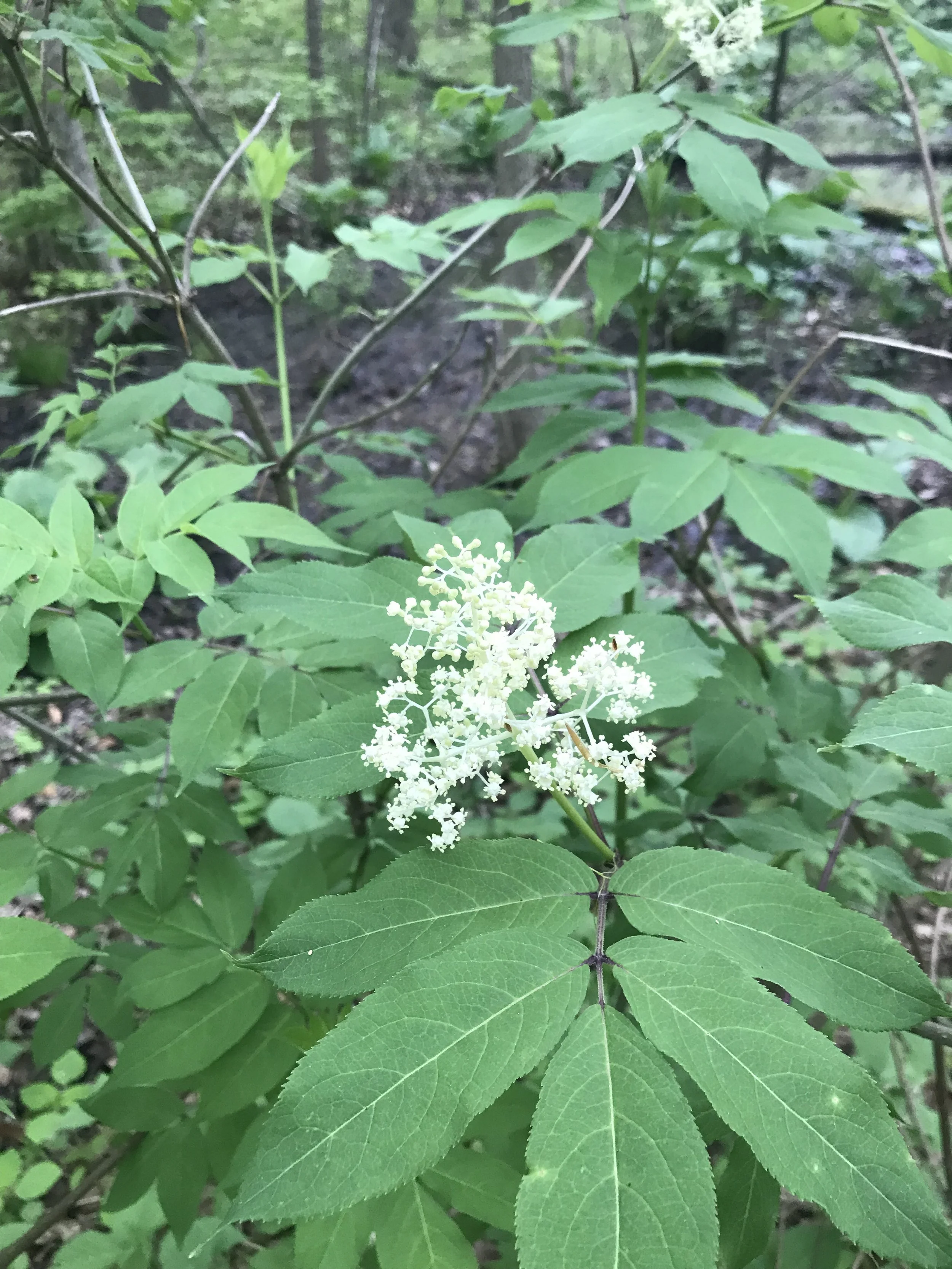
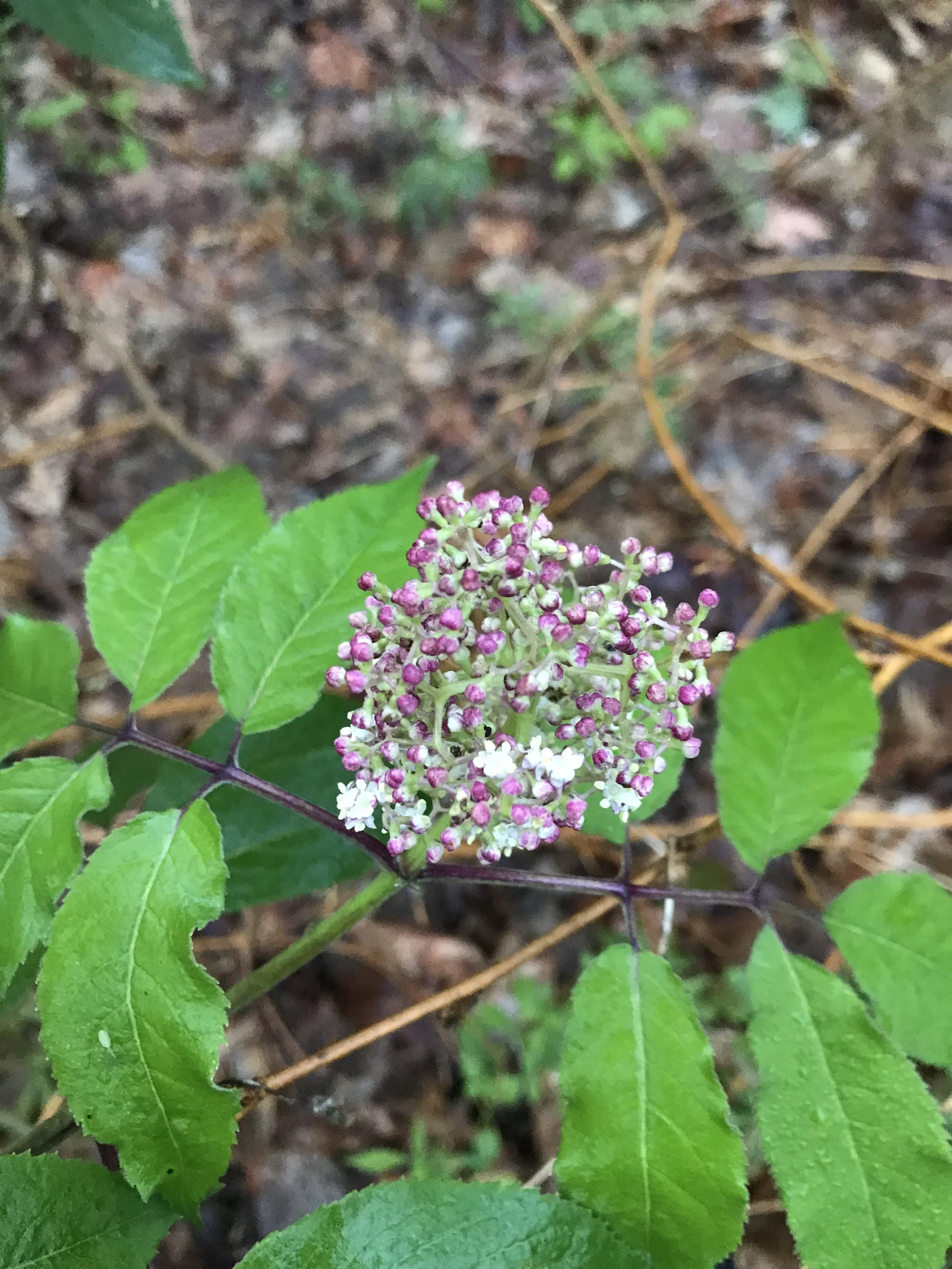
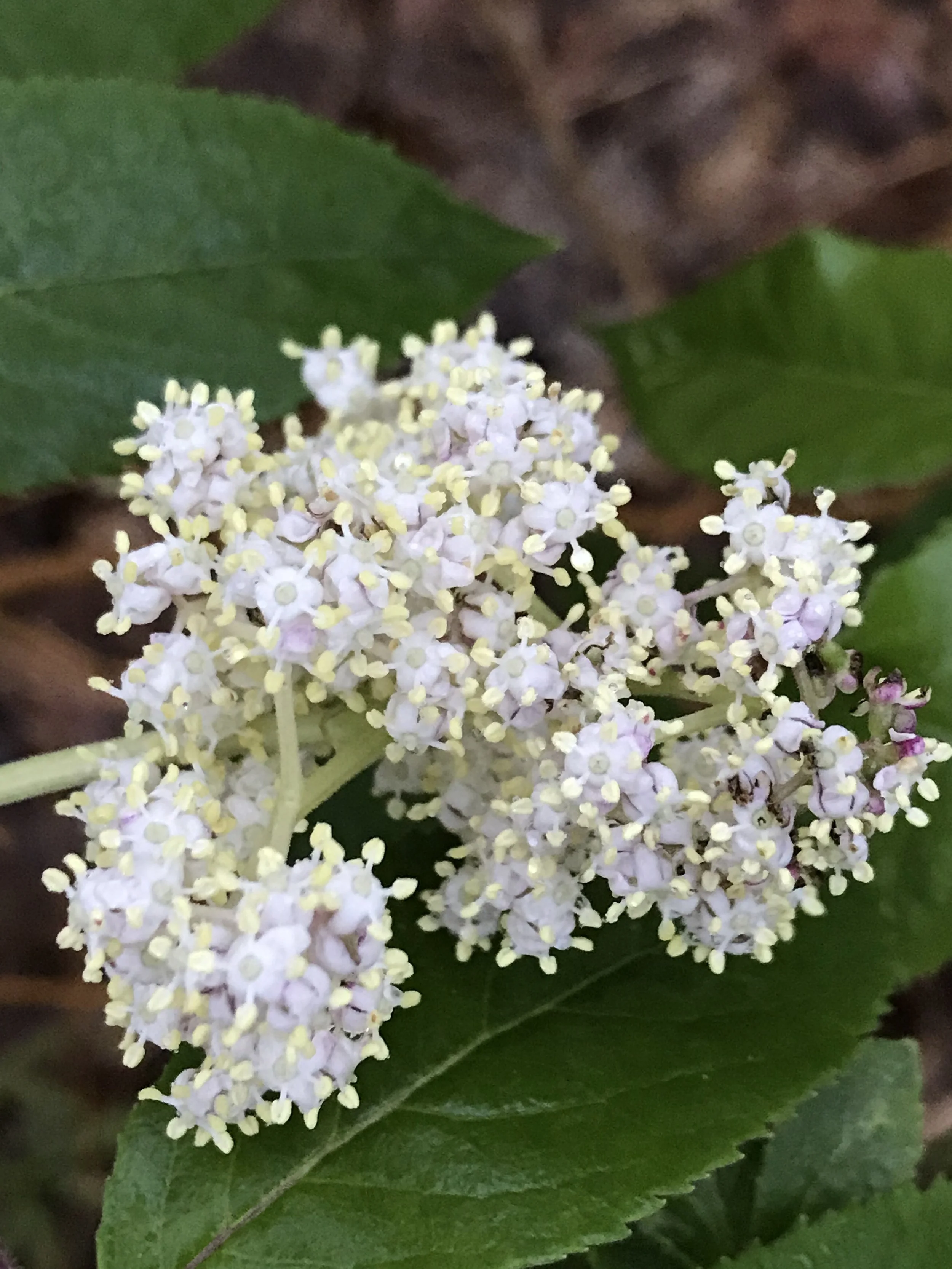
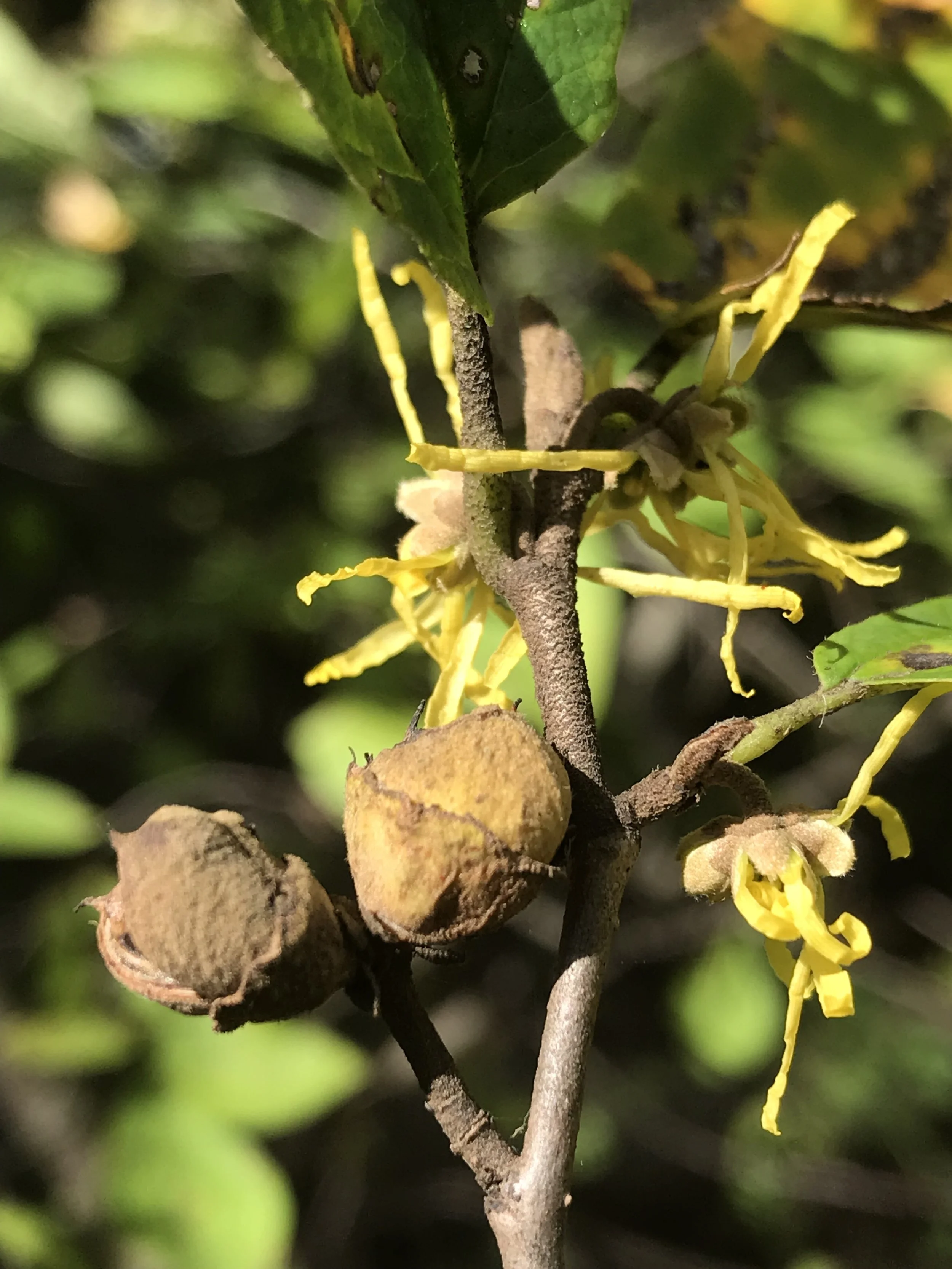
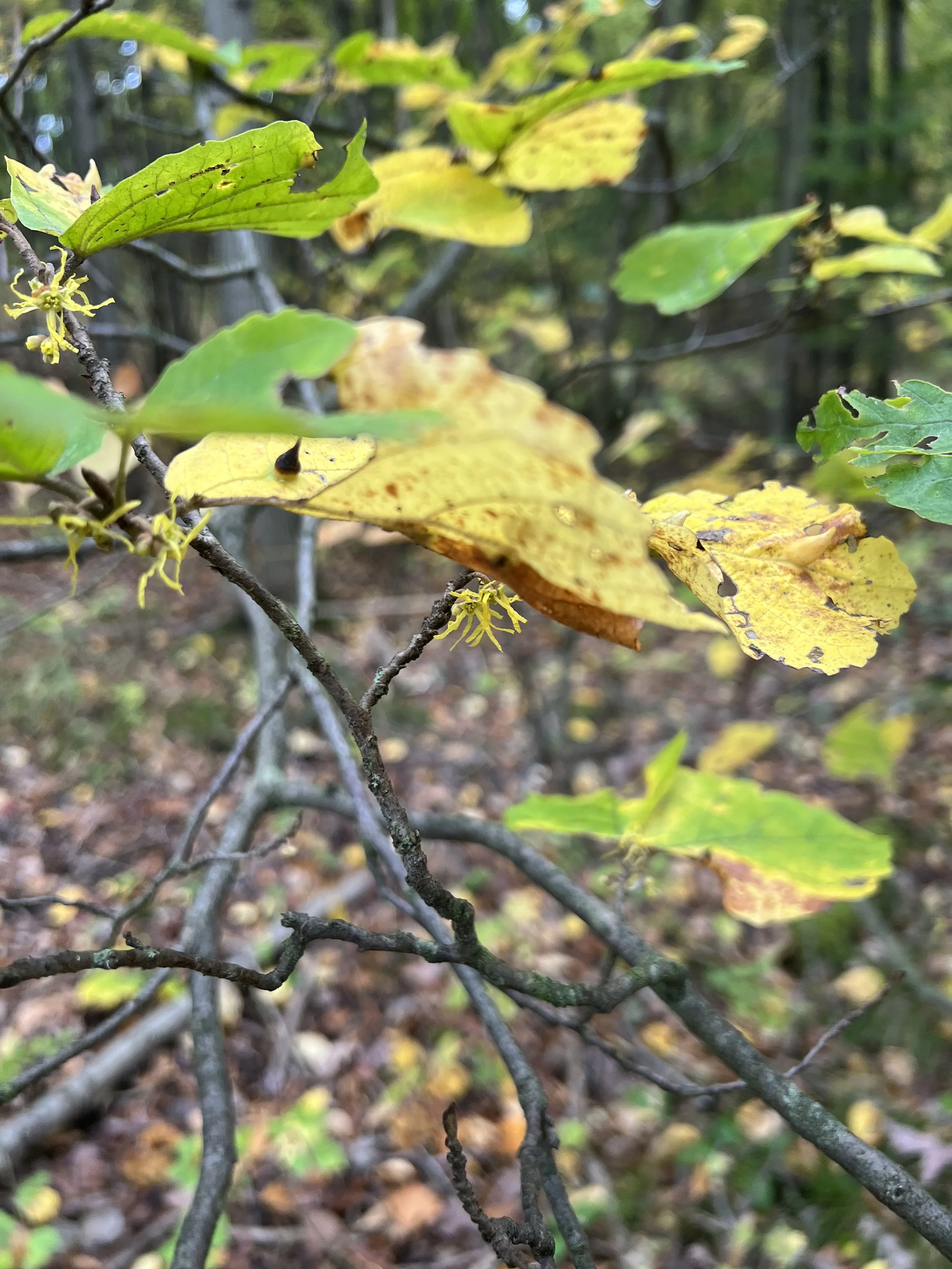
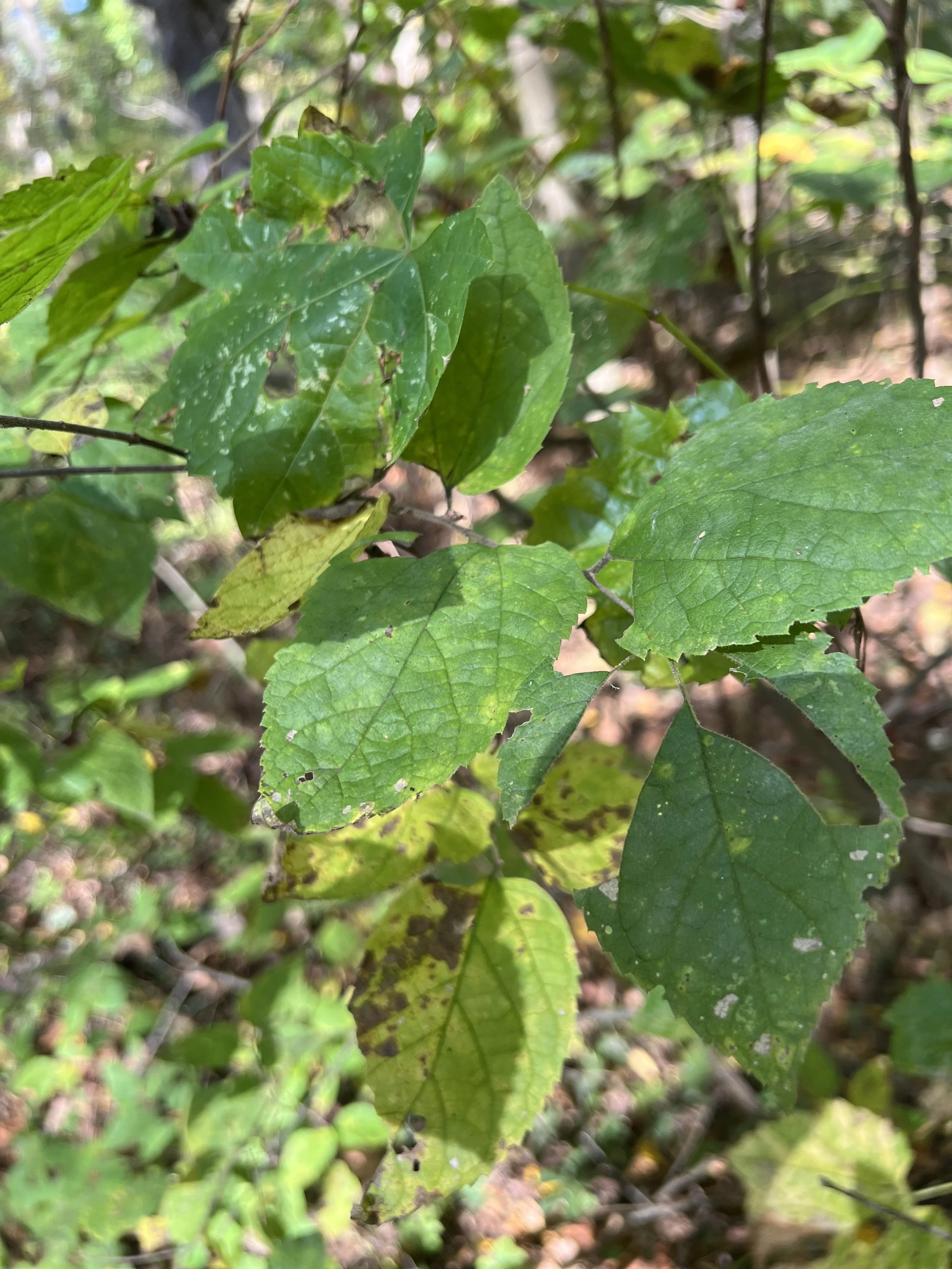
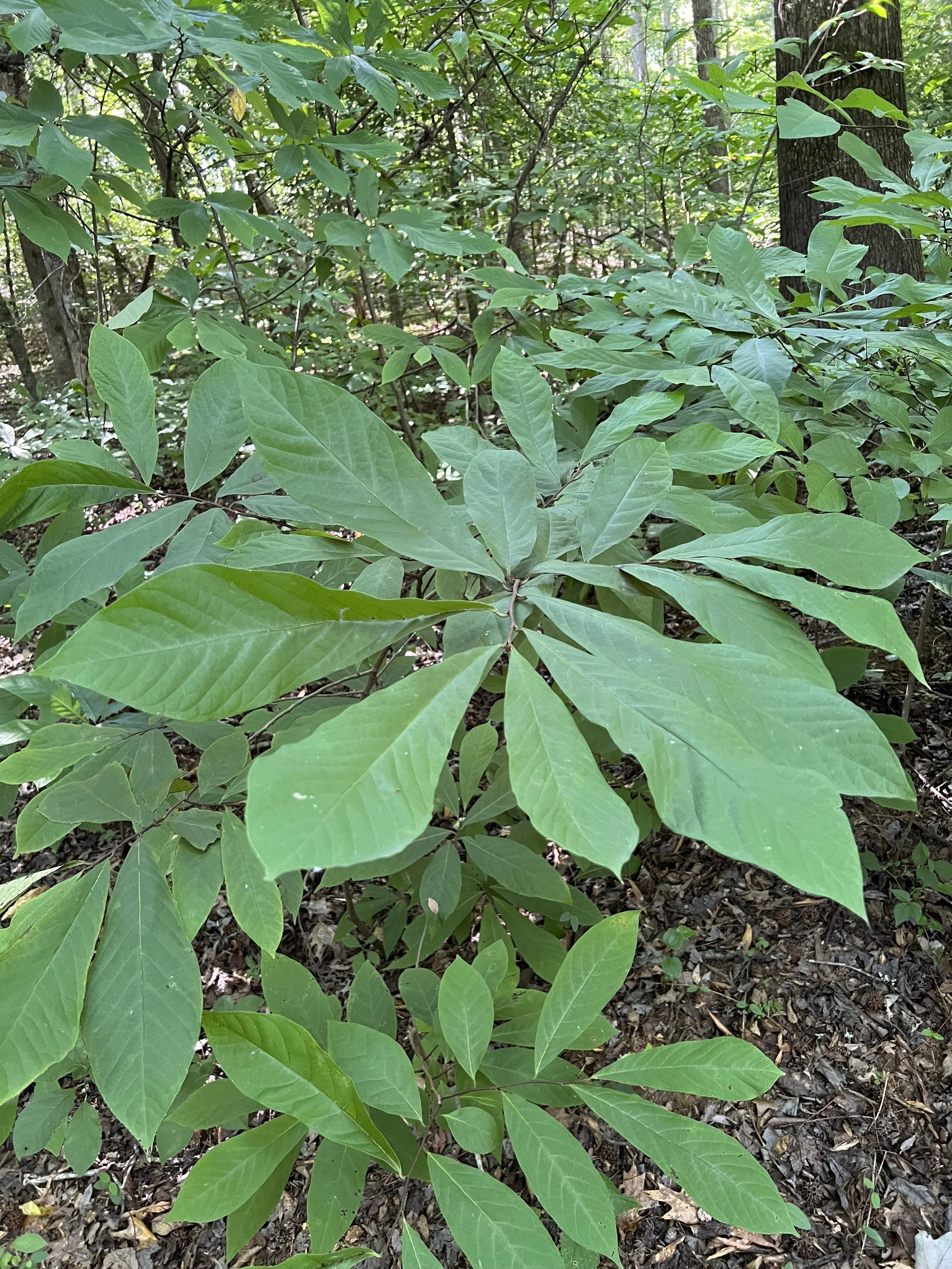
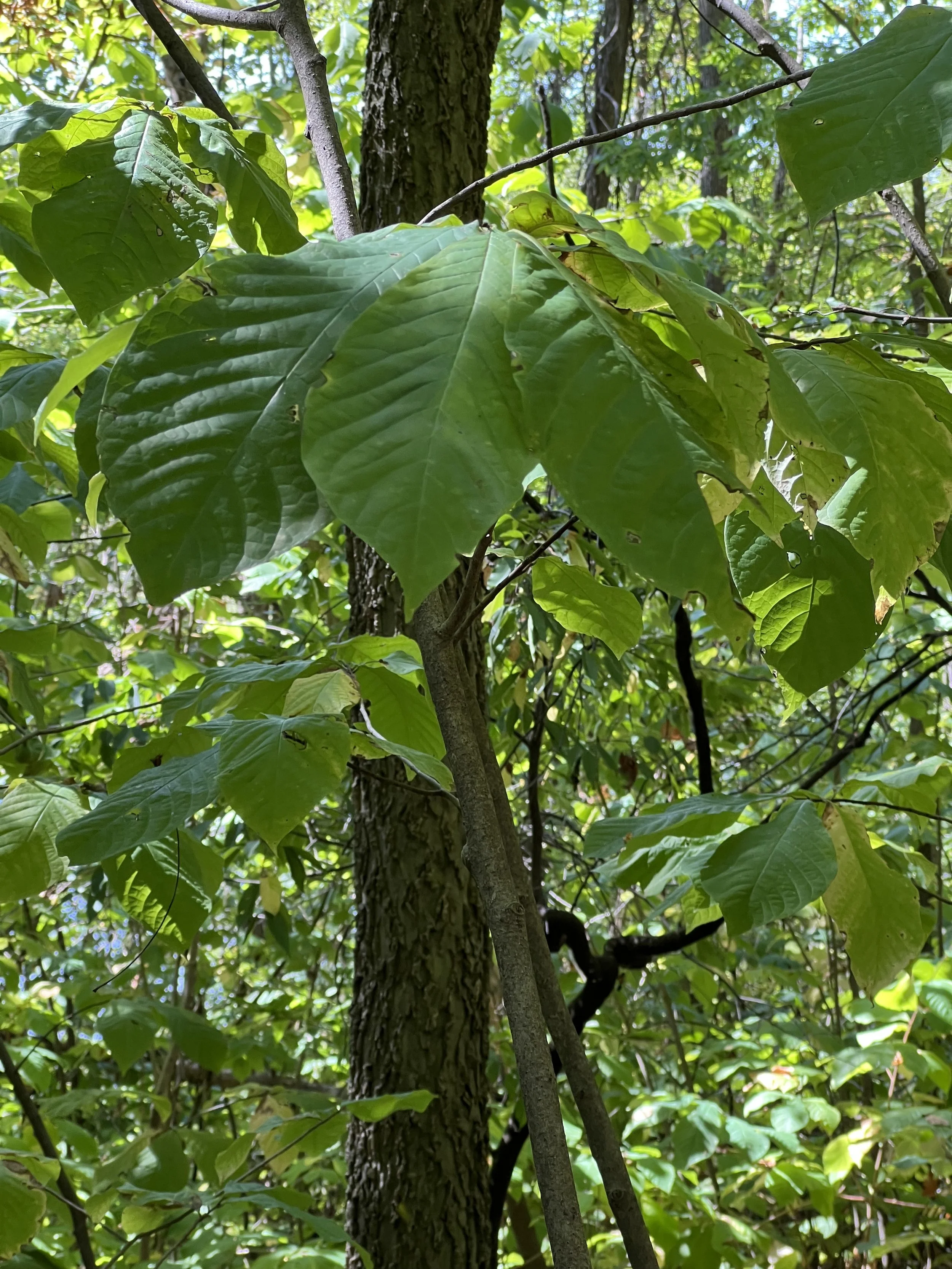
Spicebush really packs a punch for being a fairly small shrub that supports a lot of nice wildlife. It’s a great native replacement for Forsythia, and it has nice fall color when the leaves turn golden.
This shrub grows to 15’ tall, but when I have observed them, they are more often 6-10’ high. Spicebush tends to grow where the moisture stays pretty constant, but it adapts to growing in yards where soil and available moisture are not always optimal.
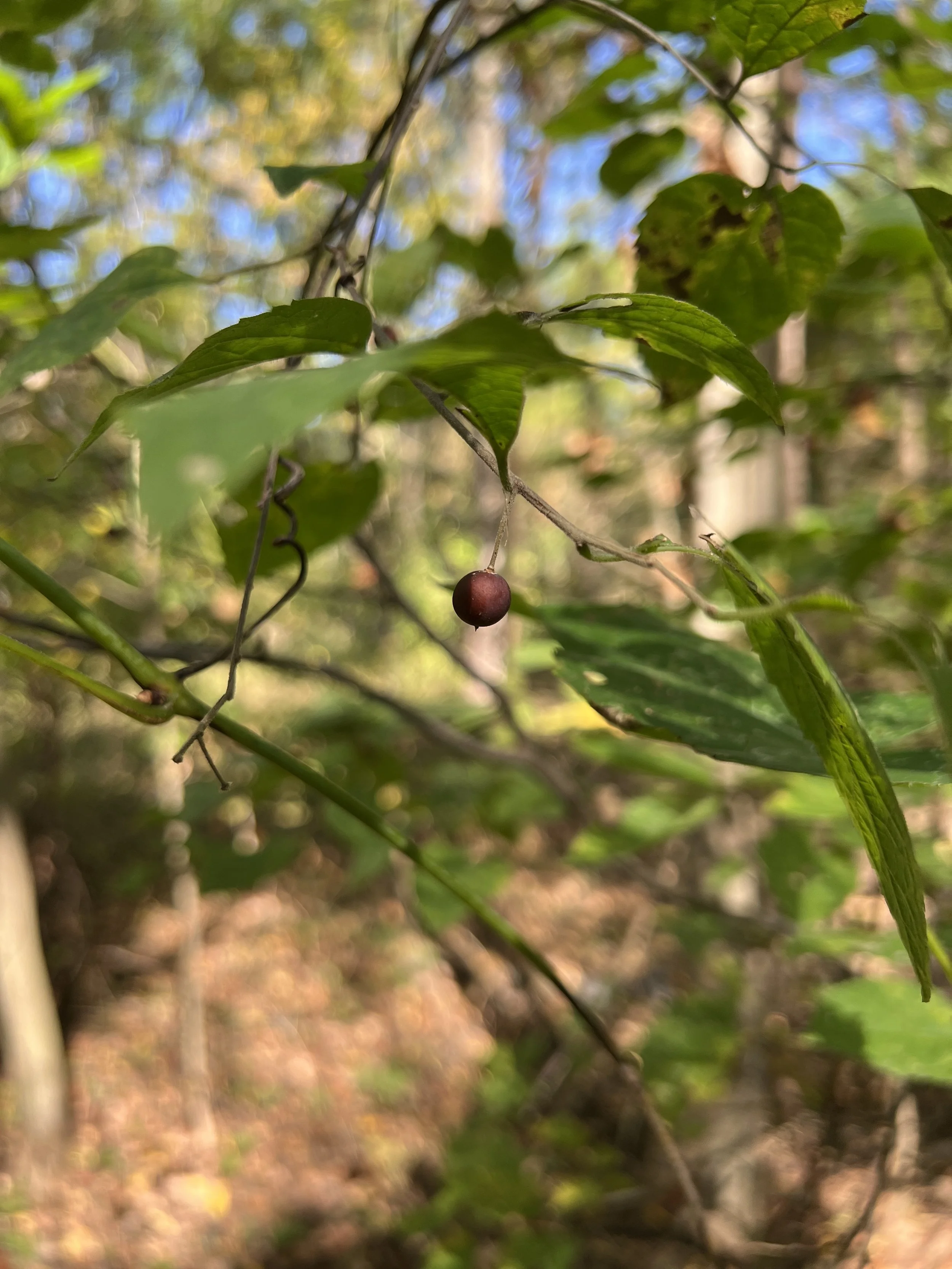
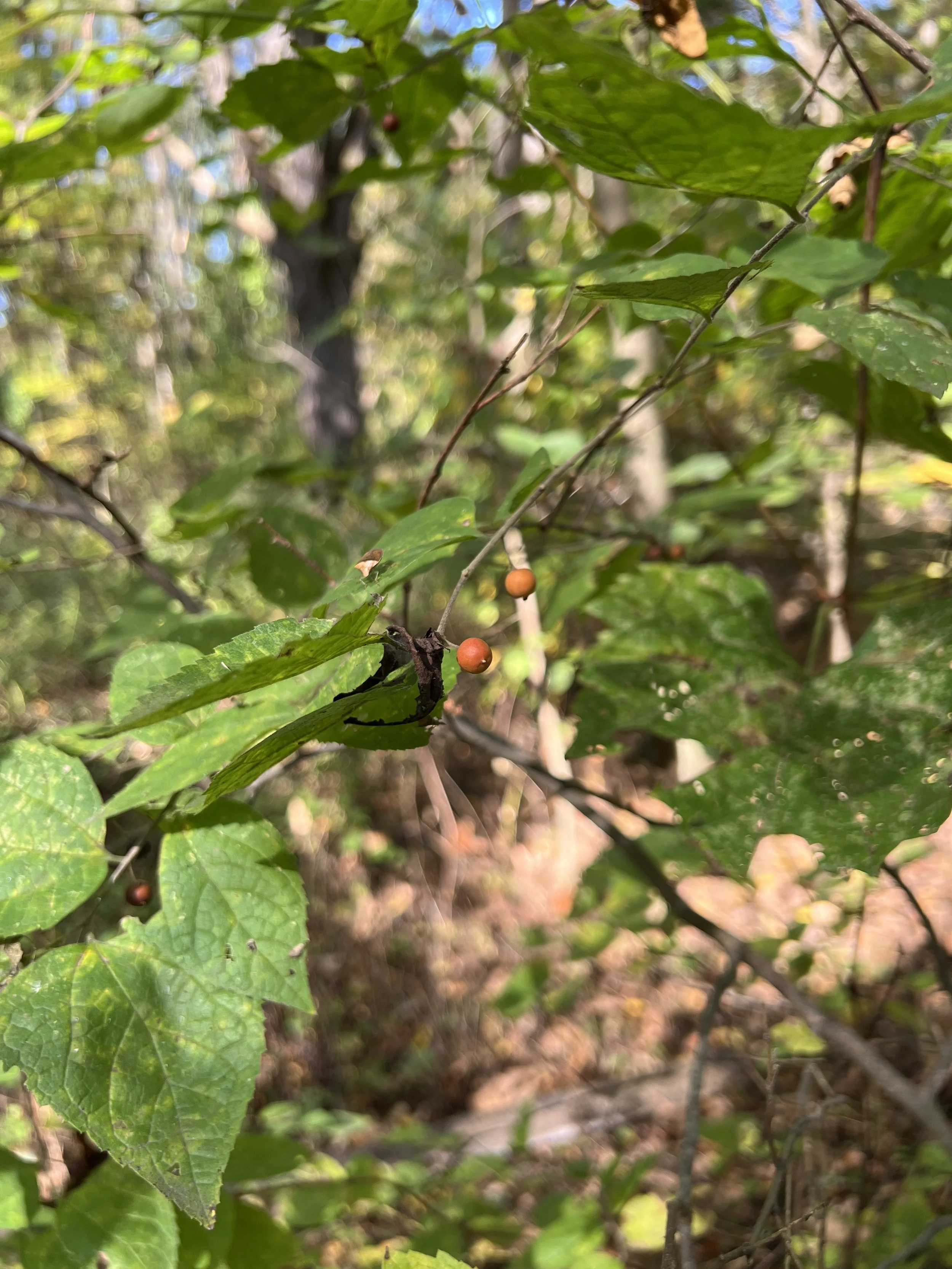
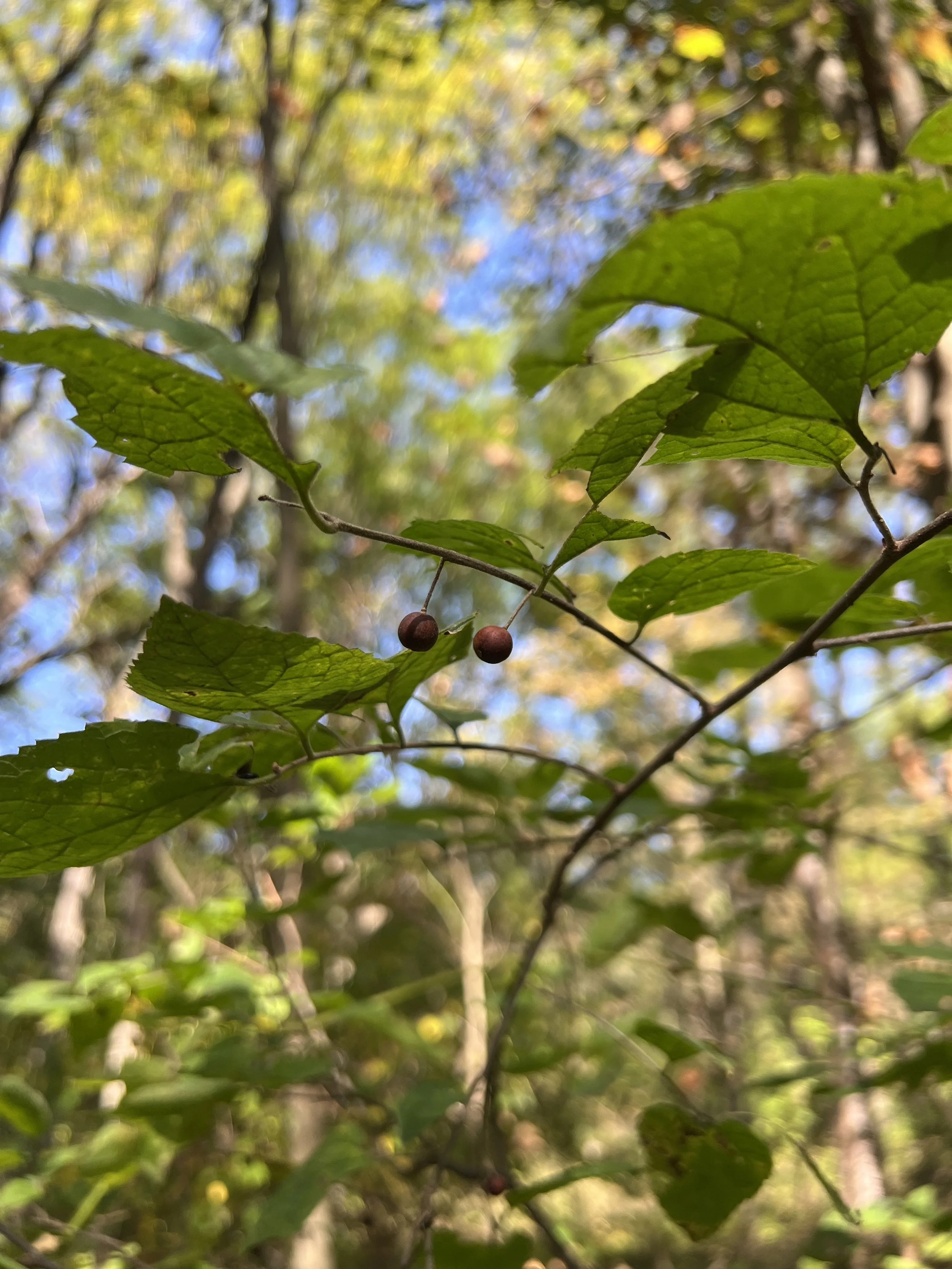
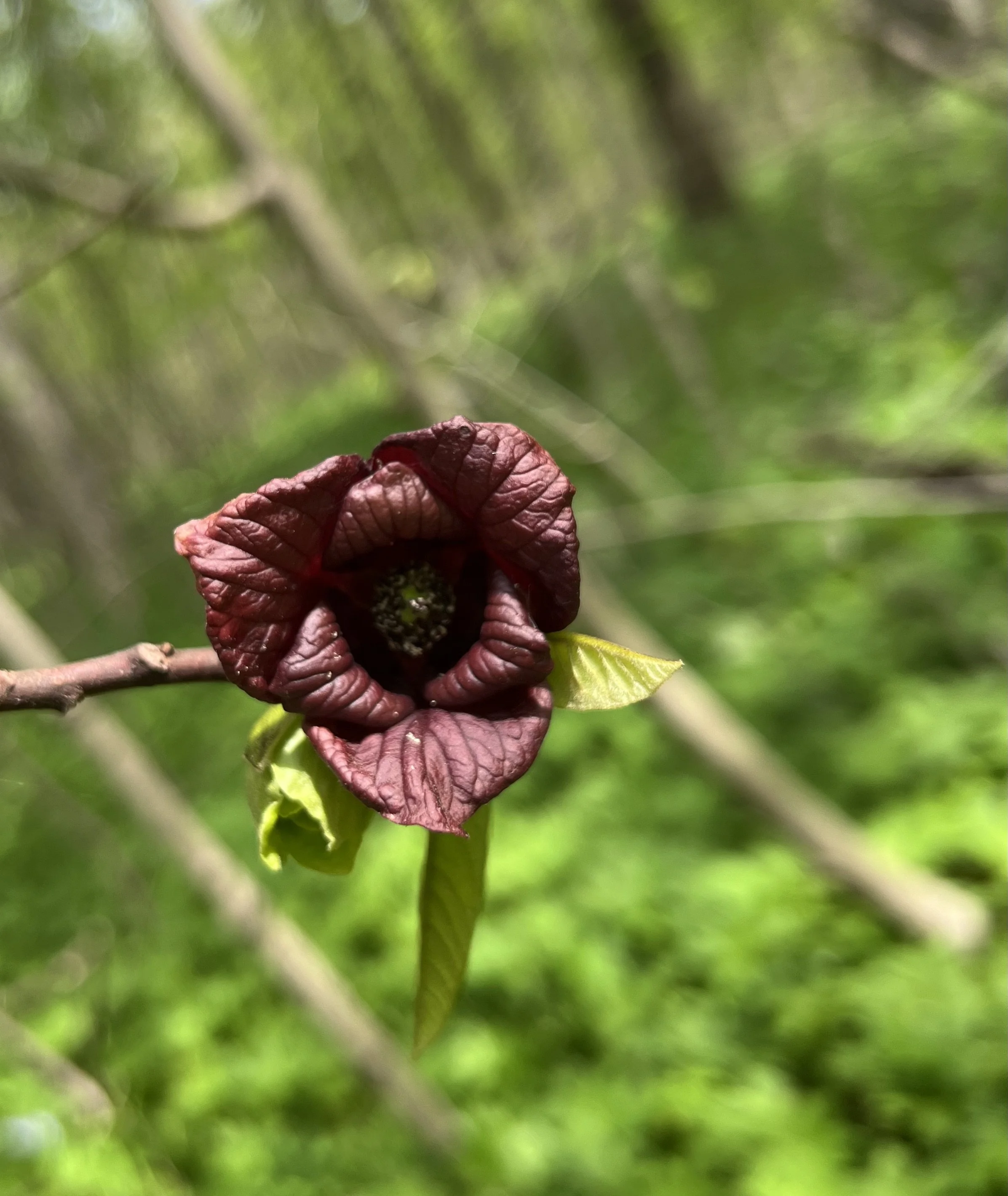
Spicebush is native to the lower 2/3 of the lower peninsula. It is the host plant for the Spicebush Swallowtail, Tulip Tree Beauty (moth), and Promethea moth. The stunning, bright red berries are packed with fat, which is really important for migrating birds as they build up stores for their long flights. If we could replace every non-native honeysuckle and buckthorn with Spicebush, the birds (thrushes, vireos, sparrows) would fare much better. The flowers and berries form really closely to the branches.
I’ve been in a woodland two days in a row where the Spicebush were initially loaded with berries and the next day, they are virtually gone. Wouldn’t it be fun to observe the flocks that came through.
Spicebush plants are either male or female. To increase your chances of having both sexes, buy 3-5 of them.
Spicebush (Lindera bezoin)
Michigan Flora reference page for statewide distribution: Spicebush
Height: 6-15’
Bloom Time: April-May
Soil: moist, rich loamy soil, can tolerate poorer soils
Sun: part-sun, dappled light to medium shade
Flower: yellow
Life cycle: perennial
Family: Lauraceae
Seed Source: Michigan
Spicebush really packs a punch for being a fairly small shrub that supports a lot of nice wildlife. It’s a great native replacement for Forsythia, and it has nice fall color when the leaves turn golden.
This shrub grows to 15’ tall, but when I have observed them, they are more often 6-10’ high. Spicebush tends to grow where the moisture stays pretty constant, but it adapts to growing in yards where soil and available moisture are not always optimal.
Spicebush is native to the lower 2/3 of the lower peninsula. It is the host plant for the Spicebush Swallowtail, Tulip Tree Beauty (moth), and Promethea moth. The stunning, bright red berries are packed with fat, which is really important for migrating birds as they build up stores for their long flights. If we could replace every non-native honeysuckle and buckthorn with Spicebush, the birds (thrushes, vireos, sparrows) would fare much better. The flowers and berries form really closely to the branches.
I’ve been in a woodland two days in a row where the Spicebush were initially loaded with berries and the next day, they are virtually gone. Wouldn’t it be fun to observe the flocks that came through.
Spicebush plants are either male or female. To increase your chances of having both sexes, buy 3-5 of them.
Spicebush (Lindera bezoin)
Michigan Flora reference page for statewide distribution: Spicebush
Height: 6-15’
Bloom Time: April-May
Soil: moist, rich loamy soil, can tolerate poorer soils
Sun: part-sun, dappled light to medium shade
Flower: yellow
Life cycle: perennial
Family: Lauraceae
Seed Source: Michigan
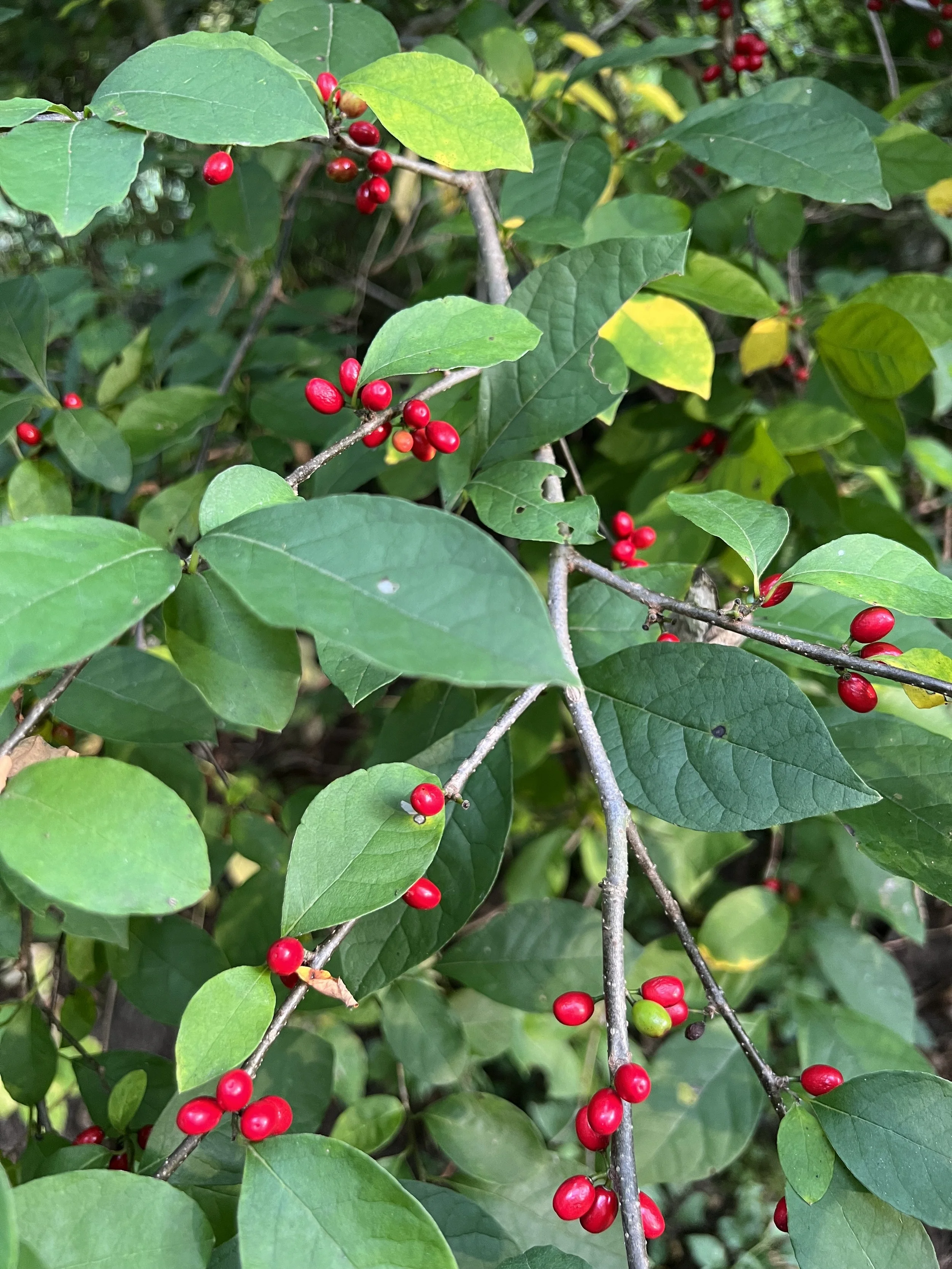 Image 1 of 4
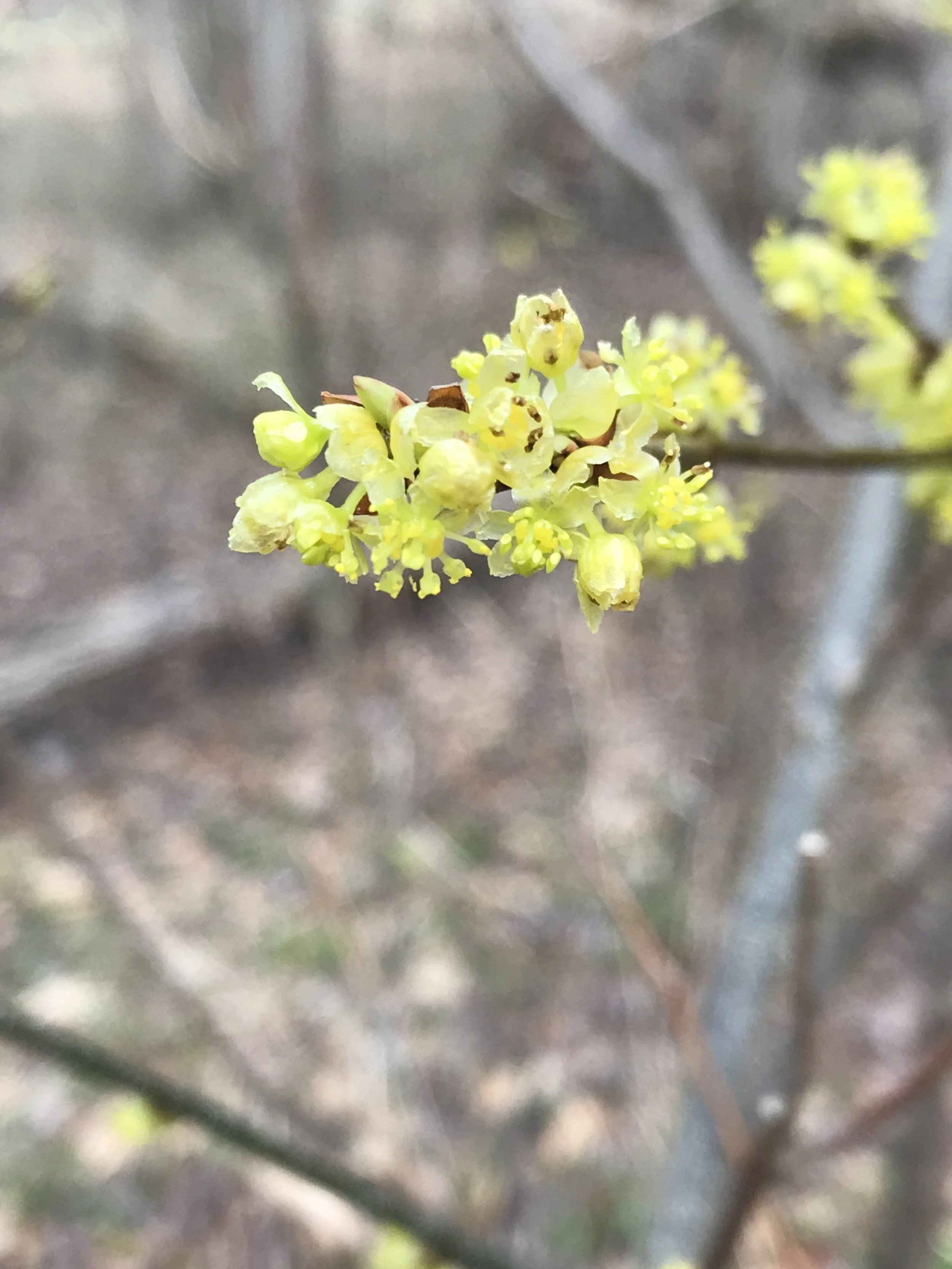 Image 2 of 4
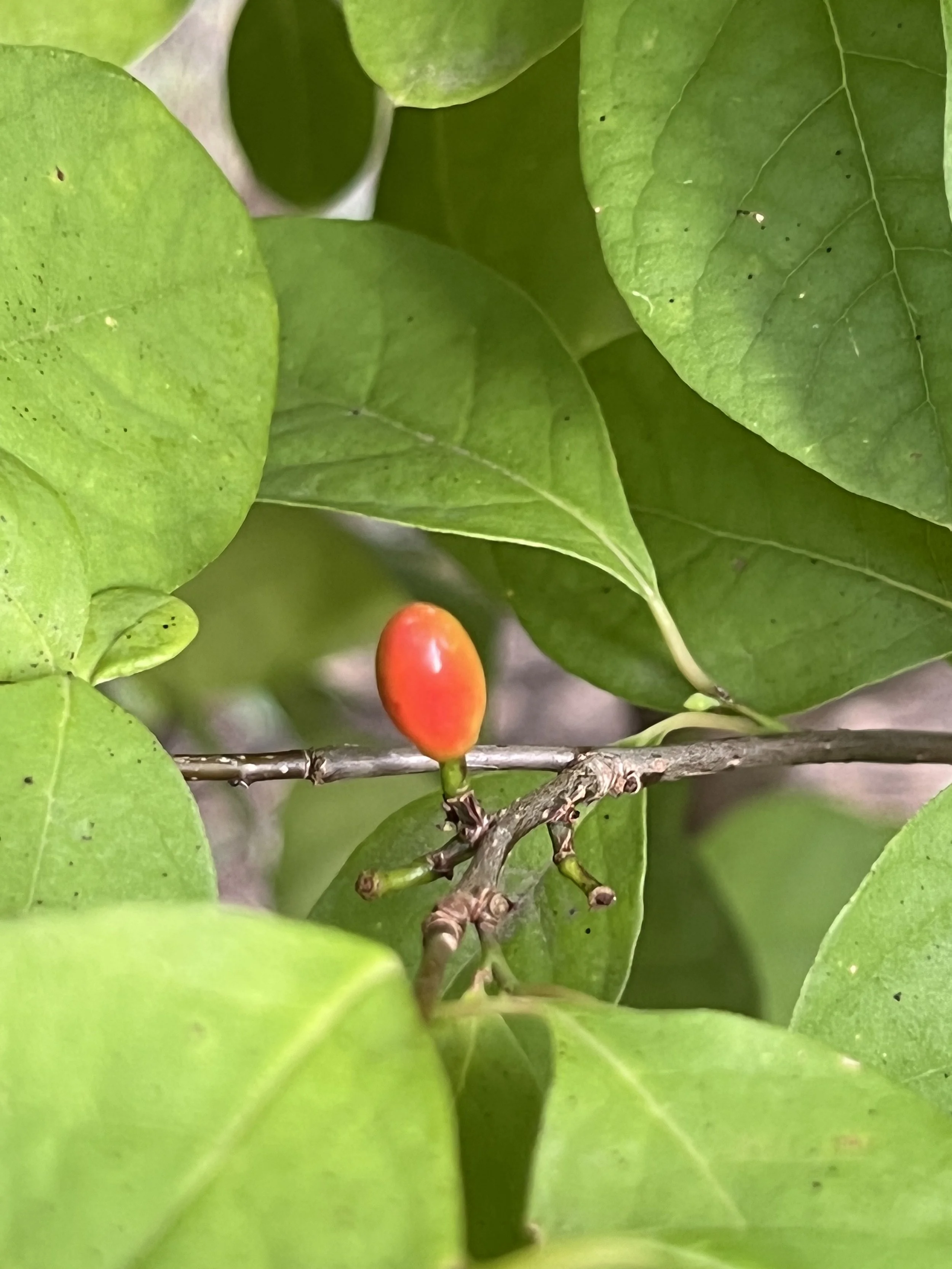 Image 3 of 4
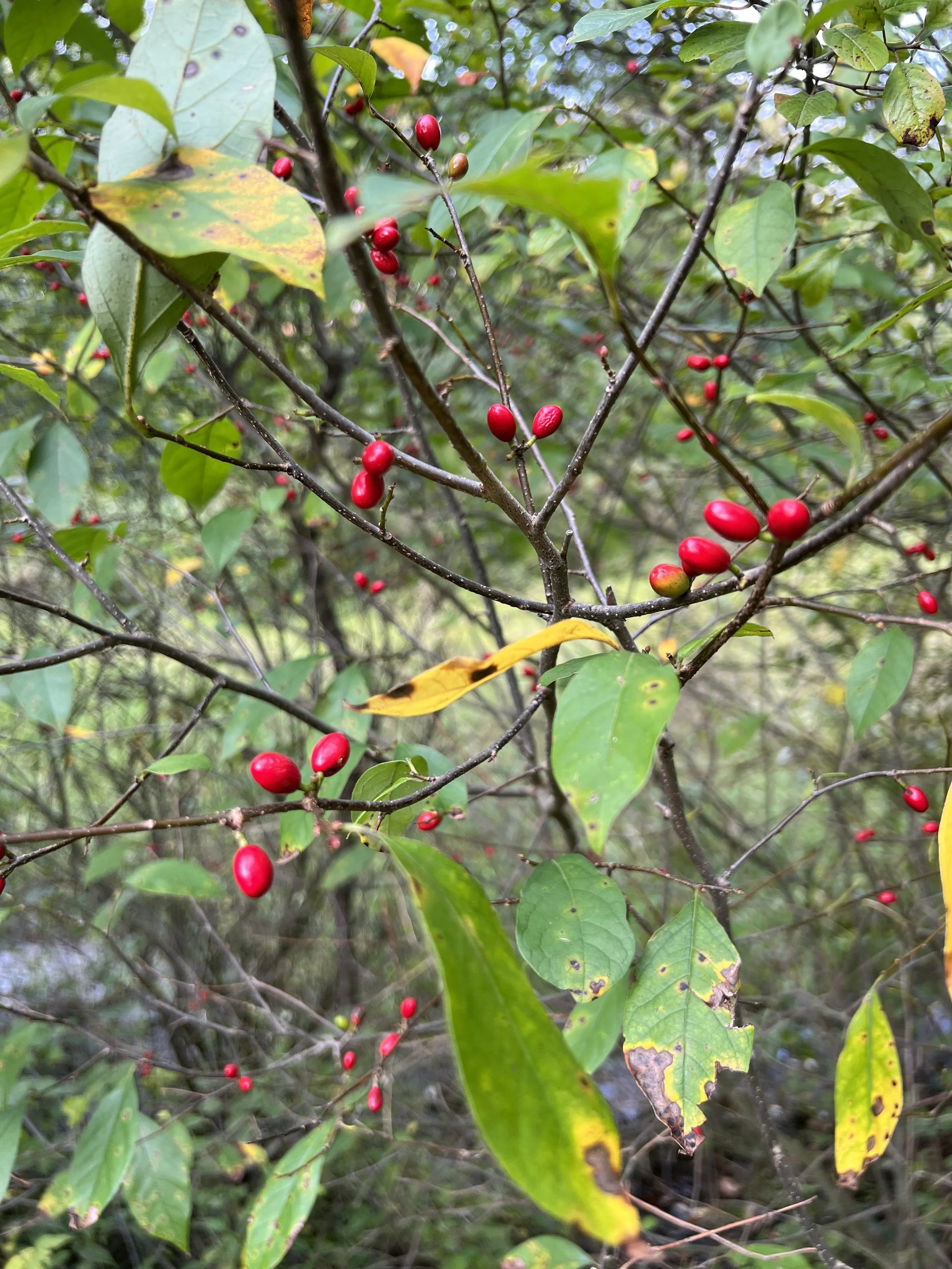 Image 4 of 4