Image 1 of 6
Image 2 of 6
Image 3 of 6
Image 4 of 6
Image 5 of 6
Image 6 of 6
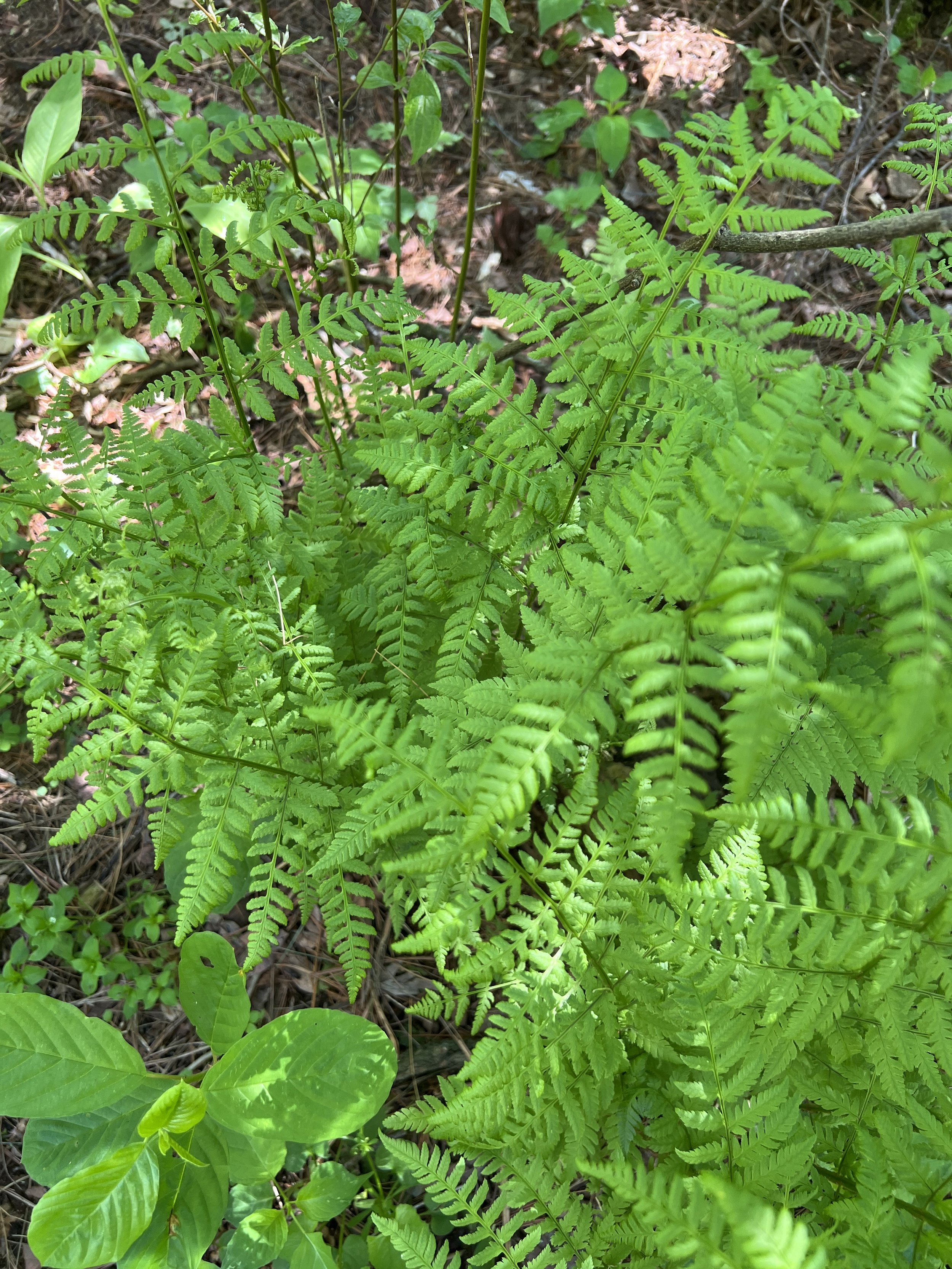
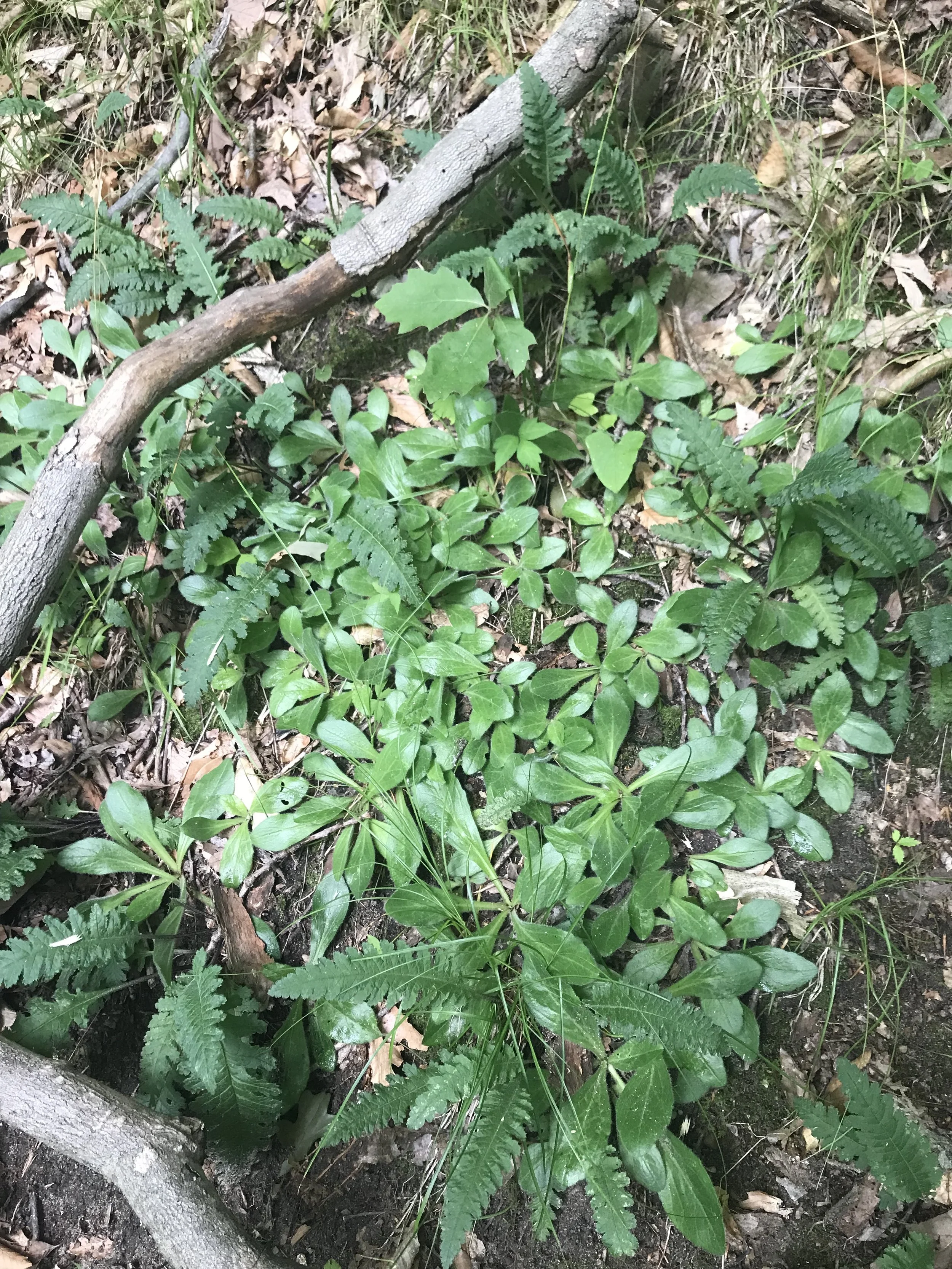
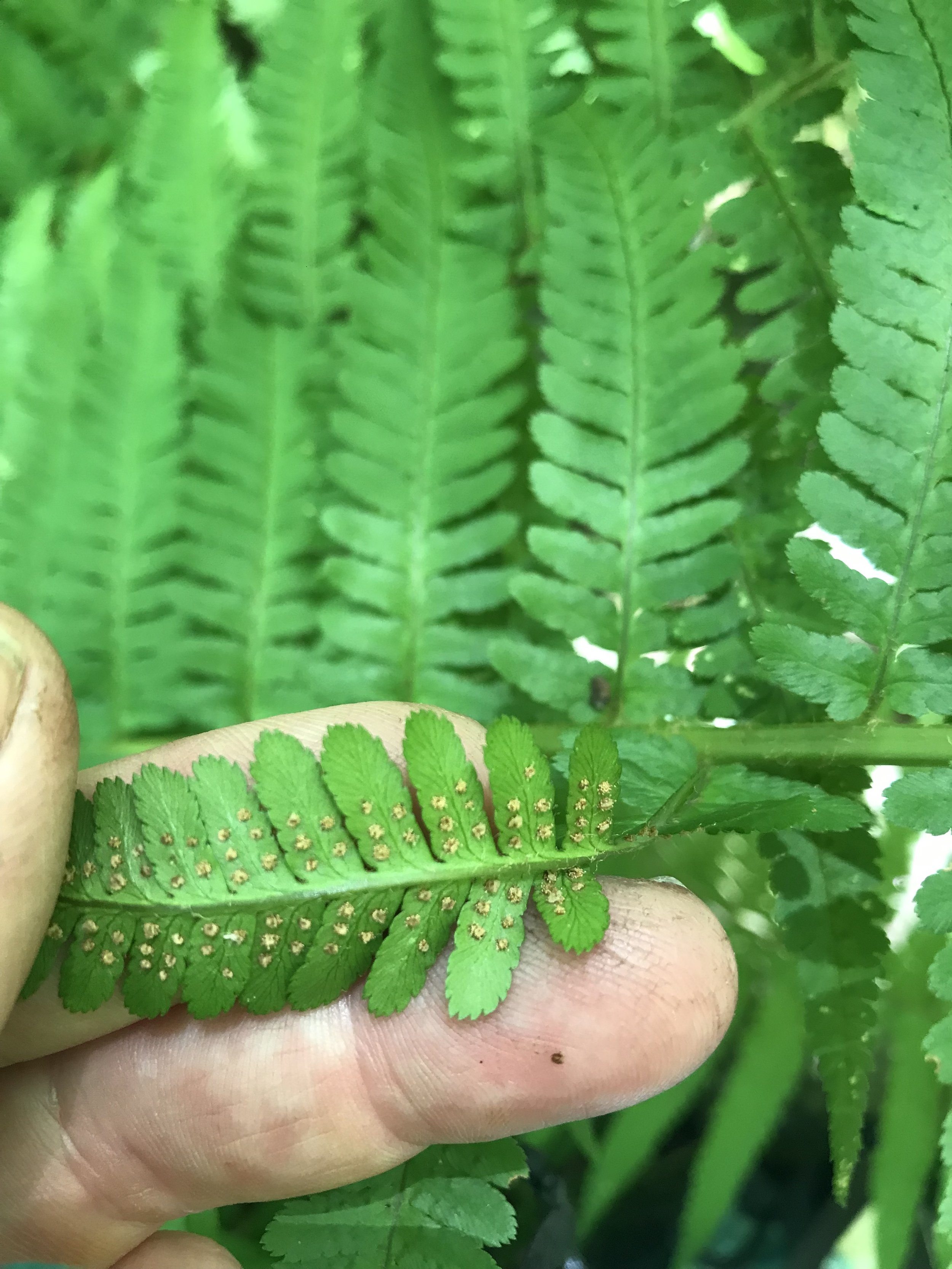
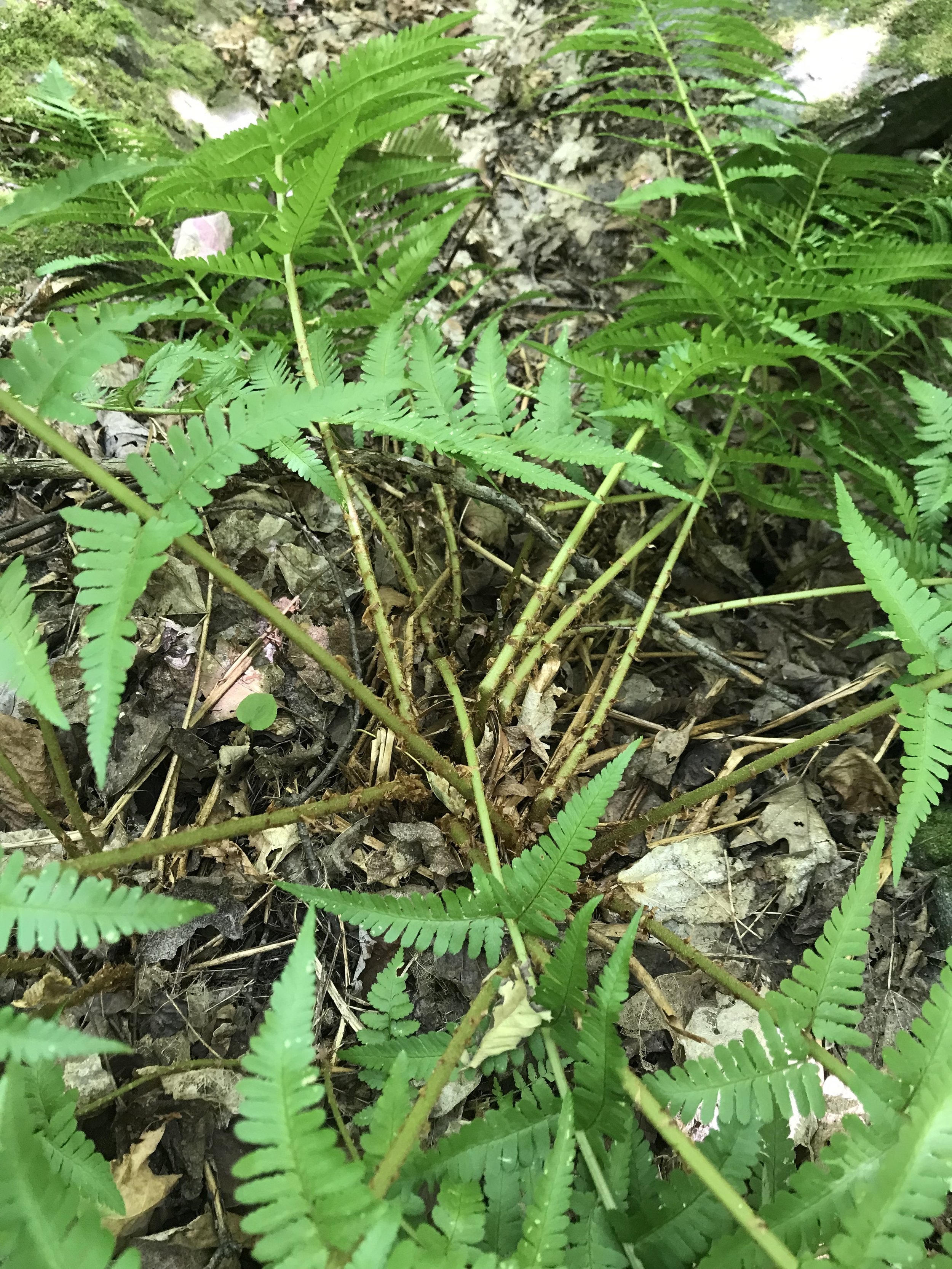
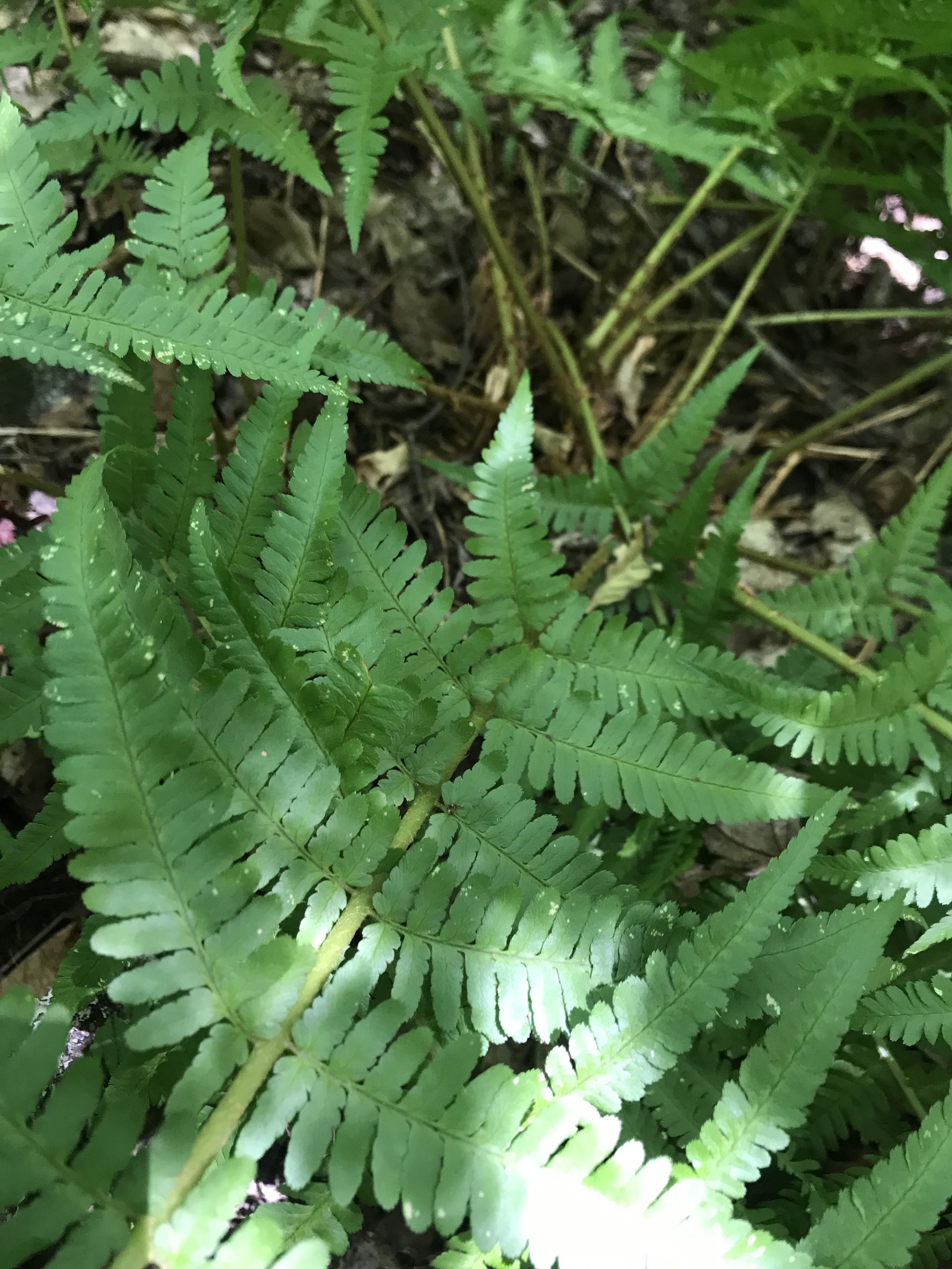
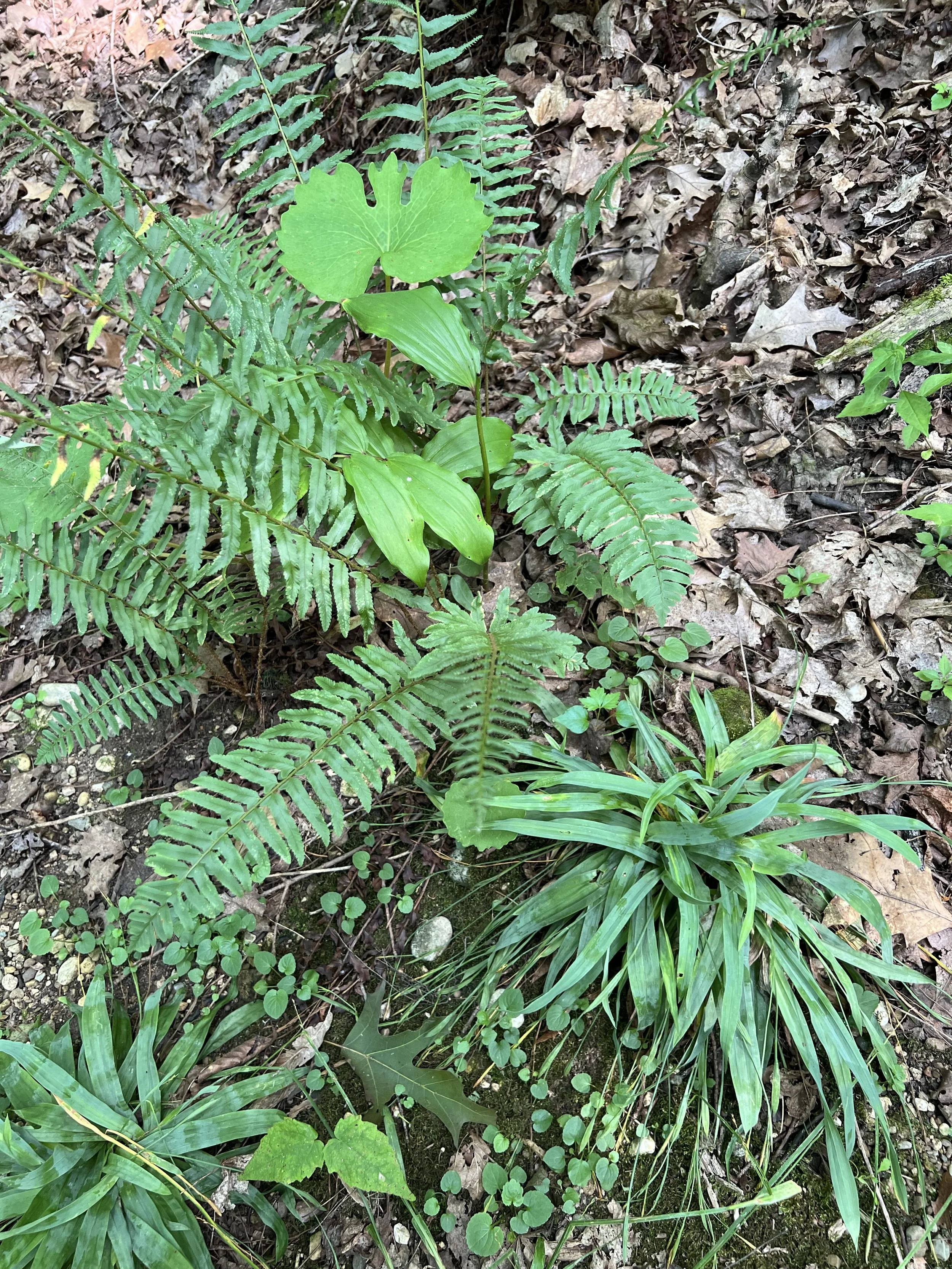
Spinulose Wood Fern (Dryopteris carthusiana)
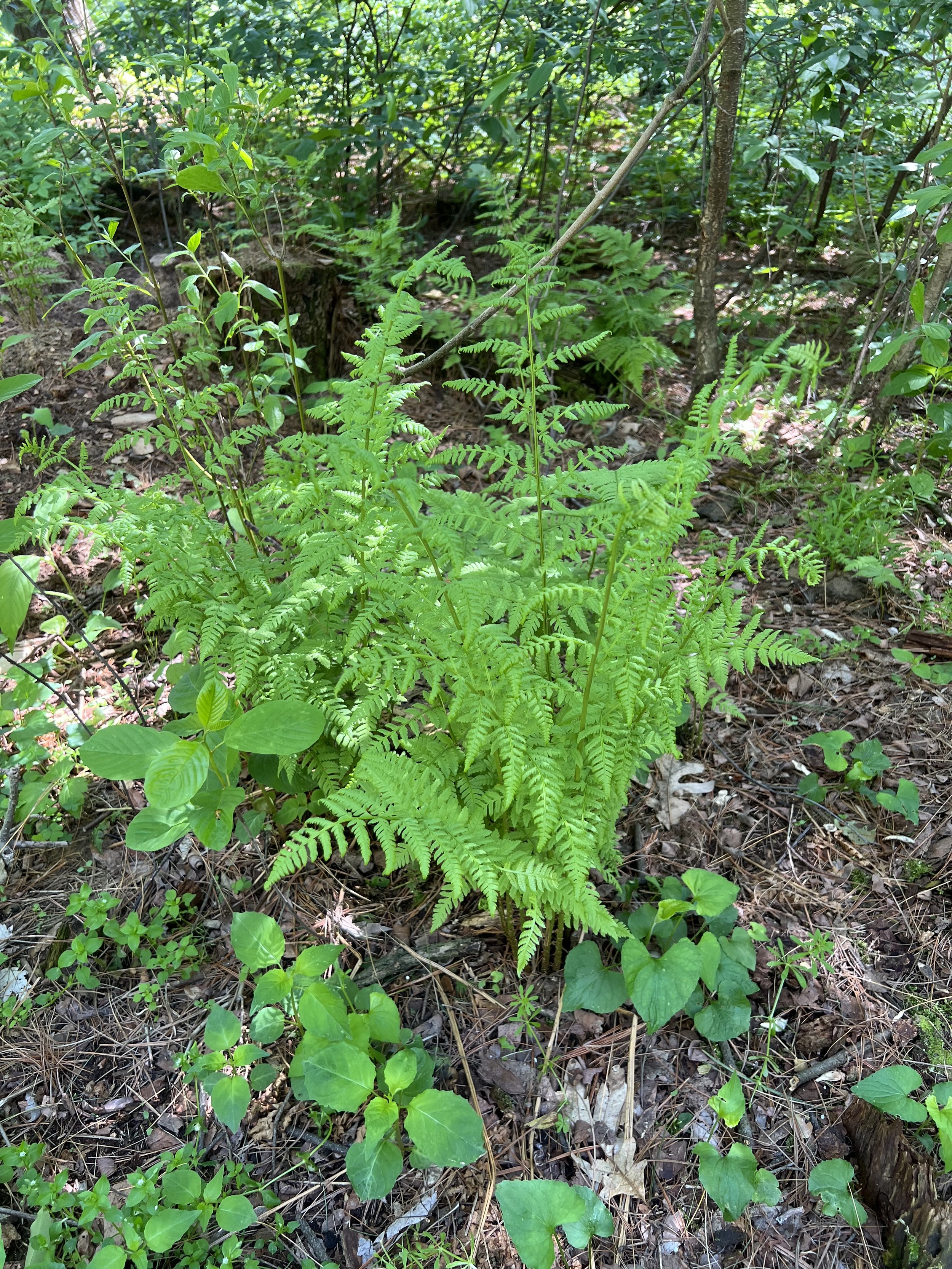
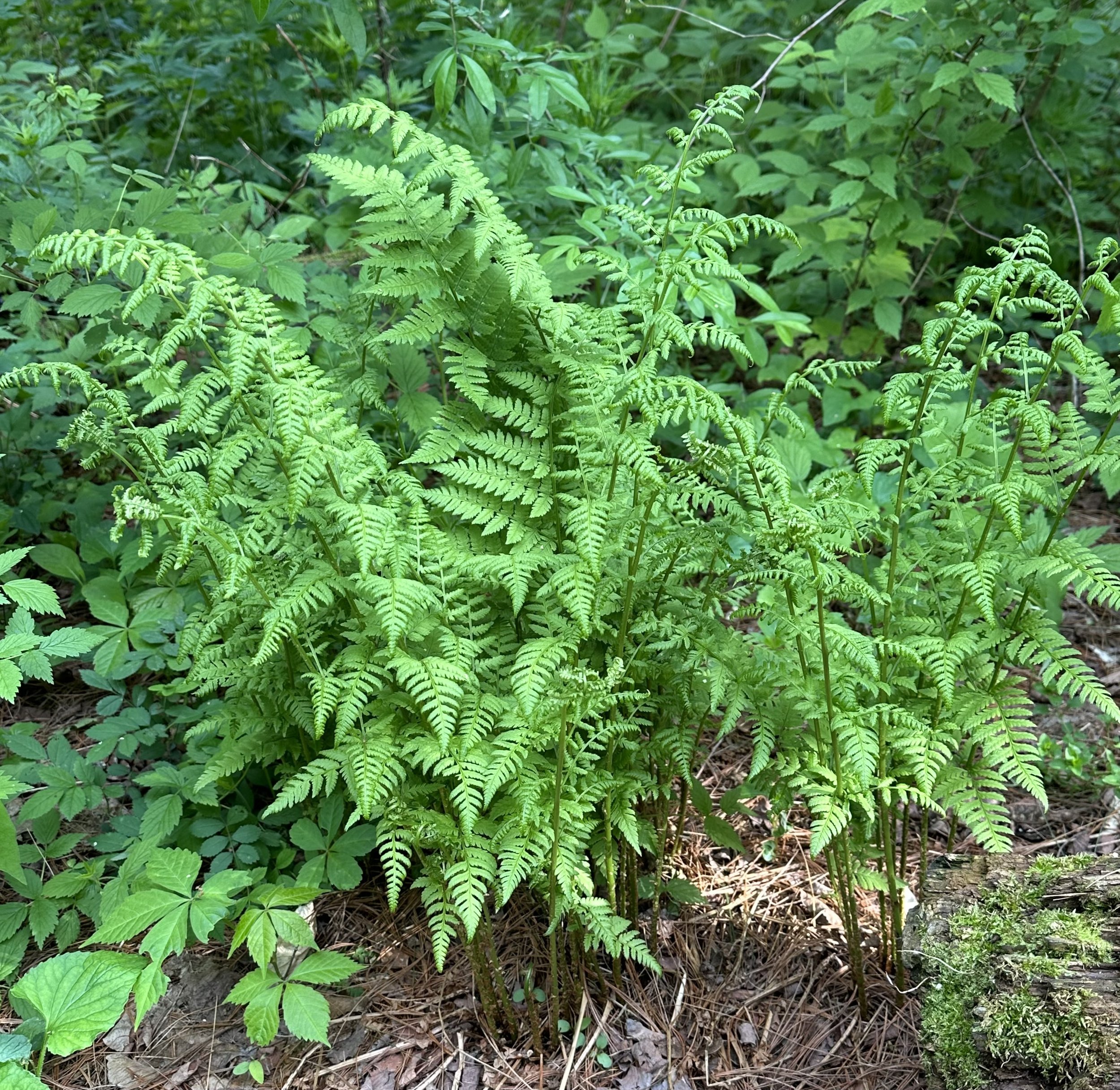
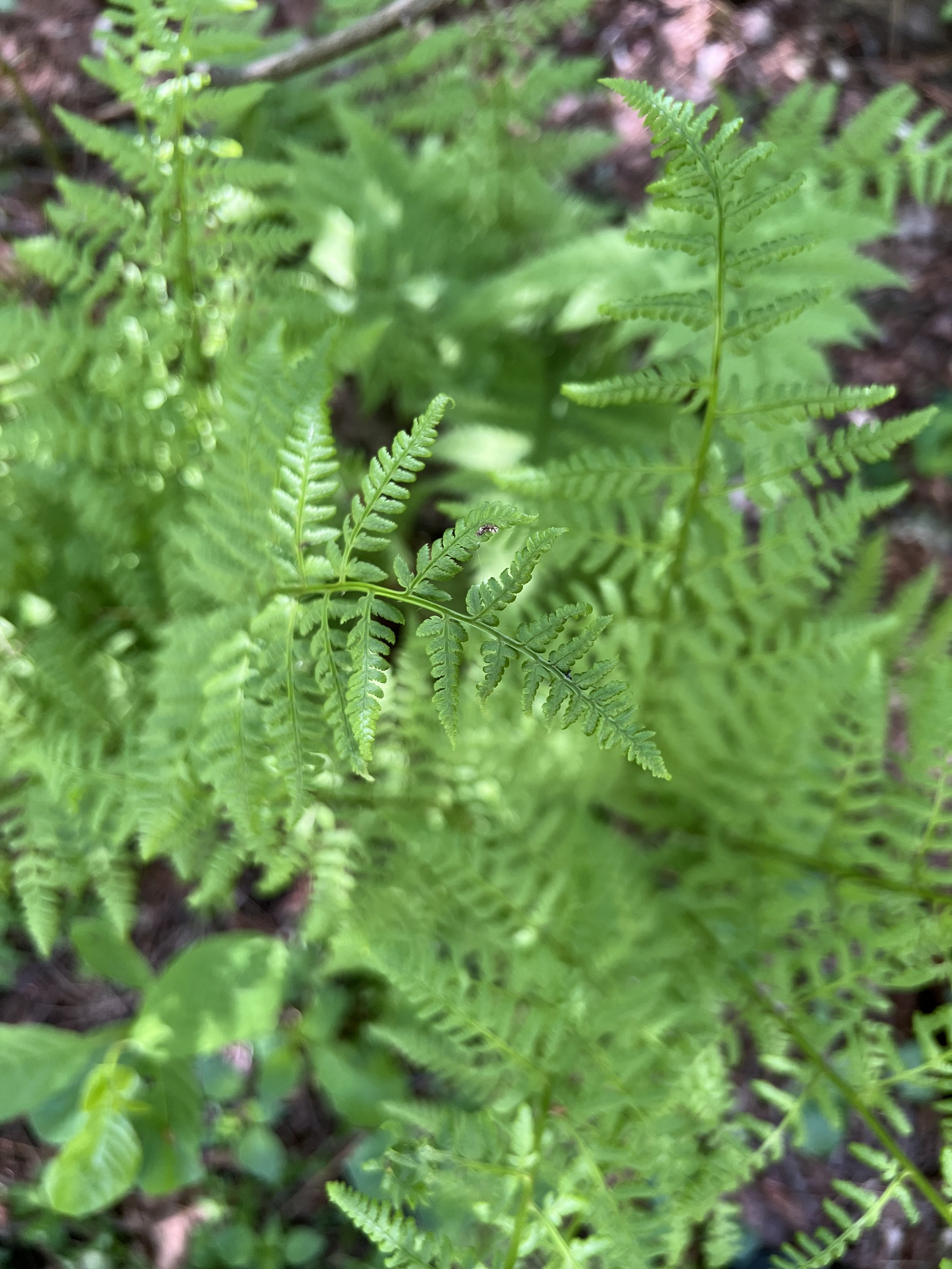
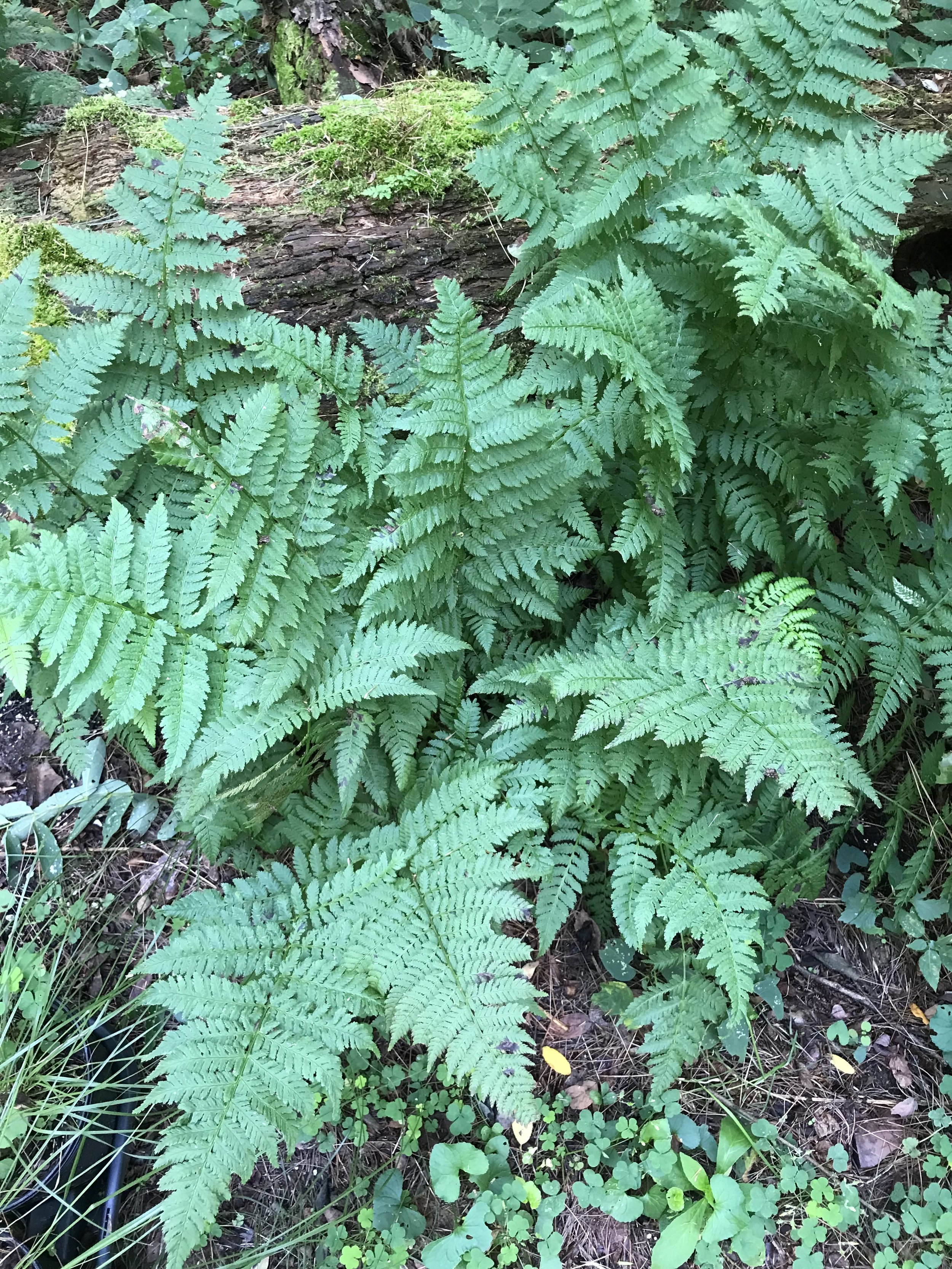
Also known as toothed wood fern, this fern is semi-evergreen, always a nice sight in the winter. Leaves will fall down somewhat from their upright position.
Many of our plants at Wild Ginger Woodlands prefer slightly acidic soil (except our fen species that want high pH). Even though you may not naturally have acidic soil, there is an easy solution. Most of us are aware that when the leaves fall in autumn we should, “leave the leaves.” This is true for woodland gardens, but not for prairie gardens. You may have areas where you don’t want leaves because they will smother plants as they try to emerge in the spring (ask me how I know!) Take these leaves that you don’t want in certain areas and spread them around your woodland garden. Most of us have earthworms and the leaves don’t stay on the ground all year due to these non-native species. Three inches is a good amount.
If you have more than enough for your gardens, start a pile that will break down giving you leaves and leaf mould for your gardens.
As brown items break down (leaves, grass, twigs, mulch, etc) they encourage the growth of fungus and fungus us acidic. Now you have solved your need for mildly acidic soil. Again, due to earthworms, this process needs to continue to ensure you have fungus in your soil.
Why so many wood ferns? I was thinking about this the other day and didn’t get around to researching it. Ferns are not know to host many insects (although we have seen some green caterpillars on ferns—maybe generalists?) Illinois wildflowers does mention an insect that eats the spores of ferns, so that’s pretty neat. Also ferns are generally not palatable to mammals. But, ferns are ancient plants in that they have been around for eons. Perhaps there were more organisms that used ferns as a food source in the distant past.
Humans do tend to love ferns so wood ferns like Spinulose wood fern are a great addition to the garden for their lacy texture and stature. They do provide shelter for small creatures.
As with most ferns, they appreciate protection from winds, higher humidity, moisture in the soil, and as discussed earlier, slightly acidic soil. Dappled sunlight to medium shade is best.
Spinulose Wood Fern (Dryopteris carthusiana)
Michigan Flora reference page for state distribution: Spinulose Wood Fern
Height: 2-3’
Soil: soil with sand or rocks, moist
Sun: dappled light to shade
Plant spacing: 18-24”
Life cycle: perennial
Family: Dryopteridaceae
Spore source: Michigan
Also known as toothed wood fern, this fern is semi-evergreen, always a nice sight in the winter. Leaves will fall down somewhat from their upright position.
Many of our plants at Wild Ginger Woodlands prefer slightly acidic soil (except our fen species that want high pH). Even though you may not naturally have acidic soil, there is an easy solution. Most of us are aware that when the leaves fall in autumn we should, “leave the leaves.” This is true for woodland gardens, but not for prairie gardens. You may have areas where you don’t want leaves because they will smother plants as they try to emerge in the spring (ask me how I know!) Take these leaves that you don’t want in certain areas and spread them around your woodland garden. Most of us have earthworms and the leaves don’t stay on the ground all year due to these non-native species. Three inches is a good amount.
If you have more than enough for your gardens, start a pile that will break down giving you leaves and leaf mould for your gardens.
As brown items break down (leaves, grass, twigs, mulch, etc) they encourage the growth of fungus and fungus us acidic. Now you have solved your need for mildly acidic soil. Again, due to earthworms, this process needs to continue to ensure you have fungus in your soil.
Why so many wood ferns? I was thinking about this the other day and didn’t get around to researching it. Ferns are not know to host many insects (although we have seen some green caterpillars on ferns—maybe generalists?) Illinois wildflowers does mention an insect that eats the spores of ferns, so that’s pretty neat. Also ferns are generally not palatable to mammals. But, ferns are ancient plants in that they have been around for eons. Perhaps there were more organisms that used ferns as a food source in the distant past.
Humans do tend to love ferns so wood ferns like Spinulose wood fern are a great addition to the garden for their lacy texture and stature. They do provide shelter for small creatures.
As with most ferns, they appreciate protection from winds, higher humidity, moisture in the soil, and as discussed earlier, slightly acidic soil. Dappled sunlight to medium shade is best.
Spinulose Wood Fern (Dryopteris carthusiana)
Michigan Flora reference page for state distribution: Spinulose Wood Fern
Height: 2-3’
Soil: soil with sand or rocks, moist
Sun: dappled light to shade
Plant spacing: 18-24”
Life cycle: perennial
Family: Dryopteridaceae
Spore source: Michigan