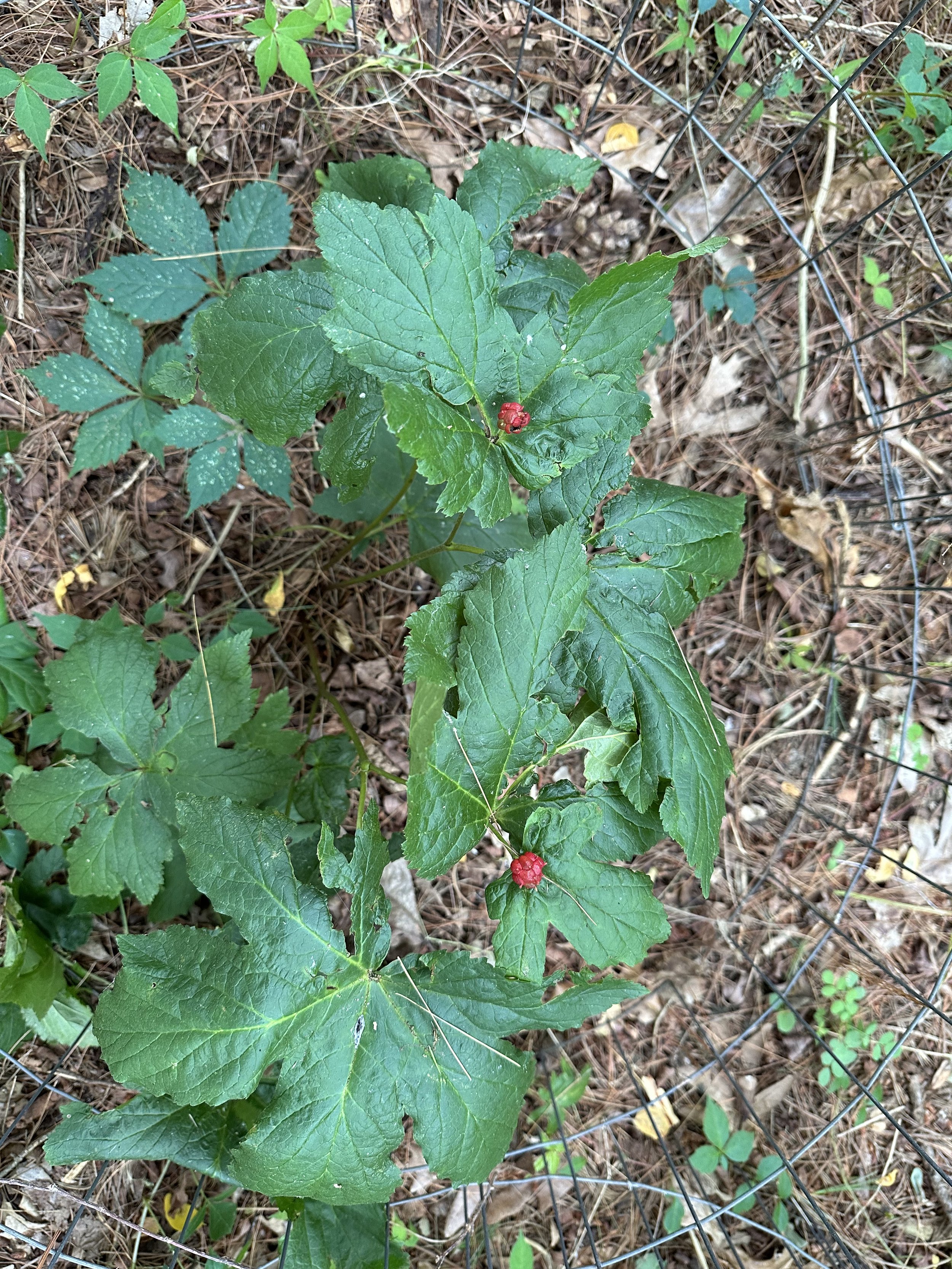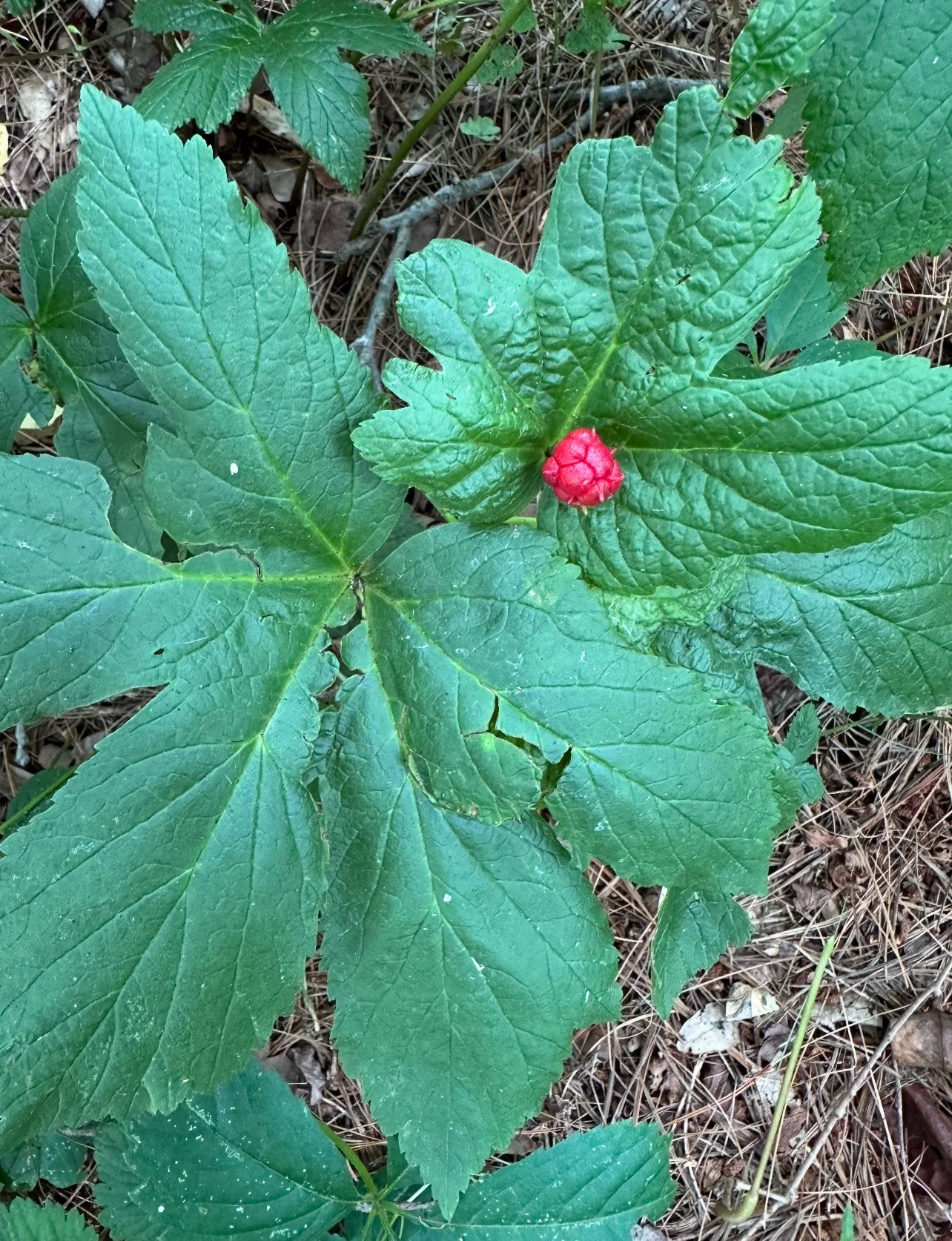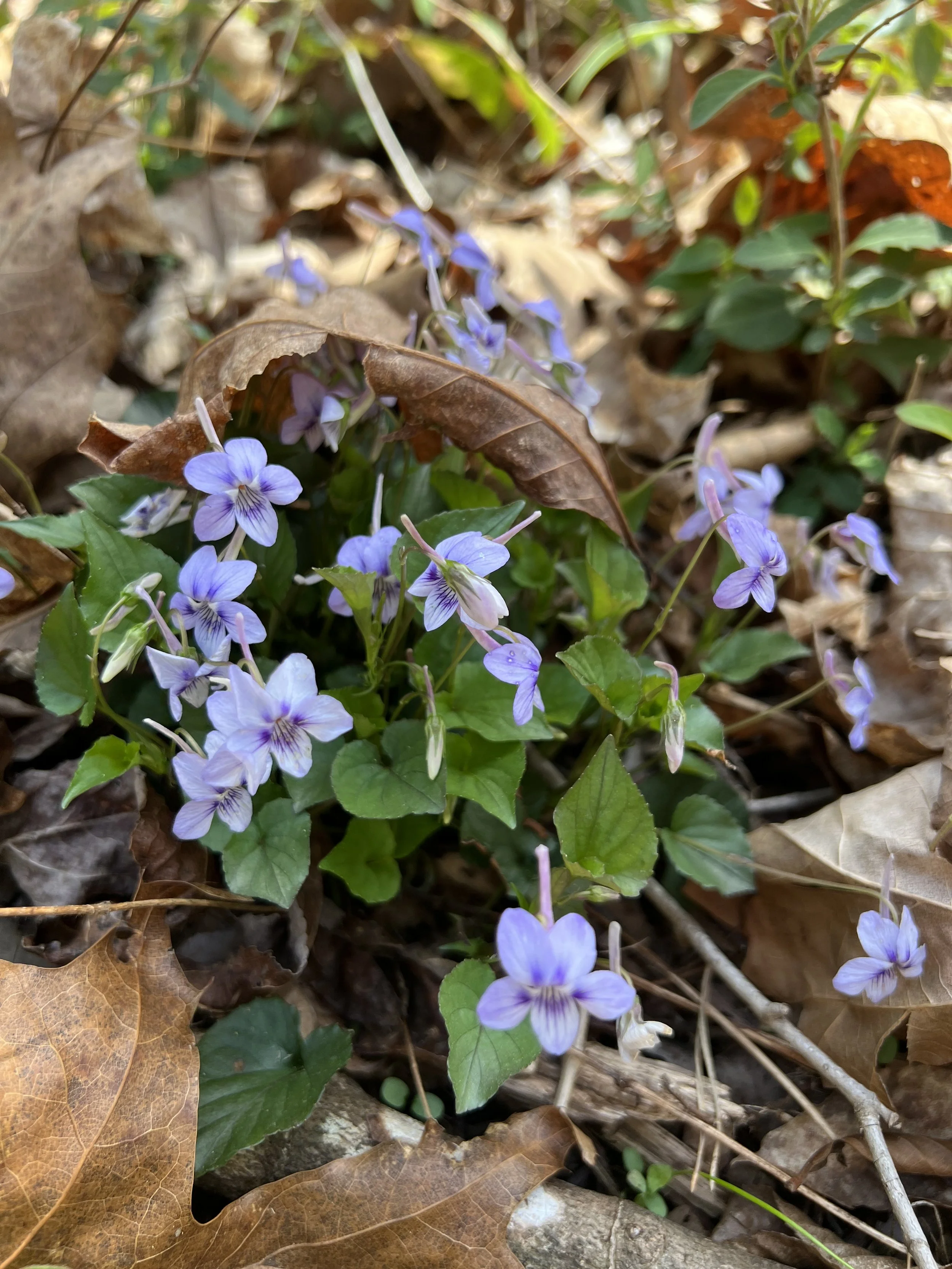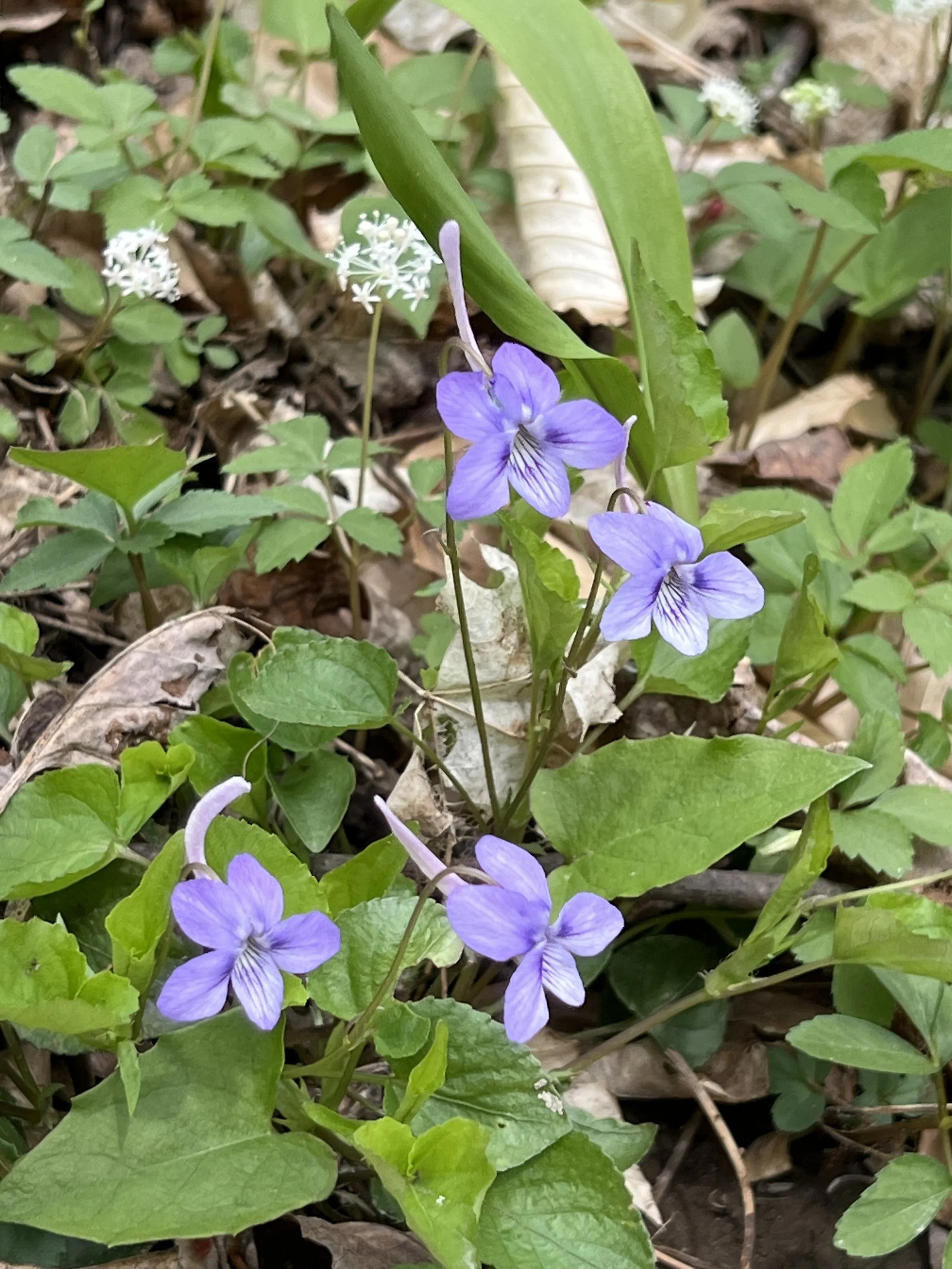
Image 1 of 6
Image 2 of 6
Image 3 of 6
Image 4 of 6
Image 5 of 6
Image 6 of 6
Swamp Dewberry (Rubus hispidus)
from $5.50
Sold Out
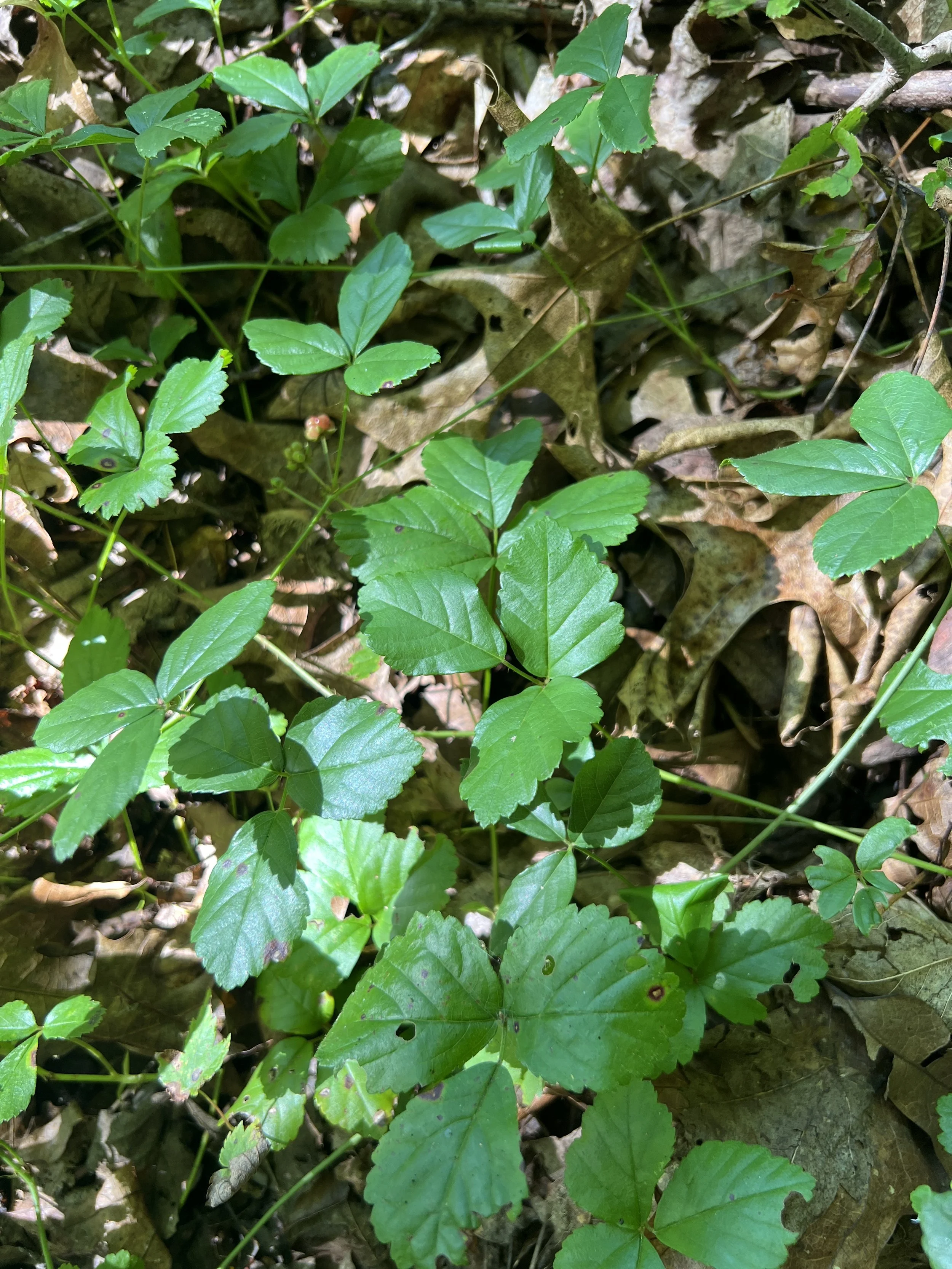
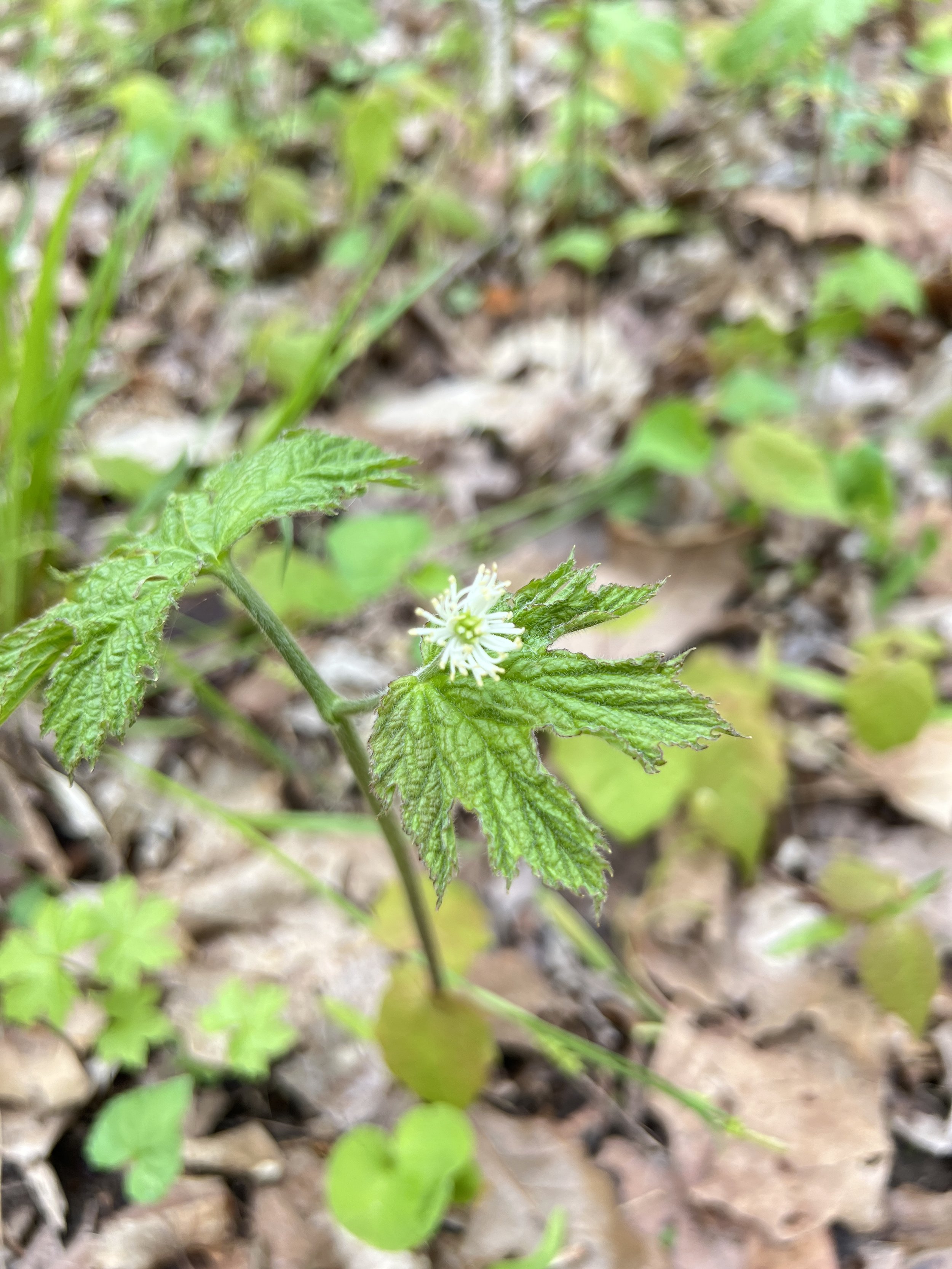
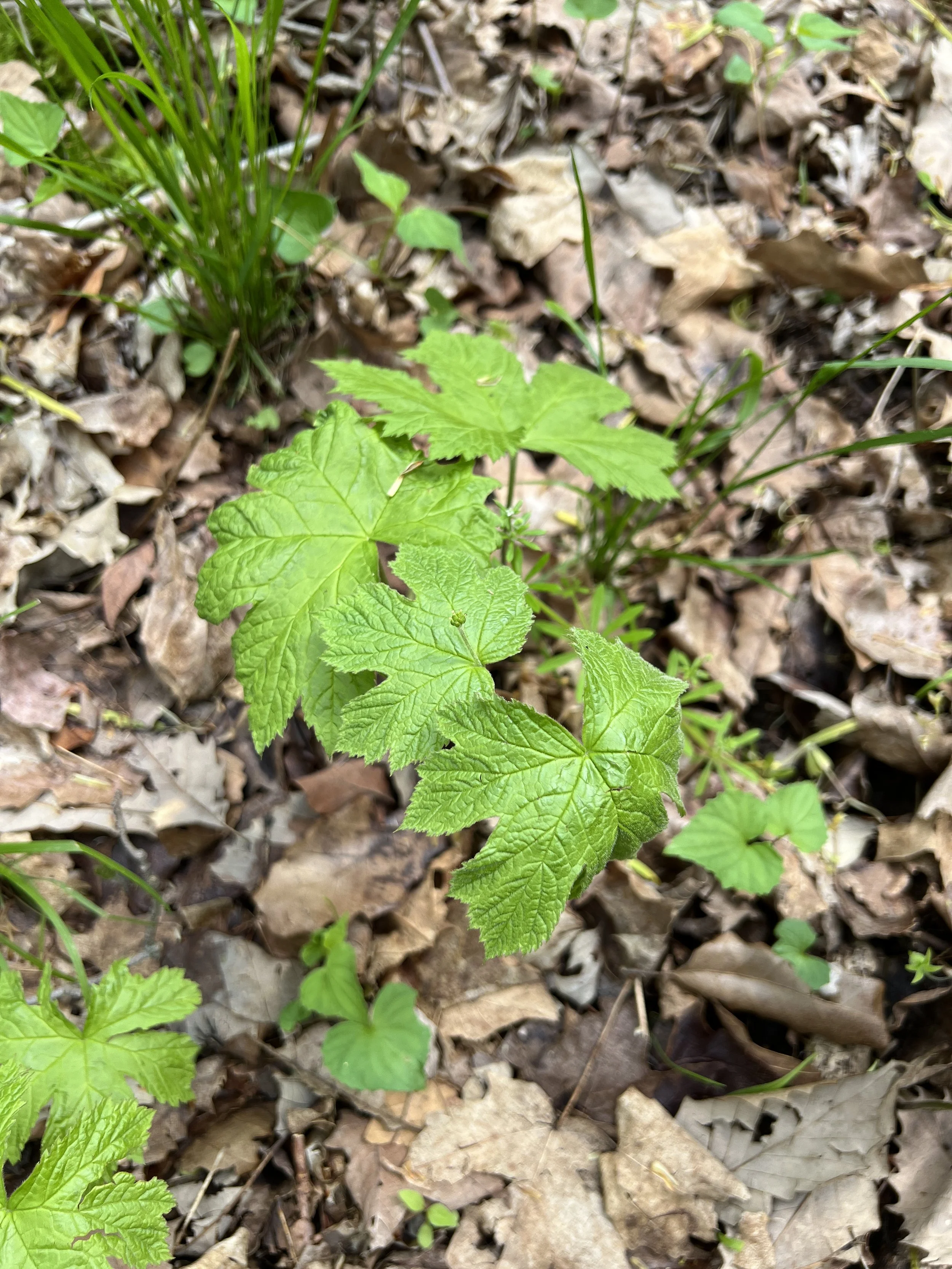
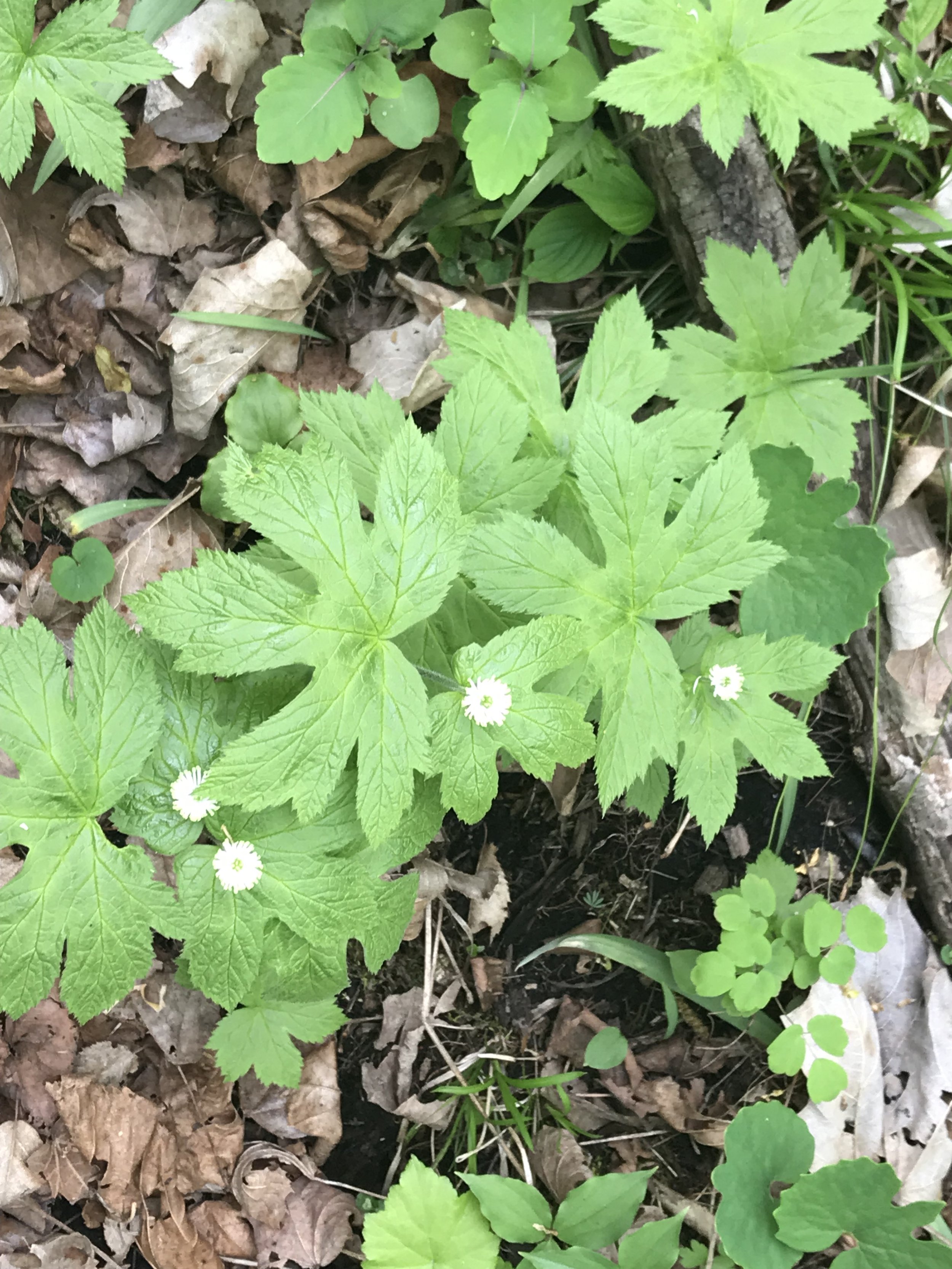
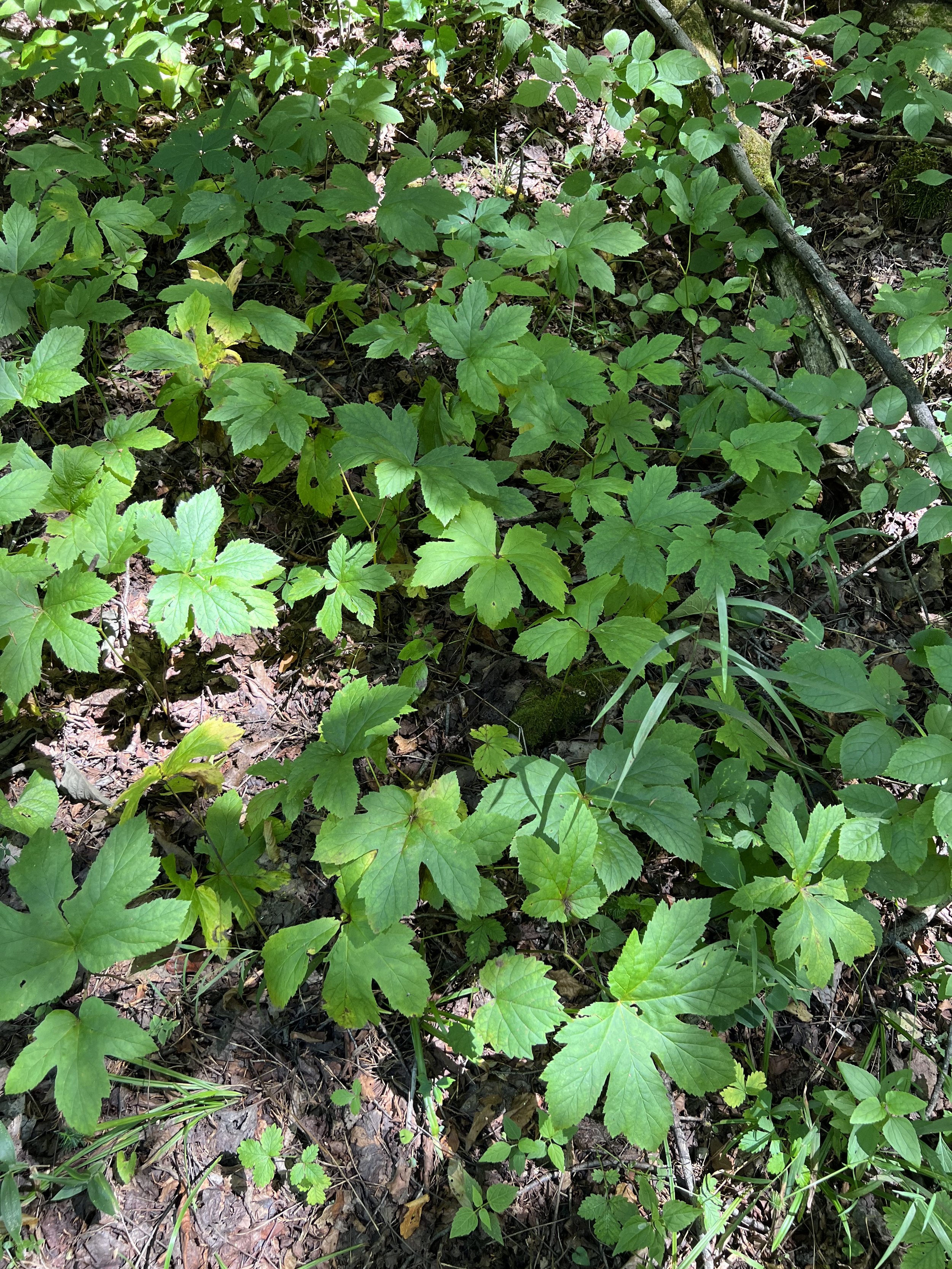
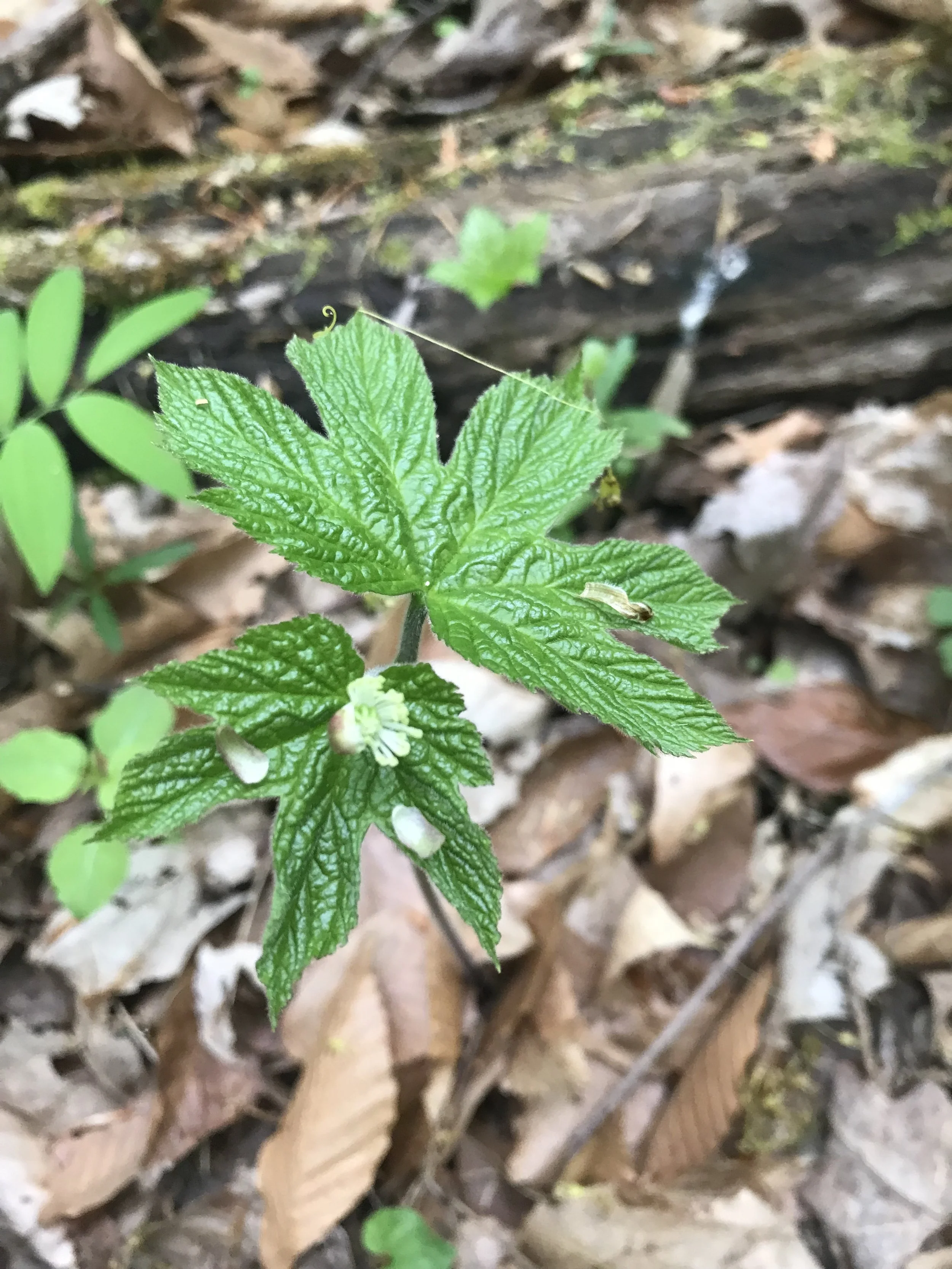
Swamp Dewberry is the ground cover of many forests, usually near where the forest meets a wetland, but sometimes in drier forests too. This plant is a trailing vine up to 8 feet long that roots wherever it touches the ground.
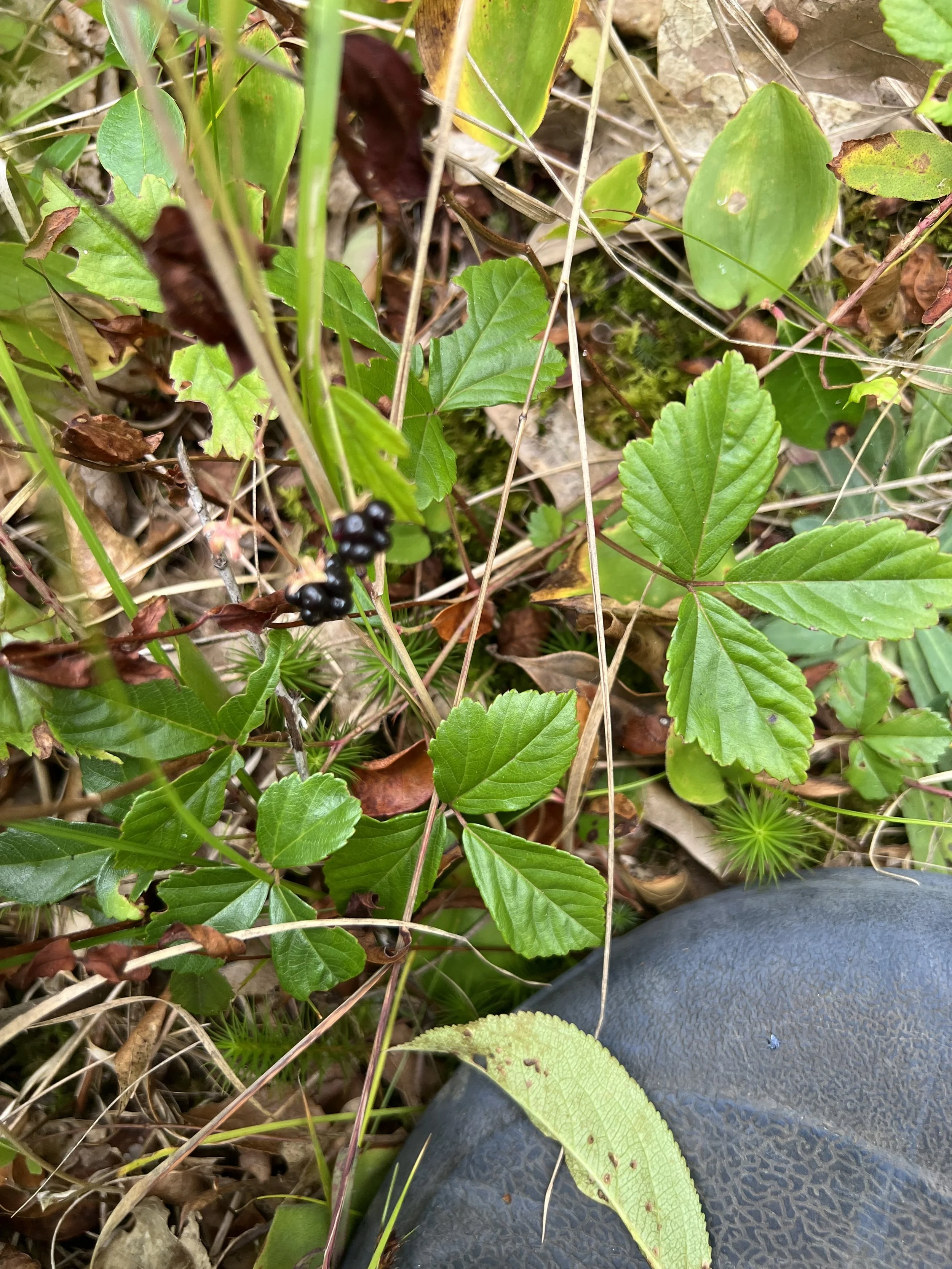
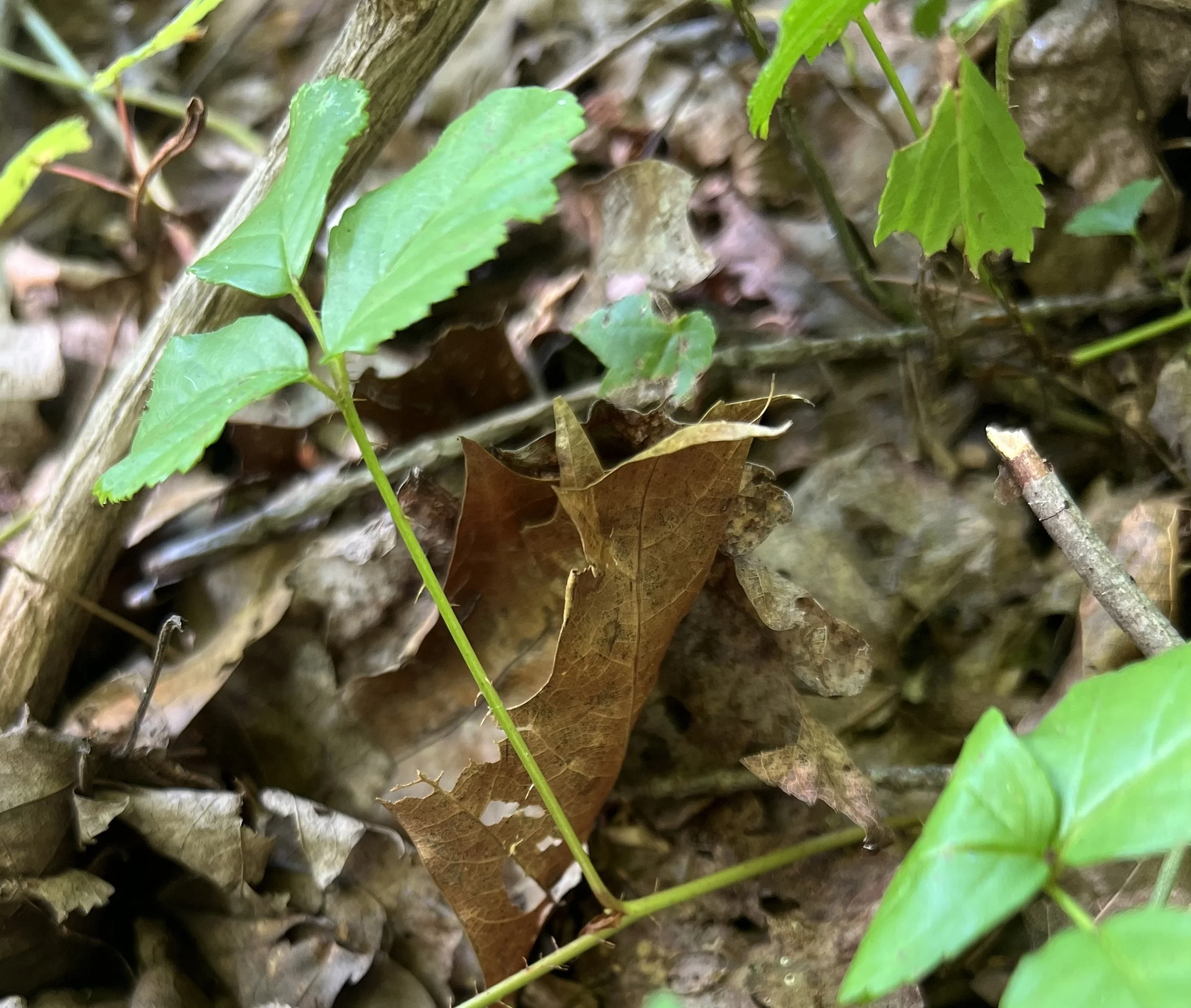
The vines have bristly hairs along them and prickles—see photos. The compound leaves are green and somewhat shiny. There are usually three leaflets. They are similar to raspberry leaves, but they are rounded.
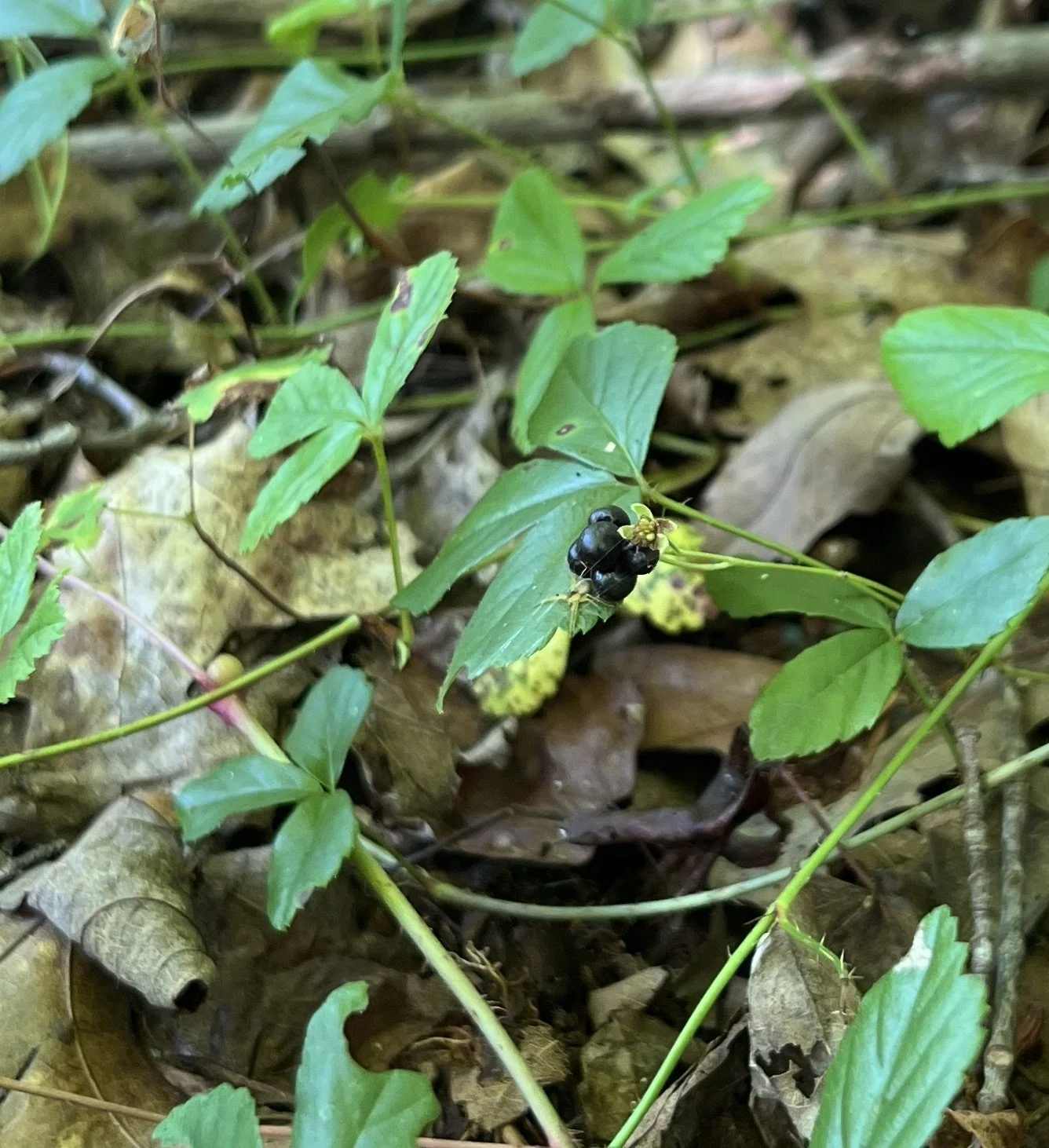
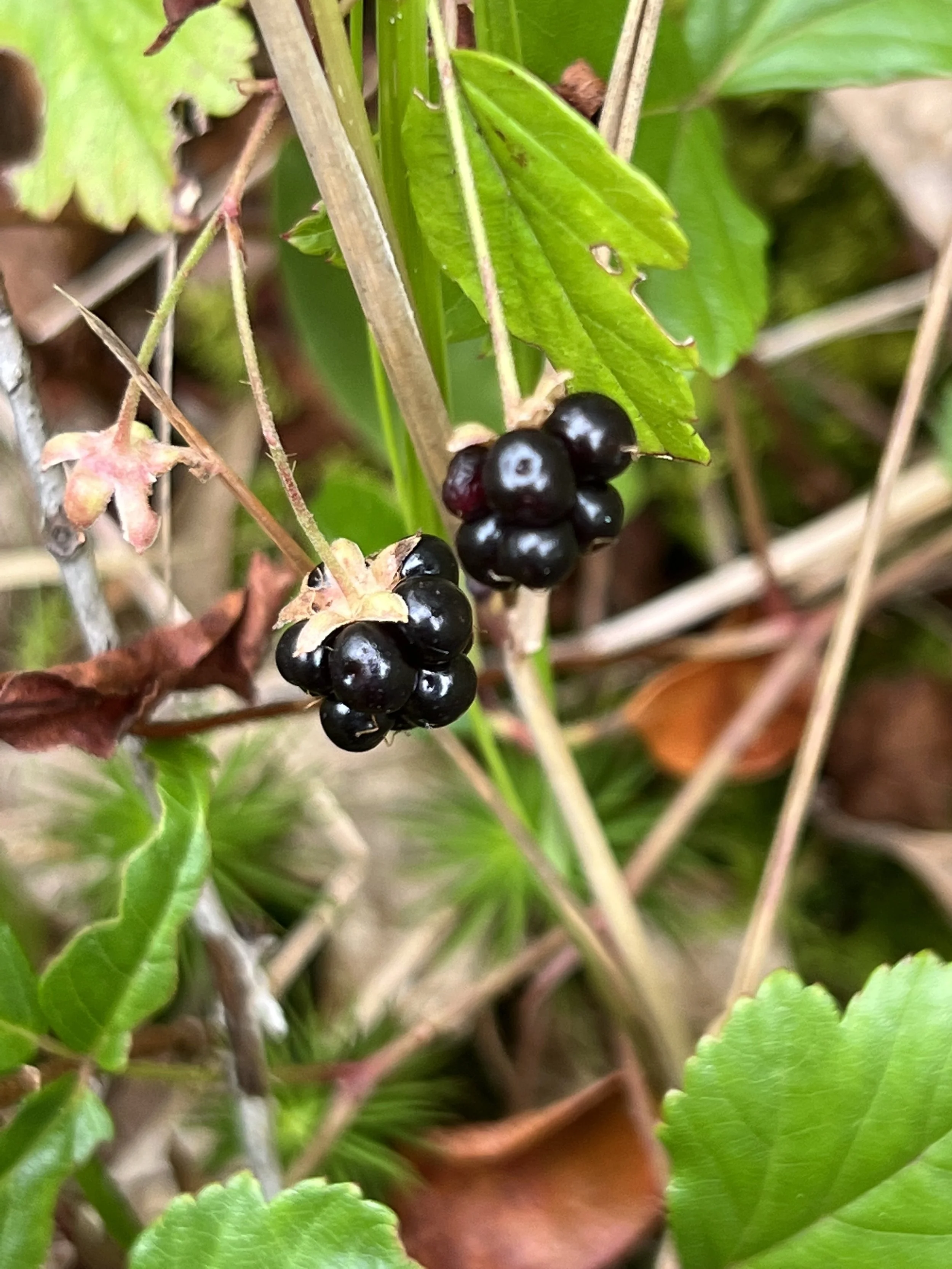
Dewberries are an aggregate fruit. Each “section” has one seed inside and is called a drupelet. These are edible, but a little sour. Turtles, birds and mammals all eat the fruits, spreading the seed.
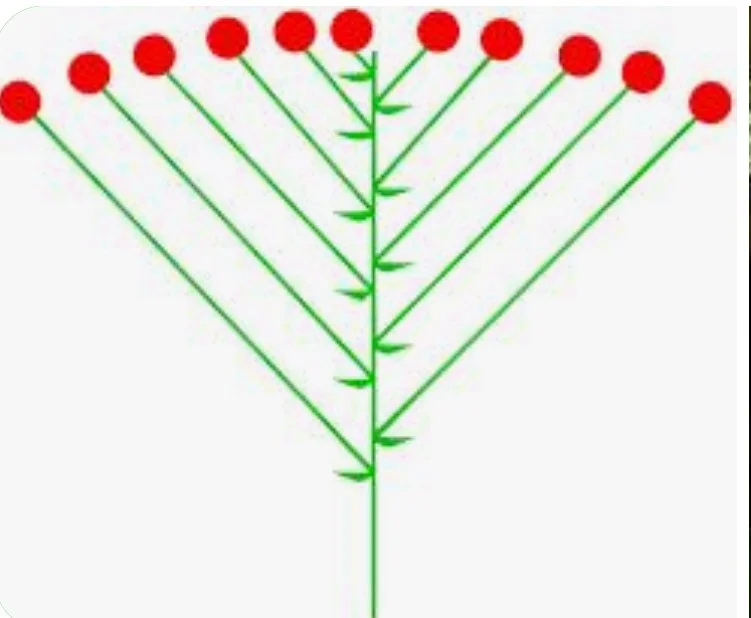
Flowers bloom in small groups called corymbs. A corymb is a formation where pedicels (flower stems) come off of the peduncle (main stem) in different locations such that they are different lengths, but the flowers are flat-topped (see photos). Other plants in the Rubus genus have single flowers.
The flowers of swamp dewberry attract many insects looking for both pollen and nectar. There are also many insects that feed on the foliage of Rubus plants.
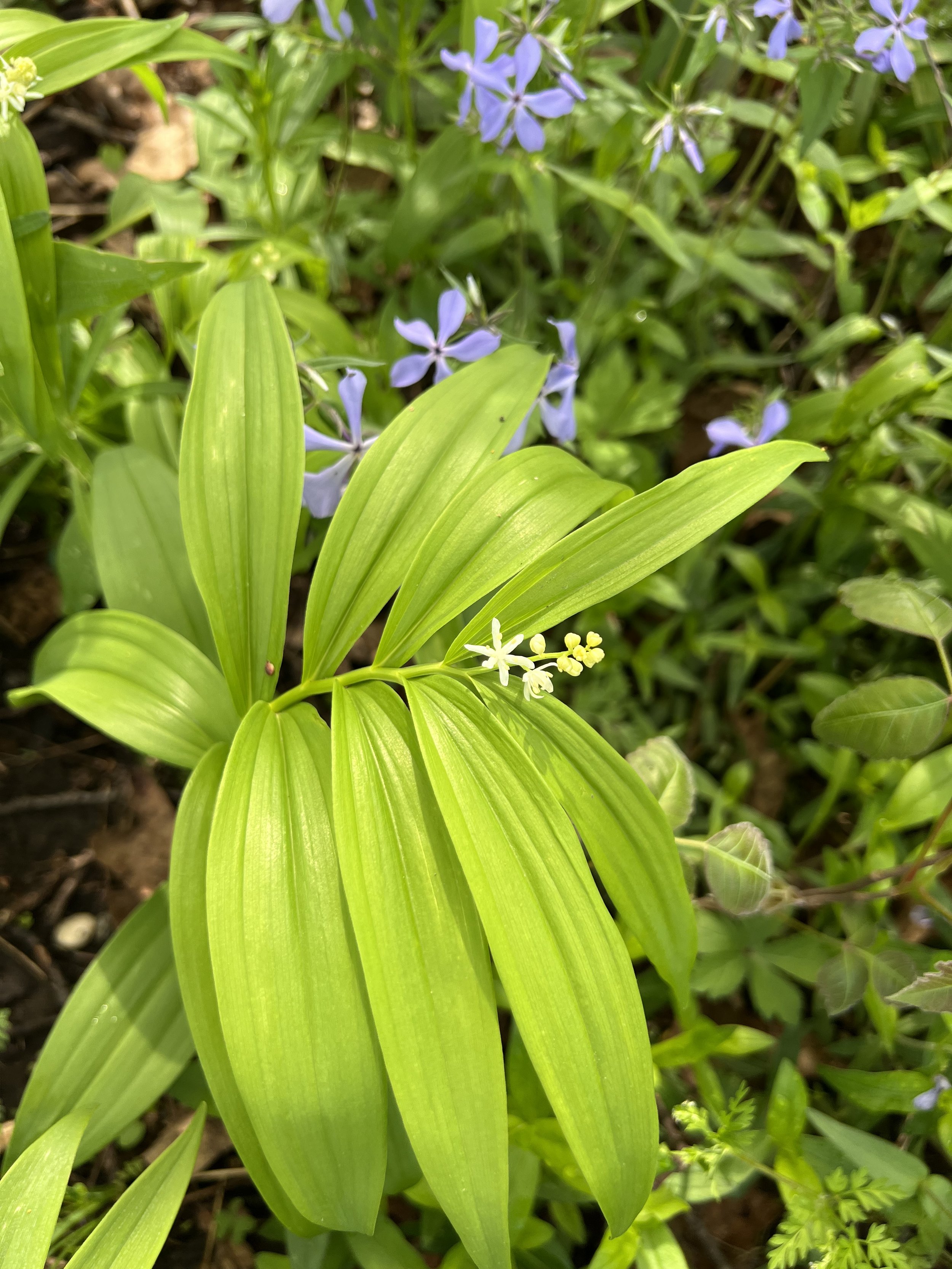
Companion Plants: ferns, Canada mayflower, starflower, woodland sedges
Swamp Dewberry (Rubus hispidus)
Michigan Flora reference page for statewide distribution: Swamp Dewberry
Height: 3-6”, 8’ long
Bloom Time: June-July
Soil: acidic, moist loam, loamy sand
Sun: dappled light, part-sun, shade
Plant spacing: 2 feet
Flower: white Berry: green to red to dark purple
Life cycle: perennial
Family: Rosaceae
Seed source: Michigan
Sizes:
Get notified by email when this product is in stock.
Swamp Dewberry is the ground cover of many forests, usually near where the forest meets a wetland, but sometimes in drier forests too. This plant is a trailing vine up to 8 feet long that roots wherever it touches the ground.
The vines have bristly hairs along them and prickles—see photos. The compound leaves are green and somewhat shiny. There are usually three leaflets. They are similar to raspberry leaves, but they are rounded.
Dewberries are an aggregate fruit. Each “section” has one seed inside and is called a drupelet. These are edible, but a little sour. Turtles, birds and mammals all eat the fruits, spreading the seed.
Flowers bloom in small groups called corymbs. A corymb is a formation where pedicels (flower stems) come off of the peduncle (main stem) in different locations such that they are different lengths, but the flowers are flat-topped (see photos). Other plants in the Rubus genus have single flowers.
The flowers of swamp dewberry attract many insects looking for both pollen and nectar. There are also many insects that feed on the foliage of Rubus plants.
Companion Plants: ferns, Canada mayflower, starflower, woodland sedges
Swamp Dewberry (Rubus hispidus)
Michigan Flora reference page for statewide distribution: Swamp Dewberry
Height: 3-6”, 8’ long
Bloom Time: June-July
Soil: acidic, moist loam, loamy sand
Sun: dappled light, part-sun, shade
Plant spacing: 2 feet
Flower: white Berry: green to red to dark purple
Life cycle: perennial
Family: Rosaceae
Seed source: Michigan