Image 1 of 3
Image 2 of 3
Image 3 of 3
Swan’s Sedge (Carex swanii)
from $3.50
Sold Out
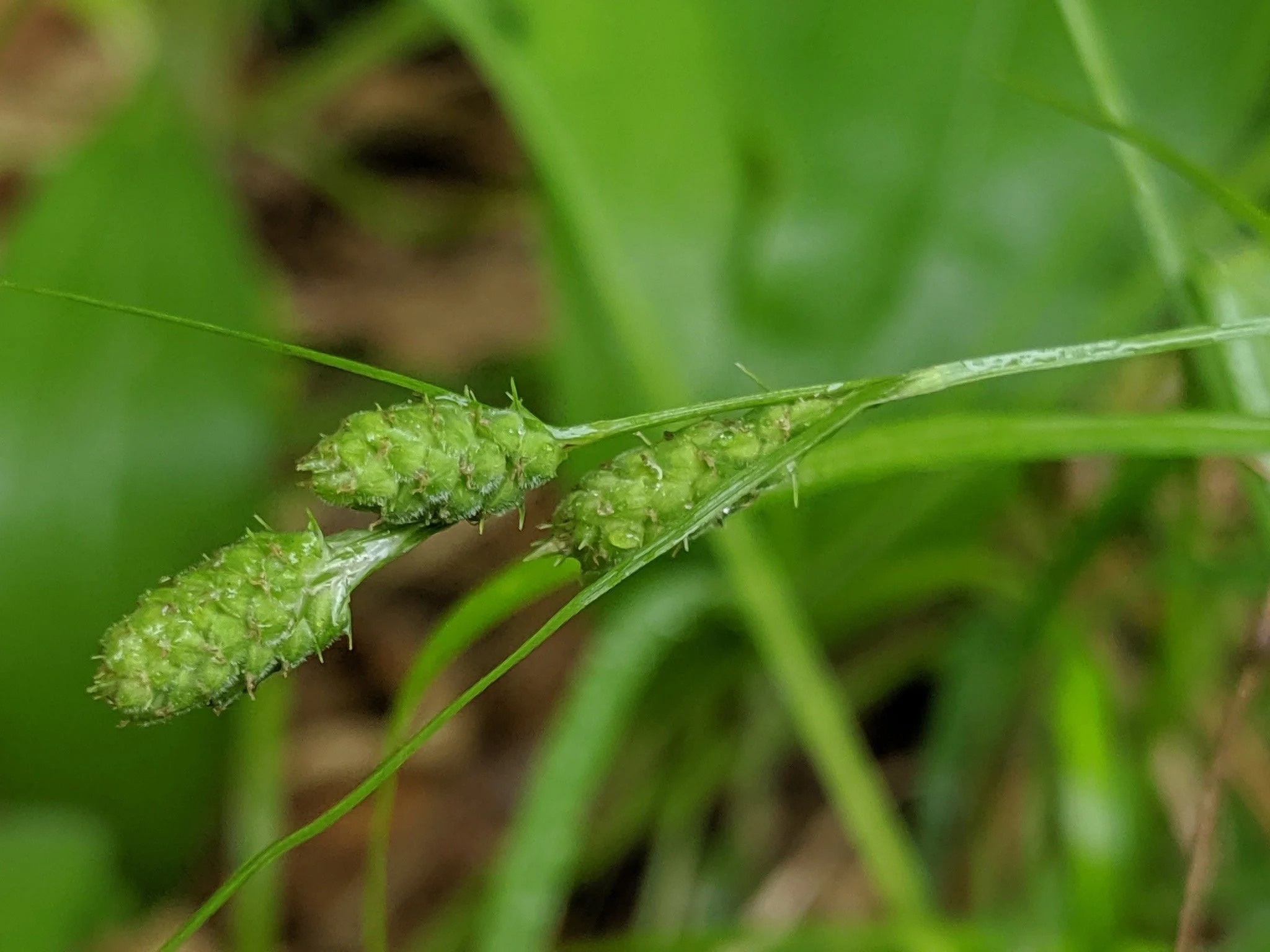
Swan’s sedge can be found in dry oak-hickory forests, but it is usually found in richer, wetter conditions. Sally found this sedge on her property among oaks and with bracken fern, in fairly dry, sandy conditions.
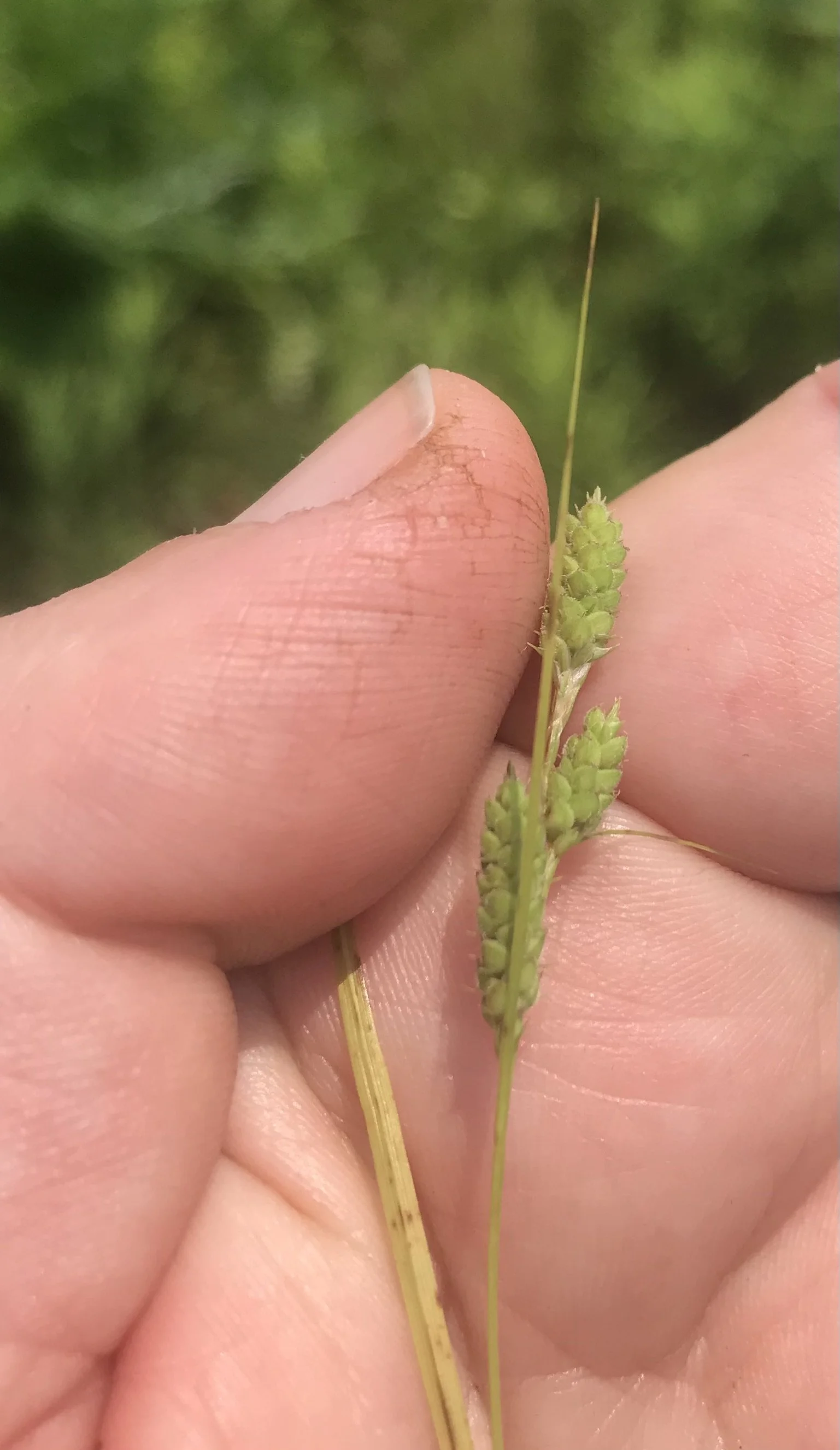
While I don’t currently have photos of the leaves or the plant as a whole, I will remedy that in the 2026 season because they are beautiful! When people would see them in pots at sales, this was the sedge they decided to purchase. They are a paler green than many grasses and sedges and the perigynia (seeds) are hairy which is a less common sedge characteristic. The seed heads are packed and in groups of threes at the ends of stems.
Sedges are an important part of any ecosystem and are often among the first plants to re-establish disturbed areas. They are host plants, plants for wildlife shelter, and the seeds are often food for birds or small mammals.
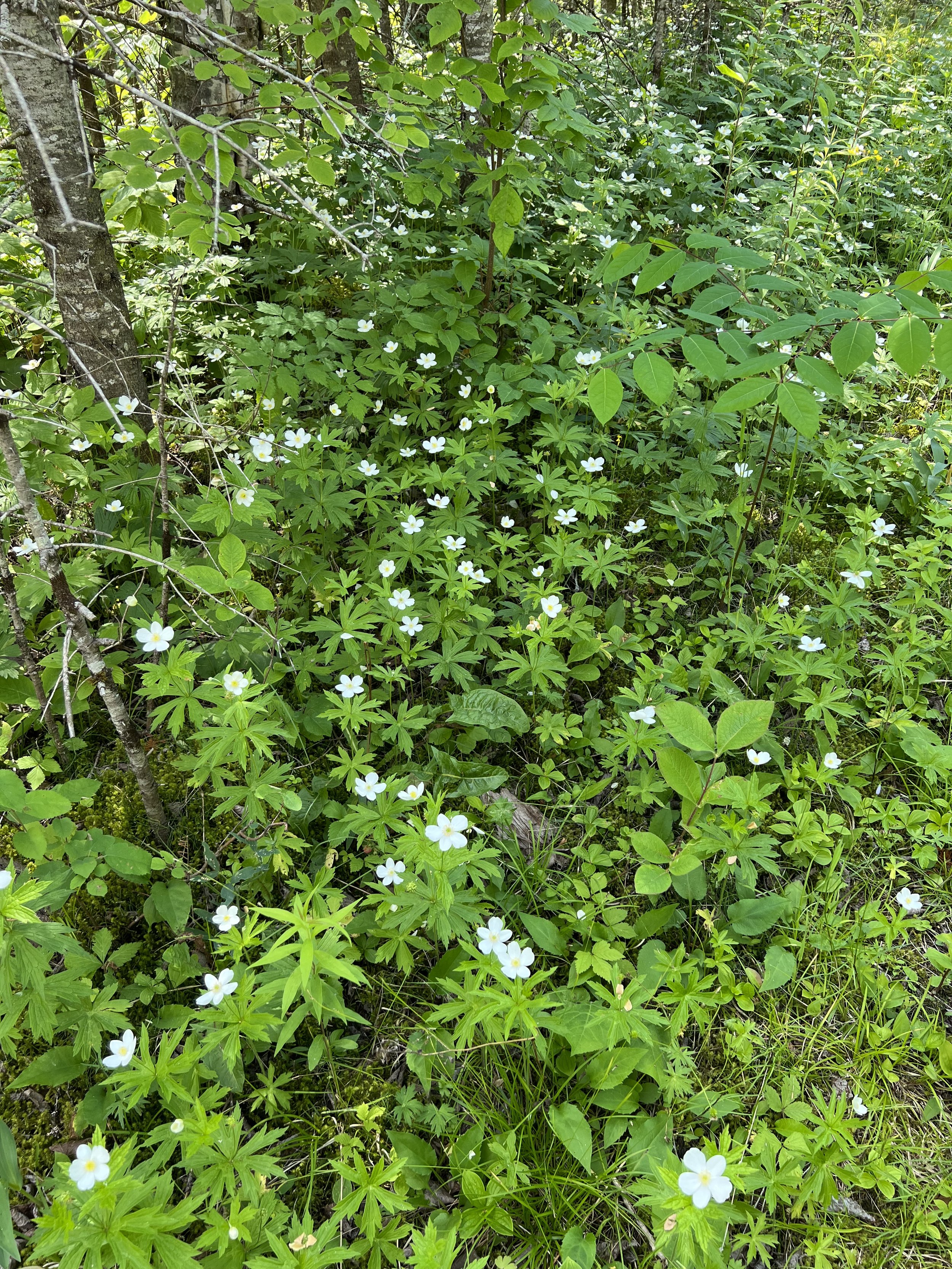
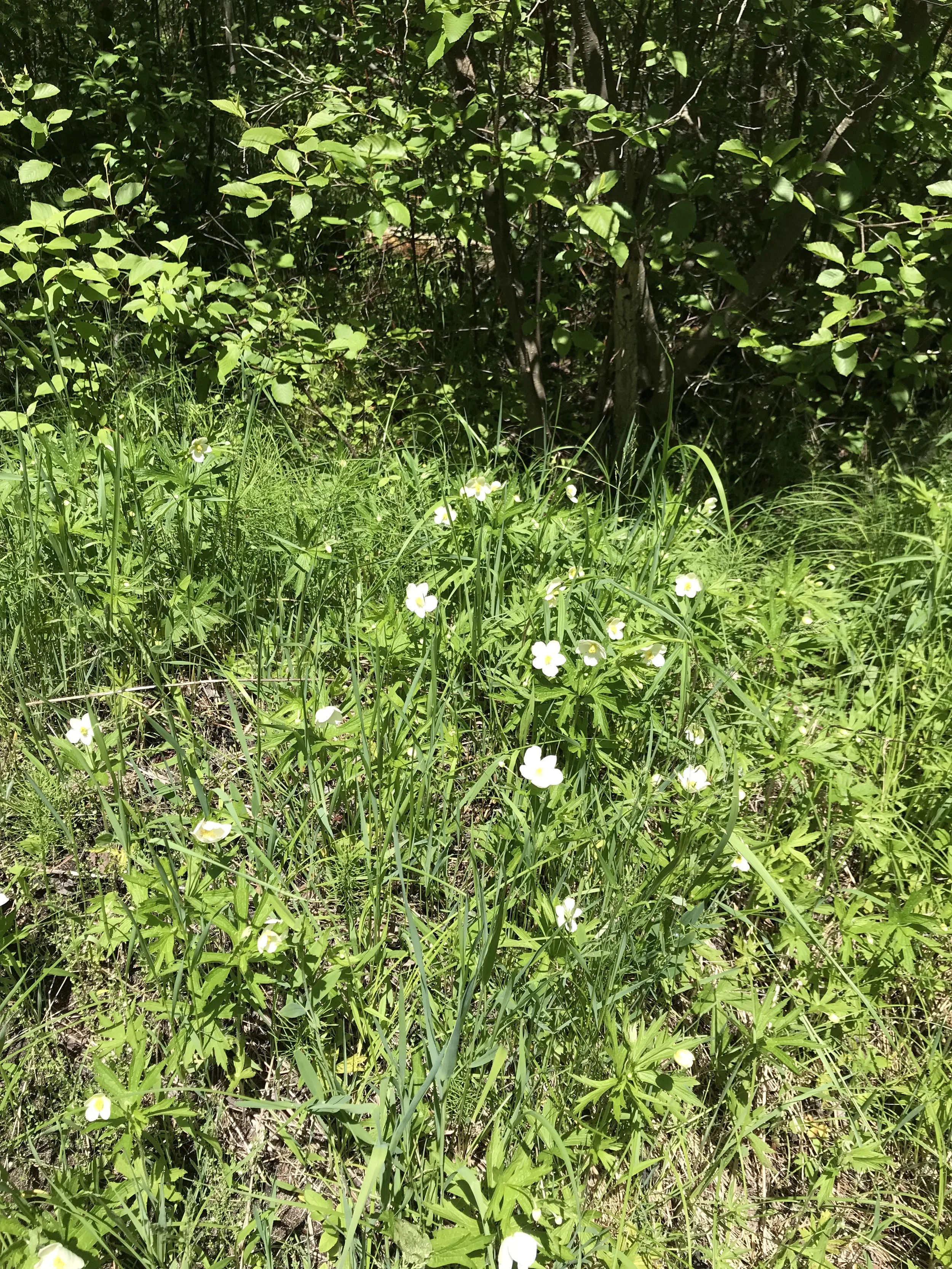
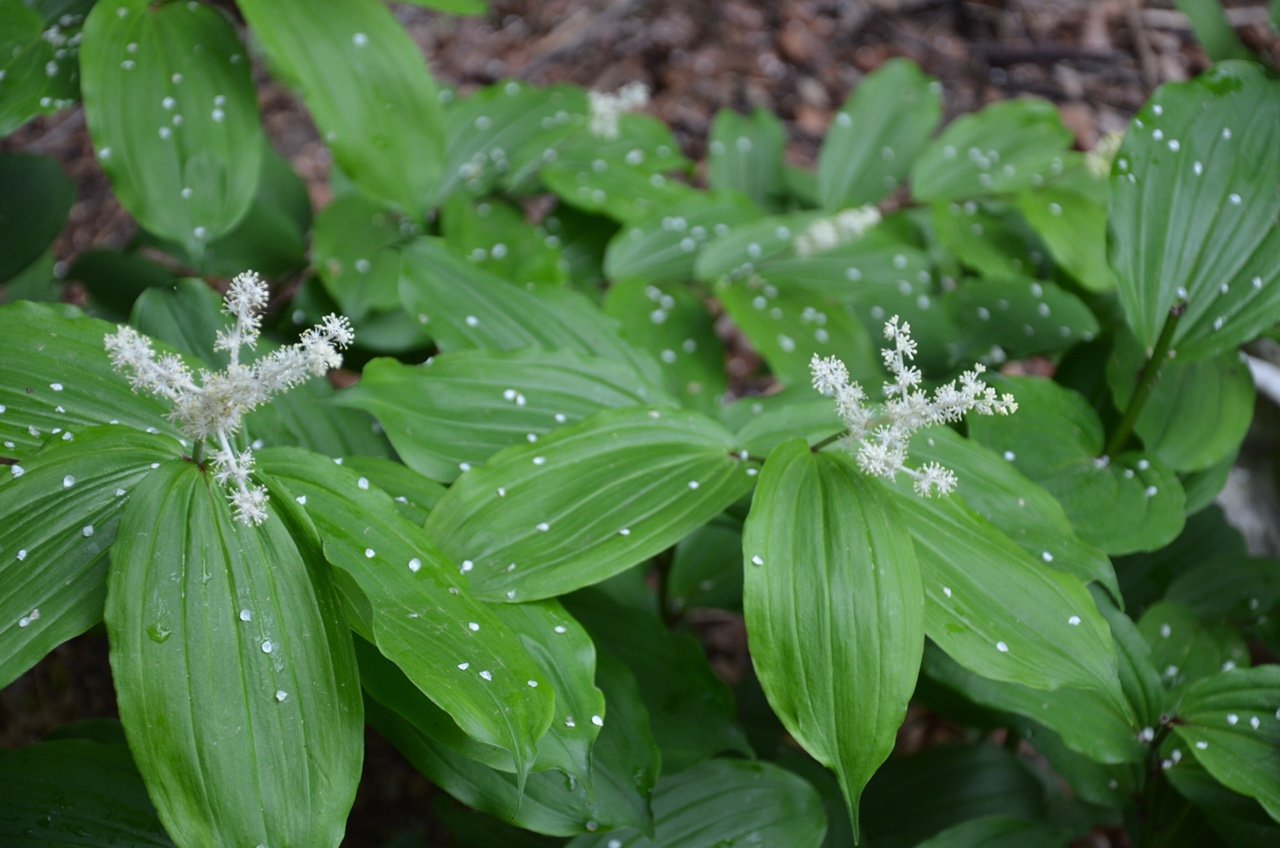
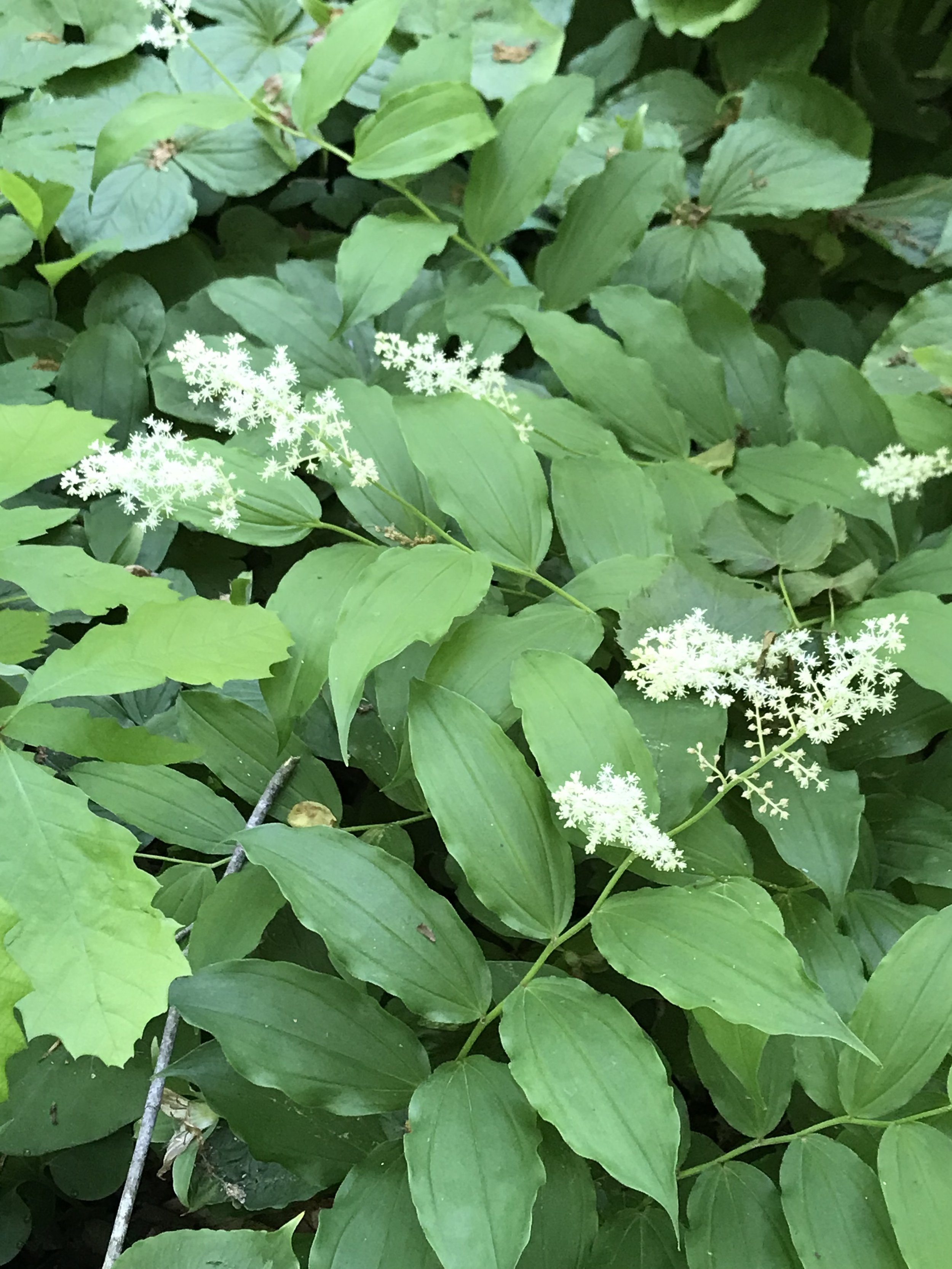
Companion Plants: Canada mayflower, Penn sedge, lady fern, violets, jack-in-the-pulpit, cinnamon fern
Swan’s Sedge (Carex swanii)
Michigan Flora reference page for state distribution: Swan’s Sedge
Height: 12-18”
Soil: moist-dry, sand, loam
Sun: dappled light to light shade
Plant spacing: 12”
Life cycle: perennial
Family: Cyperaceae
Seed source: Michigan
Sizes:
Get notified by email when this product is in stock.
Swan’s sedge can be found in dry oak-hickory forests, but it is usually found in richer, wetter conditions. Sally found this sedge on her property among oaks and with bracken fern, in fairly dry, sandy conditions.
While I don’t currently have photos of the leaves or the plant as a whole, I will remedy that in the 2026 season because they are beautiful! When people would see them in pots at sales, this was the sedge they decided to purchase. They are a paler green than many grasses and sedges and the perigynia (seeds) are hairy which is a less common sedge characteristic. The seed heads are packed and in groups of threes at the ends of stems.
Sedges are an important part of any ecosystem and are often among the first plants to re-establish disturbed areas. They are host plants, plants for wildlife shelter, and the seeds are often food for birds or small mammals.
Companion Plants: Canada mayflower, Penn sedge, lady fern, violets, jack-in-the-pulpit, cinnamon fern
Swan’s Sedge (Carex swanii)
Michigan Flora reference page for state distribution: Swan’s Sedge
Height: 12-18”
Soil: moist-dry, sand, loam
Sun: dappled light to light shade
Plant spacing: 12”
Life cycle: perennial
Family: Cyperaceae
Seed source: Michigan