Two-flowered Cynthia, also known as false dandelion is a plant of savannahs and moist prairies or prairie fens. The yellow flowers have a slight orange tint that is not often found in the world of flowers, and the leaves are a bluish-green, sometimes rimmed in red or brown. The plant blooms in May and June, but I have noticed that it may bloom again in the fall in my home garden. It is one of my favorite plants!
In Indiana Dunes National Park it grows in an oak savannah with wild lupine and hoary puccoon. Well worth seeing!
Fun fact: Two-flowered Cynthia is unusual in another way besides its striking color. It is in the family Asteraceae, but rather than having ray florets (petals of the “flower”) and disc florets (center of the “flower”) as is usual for the family, it has spreading ray florets.
The plants in this genus have a bee species that is dependent on them: Krigia Andrenid Bee. This is called oligolechty. (source: Illinois Wildflowers).
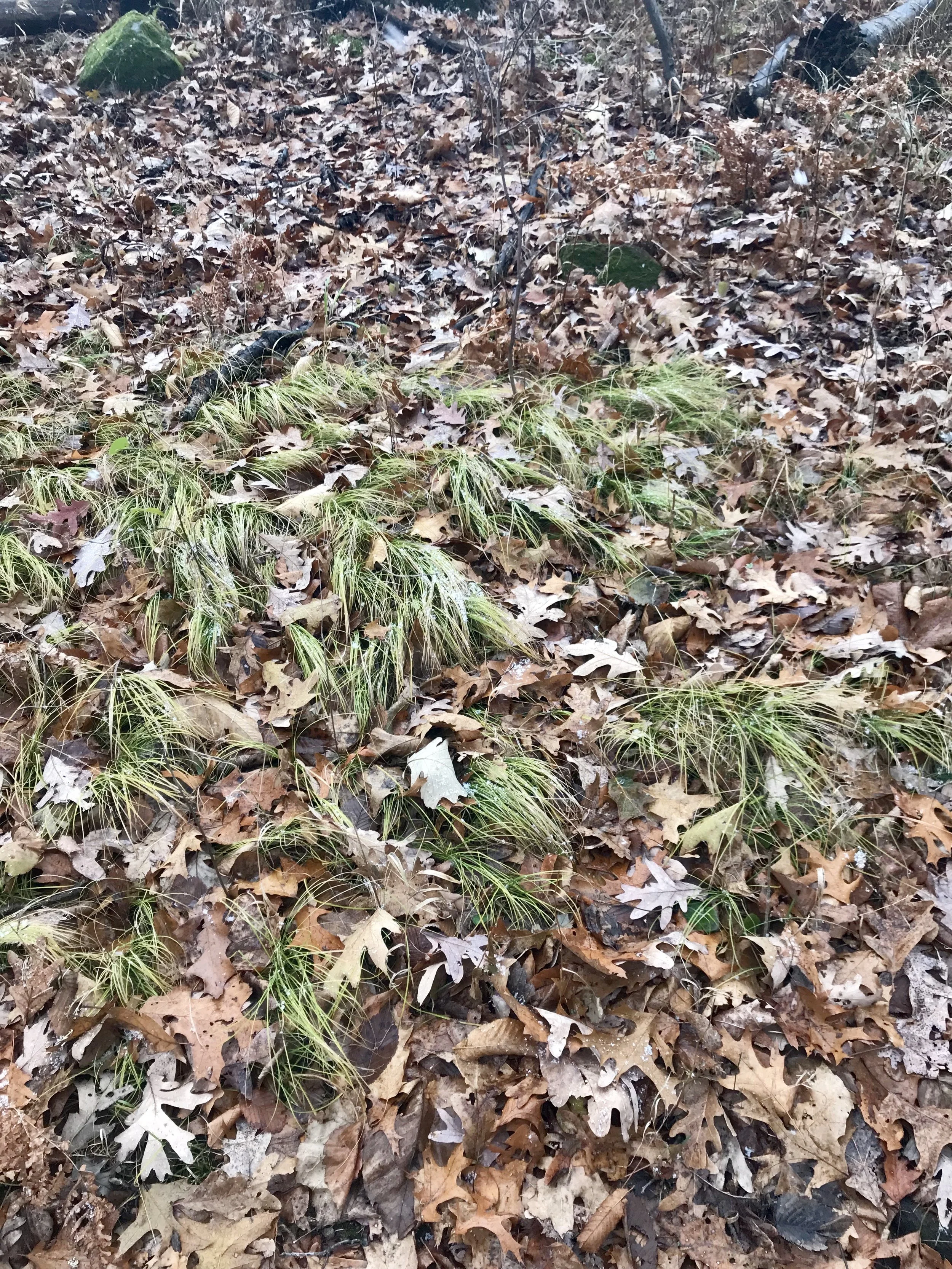
Companion Plants: Wild lupine, Penn sedge, pussytoes, harebell, wild strawberries, wood betony, yellow pimpernel, birds foot violet
Two-flowered Cynthia (Krigia biflora)
Michigan Flora reference page for state distribution: Two-flowered Cynthia
Height: 12-24”
Bloom time: May-June, possibly again in the fall
Soil: loam, loamy sand, loamy clay
Sun: sun to dappled light
Plant spacing: 12”
Flower: yellow with slight orange tint
Life cycle: perennial
Family: Asteraceae
Seed source: Michigan
Two-flowered Cynthia, also known as false dandelion is a plant of savannahs and moist prairies or prairie fens. The yellow flowers have a slight orange tint that is not often found in the world of flowers, and the leaves are a bluish-green, sometimes rimmed in red or brown. The plant blooms in May and June, but I have noticed that it may bloom again in the fall in my home garden. It is one of my favorite plants!
In Indiana Dunes National Park it grows in an oak savannah with wild lupine and hoary puccoon. Well worth seeing!
Fun fact: Two-flowered Cynthia is unusual in another way besides its striking color. It is in the family Asteraceae, but rather than having ray florets (petals of the “flower”) and disc florets (center of the “flower”) as is usual for the family, it has spreading ray florets.
The plants in this genus have a bee species that is dependent on them: Krigia Andrenid Bee. This is called oligolechty. (source: Illinois Wildflowers).
Companion Plants: Wild lupine, Penn sedge, pussytoes, harebell, wild strawberries, wood betony, yellow pimpernel, birds foot violet
Two-flowered Cynthia (Krigia biflora)
Michigan Flora reference page for state distribution: Two-flowered Cynthia
Height: 12-24”
Bloom time: May-June, possibly again in the fall
Soil: loam, loamy sand, loamy clay
Sun: sun to dappled light
Plant spacing: 12”
Flower: yellow with slight orange tint
Life cycle: perennial
Family: Asteraceae
Seed source: Michigan
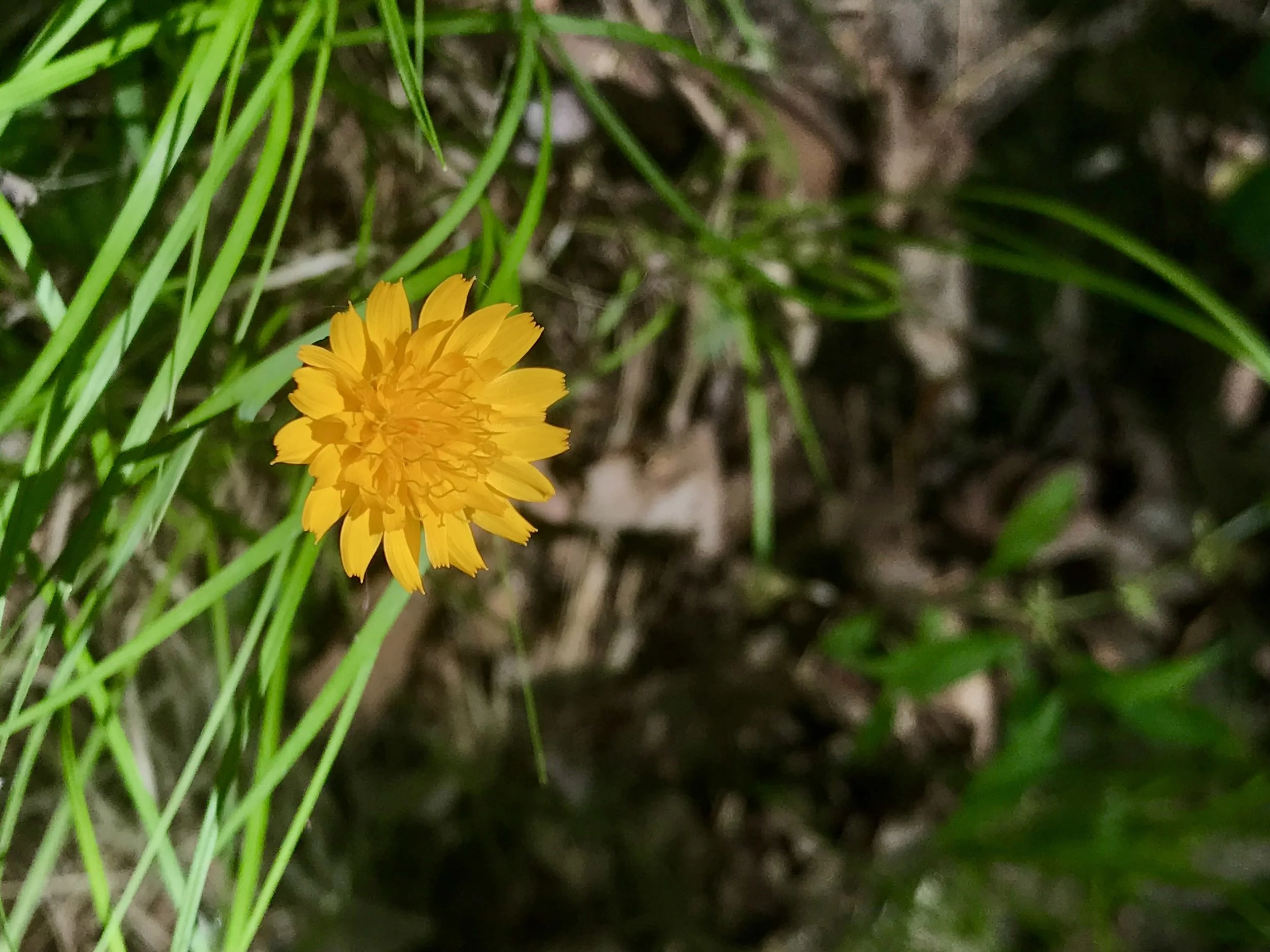 Image 1 of 6
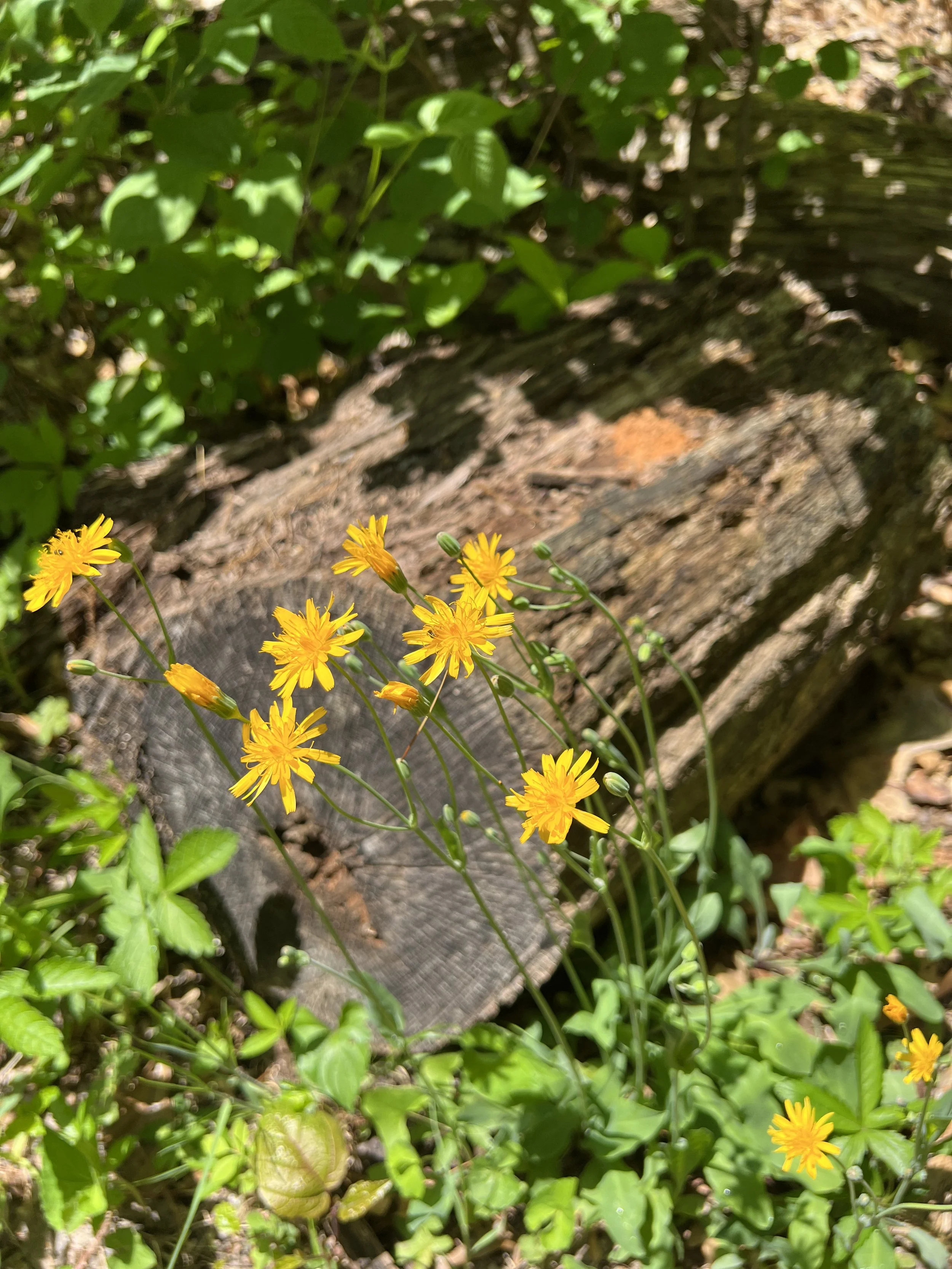 Image 2 of 6
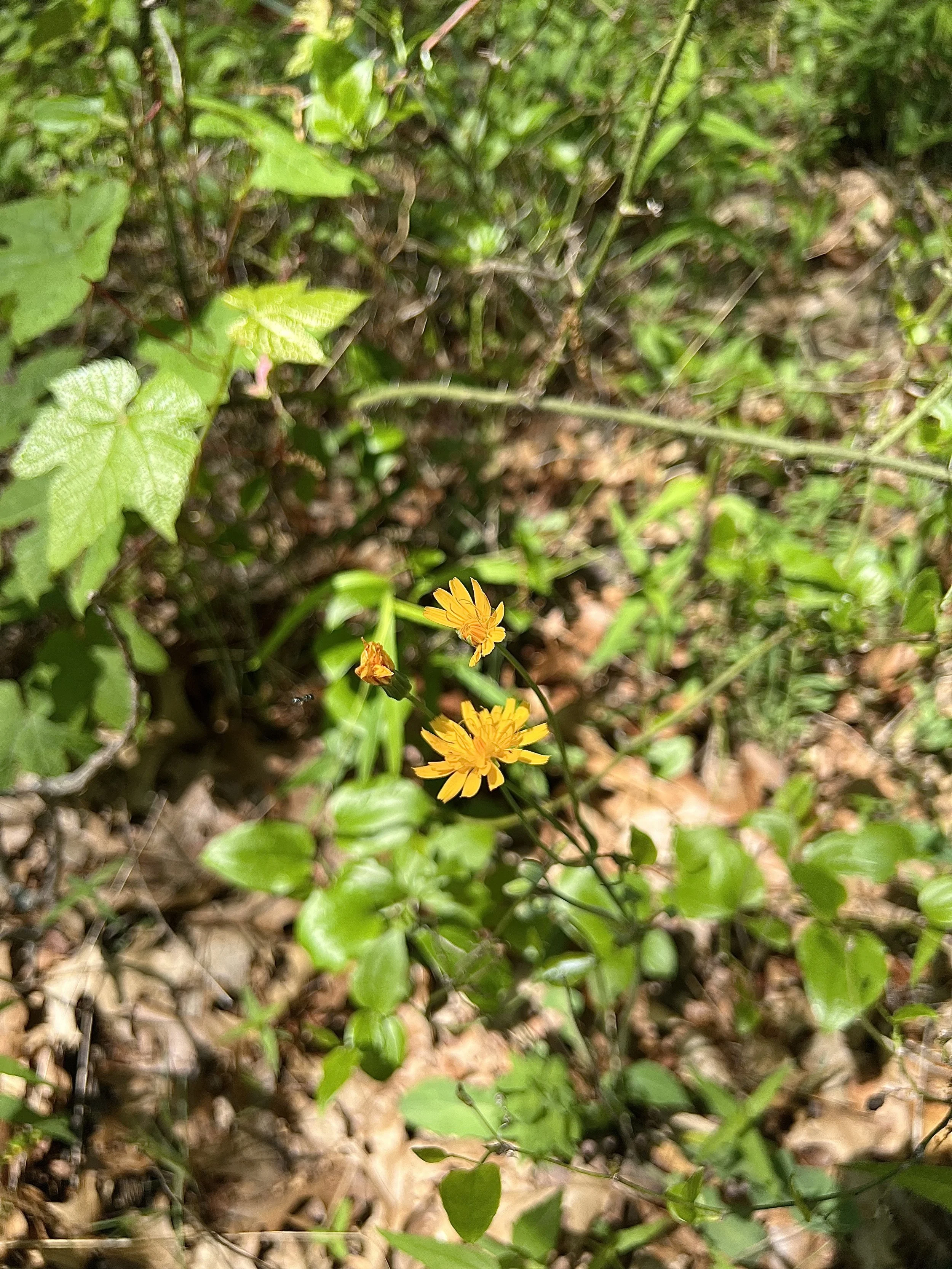 Image 3 of 6
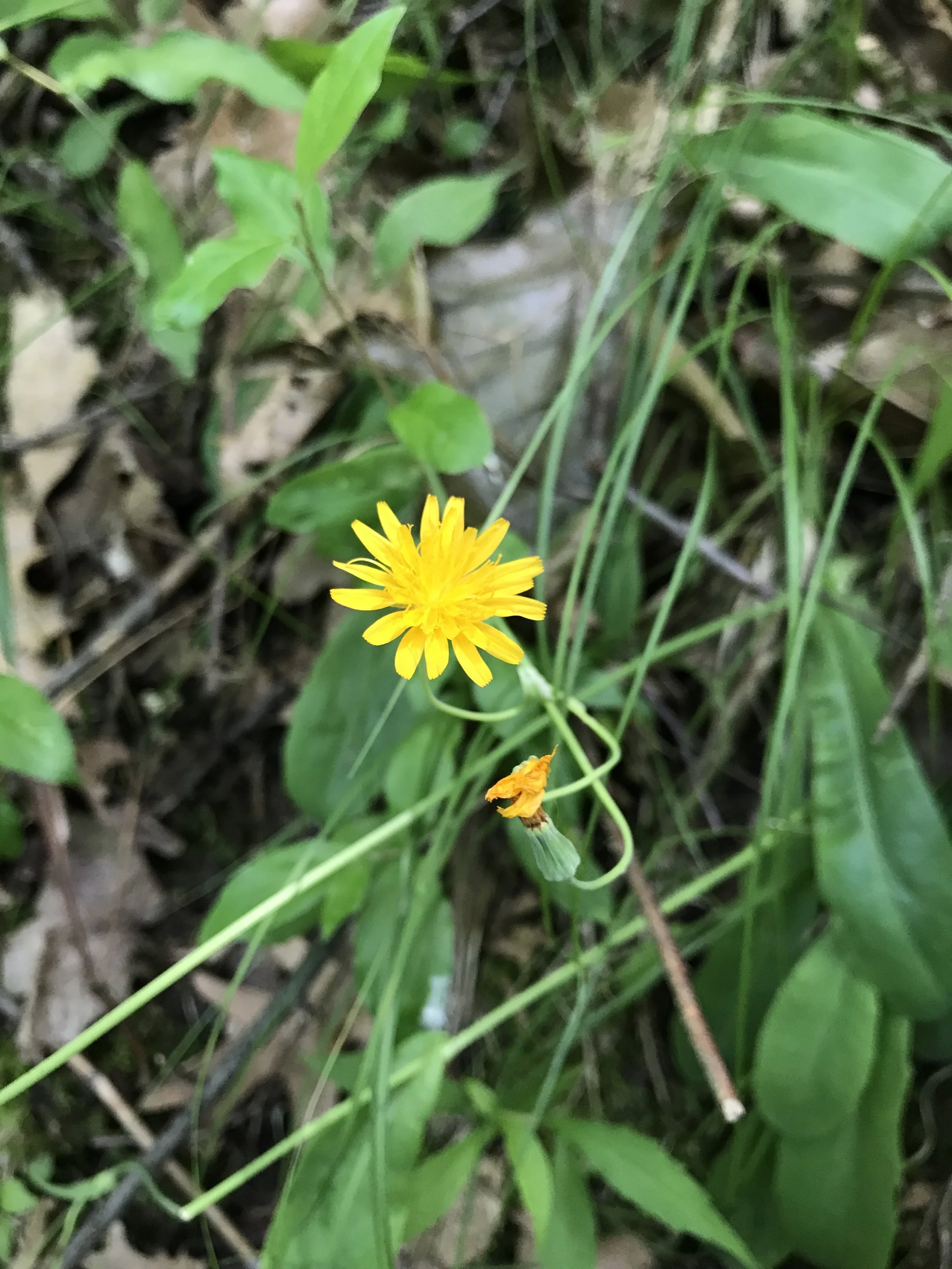 Image 4 of 6
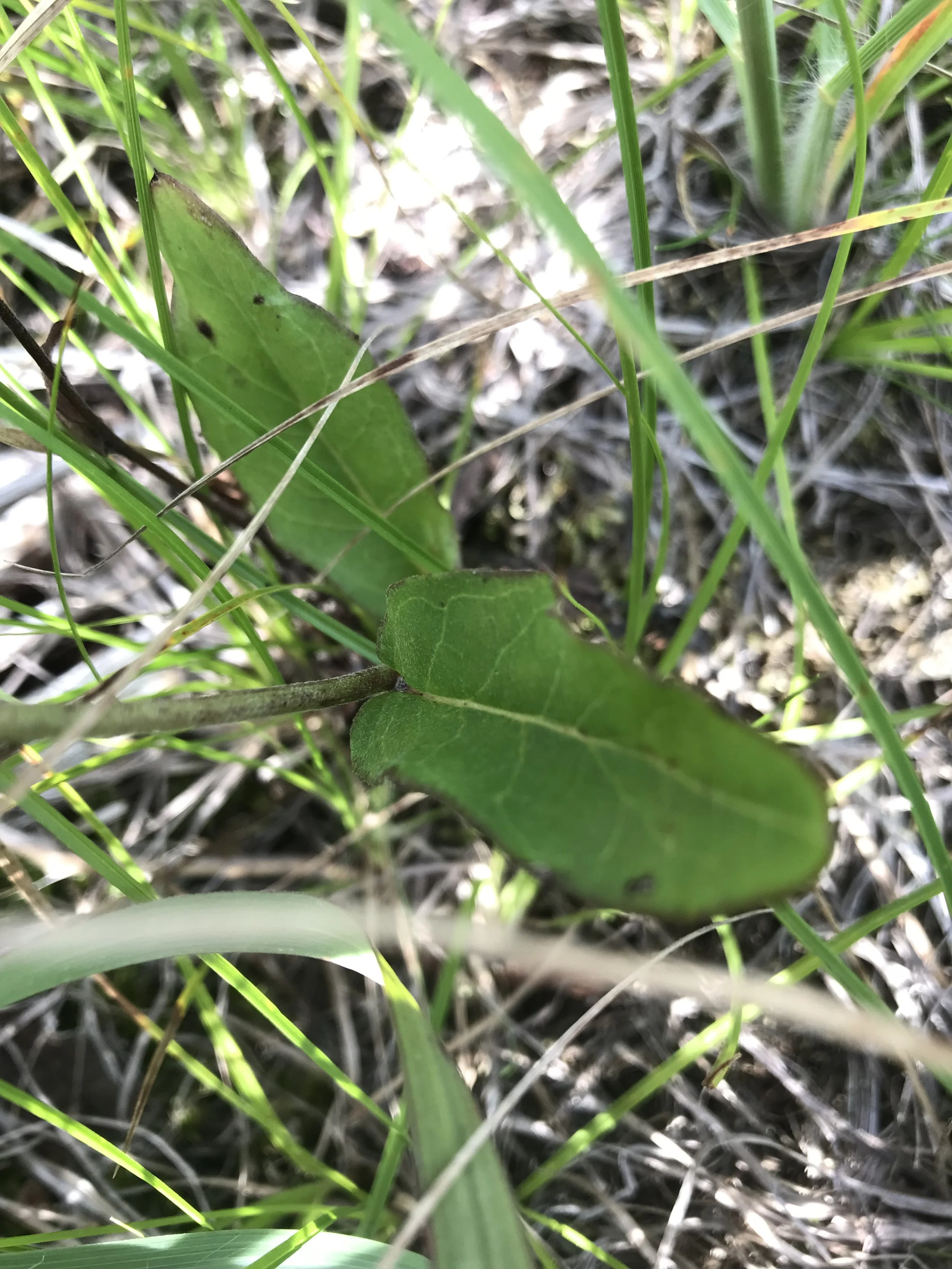 Image 5 of 6
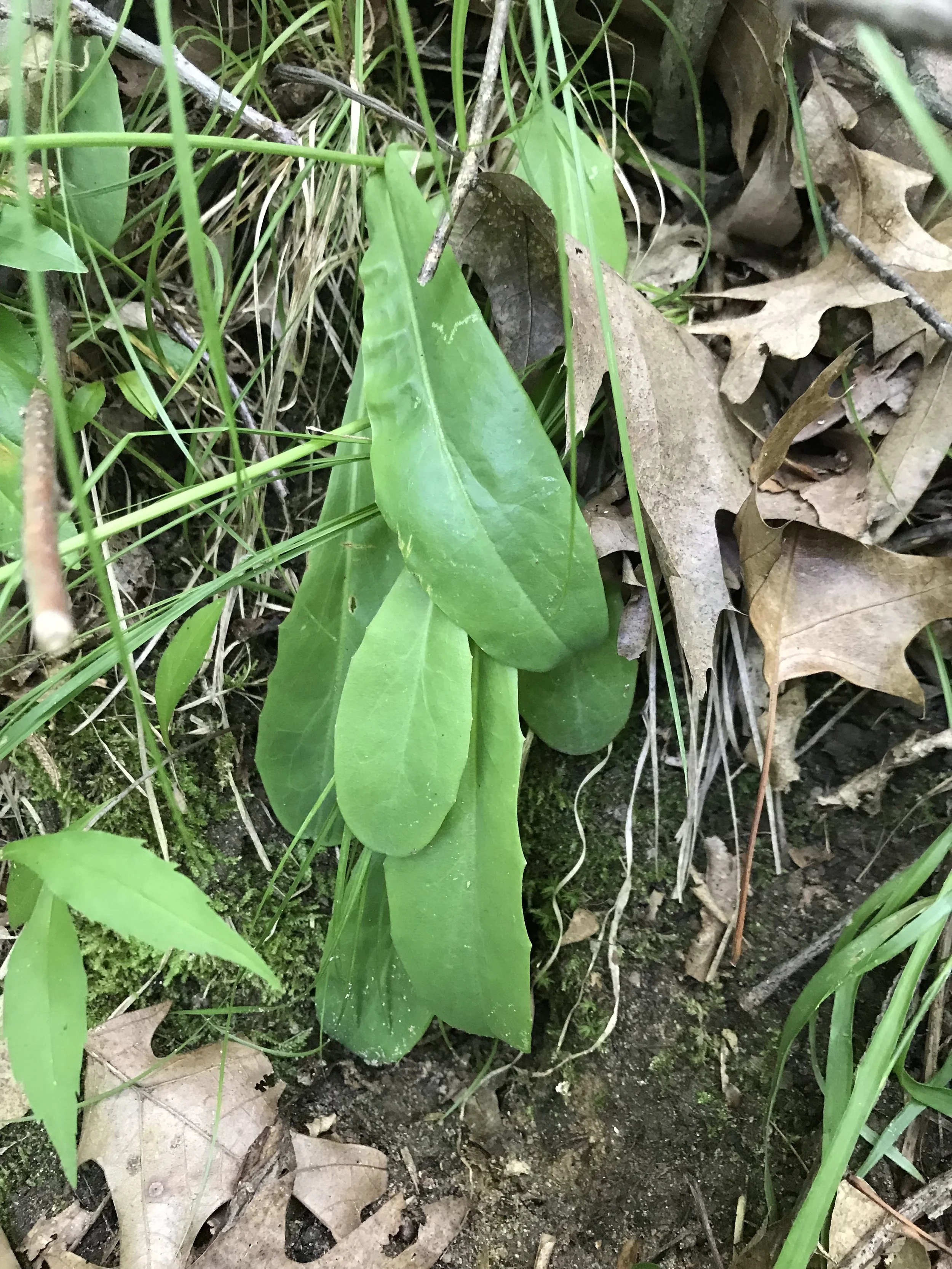 Image 6 of 6