Image 1 of 8
Image 2 of 8
Image 3 of 8
Image 4 of 8
Image 5 of 8
Image 6 of 8
Image 7 of 8
Image 8 of 8
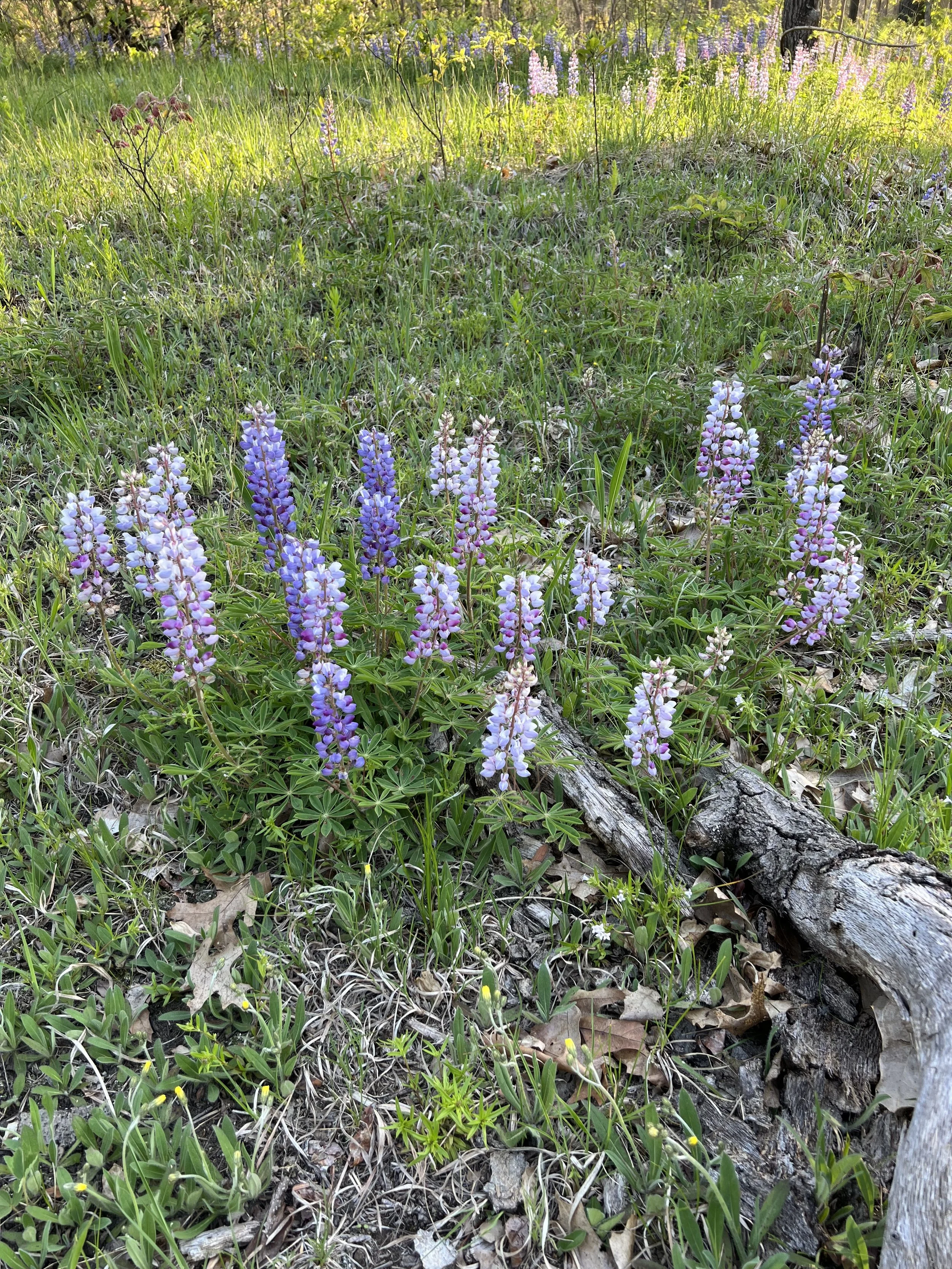
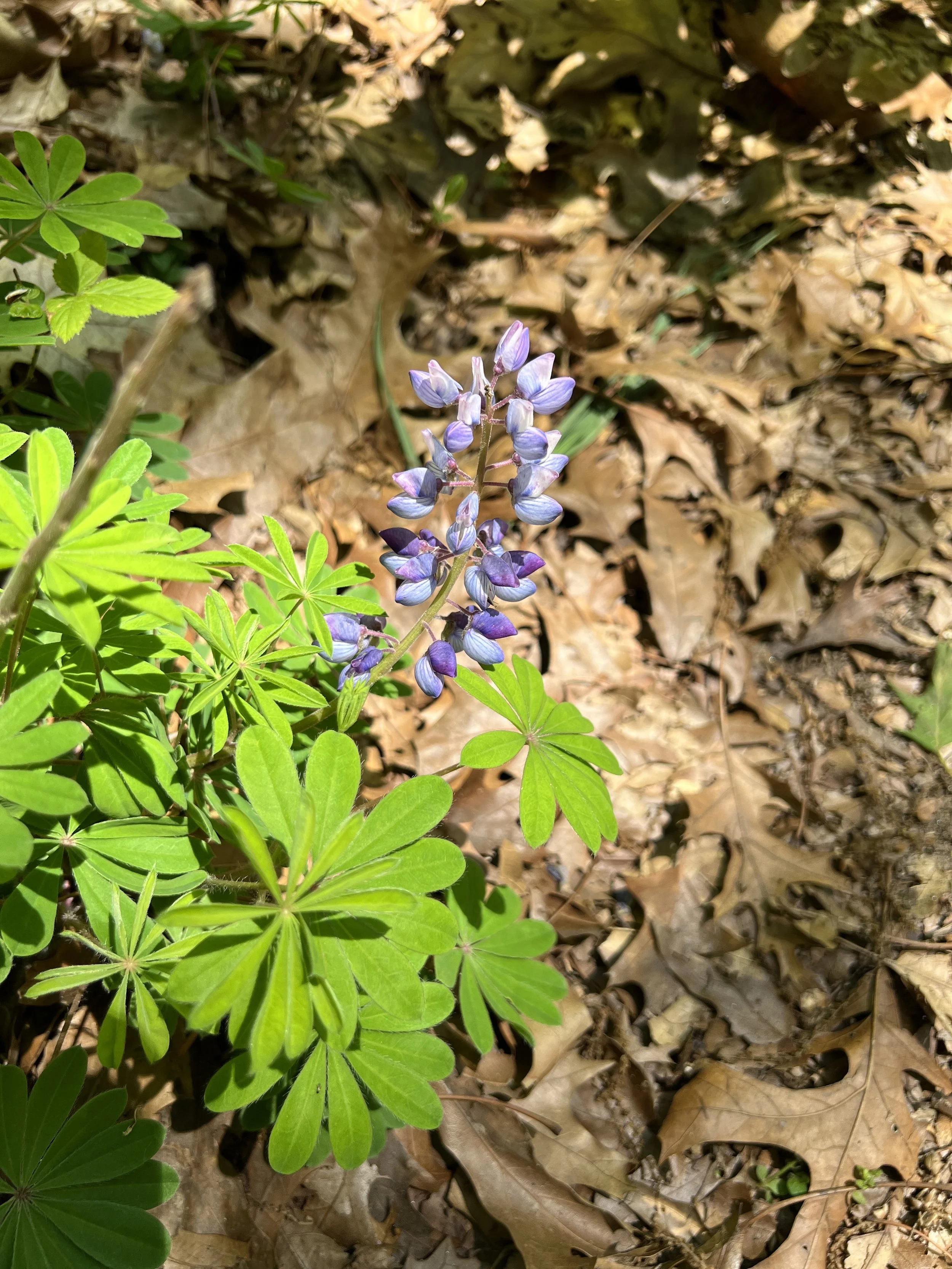
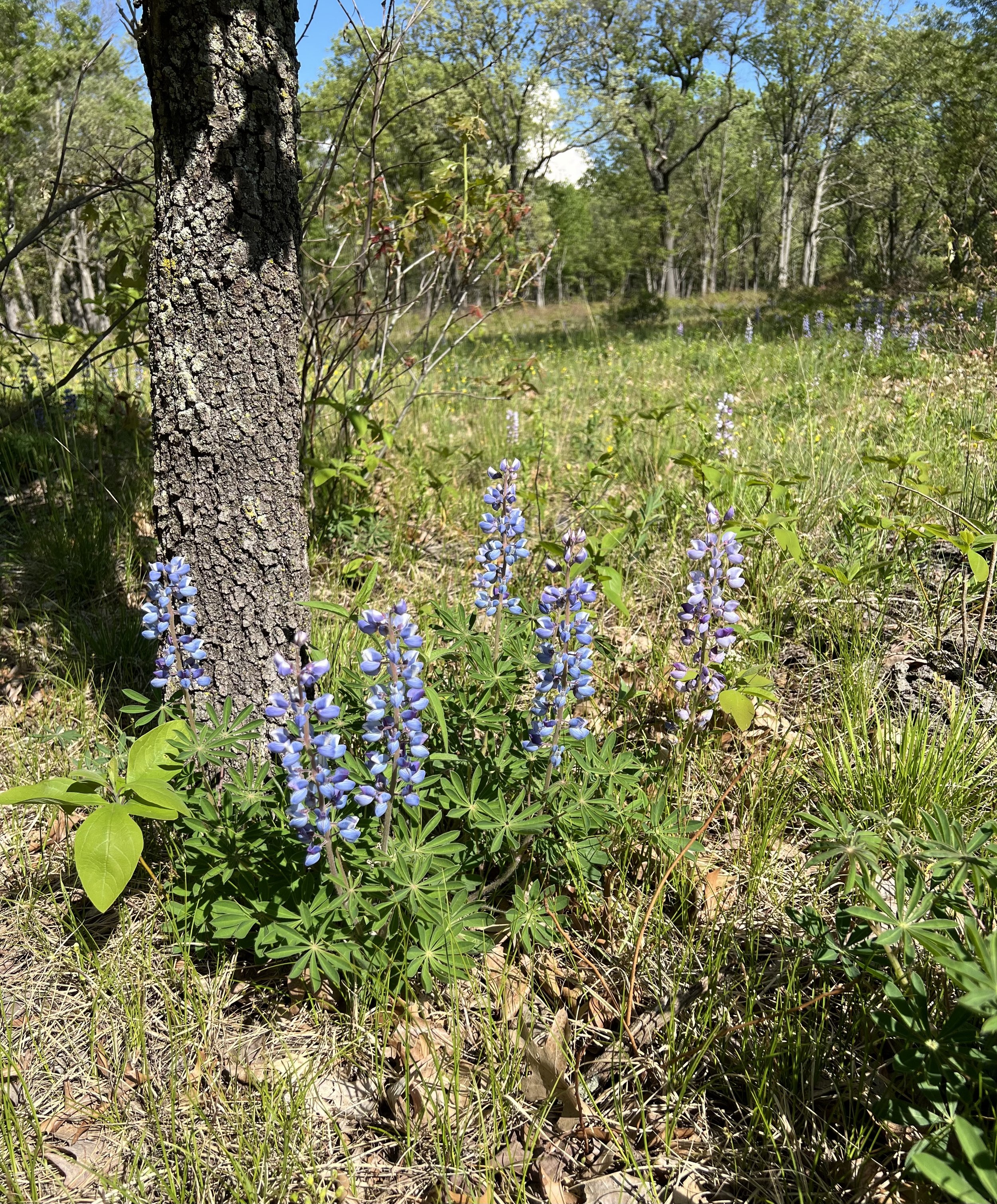
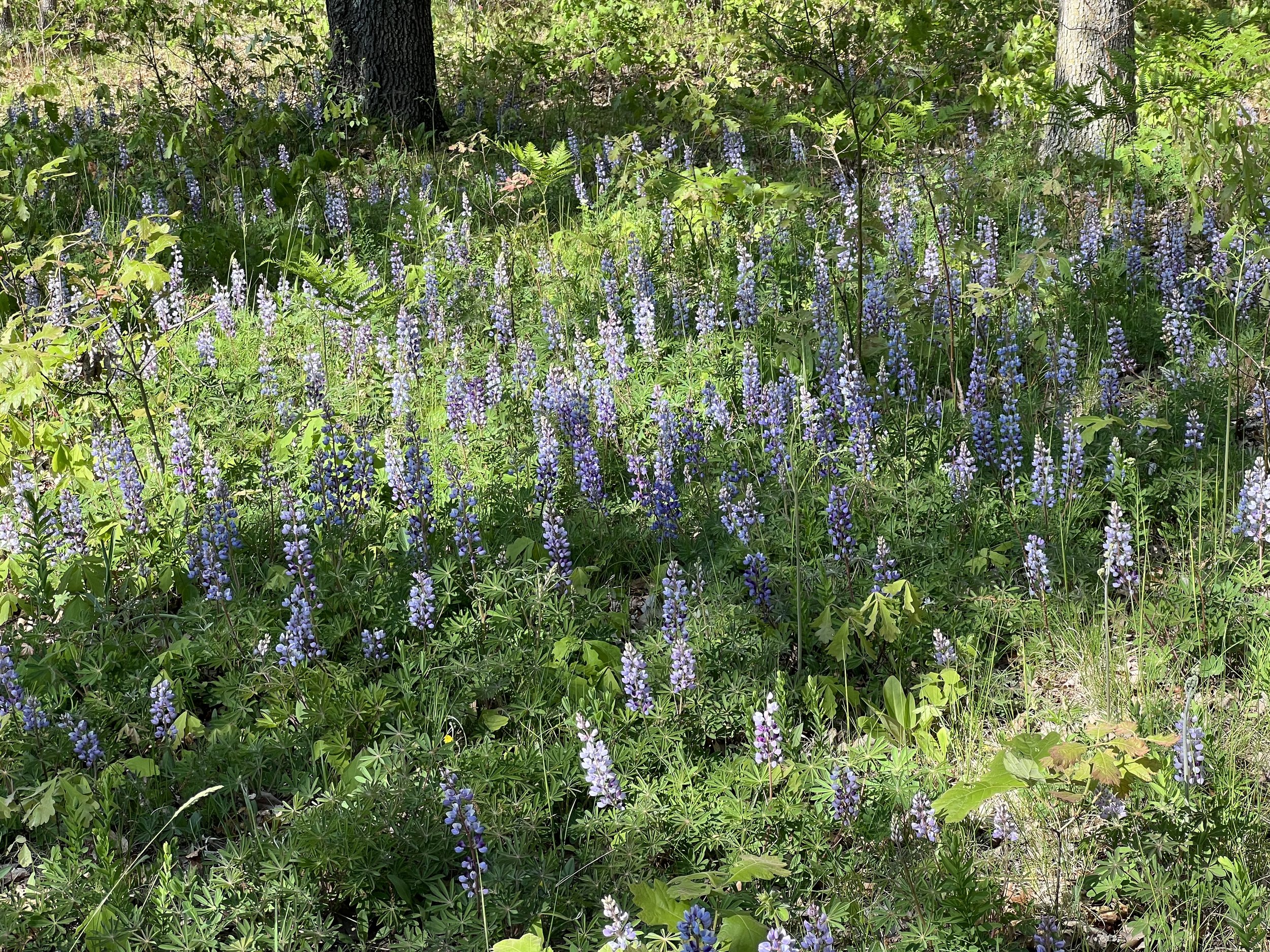
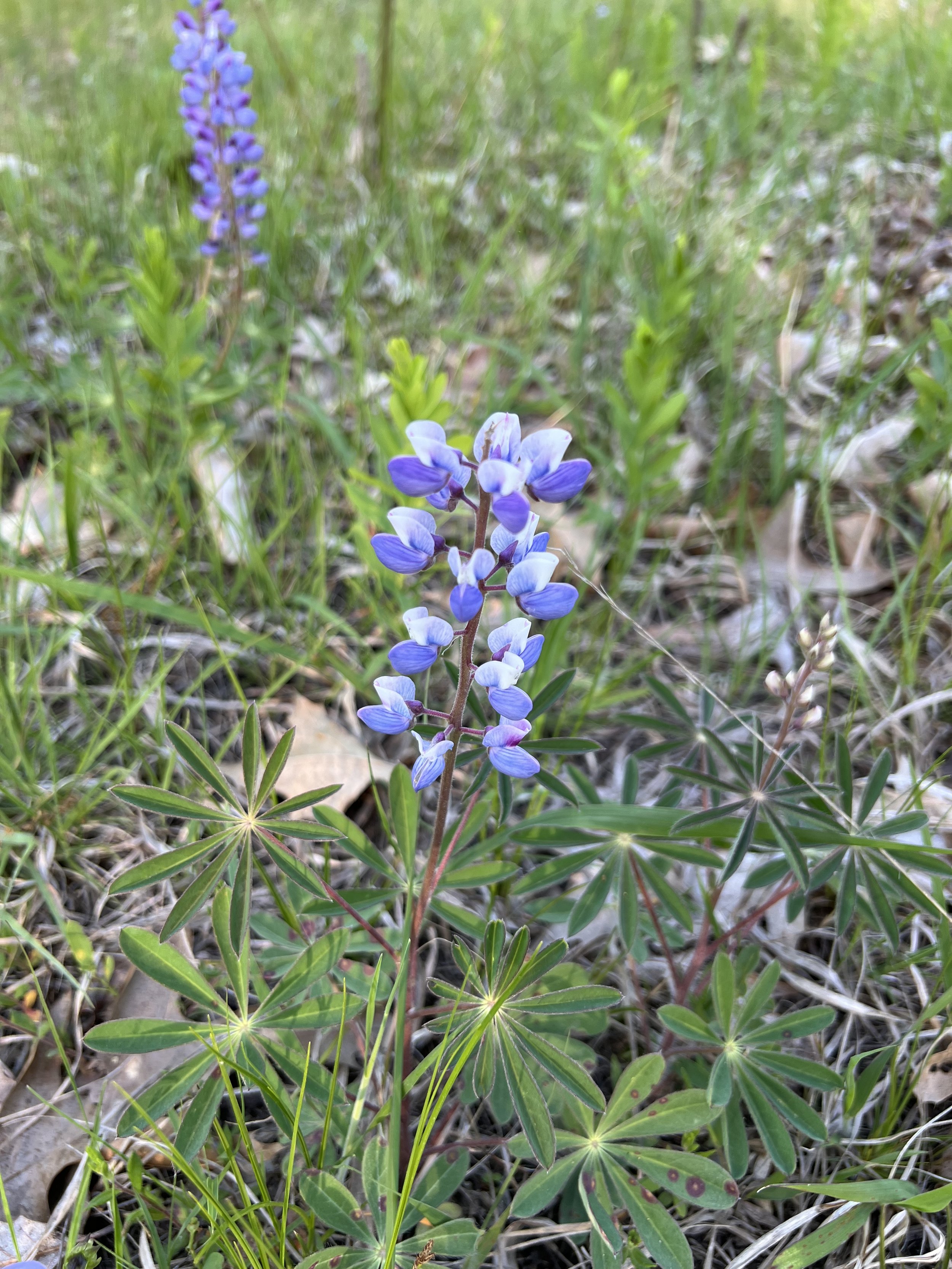
Wild Lupine (Lupinus perennis)
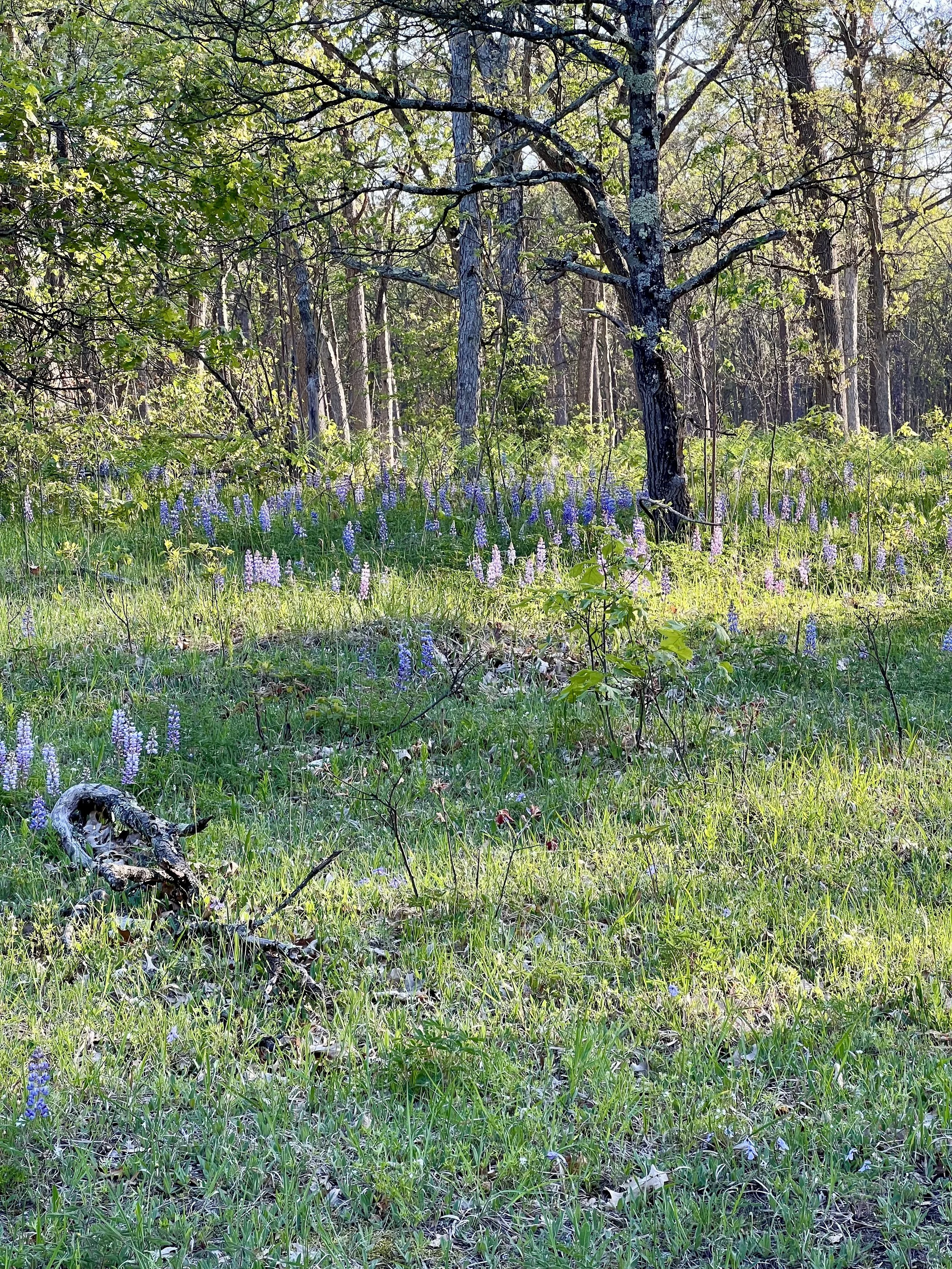
Wild lupine, also known as Sundial Lupine, grows in prairies, yes, but also in savannahs. South eastern and south western Michigan used to be full of oak barrens to which wild lupine is adapted. Habitat loss has meant that very little of this astounding habitat remains. If you look at the MNFI (Michigan Natural Features Inventory) page, you will see that what is left contains many rare species. Think about the fact that these species were not historically rare. It is the habitat loss that has made them so.
Wild lupine also grows in pine barrens and sand prairies. Sadly, those habitats are also severely affected by loss to human activity.
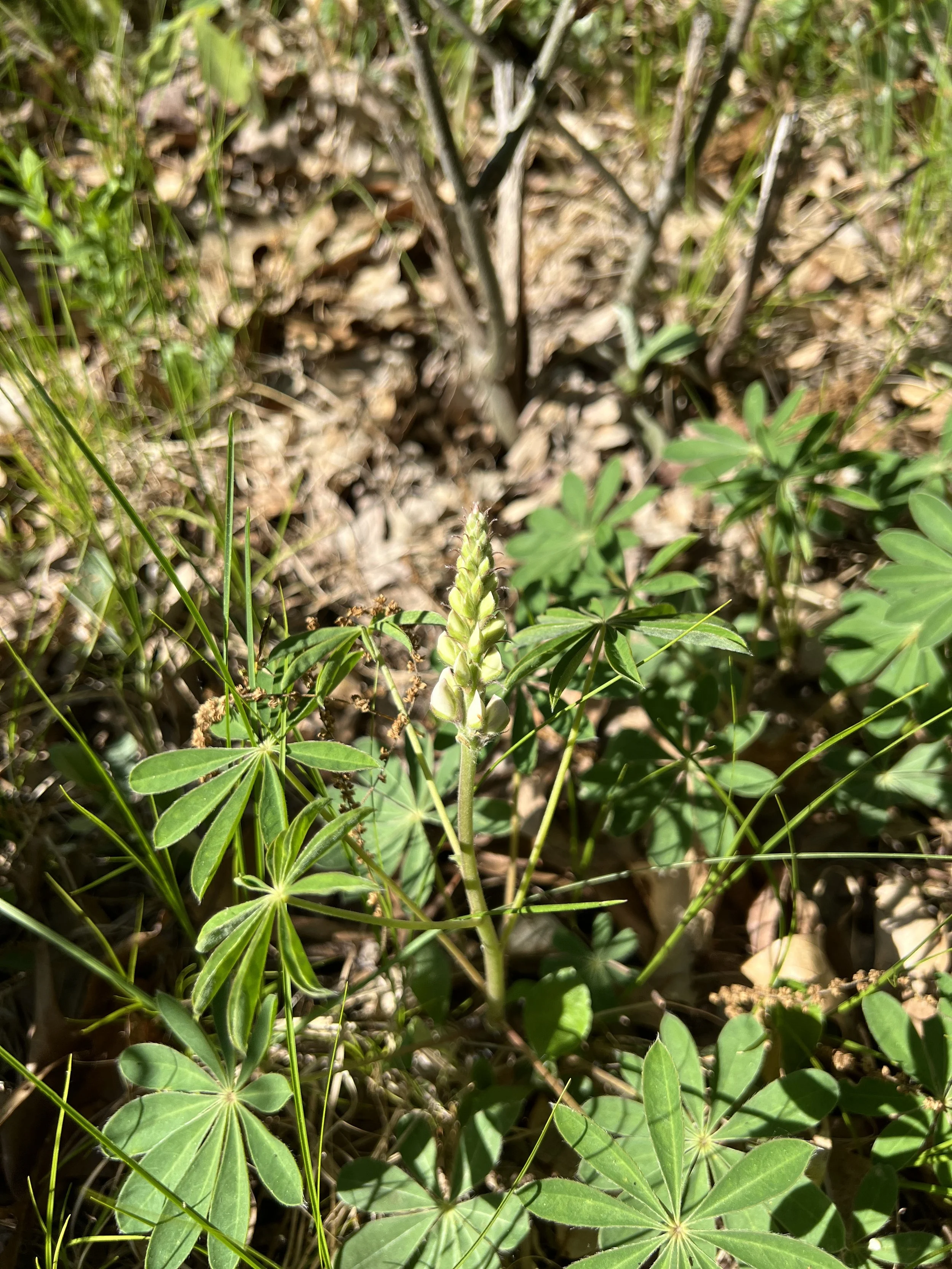
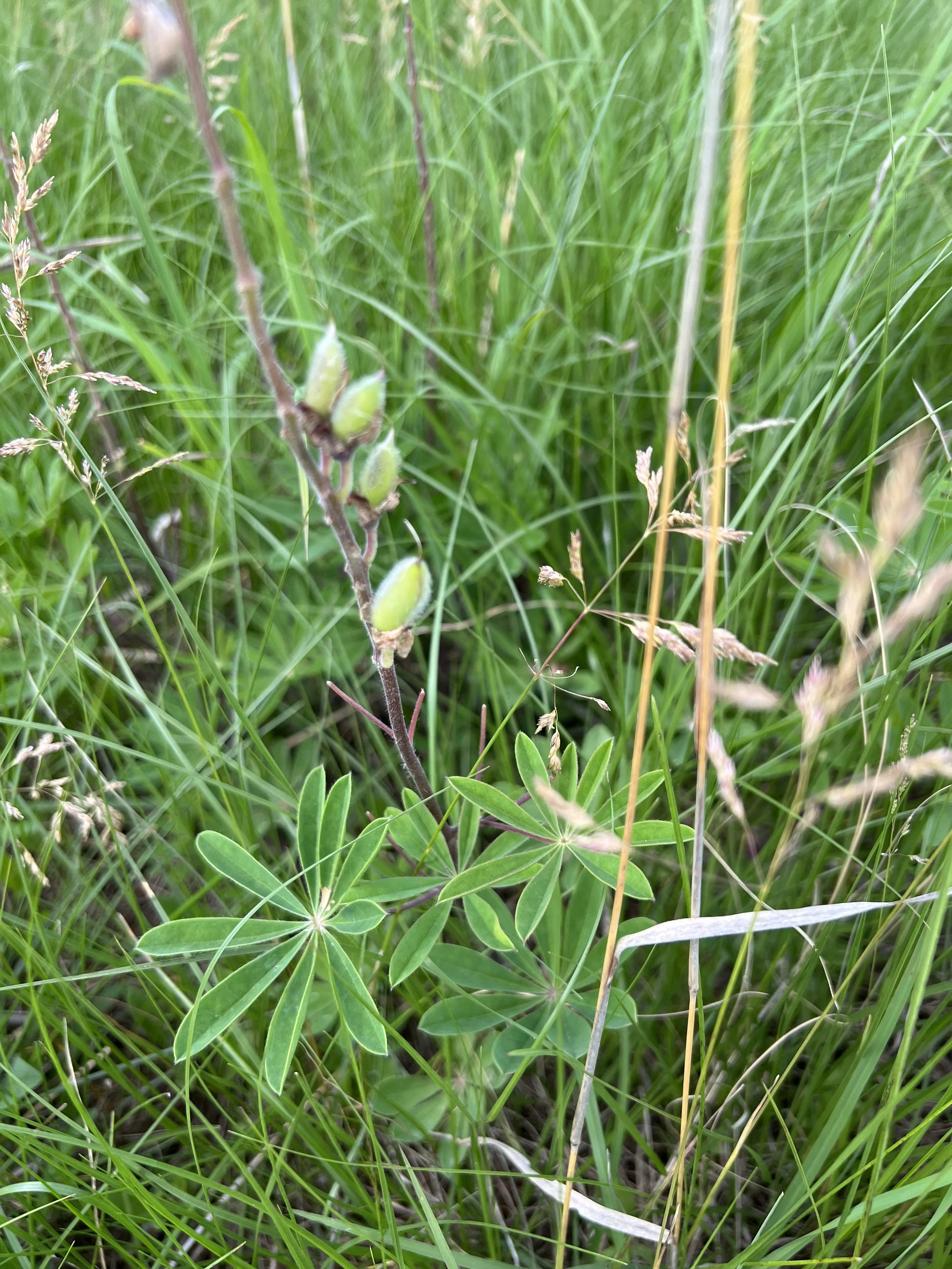
If you have ever been in the Keweenaw Peninsula in a particular time of year, you will have seen large swaths of lupine growing. It was years ago that I saw this, but I assume it’s still there. This is not the native lupine, but one that is typically called Garden Lupine (Lupinus polyphyllus). It is a western species that does not belong in Michigan it is assumed to be a garden escape. These plants are quite tall and have many more leaflets in their palmate (hand-shaped) compound leaves.
Lupinus perennis is the only host for the Karner blue butterfly. These butterflies need 1000 plants per acre in order to breed and live. It’s unlikely that planting lupine in your yard will help the butterflies unless you live close to where there are populations of them. However, there are other species of moths and butterflies that use upon as a host plant plus it provides pollen to bees!
Wild Lupine (Lupinus perennis)
Michigan Flora reference page for state distribution: Wild Lupine
Height: 6-18”
Bloom time: May-July
Soil: well-drained, sandy, rocky
Sun: part-shade (including dappled light) to sun
Plant spacing: 6-12”
Flower: purple, lavender, blue sometimes pure white
Life cycle: perennial
Family: Fabaceae
Seed source: Michigan
Wild lupine, also known as Sundial Lupine, grows in prairies, yes, but also in savannahs. South eastern and south western Michigan used to be full of oak barrens to which wild lupine is adapted. Habitat loss has meant that very little of this astounding habitat remains. If you look at the MNFI (Michigan Natural Features Inventory) page, you will see that what is left contains many rare species. Think about the fact that these species were not historically rare. It is the habitat loss that has made them so.
Wild lupine also grows in pine barrens and sand prairies. Sadly, those habitats are also severely affected by loss to human activity.
If you have ever been in the Keweenaw Peninsula in a particular time of year, you will have seen large swaths of lupine growing. It was years ago that I saw this, but I assume it’s still there. This is not the native lupine, but one that is typically called Garden Lupine (Lupinus polyphyllus). It is a western species that does not belong in Michigan it is assumed to be a garden escape. These plants are quite tall and have many more leaflets in their palmate (hand-shaped) compound leaves.
Lupinus perennis is the only host for the Karner blue butterfly. These butterflies need 1000 plants per acre in order to breed and live. It’s unlikely that planting lupine in your yard will help the butterflies unless you live close to where there are populations of them. However, there are other species of moths and butterflies that use upon as a host plant plus it provides pollen to bees!
Wild Lupine (Lupinus perennis)
Michigan Flora reference page for state distribution: Wild Lupine
Height: 6-18”
Bloom time: May-July
Soil: well-drained, sandy, rocky
Sun: part-shade (including dappled light) to sun
Plant spacing: 6-12”
Flower: purple, lavender, blue sometimes pure white
Life cycle: perennial
Family: Fabaceae
Seed source: Michigan
Wild Lupine is very particular about having well-draining soil. If your soil has clay, you probably won’t be able to grow it. I’ve got loamy clay soil in my yard. I tried lupine in my parking strip and in some soil that was highly amended. It has survived so far in these areas. But no where else. My parking strip soil is different from the rest of the yard for some reason.