Image 1 of 4
Image 2 of 4
Image 3 of 4
Image 4 of 4
Wild Senna (Senna hebecarpa)
from $3.50
I used to think that Wild Senna was just a mesic prairie plant. Then, several years ago, I found a little population in a state game area floodplain. It’s not a deep shade plant, but it can do part sun. And that’s pretty great news for woodland plant growers, because this is a great plant! While it does prefer wetter soil, it is also sometimes found in sandy sites. It is native to the southern counties of the lower peninsula.
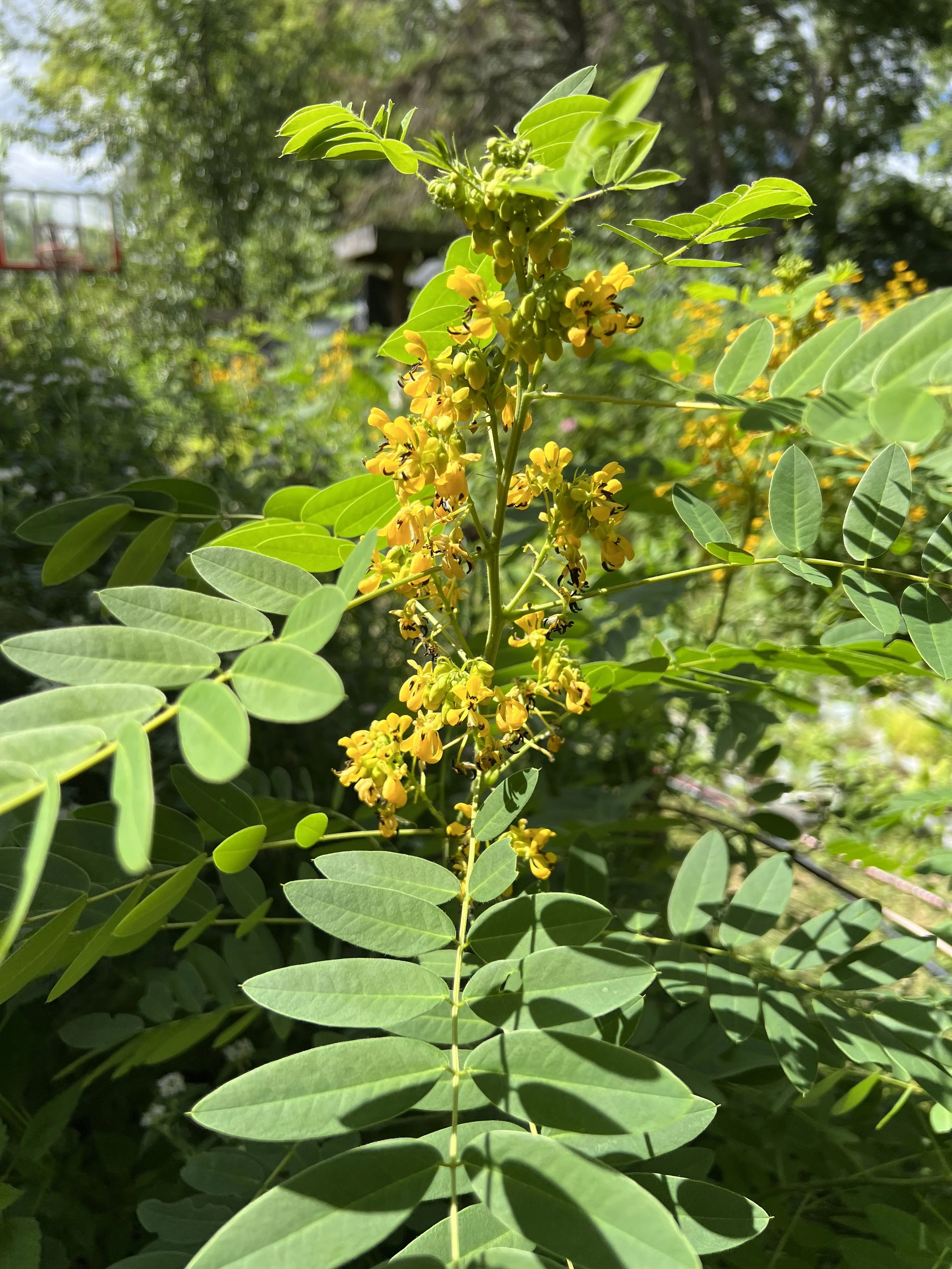
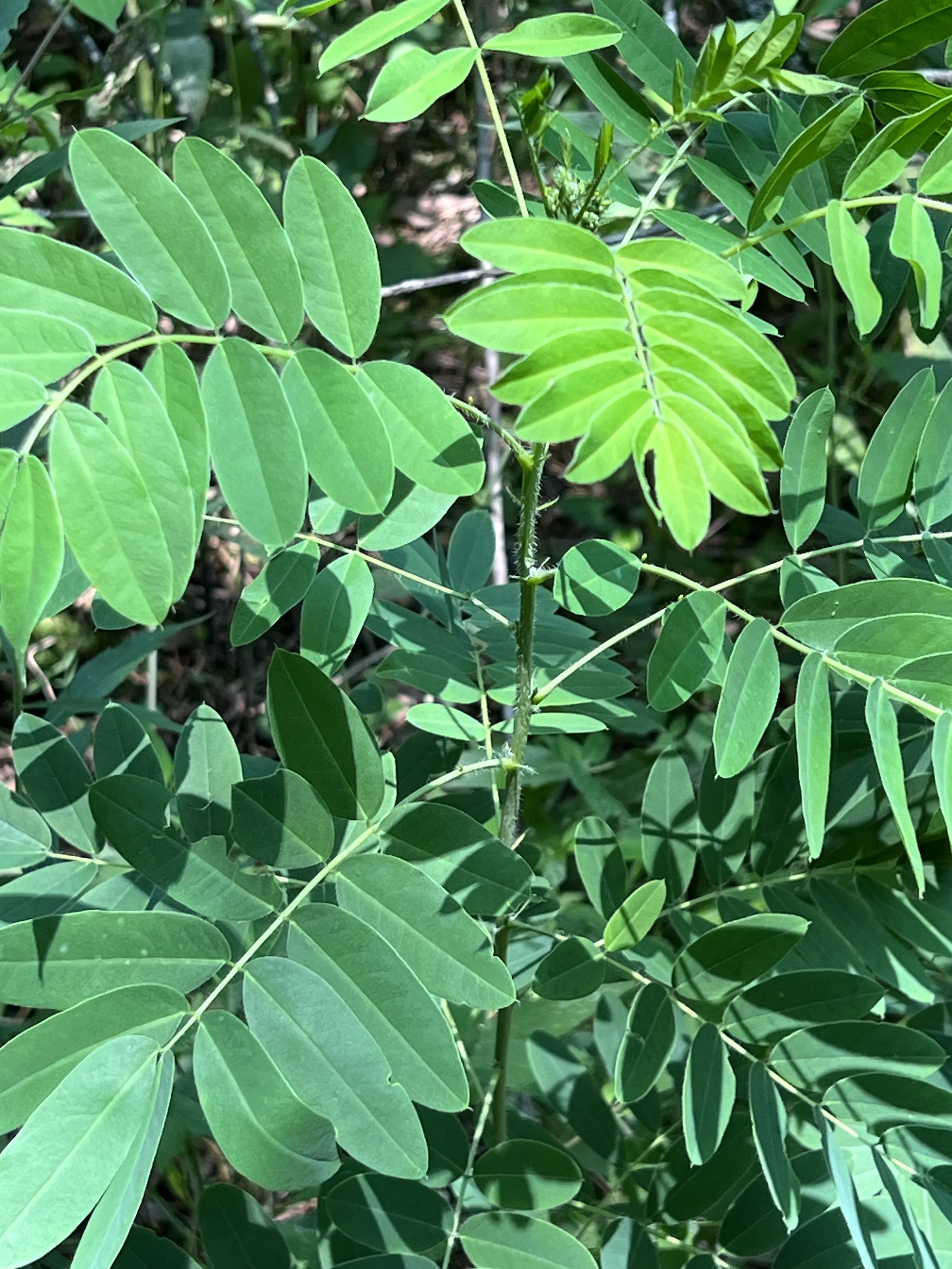
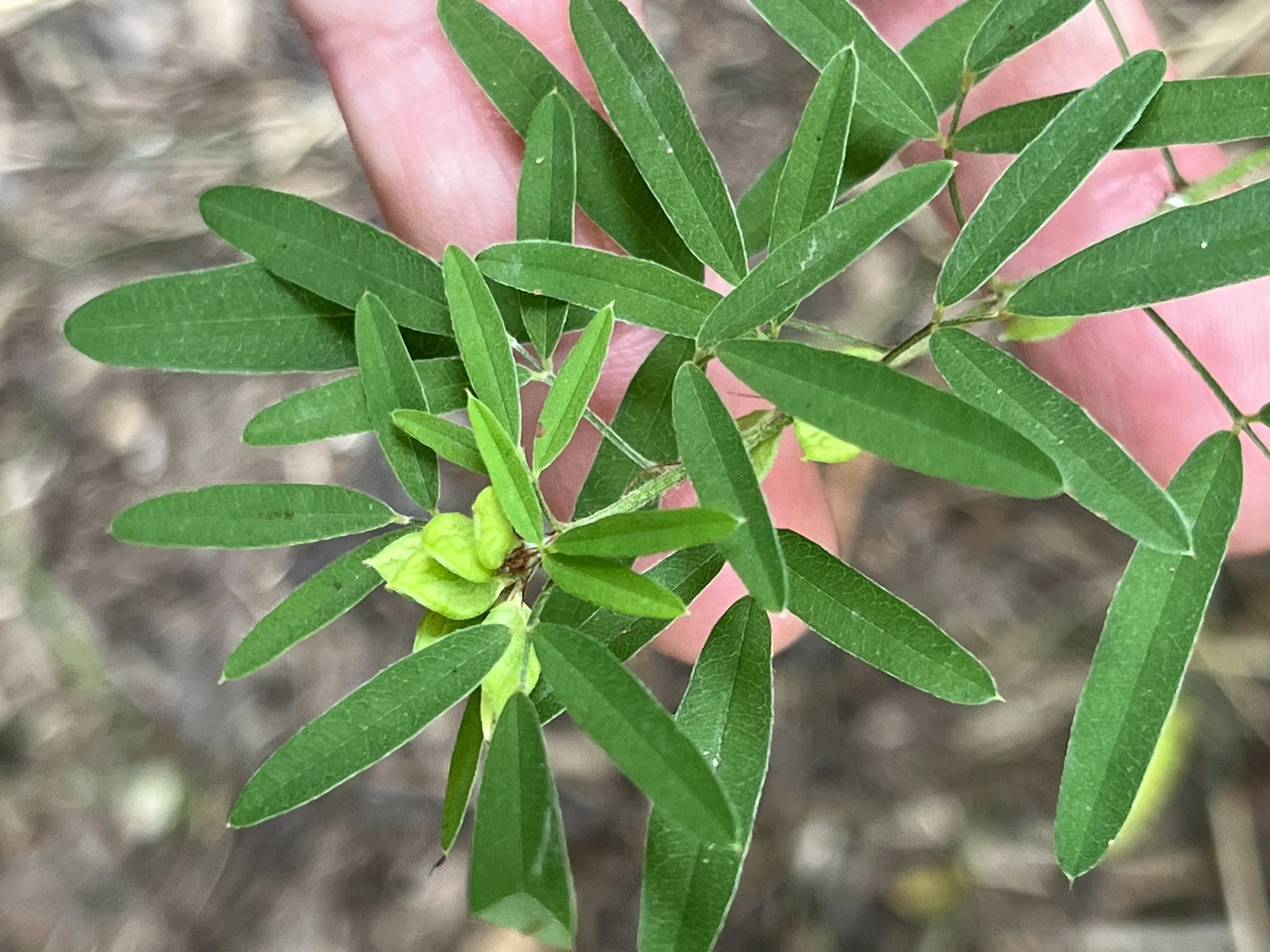
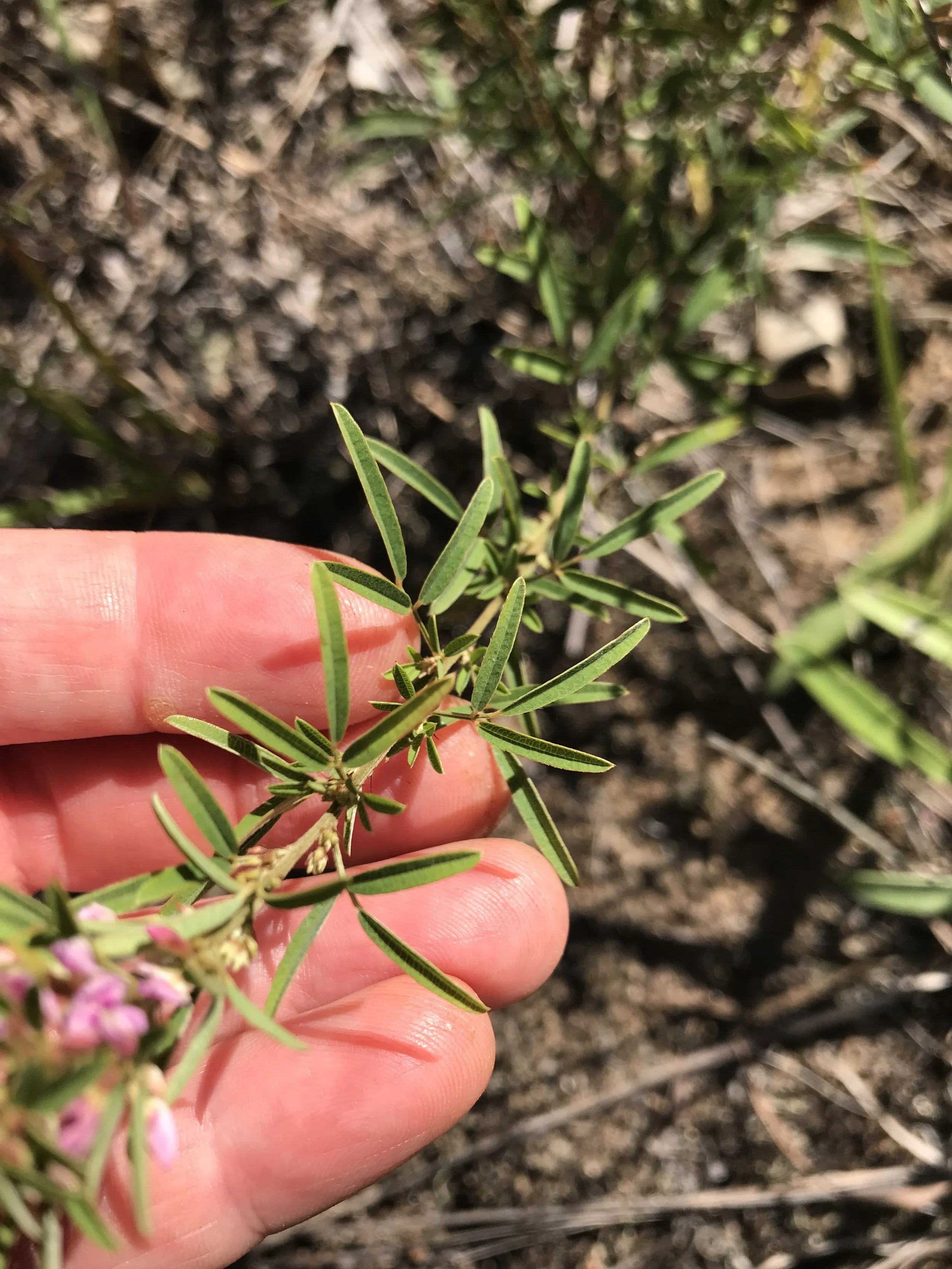
The leaves of wild senna are compound with 5-10 leaflets that have smooth edges. Leaves are attached to the main stalk via a petiole. On the upper side of the petiole is a gland that produces nectar (which I think could be called a nectary, like in partridge pea). This draw insects in for a sugary treat, mainly ants and lady bugs, perhaps to help protect the plant in some way. The flowers produce only pollen, no nectar.
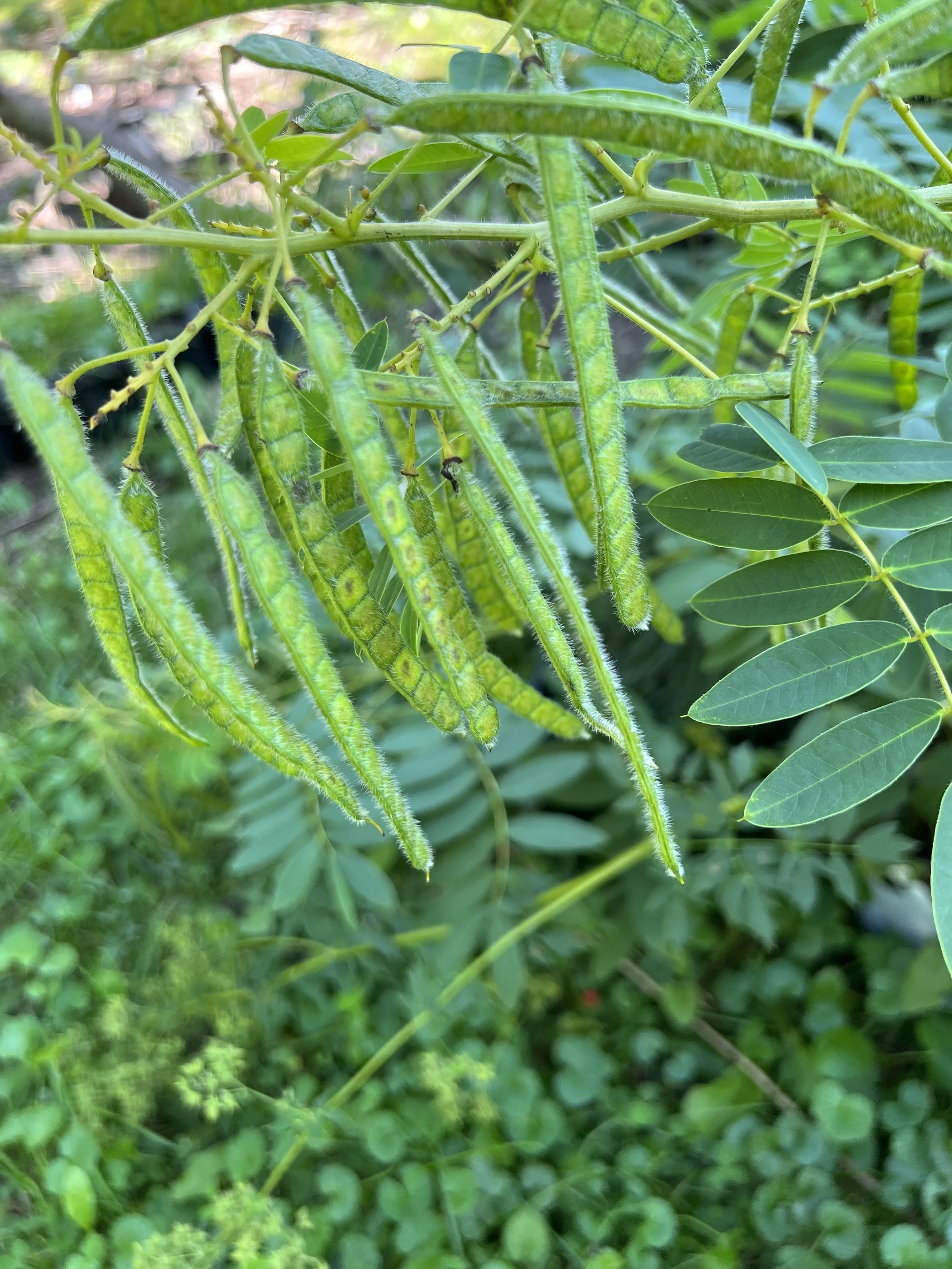
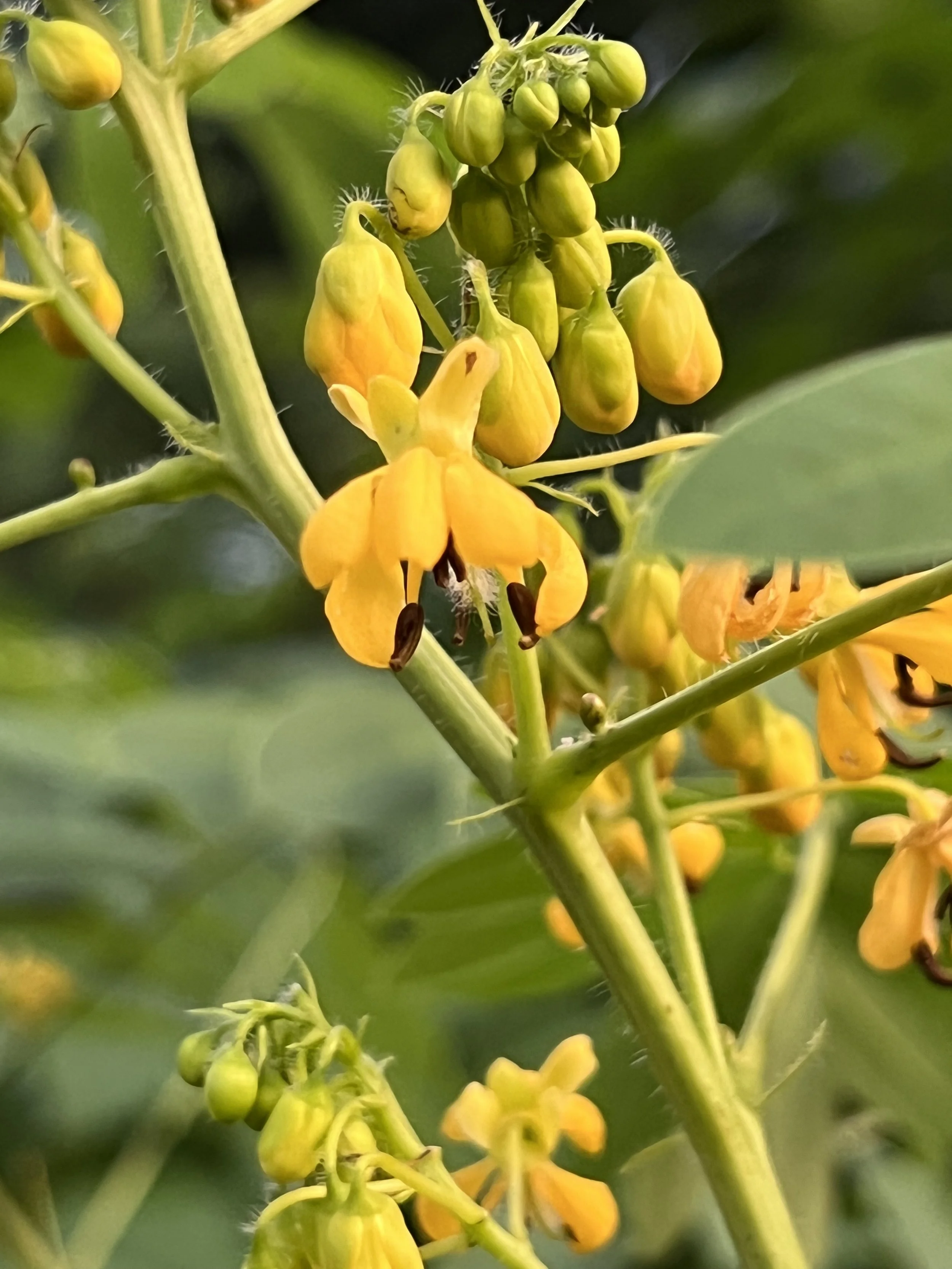
The flowers are yellow and the stamens with dark brown anthers are also obvious. If you had to guess which type of bee does most of the pollination, what would it be? If you answered bumblebees you’d be correct. Once pollination has occurred, the long seed pod forms with squarish brown seeds once they are ripe. This plant hosts caterpillars of some sulphur butterflies and a few moths (Illinois Wildflowers).
Companion Plants: Sweet Joe Pye Weed, Turtlehead, Virginia Waterleaf, Beak Grass, James’ Sedge
Wild Senna (Senna hebecarpa)
Michigan Flora reference page for state distribution: Wild Senna
Bloom time: July-August
Height: up to 5 feet
Soil: moist to mesic loam, sandy loam
Sun: part to full sun
Plant spacing: 2-3 feet
Flower: yellow
Life cycle: perennial
Family: Fabaceae
Seed Source: Michigan
Get notified by email when this product is in stock.
I used to think that Wild Senna was just a mesic prairie plant. Then, several years ago, I found a little population in a state game area floodplain. It’s not a deep shade plant, but it can do part sun. And that’s pretty great news for woodland plant growers, because this is a great plant! While it does prefer wetter soil, it is also sometimes found in sandy sites. It is native to the southern counties of the lower peninsula.
The leaves of wild senna are compound with 5-10 leaflets that have smooth edges. Leaves are attached to the main stalk via a petiole. On the upper side of the petiole is a gland that produces nectar (which I think could be called a nectary, like in partridge pea). This draw insects in for a sugary treat, mainly ants and lady bugs, perhaps to help protect the plant in some way. The flowers produce only pollen, no nectar.
The flowers are yellow and the stamens with dark brown anthers are also obvious. If you had to guess which type of bee does most of the pollination, what would it be? If you answered bumblebees you’d be correct. Once pollination has occurred, the long seed pod forms with squarish brown seeds once they are ripe. This plant hosts caterpillars of some sulphur butterflies and a few moths (Illinois Wildflowers).
Companion Plants: Sweet Joe Pye Weed, Turtlehead, Virginia Waterleaf, Beak Grass, James’ Sedge
Wild Senna (Senna hebecarpa)
Michigan Flora reference page for state distribution: Wild Senna
Bloom time: July-August
Height: up to 5 feet
Soil: moist to mesic loam, sandy loam
Sun: part to full sun
Plant spacing: 2-3 feet
Flower: yellow
Life cycle: perennial
Family: Fabaceae
Seed Source: Michigan