Image 1 of 3
Image 2 of 3
Image 3 of 3
Common Woodland Sedge (Carex blanda)
from $3.50
Sold Out
Common Woodland Sedge is distributed mostly in the southern part of the lower peninsula of Michigan. Its natural habitat includes moist woodlands like beech-maple forests. However, it is extremely versatile when it comes to landscaping. This is because it tends to show up in all kinds of environments including open areas.
Sedges are some of the first plants to repopulate a disturbed area. They are wonderful plants, with their fibrous roots, for stabilizing the soil. This particular sedge also shows up in yards when the soil has been disturbed, and we recommend leaving them, even if you don’t ultimately want that sedge in that location. Leave them until you are ready to replace them.
Sedges, as a whole, are hosts to Eyed Brown and Appalachian Brown butterflies. They also provide seeds for birds and small mammals.
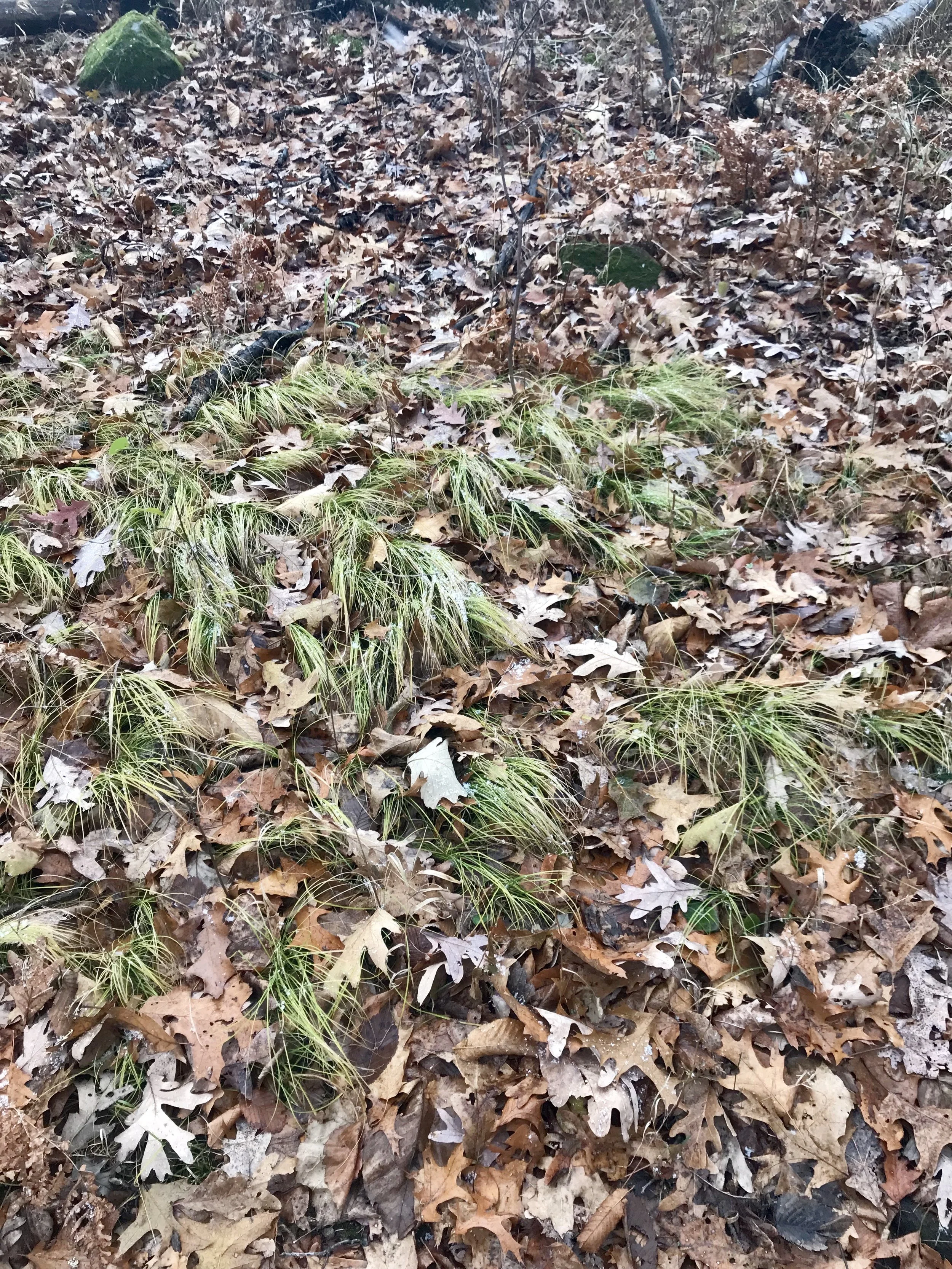
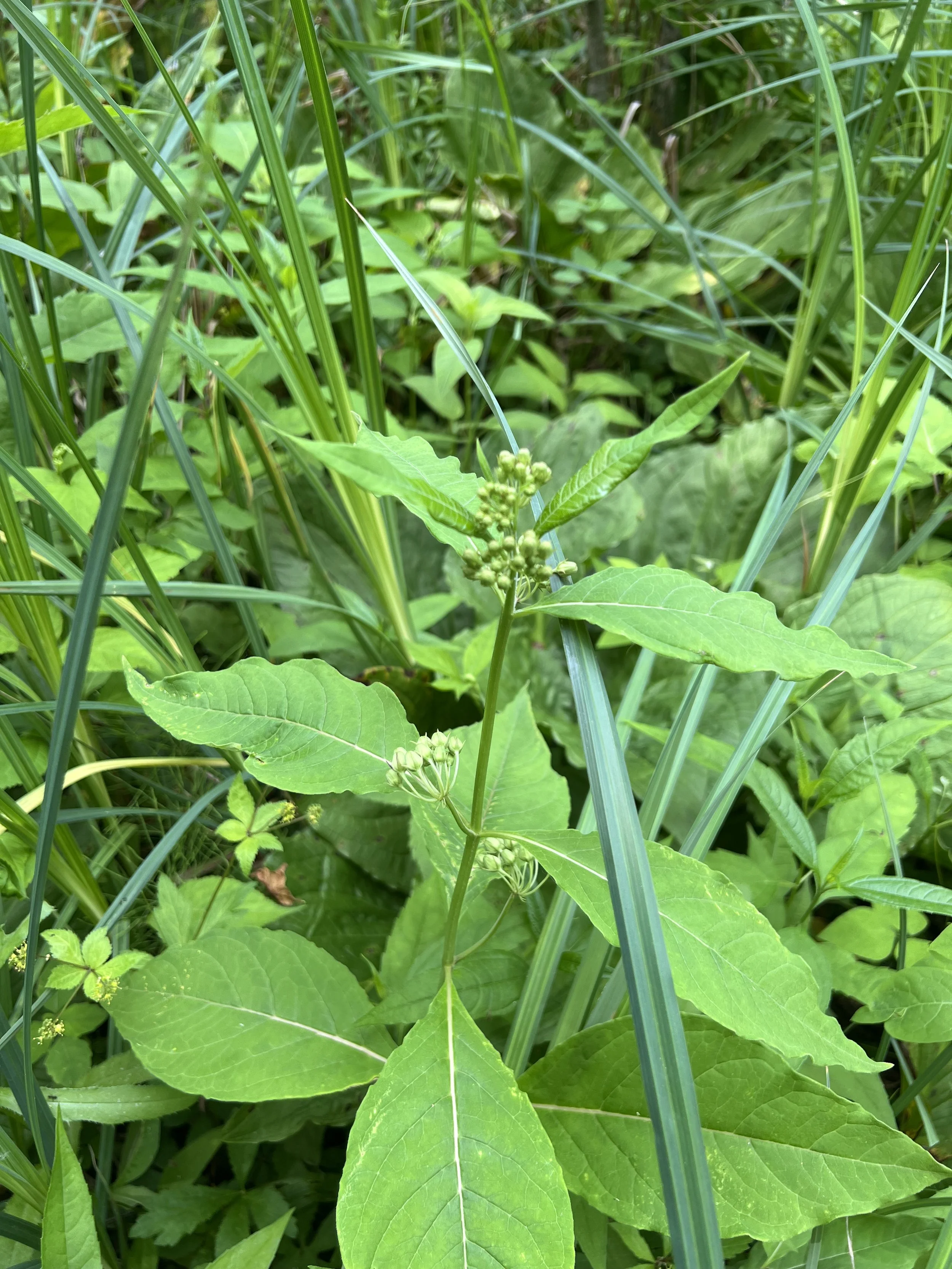
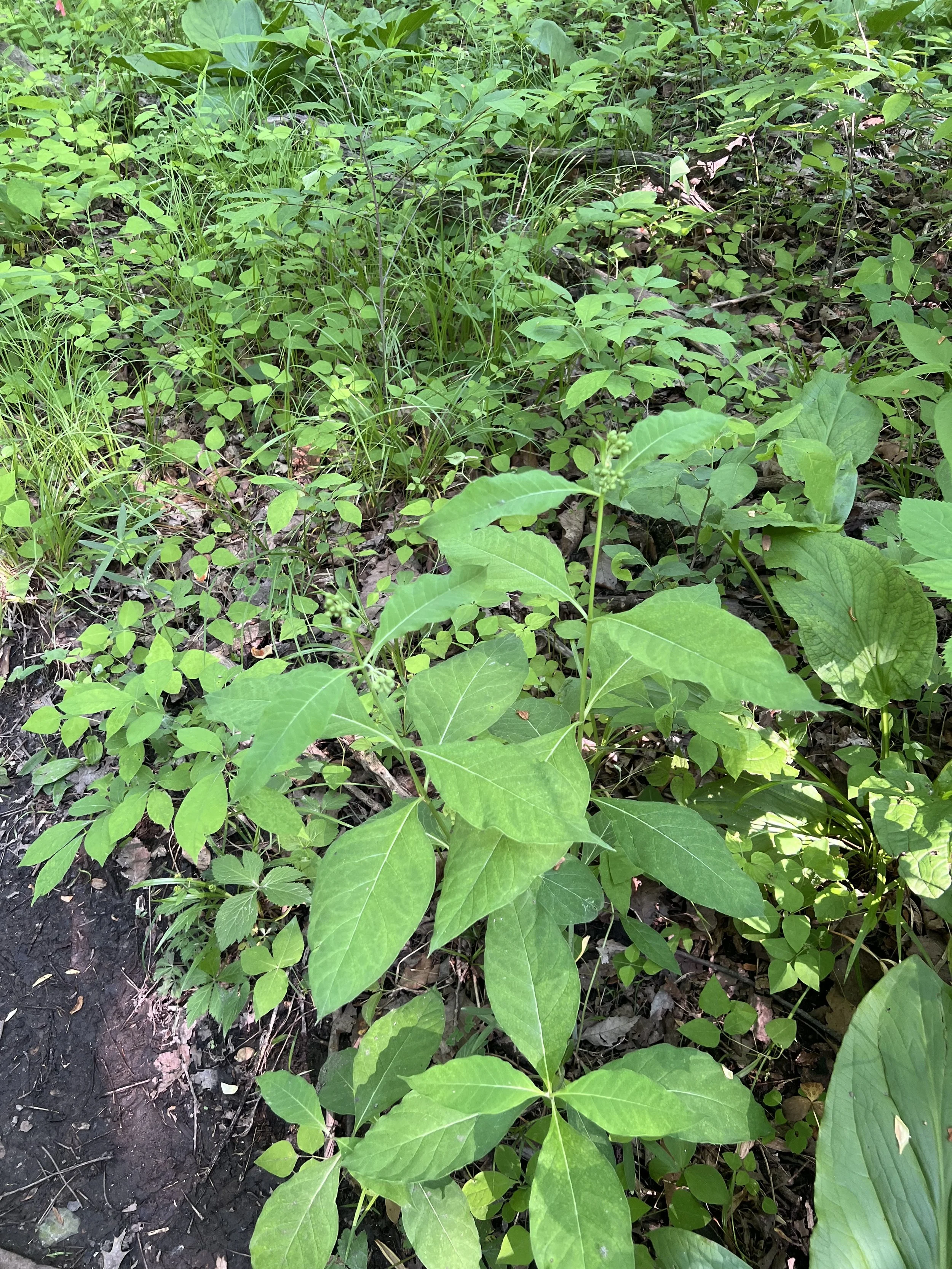
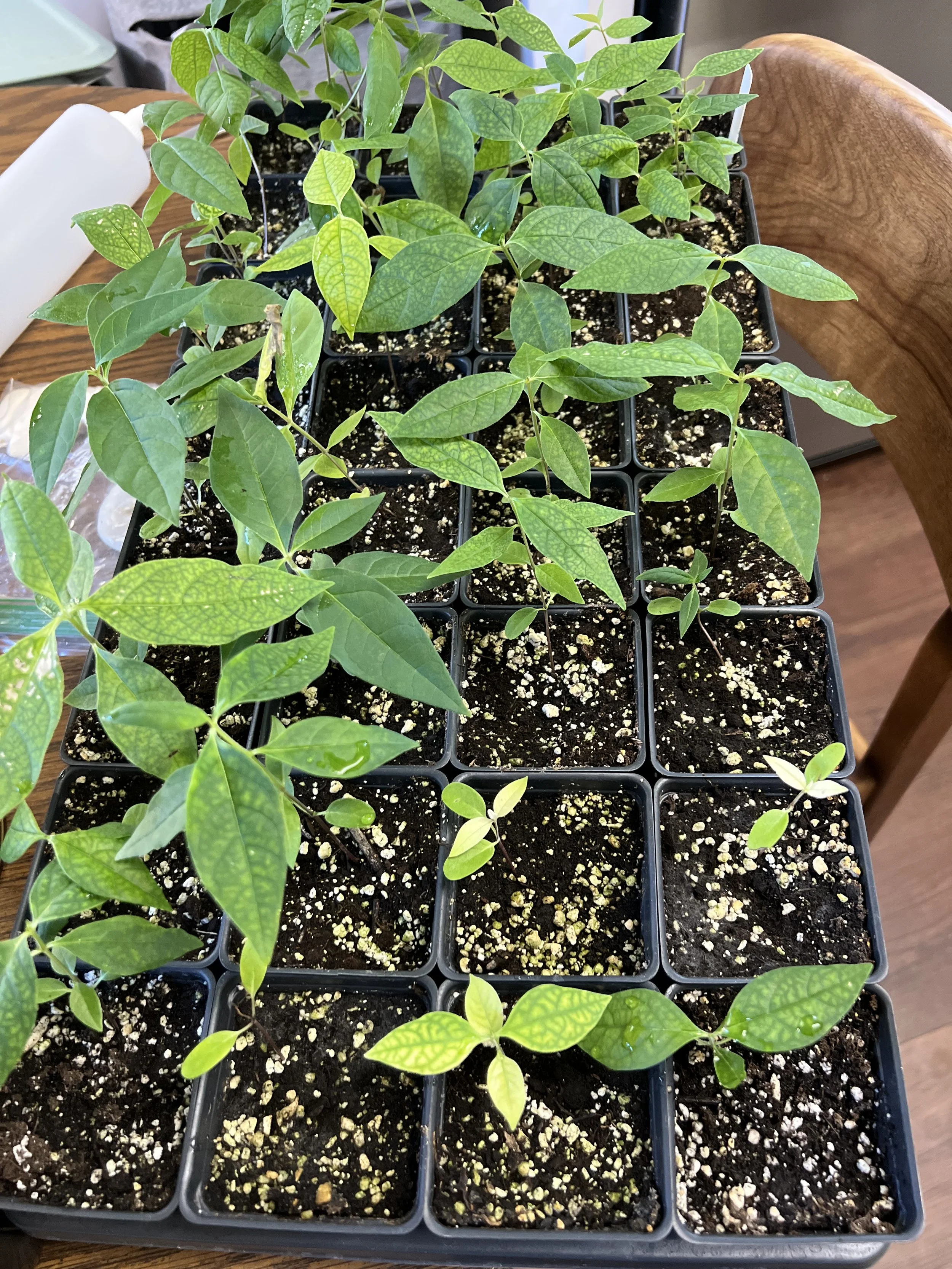
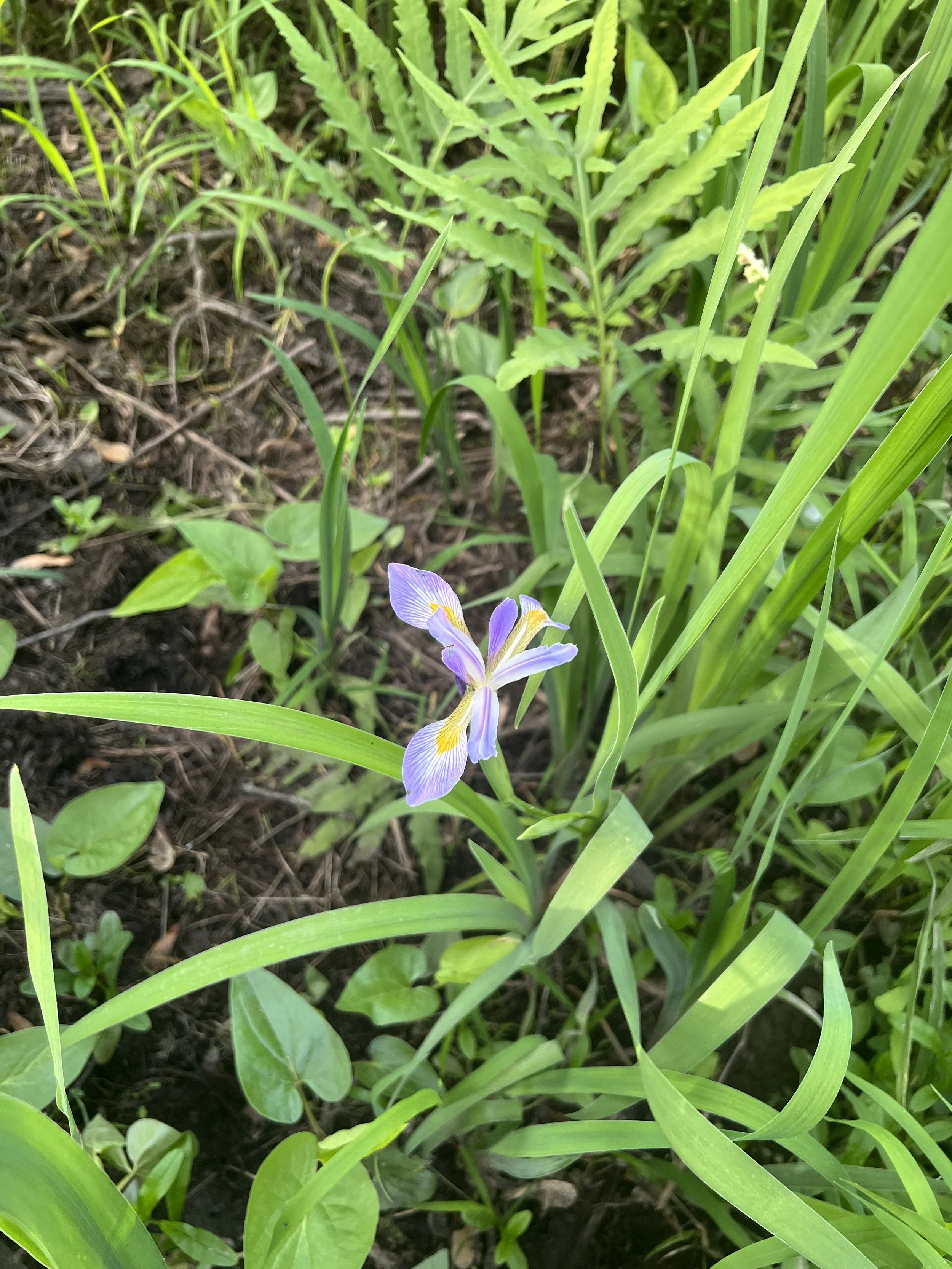
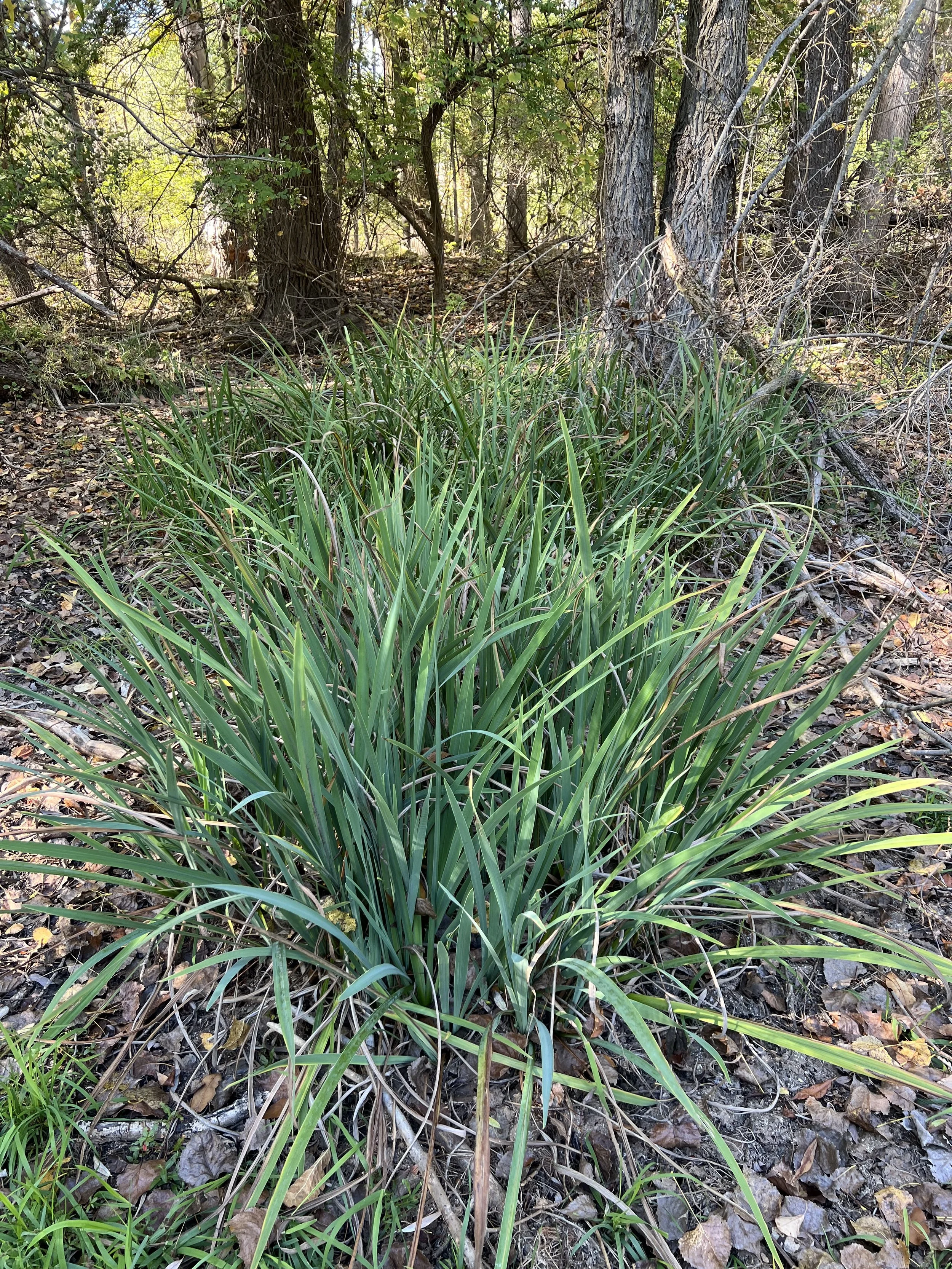
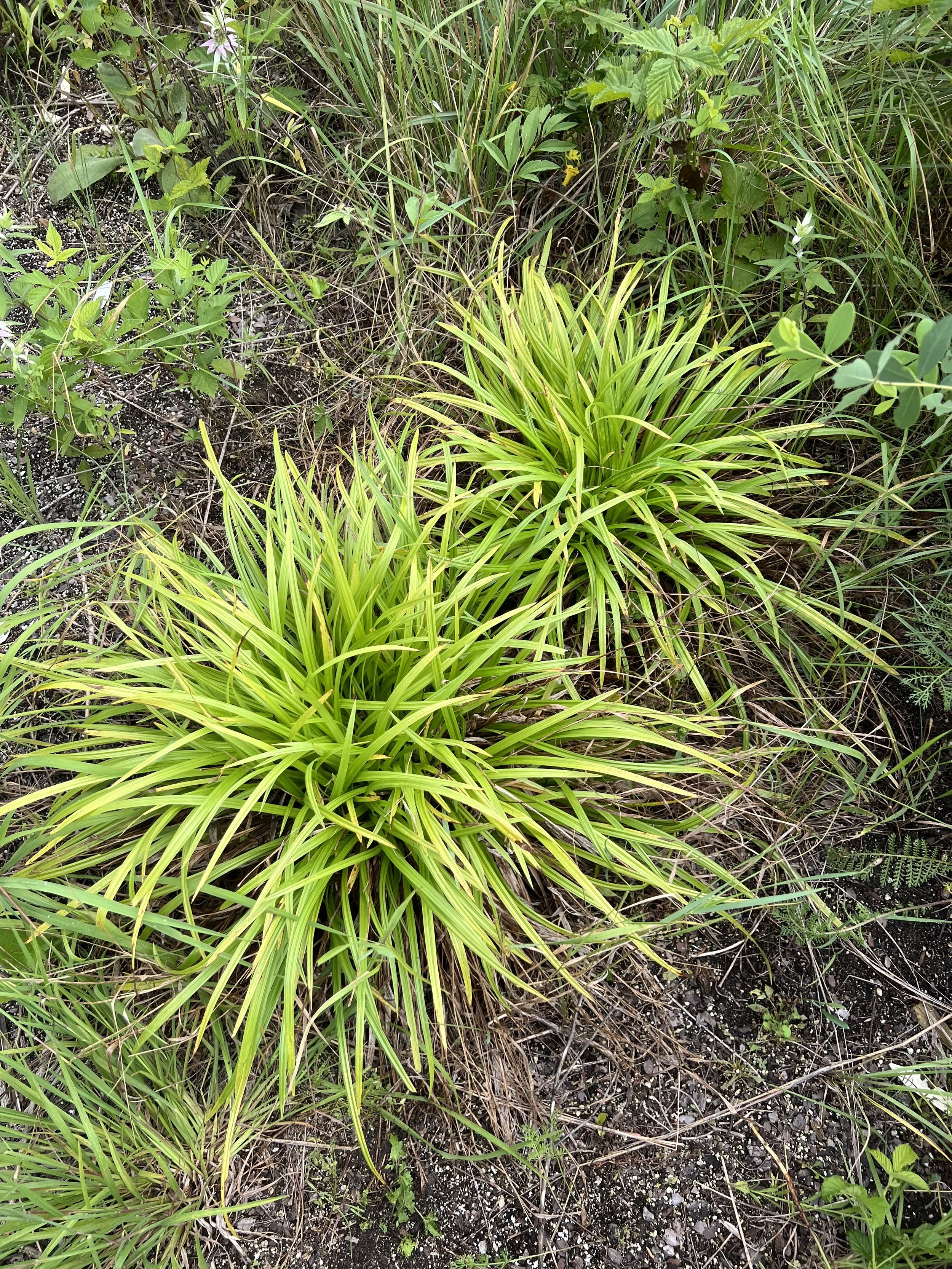
As you can see in the photos, in a garden setting, they look quite nice. They’d rather not be in outright dry soil, but other than that, they do well and surrounded by other plants, they tend to keep upright.
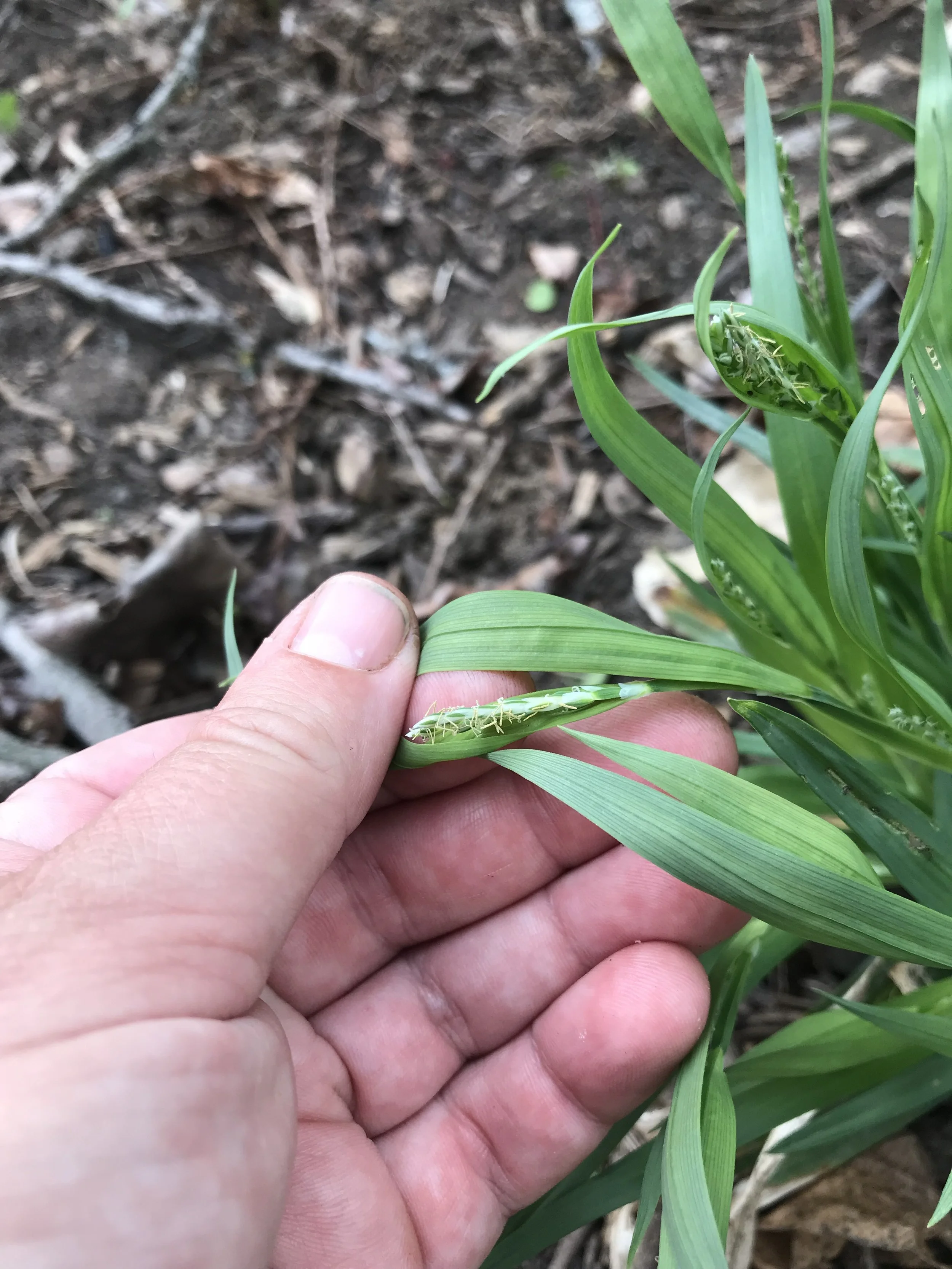
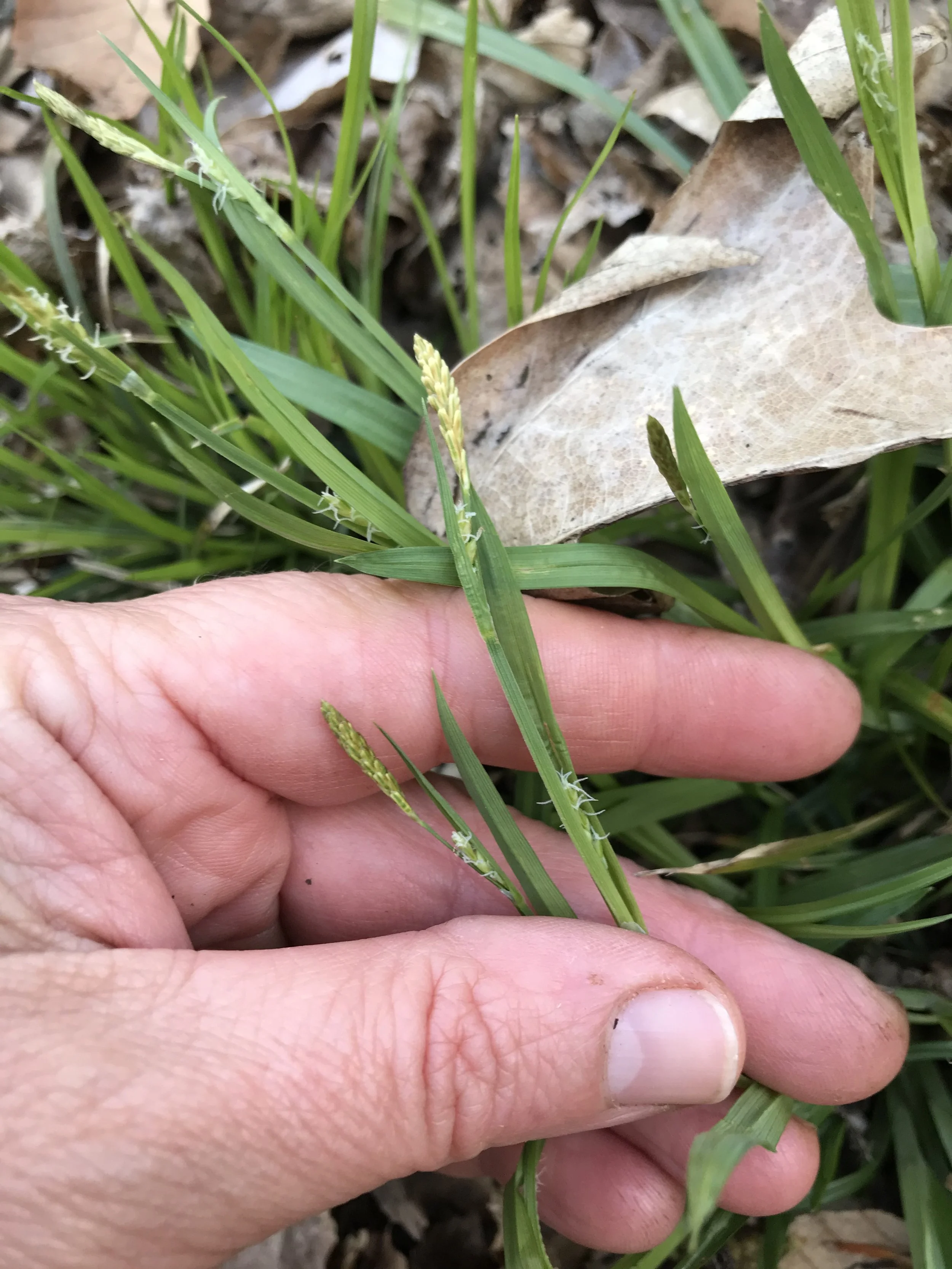
One of the things you can readily notice about this sedge is that it has a bract (leaf) that somewhat surrounds the spikes of flowers/seeds, much like White Bear Sedge which does occur in similar habitats.
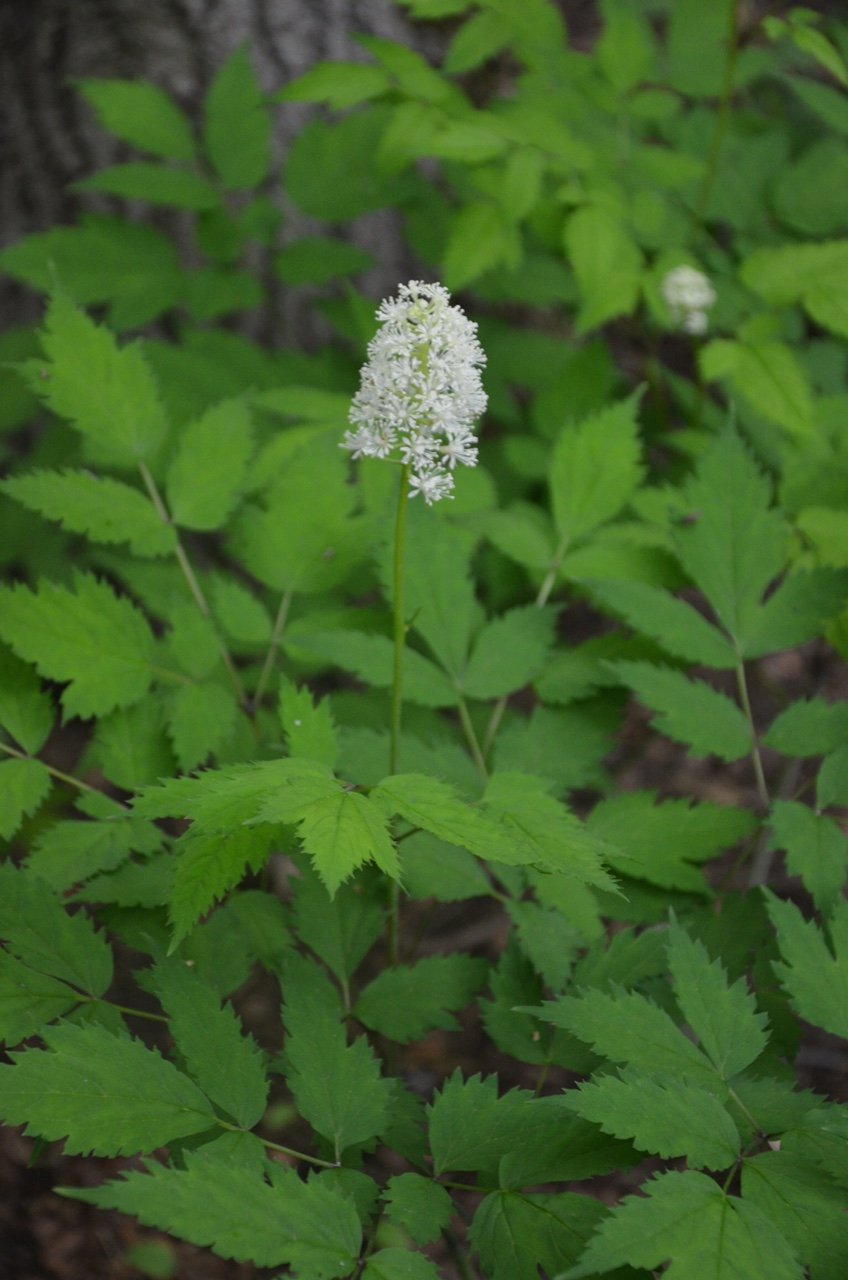
Companion Plants: wild geranium, Virginia bluebells, foam flower, jack-in-the-pulpit, columbine, wild ginger
Common Woodland Sedge (Carex blanda)
Michigan Flora reference page for statewide distribution: Common Woodland Sedge
Height: 1-2 feet
Soil: nearly all
Sun: full sun to shade
Plant spacing: 2 feet
Life cycle: perennial
Family: Cyperaceae
Seed source: Michigan
Sizes:
Get notified by email when this product is in stock.
Common Woodland Sedge is distributed mostly in the southern part of the lower peninsula of Michigan. Its natural habitat includes moist woodlands like beech-maple forests. However, it is extremely versatile when it comes to landscaping. This is because it tends to show up in all kinds of environments including open areas.
Sedges are some of the first plants to repopulate a disturbed area. They are wonderful plants, with their fibrous roots, for stabilizing the soil. This particular sedge also shows up in yards when the soil has been disturbed, and we recommend leaving them, even if you don’t ultimately want that sedge in that location. Leave them until you are ready to replace them.
Sedges, as a whole, are hosts to Eyed Brown and Appalachian Brown butterflies. They also provide seeds for birds and small mammals.
As you can see in the photos, in a garden setting, they look quite nice. They’d rather not be in outright dry soil, but other than that, they do well and surrounded by other plants, they tend to keep upright.
One of the things you can readily notice about this sedge is that it has a bract (leaf) that somewhat surrounds the spikes of flowers/seeds, much like White Bear Sedge which does occur in similar habitats.
Companion Plants: wild geranium, Virginia bluebells, foam flower, jack-in-the-pulpit, columbine, wild ginger
Common Woodland Sedge (Carex blanda)
Michigan Flora reference page for statewide distribution: Common Woodland Sedge
Height: 1-2 feet
Soil: nearly all
Sun: full sun to shade
Plant spacing: 2 feet
Life cycle: perennial
Family: Cyperaceae
Seed source: Michigan