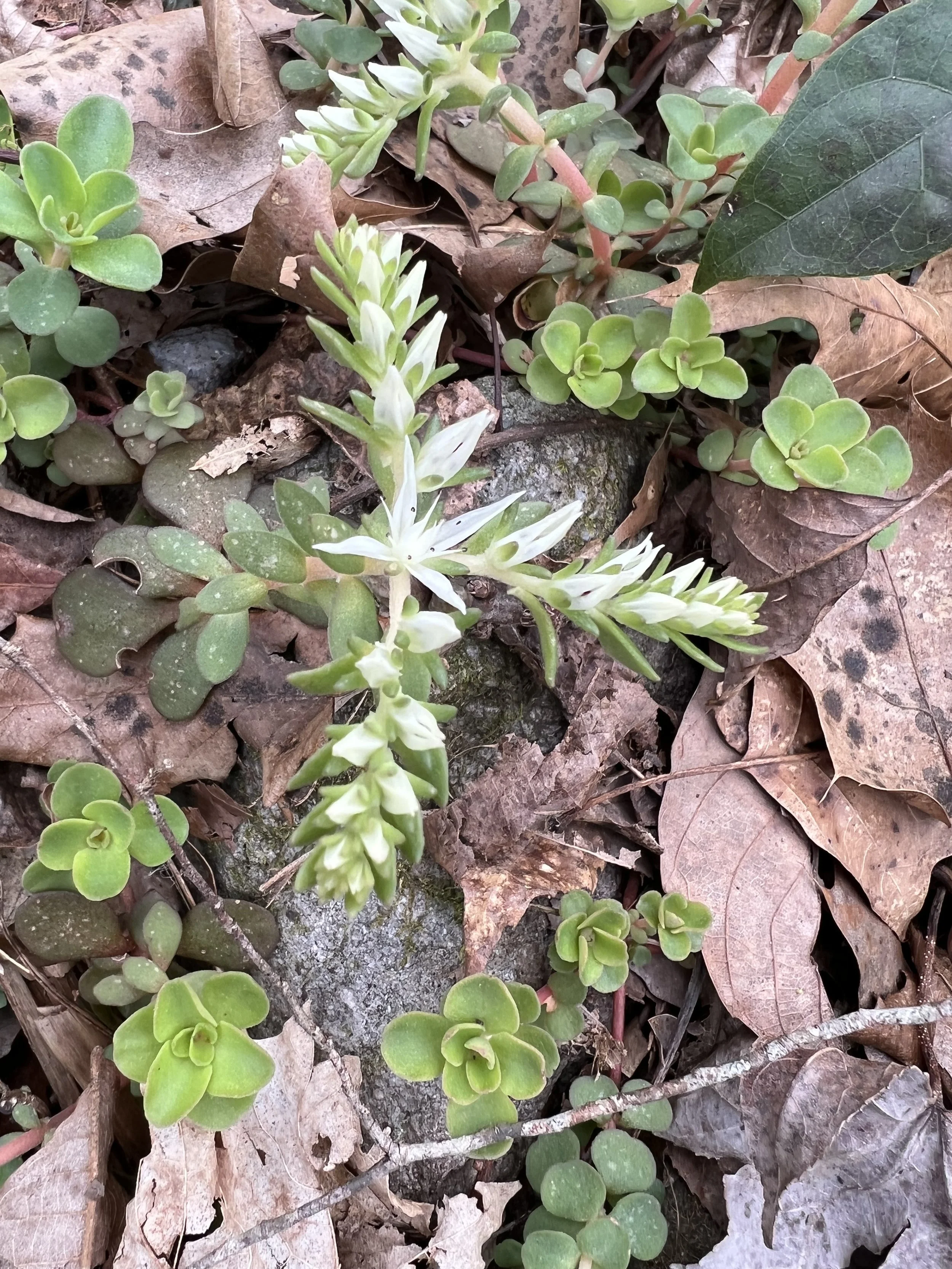
Image 1 of 4
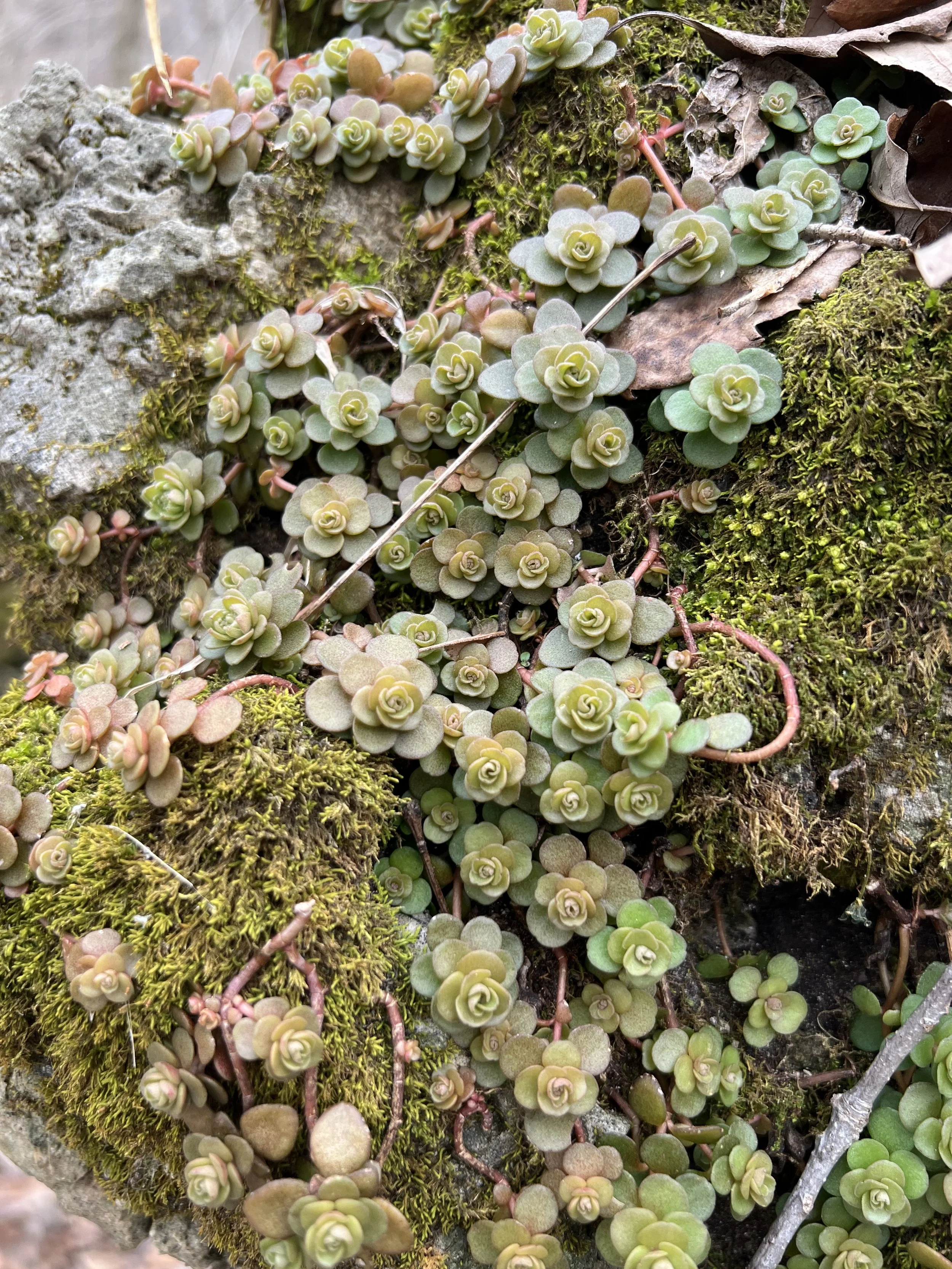
Image 2 of 4
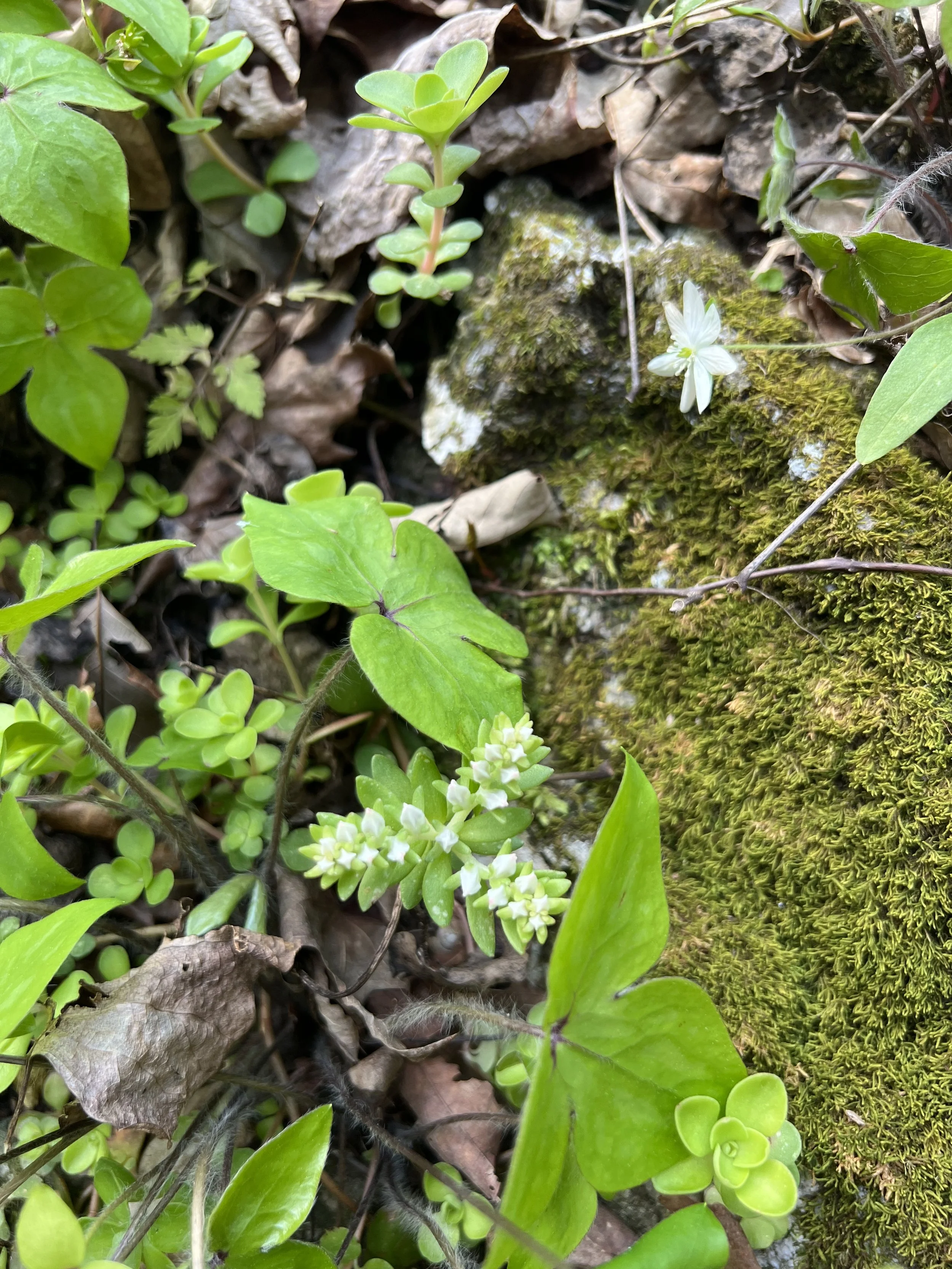
Image 3 of 4
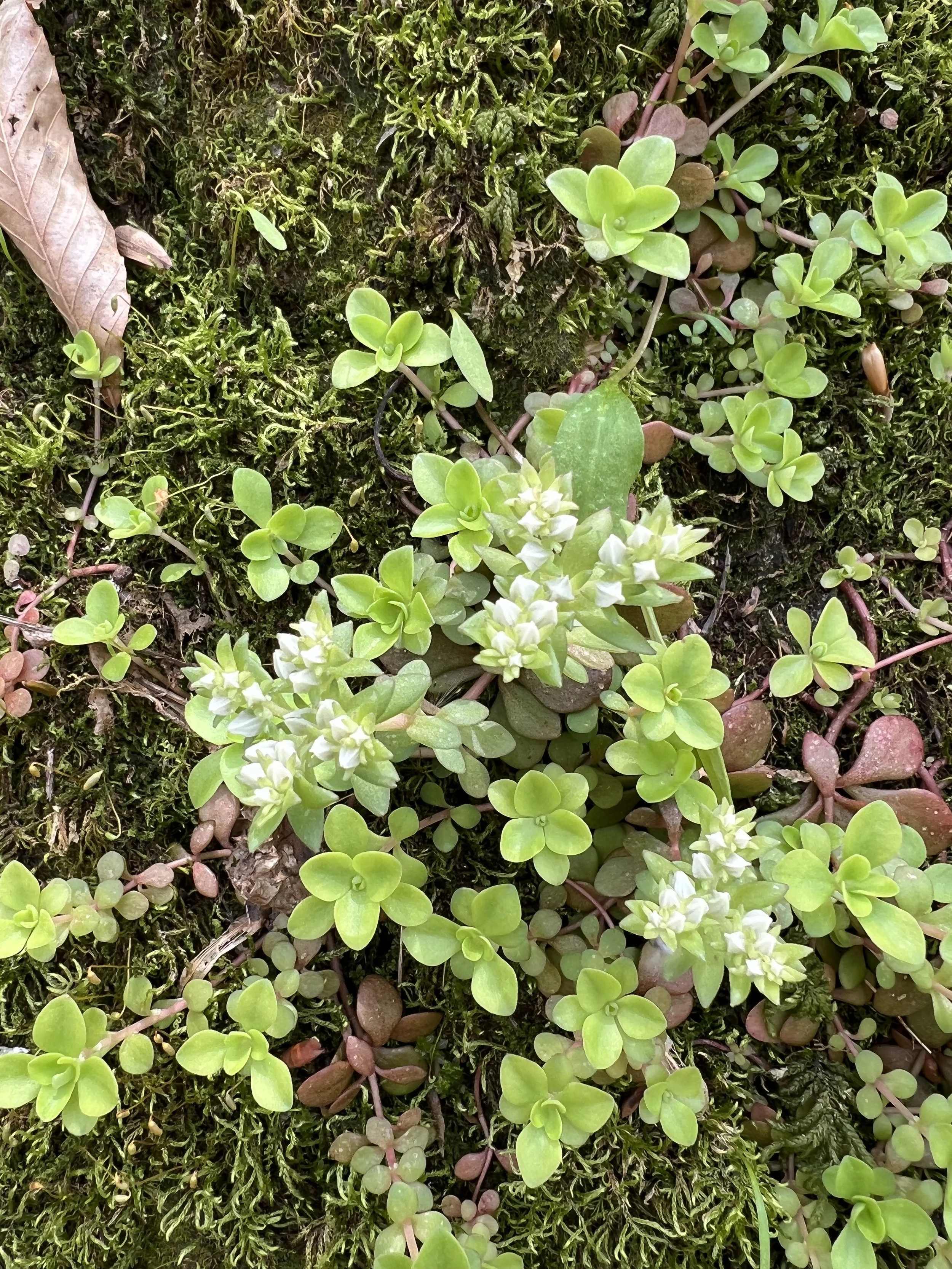
Image 4 of 4
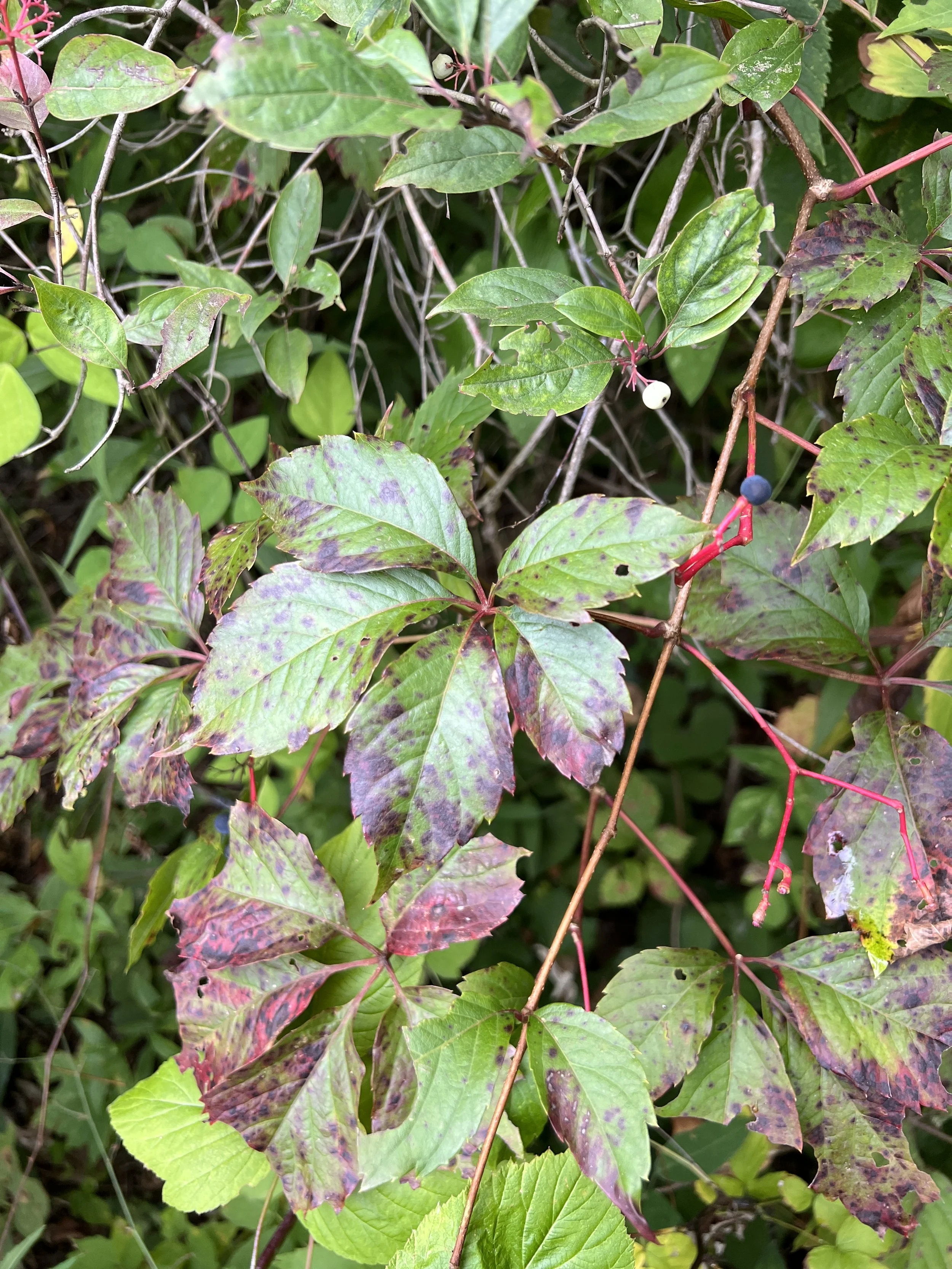
Woodbine (Parthenocissus inserta)
from $6.00
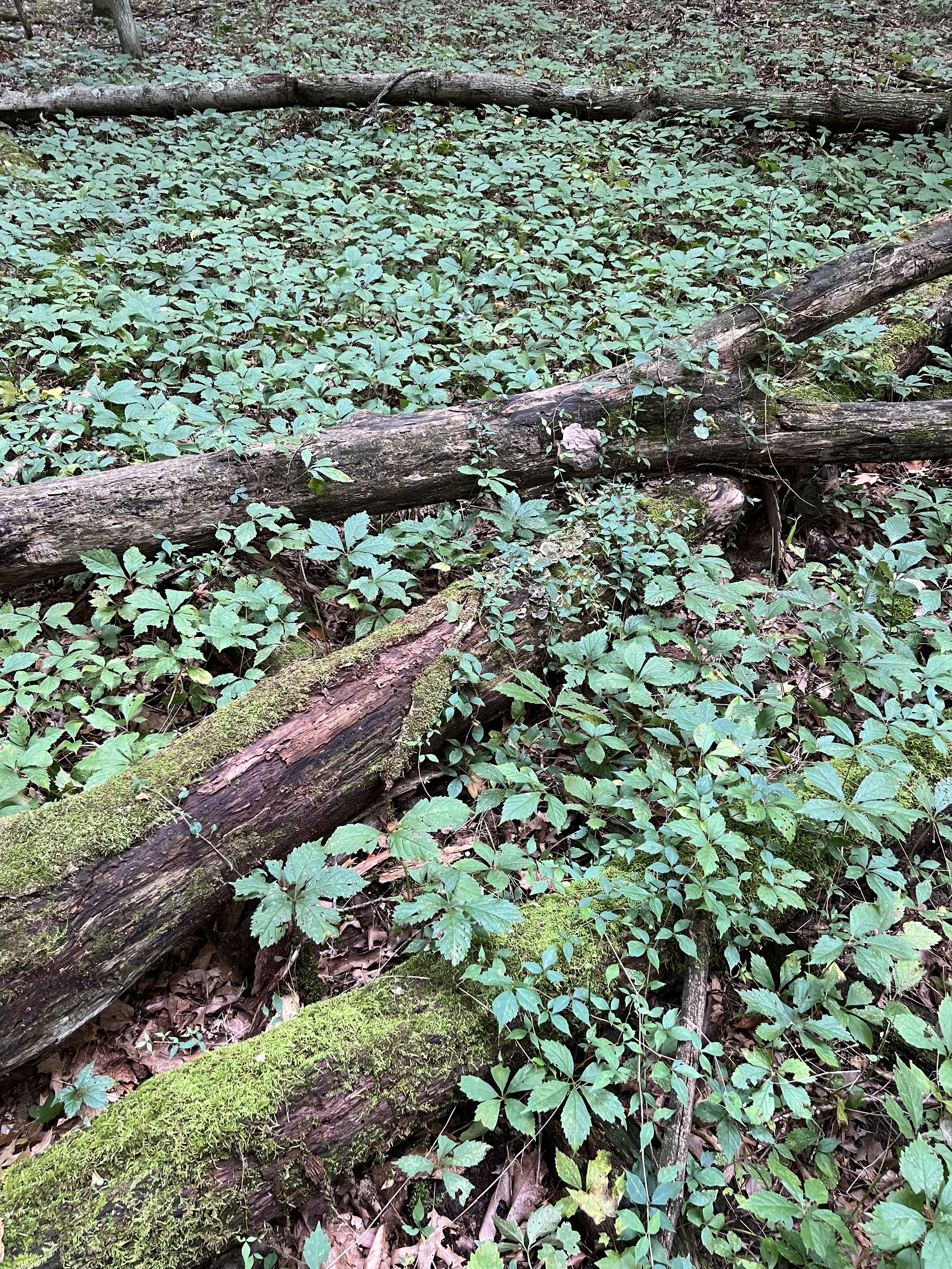
Woodbine, also known as Thicket Creeper, looks a lot like Virginia Creeper, with some subtle differences. The main difference that I read about, is that Woodbine usually stays closer to the ground, whereas Virginia Creeper grows to the top of trees more often and the berries form out of sight, high up in the tree. Woodbine can be found on trees, but also sprawling on the forest floor, forming a ground cover and providing shelter for small animals.
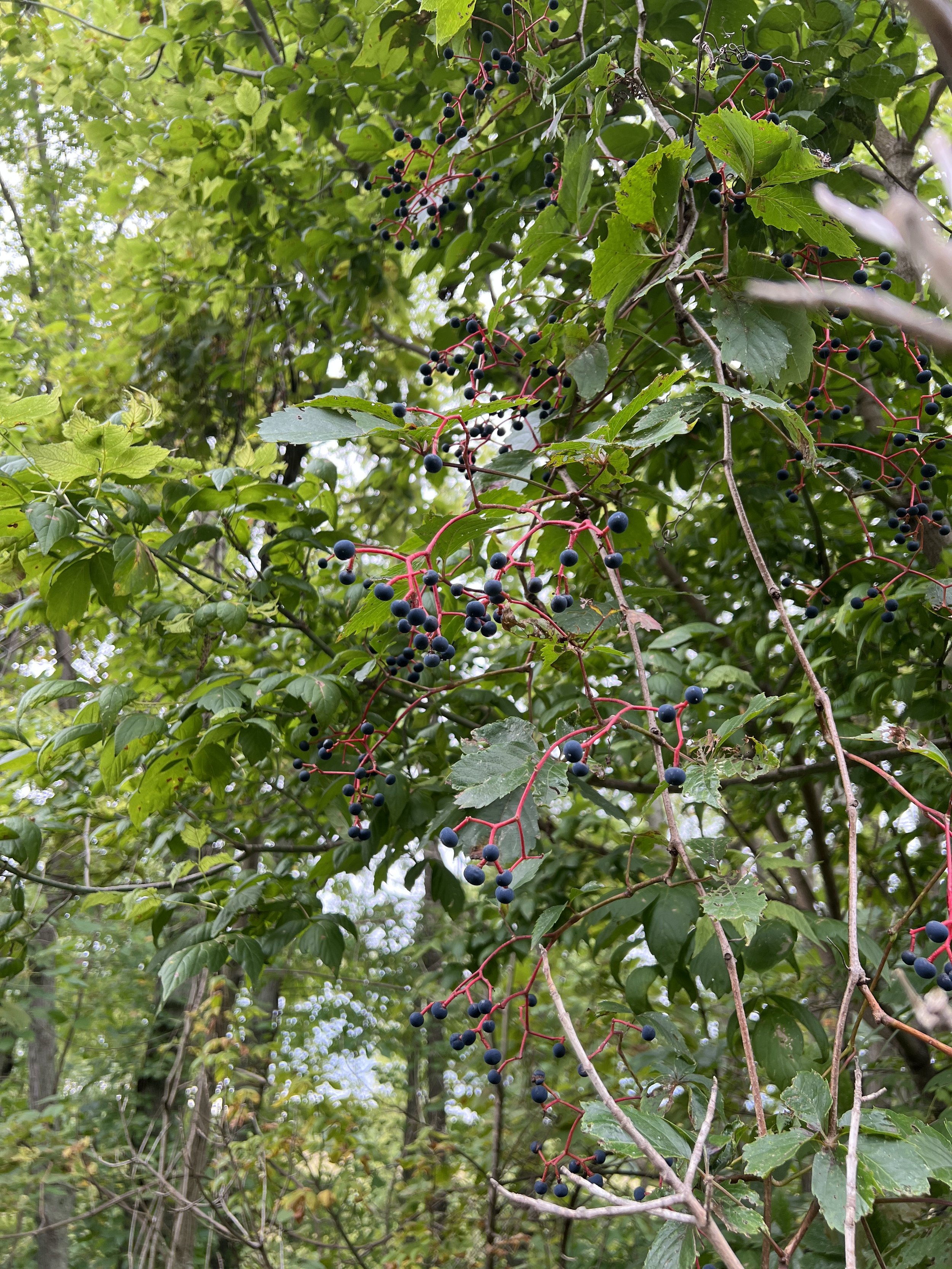
Woodbine also tends to have glossy leaves, whereas only the new leaves are glossy on Virginia Creeper. The bright, blue berries of woodbine are a little larger (which, of course, is relative), but they usually have four seeds inside compared to three or less in Virginia Creeper. Woodbine also cannot climb walls because it does not form the adhesive discs on the vine tendrils.
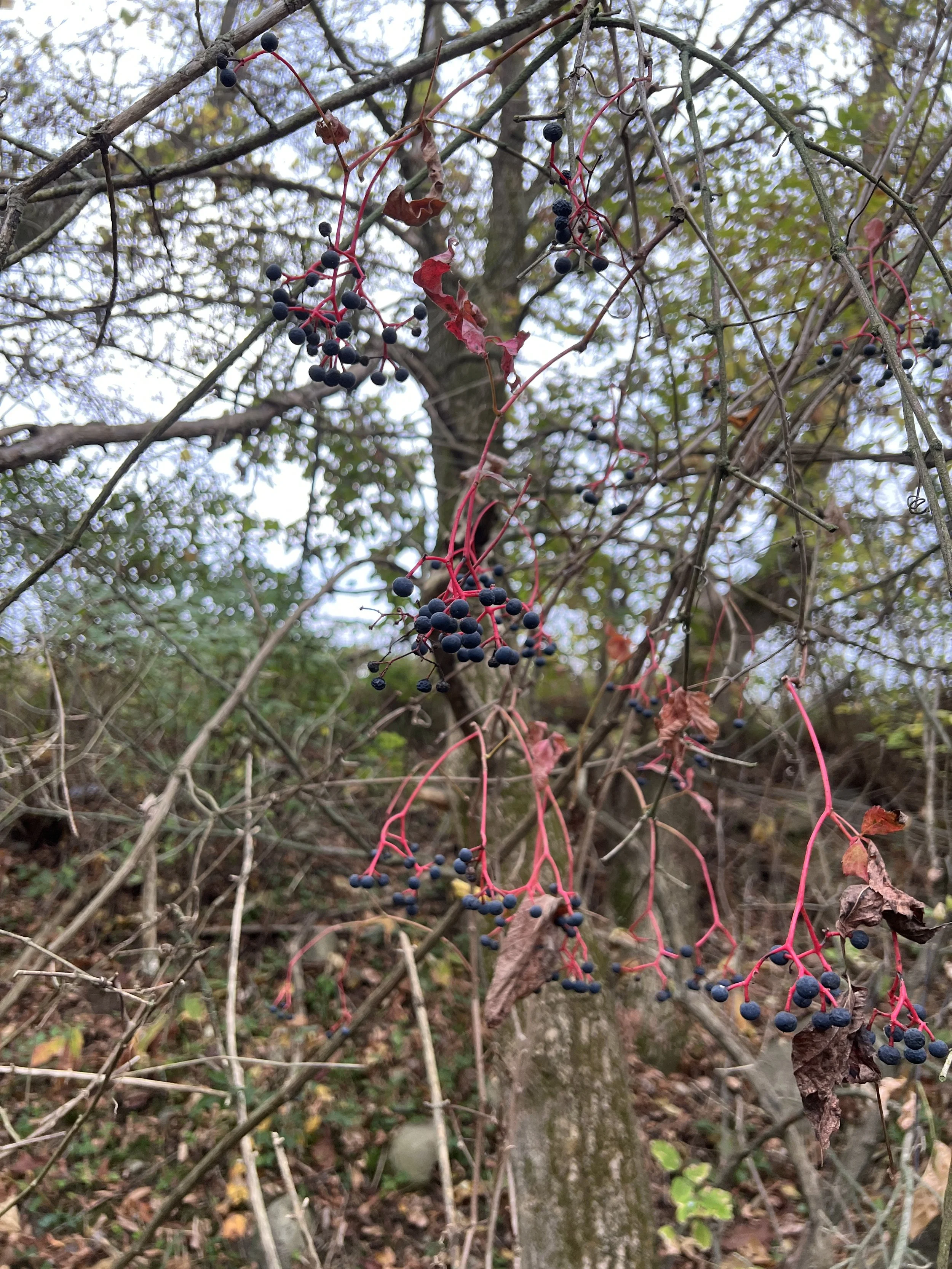
Woodbine is a host plant for the beautiful 8-Spotted Forester Moth. The berries are a great boon for migrating birds in the fall. And, the bright red fall color is something people enjoy!
If you have woods that have had invasive planets like garlic mustard or dame’s rocket, this is a plant that might interest you. It has been found that garlic mustard and dame’s rocket are plants that thrive in disturbance and one of the methods of eradication involves either clipping the plant (rather than pulling), or just leaving it alone, reducing disturbance of the soil. Woodbine can grow in and around these plants and eventually when the invasive plants lose their footing, other natives could be introduced.
Woodbine (Parthenocissus inserta)
Michigan Flora reference page for state distribution: Woodbine
Height: to 70’ according to Minnesota Wildflowers
Bloom time: June-July
Soil: loam, sandy loam, loamy clay
Sun: part-sun to shade
Plant spacing: 2-3 feet
Flower: pink/green/yelow
Life cycle: Perennial
Family: Vitaceae (grape family)
Seed source: Michigan
Get notified by email when this product is in stock.
Woodbine, also known as Thicket Creeper, looks a lot like Virginia Creeper, with some subtle differences. The main difference that I read about, is that Woodbine usually stays closer to the ground, whereas Virginia Creeper grows to the top of trees more often and the berries form out of sight, high up in the tree. Woodbine can be found on trees, but also sprawling on the forest floor, forming a ground cover and providing shelter for small animals.
Woodbine also tends to have glossy leaves, whereas only the new leaves are glossy on Virginia Creeper. The bright, blue berries of woodbine are a little larger (which, of course, is relative), but they usually have four seeds inside compared to three or less in Virginia Creeper. Woodbine also cannot climb walls because it does not form the adhesive discs on the vine tendrils.
Woodbine is a host plant for the beautiful 8-Spotted Forester Moth. The berries are a great boon for migrating birds in the fall. And, the bright red fall color is something people enjoy!
If you have woods that have had invasive planets like garlic mustard or dame’s rocket, this is a plant that might interest you. It has been found that garlic mustard and dame’s rocket are plants that thrive in disturbance and one of the methods of eradication involves either clipping the plant (rather than pulling), or just leaving it alone, reducing disturbance of the soil. Woodbine can grow in and around these plants and eventually when the invasive plants lose their footing, other natives could be introduced.
Woodbine (Parthenocissus inserta)
Michigan Flora reference page for state distribution: Woodbine
Height: to 70’ according to Minnesota Wildflowers
Bloom time: June-July
Soil: loam, sandy loam, loamy clay
Sun: part-sun to shade
Plant spacing: 2-3 feet
Flower: pink/green/yelow
Life cycle: Perennial
Family: Vitaceae (grape family)
Seed source: Michigan